

Understanding Bedding Areas for Successful Deer Hunting
Understanding where whitetail deer rest during daylight hours is one of the most critical skills for hunters pursuing mature bucks. These resting locations, known as bedding areas, serve as the foundation of deer movement patterns throughout the day. By identifying and respecting these sanctuary zones, hunters can position themselves strategically along travel routes and increase their chances of encountering trophy animals. Successful hunters recognize that bedding areas represent far more than random patches of cover-they're carefully selected locations that provide security, comfort, and strategic advantages for deer populations.
The Strategic Importance of Bedding Areas
Whitetail deer select bedding locations based on multiple survival factors that have evolved over thousands of years. Mature bucks especially demonstrate sophisticated bedding behavior, choosing locations that maximize their ability to detect predators while minimizing energy expenditure.
Primary factors influencing bedding site selection include:
- Thermal regulation and protection from harsh weather conditions
- Visibility advantages allowing deer to spot approaching danger
- Scent dispersal patterns that leverage prevailing winds
- Proximity to reliable food and water sources
- Escape route availability for quick exits when threatened
The distinction between buck and doe bedding areas significantly impacts hunting strategy. Does typically bed in groups within larger, more open areas where collective vigilance protects the herd. Bucks, particularly mature specimens, prefer isolated bedding spots with exceptional visibility and multiple escape routes.
Seasonal Variations in Bedding Patterns
Bedding locations shift throughout the year as environmental conditions and deer priorities change. During summer months, deer prioritize thermal comfort, selecting shaded areas near water sources where cooling breezes provide relief from heat. These locations often feature dense canopy cover and may be located at lower elevations with access to lush vegetation.
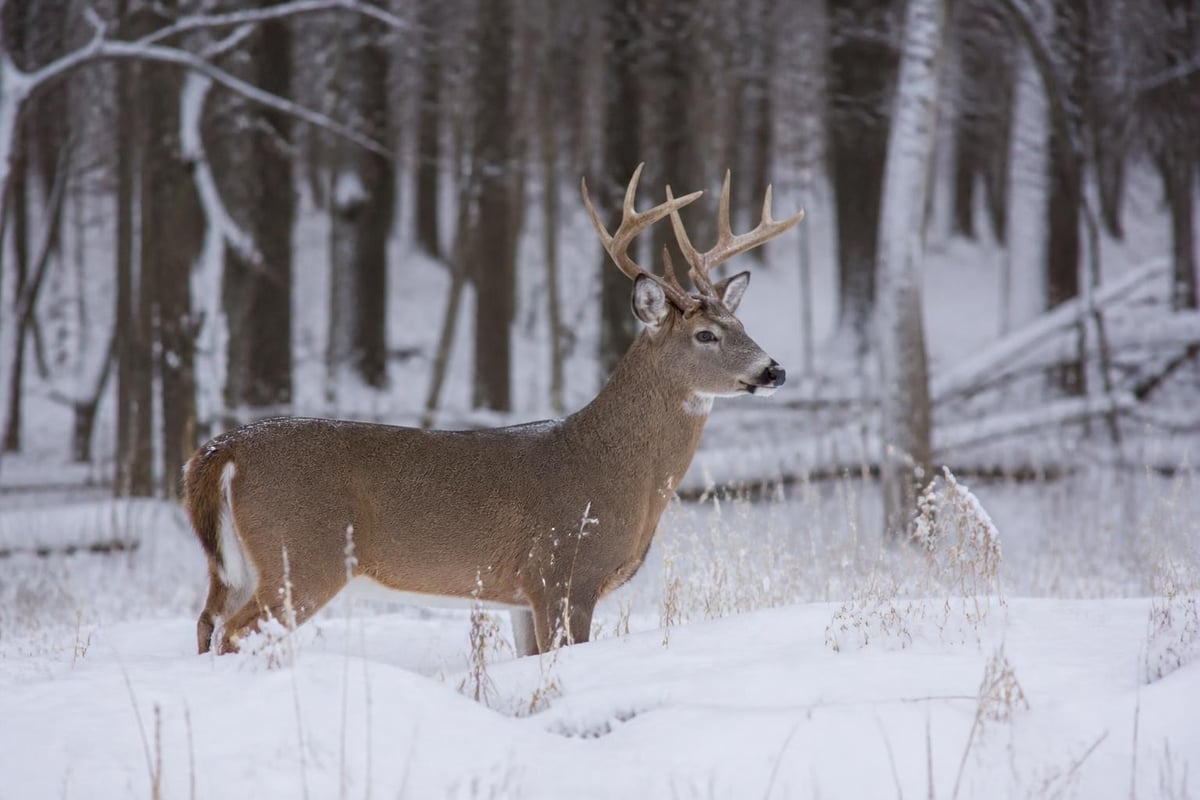
Fall bedding areas transition toward security-focused locations as hunting pressure increases. Bucks move into heavier cover, often on ridges or hillsides where they can monitor multiple approach angles. Winter bedding emphasizes thermal protection, with deer selecting south-facing slopes, coniferous cover, and locations that block prevailing winds while maximizing sun exposure.
| Season | Primary Factor | Typical Location | Cover Density |
|---|---|---|---|
| Summer | Thermal Comfort | Creek bottoms, shaded valleys | Moderate to Heavy |
| Fall | Security | Ridge tops, thick brush | Heavy |
| Winter | Thermal Protection | South slopes, evergreen stands | Moderate |
| Spring | Food Access | Edge habitat, new growth areas | Light to Moderate |
Identifying Bedding Areas Through Scouting
Successful hunters employ multiple scouting techniques to locate deer bedding areas without disturbing the deer themselves. Digital mapping tools combined with physical reconnaissance provide comprehensive understanding of bedding patterns across your hunting property.
Begin with topographical map analysis, identifying terrain features that naturally attract bedding activity. Look for benches on hillsides, points extending into valleys, saddles between ridges, and thick cover adjacent to food sources. These landscape features consistently hold bedding areas across diverse geographic regions.
Field signs indicating active bedding areas:
- Oval-shaped depressions in leaves or grass where deer have laid
- Concentrated scat deposits in relatively small areas
- Browse lines on surrounding vegetation at consistent heights
- Multiple trails converging toward specific cover patches
- Rub lines and scrapes along approach routes
Trail camera placement near suspected bedding areas requires careful consideration. Position cameras on entry and exit routes rather than within bedding areas themselves. This approach gathers movement data without pressuring deer to abandon established bedding locations. When reviewing imagery, note the timing of deer movement to distinguish bedding zones from feeding areas or travel corridors.
Ground Scouting Best Practices
Physical inspection of bedding areas should occur during midday hours when deer typically occupy these spaces. This timing requires extreme caution and strategic wind consideration. Never scout bedding areas when conditions might alert resident deer to your presence.
Approach suspected bedding areas from downwind, moving slowly and quietly while scanning for deer before they detect you. If you spot bedded deer before they see you, retreat immediately and mark the location digitally for future reference. The goal is gathering intelligence without educating deer to human presence.
Effective strategies for finding whitetail bedding areas emphasize patience and systematic coverage of your property. Document each confirmed bedding area with GPS coordinates, noting the dominant cover type, topographical features, and nearby food sources. This information creates a comprehensive map of deer sanctuary zones across your hunting grounds.
Managing Bedding Areas for Improved Hunting
Property managers can enhance existing bedding areas or create new ones through strategic habitat manipulation. Creating and managing deer bedding areas involves understanding the specific elements that make locations attractive to deer while maintaining their natural security features.
Bedding area improvements should focus on three core elements: cover density, sight lines, and access to resources. Hinge-cutting trees creates horizontal cover at deer eye level while maintaining living vegetation that continues providing screening benefits. This technique works particularly well on properties lacking dense understory growth.
Creating Thermal Bedding Cover
Establishing coniferous plantings provides year-round thermal protection that becomes increasingly valuable during harsh winter months. Spruce, pine, and cedar plantings matured over five to seven years create exceptional bedding habitat that holds deer during extreme weather events.
Native warm-season grass plantings offer summer bedding cover that deer readily utilize. Switchgrass, big bluestem, and indiangrass grow tall enough to conceal bedded deer while remaining cooler than surrounding woody cover during hot months. These grasses also provide nesting habitat for ground-dwelling birds, creating multiple wildlife benefits from single plantings.
Hunters pursuing upland game and deer simultaneously understand the value of diverse habitat management. For those interested in comprehensive hunting experiences that combine waterfowl, upland birds, and whitetail opportunities, The Upland Escape Giveaway showcases the premier hunting experience at Heartland Lodge in Pike County, Illinois, where expertly managed habitat supports exceptional wildlife populations across multiple species.
Hunting Strategies Around Bedding Areas
The most critical rule for hunting near bedding areas is respecting their sanctity. Pressuring deer in their bedding zones educates them to human patterns and often results in nocturnal movement or property abandonment. Instead, focus hunting efforts on transition zones between bedding areas and feeding locations.
Effective hunting zones relative to bedding areas:
- Travel corridors connecting bedding to food sources
- Staging areas where deer pause before entering fields
- Funnels created by topography or cover gaps
- Secondary scrape areas along bedding perimeters
- Water sources positioned between bedding and feeding zones
Morning hunts should position hunters between feeding areas and bedding zones, intercepting deer returning to rest after nighttime feeding activity. Entry routes must avoid bedding areas entirely, even if this requires significant detours or challenging access paths. One bumped deer can ruin a stand location for the remainder of the season.
Evening hunts target the opposite pattern, positioning hunters between bedding and feeding areas as deer emerge for evening feeding activity. Understanding buck bedding behavior and location preferences helps predict which routes mature bucks will utilize when leaving secure daytime cover.
Wind Direction and Access Routes
Every hunting location near bedding areas requires specific wind conditions for success. Document acceptable wind directions for each stand, refusing to hunt locations when winds compromise your approach or position. This discipline preserves hunting locations throughout the season rather than burning them during poor conditions.
Access route planning represents perhaps the most overlooked aspect of hunting bedding area perimeters. Create designated paths that avoid bedding zones and minimize disturbance to deer using feeding areas. Mark these routes clearly and use them exclusively, even when other paths appear more convenient.
| Hunt Timing | Target Zone | Ideal Wind | Access Consideration |
|---|---|---|---|
| Morning | Bedding Approach | Into bedding area | Avoid food sources |
| Evening | Bedding Exit | Away from bedding | Avoid bedding areas |
| Midday | Near Bedding | Variable | Minimal movement |
| Rut | Downwind of Bedding | Into bedding area | Scent control critical |
Advanced Bedding Area Concepts
Mature bucks exhibit bedding patterns that differ substantially from younger males and doe groups. Trophy-class animals often establish multiple bedding areas across their home range, rotating between locations based on hunting pressure, weather conditions, and breeding activity.
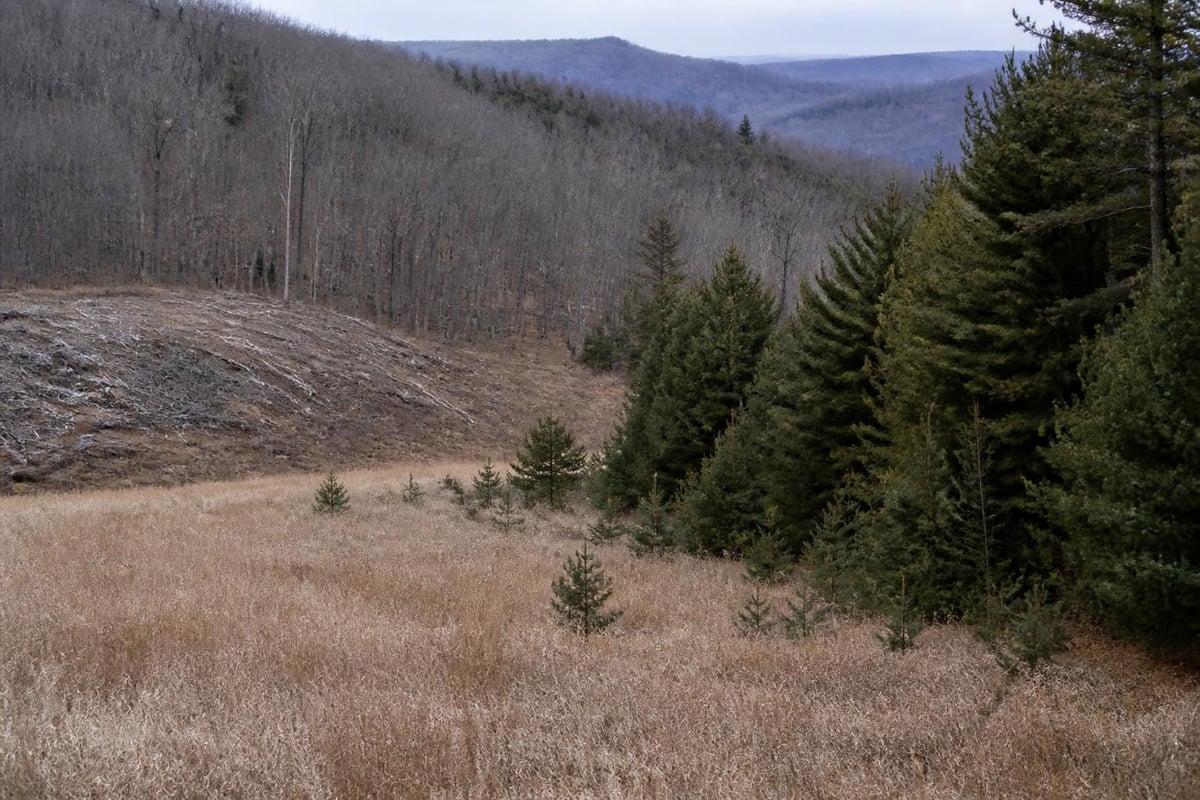
These dominant bucks frequently bed alone in isolated cover patches that offer exceptional visibility and multiple escape routes. Ridge points, grown-over clearcuts, and brushy fencerows all serve as micro-bedding areas that big bucks utilize when vacating primary bedding zones due to disturbance.
Understanding bedding area networks rather than individual bedding spots provides strategic advantages during hunting season. When pressure pushes deer from one bedding area, they relocate to secondary or tertiary options within their established range. Identifying these backup bedding locations allows hunters to anticipate deer movement under varying pressure scenarios.
Bedding Areas During the Rut
Breeding season dramatically alters typical bedding patterns as bucks abandon cautious behavior in pursuit of receptive does. However, doe bedding areas become focal points of buck activity as males search for breeding opportunities. Does continue bedding in their established locations, drawing bucks into areas they normally avoid during daylight hours.
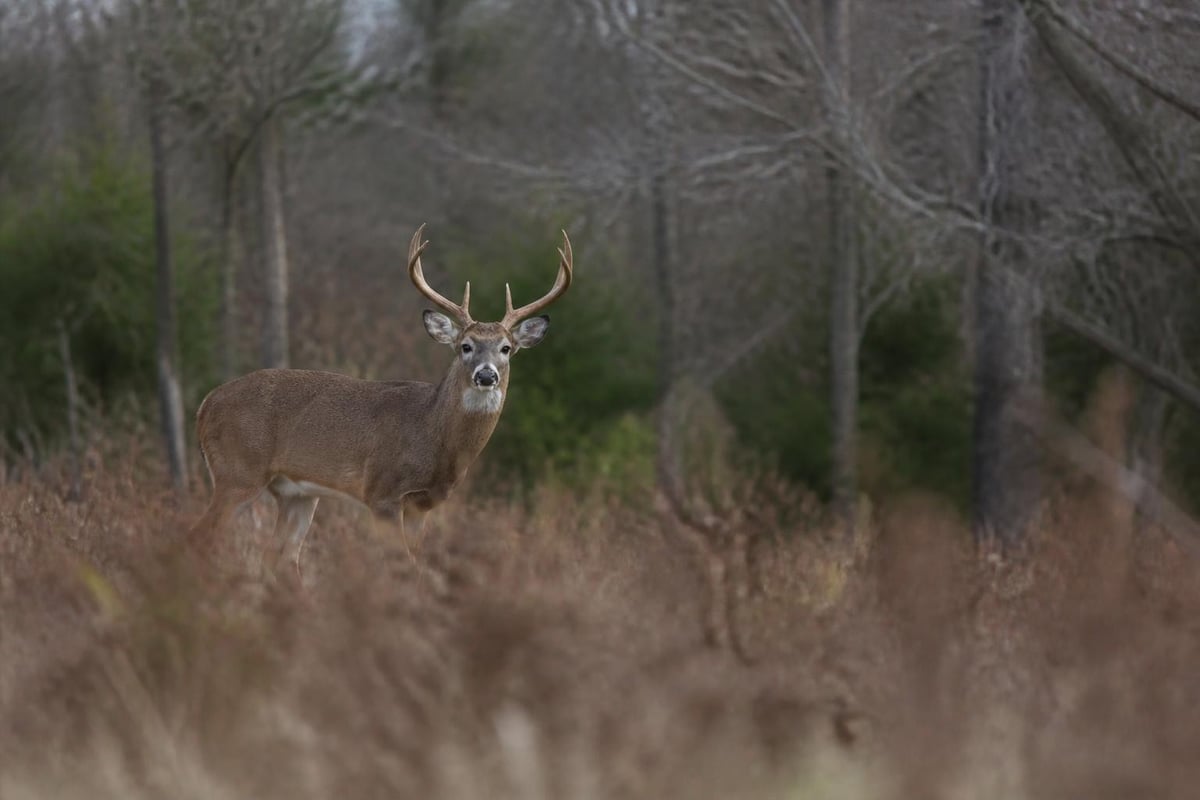
Hunting downwind of doe bedding areas during peak rut represents one of the most productive strategies for encountering mature bucks. Position yourself where bucks will scent-check bedded does without seeing you. This approach requires precise wind analysis and confident stand placement based on thorough pre-season scouting.
Practical advice for locating deer bedding areas emphasizes the importance of understanding individual property characteristics rather than applying generic formulas. Each hunting property contains unique features that influence bedding patterns specific to that landscape. Successful hunters invest time learning their particular ground rather than relying solely on theoretical knowledge.
Technology and Bedding Area Intelligence
Modern hunters leverage technological tools to refine their understanding of bedding areas without increasing physical intrusion. Mapping applications provide layered data showing topography, land cover, and historical imagery that reveals habitat changes over time. These digital resources allow hunters to identify probable bedding areas from their homes before ever stepping foot on the property.
Cellular trail cameras positioned on travel routes provide real-time intelligence about deer movement patterns. When combined with weather data and moon phase information, this imagery reveals correlations between environmental conditions and bedding area usage. Mature bucks often demonstrate predictable patterns regarding which bedding areas they utilize under specific conditions.
Thermal imaging technology offers unique advantages for post-season bedding area identification. Conducting thermal surveys after season closure allows hunters to observe deer in bedding areas without disturbance, confirming suspected locations and discovering previously unknown bedding zones. This information guides habitat improvement projects and refines hunting strategies for subsequent seasons.
Technology applications for bedding area management:
- Satellite imagery analysis for cover type identification
- Topographical mapping for terrain feature recognition
- Trail camera networks documenting movement timing and routes
- GPS tracking for precise bedding location documentation
- Weather pattern analysis correlating conditions with bedding site selection
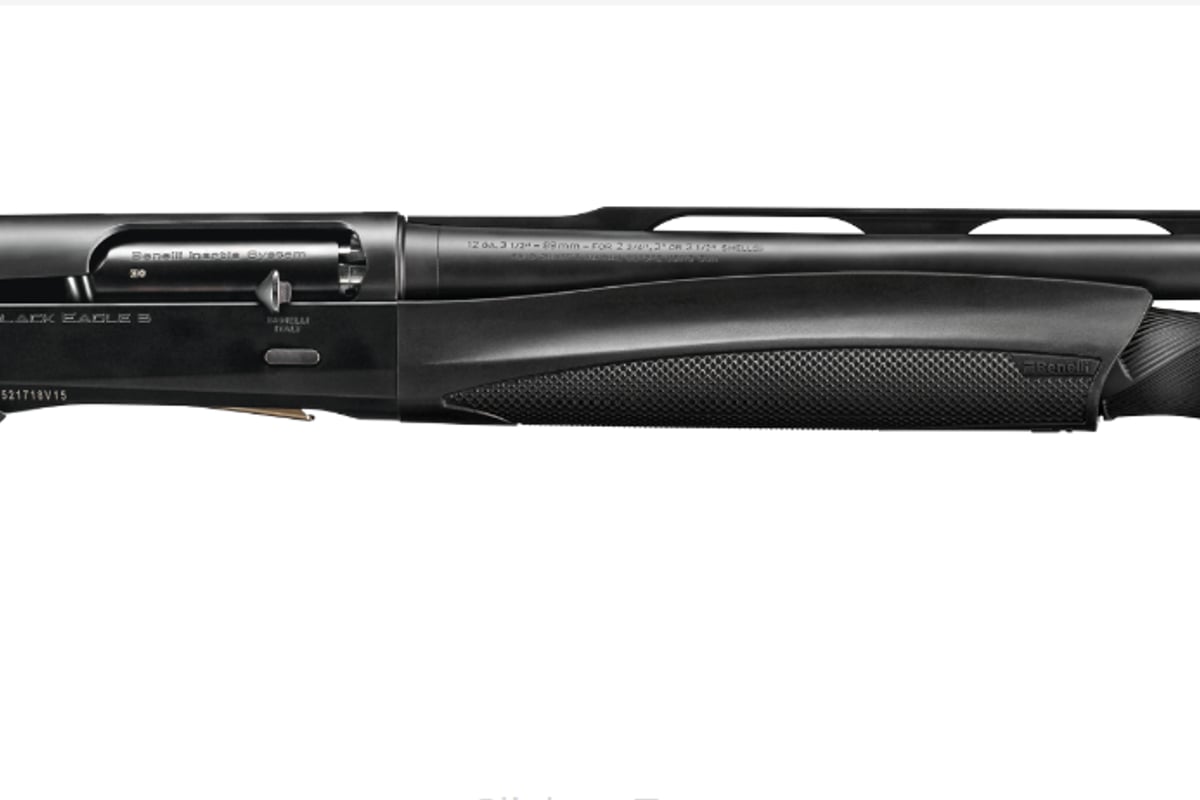
Whether you're pursuing whitetails on public land or managing private property, the firearms and accessories you choose impact your success in the field. Quality equipment from RCS Outdoors ensures you're prepared when opportunities present themselves near bedding areas. From rifles optimized for timber hunting to optics essential for low-light conditions, having reliable gear builds confidence during critical moments.
Property Size Considerations
Bedding area management strategies must adapt to available acreage. Small properties of 40 acres or less may contain only one or two primary bedding areas, requiring extra caution to avoid overhunting these limited resources. Hunters on small parcels benefit from understanding neighboring property features that influence deer movement across boundary lines.
Mid-sized properties ranging from 40 to 200 acres typically support multiple bedding areas serving different portions of the local deer population. These properties allow rotation of hunting pressure across various bedding area perimeters, preserving some locations as sanctuaries while actively hunting others. This rotation strategy maintains deer comfort levels throughout the season.
Large properties exceeding 200 acres provide opportunities for dedicated sanctuary zones where hunting never occurs. These unhunted bedding areas serve as refuge during high-pressure periods, keeping deer on the property rather than seeking security elsewhere. Establishing and maintaining these sanctuaries requires discipline to resist hunting pressure in all available cover.
Common Bedding Area Mistakes
Many hunters compromise their success through preventable errors related to bedding areas. The most frequent mistake involves hunting too close to bedding zones, educating deer to daytime pressure and shifting their activity patterns toward nocturnal movement. Maintaining appropriate distance between stand locations and bedding areas preserves hunting opportunities throughout the season.
Another common error occurs when hunters access or exit stand locations through bedding areas. Convenient routes that pass through security cover save time but alert deer to human presence in their sanctuaries. Investing effort in establishing proper access routes pays dividends through reduced pressure and maintained deer comfort.
Excessive scouting during early season represents a third critical mistake. Aggressive September trail camera checking and frequent property walks disturb deer establishing fall patterns. Limit scouting activities to essential intelligence gathering, relying on pre-season reconnaissance and strategic camera placement rather than constant property intrusion.
| Mistake | Impact | Solution |
|---|---|---|
| Hunting in bedding areas | Nocturnal deer movement | Hunt transition zones instead |
| Poor access routes | Educated deer | Establish dedicated paths |
| Excessive scouting | Increased pressure | Use remote cameras, limit visits |
| Ignoring wind direction | Alerted deer | Hunt only perfect wind conditions |
| Overhunting locations | Patterned by deer | Rotate stand sites strategically |
Mastering bedding areas transforms average hunters into consistently successful outdoorsmen who understand the daily rhythms of whitetail deer. By identifying these critical zones, respecting their importance to deer security, and positioning yourself along the travel routes connecting them to food sources, you gain strategic advantages that increase encounter rates with mature animals. Whether you're preparing for this season or planning long-term property improvements, RCS Outdoors provides the firearms, ammunition, and accessories needed to capitalize on your bedding area knowledge when that trophy buck finally presents a shot opportunity.


