

What Is an FFL Transfer? Complete Guide for Gun Buyers
Understanding what is an FFL transfer is essential for anyone purchasing firearms online or across state lines. This legally required process ensures that all firearm transactions comply with federal regulations while protecting both buyers and sellers. Whether you're buying your first handgun or expanding your collection with a specialized rifle, knowing how FFL transfers work will save you time, money, and potential legal complications. The process involves coordination between the seller, a federally licensed dealer, and you as the buyer, with specific steps that must be followed to complete the transaction legally.
Understanding Federal Firearms Licenses and Their Role
A Federal Firearms License (FFL) is a permit issued by the Bureau of Alcohol, Tobacco, Firearms and Explosives (ATF) that allows individuals and businesses to engage in the manufacture, importation, or sale of firearms and ammunition. Licensed dealers serve as intermediaries in transactions where direct transfer between private parties is prohibited or impractical.
The FFL system exists to enforce federal gun control laws, particularly the Gun Control Act of 1968 and subsequent amendments. These regulations require background checks and proper documentation for most firearm transfers, ensuring that prohibited persons cannot legally acquire guns through legitimate channels.
Types of FFL Holders
Not all FFL holders operate the same way or offer the same services. Understanding the different license types helps buyers identify the right dealer for their needs.
- Type 01 License: Dealers in firearms other than destructive devices (most gun shops)
- Type 02 License: Pawnbrokers dealing in firearms
- Type 03 License: Collectors of curios and relics
- Type 07 License: Manufacturers of firearms and ammunition
- Type 08 License: Importers of firearms and ammunition
Most firearm transfers for individual buyers involve Type 01 dealers, which include traditional gun shops, sporting goods stores, and specialized transfer services. When purchasing online, you'll need to identify a willing FFL holder in your area who will accept the shipment and facilitate the transfer.
What Is an FFL Transfer and When Is It Required
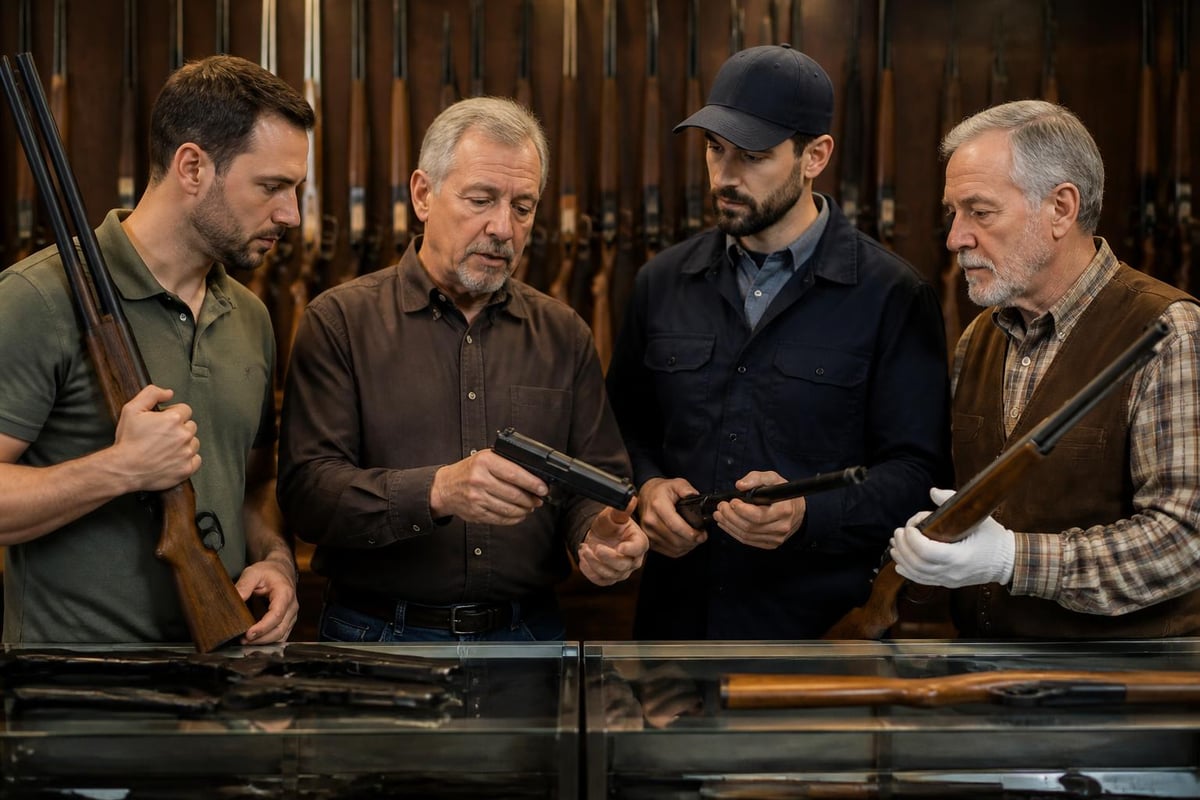
What is an FFL transfer in practical terms? It's the process by which a federally licensed dealer receives a firearm on behalf of a buyer, conducts the required background check, completes necessary paperwork, and legally transfers the firearm to the purchaser. This process bridges the gap when firearms cannot be transferred directly between parties.
FFL transfers become necessary in several situations. Interstate purchases always require an FFL transfer because federal law prohibits direct transfers of firearms across state lines between private parties. When you buy a handgun out of state, the seller must ship the firearm to an FFL holder in your state of residence.
Online firearm purchases represent the most common scenario requiring FFL transfers. Even when buying from a licensed dealer's website, the firearm must ship to a local FFL holder rather than directly to your home. The NRA Institute for Legislative Action provides insights into the FFL transfer process and its importance for maintaining legal compliance in these transactions.
Exceptions to FFL Transfer Requirements
Certain transactions do not require FFL transfers, though these exceptions vary by state law:
- Private sales within the same state (where permitted by state law)
- Transfers between immediate family members in some states
- Temporary transfers for hunting or sporting activities
- Bequests or inheritance transfers (though documentation is still required)
- Returns to the original owner
Always verify your state's specific requirements, as some jurisdictions have implemented universal background check laws that require FFL involvement even in private sales. Resources like RCS Outdoors’ North Carolina gun laws guide can help you understand regional regulations.
The Step-by-Step FFL Transfer Process
Understanding the complete process helps set proper expectations and ensures smooth transactions. The FFL transfer process involves coordination between multiple parties and typically takes several days to complete.
Finding and Selecting an FFL Dealer
Your first step involves identifying a local FFL holder willing to accept transfers. Most gun shops, shooting ranges, and dedicated transfer services offer this service. Transfer fees typically range from twenty to seventy-five dollars, though prices vary significantly by location and dealer.
When selecting an FFL dealer, consider these factors:
| Factor | Considerations |
|---|---|
| Transfer Fee | Compare prices among local dealers; some charge per firearm, others per transaction |
| Hours of Operation | Ensure pickup times align with your schedule |
| Processing Speed | Ask about typical turnaround times for completing transfers |
| Customer Service | Read reviews and assess dealer responsiveness |
| Additional Services | Some dealers offer inspections, cleaning, or accessories |
Contact your chosen dealer before completing your purchase to confirm they'll accept the transfer and understand their specific requirements. Some dealers refuse transfers for certain firearm types or have restrictions on which sellers they'll work with.
Initiating the Transfer
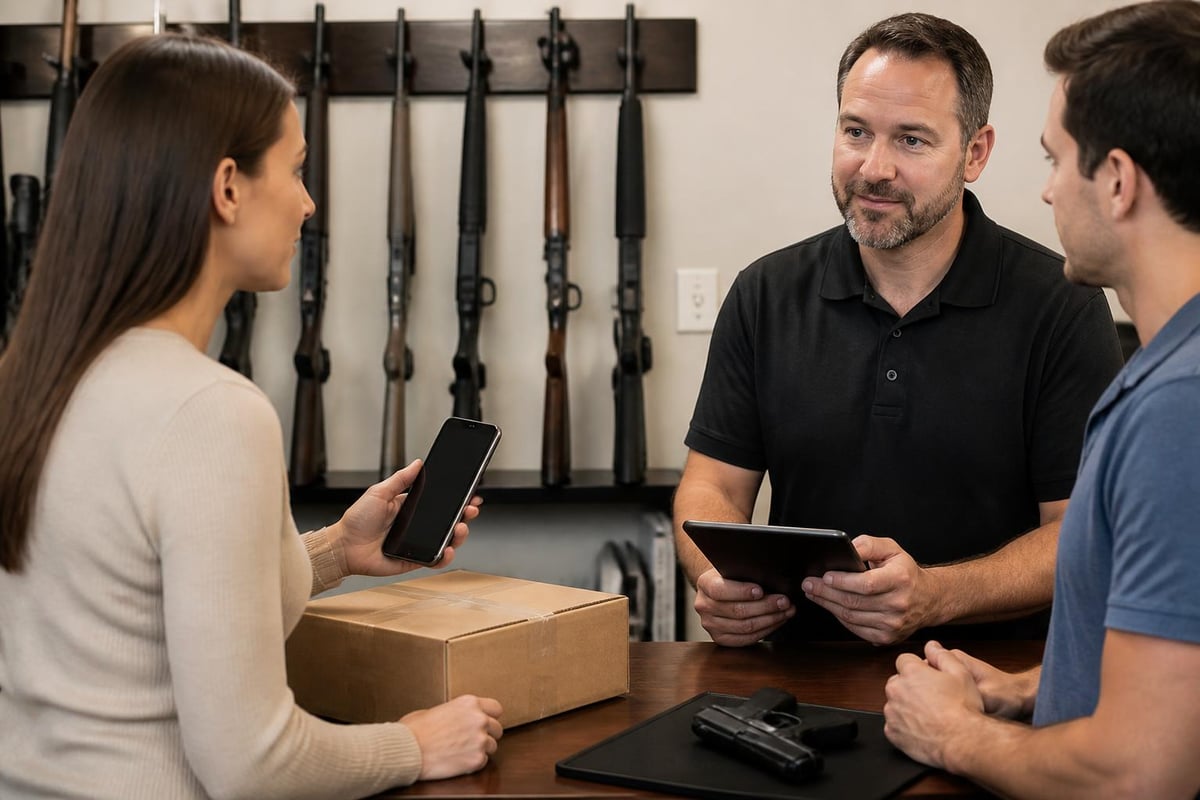
Once you've selected your FFL dealer, obtain their license information. Most dealers will email or fax a copy of their FFL directly to the seller, though some buyers prefer to handle this communication themselves. The seller needs this documentation to legally ship the firearm to the dealer.
Complete your purchase with the online retailer or private seller. Reputable sellers like those featured on RCS Outdoors streamline this process by maintaining databases of FFL holders and facilitating direct communication. Provide the seller with your chosen dealer's name, address, and contact information.
Shipment and Waiting Period
The seller ships the firearm via a common carrier approved for firearm shipments. Federal law requires that handguns ship via overnight or second-day delivery, while long guns may ship via ground service. Carriers like UPS and FedEx have specific protocols for firearm shipments that sellers must follow.
You'll typically receive notification when the firearm arrives at your FFL dealer. Some dealers contact buyers immediately, while others wait until they've logged the firearm into their records. This waiting period varies but usually takes one to three business days after delivery.
Completing the Background Check
When you arrive to pick up your firearm, you'll complete ATF Form 4473, the Firearms Transaction Record. This form collects personal information and asks specific questions about your eligibility to own firearms. Answer all questions truthfully, as false statements on this form constitute a federal felony.
The dealer then initiates a background check through the National Instant Criminal Background Check System (NICS). Most checks complete within minutes, returning one of three responses:
- Proceed: The transfer may be completed immediately
- Delayed: Additional research is required (up to three business days)
- Denied: The transfer cannot be completed legally
After receiving a "proceed" response, you complete any state-required paperwork, pay the transfer fee, and take possession of your firearm. The dealer retains Form 4473 and records the transaction in their bound book as required by federal law.
Costs and Fees Associated with FFL Transfers
Understanding the total cost of an FFL transfer helps you budget accurately for your purchase. What is an FFL transfer going to cost you? The answer depends on several factors beyond the dealer's base fee.
Standard Transfer Fees
Basic transfer fees represent the dealer's charge for their time, paperwork, and facility use. These fees compensate dealers for the labor involved in receiving shipments, maintaining records, conducting background checks, and assuming liability for the transaction.
Fee structures vary significantly:
- Urban areas with high competition: fifteen to thirty-five dollars per firearm
- Suburban markets: thirty to fifty dollars per firearm
- Rural areas with limited options: fifty to seventy-five dollars per firearm
- Multiple firearms in one shipment: discounted rates or per-transaction pricing
Some dealers charge additional fees for specific services or circumstances, such as receiving shipments from individual sellers rather than licensed dealers or handling NFA items requiring special procedures.
Additional Costs to Consider
Beyond the transfer fee, budget for these potential expenses:
- State background check fees: Some states charge separate fees for state-level checks
- Permit or license costs: States requiring purchase permits add this expense
- Sales tax: Some jurisdictions assess sales tax on the transfer fee or firearm value
- Shipping insurance: Protects your investment during transit
- Return shipping: If you fail the background check, returning the firearm incurs additional costs
The complete guide for online gun buyers provides detailed information about managing these costs effectively. Planning ahead prevents unexpected expenses from derailing your purchase.
State-Specific Regulations and Requirements
Federal law establishes baseline requirements for FFL transfers, but state laws often impose additional restrictions or procedures. These variations significantly impact the transfer process depending on your location.
Regional Differences in Transfer Laws
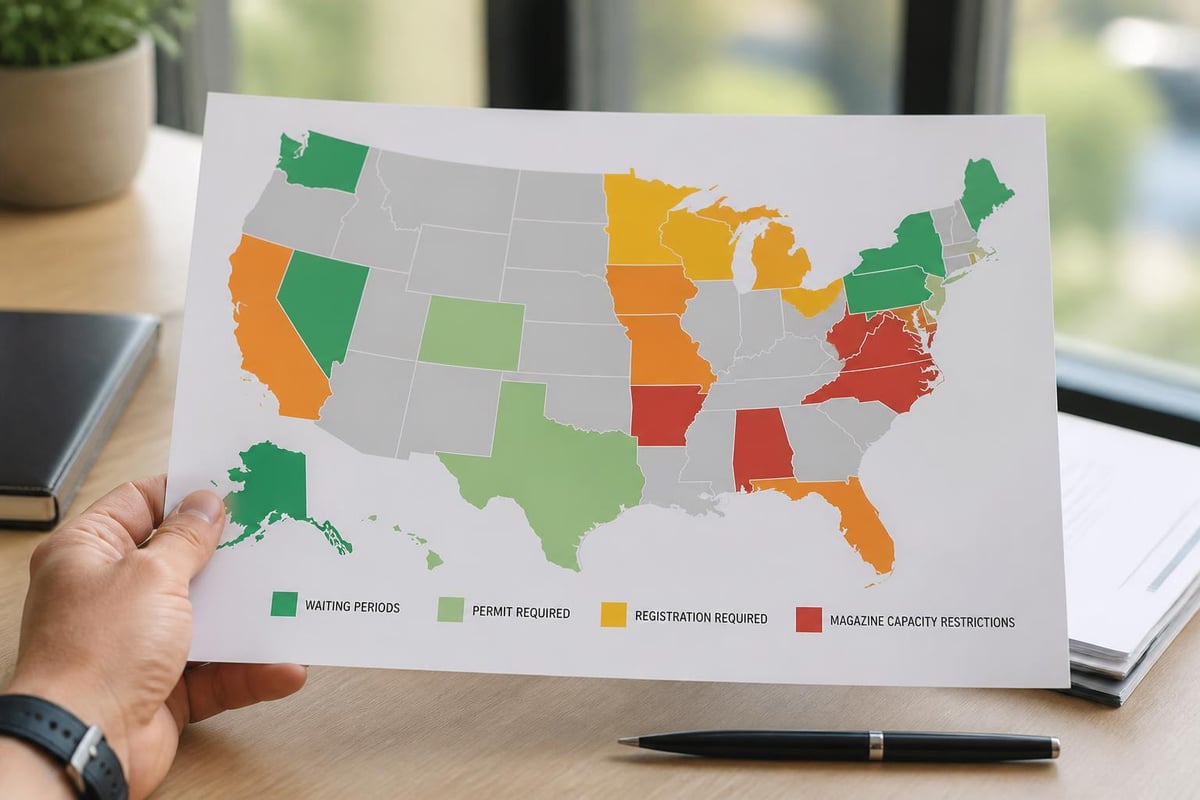
States approach firearm regulation differently, creating a complex patchwork of requirements. Some states require waiting periods between purchase and pickup, while others allow immediate transfer after background check approval. Certain jurisdictions mandate purchase permits or firearm owner identification cards before you can legally take possession.
Understanding state-by-state FFL transfer regulations helps you navigate these requirements. California, New York, New Jersey, and Massachusetts impose particularly strict requirements, including roster restrictions on handgun models and mandatory safety training.
| Regulation Type | Examples of State Requirements |
|---|---|
| Waiting Periods | California (10 days), Hawaii (14 days), Illinois (72 hours for long guns, 24 hours for handguns) |
| Purchase Permits | North Carolina (handguns), Nebraska, Iowa, Michigan |
| Registration | California, Hawaii, Washington DC, some municipalities |
| Capacity Limits | California (10 rounds), New York (10 rounds), New Jersey (10 rounds) |
When purchasing firearms that will transfer through an FFL, verify that the specific model complies with your state's regulations. Some online retailers, including specialized dealers like RCS Outdoors, automatically filter inventory based on your location to show only compliant firearms.
Multi-State Purchase Considerations
Buying firearms while traveling or maintaining residences in multiple states creates additional complexity. Federal law generally requires that handgun purchases occur in your state of primary residence, though long guns may be purchased in any state if the transaction complies with laws in both states.
Military personnel and students face special circumstances regarding residency. Active duty service members may claim their permanent home of record or current duty station as their residence for firearm purchase purposes, providing flexibility when dealing with FFL transfers.
Common Challenges and How to Avoid Them
Even straightforward FFL transfers can encounter obstacles. Anticipating common problems helps you avoid delays and frustration.
Dealer Communication Issues
Some FFL dealers struggle with timely communication, leaving buyers uncertain about shipment status or pickup readiness. Combat this by choosing dealers with strong customer service reputations and maintaining proactive communication throughout the process.
Request tracking information from the seller and monitor shipment progress yourself. When the firearm arrives at the dealer, wait for their contact before visiting, as they need time to log the firearm into their records before initiating the transfer.
Background Check Delays
NICS delays frustrate buyers eager to receive their purchases. These delays often result from common names matching persons in the database or incomplete record information. While most delays resolve within the three-day window, some require additional documentation or corrections.
Steps to minimize delay risks:
- Provide accurate, complete information on Form 4473
- Bring multiple forms of identification to your transfer appointment
- If you've experienced delays previously, consider obtaining a UPIN (Unique Personal Identification Number) from the FBI
- Avoid peak periods (weekends, holidays) when NICS experiences higher volume
Understanding the legal and procedural aspects for both buyers and dealers helps set realistic expectations for processing times.
Firearm Compatibility Issues
Occasionally, buyers discover that their purchased firearm doesn't comply with local laws after it arrives at the dealer. This expensive mistake requires return shipping and potential restocking fees. Prevent this by thoroughly researching your state's restrictions before purchasing.
Verify that the specific model, barrel length, magazine capacity, and features comply with all applicable regulations. When in doubt, contact your FFL dealer before completing the purchase to confirm compliance. They can typically review product specifications and identify potential issues.
Maximizing Value from Your FFL Transfer Experience
Strategic planning makes FFL transfers more efficient and cost-effective. Apply these practices to optimize your experience.
Bundling Multiple Purchases
If you're planning several firearm purchases, coordinate shipments to arrive at your FFL dealer simultaneously when possible. Many dealers offer discounted rates for multiple firearms transferred in a single transaction, potentially saving hundreds of dollars on transfer fees.
This approach works particularly well when exploring RCS Outdoors’ inventory, where you might find complementary firearms like a hunting rifle and shotgun combination that meet your needs. Some enthusiasts even coordinate purchases with friends to share a single shipment and split transfer costs.
Building Dealer Relationships
Establishing a relationship with a preferred FFL dealer creates long-term benefits. Regular customers often receive preferential transfer rates, flexible appointment scheduling, and expedited processing. Some dealers provide additional services like basic inspections or cleaning for valued customers at no extra charge.
Support dealers who offer excellent service by using them consistently and recommending them to other shooters. These businesses often operate on thin margins, and loyal customers help them remain viable in competitive markets.
Timing Your Transfers Strategically
FFL dealers experience fluctuating workloads throughout the year. Transfers initiated during hunting season, holidays, or following major political events often face longer processing times due to volume spikes. When possible, schedule transfers during slower periods for faster service.
Consider that dealers offering The Upland Escape Giveaway and similar promotions through partnerships often see increased traffic during campaign periods. Planning your transfer around these busy times ensures you receive prompt attention from dealer staff.
Special Circumstances in FFL Transfers
Certain situations require modified transfer procedures or additional documentation. Understanding these scenarios prevents confusion and ensures legal compliance.
Inheriting Firearms
When inheriting firearms from estates, FFL transfers may be necessary depending on state law and whether the transfer crosses state lines. Interstate inheritance transfers require shipping to an FFL dealer in your state, even though no purchase transaction occurs.
Intrastate inheritance transfers often bypass FFL requirements, though proper documentation remains essential. Maintain records showing the bequest, estate settlement documents, and any applicable state transfer forms. Some states require inheritance transfers to occur through law enforcement or other designated agencies.
Transferring NFA Items
National Firearms Act items like suppressors, short-barreled rifles, and machine guns require additional procedures beyond standard FFL transfers. These transfers involve ATF Form 4, fingerprinting, photographs, and substantial waiting periods currently averaging several months.
Not all FFL holders can facilitate NFA transfers. These transactions require dealers with Special Occupational Tax (SOT) status, which involves additional licensing and compliance requirements. Factor extended processing times into your planning when purchasing NFA items.
Corporate or Trust Purchases
Purchasing firearms through legal entities like trusts or corporations involves modified transfer procedures. Form 4473 requires specific information about the entity, and responsible persons must complete background checks. This approach offers benefits for estate planning and NFA item ownership but adds complexity to standard transfers.
Consult with an attorney experienced in firearms law when establishing trusts or corporate structures for firearm ownership. Proper documentation ensures compliance and prevents transfer complications.
Best Practices for First-Time Buyers
If you're new to the process, what is an FFL transfer going to look like from start to finish? Following these guidelines ensures a smooth first experience.
Research thoroughly before selecting your firearm and FFL dealer. Read reviews, compare prices, and verify compliance with all applicable laws. Don't hesitate to ask questions; reputable dealers expect inquiries from new buyers and appreciate the opportunity to explain procedures.
Prepare necessary documentation before your transfer appointment. Bring government-issued photo identification that matches your current address, or bring supplementary proof of residency if your ID shows an old address. Some states require additional permits or licenses, so verify your state's specific requirements in advance.
Budget adequate time for your first transfer. While experienced buyers might complete the process in twenty minutes, first-timers should allocate at least an hour. This allows time to carefully complete Form 4473, ask questions, and receive basic safety instruction if the dealer offers it.
Documentation Checklist
Ensure you have these items when picking up your firearm:
- Valid government-issued photo ID (driver's license, passport, military ID)
- Proof of residency if ID shows different address (utility bill, lease agreement, voter registration)
- State-required permits or licenses (where applicable)
- Payment for transfer fee (verify accepted payment methods with dealer)
- Completed state paperwork (some states allow pre-completion)
Having everything organized demonstrates preparedness and expedites the process. Missing documentation means returning later, potentially incurring storage fees if the dealer charges for extended holding periods.
Understanding what is an FFL transfer and how the process works empowers you to confidently purchase firearms online or across state lines while maintaining full legal compliance. The system exists to ensure responsible firearm ownership, and working with experienced dealers makes the process straightforward and efficient. Whether you're seeking your first handgun, expanding your rifle collection, or preparing for an upcoming hunting season, RCS Outdoors offers extensive inventory with expert support to guide you through every step of the FFL transfer process and help you find exactly what you need.


