
North Carolina Gun Laws: What You Need to Know in 2026
Understanding the legal landscape surrounding firearms ownership is essential for responsible gun owners in North Carolina. The state has experienced significant legislative changes in recent years that have reshaped how residents purchase, carry, and store their firearms. Whether you're a first-time buyer or a seasoned firearms enthusiast, knowing north carolina gun laws ensures you remain compliant while exercising your Second Amendment rights. This comprehensive guide walks through the critical regulations, recent court decisions, and practical considerations that every North Carolina gun owner should understand.
Purchasing Firearms in North Carolina
The process of acquiring firearms in North Carolina varies depending on the type of weapon you're purchasing. Recent legislative changes have simplified some requirements while maintaining federal regulations.
Handgun Purchase Requirements
North Carolina previously required residents to obtain a pistol purchase permit from their local sheriff before buying a handgun. However, this requirement was repealed in 2023, fundamentally changing how residents acquire handguns. Today, North Carolina residents can purchase handguns directly from federally licensed dealers after passing the standard National Instant Criminal Background Check System (NICS) review.
Private handgun sales between individuals still occur, though buyers should verify the seller's legitimacy and their own eligibility to possess firearms. Federal law prohibits certain individuals from owning firearms, including:
- Convicted felons
- Those convicted of domestic violence misdemeanors
- Individuals subject to certain restraining orders
- Those adjudicated as mentally incompetent
- Unlawful users of controlled substances
Long Gun Acquisitions
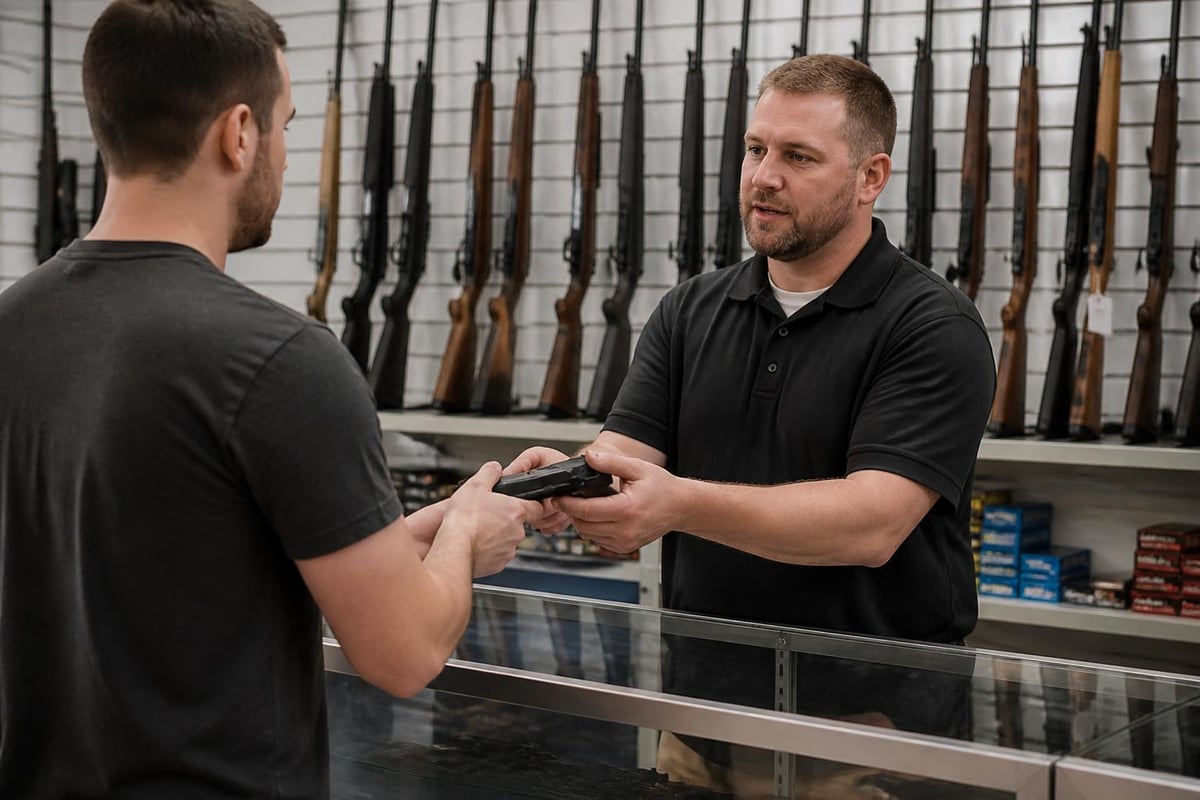
Purchasing rifles and shotguns in North Carolina follows federal guidelines without additional state-level permit requirements. Licensed dealers conduct background checks through NICS, and purchasers must be at least 18 years old for long guns. The comprehensive selection of rifles and shotguns at RCS Outdoors demonstrates the variety available to North Carolina residents who meet federal eligibility standards.
| Firearm Type | Minimum Age | State Permit Required | Background Check |
|---|---|---|---|
| Handgun | 21 | No (as of 2023) | NICS (federal) |
| Rifle | 18 | No | NICS (federal) |
| Shotgun | 18 | No | NICS (federal) |
The elimination of the pistol purchase permit requirement represents one of the most significant changes to north carolina gun laws in decades, streamlining the acquisition process while maintaining federal safety checks.
Concealed Carry Regulations
North Carolina operates as a shall-issue state for concealed carry permits, meaning authorities must issue permits to applicants who meet statutory requirements. Understanding these regulations is crucial for anyone planning to carry a concealed handgun.
Concealed Handgun Permit Process
To obtain a North Carolina Concealed Handgun Permit (CHP), applicants must:
- Be at least 21 years old
- Complete an approved firearms safety course
- Demonstrate competence with a handgun
- Pass criminal background checks
- Meet mental health requirements
- Be a U.S. citizen or lawful permanent resident
The detailed requirements for concealed carry outline the specific qualifications and application procedures. The permit application process typically takes 90 days, though some counties process applications faster. Permits remain valid for five years and require renewal with updated background checks.
Open Carry Provisions
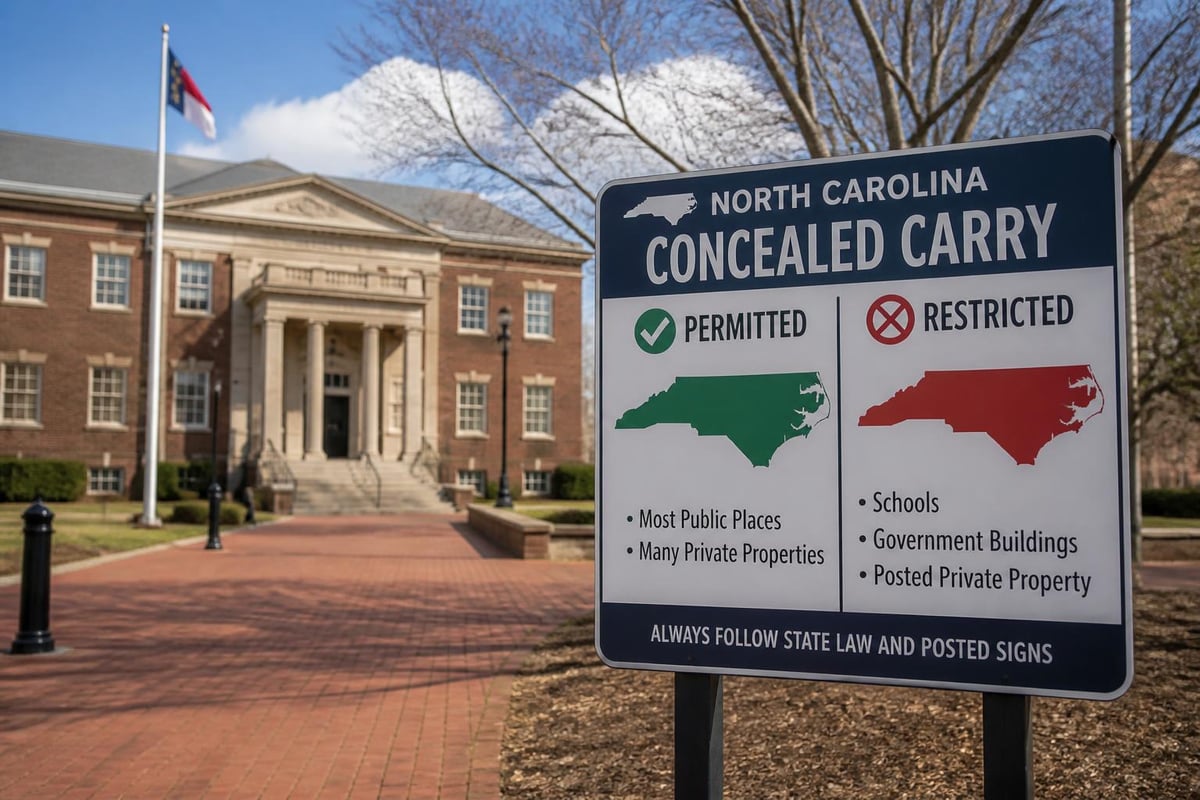
North Carolina generally permits open carry of firearms without a permit in most public places. However, property owners and certain locations maintain the right to prohibit firearms on their premises. Open carry is not permitted in:
- Schools and educational properties
- State or federal buildings
- Locations where alcohol is sold and consumed
- Parades and funeral processions
- Areas posted with "no firearms" signage
Understanding where you can and cannot carry firearms prevents inadvertent legal violations. Recent political discussions, including those covered by U.S. Presidential Report, have highlighted ongoing debates about gun rights at the federal level, which can influence state regulations.
Storage and Transportation Rules
Proper firearms storage and transportation prevent accidents and ensure compliance with north carolina gun laws. Recent court decisions have clarified aspects of these requirements.
Safe Storage Considerations
While North Carolina doesn't mandate specific storage methods for most gun owners, those living with individuals prohibited from possessing firearms must take reasonable precautions. A recent North Carolina appeals court ruling determined that unloaded weapons do not violate safe gun storage laws when minors are present, providing clarity on storage requirements.
Best practices for firearm storage include:
- Storing firearms unloaded when not in use
- Using gun safes or locking mechanisms
- Keeping ammunition separate from firearms
- Installing trigger locks on weapons
- Educating household members about firearm safety
Responsible storage becomes particularly important when children or prohibited persons have access to your home. Quality storage solutions protect both your investment and your household's safety.
Vehicle Transportation Guidelines
Transporting firearms in vehicles requires attention to both open and concealed carry laws. North Carolina law generally permits transporting firearms in vehicles, but specific circumstances affect legality. A North Carolina court decision overturned a conviction related to possessing guns inside a car on campus, illustrating the complexity of firearm possession in educational settings.
Key transportation rules:
- Firearms may be transported in vehicles by those legally allowed to possess them
- Concealed carry permit holders may carry loaded handguns in vehicles
- Those without permits should transport firearms unloaded and secured
- College campuses prohibit firearms in vehicles except in locked compartments
- School grounds generally prohibit all firearms possession
Recent Legislative Changes and Court Decisions
North Carolina's firearms regulations continue evolving through legislative action and judicial interpretation. Staying informed about these changes ensures ongoing compliance.
2023-2026 Legal Developments
The repeal of the pistol purchase permit requirement marked the most significant legislative change affecting north carolina gun laws in recent years. This change simplified handgun acquisitions while generating debate about background check adequacy. The analysis from Giffords Law Center provides context on how North Carolina compares to other states in firearm regulation.
Additional recent developments include:
- Clarifications on campus carry restrictions
- Updates to concealed carry reciprocity agreements
- Refinements to prohibited locations for firearms
- Enhanced penalties for certain firearms violations
| Year | Change | Impact |
|---|---|---|
| 2023 | Pistol permit repeal | Simplified handgun purchases |
| 2024 | Storage law clarification | Defined unloaded weapon standards |
| 2025 | Campus carry ruling | Limited vehicle possession restrictions |
| 2026 | Reciprocity updates | Expanded recognition of other states' permits |
Understanding Legal Nuances
The practical overview from Kreider Law explains what is legal and illegal regarding gun ownership in North Carolina, helping residents navigate complex situations. Legal interpretations continue evolving through court decisions, making it essential to stay current with regulatory changes.
Common legal questions include:
- Can I carry at a restaurant that serves alcohol?
- What constitutes a "posted" property under concealed carry laws?
- How do domestic violence convictions affect gun rights?
- What are my rights during a traffic stop while armed?
Consulting with legal professionals when questions arise prevents costly mistakes and potential criminal charges.
Prohibited Locations and Restrictions
Even with permits, certain locations remain off-limits for firearms carry. Understanding these restrictions prevents legal complications.
Restricted Areas
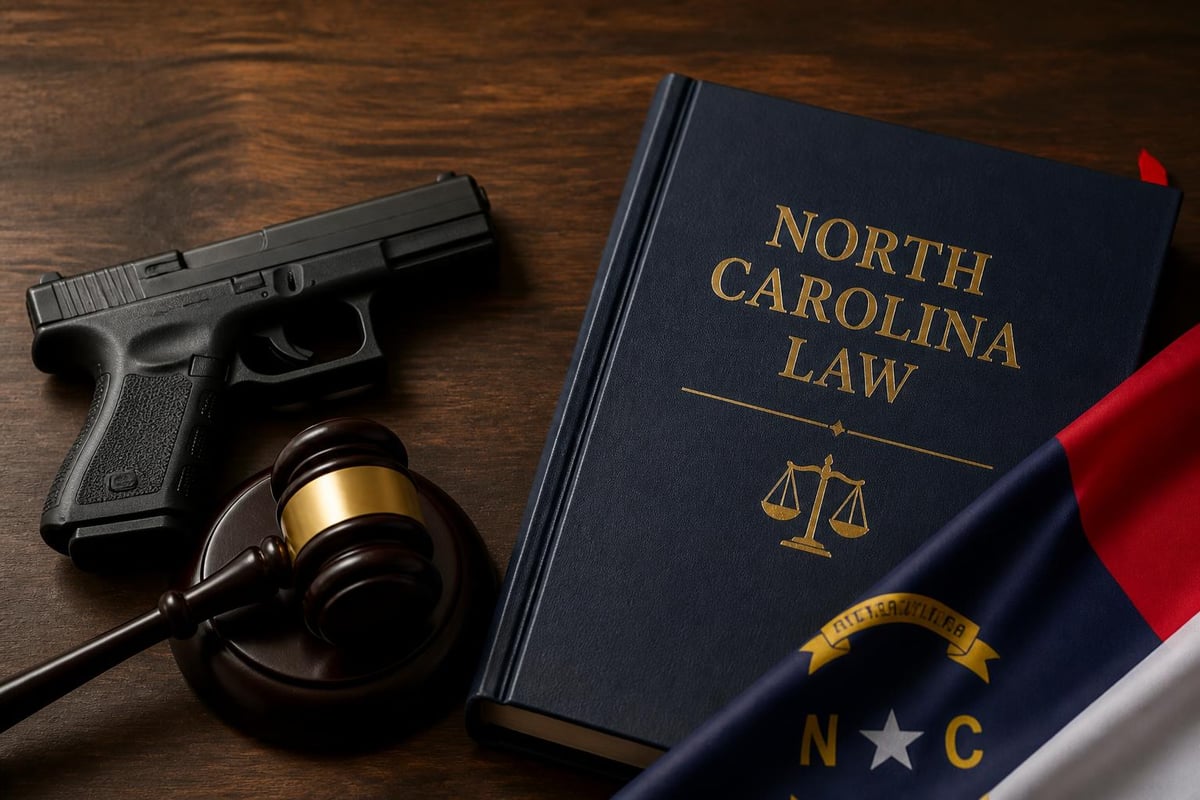
North Carolina law specifically prohibits firearms in designated areas regardless of permit status:
- Educational properties: K-12 schools, colleges, and universities prohibit firearms except for authorized personnel
- Government facilities: State and federal buildings, courthouses, and legislative chambers restrict firearms
- Private property: Businesses and private property owners may prohibit firearms with proper signage
- Assembly venues: Parades, funeral processions, and certain public gatherings prohibit firearms
- Posted premises: Any property displaying proper "no firearms" signage
The definition of "educational property" extends beyond school buildings to include grounds, athletic facilities, and parking areas. Limited exceptions exist for locked vehicles in parking lots, though these vary by institution.
Posted Property Rights
Property owners in North Carolina may prohibit firearms on their premises by displaying conspicuous signage. While no specific sign design is mandated, notices must clearly communicate the prohibition. Violating these posted restrictions can result in trespassing charges, even with a valid concealed carry permit.
Reciprocity and Out-of-State Considerations
North Carolina recognizes concealed carry permits from many other states, while numerous states recognize North Carolina permits. This reciprocity affects both residents traveling outside the state and visitors bringing firearms into North Carolina.
Recognizing Other States' Permits
North Carolina honors concealed carry permits from states with similar or more stringent issuance standards. However, reciprocity agreements change periodically, requiring verification before traveling. Non-residents with valid permits from recognized states may carry concealed handguns in North Carolina following the same restrictions as residents.
Important reciprocity considerations:
- Verify current reciprocity status before interstate travel
- Understand that reciprocity applies only to concealed carry, not open carry
- Follow North Carolina's restrictions even with an out-of-state permit
- Transport firearms according to federal regulations when traveling through non-reciprocal states
North Carolina Residents Traveling
When North Carolina residents travel to other states, they must research destination state laws. Some states recognize North Carolina permits through formal reciprocity agreements, while others do not. Federal law permits transporting firearms through states where possession might otherwise be illegal, provided weapons remain unloaded and inaccessible during transit.
Hunting and Recreational Shooting Regulations
Beyond self-defense and carry regulations, north carolina gun laws address hunting and recreational shooting activities. These regulations ensure safety and wildlife conservation.
Hunting License Requirements
North Carolina requires hunting licenses for most game species, with regulations varying by animal, season, and weapon type. The North Carolina Wildlife Resources Commission manages hunting regulations, including:
- Species-specific season dates
- Bag limits and possession limits
- Approved hunting methods and firearms
- Hunter education requirements
- Special regulations for certain wildlife management areas
Hunters must comply with both firearms laws and wildlife regulations. Using appropriate ammunition and firearms for specific game species ensures ethical and legal hunting practices.
Range Safety and Public Shooting
While North Carolina doesn't extensively regulate shooting on private property, local ordinances may restrict discharge of firearms within municipal boundaries. Public shooting ranges must comply with environmental and safety regulations. Private property owners may establish shooting areas provided they:
- Maintain safe backstops and shooting directions
- Comply with local noise ordinances
- Ensure projectiles remain on their property
- Follow any county or municipal discharge regulations
Whether practicing at established ranges or on private land, following fundamental safety rules protects both shooters and the broader community.
Special Considerations for Military and Law Enforcement
Active duty military members and law enforcement officers face unique circumstances under north carolina gun laws. Special provisions recognize their training and professional requirements.
Military Member Exceptions
Active duty military personnel stationed in North Carolina may purchase handguns with military identification, even if they maintain legal residence in another state. This exception recognizes the temporary nature of military assignments while ensuring service members can exercise their rights. Military bases maintain separate regulations for on-base firearm possession and storage.
Law Enforcement Officer Provisions
Current and retired law enforcement officers benefit from federal provisions under the Law Enforcement Officers Safety Act (LEOSA), which permits qualified officers to carry concealed firearms nationwide. North Carolina law generally exempts on-duty law enforcement from location restrictions that apply to civilians, though specific policies vary by agency and jurisdiction.
Restoring Gun Rights After Convictions
Individuals who have lost firearm rights due to criminal convictions or other disqualifications may seek restoration through legal processes. North Carolina provides limited pathways for rights restoration.
Felony Conviction Restoration
Federal law prohibits firearm possession by convicted felons. North Carolina residents seeking rights restoration must typically pursue federal relief or state-level expungement of qualifying convictions. The process involves:
- Completing all sentence requirements including probation
- Demonstrating rehabilitation
- Filing appropriate petitions with courts
- Meeting waiting period requirements
- Proving necessity or good reason for restoration
Restoration options vary based on:
- Conviction type and severity
- Time elapsed since sentence completion
- Subsequent criminal history
- Jurisdiction of conviction
Mental Health Adjudications
Individuals adjudicated as mentally incompetent or involuntarily committed lose gun rights under federal law. Restoration requires demonstrating recovery and obtaining relief from disabilities through appropriate legal channels. North Carolina's process involves petitioning the court that made the original determination.
Understanding Federal vs. State Regulations
Firearms ownership in North Carolina involves navigating both state-specific regulations and federal laws. Understanding where these overlap and diverge prevents compliance issues.
Federal Law Primacy
Certain firearms regulations stem from federal law, including:
- National Firearms Act (NFA) items: suppressors, short-barreled rifles, machine guns
- Federal background check requirements through NICS
- Interstate commerce and transfer regulations
- Prohibited person categories
- Federal Firearms License (FFL) dealer requirements
Even where north carolina gun laws permit certain activities, federal restrictions may still apply. For example, while North Carolina doesn't specifically regulate suppressors beyond federal law, NFA requirements for tax stamps and registration remain mandatory.
State-Specific Provisions
North Carolina adds state-level requirements in certain areas:
- Concealed carry permitting processes
- Location-specific carry restrictions
- Specific prohibited person categories
- Transportation regulations within state boundaries
The interaction between state and federal law creates a comprehensive regulatory framework. When state and federal laws conflict, federal law typically takes precedence, though practical enforcement varies.
Practical Tips for Responsible Ownership
Beyond legal compliance, responsible gun ownership involves practices that enhance safety and protect both owners and the community.
Documentation and Record Keeping
Maintaining thorough records of firearms ownership helps with:
- Insurance claims in case of theft or damage
- Proving legal ownership if questioned
- Estate planning and transfer to heirs
- Warranty claims and manufacturer recalls
Essential documentation includes:
- Purchase receipts and bills of sale
- Serial numbers and identifying information
- Photographs of firearms
- Permit and license copies
- Safety course completion certificates
Continuing Education
Laws change, and refreshing knowledge ensures ongoing compliance. Resources for staying informed include:
- Annual review of state legislative changes
- Firearms safety course updates
- Legal seminars and workshops
- Communication with local law enforcement
- Consultation with firearms attorneys
Quality retailers like those offering firearms and accessories often provide customers with current legal information and compliance guidance. Building relationships with knowledgeable professionals creates a support network for questions and concerns.
Community Involvement
Engaging with local firearms organizations, shooting clubs, and advocacy groups provides opportunities to:
- Share information about legal changes
- Learn from experienced gun owners
- Access training opportunities
- Support Second Amendment rights
- Participate in safe shooting events
Active involvement in the firearms community promotes responsible ownership while connecting individuals with valuable resources and expertise.
Insurance and Liability Considerations
While not legally required, firearms liability insurance provides financial protection in case of accidents or legal issues. Understanding liability helps gun owners make informed decisions about coverage.
Types of Coverage
Several insurance products address firearms-related risks:
- Homeowners or renters insurance: Often covers theft and damage to firearms with limitations
- Firearms-specific policies: Provide enhanced coverage for collections and higher-value items
- Liability coverage: Protects against legal claims arising from firearms use
- Concealed carry insurance: Covers legal defense costs after self-defense incidents
Coverage limits, exclusions, and premiums vary significantly between policies. Reviewing options with insurance professionals ensures adequate protection aligned with your specific circumstances and collection value.
Self-Defense Legal Considerations
Using firearms for self-defense triggers complex legal considerations. North Carolina recognizes both castle doctrine and stand your ground principles, allowing individuals to defend themselves without duty to retreat in certain circumstances. However, any use of force must be reasonable and proportional to the threat faced.
Understanding when defensive force is legally justified prevents tragic legal consequences. Even legally justified defensive gun use often results in significant legal expenses, making specialized insurance coverage valuable for concealed carry permit holders.
Understanding north carolina gun laws ensures you remain a responsible and compliant firearms owner while fully exercising your Second Amendment rights. These regulations continue evolving, making ongoing education essential for anyone who owns or plans to acquire firearms in the state. Whether you're purchasing your first handgun, building a collection, or simply staying current with legal requirements, RCS Outdoors provides not only quality firearms and ammunition but also the expertise to help North Carolina residents navigate the legal landscape surrounding firearms ownership. Visit RCS Outdoors today to explore our comprehensive selection and speak with knowledgeable staff who understand both your sporting needs and the legal framework governing responsible gun ownership.


