
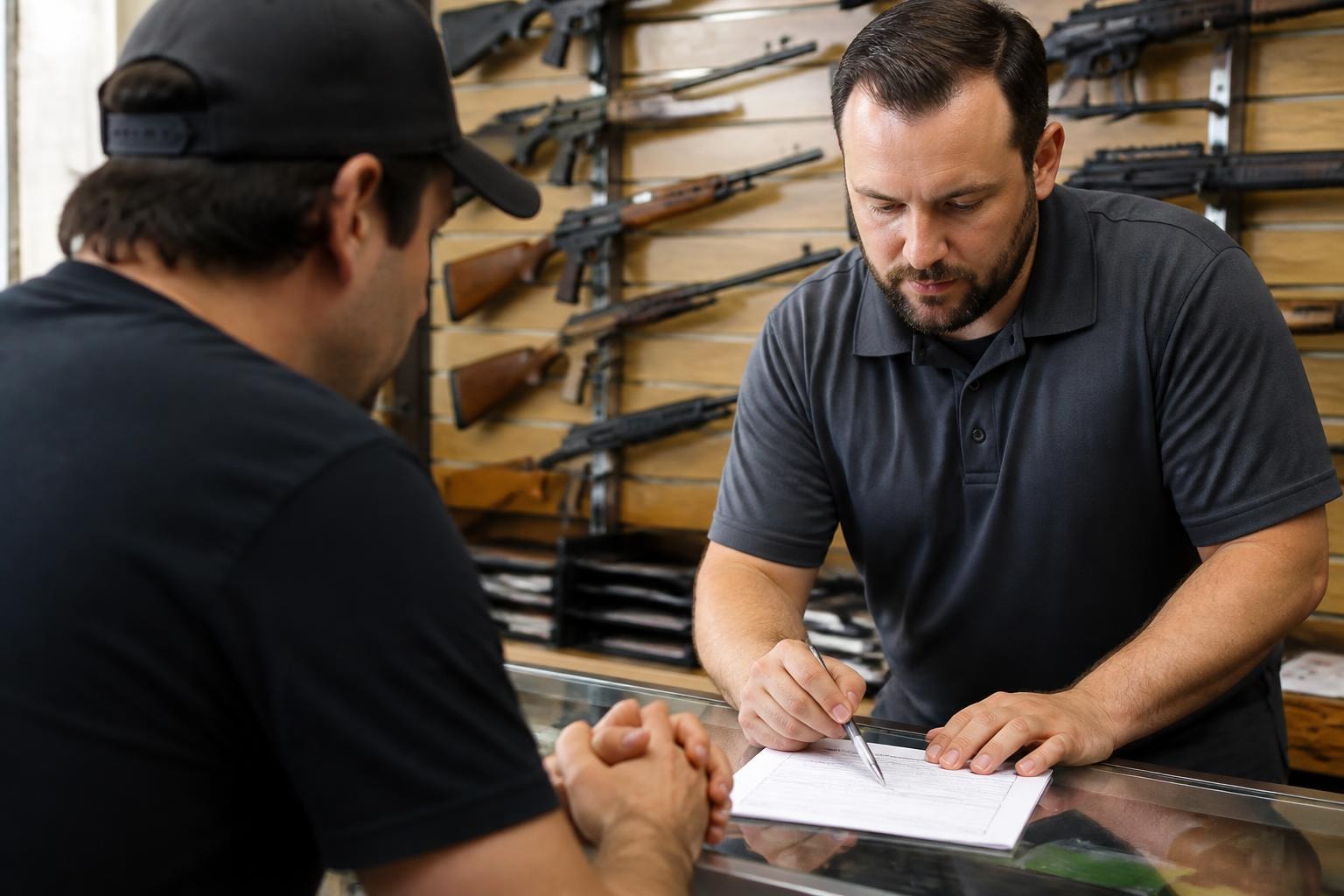
FFL Transfer Near Me: Complete 2026 Guide
Purchasing firearms online has become increasingly popular, offering access to a wider selection and competitive pricing. However, federal law requires all firearm transfers to go through a Federal Firearms License (FFL) holder. When searching for "ffl transfer near me," you're taking the first step in a legally mandated process that ensures responsible gun ownership. Understanding how FFL transfers work, what to expect in terms of costs, and how to select the right dealer will streamline your purchasing experience and keep you compliant with federal and state regulations.
Understanding the FFL Transfer Process
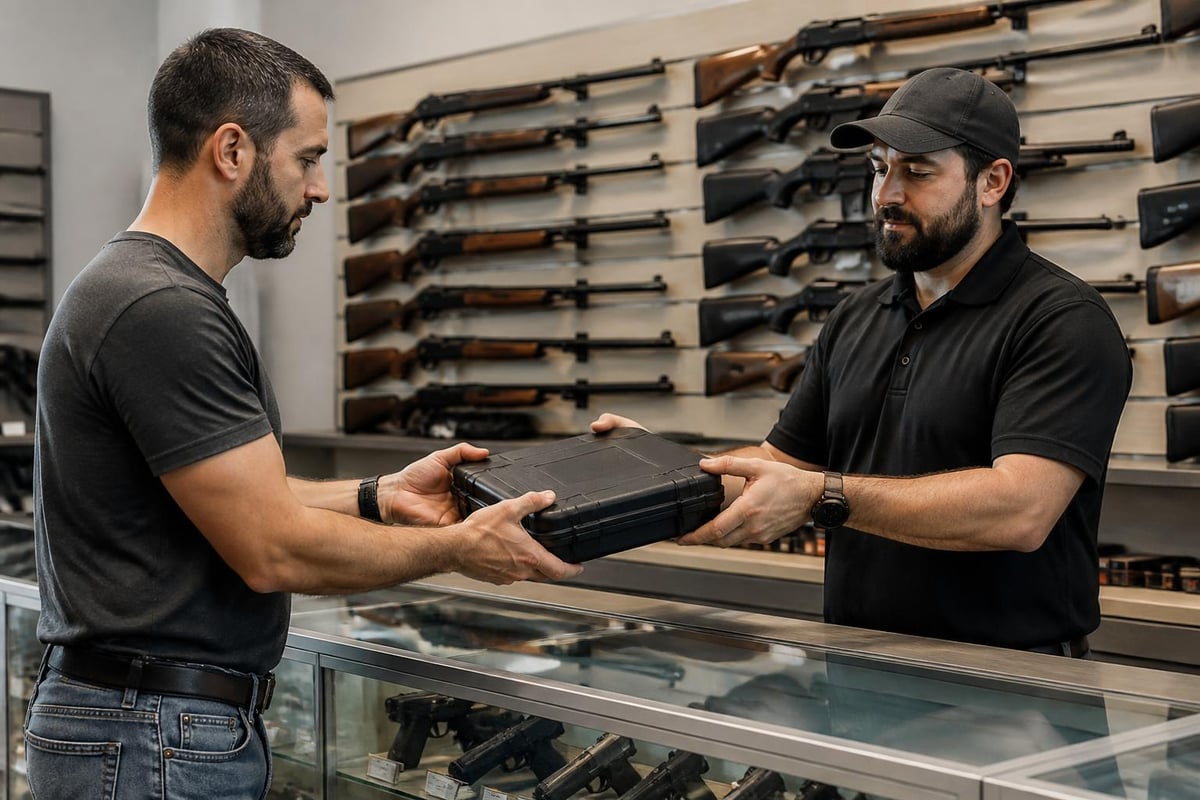
The FFL transfer process serves as a critical checkpoint in firearm sales, particularly for online purchases. When you buy a firearm from an online retailer, the seller cannot ship directly to your home. Instead, the firearm must be shipped to a licensed FFL dealer in your area, where you'll complete the necessary paperwork and background checks before taking possession.
What Is an FFL Transfer
A Federal Firearms License authorizes individuals and businesses to engage in the manufacture, importation, and sale of firearms and ammunition. When you search for an ffl transfer near me, you're looking for these licensed dealers who are legally permitted to receive firearms on your behalf and facilitate the transfer to you as the buyer.
The FFL transfer process involves several key steps that protect both buyers and sellers. First, you identify an FFL dealer willing to accept the transfer. Then, you provide the online retailer with the dealer's FFL information. Once the firearm arrives at the dealer's location, you visit in person to complete ATF Form 4473 and undergo a background check through the National Instant Criminal Background Check System (NICS).
Legal Requirements and Documentation
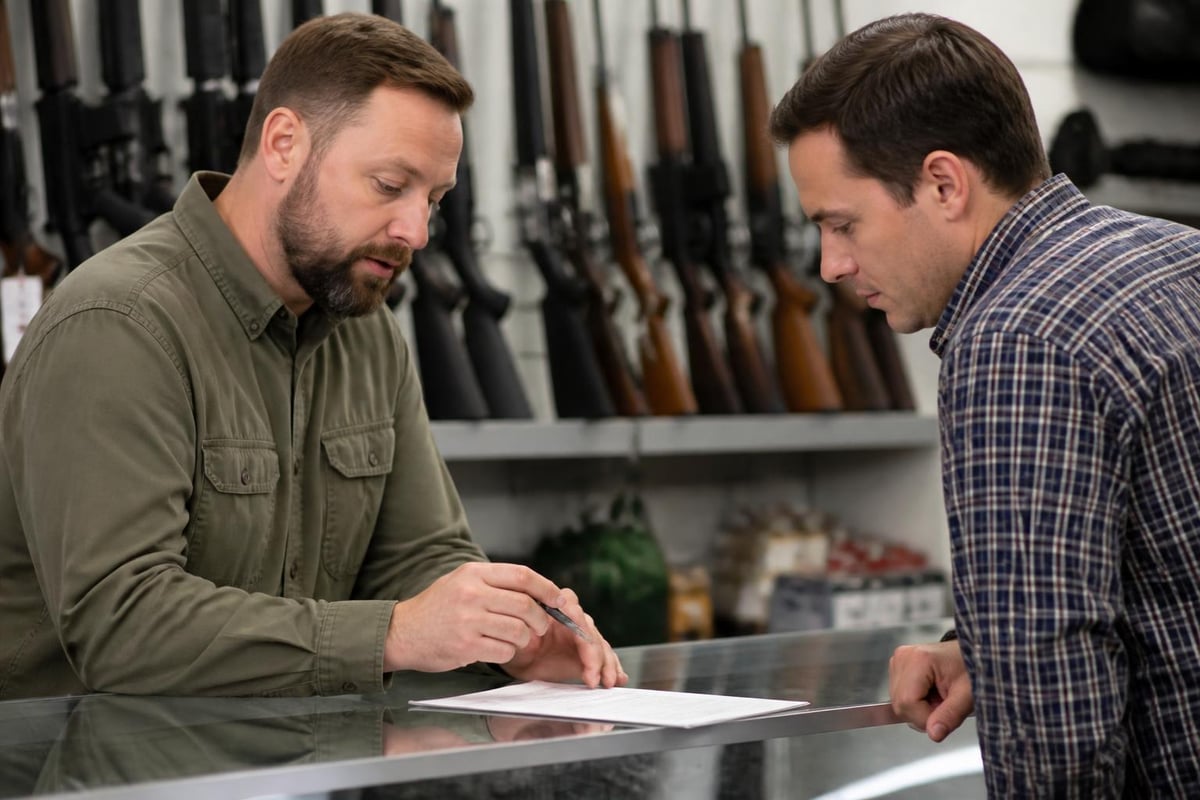
Federal law mandates specific documentation for every firearm transfer. The ATF Form 4473, also known as the Firearms Transaction Record, collects information about the buyer and the firearm being transferred. You must answer questions truthfully regarding your eligibility to purchase firearms, including questions about criminal history, mental health adjudications, and other disqualifying factors.
Required documentation typically includes:
- Valid government-issued photo identification
- Proof of residency (if required by state law)
- Completed ATF Form 4473
- Background check authorization
- Payment for transfer fees
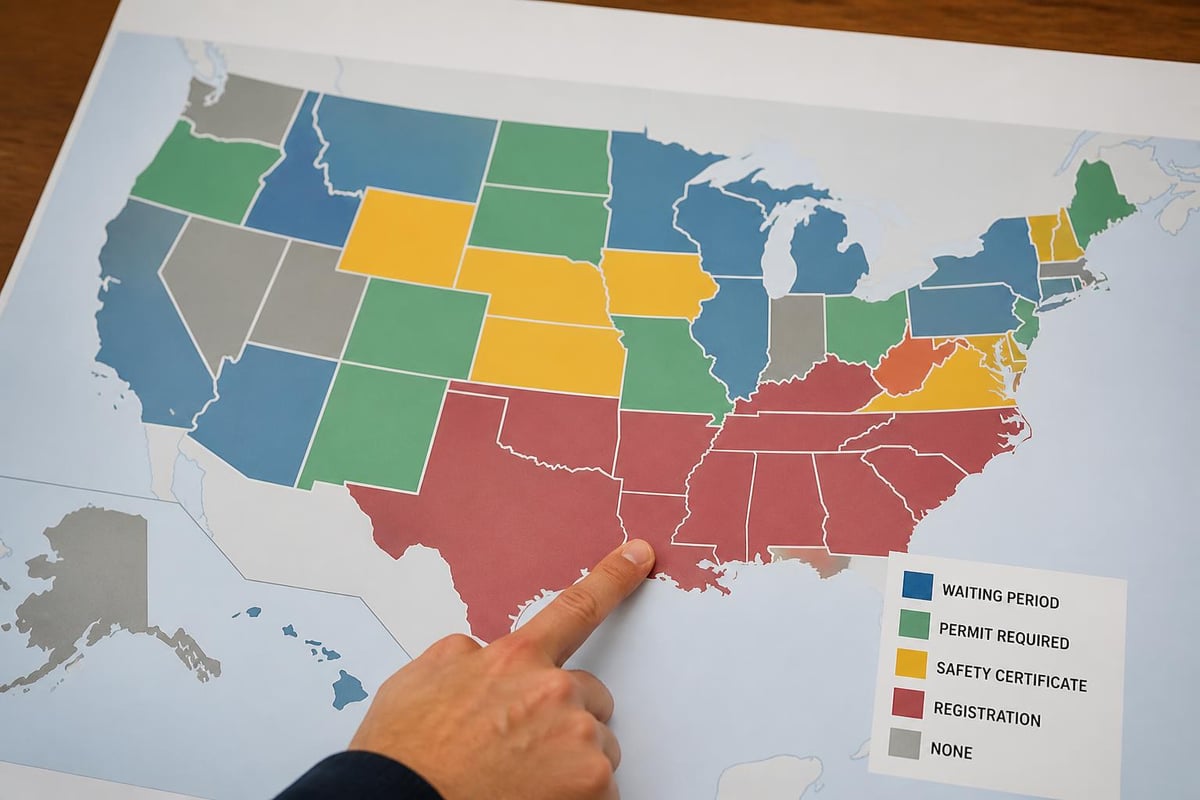
State laws may impose additional requirements beyond federal regulations. For instance, some states require waiting periods, additional permits, or state-specific background checks. Understanding local gun laws helps ensure you bring the correct documentation to your FFL dealer.
Finding the Right FFL Transfer Near Me
Locating a suitable FFL dealer involves more than simply finding the closest option. The right dealer offers reasonable fees, convenient hours, knowledgeable service, and a professional environment that makes the transfer process smooth and efficient.
Search Methods and Resources
Multiple online directories help firearm buyers locate FFL dealers in their area. The ATF maintains a public database of all licensed dealers, though third-party websites often provide more user-friendly search interfaces with reviews and additional details.
- Use specialized FFL finder websites that allow filtering by distance, fees, and ratings
- Check with local gun shops even if they primarily sell new firearms
- Ask shooting ranges as many maintain FFL licenses for transfers
- Consult online forums where local shooters share recommendations
- Contact pawn shops that often provide transfer services
When you've identified potential dealers, call ahead to confirm they accept transfers, verify their fees, and ask about their process. Some dealers specialize in transfers and offer streamlined service, while others view transfers as a secondary business that may receive less priority.
Evaluating FFL Dealers
Not all FFL dealers provide the same level of service. Consider multiple factors when selecting where to complete your transfer. Customer service matters significantly, especially for first-time buyers who may need guidance through the process.
| Evaluation Factor | What to Look For | Why It Matters |
|---|---|---|
| Transfer Fees | $15-$50 range | Impacts overall purchase cost |
| Hours of Operation | Evening/weekend availability | Convenience for pickup |
| Processing Time | Same-day to 3 days | Affects how quickly you receive firearm |
| Customer Reviews | Positive feedback, professionalism | Indicates reliable service |
| Location | Proximity to home/work | Reduces travel time |
| Additional Services | Gunsmithing, accessories | One-stop convenience |
Experience level of staff should also factor into your decision. Knowledgeable dealers can answer questions about the transfer process, explain state-specific requirements, and help troubleshoot any issues that arise during the background check.
FFL Transfer Fees and Costs
Understanding the financial aspects of FFL transfers helps you budget accurately for online firearm purchases. Transfer fees vary significantly based on geographic location, dealer type, and local market competition.
Average Fee Ranges by State
FFL transfer fees fluctuate considerably across the United States. Urban areas with multiple competing dealers often feature lower fees, while rural locations with limited options may charge more. The national average ranges between twenty and forty dollars, though some dealers charge as little as ten dollars or as much as seventy-five dollars per transfer.
Factors influencing transfer fees include:
- Local competition among FFL dealers
- State and local regulatory costs
- Dealer business model (transfer specialist vs. full retail)
- Volume of transfers processed
- Additional services included
Some dealers offer reduced rates for multiple firearms transferred simultaneously. If you're purchasing several firearms from RCS Outdoors or other online retailers, inquire whether the dealer charges per firearm or per transaction.
Hidden Costs and Additional Fees
Beyond the basic transfer fee, be aware of potential additional charges that may apply. Background check fees, which typically range from zero to twenty-five dollars depending on state requirements, often appear as a separate line item. Some states mandate these fees go directly to law enforcement agencies rather than the dealer.
Storage fees represent another potential cost if you cannot retrieve your firearm promptly. Many dealers provide a grace period of three to seven days for pickup at no charge, but extended storage may incur daily or weekly fees. Contact your FFL dealer immediately after receiving notification that your firearm has arrived to avoid these charges.
According to transfer fee guides, premium services such as after-hours pickups, detailed firearm inspections, or basic cleaning may carry additional costs. Clarify all potential fees upfront to avoid surprises when completing your transfer.
Completing Your First FFL Transfer
The actual transfer process proceeds smoothly when you understand what to expect and arrive prepared. First-time buyers often feel uncertain about the steps involved, but the procedure follows a standardized format that FFL dealers facilitate regularly.
Step-by-Step Transfer Process
Once you've purchased a firearm online, coordinate with both the seller and your chosen FFL dealer. Provide the online retailer with your dealer's FFL information, typically a digital copy of their license. Reputable dealers maintain updated FFL copies on file with popular retailers, but new or small dealers may need to send their license directly.
The complete transfer timeline typically follows this sequence:
- Purchase firearm from online retailer
- Select FFL dealer and confirm acceptance
- Provide dealer's FFL information to seller
- Seller ships firearm to dealer
- Dealer receives firearm and inspects package
- Dealer contacts you for pickup appointment
- You visit dealer with identification and payment
- Complete ATF Form 4473 paperwork
- Dealer initiates background check
- Upon approval, take possession of firearm
Shipping times vary based on the seller's location and chosen carrier, typically ranging from three to seven business days. Your FFL dealer should contact you within one business day of receiving the firearm. If you haven't heard from them within forty-eight hours of the expected delivery date, follow up proactively.
Common Issues and Solutions
Background check delays occasionally occur, particularly if you share a common name with individuals in the NICS database or have lived in multiple states recently. The FBI has three business days to complete the check, after which the dealer may proceed with the transfer at their discretion, though many choose to wait for a definitive response.
Mismatched information between your identification and the purchase records can halt the process. Ensure the name on your ID exactly matches the name used when ordering the firearm. Middle initials, suffixes, and spelling variations all matter for legal compliance.
For those interested in premium firearms and accessories, exploring the full selection at RCS Outdoors reveals opportunities to find exactly the right firearm for your needs, from hunting rifles to personal defense handguns.
Choosing Between FFL Dealer Types
Different types of FFL dealers offer varying experiences and advantages. Understanding the distinctions helps you select the option that best fits your needs and preferences.
Dedicated FFL Transfer Dealers
Some businesses specialize exclusively in FFL transfers, operating lean operations with minimal overhead. These dealers often offer the lowest transfer fees, sometimes as low as ten to fifteen dollars per transfer. They streamline the process by focusing solely on transfers rather than maintaining large inventories or retail operations.
Transfer specialists typically operate from home-based businesses or small offices, which can mean limited hours and pickup by appointment only. However, many provide exceptional customer service and quick processing times since transfers represent their primary revenue stream.
Traditional Gun Shops
Full-service gun shops maintain FFL licenses primarily for their retail operations but also accept transfers. These dealers often charge higher fees, ranging from thirty to fifty dollars, as they view transfers as competing with their inventory sales. However, they offer advantages including extended hours, knowledgeable staff, and the opportunity to purchase accessories and ammunition during your pickup visit.
Relationships matter at traditional gun shops. Regular customers may receive preferential pricing on transfers or waived fees after multiple purchases. Building rapport with a local shop creates value beyond individual transactions.
Hybrid Options
Shooting ranges, pawn shops, and sporting goods stores represent hybrid FFL options. These businesses maintain licenses for various reasons but also accommodate transfers. Fees and service quality vary widely among hybrid dealers, making research and reviews particularly important.
| Dealer Type | Typical Fee Range | Advantages | Considerations |
|---|---|---|---|
| Transfer Specialist | $10-$25 | Lowest fees, fast processing | Limited hours, appointment only |
| Gun Shop | $30-$50 | Convenient hours, full service | Higher fees, may prioritize retail |
| Shooting Range | $20-$40 | Convenient for members, combined trips | May require range membership |
| Pawn Shop | $25-$45 | Extended hours, urban locations | Variable service quality |
State-Specific Considerations
State regulations significantly impact the FFL transfer process. While federal law establishes baseline requirements, individual states impose additional restrictions, waiting periods, and documentation requirements that affect how you complete transfers.
Regional Variations
Certain states require permits or licenses before you can take possession of specific firearm types. Handgun purchases in some jurisdictions mandate a permit-to-purchase issued by local law enforcement, which must be presented during the transfer. Long guns generally face fewer state-level restrictions, though exceptions exist.
Understanding FFL transfers across state lines becomes particularly important if you're purchasing from out-of-state sellers. Federal law permits interstate long gun transfers if legal in both states, but handguns must generally be transferred in your state of residence.
Waiting periods mandated by some states add time between initiating the background check and taking possession. These periods range from twenty-four hours to ten days depending on jurisdiction and firearm type. Plan accordingly to avoid multiple trips to your FFL dealer.
Documentation Requirements
State-specific documentation extends beyond federal requirements in certain jurisdictions. California, for example, requires a Firearm Safety Certificate before purchasing any firearm. New York mandates pistol permits for handgun ownership. Illinois requires a Firearm Owner's Identification (FOID) card.
State-mandated documentation may include:
- State firearm owner identification cards
- Permits to purchase specific firearm types
- Certificates of firearms safety training
- Registration forms for handguns
- Proof of safe storage capabilities
Research your state's requirements well before searching for an ffl transfer near me to ensure you obtain necessary documentation in advance. Your chosen FFL dealer should also be familiar with state requirements and can guide you through local regulations.
Online Purchases and FFL Coordination
Buying firearms online opens access to competitive pricing and extensive selection beyond what local retailers stock. Successfully coordinating online purchases with local FFL transfers requires attention to detail and clear communication.
Selecting Online Retailers
Reputable online firearms retailers streamline the FFL transfer process by maintaining databases of dealers nationwide and offering clear instructions for first-time buyers. Look for retailers with responsive customer service, transparent shipping policies, and positive reviews regarding their transfer coordination.
When browsing firearms and accessories online, verify that your preferred FFL dealer appears in the retailer's database or confirm the dealer's willingness to send their FFL information directly. Most dealers readily email or fax their license to legitimate retailers, but establishing this in advance prevents delays.
Communicating with All Parties
Effective communication between you, the online retailer, and your FFL dealer prevents common problems. After placing your order, contact your FFL dealer to inform them of the incoming shipment, providing details about the firearm and expected arrival date. This proactive step ensures they watch for the package and contact you promptly upon receipt.
Some online retailers require FFL dealers to email their license copy directly rather than accepting copies from customers. Verify the seller's specific requirements and coordinate accordingly. Keep all parties informed about any changes or delays to maintain smooth processing.
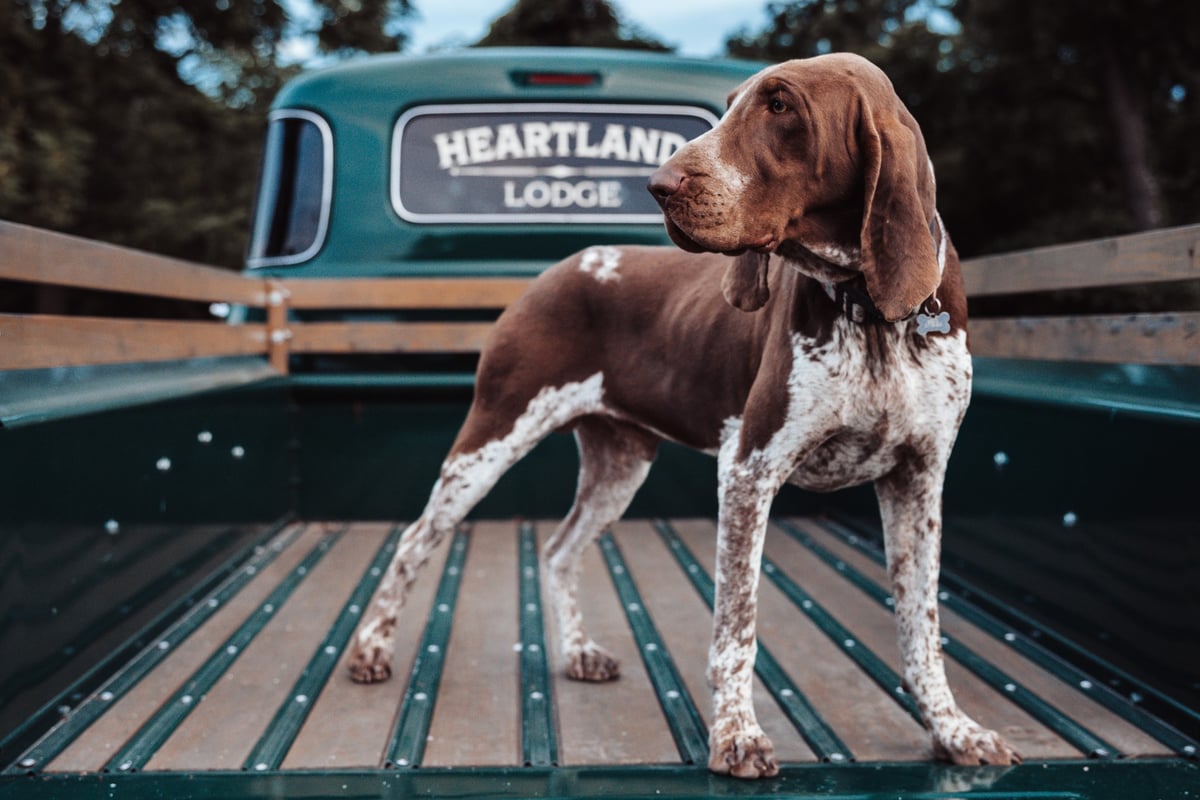
For hunters looking to celebrate the sport while acquiring quality firearms, The Upland Escape Giveaway represents an exciting opportunity, combining a premium hunting experience at Heartland Lodge with a Benelli Super Black Eagle 3. This type of promotion showcases how the shooting sports community values both equipment and experiences.
Maximizing Your FFL Transfer Experience
Strategic planning and informed decision-making transform FFL transfers from administrative necessity into a seamless aspect of firearm ownership. Apply these insights to optimize your experience and build lasting relationships with quality dealers.
Building Dealer Relationships
Establishing a relationship with a reliable FFL dealer pays dividends over time. Regular customers often receive priority service, reduced fees for multiple transfers, and valuable advice about firearms and accessories. Treat your FFL dealer professionally, arrive on time for appointments, and complete paperwork accurately to demonstrate you're a serious, responsible buyer.
Many dealers offer additional services beyond basic transfers, including gunsmithing, sight installation, and firearms training. Supporting these services when needed strengthens your relationship and provides convenience of working with someone already familiar with your needs.
Timing and Efficiency
Plan firearm purchases around your schedule to ensure you can retrieve transferred firearms promptly. Avoid ordering firearms before extended travel or busy periods when you cannot visit the dealer within their grace period. Weekend warriors should consider dealers with Saturday hours or flexible appointment scheduling.
Prepare required documentation in advance. Keep copies of necessary permits, licenses, and identification in a dedicated folder. Familiarize yourself with ATF Form 4473 questions beforehand to answer confidently and accurately during your appointment. These small preparations expedite the process and demonstrate responsibility.
Cost Optimization Strategies
Minimize total transfer costs through strategic planning. When purchasing multiple firearms, coordinate shipments to arrive simultaneously when possible, as dealers often charge less for multiple transfers at once compared to individual transactions. Time purchases during promotional periods when online retailers offer free shipping or when local dealers run transfer fee specials.
According to FFL transfer fee strategies, some dealers waive transfer fees entirely for customers who purchase ammunition or accessories during pickup. Calculate whether this approach saves money compared to the lowest-cost transfer option with purchases made separately.
Compare total costs including transfer fees rather than focusing solely on the firearm's price. A slightly higher-priced firearm from a retailer offering discounted transfers may cost less overall than a bargain from a seller requiring expensive transfer services.
FFL Transfers for Different Firearm Types
The transfer process varies slightly depending on whether you're purchasing handguns, long guns, or NFA items. Understanding these distinctions prevents surprises and ensures compliance with applicable regulations.
Handgun Transfers
Handgun transfers face the strictest scrutiny under federal and state laws. Federal law prohibits interstate handgun transfers except through licensed dealers, and many states impose additional requirements such as permits, waiting periods, or training certificates specifically for handguns.
The background check for handguns may take longer in some jurisdictions due to additional state-level checks. Plan for potential delays when purchasing handguns, particularly in states with supplementary screening requirements beyond the federal NICS check.
Long Gun Considerations
Rifles and shotguns generally transfer more smoothly than handguns, with fewer state-level restrictions and broader interstate transfer allowances. Federal law permits you to purchase long guns from out-of-state dealers if the transfer complies with laws in both your state and the seller's state.
Despite fewer restrictions, long guns still require the same FFL transfer process, background checks, and paperwork as handguns. Never attempt to have long guns shipped directly to your residence, as this violates federal law regardless of state regulations.
Special Categories and NFA Items
National Firearms Act (NFA) items including suppressors, short-barreled rifles, and short-barreled shotguns require additional paperwork, tax stamps, and extended processing times. These transfers involve ATF Form 4 submissions, two-hundred-dollar tax payments, and approval periods averaging six to twelve months in 2026.
NFA transfer requirements include:
- ATF Form 4 completion
- $200 tax stamp payment
- Fingerprint cards
- Passport photos
- Chief Law Enforcement Officer notification
- Extended ATF approval period
Work with FFL dealers experienced in NFA transfers, as the process differs significantly from standard firearms. Many dealers specialize in NFA items and maintain SOT (Special Occupational Taxpayer) status enabling them to handle these regulated items efficiently.
Avoiding Common FFL Transfer Mistakes
Learning from common errors saves time, money, and frustration. First-time buyers and experienced owners alike benefit from awareness of frequent pitfalls in the FFL transfer process.
Documentation Errors
Incomplete or inaccurate paperwork represents the most common transfer delay. Read ATF Form 4473 questions carefully and answer truthfully. Mistakes such as checking the wrong box or providing inconsistent information trigger delays while the dealer contacts you for corrections.
Bring multiple forms of identification if possible, particularly if your driver's license doesn't reflect your current address. Utility bills, lease agreements, or vehicle registration can serve as supplementary proof of residence when needed.
Communication Failures
Failing to coordinate between the online retailer and your FFL dealer causes unnecessary delays. Confirm that your dealer received the retailer's shipment notification and verify expected delivery dates. Follow up if you haven't heard from the dealer within reasonable timeframes after the expected arrival.
Provide accurate contact information to both parties. Use a phone number and email address you check regularly so you receive prompt notification when your firearm arrives for pickup.
Deadline Management
Missing pickup deadlines results in storage fees or, in extreme cases, returned firearms. Understand your dealer's grace period and storage fee policy before completing your purchase. If circumstances prevent timely pickup, contact the dealer immediately to discuss options rather than simply showing up late.
Plan for background check delays by building buffer time into your schedule. While most checks clear within minutes, the three-day FBI deadline means you should allow flexibility in your pickup timing.
Understanding the FFL transfer process empowers you to purchase firearms confidently, whether you're adding to your collection or making your first acquisition. By selecting reputable dealers, preparing proper documentation, and communicating effectively, you'll navigate transfers smoothly while maintaining full legal compliance. RCS Outdoors offers an extensive selection of quality firearms and ammunition with detailed product information to help you make informed purchasing decisions, and our team stands ready to guide you through the transfer process to ensure your next firearm acquisition proceeds without complications.


