

Duck Hunting Lodges: Your Complete 2026 Guide
Duck hunting lodges represent the pinnacle of waterfowl hunting experiences, combining exceptional hunting opportunities with comfortable accommodations and professional guide services. These specialized facilities cater to hunters seeking more than just a place to sleep between dawn patrols. Whether you're pursuing pintails in the Mississippi Flyway, chasing mallards in Arkansas rice fields, or experiencing international hunts in Argentina, selecting the right lodge can transform a good hunt into an unforgettable outdoor adventure. Understanding what distinguishes premium duck hunting lodges from basic accommodations helps hunters maximize their investment and ensure memorable experiences.
What Defines a Quality Duck Hunting Lodge
A duck hunting lodge encompasses far more than just overnight accommodations. These establishments integrate hunting access, professional guide services, and hospitality into a comprehensive package designed specifically for waterfowl hunters.
The foundation of any exceptional lodge starts with premium hunting territory. Top facilities maintain or lease thousands of acres strategically located along major flyways. Property management practices directly impact waterfowl populations, making habitat quality a critical consideration.
Essential Lodge Amenities
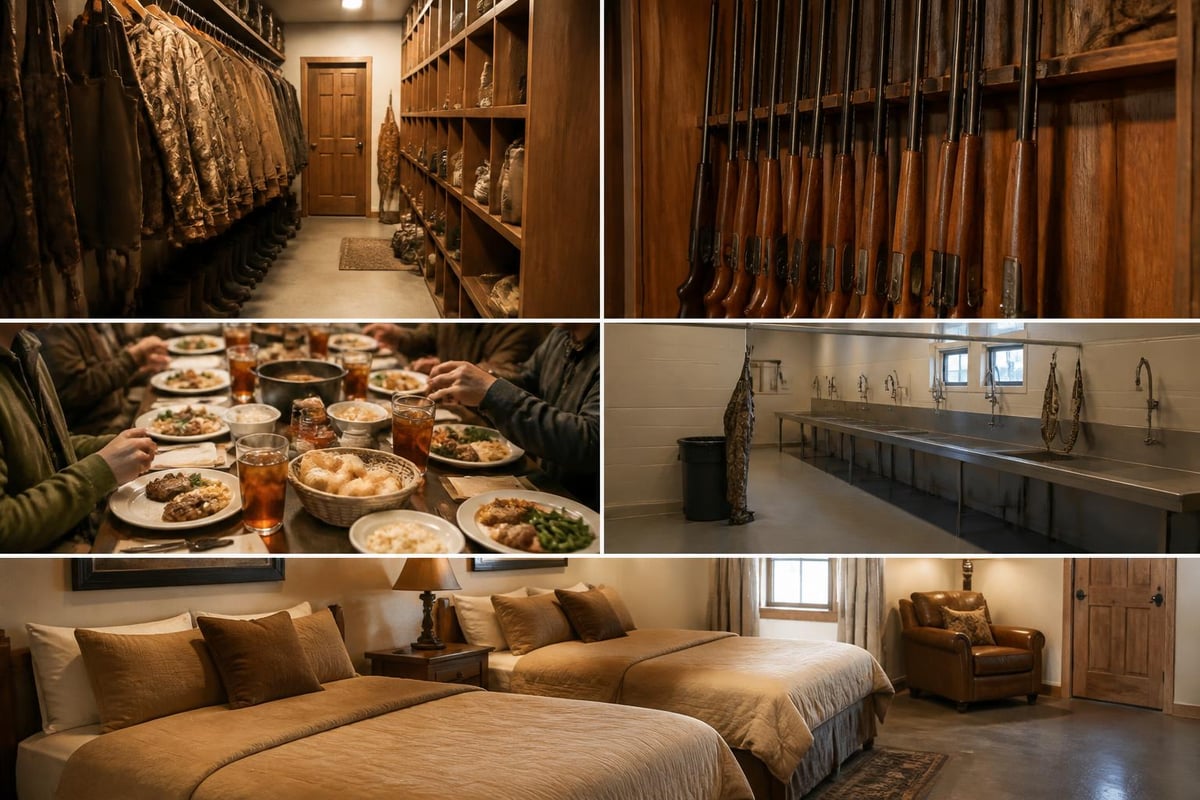
Modern duck hunting lodges offer amenities that address the unique needs of waterfowl hunters:
- Climate-controlled drying rooms for waders, jackets, and gear
- Secure gun storage with individual lockers or safes
- Commercial-grade kitchens providing hearty meals suited to early mornings
- Spacious common areas for post-hunt camaraderie
- Professional cleaning stations for harvested birds
- Wi-Fi and cellular connectivity for sharing experiences
Physical comfort matters when you're rising at 3:30 AM. Quality lodges invest in comfortable bedding, temperature control, and adequate bathroom facilities. Private rooms versus shared accommodations vary by facility, with pricing reflecting these differences.
Guide services separate exceptional lodges from average facilities. Professional guides understand waterfowl behavior, local migration patterns, and optimal blind placement. They scout daily, adjusting hunting locations based on bird movements and weather conditions. The guide-to-hunter ratio significantly impacts hunt quality, with premium operations maintaining lower ratios for personalized attention.
Geographic Regions and Hunting Seasons
Duck hunting lodges cluster around major waterfowl migration corridors, with each region offering distinct advantages and seasonal considerations.
Mississippi Flyway Destinations
The Mississippi Flyway hosts some of North America's most renowned duck hunting territories. Arkansas stands out as a premier destination, with lodges concentrated in Stuttgart and the Grand Prairie region. These facilities capitalize on extensive rice field agriculture combined with managed wetlands, creating ideal waterfowl habitat.
Illinois lodges provide access to both river bottom flooded timber and agricultural fields. Illinois hunting regulations govern hunting hours and blind construction requirements that lodges must navigate for their clients.
Louisiana operations leverage coastal marshes and rice fields, offering unique hunting environments and diverse species opportunities. The southern location extends seasons compared to northern states.
| Region | Peak Season | Primary Species | Average Cost/Day |
|---|---|---|---|
| Arkansas | December-January | Mallards, Pintails | $400-$700 |
| Illinois | November-December | Divers, Puddle Ducks | $350-$600 |
| Louisiana | December-February | Mixed Bag | $300-$550 |
| Missouri | November-January | Mallards, Gadwall | $375-$625 |
Central and Pacific Flyway Options
California lodges serve hunters pursuing Pacific Flyway migrations, with California waterfowl regulations establishing framework dates and special management areas. Rice country operations dominate the Sacramento Valley.
Texas operations span diverse ecosystems from coastal marshes to inland agricultural areas. The Texas hunting regulations for the 2025-2026 season outline specific zone dates and daily limits hunters must observe.
North Dakota and South Dakota lodges offer prairie pothole country experiences during early season migrations. These facilities often combine duck hunting with upland bird opportunities.
International Hunting Lodges
Argentina has emerged as a premier international duck hunting destination, particularly for hunters seeking high-volume shooting during North America's off-season. Facilities like Jacana Lodge provide luxurious accommodations combined with extraordinary hunting opportunities from May through August when Argentine winters bring massive waterfowl concentrations.
Mexico's Sinaloa region offers accessible international hunting with shorter travel times than South America. These lodges cater to hunters targeting diverse duck species in coastal lagoons and agricultural wetlands.
Evaluating Lodge Operations and Services
Successful lodge selection requires evaluating multiple operational factors beyond marketing materials and website photographs.
Hunting Access and Property Management
Investigate the lodge's hunting territory specifics. Exclusive access to private lands provides better experiences than shared public areas. Ask detailed questions about total acreage, number of hunting sites, and how many hunters access the property simultaneously.
Property management practices reveal commitment to long-term quality. Lodges investing in habitat improvements, water level management, and food plot development demonstrate dedication beyond short-term profits. Some operations partner with conservation organizations, indicating stronger environmental stewardship.
Blind quality and variety significantly affect hunt enjoyment and success. Premium facilities maintain multiple blind types:
- Permanent pit blinds in agricultural fields
- Natural vegetation blinds in marshes
- Layout blinds for field hunting
- Elevated tower blinds for flooded timber
Guide Expertise and Support
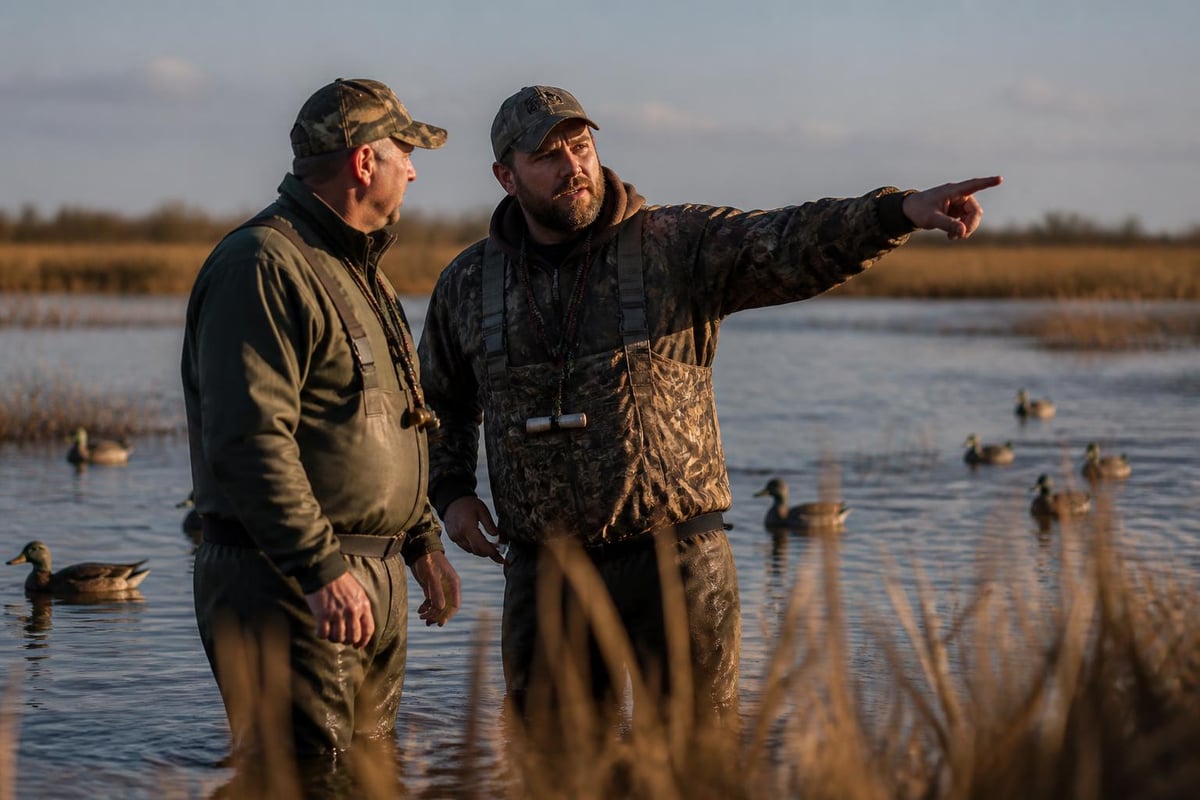
Guide qualifications deserve thorough examination. Experienced guides read weather patterns, understand bird behavior, and adjust strategies throughout hunts. They excel at calling, decoy placement, and identifying species in flight.
The best guides prioritize safety while creating opportunities for hunters of varying skill levels. They provide constructive feedback on shooting technique and share local waterfowl knowledge.
Support staff handling non-hunting aspects also matter. Bird cleaning services, boat maintenance crews, and kitchen staff contribute to overall experience quality. Cupped Wings Guide Service exemplifies facilities that integrate comprehensive support services with hunting operations.
Booking Considerations and Package Options
Duck hunting lodges structure packages in various configurations, requiring careful evaluation to match your preferences and budget.
Package Structures
All-inclusive packages bundle accommodations, meals, guided hunts, and bird cleaning into single pricing. These offerings simplify budgeting and eliminate surprise expenses. Daily rates typically cover three meals, morning and afternoon hunts, and all guide services.
Modified packages separate certain elements, such as bird cleaning fees, ammunition, or hunting licenses. These options offer flexibility but require tracking additional costs.
Day hunt packages suit local hunters or those with separate lodging arrangements. These abbreviated offerings typically include morning hunts with guide service but exclude meals and overnight stays.
Optimal Booking Timing
Prime dates book quickly at established duck hunting lodges. Peak season reservations often fill 8-12 months in advance. Serious hunters secure preferred dates immediately after previous season conclusions.
Shoulder season opportunities provide value-conscious alternatives. Early November and late January dates typically offer reduced rates while still providing quality hunting. Weather and migration timing create more variability during these periods.
Group bookings receive preferential treatment at most facilities. Organizing 4-6 hunters enables exclusive guide services and sometimes facility buyouts. Many lodges offer group discounts or complimentary hunter slots for larger parties.
Preparing for Your Lodge Experience
Proper preparation maximizes duck hunting lodge investments and ensures smooth experiences from arrival through departure.
Essential Gear Requirements
Most duck hunting lodges expect hunters to supply personal equipment. Standard requirements include:
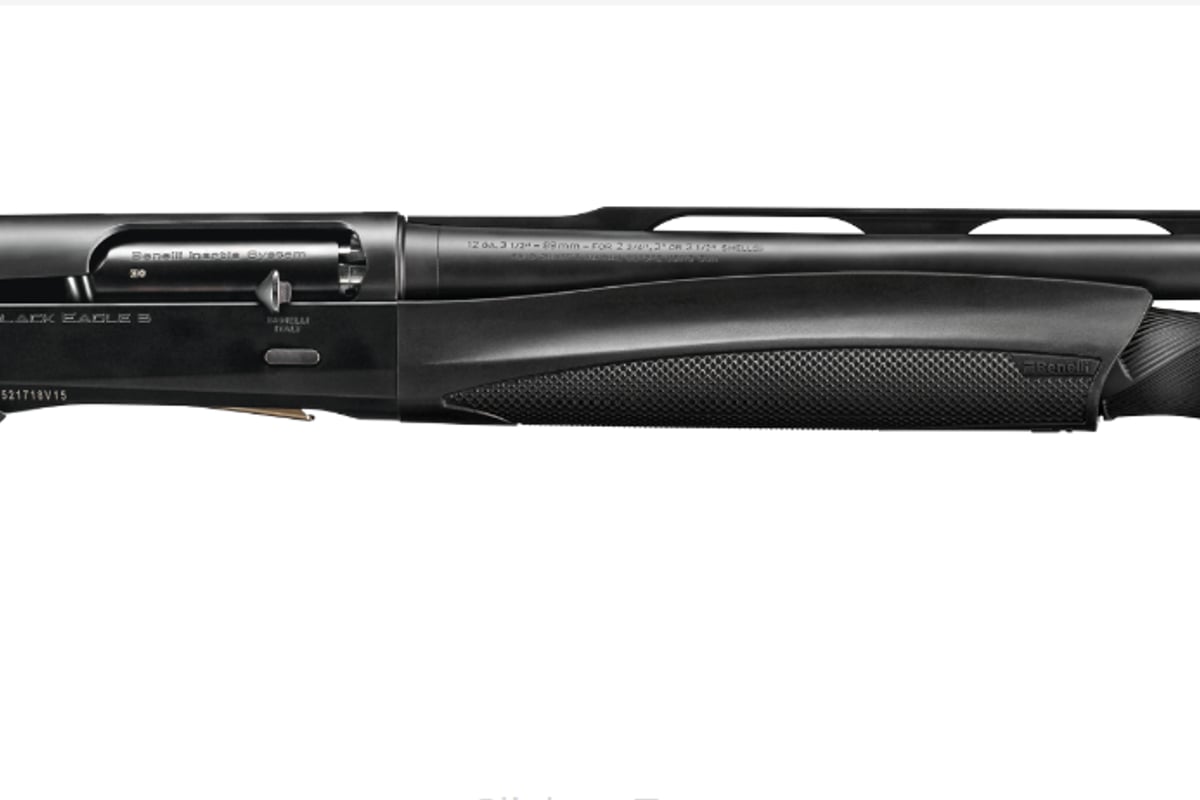
- Shotgun appropriate for waterfowl (12 or 20 gauge most common)
- Non-toxic ammunition (steel, bismuth, or tungsten)
- Weather-appropriate clothing including waders or hip boots
- Quality rain gear and layering systems
- Valid hunting licenses and required stamps
Before your RCS Outdoors shopping trip, contact the lodge for specific recommendations. Some facilities restrict ammunition types based on property considerations. Gauge and choke preferences vary by hunting style and typical shooting distances.
Certain lodges provide loaner equipment for traveling hunters. Confirming availability and condition before arrival prevents disappointment. Airlines impose specific regulations for firearm transport that require advance preparation.
Physical Conditioning
Duck hunting demands more physical exertion than many anticipate. Morning hunts begin in darkness, requiring navigation through marshes, flooded timber, or agricultural fields. Hunters wearing insulated waders while carrying shotguns, shells, and personal gear benefit from cardiovascular conditioning.
Pre-trip preparation should include:
- Walking or hiking with weighted packs simulating hunting gear
- Lower body strengthening for stability in uneven terrain
- Shoulder exercises for mounting shotguns repeatedly
- Flexibility work for entering and exiting blinds
Sleep deprivation compounds physical demands. Multi-day hunts with 3:30 AM starts challenge even fit individuals. Arriving well-rested and maintaining reasonable alcohol consumption during lodge stays helps sustain performance.
Specialty Lodge Experiences
Beyond traditional hunting packages, specialized duck hunting lodges offer unique opportunities catering to specific hunter interests.
Family-Oriented Operations
Several lodges design experiences welcoming young or inexperienced hunters. These facilities provide patient instruction, appropriate shooting opportunities, and youth-friendly accommodations. Family packages sometimes include non-hunting activities for accompanying family members.
Youth mentorship programs at select lodges pair young hunters with experienced guides dedicated to teaching waterfowl hunting ethics, skills, and traditions. These programs invest in hunting's future while creating memorable family experiences.
Corporate and Team-Building Retreats
Duck hunting lodges increasingly host corporate groups seeking outdoor team-building experiences. These packages combine hunting with meeting facilities, catered meals, and customized schedules balancing business and recreation.
Professional event coordinators at higher-end facilities manage logistics, allowing corporate organizers to focus on their primary objectives. Some operations like Banded Drake Ranch cater specifically to upscale corporate clientele with luxurious amenities and diverse outdoor activities.
Hunters seeking memorable upland bird experiences can explore opportunities like The Upland Escape Giveaway, which showcases the tradition of American wingshooting through partnerships between outfitters and equipment manufacturers, demonstrating how premium hunting experiences extend beyond waterfowl-only destinations.
Photography and Non-Hunting Packages
Progressive duck hunting lodges recognize not all guests hunt. Photography packages provide blind access for capturing waterfowl imagery during prime morning and evening activity periods. These offerings suit wildlife photographers and non-hunting companions.
Some facilities welcome bird watchers and outdoor enthusiasts interested in witnessing migration spectacles without harvesting birds. This diversification maximizes property utilization while introducing new audiences to waterfowl conservation.
Premium Versus Budget-Friendly Options
Duck hunting lodges span broad price ranges, with experiences varying accordingly. Understanding value propositions helps match expectations with investments.
Luxury Lodge Features
High-end operations command premium rates through distinctive offerings:
- Gourmet cuisine with professional chefs preparing restaurant-quality meals
- Premium alcohol selections and full-service bars
- Spa services and massage therapy for post-hunt recovery
- Exclusive territory with minimal hunting pressure
- Luxury accommodations featuring private suites and high-end furnishings
- Concierge services handling travel arrangements and special requests
These facilities target affluent hunters valuing exceptional experiences over cost considerations. Examples like Five Oaks Lodge demonstrate how sustainable land management and habitat conservation integrate with luxury hospitality to create distinctive offerings in the Mississippi Flyway.
Value-Oriented Alternatives
Budget-conscious hunters find quality experiences at moderately priced duck hunting lodges emphasizing hunting fundamentals over luxury amenities. These operations provide:
| Feature | Luxury Lodges | Value Lodges |
|---|---|---|
| Accommodations | Private suites, premium bedding | Shared rooms, standard bedding |
| Meals | Gourmet, chef-prepared | Home-style, hearty portions |
| Guide Ratio | 1:2 or 1:3 | 1:4 to 1:6 |
| Hunting Territory | Exclusive private | Mix private/leased |
| Pricing | $600-$1,200/day | $250-$450/day |
Value lodges often operate as family businesses with multi-generational waterfowl hunting traditions. Personal attention and local expertise sometimes exceed larger commercial operations despite fewer luxury amenities.
Conservation and Ethical Considerations
Responsible duck hunting lodges demonstrate environmental stewardship and ethical hunting practices that extend beyond regulatory compliance.
Habitat Management Contributions
Leading facilities invest significantly in wetland restoration, native plant establishment, and water management infrastructure. These improvements benefit waterfowl populations beyond hunting seasons, supporting nesting, migration rest stops, and winter habitat.
Partnership with organizations like Ducks Unlimited, Delta Waterfowl, and state wildlife agencies indicates commitment to broader conservation goals. Some lodges designate portions of their property as sanctuary areas where hunting never occurs, providing undisturbed refuges for waterfowl.
Sustainable hunting practices include:
- Voluntary bag limit reductions during low population years
- Species-specific management focusing on abundant populations
- Rotation of hunting sites preventing over-pressure
- Strict adherence to shooting hours and regulations
Hunter Ethics and Education
Quality duck hunting lodges emphasize ethical behavior and hunter development. Professional guides model proper conduct, including:
- Accurate species identification before shooting
- Responsible shooting distances preventing crippling losses
- Thorough retrieval efforts for all downed birds
- Respect for wildlife beyond target species
- Environmental stewardship and trash removal
Educational components help hunters understand waterfowl biology, migration patterns, and conservation challenges. This knowledge creates more engaged participants in waterfowl management and advocacy.
Making Your Final Selection
Choosing among duck hunting lodges requires systematic evaluation balancing multiple priorities against budget constraints.
Research and Due Diligence
Begin research by reading detailed reviews from multiple sources beyond lodge websites. Hunting forums, social media groups, and conservation organization directories provide unfiltered perspectives. Pay particular attention to recent reviews, as management changes and property conditions evolve.
Video content offers valuable insights into actual hunting conditions, blind quality, and lodge facilities. Many operations maintain YouTube channels or social media presence showcasing real hunts rather than just promotional material.
Request and check references from past clients. Reputable lodges readily provide contact information for satisfied customers willing to share experiences. Ask specific questions about guide quality, bird numbers, accommodations accuracy, and overall value.
Questions to Ask Before Booking
Contact lodges directly with detailed inquiries demonstrating serious interest:
- What is your guide-to-hunter ratio during my preferred dates?
- How many total hunters access your property simultaneously?
- What recent habitat improvements have you implemented?
- What happens if weather prevents hunting on scheduled days?
- Are there additional fees beyond package pricing?
- What is your cancellation and refund policy?
- Can you provide recent harvest reports or success rates?
Professional responses addressing these questions thoroughly indicate well-managed operations. Evasive or vague answers warrant caution.
Facilities like Wiley Creek Duck Preserve detail their amenities and services comprehensively, providing transparency that helps hunters make informed decisions about southeastern hunting lodge options.
Contract and Agreement Review
Before submitting deposits, carefully review all contractual terms. Understand cancellation policies, weather contingencies, and what circumstances trigger refunds. Some lodges offer trip insurance or rescheduling options for weather-related cancellations.
Clarify what "success" means in any guarantee statements. Bird numbers vary with weather and migration timing beyond lodge control. Reputable operations set realistic expectations rather than making unrealistic promises.
Payment schedules typically require deposits of 25-50% at booking with final balances due 30-60 days before arrival. Credit card payments offer dispute resolution mechanisms unavailable with cash or check payments.
Selecting the ideal duck hunting lodge requires balancing location, amenities, guide quality, and budget considerations while prioritizing facilities demonstrating conservation commitment and ethical hunting practices. Whether you're planning your first guided waterfowl hunt or seeking a new destination after years of DIY hunting, thorough research and realistic expectations ensure memorable experiences. When you're ready to gear up for your lodge adventure, RCS Outdoors provides the firearms, ammunition, and accessories you need to make the most of your investment in a premium duck hunting experience.


