
Guided Pheasant Hunts: Complete Planning Guide 2026
Guided pheasant hunts offer an exceptional opportunity for hunters of all skill levels to experience the thrill of upland bird hunting under expert supervision. Whether you're a novice seeking to learn proper techniques or an experienced hunter looking to maximize success in unfamiliar territory, professional guides provide invaluable knowledge about bird behavior, optimal hunting locations, and effective strategies. These structured hunting experiences have grown significantly in popularity across America's premier pheasant states, combining outdoor tradition with modern hospitality and expertise.
Understanding What Guided Pheasant Hunts Offer
Professional guiding services transform pheasant hunting from a simple outdoor activity into a comprehensive experience designed for success and enjoyment. Outfitters handle numerous logistical details that independent hunters must otherwise coordinate themselves.
Core Services Included
Most guided pheasant hunts provide several essential services that justify their investment. Professional guides possess intimate knowledge of the terrain, understanding precisely where birds congregate based on weather patterns, seasonal changes, and time of day. This expertise dramatically increases your likelihood of encountering productive hunting opportunities.
Standard inclusions typically feature:
- Experienced guides familiar with local bird populations
- Well-trained pointing or flushing dogs
- Access to private hunting grounds
- Bird cleaning and processing services
- Transportation to and from hunting areas
- Safety briefings and shooting instruction
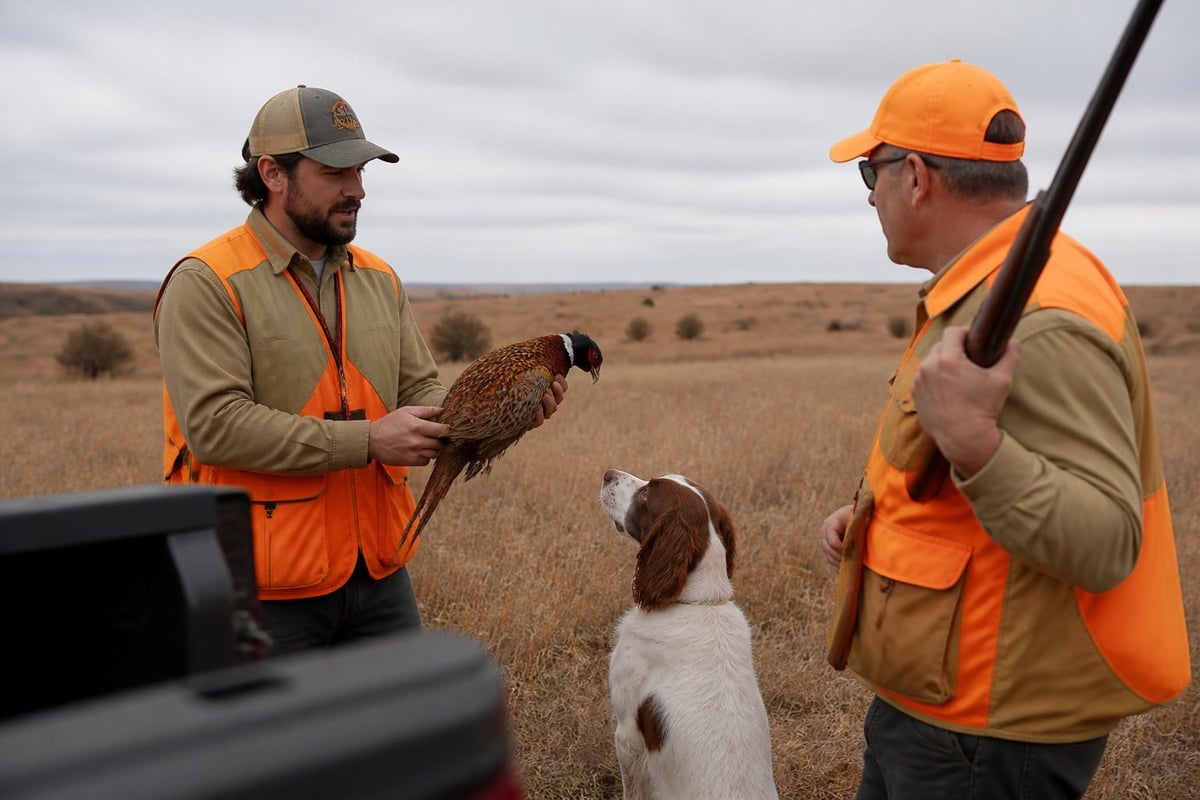
The quality of hunting dogs represents one of the most significant advantages. Professional outfitters invest considerable time and resources training dogs specifically for pheasant hunting, ensuring they effectively locate, point, and retrieve birds throughout the day.
Hunt Duration and Format Options
Outfitters structure guided pheasant hunts in various formats to accommodate different schedules and preferences. Half-day hunts typically span three to four hours, ideal for hunters with limited time or those testing a new location. These abbreviated experiences usually target morning or afternoon bird activity peaks.
Full-day hunts extend from early morning through late afternoon, maximizing exposure to prime hunting conditions. Many hunters prefer this format because it allows for mid-day breaks while capturing both morning and evening feeding periods when pheasants are most active.
Multi-day packages combine consecutive hunting days with lodging accommodations, creating an immersive experience. These comprehensive trips often include evening meals, comfortable lodging, and opportunities to socialize with fellow hunters. According to BookYourHunt.com, these extended packages have become increasingly popular among serious enthusiasts.
Choosing the Right Location and Outfitter
Geographic location significantly impacts your guided pheasant hunt experience, as different regions offer distinct advantages regarding bird populations, terrain characteristics, and seasonal timing.
Premier Pheasant Hunting Regions
The Great Plains states consistently rank among America's top pheasant hunting destinations. South Dakota has earned its reputation as the pheasant capital, with robust wild bird populations and numerous quality outfitters. Kansas offers excellent guided opportunities across vast agricultural landscapes where pheasants thrive in crop fields and grasslands.
Midwestern states like Iowa and Nebraska provide strong alternatives with diverse habitat and healthy bird numbers. Illinois has emerged as a significant destination, particularly in Pike County where operations like Heartland Lodge have built reputations for exceptional wingshooting experiences.
Western states including Montana and Idaho offer unique mountain and high-plains environments that create different hunting dynamics. Each region presents distinct landscape characteristics that influence hunting strategies and the overall experience.
| Region | Peak Season | Terrain Type | Bird Population |
|---|---|---|---|
| South Dakota | October-January | Prairie grasslands | Excellent |
| Kansas | November-January | Agricultural fields | Very Good |
| Iowa | October-December | Mixed farmland | Good |
| Illinois | November-January | River bottoms, cropland | Very Good |
| Montana | September-December | High plains | Good |
Evaluating Outfitter Quality
Selecting a reputable outfitter requires thorough research and careful consideration of several critical factors. Begin by examining their reputation through online reviews, testimonials, and word-of-mouth recommendations from experienced hunters.
Professional organizations and certifications indicate commitment to industry standards. Many top-tier outfitters maintain affiliations with state hunting associations or national groups that promote ethical hunting practices and quality service delivery.
Key evaluation criteria include:
- Years of operational experience
- Dog training programs and kennel quality
- Land access extent (owned versus leased property)
- Guide-to-hunter ratios
- Accommodation quality for multi-day hunts
- Transparent pricing without hidden fees
Resources like Ultimate Pheasant Hunting provide comprehensive directories helping hunters compare outfitters across different regions. Direct communication with outfitters before booking allows you to assess their professionalism and ensure they understand your expectations.
Preparing for Your Guided Hunt
Proper preparation ensures you maximize enjoyment and success during guided pheasant hunts while demonstrating respect for guides, fellow hunters, and the hunting tradition itself.
Essential Gear and Equipment
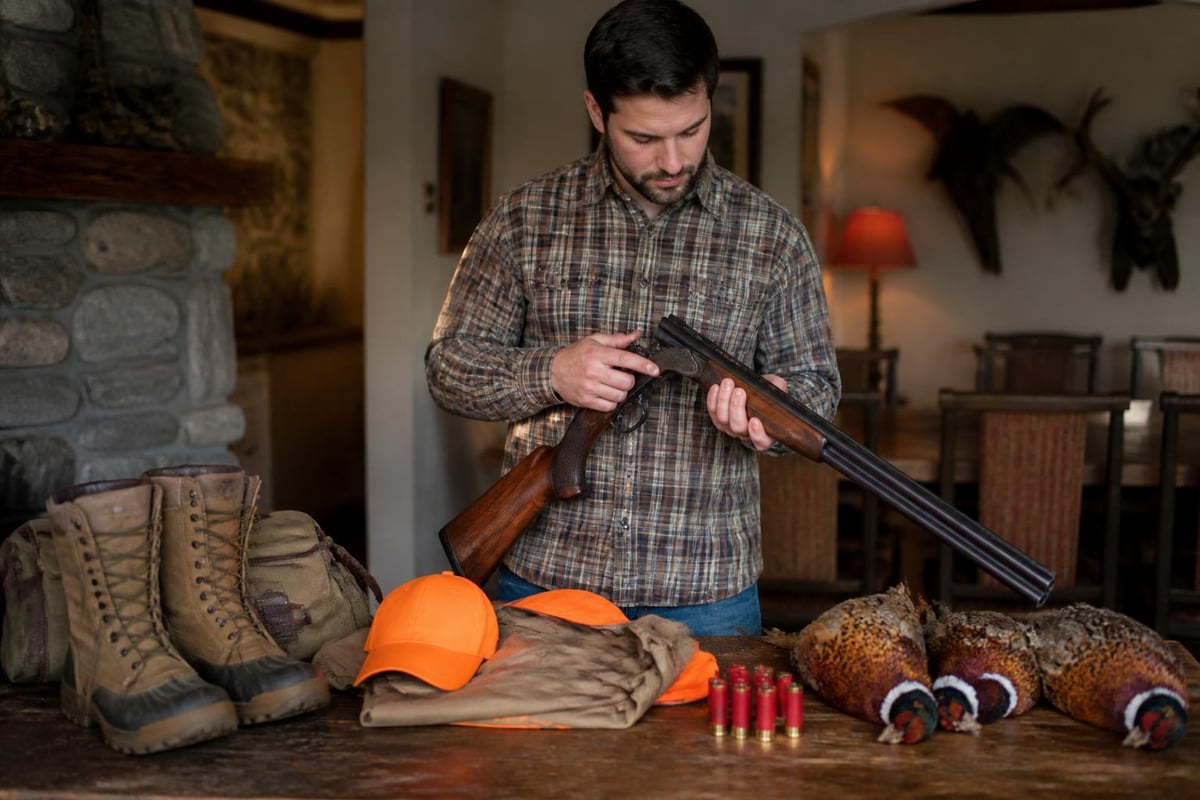
Your shotgun selection significantly influences hunt effectiveness. Most pheasant hunters prefer 12-gauge or 20-gauge shotguns, with improved cylinder or modified chokes providing optimal patterns for close to moderate range shots. Autoloaders offer quick follow-up capabilities, while over-under shotguns appeal to traditionalists.
Ammunition selection matters considerably. Most guides recommend 5 or 6 shot for pheasant hunting, offering sufficient pellet density and energy for clean kills. Bring sufficient shells for a full day of hunting-typically 75 to 100 rounds for active hunts.
Clothing must balance concealment, weather protection, and mobility. Upland hunting involves substantial walking through varied terrain, requiring durable pants with briar protection and comfortable, waterproof boots with ankle support. Layered clothing systems adapt to changing temperatures throughout the day.
Complete packing checklist:
- Shotgun with appropriate choke tubes
- Hunting ammunition (check state regulations for non-toxic requirements)
- Blaze orange vest and hat (required in most states)
- Upland hunting boots
- Shooting glasses and hearing protection
- Game vest with shell loops
- Water bottle and snacks
- Valid hunting license and required stamps
Many hunters visiting RCS Outdoors prepare for their trips by ensuring they have reliable firearms and adequate ammunition supplies before departing for their guided adventures.
Physical Conditioning and Expectations
Guided pheasant hunts demand moderate physical fitness, as hunters typically walk several miles across uneven terrain throughout the day. Fields, grasslands, and crop stubble present obstacles including uneven ground, ditches, and dense vegetation.
Begin a conditioning program several weeks before your hunt if you lead a sedentary lifestyle. Walking or hiking with gradually increasing distances prepares your legs and cardiovascular system for extended field time. Focus particularly on ankle stability, as rolled ankles represent common hunting injuries.
Understand realistic expectations regarding shot opportunities and success rates. Wild bird hunts naturally involve periods of walking without encounters, requiring patience and persistence. Preserve hunts on stocked properties typically provide more action but may lack the challenge and satisfaction of pursuing truly wild pheasants.
Hunting Etiquette and Safety Protocols
Observing proper etiquette during guided pheasant hunts ensures everyone's safety while creating positive experiences for all participants. Professional guides emphasize these standards because they protect hunters and maintain the sport's integrity.
Safety Fundamentals
Firearm safety represents the absolute priority during any guided hunt. Always maintain muzzle control, keeping your shotgun pointed in a safe direction at all times. The most critical rule involves never swinging through the line of other hunters when tracking birds.
Establish clear shooting zones before entering the field. Most guides organize hunters in a line formation, with each person responsible for a specific sector. Never shoot at low-flying birds that might bring your barrel toward other hunters or dogs.
Load your shotgun only when the guide indicates you're entering active hunting areas. Unload immediately when returning to vehicles or taking breaks. Keep your safety engaged until ready to shoot at a flushing bird.
Respecting Guide Expertise
Professional guides possess extensive experience and knowledge that should be respected and utilized. Follow their instructions regarding positioning, movement pace, and shooting opportunities. According to insights on guided hunting etiquette, deferring to guide expertise creates better outcomes for everyone.
Ask questions when uncertain about procedures or expectations rather than making assumptions. Good guides appreciate hunters who communicate clearly about their experience levels and physical limitations.
Respect boundaries regarding shot selection. Guides may occasionally advise against certain shots due to distance, angle, or safety concerns. These recommendations protect you, other hunters, and the dogs working hard to create opportunities.
Professional conduct includes:
- Arriving on time and prepared
- Following all guide instructions promptly
- Sharing shooting opportunities fairly
- Praising dog work and guide efforts
- Tipping appropriately for quality service
- Providing honest feedback after the hunt
Understanding Costs and Booking Considerations
Investment in guided pheasant hunts varies significantly based on location, services included, and hunt duration. Understanding pricing structures helps you budget appropriately and select options matching your preferences.
Pricing Structure Analysis
Half-day guided hunts typically range from $250 to $450 per hunter, usually including birds harvested up to a specified limit. Full-day experiences generally cost between $400 and $700, offering extended field time and higher bird limits.
Multi-day packages incorporating lodging, meals, and multiple hunt days range from $1,200 to $3,000 or more depending on accommodation quality and services. Premium lodges with luxury amenities command higher rates but provide comprehensive experiences beyond just hunting.
Some outfitters charge per-bird pricing while others offer all-inclusive packages. Per-bird arrangements might start around $30 to $50 per pheasant, allowing hunters to control costs by limiting harvest. Package deals often prove more economical for serious hunters planning to maximize opportunities.
| Hunt Type | Duration | Average Price Range | Typical Inclusions |
|---|---|---|---|
| Half-Day | 3-4 hours | $250-$450 | Guide, dogs, 3-5 birds |
| Full-Day | 6-8 hours | $400-$700 | Guide, dogs, 6-10 birds, lunch |
| Weekend Package | 2 days | $800-$1,500 | Hunts, lodging, some meals |
| Multi-Day Premium | 3+ days | $1,200-$3,000+ | Full lodging, meals, multiple hunts |
Additional expenses include hunting licenses, habitat stamps, and ammunition if not provided. Factor in travel costs, tips for guides (typically 15-20% of hunt cost), and any processing fees for shipping birds home.
Booking Timeline and Deposits
Prime hunting dates during peak season fill quickly, particularly at renowned operations. Book guided pheasant hunts three to six months in advance for popular Midwest destinations during November and December.
Most outfitters require deposits ranging from 25% to 50% of total costs when reserving dates. Understand cancellation policies before committing, as weather-related postponements and personal emergencies occasionally necessitate changes.
Confirm all details in writing, including dates, number of hunters, services included, and total costs. Clarify whether meals, lodging, and bird processing are incorporated or represent additional expenses.
RCS Outdoors has partnered with premier destinations to offer exclusive opportunities for hunters. The Upland Escape Giveaway represents an exceptional chance to experience world-class guided hunting at Heartland Lodge in Pike County, Illinois, one of America's most celebrated wingshooting destinations, paired with premium Benelli equipment.
Regional Highlights and Seasonal Timing
Different regions offer unique characteristics that influence guided pheasant hunt experiences throughout the season. Understanding these variations helps you select destinations matching your preferences.
Seasonal Considerations
Early season hunting during October provides warmer weather and lush cover where birds hold tight. Pheasants haven't experienced significant hunting pressure, sometimes making them less wary. However, dense vegetation can challenge shooting opportunities and dog work.
Mid-season November and early December represent peak periods when weather moderates bird behavior and cover thins enough for effective hunting. Many hunters consider this optimal timing, balancing comfortable conditions with productive bird encounters.
Late season hunts after Christmas offer different advantages. Reduced cover makes birds more visible, though they've become educated by hunting pressure. Cold weather concentrates pheasants in specific habitat types, particularly near food sources and thermal cover.
State-Specific Opportunities
South Dakota's vast public lands and walk-in areas complement guided private land hunts. The state's incredible pheasant densities support both DIY and guided hunting, though professional outfitters provide access to premium properties and expert local knowledge.
Kansas operations like Spearpoint Ranch offer personalized experiences across expansive private holdings. The state's longer season extending into January provides flexibility for hunters with winter availability.
Washington state presents unique Pacific Northwest hunting environments, with operations such as Red’s Fly Shop guided hunts in the Yakima River Canyon offering distinctive high-desert terrain. These western hunts provide alternatives to traditional prairie experiences.
Pennsylvania's guided upland opportunities through outfitters like Adam Hill Hunting Adventures serve Eastern hunters seeking local options without extensive travel. While wild populations don't match Great Plains densities, quality preserves maintain excellent shooting.
Maximizing Your Hunt Success
Beyond basic preparation, specific strategies and mindset adjustments significantly enhance guided pheasant hunt outcomes and overall satisfaction.
Shot Technique and Bird Behavior
Pheasants flush explosively, often cackling loudly while rising at steep angles. This dramatic presentation challenges even experienced shotgunners accustomed to other game birds. Maintain firearm ready position while walking, with the gun carried comfortably across your body allowing quick mounting.
Focus on the bird's head rather than the entire target when shooting. This concentration point improves accuracy and ensures adequate lead. Pheasants often appear closer than actual distance, causing hunters to shoot behind birds that have built substantial speed.
Effective shooting tips:
- Mount smoothly without stopping your swing
- Follow through after the trigger pull
- Take roosters only (hens are protected in most states)
- Wait for reasonable range (25-40 yards optimal)
- Prepare for second shots on running birds
Wild pheasants prefer running to flying when pressured, particularly late season. They may flush at extreme distances or simply run ahead of dogs and hunters. Patience proves essential, as does trusting your dog's work when birds hold tight in heavy cover.
Working Effectively with Hunting Dogs
Quality bird dogs represent your most valuable asset during guided pheasant hunts. Understand basic pointing and flushing dog behaviors to position yourself for optimal shooting opportunities.
Pointing breeds like English Pointers and German Shorthairs lock on scent, indicating bird location through their stance. Move toward the dog's point deliberately but confidently, preparing for the flush that occurs when birds can no longer tolerate proximity.
Flushing breeds including Labrador Retrievers and Springer Spaniels work closer to hunters, intentionally pushing birds into flight within shooting range. Stay alert when dogs work cover intensely, as flushes can occur suddenly.
Never shoot toward any dog, regardless of bird flight path. Quality retrievers eagerly pursue downed birds, so mark fall locations carefully but allow dogs to work. Interfering with retrieves disrupts their training and effectiveness.
Health, Licensing, and Legal Requirements
Compliance with regulations and attention to personal health considerations ensures legal, ethical guided pheasant hunts while protecting yourself and natural resources.
Licensing and Documentation
Every state requires valid hunting licenses for pheasant hunting, with many mandating additional upland game stamps or habitat conservation fees. Non-residents typically pay significantly higher license costs than residents.
Purchase licenses before departing for your hunt, as many can be obtained online through state wildlife agency websites. Carry documentation in the field along with photo identification, as conservation officers may check compliance.
Some states require hunter education certification, particularly for younger hunters. Verify specific requirements well before your scheduled hunt dates to avoid last-minute complications that could prevent participation.
Physical Health and Medical Preparation
Inform your guide about any medical conditions that might affect your hunting capability or require accommodation. Heart conditions, joint problems, or respiratory issues may necessitate modified hunting approaches or shortened field sessions.
Carry personal medications in waterproof containers accessible throughout the day. Some hunters forget prescription needs when focused on gear preparation, creating potentially serious situations in remote hunting areas.
Bring basic first aid supplies including blister treatment, pain relievers, and bandages for minor cuts. While guides typically carry comprehensive medical kits, personal supplies ensure immediate treatment for small issues before they become problematic.
Stay hydrated throughout the hunt despite cool temperatures. Physical exertion in dry air causes significant fluid loss even when you're not noticeably sweating. Consume water regularly rather than waiting until you feel thirsty.
Advanced Considerations for Serious Hunters
Experienced hunters pursuing guided pheasant hunts can optimize their experiences through careful planning beyond standard preparation.
Custom Hunt Packages
Many premium outfitters offer customized experiences tailored to specific preferences. These might include exclusive access to particular properties, specialized dog breeds, or combination hunts incorporating other game species.
Photography packages that include professional documentation of your hunt create lasting memories beyond harvested birds. Some lodges provide videography services capturing the full experience from morning preparation through successful retrieves.
Corporate and group bookings accommodate teams seeking outdoor experiences with business associates or friends. These packages often include private guides, dedicated properties, and enhanced amenities creating memorable shared adventures.
Extending Your Hunting Trip
Consider combining guided pheasant hunts with other regional attractions to maximize travel investment. Many premier hunting destinations offer additional outdoor opportunities including waterfowl hunting, fishing, or wildlife viewing.
Research local restaurants, breweries, and cultural attractions near your hunting lodge. Evening downtime provides opportunities to experience regional character beyond field activities.
Some hunters schedule consecutive days with different outfitters, comparing approaches and experiencing diverse properties. This strategy works particularly well in states like South Dakota or Kansas where numerous quality operations exist within reasonable driving distances.
Plan rest days between intensive hunting sessions during extended trips. Continuous physical activity leads to fatigue that diminishes shooting performance and overall enjoyment. Strategic breaks maintain enthusiasm and physical capability throughout longer adventures.
Guided pheasant hunts deliver exceptional opportunities to experience America's upland hunting traditions under expert supervision, combining outdoor challenge with professional support that enhances success and enjoyment. Whether you're planning your first guided adventure or seeking to explore new regions, thorough preparation and realistic expectations ensure memorable experiences. RCS Outdoors equips hunters with quality firearms, ammunition, and access to premier hunting opportunities through exclusive partnerships, ensuring you're prepared for outstanding guided pheasant hunts throughout the 2026 season and beyond.


