

Turkey Hunting Outfitters: A Complete 2026 Guide
Turkey hunting represents one of America's most cherished springtime traditions, combining skill, patience, and intimate knowledge of wild turkey behavior. As hunter interest continues to surge in 2026, selecting qualified turkey hunting outfitters has become increasingly important for both novice and experienced hunters seeking successful, memorable experiences. Whether you're targeting your first gobbler or pursuing a Grand Slam of all four turkey subspecies, professional outfitters provide invaluable expertise, access to prime hunting grounds, and comprehensive support that dramatically increases your chances of success.
Understanding the Role of Professional Turkey Hunting Outfitters
Turkey hunting outfitters serve as specialized guides who manage every aspect of your hunting experience, from pre-season scouting to post-harvest logistics. These professionals invest countless hours studying turkey patterns, roosting locations, and feeding areas on their properties, knowledge that would take individual hunters years to accumulate. A quality outfitter doesn't simply point you toward the woods; they provide strategic guidance based on real-time observations of turkey movement, weather patterns, and hunting pressure.
The services provided by turkey hunting outfitters typically include scouting reports, calling assistance, lodging arrangements, and meal preparation. Many outfitters also handle licensing requirements, ensuring hunters comply with state regulations and possess appropriate permits. This comprehensive approach allows hunters to focus entirely on the experience rather than logistical concerns.
What Separates Exceptional Outfitters from Average Ones
The turkey hunting industry has expanded significantly, making it essential to identify outfitters who deliver genuine value. Exceptional outfitters maintain hunter success rates above 70 percent, demonstrate extensive property knowledge, and employ guides with years of field experience. These professionals continuously adapt their strategies based on turkey behavior, which varies significantly throughout the season.
Consider these critical differentiators:
- Property management practices that enhance turkey habitat and population health
- Guide-to-hunter ratios that ensure personalized attention and optimal calling strategies
- Equipment quality including blinds, decoys, and calling devices provided
- Transparency regarding success rates, property size, and turkey population data
- Flexibility in hunting methods, accommodating both run-and-gun tactics and blind setups
Top-tier outfitters also invest in ongoing education, staying current with turkey behavior research and emerging hunting techniques. They understand that turkey hunting success depends on reading subtle behavioral cues and adjusting approaches accordingly.
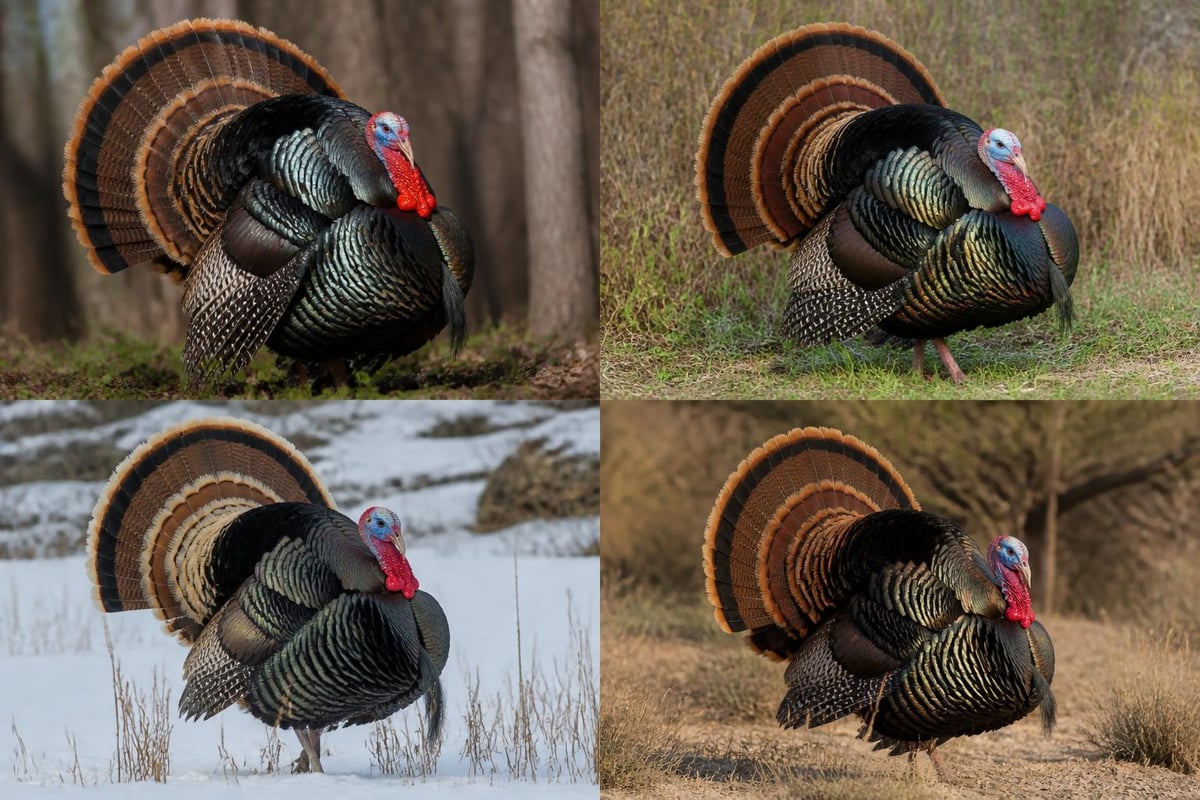
Selecting Turkey Hunting Outfitters Based on Subspecies
North America hosts four primary wild turkey subspecies, each presenting unique hunting challenges and requiring different approaches. Understanding these distinctions helps hunters select turkey hunting outfitters who specialize in their target subspecies. The Ultimate Turkey Hunting directory provides comprehensive listings organized by subspecies and geographic region, simplifying the research process.
Eastern Wild Turkey Hunts
Eastern wild turkeys inhabit the broadest geographic range, spanning from Maine to Florida and west to the Mississippi River. These birds thrive in mature hardwood forests with diverse understory vegetation. Eastern turkey hunting outfitters typically offer hunts from mid-April through May, coinciding with peak breeding activity.
Success with Eastern turkeys demands patience and subtle calling techniques. These birds encounter significant hunting pressure in many regions, making them particularly wary of aggressive calling or poorly concealed setups. Experienced outfitters in states like Pennsylvania, Kentucky, and Missouri understand these behavioral nuances and adjust hunting strategies accordingly.
| Subspecies | Primary Range | Peak Hunting Period | Typical Success Rate |
|---|---|---|---|
| Eastern | Eastern US | Mid-April to May | 65-75% |
| Osceola | Central/South Florida | March to April | 50-65% |
| Merriam's | Rocky Mountains | April to May | 70-80% |
| Rio Grande | Great Plains/Texas | March to April | 60-75% |
Osceola Turkey Specialists
Cypress Roost Outfitters exemplifies the specialized approach required for Osceola turkey hunts in Southwest Florida. This subspecies represents the most geographically restricted and challenging turkey to harvest, making experienced outfitters essential for success. Osceola turkeys inhabit palmetto flats, cypress swamps, and pine flatwoods, environments vastly different from traditional turkey habitat.
Hunting Osceola birds often requires adapting to humid conditions, aggressive insects, and unpredictable weather patterns. Professional outfitters familiar with Florida's unique hunting landscape provide critical advantages, including knowledge of private land access and understanding of how Osceola turkeys respond to calling in dense vegetation.
Merriam's and Rio Grande Opportunities
Western turkey hunting outfitters offer distinct experiences pursuing Merriam's and Rio Grande subspecies. Guided Merriam’s hunts in states like Montana, South Dakota, and New Mexico provide opportunities in mountainous terrain where turkeys roost in ponderosa pines and feed in open meadows. These birds often respond aggressively to calling, creating exciting hunting scenarios.
Rio Grande turkeys inhabit the southern Great Plains, preferring riparian corridors and agricultural edges. Outfitters in Texas, Kansas, and Oklahoma manage properties that balance native grasslands with food plot enhancements, creating ideal turkey habitat. These hunts frequently coincide with mild spring weather, offering comfortable hunting conditions.
Evaluating Turkey Hunting Outfitter Credentials and Services
Thorough vetting of potential turkey hunting outfitters protects your investment and ensures quality experiences. Begin by examining outfitter credentials, including business licenses, liability insurance, and professional affiliations. Legitimate outfitters willingly provide references from previous clients and demonstrate transparent communication throughout the booking process.
Research Methods That Reveal Outfitter Quality
Modern hunters have unprecedented access to outfitter information through online platforms, social media, and hunting forums. The interactive map feature allows geographic searches for turkey hunting outfitters, streamlining preliminary research. Cross-reference outfitter claims with independent reviews and testimonials, watching for consistent patterns in feedback.
Direct communication reveals significant insights about outfitter professionalism and expertise:
- Initial response time to inquiries, indicating organizational efficiency
- Knowledge demonstration when discussing property characteristics and turkey behavior
- Willingness to customize hunt packages based on hunter preferences and skill levels
- Clarity regarding what's included versus additional costs
- Transparency about challenging conditions or lower success periods
Request detailed information about guide qualifications, including years of experience and subspecies expertise. Quality outfitters employ guides who possess intimate property knowledge and can articulate specific strategies for different hunting scenarios.
Package Inclusions and Hidden Costs
Turkey hunting outfitter packages vary considerably in scope and pricing. Standard packages typically include lodging, meals, guide services, and field transportation. However, hunters must clarify which elements require additional payment, such as trophy preparation, airport transfers, or licensing assistance.
Base package elements:
- Guided hunting for specified number of days
- Lodging in hunting lodge or cabin accommodations
- Meals (typically breakfast and dinner, with packed lunches)
- Ground transportation during hunt activities
- Basic field care of harvested birds
Common additional costs:
- State hunting licenses and turkey tags
- Trophy mounting or taxidermy services
- Gratuities for guides and lodge staff
- Ammunition and specialized equipment rental
- Airport shuttle services
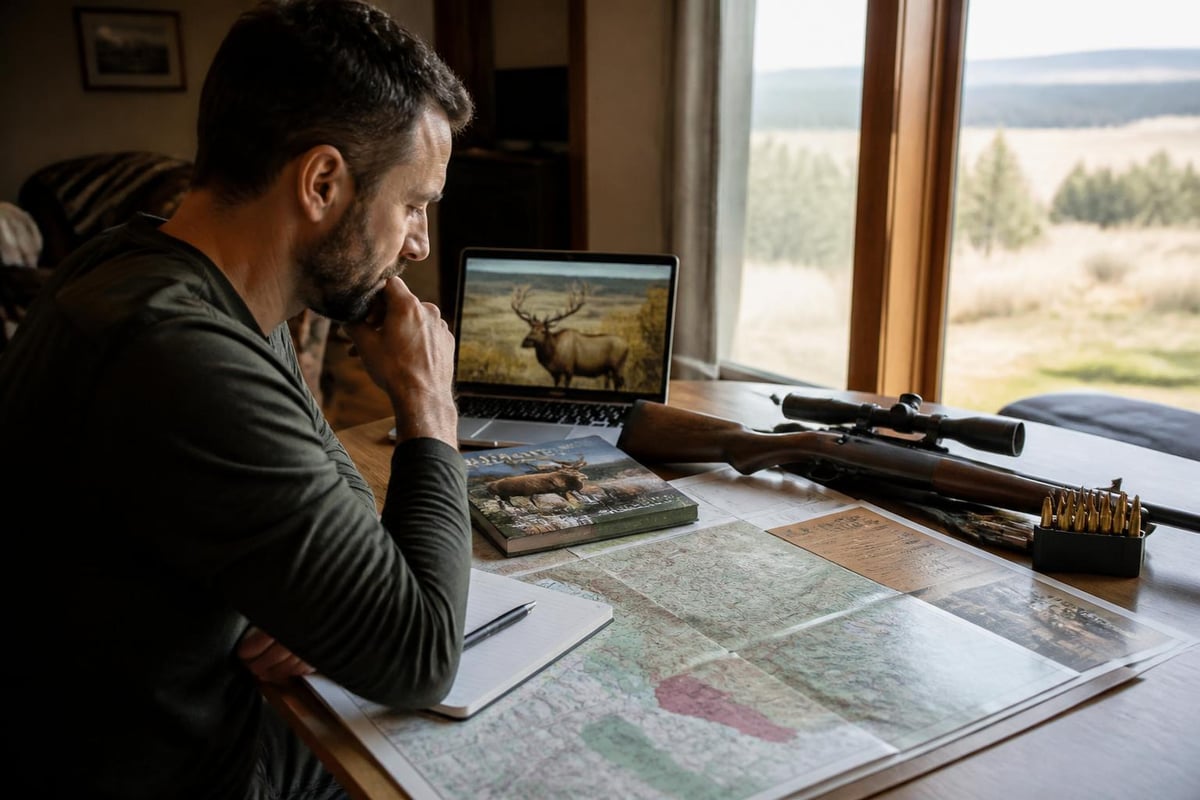
Understanding regional licensing requirements proves essential when booking turkey hunting outfitters. Each state maintains unique regulations regarding non-resident hunters, tag allocations, and season dates. Professional outfitters assist with this process, but hunters ultimately bear responsibility for legal compliance. Before finalizing bookings, verify current regulations through state wildlife agencies, as rules frequently change between seasons.
Some states employ lottery systems for non-resident turkey tags, requiring applications months in advance. Southern Whitetail Outfitters and similar operations provide detailed information about Kentucky's licensing process, helping hunters navigate application deadlines and fee structures. This advance planning ensures tag availability when your hunt dates arrive.
Seasonal Timing and Hunt Duration
Turkey hunting success correlates strongly with seasonal timing, making schedule coordination with turkey hunting outfitters critical. Peak hunting occurs during the three-week period when breeding activity reaches maximum intensity, varying by latitude and subspecies. Northern states like Michigan and Wisconsin experience peak activity in early to mid-May, while southern states see peak breeding in late March through April.
Most outfitters offer hunt packages ranging from two to five days, with three-day hunts representing the most popular option. This duration provides multiple hunting opportunities while accommodating weather variables and turkey behavior fluctuations. Shorter hunts carry higher pressure to succeed quickly, while longer packages allow more strategic approaches and backup opportunities.
Hunters seeking to complete a Grand Slam often coordinate multiple hunts across different states and seasons. This ambitious goal requires booking turkey hunting outfitters who understand the complexity of pursuing all four subspecies and can provide flexible scheduling options.
Equipment and Firearms Considerations for Guided Turkey Hunts
Proper equipment significantly impacts turkey hunting success, and quality outfitters provide detailed gear lists during the booking process. While many hunters prefer using personal firearms, understanding what outfitters provide versus what you should bring prevents last-minute complications. Before traveling, especially for air travel to distant hunting destinations, confirm firearm transportation policies and consider whether renting equipment from the outfitter makes practical sense.
Shotgun Selection and Ammunition Requirements
Turkey hunting demands specialized shotguns and ammunition configurations optimized for maximum pattern density at 20 to 40 yards. Most experienced hunters prefer 12-gauge shotguns equipped with extra-full turkey chokes, though 20-gauge options have gained popularity with modern tungsten shot loads. RCS Outdoors offers comprehensive selections of shotguns and ammunition suited for turkey hunting applications, ensuring hunters access quality equipment before their guided hunts.
Outfitters typically recommend specific shot sizes and load configurations based on their property characteristics and typical engagement distances. Standard turkey loads feature No. 4, 5, or 6 shot in lead, or smaller shot sizes in tungsten-based ammunition. Pattern testing before your hunt ensures your firearm and ammunition combination delivers adequate density at expected shooting distances.
| Load Type | Shot Size | Effective Range | Best Application |
|---|---|---|---|
| Lead 3" | #5-6 | 25-35 yards | Budget-conscious, close setups |
| Lead 3.5" | #4-5 | 30-40 yards | Standard turkey hunting |
| Tungsten 3" | #7-9 | 35-50 yards | Extended range, smaller bores |
| TSS 3" | #8-9 | 40-60 yards | Maximum range capability |
Essential Gear Beyond Firearms
Successful turkey hunting requires more than just an effective shotgun. Outfitters expect hunters to arrive with appropriate camouflage matching local vegetation, comfortable boots suited for varied terrain, and essential calling equipment. While guides handle primary calling duties, having your own slate, box, or diaphragm calls allows practice and backup options.
Weather-appropriate layering systems prove invaluable during spring turkey seasons, when morning temperatures may hover near freezing while afternoons reach 70 degrees or higher. Quality turkey hunting outfitters provide detailed weather forecasts and terrain descriptions, allowing hunters to pack appropriately for conditions.
Additional recommended equipment includes:
- Seat cushion or hunting chair for extended blind sessions
- Rangefinder for accurate distance assessment
- Headlamp with red light for pre-dawn access to hunting areas
- Hand pruners for clearing shooting lanes and vegetation management
- Quality binoculars for identifying birds at distance
Regional Considerations When Booking Turkey Hunting Outfitters
Geographic diversity across North America creates vastly different turkey hunting experiences, each with distinct advantages and challenges. Understanding regional characteristics helps hunters select turkey hunting outfitters aligned with their preferences, physical capabilities, and hunting style. Terrain difficulty varies from flat agricultural regions to mountainous landscapes requiring significant cardiovascular fitness.
Midwest and Southern Plains Hunts
Turkey hunting outfitters operating in Kansas, Nebraska, and Oklahoma typically manage properties featuring agricultural edges, creek bottoms, and scattered timber. These landscapes support robust turkey populations with Rio Grande genetics, often supplemented by Eastern subspecies introductions. Hunting these regions generally involves blind setups near strutting zones or travel corridors, with relatively easy access and moderate terrain demands.
The cultural heritage of turkey hunting runs deep in these regions, with many outfitters operating multi-generational family businesses. This longevity often indicates consistent turkey populations and sustainable property management practices. Hunters seeking traditional Midwest hospitality combined with quality turkey hunting find excellent options throughout this region.
Mountain West Experiences
Back 30 Outfitters in Idaho represents the mountain west turkey hunting experience, where Merriam's turkeys inhabit dramatic landscapes of ponderosa pine forests and alpine meadows. These hunts demand higher fitness levels, as turkeys often roost in canyons and feed in elevated meadows, requiring hiking to access prime areas.
Mountain west turkey hunting outfitters provide distinct advantages for hunters seeking uncrowded conditions and spectacular scenery. Bird densities may run lower than agricultural regions, but hunting pressure remains lighter, and turkeys often respond more readily to calling. These hunts appeal to adventurous hunters who appreciate challenging terrain and wilderness settings.
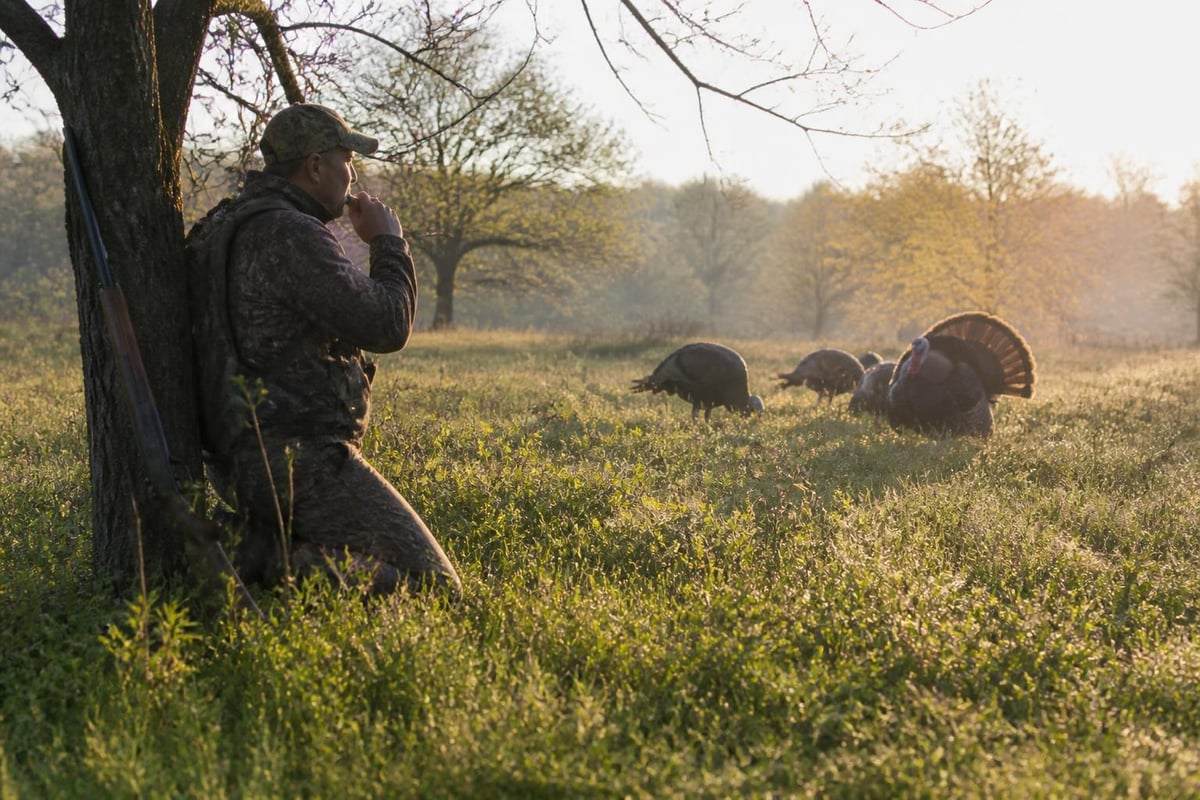
Maximizing Success With Your Chosen Outfitter
Once you've selected and booked turkey hunting outfitters, the preparation phase begins. Successful hunters arrive in top physical condition, familiar with their equipment, and mentally prepared for long hours of patient waiting punctuated by moments of intense action. Communication with your outfitter in the weeks preceding your hunt ensures alignment on expectations, current turkey activity levels, and any last-minute adjustments to plans.
Pre-Hunt Preparation Strategies
Physical conditioning appropriate for your hunt location prevents fatigue from limiting your effectiveness. Even relatively flat terrain requires walking several miles daily, often in darkness over uneven ground. Cardiovascular fitness, core strength, and leg conditioning all contribute to hunting comfort and safety. Begin a walking program at least six weeks before your scheduled hunt, gradually increasing distance and incorporating hills or stairs.
Practice with your shotgun under realistic field conditions, including shooting from seated positions and through realistic blind windows. Many hunters pattern their shotguns from comfortable bench rests but struggle with the awkward shooting positions common in turkey hunting scenarios. Simulate these conditions during practice sessions, ensuring confidence when actual shooting opportunities arise.
Mental preparation proves equally important. Turkey hunting involves extended periods of motionless waiting, requiring patience and focus that challenge many hunters. Understanding this reality and embracing the meditative aspects of the experience enhances enjoyment and increases success likelihood.
Working Effectively With Your Guide
The relationship between hunter and guide significantly influences hunt outcomes. Quality turkey hunting outfitters assign guides based on hunter experience levels and hunting style preferences. Communicate openly with your guide about your skill level, physical limitations, and hunting goals. Honest assessment prevents mismatched expectations and allows guides to tailor strategies appropriately.
Effective hunter behaviors:
- Arrive on time for scheduled departures, typically well before sunrise
- Follow guide instructions regarding movement, calling, and shot decisions
- Maintain strict silence and minimal movement during setups
- Ask questions during appropriate times, not during active turkey encounters
- Express preferences about hunting styles without demanding specific approaches
Guides appreciate hunters who demonstrate genuine interest in learning about turkey behavior and local hunting traditions. This collaborative approach creates memorable experiences beyond simple harvest success. Many lasting friendships develop between hunters and guides who share passion for turkey hunting and respect for the wild birds they pursue.
Understanding Success Metrics Beyond Harvest
While harvesting a mature gobbler represents the ultimate goal for most hunters, defining success solely by this outcome overlooks many valuable aspects of guided turkey hunts. Experienced hunters appreciate hearing multiple birds gobbling, observing turkey behavior at close range, and experiencing quality time in spring woods bursting with new life. Turkey hunting outfitters who emphasize these broader success metrics often provide more satisfying overall experiences than those focused exclusively on kill rates.
Hunters booking their first guided turkey hunt should maintain realistic expectations about success probability. Even top-tier outfitters rarely achieve 100 percent success rates, as turkey hunting inherently involves numerous variables beyond human control. Weather shifts, hunting pressure from neighboring properties, and simple bad luck all influence outcomes. Appreciating the experience regardless of harvest results demonstrates maturity and enhances enjoyment.
The Investment Value of Professional Turkey Hunting Services
Turkey hunting outfitter costs vary widely based on location, services included, and subspecies targeted. Budget-conscious hunters find quality options starting around $1,500 for weekend hunts in Midwest states, while premium experiences pursuing Osceola turkeys or combination hunts incorporating multiple subspecies may exceed $5,000. Understanding what drives these price differences helps hunters evaluate whether premium services justify additional investment.
Location accessibility significantly impacts pricing, with remote or exclusive access properties commanding higher rates. Properties supporting lower hunter densities and exceptional turkey populations justify premium pricing through increased success probability and superior hunting experiences. Outfitter reputation, guide experience levels, and accommodation quality also influence package costs.
For hunters serious about completing a Grand Slam, partnering with established turkey hunting outfitters for each subspecies hunt provides the most efficient path to success. The comprehensive knowledge these professionals offer regarding optimal hunt timing, current turkey populations, and effective strategies dramatically improves overall success rates compared to self-guided attempts. Many hunters pursuing this goal spread subspecies hunts across multiple years, allowing budget flexibility while building anticipation for each new adventure.
When evaluating costs, consider the total expense of self-guided hunts, including travel, lodging, meals, and the significant time investment required for property access and pre-season scouting. Professional outfitters consolidate these elements while adding expert guidance, often representing better overall value than initially apparent. For hunters with limited vacation time, this efficiency carries particular importance.
RCS Outdoors partners with Heartland Lodge to offer exceptional upland hunting experiences that showcase the value of professional outfitting services. While turkey hunting and upland bird hunting differ significantly, the principles of working with experienced outfitters remain consistent across hunting disciplines.
Selecting qualified turkey hunting outfitters transforms challenging pursuits into achievable goals while creating memories that extend far beyond the hunt itself. The expertise, property access, and comprehensive support these professionals provide justify the investment for hunters seeking maximum success probability and minimal logistical stress. Whether you're pursuing your first gobbler or chasing a Grand Slam, thoroughly researched outfitter selection sets the foundation for exceptional hunting experiences. When you're ready to gear up for your next turkey hunting adventure, RCS Outdoors provides the quality firearms, ammunition, and accessories you need to make the most of your guided hunt.


