

Deer Attractant: Complete Guide for Hunters in 2026
Hunters seeking to improve their success rates consistently turn to deer attractant products as part of their strategic approach. Understanding how these products work, when to deploy them, and which formulations deliver the best results can significantly impact your hunting outcomes. Whether you're pursuing whitetail deer during archery season or preparing for rifle hunting, the right attractant strategy combined with proper placement and timing creates opportunities that wouldn't otherwise exist. This comprehensive guide explores everything you need to know about deer attractants, from scientific principles to practical field applications.
Understanding the Science Behind Deer Attractant Products
Deer attractants function by leveraging the white-tailed deer's highly developed olfactory system and natural feeding behaviors. A deer's sense of smell is estimated to be hundreds of times more sensitive than a human's, allowing them to detect scents from considerable distances under favorable wind conditions.
The most effective deer attractant formulations target specific behavioral triggers. Food-based attractants mimic natural food sources or introduce high-energy supplements that deer crave, especially during periods of nutritional stress. Scent-based attractants include doe estrous during the rut, territorial scents that trigger curiosity in bucks, and social scents that create a sense of safety.
Understanding how deer attractants work requires recognizing that different seasons demand different approaches. Pre-rut conditions call for curiosity scents and nutritional attractants, while peak rut periods respond best to doe estrous and buck urine formulations.
Primary Categories of Attractants
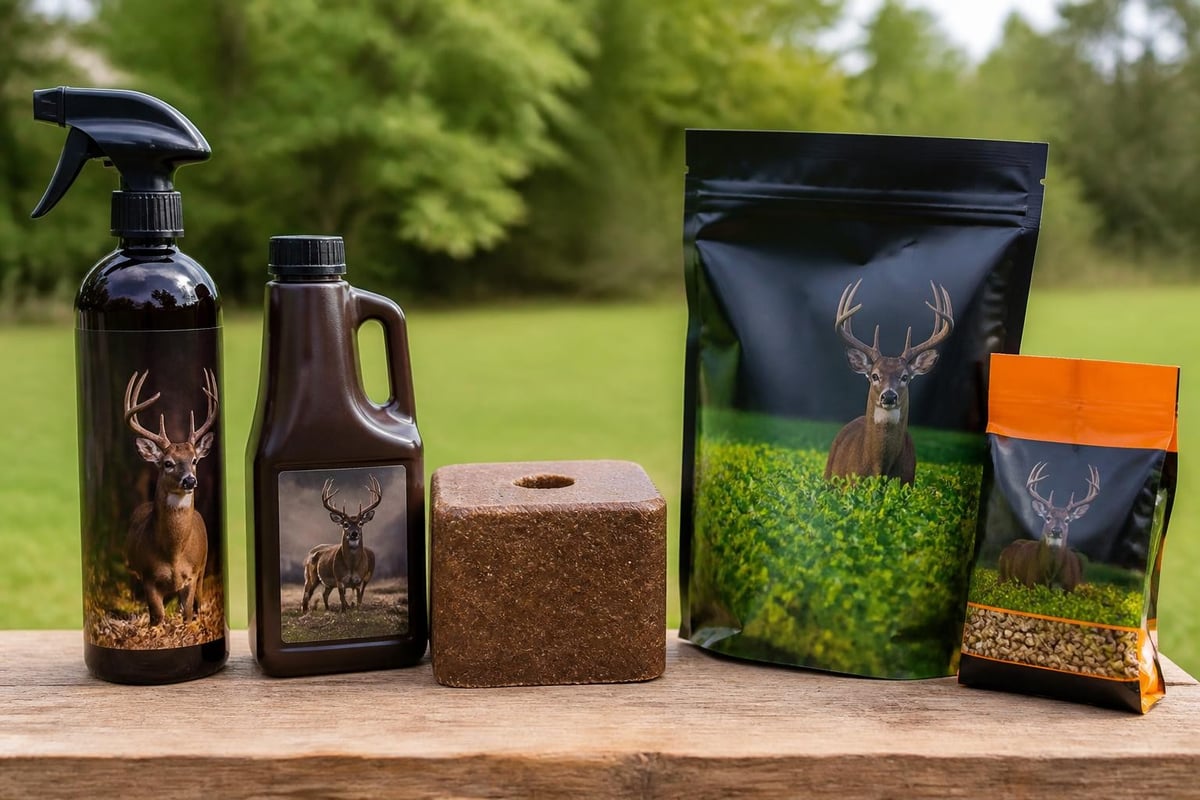
Modern deer attractant products fall into several distinct categories, each serving specific purposes:
- Liquid scents: Concentrated formulas applied to wicks, scrapes, or vegetation
- Granular minerals: Long-lasting supplements that improve herd health while attracting deer
- Food plot additives: Products designed to enhance existing food sources
- Block attractants: Compressed formulations that provide extended attraction
- Spray attractants: Easy-to-apply mists for wide coverage areas
Selecting the Right Deer Attractant for Your Hunting Situation
Choosing an appropriate deer attractant depends on multiple factors including hunting pressure, season, property size, and local deer behavior patterns. Expert reviews of the best deer attractants highlight products that consistently perform across various conditions.
Early Season Considerations: During early fall, nutritional attractants work exceptionally well. Deer focus primarily on rebuilding fat reserves after the lean summer months. Apple-scented blocks, corn-based granular products, and mineral supplements draw deer to specific locations while supporting antler development in bucks.
Pre-Rut and Rut Strategies: As breeding season approaches, scent-based attractants become increasingly effective. Buck urine creates territorial competition, while doe estrous scents trigger instinctive breeding responses. Timing is critical-deploying estrous scents too early wastes product, while waiting too long misses the peak activity window.
Effectiveness Comparison by Type
| Attractant Type | Best Season | Duration | Coverage Area | Primary Target |
|---|---|---|---|---|
| Doe Estrous | Peak Rut | 3-7 days | 100-200 yards | Mature Bucks |
| Mineral Blocks | Spring-Summer | 2-4 weeks | 50-100 yards | All Deer |
| Corn-Based | Early Season | 1-2 weeks | 25-50 yards | Does, Young Bucks |
| Acorn Scent | Fall | 5-10 days | 75-150 yards | All Deer |
| Mock Scrape | Pre-Rut | 7-14 days | 100-300 yards | Dominant Bucks |
Strategic Placement and Application Techniques
Successful deer attractant deployment requires understanding wind patterns, deer movement corridors, and hunting strategy integration. Simply placing attractant randomly across your property wastes resources and reduces effectiveness.
Wind Consideration: Deer approach food sources and scent concentrations from downwind positions. Position your attractant so prevailing winds carry the scent through primary travel corridors. This creates an intercept opportunity where deer must pass through shooting lanes to investigate.
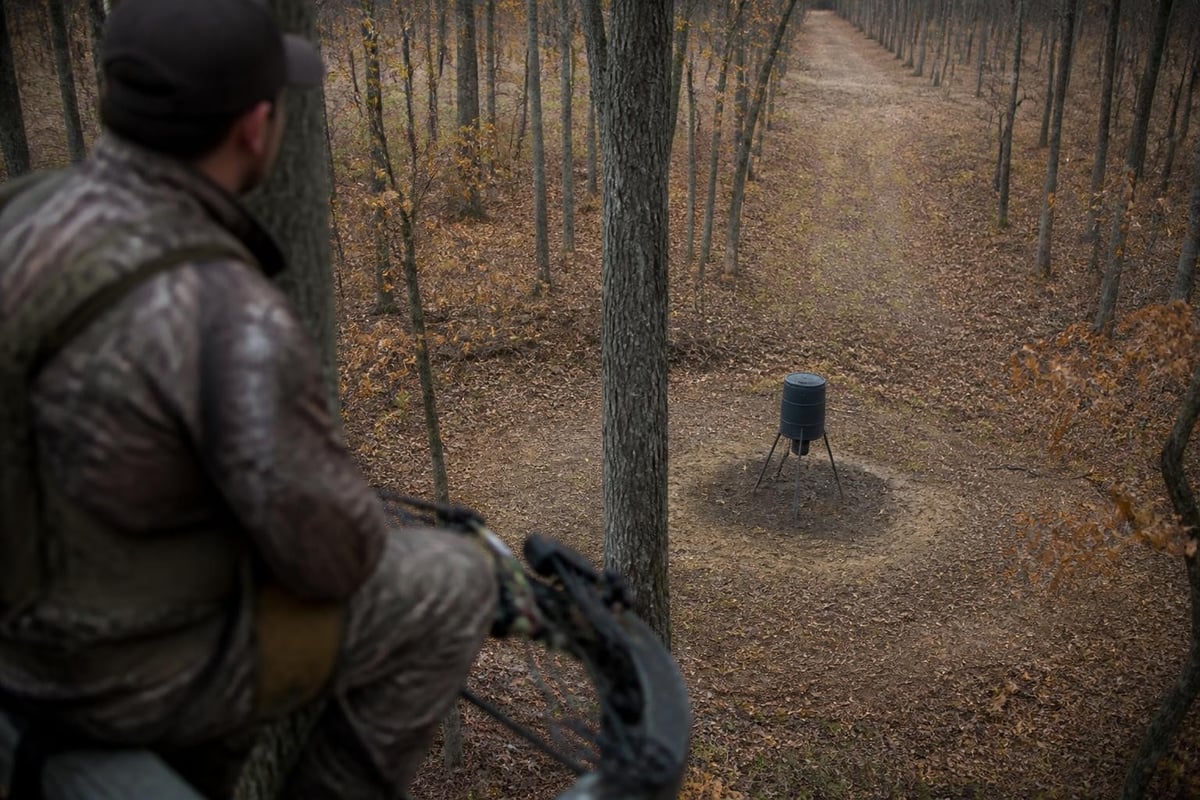
Distance from Stand: Place food-based attractants 15-30 yards from your stand position for archery hunting, allowing proper shot angles while keeping deer focused on the attractant rather than your location. Scent attractants can be positioned closer to maximize wind-dispersed molecules reaching your stand area.
Application Methods That Work
Different attractant formulations require specific application techniques for maximum effectiveness:
- Scent Wicks: Hang at deer nose height (3-4 feet) from branches overhanging trails
- Ground Application: Pour liquid attractants directly onto scrapes or cleared earth patches
- Mist Spraying: Apply to vegetation surrounding stand locations 24-48 hours before hunting
- Mineral Sites: Clear 4×4 foot areas down to bare soil before applying granular products
- Block Placement: Position on stumps or platforms to prevent ground absorption and extend duration
Evaluating what works and what doesn’t helps hunters avoid common mistakes that reduce attractant effectiveness. Over-application actually repels deer in many cases, as unnaturally strong concentrations trigger alarm responses.
Timing Your Deer Attractant Strategy Throughout the Season
Seasonal timing dramatically impacts deer attractant effectiveness. Deer behavioral patterns shift throughout the year based on breeding cycles, food availability, and environmental pressures.
August Through September: Focus on establishing mineral sites and nutritional attractants. Bucks actively feed to maximize antler growth during velvet stages. Does with fawns seek high-protein sources. This period builds deer visitation patterns that continue into hunting season.
October Pre-Rut: Transition to curiosity scents and territorial attractants. Bucks begin establishing dominance hierarchies and responding to competitive stimuli. Mock scrapes enhanced with buck urine create investigation points along travel routes.
November Peak Rut: Deploy doe estrous products aggressively. Mature bucks abandon normal feeding patterns to search for receptive does. Strategic estrous placement intercepts cruising bucks that might otherwise pass outside shooting range.
Monthly Attractant Calendar
- July-August: Mineral supplements, protein blocks
- September: Transition to food-based attractants with acorn and apple scents
- October: Introduce buck urine and curiosity scents
- November: Peak doe estrous deployment
- December-January: Return to nutritional attractants as breeding concludes
- February-March: Maintain mineral sites for antler development
Legal and Ethical Considerations for Using Deer Attractant
Before deploying any deer attractant, hunters must understand applicable regulations in their hunting jurisdiction. State wildlife agencies maintain varying rules regarding baiting versus attracting, with significant legal distinctions between the two practices.
Baiting vs. Attracting: Many states prohibit hunting over "bait" defined as grain, salt, or other feed materials intended for consumption. However, these same jurisdictions often permit scent-based attractants that influence deer movement without providing food. Understanding this distinction prevents inadvertent violations.
Fair Chase Ethics: Responsible hunters consider whether their attractant use aligns with fair chase principles. While legal attractants provide strategic advantages, they should enhance-not replace-woodsmanship, scouting, and understanding deer behavior.
Some jurisdictions require specific distances between attractant placement and hunting positions, mandate removal of attractants after season closure, or restrict certain formulations near wildlife disease management zones. Research into attractant effectiveness includes consideration of these regulatory frameworks that shape hunting practices.
Regulatory Compliance Checklist
Before using deer attractant products, verify:
- State baiting and attractant regulations for your hunting zone
- Property ownership permissions for attractant placement
- Distance requirements from roads, property lines, and residences
- Seasonal restriction dates for specific attractant types
- CWD (Chronic Wasting Disease) zone limitations on natural urine products
Maximizing Results by Combining Attractants with Hunting Tactics
Deer attractant products deliver optimal results when integrated into comprehensive hunting strategies rather than used in isolation. The most successful hunters treat attractants as one component within a larger tactical framework.
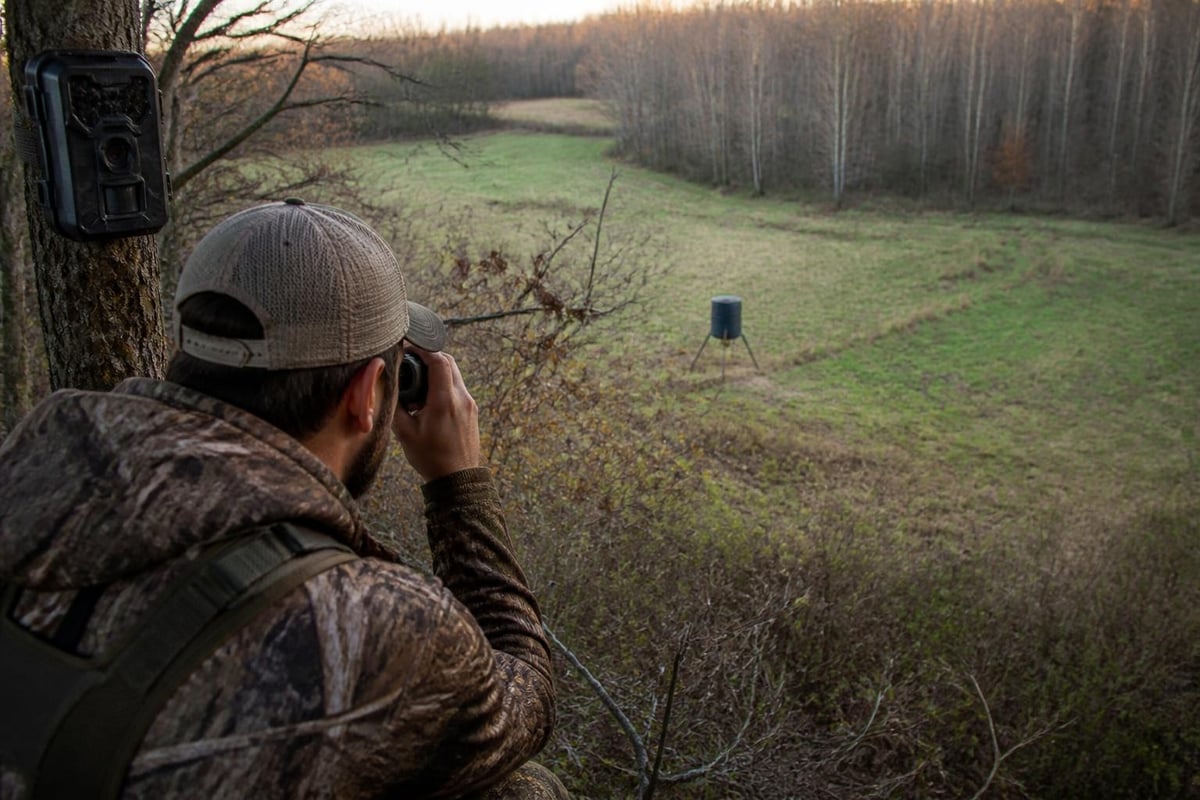
Trail Camera Integration: Position cameras at attractant sites to pattern deer movement. This intelligence reveals peak visitation times, identifies specific bucks using the area, and shows approach directions. Adjust stand placement based on photographic evidence rather than assumptions.
Multiple Attractant Sites: Establish several attractant locations across your hunting property. This distributes deer activity, reduces pressure on individual sites, and provides options when wind conditions eliminate certain stand locations. Rotate hunting pressure between sites to maintain deer comfort levels.
For hunters planning comprehensive outdoor pursuits, The Upland Escape Giveaway offered through partnerships between RCS Outdoors and Heartland Lodge demonstrates how quality gear and destination experiences enhance hunting traditions. This premium package includes an all-inclusive upland hunt at one of Pike County, Illinois's most celebrated wingshooting destinations, showing the value of combining proper equipment with strategic location selection-principles that apply equally to deer hunting success.
Integrated Hunting System Components
| System Element | Purpose | Interaction with Attractants |
|---|---|---|
| Scouting | Identify natural patterns | Determines attractant placement zones |
| Trail Cameras | Monitor activity | Documents attractant effectiveness |
| Stand Locations | Create hunting positions | Positioned based on attractant results |
| Scent Control | Reduce human odor | Prevents negating attractant benefits |
| Wind Strategy | Approach planning | Ensures attractant scent reaches target areas |
Common Mistakes That Reduce Deer Attractant Effectiveness
Even experienced hunters make errors that diminish attractant performance. Recognizing these mistakes helps maximize your investment in products and time.
Over-Application: More is not better with deer attractant formulations. Excessive scent concentrations alarm deer by creating unnaturally strong odors. Follow manufacturer guidelines for application amounts and refresh frequencies. A subtle scent trail proves more effective than overwhelming concentrations.
Wrong Product for the Season: Deploying doe estrous during early October wastes product when bucks aren't responsive to breeding scents. Similarly, nutritional attractants receive limited attention during peak rut when bucks abandon feeding patterns. Match your attractant type to current deer behavioral priorities.
Inconsistent Maintenance: Starting an attractant program then abandoning it mid-season disrupts deer patterns and wastes early-season efforts. Deer learn to visit established sites regularly-inconsistent maintenance breaks these patterns and reduces effectiveness when you resume hunting.
Product Storage and Handling
Proper attractant storage preserves effectiveness and prevents contamination:
- Store liquid scents in cool, dark locations away from temperature extremes
- Keep containers sealed when not in use to prevent scent degradation
- Avoid cross-contamination between different attractant types
- Wear rubber gloves when handling to prevent human scent transfer
- Check expiration dates on synthetic products and replace as needed
- Use dedicated storage containers that won't absorb competing odors
Advanced Techniques for Experienced Hunters
Once you master basic deer attractant deployment, advanced techniques can further enhance effectiveness and create specialized hunting scenarios.
Mock Scrape Enhancement: Natural scrapes represent communication hubs in the deer world. Creating mock scrapes and enhancing them with appropriate attractants establishes new communication points that draw deer through your hunting areas. Clear a 3-4 foot diameter circle down to bare soil, break an overhanging branch at nose height, and apply dominant buck urine to the licking branch while placing doe estrous at the scrape itself.
Scent Trails: Rather than concentrating attractant at a single point, create trails that guide deer movement. Apply small amounts of attractant at 25-30 yard intervals leading from known bedding areas toward your stand location. Deer follow these scent trails, providing multiple shooting opportunities as they investigate.
Combination Strategies: Layer different attractant types to trigger multiple behavioral responses simultaneously. A mineral site enhanced with apple scent during early season addresses both nutritional needs and familiar food source recognition. During rut, combining doe estrous with territorial buck urine creates curiosity and breeding motivation.
Weather Impact on Attractant Performance
Environmental conditions significantly influence how deer attractant disperses and how deer respond to it:
- Temperature: Cold temperatures reduce scent molecule dispersion but increase duration
- Humidity: High humidity enhances scent carrying capacity
- Precipitation: Rain dilutes and disperses attractants, requiring more frequent reapplication
- Barometric Pressure: Falling pressure increases deer movement and scent detection
- Wind Speed: Moderate winds (5-15 mph) optimize scent dispersal without over-dilution
Product Selection Criteria and Brand Considerations
The deer attractant market offers hundreds of products with varying effectiveness claims. Comprehensive reviews of attractant products help narrow options, but understanding selection criteria enables informed purchasing decisions.
Ingredient Transparency: Quality manufacturers disclose primary ingredients and formulation purposes. Avoid products making extraordinary claims without explaining the mechanism behind their effectiveness. Natural deer urine products should specify collection methods and processing to ensure freshness.
Application Convenience: Consider how product design supports your hunting style. Hunters covering large properties benefit from concentrated formulas requiring less frequent application. Those hunting small parcels might prefer ready-to-use products despite higher per-ounce costs.
Proven Track Record: Established brands with positive hunter reviews demonstrate consistent performance. While new products occasionally outperform established options, stick with proven formulations when hunting critical periods like peak rut.
Cost-Effectiveness Analysis
Calculate true cost-per-hunt rather than simple product price:
| Product Type | Average Cost | Coverage Area | Duration | Cost Per Application |
|---|---|---|---|---|
| Premium Estrous (4 oz) | $25 | 1-2 sites | 5-7 days | $12-15 |
| Mineral Block (20 lb) | $18 | 1 site | 3-4 weeks | $4-6 |
| Spray Attractant (32 oz) | $22 | 5-7 sites | 7-10 days | $3-4 |
| Granular Feed (40 lb) | $30 | 3-4 sites | 2-3 weeks | $8-10 |
| Gel Formulation (2 oz) | $15 | 1-2 sites | 10-14 days | $7-8 |
Creating Year-Round Attraction Programs
The most effective deer attractant strategies extend beyond hunting season into comprehensive year-round management programs. This approach builds consistent deer activity patterns and improves overall herd health.
Spring Focus: Deploy mineral attractants as antler growth accelerates. Does recovering from winter stress and fawning seek mineral supplementation. Establishing these sites early creates visitation patterns that continue through hunting season.
Summer Maintenance: Continue mineral supplementation while monitoring sites with trail cameras. Summer patterns reveal which deer survived hunting season and how they utilize your property. This intelligence informs fall hunting strategies.
Fall Transition: Gradually shift from nutritional to scent-based attractants as hunting season approaches. Maintain some nutritional sites while introducing territorial and breeding scents at tactical locations.
Winter Support: After hunting season concludes, provide nutritional support through harsh winter months. This conservation-minded approach improves herd health, increases survival rates, and builds deer loyalty to your property for subsequent seasons.
Successful deer hunting requires combining quality equipment, strategic planning, and understanding of whitetail behavior-with deer attractant products serving as valuable tools when used correctly. The principles outlined here help hunters at all experience levels improve their attractant strategies and create more hunting opportunities. Whether you're preparing for your first hunt or refining techniques developed over decades, having the right firearms and accessories makes all the difference. Visit RCS Outdoors to find everything you need for a successful hunting season, from premium rifles and ammunition to expert guidance on making the most of every opportunity in the field.


