

Deer Nutrition: Essential Guide for Hunters in 2026
Understanding how deer obtain and process nutrients throughout the year is fundamental knowledge for hunters who want to pattern game movements and identify productive hunting locations. Deer nutrition directly influences antler development, body condition, reproductive success, and ultimately where animals spend their time during hunting season. By recognizing the nutritional strategies deer employ across different seasons and habitats, hunters gain valuable insights into behavior patterns that lead to more successful outings.
Seasonal Nutritional Requirements and Patterns
Deer nutritional needs change dramatically throughout the year, driven by biological demands like antler growth, lactation, breeding, and winter survival. During spring and early summer, bucks require exceptionally high protein intake to support rapid antler development, with optimal growth occurring when diets contain 16-20% crude protein. Does nursing fawns have similarly elevated protein requirements during this period.
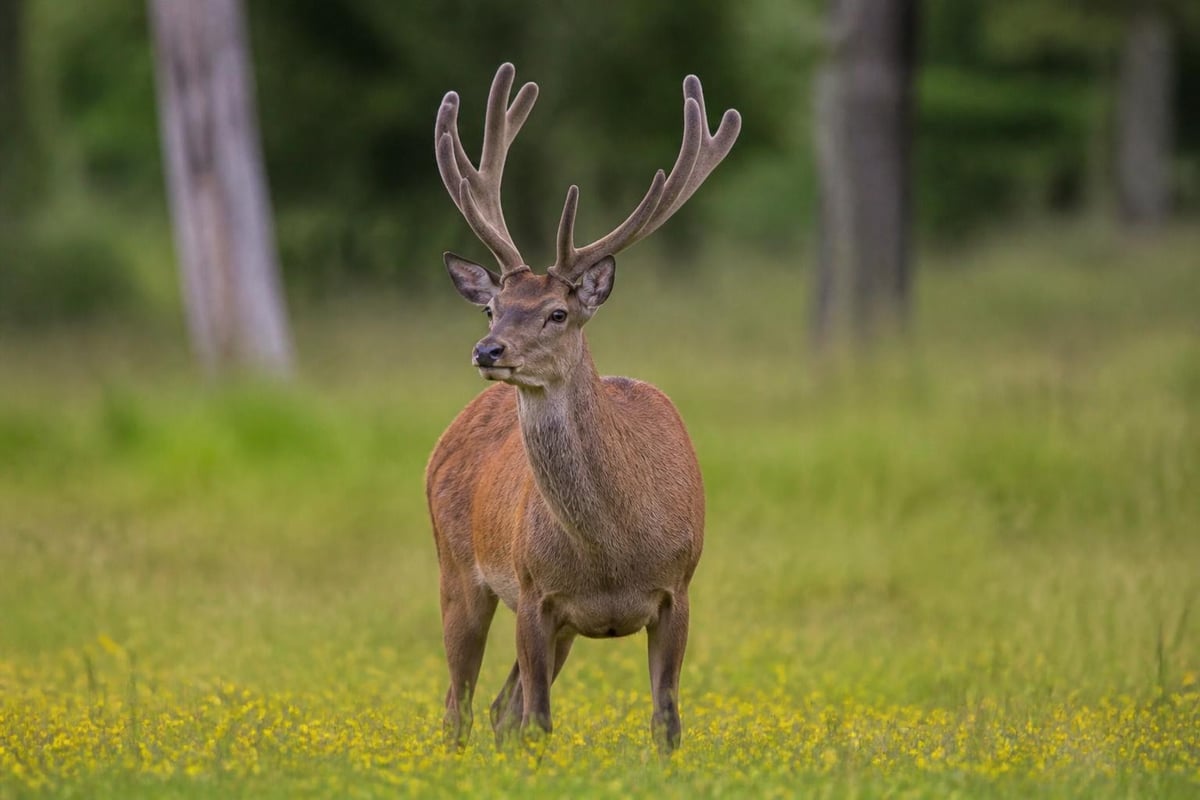
Summer represents peak nutritional opportunity when diverse forage provides abundant protein, energy, and minerals. White-tailed deer strategically select high-quality foods based on palatability and nutritional content during this period to maximize body condition before the physiological demands of fall breeding.
Fall Transition and Pre-Rut Feeding
As photoperiod decreases in autumn, deer shift their dietary focus toward carbohydrate-rich foods that build fat reserves. This transition coincides with mast crops like acorns becoming available, providing concentrated energy sources. Hunters who locate productive oak stands or agricultural fields with waste grain often find consistent deer activity during early season.
Key fall nutritional priorities include:
- Building fat reserves for winter survival
- Maintaining body condition through the rut when bucks eat minimally
- Does preparing for the energy demands of late gestation
- Younger deer continuing growth and development
The rut itself creates interesting nutritional challenges, particularly for mature bucks that may lose 20-30% of their body weight due to reduced feeding and increased physical activity. This explains why post-rut periods often see bucks concentrated near high-quality food sources as they attempt to recover condition.
Critical Nutrients and Mineral Requirements
Understanding the specific nutrients deer require helps hunters identify valuable food sources and productive habitat. Comprehensive research on deer nutrition has identified protein, energy (carbohydrates and fats), minerals, vitamins, and water as essential components.
| Nutrient Category | Primary Function | Critical Periods | Key Sources |
|---|---|---|---|
| Protein | Antler growth, muscle development, lactation | Spring, early summer | Forbs, agricultural crops, new growth |
| Carbohydrates | Energy, fat deposition | Late summer, fall | Acorns, corn, grains, fruit |
| Calcium & Phosphorus | Antler and bone development | Spring through summer | Specific browse plants, mineral supplements |
| Sodium | Metabolic function, antler growth | Year-round, peaks in spring | Natural mineral licks, aquatic vegetation |
Calcium and phosphorus deserve special attention for their role in antler development and skeletal growth. Research on mineral supplementation demonstrates that adequate calcium and phosphorus levels influence not just antler size but overall deer health and population dynamics.
Protein Quality and Amino Acid Profiles
Beyond total protein percentage, the specific amino acids available in deer forage significantly impact how effectively animals meet their nutritional requirements. Recent studies have explored how amino acid supplementation, particularly lysine and methionine, might enhance cervid performance and body condition.
Deer can synthesize some amino acids internally, but essential amino acids must come from dietary sources. High-quality protein sources provide better amino acid profiles than lower-quality options, meaning deer may need to consume less volume of premium forage to meet requirements compared to marginal food sources.
Habitat Quality and Nutritional Landscape
The concept of nutritional landscapes recognizes that deer nutrition is intrinsically connected to habitat composition and spatial patterns. Deer don't randomly wander; they move strategically through environments to optimize nutrient intake while minimizing risk and energy expenditure.
Research linking habitat use to nutritional condition in mule deer demonstrates how animals select specific areas based on the nutritional resources available. For hunters, this means understanding local habitat composition directly translates to predicting deer movement patterns.
Productive hunting locations typically feature:
- Diverse plant communities providing nutritional variety
- Proximity to high-quality protein sources during antler growth
- Accessible carbohydrate-rich foods during fall and winter
- Water sources within reasonable distance
- Security cover adjacent to feeding areas
The most successful hunters recognize that mature bucks, in particular, select habitats that offer superior nutrition with minimal exposure. These animals often utilize smaller feeding areas with exceptional food quality rather than traveling extensively to marginal food sources.
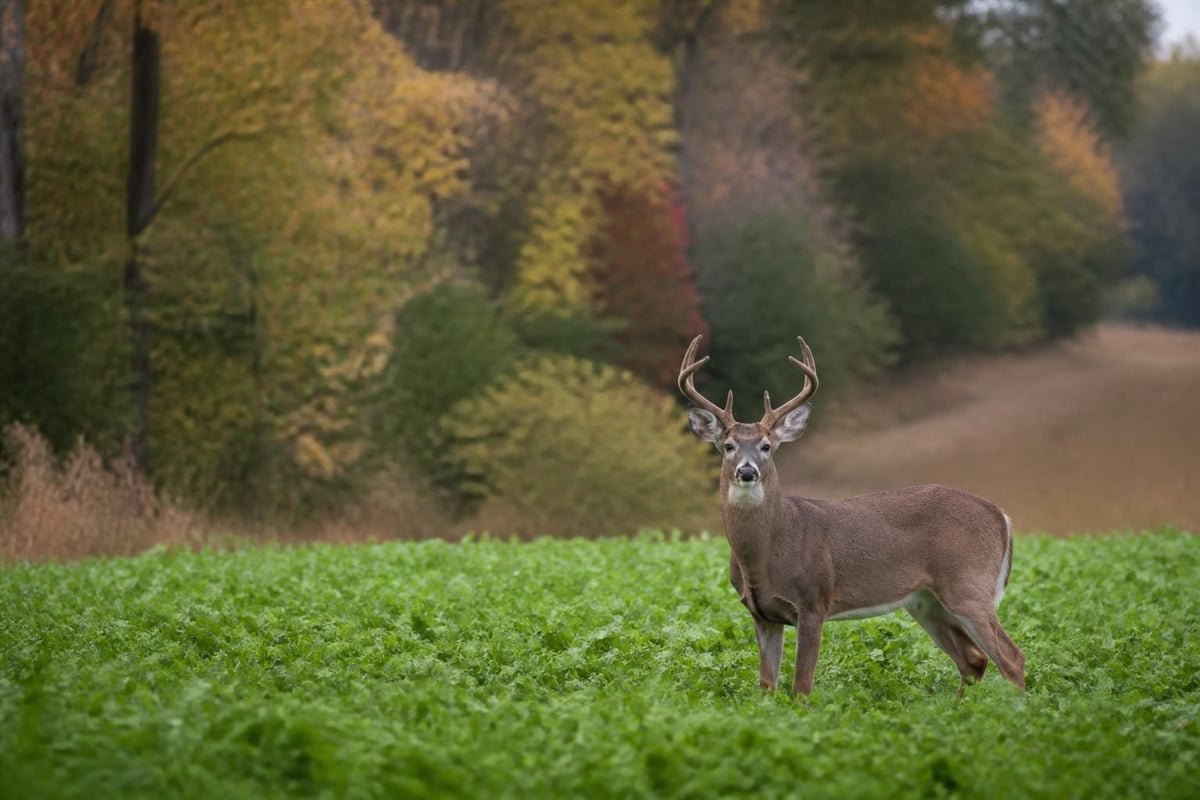
Edge Habitat and Nutritional Diversity
Edge environments where different habitat types meet often provide exceptional nutritional diversity. A transition zone between mature forest and agricultural field, for example, offers browse, forbs, mast, and waste grain within a compact area. Deer exploit these edges heavily, particularly during dawn and dusk feeding periods.
Smart hunters identify these transitional zones and set up accordingly. The edges between RCS Outdoors customers frequently mention as productive hunting locations typically feature multiple food sources accessible without extensive travel.
Winter Nutrition and Survival Strategies
Winter presents the most challenging nutritional period for deer populations, especially in northern regions where snow depth limits forage access and cold temperatures increase metabolic demands. Understanding winter deer nutrition is critical for hunters planning late-season hunts and for those interested in herd health and population dynamics.
During winter, deer enter a physiological state focused on energy conservation. Metabolic rates decrease, and animals become less active to minimize caloric expenditure. Long-term research on winter nutrition spanning 15 years in the Superior National Forest revealed how deer populations adapt to harsh winter conditions through both physiological and behavioral changes.
Winter survival strategies include:
- Reduced activity and smaller home ranges
- Concentration in areas with accessible browse
- Consumption of lower-quality foods like woody stems
- Fat reserve utilization when food availability decreases
- Yarding behavior in regions with deep snow
Late-season hunters targeting deer during winter must recognize that animal movements become highly predictable, focused on limited food sources and thermal cover. South-facing slopes with accessible browse often concentrate deer during bitter cold periods.
Food Availability and Selection in Winter
As preferred foods become scarce or inaccessible under snow, deer shift to whatever browse remains available. This often means consuming woody stems, conifer needles, and other low-quality forage that provides minimal nutrition. The ability to survive on these marginal foods depends heavily on fat reserves accumulated during fall.
Agricultural areas with standing crops or waste grain provide critical winter nutrition in many regions. Corn, soybeans, and other crops offer concentrated energy that helps deer maintain condition through difficult periods. Hunters pursuing upland game and waterfowl may encounter these same areas, which is why experiences like The Upland Escape Giveaway offered through RCS Outdoors often showcase properties with diverse wildlife populations attracted to quality food sources.

Browse, Forbs, and Mast in Deer Diets
Deer are highly adaptable ruminants that consume hundreds of different plant species depending on availability, palatability, and nutritional content. Understanding the major categories of deer forage helps hunters identify productive habitat and predict seasonal movements.
Browse consists of woody stems, twigs, and leaves from shrubs and trees. Species like maple, oak, dogwood, and sumac provide critical nutrition, especially during winter when other options are limited. Browse typically offers moderate protein levels and varying digestibility depending on the plant species and time of year.
Forbs are broad-leaved herbaceous plants that deer heavily prefer during spring and summer. These plants often provide exceptional protein content and high digestibility. Common forb species in deer diets include clover, alfalfa, soybeans, and numerous wildflowers. Agricultural fields planted with crops like soybeans essentially offer managed forb resources.
Mast refers to the fruit and nuts produced by woody plants. Hard mast includes acorns, hickory nuts, and beechnuts, while soft mast encompasses berries, apples, persimmons, and similar fruits. Mast crops provide concentrated energy, and their availability dramatically influences fall deer movements.
| Food Type | Protein Content | Energy Value | Peak Availability | Hunting Implications |
|---|---|---|---|---|
| Spring/Summer Forbs | High (15-25%) | Moderate | April-August | Scout new growth areas |
| Agricultural Crops | Moderate-High | High | Summer-Fall | Evening field edges |
| Acorns (Hard Mast) | Low-Moderate | Very High | September-November | Focus on oak flats |
| Winter Browse | Low-Moderate | Low-Moderate | December-March | Limited options |
Managing Expectations and Population Impacts
Deer nutrition at the population level influences reproductive rates, survival, body size, and antler development across entire herds. In areas with abundant, diverse food sources, deer populations typically exhibit higher fawn survival rates, larger body sizes, and more impressive antler growth compared to nutritionally limited habitats.
Hunters often notice significant differences in deer body condition and antler quality between different properties or regions. These variations usually reflect underlying differences in habitat quality and nutritional availability rather than genetics alone. A buck with exceptional genetic potential for antler growth still requires adequate nutrition to express that potential.
Carrying capacity, the number of deer an area can support, is largely determined by available nutrition. When populations exceed carrying capacity, individual deer receive inadequate nutrition, resulting in smaller body sizes, reduced antler development, lower reproductive rates, and increased winter mortality. Effective deer management requires balancing population density with available nutritional resources.
Supplemental Feeding Considerations
Many hunters and land managers consider supplemental feeding to improve deer nutrition and hunting opportunities. While supplementation can provide nutritional benefits under specific circumstances, it also presents challenges including disease transmission risks, altered natural behaviors, and potential regulatory restrictions.
Mineral supplements attract deer and may provide nutritional benefits during antler development, though research shows mixed results on actual antler improvement. Protein supplements can help during critical periods but must be introduced gradually and maintained consistently to avoid digestive upset.
Before implementing supplemental feeding programs, hunters should research local regulations, consider disease risks, and evaluate whether habitat improvements might provide more sustainable nutritional benefits.
Practical Applications for Hunters
Understanding deer nutrition translates directly to improved hunting success through better stand placement, seasonal timing, and habitat recognition. Hunters who think like nutritionists can predict deer movements with greater accuracy.
Spring scouting opportunities:
- Identify food plots or agricultural fields being planted
- Locate areas with abundant new growth and forbs
- Mark potential bedding areas near quality food sources
- Document mineral lick locations and usage patterns
Summer preparation:
- Monitor crop development and deer usage patterns
- Identify mast-producing trees and estimate crop potential
- Evaluate browse availability in different habitat types
- Pattern deer movements between feeding and bedding areas
Fall hunting strategies:
- Focus on acorn flats when mast crops are abundant
- Target agricultural field edges during evening hours
- Position between bedding areas and preferred food sources
- Adjust as deer shift from high-protein to high-carbohydrate foods
Late-season approaches:
- Concentrate on limited remaining food sources
- Hunt during midday when deer feed more frequently
- Focus on south-facing slopes with accessible browse
- Target standing crop fields with waste grain
The most consistent hunting success comes from identifying the highest-quality food sources available during specific time periods and positioning accordingly. Rather than hunting random locations, effective hunters let deer nutrition guide their decisions.
Regional Variations and Species Differences
Deer nutrition varies significantly across different regions and between species. White-tailed deer in agricultural regions of the Midwest have access to dramatically different food resources than mule deer in arid Western environments. These regional differences create distinct nutritional challenges and opportunities.
White-tailed deer in the Eastern and Midwestern United States benefit from diverse hardwood forests, abundant agricultural crops, and relatively mild winters in many areas. These deer often reach larger body sizes and produce more impressive antlers compared to populations in nutritionally marginal habitats.
Mule deer inhabiting Western mountain environments face different nutritional constraints. Seasonal migration between summer and winter ranges allows these deer to exploit different food resources throughout the year, with nutritional quality driving much of this movement pattern.
Southern deer populations rarely experience severe winter stress but may face nutritional limitations during summer drought periods when plant growth slows. Understanding these regional patterns helps hunters develop location-specific strategies based on local nutritional dynamics.
Subspecies and Adaptive Differences
Different deer subspecies have evolved adaptations to their specific environments and available nutrition. Coues deer in the Southwest maintain smaller body sizes partly as an adaptation to nutritionally limited desert environments. Northern white-tailed deer grow larger bodies to improve thermoregulation and fat storage for harsh winters.
These adaptations influence hunting strategies, with hunters targeting different habitat features depending on which deer species or subspecies they pursue. The nutritional resources that concentrate deer in one region might be entirely absent or irrelevant in another.
Understanding deer nutrition provides hunters with a scientific framework for predicting animal behavior, identifying productive locations, and timing hunts effectively throughout the season. By recognizing how nutritional requirements shift seasonally and how habitat quality influences deer movements, hunters gain significant advantages in the field. Whether you're preparing for an upland hunt or planning your next deer season, RCS Outdoors offers the firearms, ammunition, and accessories you need to make the most of your knowledge when opportunity presents itself.


