
Pheasant Hunting Guides: Your Complete Selection Guide
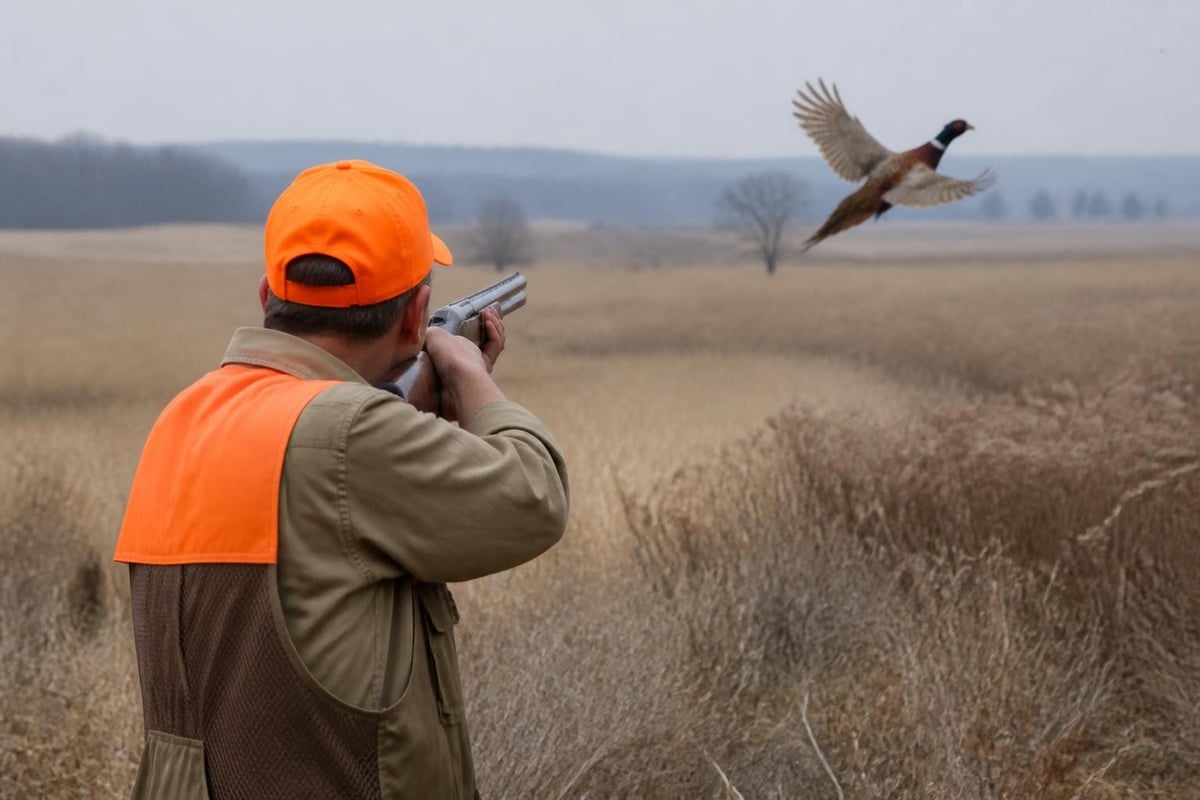
Selecting the right pheasant hunting guides can transform an ordinary hunting trip into an exceptional upland bird adventure. Whether you're a seasoned wingshooter or new to upland game hunting, professional guides provide access to prime hunting grounds, expertly trained bird dogs, and decades of field experience that dramatically improve your success rate. The pheasant hunting industry has evolved significantly, with outfitters now offering everything from half-day excursions to multi-day hunting packages at premier lodges across America's top pheasant country.
Understanding the Value of Professional Guides
Professional pheasant hunting guides bring far more to the table than simple field access. These experienced hunters possess intimate knowledge of bird behavior, habitat preferences, and seasonal movement patterns that take years to develop independently. A quality guide reads weather conditions, adjusts hunting strategies in real time, and positions hunters for optimal shooting opportunities.
The expertise extends beyond finding birds. Guides manage hunting dogs trained specifically for pheasant work, understanding how to work fields efficiently while keeping hunters safe and engaged. They navigate property boundaries, understand local regulations, and handle logistics that would otherwise consume valuable hunting time.
Regional Expertise Matters
Different regions produce different hunting experiences. South Dakota guides, for instance, specialize in vast prairie landscapes where pheasants thrive in CRP fields and grasslands. Kansas outfitters work diverse terrain mixing agricultural land with native grasses. Iowa guides navigate a patchwork of cornfields and cover that creates ideal pheasant habitat.
Midwestern states dominate commercial pheasant hunting, but guides operate successfully across many regions:
- Dakotas: Wide-open spaces with high wild bird populations
- Kansas: Mixed agriculture and grassland habitats
- Iowa: Dense cover and strategic field edges
- Nebraska: Sandhills region offering unique terrain
- Illinois: Premium lodge experiences with managed birds
Each region requires specific hunting approaches, dog handling techniques, and shooting skills. Experienced guides tailor their methods to local conditions and bird behavior patterns specific to their area.
Evaluating Guide Services and Outfitters
The pheasant hunting guide industry ranges from solo operators working family farms to full-service lodges employing multiple guides and managing thousands of acres. Ultimate Pheasant Hunting provides comprehensive resources for understanding different outfitter models and what each offers.
Service Levels and Pricing
Guide services typically fall into distinct categories based on amenities and inclusions. Understanding these tiers helps match expectations with budget:
| Service Level | Typical Inclusions | Price Range | Best For |
|---|---|---|---|
| Basic Day Hunt | Field access, guide, dogs | $200-$400/day | Budget-conscious hunters |
| Premium Day Hunt | Birds, lunch, shells, cleaning | $400-$600/day | Convenience seekers |
| Lodge Package | Lodging, meals, full service | $800-$1,500/day | Complete experience |
| Executive Hunt | Luxury accommodations, premium birds | $1,500+/day | High-end clientele |
Pricing varies significantly based on geography, bird guarantees, group size, and included amenities. Some outfitters charge per hunter while others offer group rates that reduce individual costs. Always clarify what's included before booking to avoid unexpected expenses.
Bird Guarantees and Limits
Reputable pheasant hunting guides clearly communicate their bird policies. Some operations guarantee minimum bird opportunities through carefully managed release programs. Others focus exclusively on wild bird hunting where success depends more on skill and conditions than guarantees.
Wild bird hunting presents greater challenges but delivers authentic experiences that many hunters prefer. Released bird programs ensure action and success, making them ideal for corporate groups, first-time hunters, or those prioritizing shooting opportunities over pure wild bird pursuit.
Most guides establish daily bag limits regardless of state regulations, ensuring sustainable populations and quality experiences for all clients. Ask potential outfitters about their bird management practices and hunter success rates from previous seasons.
Selecting the Right Guide for Your Needs
Matching a guide service to your specific requirements ensures satisfaction and value. Consider skill level, group composition, physical abilities, and desired experience when evaluating options.
First-Time Hunter Considerations
New pheasant hunters benefit from guides who emphasize education and patience. Quality first-timer programs include:
- Pre-hunt instruction on safety, shooting positions, and bird behavior
- Slower-paced hunts allowing time to learn and adjust
- Patient dog work that gives novices adequate shooting opportunities
- Post-hunt feedback to improve future performance
- Equipment guidance on appropriate guns and loads
Many outfitters specialize in introductory experiences, pairing beginners with experienced hunters and providing gentle bird dog work that creates manageable shooting scenarios. The Guide to Pheasant Hunting offers valuable insights into what newcomers should expect and how to prepare.
Group Hunting Dynamics
Corporate outings, family gatherings, and friend groups require different guide approaches than individual hunters. Effective group guides manage multiple skill levels simultaneously, rotate shooting positions fairly, and maintain safety with numerous guns in the field.
Large groups often work better with multiple guides who can split hunters into smaller units. This prevents overcrowding, reduces safety concerns, and ensures everyone receives adequate attention and shooting opportunities.
Planning Your Guided Hunt
Successful guided hunts begin with thorough planning months before the season opens. Prime dates at top-tier operations book early, sometimes a full year in advance for peak season periods.
Timing and Seasonality
Pheasant seasons vary by state but generally run from October through January. Early season hunting finds birds concentrated in heavier cover with crops still standing. Late season pushes birds into lighter cover as vegetation dies back and food sources diminish.
Each period offers distinct advantages:
- Early Season (October-November): Strong flying birds, thick cover, challenging shooting
- Mid Season (December): Balanced conditions, moderate cover, predictable patterns
- Late Season (January): Concentrated birds, sparse cover, easier dog work
Weather significantly impacts hunting quality. Guides work best when clients remain flexible with dates, allowing adjustments based on forecasted conditions. Cold fronts, snow cover, and wind patterns all influence bird behavior and hunting success.
Equipment and Preparation
While most lodge packages provide shells and bird cleaning, hunters supply personal firearms and gear. Consult with your guide about appropriate equipment before arrival.
Standard equipment list:
- 12 or 20 gauge shotgun (modified or improved cylinder chokes)
- Upland hunting boots with ankle support
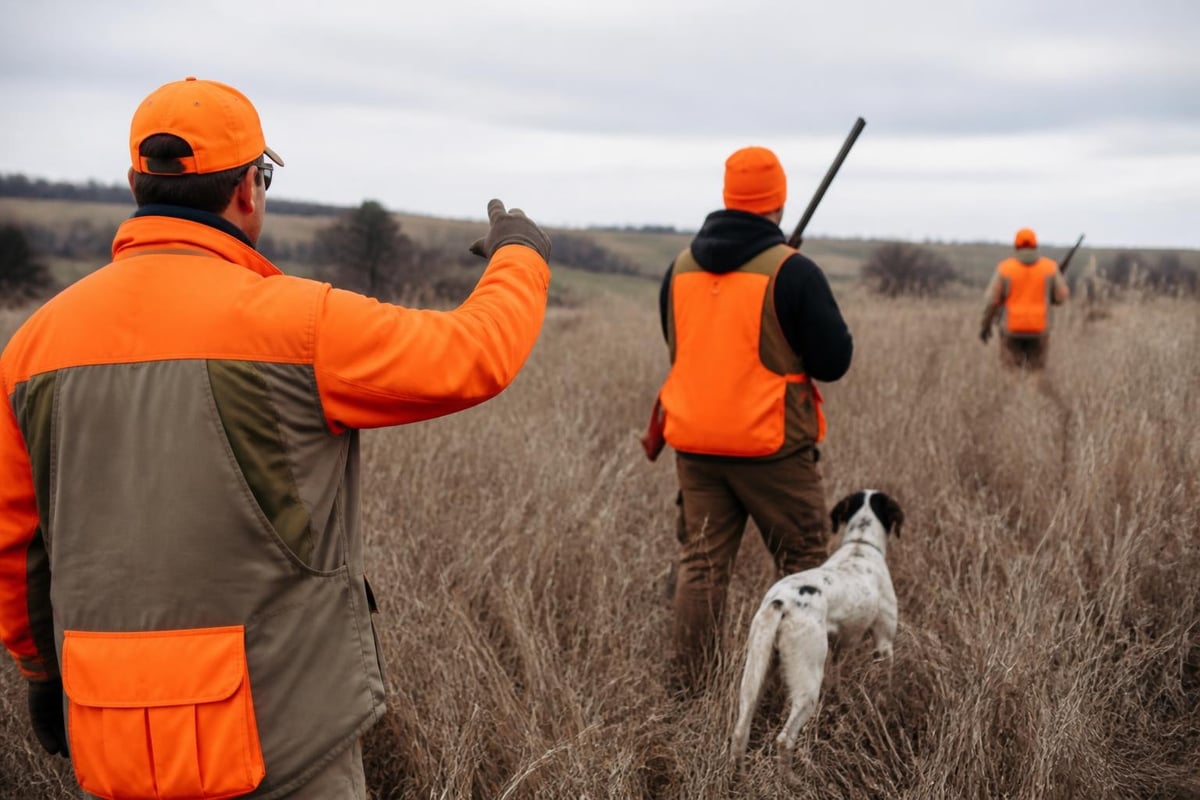
- Blaze orange vest and hat meeting state requirements
- Weather-appropriate layers including waterproof outer shell
- Eye and ear protection
- Water and snacks for field breaks
Physical conditioning matters more than many hunters anticipate. Pheasant hunting involves miles of walking through uneven terrain, thick cover, and sometimes challenging weather. Prepare with regular cardio work leading up to your hunt.
RCS Outdoors has partnered with Heartland Lodge to offer hunters exceptional upland experiences. The Upland Escape Giveaway combines a 3-night premium hunt package at one of Pike County, Illinois's most respected wingshooting destinations with a Benelli Super Black Eagle 3, showcasing the caliber of experiences available through quality guide partnerships.
Dog Work and Hunting Strategies
Exceptional bird dogs separate great guides from average ones. Professional pheasant hunting guides invest heavily in dog training, breeding programs, and kennel management to maintain top-performing hunting companions.
Understanding Dog Breeds and Styles
Different breeds bring unique characteristics to pheasant hunting. Guides select dogs based on terrain, cover density, hunting style, and client preferences.
Common pheasant hunting breeds include:
- German Shorthaired Pointers: Versatile, energetic, excellent in open country
- English Springer Spaniels: Thorough, methodical, ideal for thick cover
- Labrador Retrievers: Strong retrievers, good in all conditions
- Brittanys: Close-working, manageable for foot hunters
- English Setters: Stylish, effective in lighter cover
Top guides match dog teams to daily conditions and hunter abilities. Experienced wingshooters might work with wide-ranging pointers covering massive acreage quickly. Beginners benefit from close-working spaniels that flush birds within comfortable shooting range.
Field Tactics and Positioning
Professional guides choreograph hunts strategically, placing hunters where experience suggests birds will flush. Ultimate Pheasant Hunting’s interactive map helps locate guides across different regions, each employing tactics suited to their specific terrain.
Effective field strategies include:
- Blocking: Positioning hunters at field ends while guides and dogs push birds forward
- Walking lines: Hunters advance parallel with dogs working between them
- Corner work: Concentrating effort on field corners where birds hide
- Edge hunting: Following transitions between cover types
- Wind advantage: Positioning hunters downwind for optimal scenting
Guides read bird behavior constantly, adjusting approaches as conditions change. They recognize when roosters are running versus holding tight, when to slow down for better dog work, and when to push quickly through marginal cover.
Lodging and Full-Service Experiences
Complete hunting lodge experiences transform pheasant hunting from a day trip into a memorable outdoor adventure. Premium facilities combine excellent hunting with comfortable accommodations, quality meals, and evening camaraderie around the lodge.
What Premium Lodges Offer
Full-service lodges handle every detail from arrival to departure. Most include:
Accommodation features:
- Private or shared rooms with modern amenities
- Common areas for socializing and firearm storage
- Game cleaning and processing facilities
- Equipment and clothing drying areas
- Dog kennels for hunters bringing personal dogs
Dining and hospitality:
- Home-cooked breakfasts and dinners
- Field lunches and beverages
- Snacks and refreshments throughout the day
- Dietary accommodation for restrictions and preferences
Hunting services:
- Multiple guides for different skill levels
- Extensive dog kennels with various breeds
- Transportation to hunting fields
- Shell provision or discounted purchases
- Professional bird cleaning and packaging
The lodge environment creates opportunities for learning from other hunters, sharing stories, and building traditions that extend beyond individual hunting days.
Booking and Communication
Clear communication with pheasant hunting guides before booking prevents misunderstandings and ensures aligned expectations. Reputable outfitters welcome questions and provide detailed information about their operations.
Questions to Ask Prospective Guides
Before committing to a booking, gather comprehensive information through direct conversation:
| Question Category | Specific Inquiries |
|---|---|
| Experience | Years in business, guide backgrounds, references |
| Property | Total acreage, habitat types, property management |
| Birds | Wild vs. released, typical success rates, guarantees |
| Dogs | Breeds used, number available, training methods |
| Safety | Emergency protocols, insurance coverage, guide certifications |
| Logistics | Check-in times, cancellation policies, what's included |
Resources like Pheasant.com’s links directory connect hunters with industry associations and suppliers that can verify outfitter reputations and provide additional perspectives on guide services.
Red Flags and Warning Signs
Not all guide services deliver on promises. Watch for concerning indicators when researching options:
- Reluctance to provide references or hunter testimonials
- Vague answers about bird populations or property details
- Pressure tactics or limited-time booking demands
- Significantly lower pricing than regional competitors
- Poor online reviews or unresolved complaint patterns
- Lack of proper licensing or insurance documentation
Trust your instincts when something feels off. The pheasant hunting guide community is relatively tight-knit, and established operators maintain professional standards that protect both hunters and the industry's reputation.
State-Specific Licensing and Regulations
Pheasant hunting guides operate under varying regulatory frameworks depending on location. Understanding license requirements, season dates, and bag limits ensures legal compliance and smooth hunting experiences.
Visitor License Procedures
Non-resident hunters need appropriate state licenses before hunting. Most states offer convenient online purchasing, but processing times vary. Some require:
- Hunter education certification from your home state
- Federal Migratory Bird Stamp (though pheasants aren't migratory)
- State habitat stamps or conservation fees
- Separate upland game versus general hunting licenses
Quality guides provide detailed licensing instructions during booking confirmation, including links to state wildlife agency websites and deadlines for obtaining necessary credentials. Many lodge packages include assistance with license procurement as part of their service.
Bag Limits and Possession Rules
Daily bag limits for pheasants typically range from two to five roosters depending on the state and season phase. Possession limits often double daily bag limits, allowing multi-day hunters to accumulate birds legally.
Guides enforce ethical hunting practices beyond minimum legal requirements, sometimes implementing lower lodge limits to ensure sustainable populations. They educate hunters on proper bird identification since shooting hens remains illegal throughout most of North America.
Building Long-Term Guide Relationships
Many successful pheasant hunters develop ongoing relationships with favorite guides, returning annually to familiar properties and trusted outfitters. These relationships enhance experiences through familiarity, loyalty benefits, and guaranteed access during prime periods.
Repeat Client Advantages
Outfitters value return customers and often extend special considerations:
- Priority booking for peak season dates
- Preferred pricing or loyalty discounts
- Customized experiences based on previous hunts
- Upgraded amenities when available
- Flexible policies for weather-related changes
Guides remember returning hunters' preferences, shooting abilities, and physical limitations, tailoring each hunt to individual needs without extensive pre-trip planning.
Contributing to Conservation
Responsible pheasant hunting guides actively participate in habitat conservation and population management. Many operations invest in native grass plantings, winter food plots, and predator control that benefit wild bird populations beyond commercially hunted properties.
Hunters support these efforts through their booking dollars, with portions often directed toward conservation organizations and habitat programs. Some lodges partner with groups like Ultimate Pheasant Hunting’s community to promote sustainable practices and ethical hunting standards across the industry.
Choosing guides who demonstrate genuine conservation commitment ensures your hunting dollars support long-term habitat health and bird population sustainability. Ask about specific conservation initiatives during the booking process to identify truly dedicated operators.
Maximizing Your Guided Hunt Experience
Arriving prepared and maintaining the right mindset transforms good hunts into exceptional memories. Small considerations make significant differences in overall satisfaction and success.
Mental and Physical Preparation
Pheasant hunting demands both physical stamina and mental focus. Typical hunting days involve four to eight miles of walking through varied terrain while maintaining constant alertness for flushing birds. Prepare your body with regular walking or hiking on uneven surfaces several weeks before your hunt.
Mental preparation matters equally. Understand that not every bird flushes within range, dogs occasionally make mistakes, and weather sometimes doesn't cooperate. Hunters who embrace these realities as part of the authentic experience enjoy their time afield regardless of bag counts.
Practice shooting before your hunt, especially focusing on crossing and going-away shots typical of pheasant hunting. Most birds flush wild, providing quick, challenging shooting opportunities that reward prepared hunters.
Etiquette and Guide Relationships
Professional guides appreciate hunters who demonstrate respect, follow instructions, and maintain positive attitudes regardless of conditions. Simple courtesies enhance experiences for everyone:
- Listen carefully to safety briefings and field instructions
- Maintain awareness of other hunters' positions constantly
- Thank guides and tip appropriately for exceptional service
- Respect property boundaries and hunting ethics
- Handle firearms safely at all times
- Participate in bird cleaning and field care when appropriate
Tipping standards vary by region and service level, typically ranging from $50 to $150 per day per guide depending on group size and hunt quality. Exceptional guides who go beyond standard service deserve recognition for their efforts.
The Future of Guided Pheasant Hunting
The pheasant hunting industry continues evolving with changing land use patterns, conservation initiatives, and hunter demographics. Progressive guides adapt to these shifts while preserving traditional hunting values and experiences.
Technology and Modern Hunting
Contemporary pheasant hunting guides incorporate technology without compromising authentic experiences. GPS mapping identifies productive areas and tracks daily coverage. Dog training employs modern techniques and equipment. Booking systems streamline reservations and communication.
However, the core experience remains unchanged. Walking behind pointing dogs through autumn fields, the adrenaline rush of a rooster's explosive flush, and the satisfaction of a clean shot represent timeless elements that technology enhances rather than replaces.
Youth and New Hunter Initiatives
Forward-thinking outfitters recognize that industry sustainability depends on recruiting new hunters. Many guides offer youth discounts, mentored hunts, and educational programs that introduce younger generations to upland bird hunting.
These initiatives benefit the entire hunting community by building the next generation of conservation-minded sportsmen and women who will support habitat programs and maintain hunting traditions for decades to come.
Professional pheasant hunting guides provide access to prime hunting grounds, expertly trained dogs, and field knowledge that dramatically improves your upland bird hunting success and enjoyment. Whether you're planning your first hunt or seeking new territory to explore, selecting the right guide service ensures a memorable and productive experience. RCS Outdoors supports your hunting adventures with quality firearms, ammunition, and partnerships with premier hunting destinations, helping you prepare for and maximize every moment in pheasant country.


