Salt-Based Minerals: Essential Guide for Hunters
Salt-based minerals play a crucial role in wildlife management, outdoor recreation, and understanding the natural world around us. For hunters and outdoor enthusiasts, these minerals represent more than just geological curiosities-they're essential tools for attracting game, understanding animal behavior, and maintaining healthy ecosystems. From natural salt licks that draw deer and elk to mineral supplements that support herd health, salt-based minerals bridge the gap between earth science and practical field knowledge. Whether you're scouting new hunting locations, establishing mineral sites on your property, or simply seeking to understand why wildlife congregates in certain areas, understanding these minerals provides valuable insight for your outdoor pursuits.
Understanding Salt-Based Minerals in Nature
Salt-based minerals encompass a diverse family of compounds formed through various geological processes. These minerals primarily consist of halides, with sodium chloride (halite) being the most recognizable form.
The formation of these minerals occurs through evaporation, crystallization, and sedimentary processes over millions of years. Ancient seas and inland water bodies left behind massive deposits as water evaporated, concentrating dissolved salts into thick layers. Rock salt deposits found in Kansas and other regions demonstrate this process, where underground mining operations extract minerals formed during prehistoric times.
Common Types of Salt-Based Minerals
Different varieties offer unique compositions and characteristics:
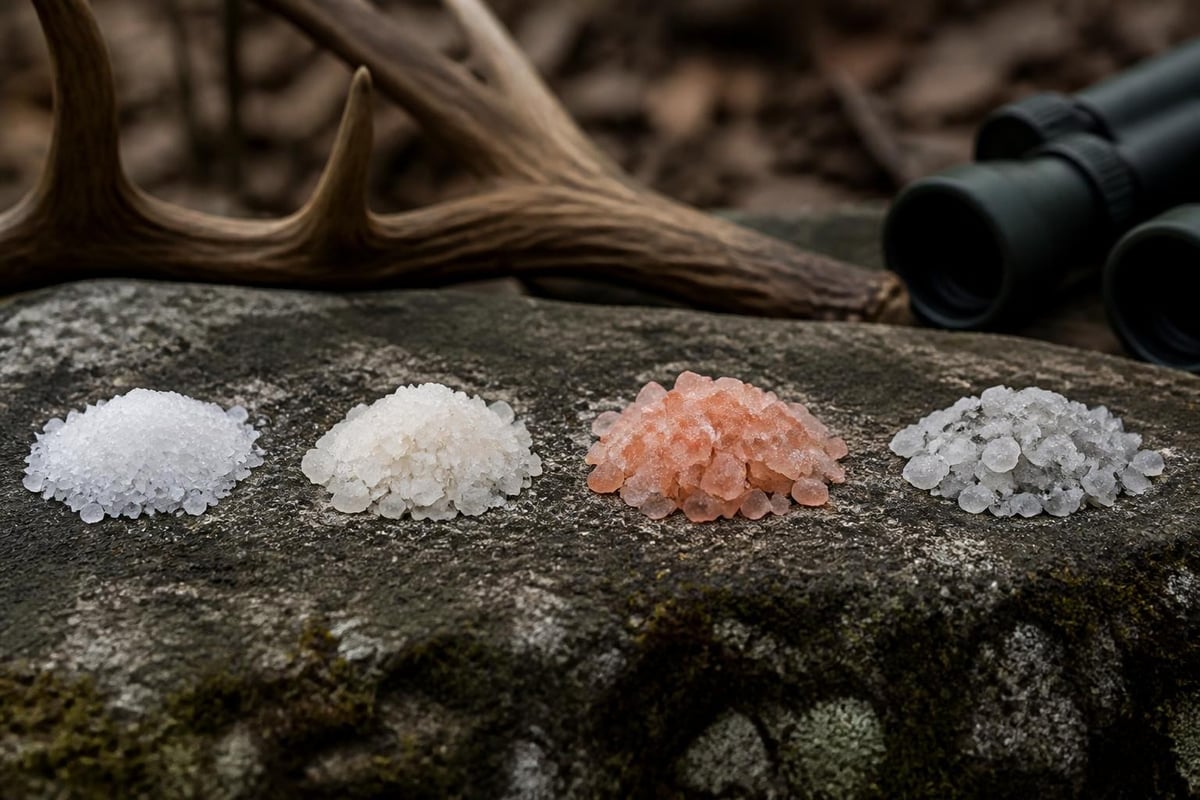
- Halite (Rock Salt): Pure sodium chloride found in underground deposits
- Sea Salt: Harvested through evaporation of ocean water, containing trace minerals
- Himalayan Pink Salt: Mined from ancient sea beds, rich in iron and other trace elements
- Celtic Salt: Gray-colored salt harvested from coastal regions with higher moisture content
- Potash: Potassium-based salts used primarily in agriculture
Each type contains varying levels of additional minerals beyond basic sodium chloride. Research shows that sea salt mineral content varies significantly based on source location and harvesting methods.

Wildlife Attraction and Salt-Based Minerals
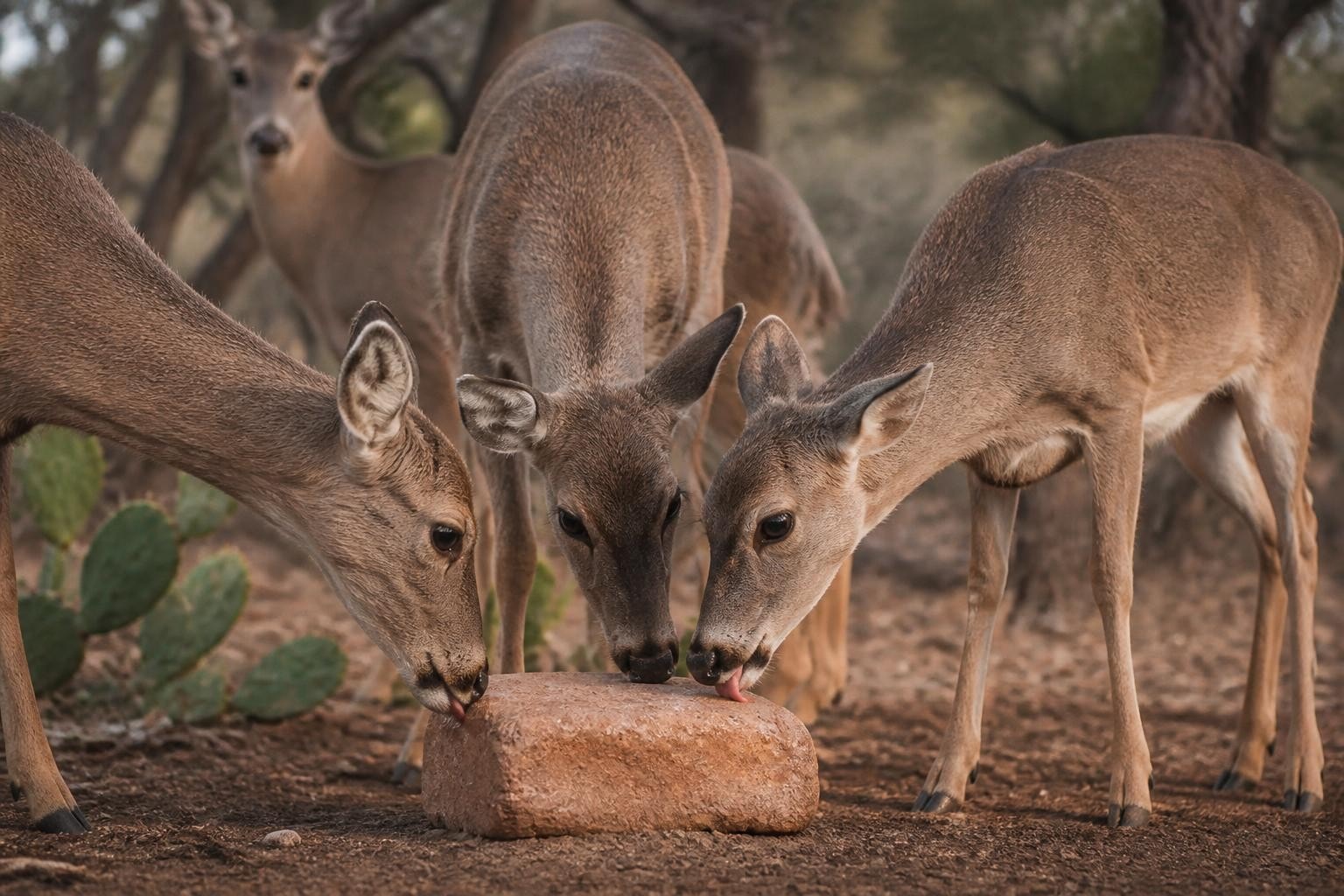
Animals possess an instinctive drive to seek out salt-based minerals, making these compounds invaluable for hunters understanding game movement patterns. Deer, elk, moose, and other ungulates require sodium and trace minerals that may be scarce in their natural forage, especially during spring and summer months.
Natural mineral licks occur where geological formations bring salt deposits near the surface. These locations become congregation points for wildlife, often used by generations of animals. Savvy hunters recognize these areas as prime scouting locations and potential stand sites.
| Mineral Component | Primary Benefit | Peak Demand Season |
|---|---|---|
| Sodium Chloride | Cellular function, hydration | Spring/Summer |
| Calcium | Antler growth, bone health | Spring/Early Summer |
| Phosphorus | Energy metabolism | Year-round |
| Magnesium | Muscle function | Summer |
| Trace Elements | Overall health, reproduction | Year-round |
Establishing mineral sites on hunting properties has become standard practice for wildlife managers. These sites serve dual purposes: providing essential nutrition to support healthy herds while creating predictable areas where animals can be patterned and observed.
Seasonal Patterns and Mineral Use
Wildlife mineral consumption fluctuates throughout the year based on physiological needs. Bucks growing antlers require substantially more calcium and phosphorus during spring and early summer. Does nursing fawns deplete their mineral reserves rapidly, driving them to seek supplemental sources.
During late summer and fall, as vegetation matures and mineral content in browse decreases, animals continue visiting established mineral sites. This behavior persists even as hunting season approaches, though visitation often shifts to nocturnal hours as pressure increases.
Smart hunters monitor these patterns through trail cameras, noting how frequency and timing change as seasons progress. The data gathered provides insight into herd composition, individual animal identification, and optimal hunting windows.
Nutritional Aspects of Salt-Based Minerals
Human nutrition also intersects with salt-based minerals, though the focus differs from wildlife management. The relationship between salt and sodium in our diet affects cardiovascular health, hydration, and overall wellness-considerations relevant for anyone spending extended periods outdoors.
Hunters and outdoor enthusiasts often consume different salt varieties, with many preferring options that provide trace minerals beyond basic sodium chloride. Pink Himalayan salt contains up to 84 trace minerals, including iron, magnesium, and potassium, though quantities remain relatively small.
Comparing Salt Types for Outdoor Use
Different situations call for different salt-based mineral choices:
For field use and game processing:
- Standard salt works effectively for meat preservation
- Coarse varieties offer easier application during field dressing
- Non-iodized options prevent off-flavors in preserved game
For camp cooking:
- Sea salt provides clean flavor without additives
- Flavored salts enhance wild game preparation
- Measured quantities help manage sodium intake during extended trips
For emergency preparedness:
- Salt tablets support electrolyte balance during strenuous activity
- Mineral-rich varieties provide broader nutritional support
- Proper storage ensures long-term viability
Celtic salt varieties retain higher moisture content, which some outdoor cooks prefer for specific applications, though this characteristic requires different storage considerations compared to completely dry alternatives.
Practical Applications for Hunters
Implementing salt-based minerals strategically on hunting properties yields measurable results when done correctly. Location selection, timing, and mineral composition all influence effectiveness.
Site Selection Criteria:
- Choose locations near water sources but not directly adjacent
- Position sites along natural travel corridors
- Select areas with overhead cover for camera placement
- Ensure legal compliance with state and local regulations
- Consider wind direction relative to potential stand locations
The physical form of minerals affects how wildlife interacts with them. Loose granular products allow animals to consume desired quantities but may wash away in heavy rain. Block forms last longer through weather events but limit consumption rates. Liquid attractants work quickly but require more frequent refreshment.
Creating Effective Mineral Sites
Proper establishment increases both wildlife benefit and hunter success. The process involves more than simply dumping product on the ground.
Ground preparation matters significantly. Clearing vegetation and loosening soil allows minerals to incorporate into the earth, where moisture helps distribute them and prevents rapid dispersal by wind or water. Some hunters dig shallow depressions to contain loose minerals while still allowing drainage.
Mixing different mineral types creates more complete nutritional profiles. Combining salt-based minerals with calcium, phosphorus, and trace element sources addresses multiple deficiencies simultaneously. Products designed specifically for wildlife often include these combinations pre-mixed.
Timing initial site establishment for early spring maximizes benefit during the critical antler growth and fawn rearing period. However, maintaining sites year-round through regular refreshment keeps animals returning consistently.
If you're planning an upland hunting adventure where understanding habitat and wildlife behavior enhances success, consider how mineral distribution affects bird populations and their food sources. The Upland Escape Giveaway offers an opportunity to experience professionally managed hunting grounds at Heartland Lodge, where habitat management principles create exceptional hunting conditions.

Legal and Ethical Considerations
Regulations governing mineral site use vary significantly by state and even by county. Some jurisdictions prohibit using minerals as attractants during hunting season, while others allow year-round placement. Understanding and following these rules remains every hunter's responsibility.
Common Regulatory Categories:
| Regulation Type | Typical Restrictions | Verification Source |
|---|---|---|
| Baiting Laws | Proximity limits, timing restrictions | State wildlife agency |
| Mineral Placement | Public vs. private land differences | Local game warden |
| Hunting Over Sites | Distance requirements, season dates | Hunting regulations guide |
| Product Restrictions | Grain content, flavor additives | State-specific rules |
Beyond legal requirements, ethical considerations guide responsible mineral site management. Establishing sites solely to create shooting opportunities differs philosophically from providing nutritional supplementation that genuinely benefits wildlife health. Many hunters find satisfaction in the latter approach, viewing themselves as stewards supporting robust animal populations.
Fair chase principles also factor into decisions about mineral use. Creating dependency where animals lose natural wariness or altering behavior patterns so dramatically that hunting becomes unsporting crosses lines for many sportsmen. Balancing wildlife benefit against hunting advantage requires thoughtful consideration.
Salt-Based Minerals in Wildlife Biology
Research into how salt-based minerals affect wildlife populations continues expanding our understanding. Studies document correlations between mineral availability and antler size, body weight, reproductive success, and herd health metrics.
Deficiencies in specific minerals manifest through observable symptoms. Sodium deficiency can lead to pica behavior, where animals consume unusual substances seeking missing nutrients. Calcium and phosphorus shortages affect skeletal development and antler formation. Trace element deficits impact everything from immune function to coat quality.
Regional Mineral Deficiencies
Geological variations create areas where soil naturally lacks certain minerals. The southeastern United States, for instance, often shows phosphorus deficiency in soils, which translates to wildlife forage lacking this essential element. Western mountain regions may have adequate phosphorus but limited sodium availability far from historic ocean beds.
Various salt deposits across North America formed under different conditions, creating natural variations in mineral availability that wildlife populations adapted to over millennia. However, modern agricultural practices, development, and habitat changes can disrupt these long-standing balances.
Supplementation programs aim to address these deficiencies, though effectiveness depends on consistent availability and proper formulation. Wildlife biologists increasingly recommend tailored approaches based on specific regional needs rather than generic products.

Advanced Mineral Site Strategies
Experienced wildlife managers employ sophisticated approaches to maximize mineral program effectiveness. Multiple site placement across properties prevents overcrowding at individual locations and distributes herd impact more evenly across the landscape.
Rotating mineral sites annually prevents overuse of specific areas and allows vegetation recovery. This practice also keeps animals exploring different parts of their range, which benefits overall habitat utilization and provides hunters with varying observation points.
Strategic Placement Framework:
- Establish primary sites in core areas with high deer density
- Create secondary sites along property boundaries to hold deer on your land
- Position camera sites where mineral placement captures maximum intelligence
- Space sites 40-80 acres apart depending on property size and herd density
- Adjust placement annually based on camera data and observed patterns
Integrating mineral sites with other habitat improvements amplifies benefits. Locations near food plots receive increased visitation as animals transition between feeding and bedding areas. Sites positioned along edge habitat where multiple cover types meet attract diverse wildlife species.
Record-keeping transforms mineral programs from casual supplementation to data-driven management. Tracking consumption rates, visitation frequency, and seasonal patterns reveals what works and what requires adjustment. This information guides purchasing decisions and helps optimize timing for site refreshment.
Environmental Impact and Sustainability
Responsible mineral supplementation considers environmental effects beyond immediate wildlife benefits. Over-application can alter soil chemistry, affect plant communities, and attract unintended species. Finding appropriate balance protects ecosystem integrity while supporting target wildlife.
Salt-based minerals applied excessively can damage vegetation through osmotic stress and altered pH levels. The bare earth circles surrounding heavily used mineral sites demonstrate this effect. While some disturbance is inevitable and even beneficial for certain plant species, extensive damage suggests over-application.
Water quality concerns arise when mineral sites sit too close to streams, ponds, or wetlands. Runoff carrying high salt concentrations affects aquatic life and water chemistry. Maintaining appropriate buffer distances protects water resources while still benefiting terrestrial wildlife.
Sustainable programs use minerals efficiently, applying amounts that animals consume rather than wasteful excess. Monitoring consumption guides future application rates, reducing both financial cost and environmental impact. Products formulated for slow release through weather events further improve efficiency.
Scientific Research and Future Developments
Ongoing research explores how salt-based minerals influence wildlife at cellular and population levels. Studies using GPS collar data correlate mineral site visitation with movement patterns, home range sizes, and survival rates. DNA analysis from mineral sites helps biologists track individual animals and understand genetic diversity within herds.
Mineral formulations continue evolving based on nutritional science and field testing. Manufacturers develop products targeting specific deficiencies documented in particular regions or supporting precise management goals like antler growth or doe lactation.
Technology integration represents the frontier of mineral site management. Smart feeders dispense measured quantities based on sensors detecting animal presence. Trail cameras with cellular connectivity provide real-time notification when target animals visit sites. Data analytics platforms process years of visitation data to identify patterns invisible to casual observation.
Climate change introduces new variables affecting mineral needs and availability. Shifting precipitation patterns influence how minerals distribute through soil profiles and concentrate in specific areas. Temperature changes affect plant mineral content and animal physiological requirements. Adaptive management incorporating these factors will increasingly define successful programs.
Understanding salt-based minerals transforms how hunters interact with wildlife and manage hunting properties. These essential compounds influence animal behavior, health, and habitat use in ways that directly impact hunting success and conservation outcomes. Whether you're establishing your first mineral site or refining an existing program, applying this knowledge creates better conditions for wildlife while enhancing your outdoor experiences. For all your hunting needs, from firearms and ammunition to gear that supports your time in the field, RCS Outdoors provides the equipment and expertise to make every hunt successful.


