
Antler Development: A Hunter’s Guide to Deer Biology
Understanding antler development is essential for hunters who want to improve their success rates and make informed decisions in the field. The biological processes that govern how deer grow and shed their antlers directly impact hunting strategies, habitat management, and the ability to identify trophy bucks. This comprehensive guide examines the science behind antler growth, the factors that influence rack size and quality, and how this knowledge translates into practical hunting applications for whitetail enthusiasts.
The Biological Foundations of Antler Growth
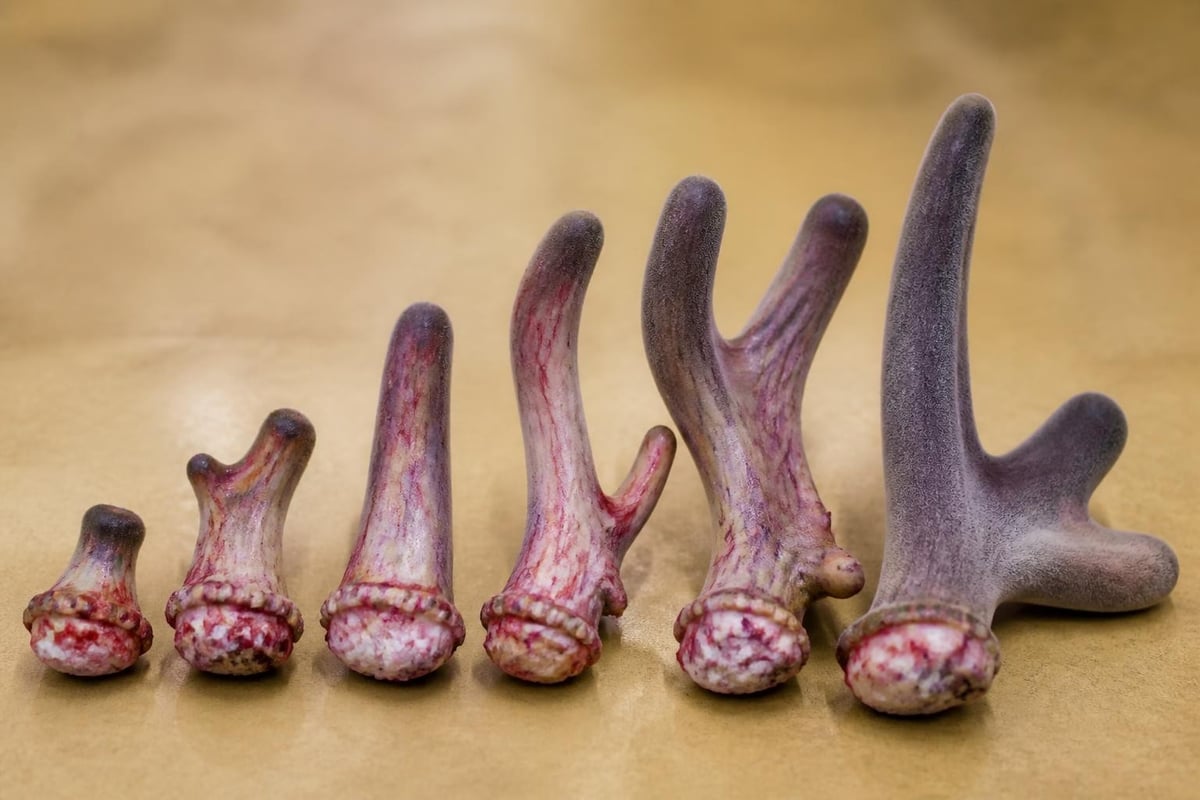
Antlers represent one of nature's most remarkable regenerative phenomena. Unlike horns that grow continuously throughout an animal's life, antlers undergo a complete cycle of growth and shedding annually. This process begins when increasing daylight hours trigger hormonal changes in a buck's system, initiating the growth phase typically in late March or early April.
The pedicle, a permanent bony structure on the deer's skull, serves as the foundation for antler development. From this base, antler tissue grows at an extraordinary rate, sometimes exceeding an inch per day during peak growth periods. Research on deer antler renewal has identified this process as a unique model for mammalian regeneration, offering insights into how complex tissue structures form rapidly.
Velvet Stage and Rapid Growth
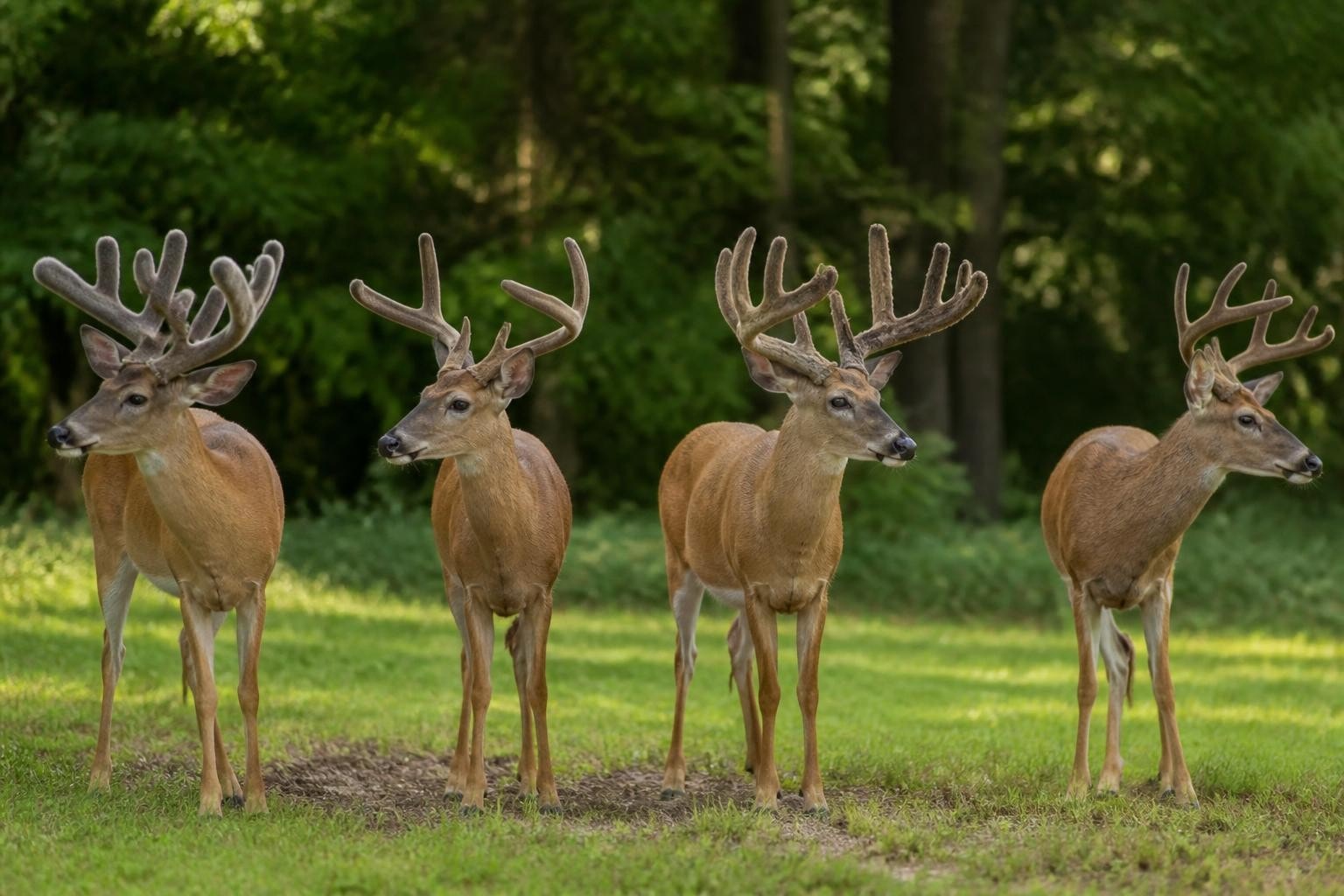
During the velvet stage, antlers consist of living tissue covered by a soft, vascular skin that supplies nutrients and oxygen. This covering contains a dense network of blood vessels that deliver the building blocks necessary for bone formation.
Key characteristics of velvet antlers include:
- Rich blood supply through external tissue covering
- Rapid cell division and mineralization
- Temperature sensitivity requiring behavioral adjustments
- Vulnerability to physical damage that can affect final shape
The growth rate during this phase is remarkable. Antlers can gain several pounds of mass within weeks, making them one of the fastest-growing tissues in the animal kingdom. Young bucks dedicate significant nutritional resources to this process, while mature animals can produce truly massive racks that may weigh 20 pounds or more.
Nutritional Factors Influencing Antler Quality
Protein serves as the cornerstone of antler development, with bucks requiring substantially higher intake during the growth phase. A buck's diet during spring and summer directly correlates with antler size, density, and overall quality.
| Nutrient | Role in Antler Development | Key Sources |
|---|---|---|
| Protein | Tissue building, growth rate | Soybeans, alfalfa, clover |
| Calcium | Bone mineralization, density | Forbs, agricultural crops |
| Phosphorus | Skeletal structure, strength | Quality browse, food plots |
| Minerals | Overall health, growth support | Native vegetation, supplements |
Bucks living in areas with poor soil quality or limited food diversity often produce smaller antlers regardless of their genetic potential. This explains why similar-aged deer from different regions can display dramatically different rack characteristics. Hunters who understand these nutritional requirements can better assess the quality of their hunting grounds.
Mineral Supplementation and Habitat Management
While natural forage provides the foundation, many deer managers supplement available nutrition through food plots and mineral sites. The debate around mineral supplementation continues, but evidence suggests that adequate mineral availability during the growth phase supports optimal antler development.
Quality hunting firearms and accessories help hunters capitalize on the results of proper habitat management. Bucks with superior nutrition develop heavier, more complex antlers that represent the trophy potential hunters seek.
Hormonal Control and the Hardening Process
As summer progresses, decreasing daylight hours trigger hormonal shifts that fundamentally alter antler development. Rising testosterone levels initiate the hardening phase, where blood flow to the velvet gradually decreases and bone tissue mineralizes completely.
The velvet shedding process typically occurs in late August through September. Bucks accelerate this by rubbing their antlers against trees and vegetation, removing the dried velvet within hours. This behavior, known as "rubbing," also serves to strengthen neck muscles and mark territory through scent deposition.
Timeline of late-stage antler development:
- Early August: Testosterone levels begin rising
- Mid-August: Blood supply to velvet starts decreasing
- Late August to early September: Velvet dries and peels
- September: Fully hardened antlers, increased aggressive behavior
- October through December: Peak hardness during breeding season
Recent studies on systemic factors associated with antler growth have revealed how these processes promote wound healing and tissue regeneration, demonstrating the sophisticated biological mechanisms at work.
Age and Genetics: The Twin Pillars of Rack Potential
Age remains the single most important factor in determining antler size after nutrition. A buck's first set of antlers typically appears as simple spikes or small forks. Each subsequent year brings increased mass, tine length, and complexity until the animal reaches physical maturity around 5-6 years old.
Genetic Limitations and Expression
Even with optimal nutrition and age, genetics establish the ceiling for antler development. Some bucks will never produce trophy-class racks due to hereditary limitations. However, most deer never reach their genetic potential due to harvest pressure, inadequate nutrition, or other environmental constraints.

The molecular control of antler regeneration involves complex genetic regulatory networks that determine growth patterns and structural characteristics. Understanding these genetic factors helps hunters appreciate why certain properties consistently produce exceptional bucks.
Regional Variations in Antler Characteristics
Geography plays a crucial role in antler development patterns. Northern deer populations typically cast their antlers later and begin growth later than southern populations, reflecting adaptations to longer winters and later spring green-up.
Regional differences include:
- Northern regions: Heavier mass, fewer points, later growth initiation
- Midwestern farmland: Maximum potential due to agricultural nutrition
- Southern areas: Earlier growth cycles, often more tines but less mass
- Western mountains: Variable depending on elevation and forage quality
Hunters planning expeditions across different regions should adjust their expectations and strategies based on these geographical variations. Premium hunting destinations often align with areas that naturally support superior antler development through habitat quality.
The Casting Cycle and Winter Nutrition
After the breeding season concludes, typically in January through March, bucks shed their antlers in a process called casting. Decreasing testosterone levels weaken the connection between the pedicle and antler, causing them to fall off naturally.
| Month | Antler Status | Buck Behavior |
|---|---|---|
| January-February | Casting begins | Energy conservation |
| March-April | New growth starts | Increased feeding |
| May-July | Rapid velvet growth | High nutrition needs |
| August-September | Hardening, velvet shed | Territory establishment |
| October-December | Fully hardened | Breeding activity |
The timing of casting varies with age, nutrition, and individual variation. Mature bucks often shed earlier than younger animals, sometimes dropping both antlers within hours of each other. Winter nutrition during this period influences the timing of new growth and the quality of the subsequent rack.
Practical Applications for Hunters
Understanding antler development transforms how hunters approach deer populations and manage expectations. Identifying age class in the field becomes easier when you recognize how antler characteristics progress over time.
Field identification tips:
- Yearling bucks: Thin antlers, minimal mass at bases
- 2-3 year olds: Developing mass, 6-8 points common
- 4-5 year olds: Heavy mass, defined tine length, potential trophy class
- 6+ year olds: Maximum potential, declining past prime in some individuals
Hunters committed to quality deer management often pass younger bucks to allow them to reach maturity. This strategy, combined with doe harvest to maintain proper population density, creates conditions for optimal antler development across the herd. For those seeking unforgettable hunting experiences focused on mature animals, opportunities like The Upland Escape Giveaway offer access to premium destinations where professional management produces exceptional results.

Scientific Research Applications
The unique regenerative capabilities demonstrated during antler development have attracted significant scientific attention. Researchers study these processes to understand mammalian tissue regeneration, bone growth, and potential medical applications.
Studies on deer antler stem cells have identified these cells as capable of sustaining complete organ regeneration, offering insights that may translate to human therapeutic applications. The rapid growth rates and complete annual cycles provide a natural model for investigating tissue formation and repair mechanisms.
Cellular Mechanisms and Growth Regulation
The cellular processes governing antler development involve precise coordination of multiple cell types and regulatory pathways. Transcriptome analysis of antler mesenchyme tissue has revealed complex regulatory networks that control the timing and extent of growth.
Chondrogenesis, the formation of cartilage that later ossifies into bone, occurs at unprecedented rates during antler formation. The differentiation processes involved demonstrate sophisticated biological control mechanisms that researchers continue to investigate for broader applications.
Environmental Stressors and Abnormal Development
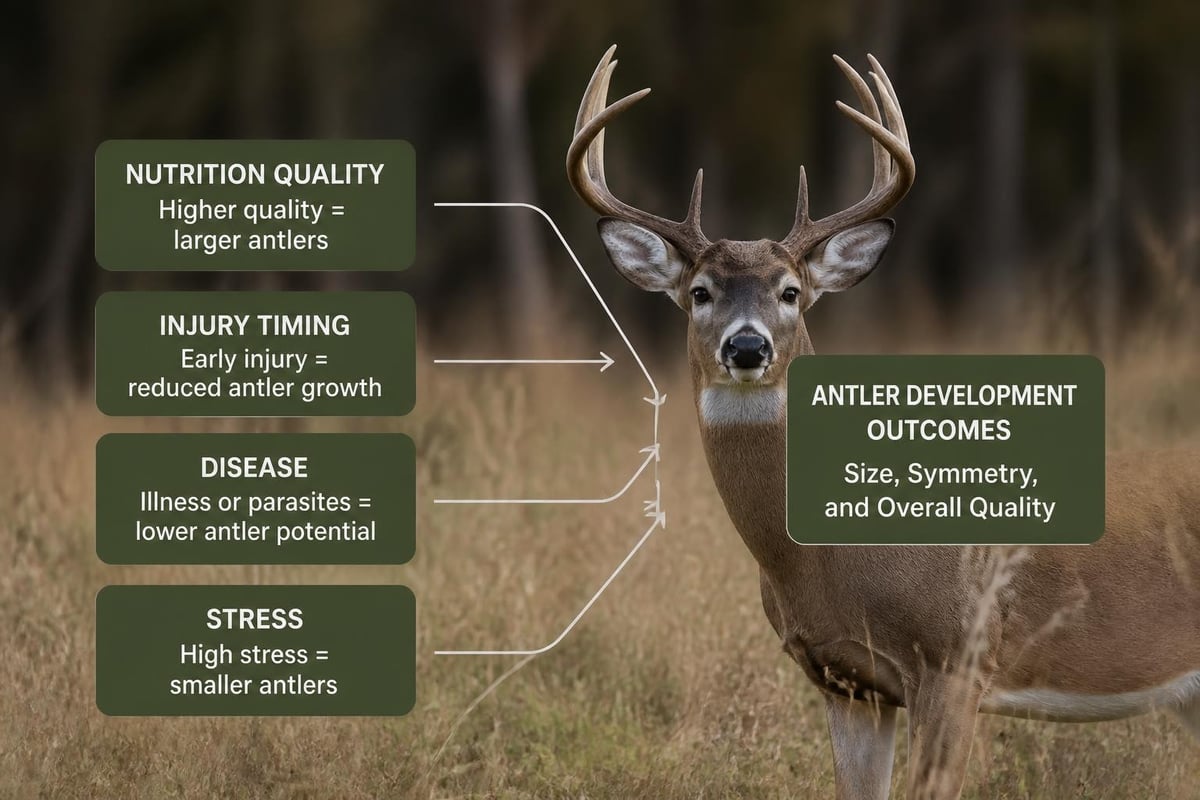
Various environmental factors can disrupt normal antler development, producing asymmetrical or abnormal racks. Physical injuries during the velvet stage, nutritional deficiencies, disease, and parasites all potentially affect final antler configuration.
Common abnormalities include:
- Non-typical points from velvet-stage injuries
- Weak or damaged beams from calcium deficiency
- Asymmetrical development from systemic illness
- Stunted growth from severe parasite loads
Hunters occasionally encounter bucks with damaged pedicles from previous injuries, resulting in permanently altered antler growth patterns. These "cactus bucks" may retain velvet year-round due to disrupted hormonal cycles, typically resulting from testicular damage.
Weather Patterns and Growth Timing
Annual weather variations significantly influence antler development timelines and quality. Late springs delay the initiation of growth, potentially compressing the growth window and reducing final size. Drought conditions during summer limit forage quality precisely when nutritional demands peak.
Conversely, ideal weather conditions with adequate rainfall, moderate temperatures, and extended growing seasons for vegetation create optimal circumstances for antler development. Hunters tracking weather patterns across multiple years can predict likely antler quality for the upcoming season based on spring and summer conditions.
Population Dynamics and Competition
Herd density affects individual antler development through resource competition. Overpopulated areas force deer to compete for limited nutrition, reducing the resources available for antler growth. Bucks in these populations typically produce smaller racks than their potential would indicate under better conditions.
Proper population management through doe harvest maintains appropriate density, ensuring adequate nutrition availability for all animals. This approach benefits both herd health and antler quality across all age classes. Hunters can contribute to these goals by following harvest recommendations from wildlife agencies.
Selective Pressure and Trophy Management
Modern hunting pressure exerts selective pressure on deer populations, potentially affecting genetic trends in antler development. Properties that harvest young bucks with larger racks while protecting those with lesser antlers may inadvertently select against superior genetics over time.
Quality deer management programs address this by protecting younger age classes regardless of antler size, allowing all bucks to mature before being available for harvest. This approach maintains genetic diversity while allowing individual animals to express their full potential. Hunters interested in premium equipment for these selective programs can explore specialized hunting firearms designed for precision shooting.
Technology and Monitoring Antler Development
Trail cameras have revolutionized how hunters monitor antler development in their areas. By photographing individual bucks throughout the growth cycle, hunters can track progress, identify specific animals, and make informed harvest decisions based on actual data rather than assumptions.
Benefits of photographic monitoring:
- Track individual buck progression year to year
- Assess nutrition quality through antler characteristics
- Identify age structure of local buck population
- Determine optimal harvest timing for specific individuals
This technology allows hunters to observe the complete antler development cycle without disturbing deer, providing insights into growth rates, velvet shedding timing, and final rack characteristics before season opens. Combined with knowledge of histogenetic aspects of antler development, hunters can better interpret what they observe through camera surveys.
Future Considerations in Antler Research
Ongoing research continues to reveal new aspects of antler development biology. Understanding the mechanisms that control rapid, perfect regeneration annually may unlock applications in human medicine, particularly in bone healing and tissue regeneration.
For hunters, this research provides deeper appreciation for the remarkable animals they pursue. The complex interplay of genetics, nutrition, hormones, and environment that produces trophy antlers represents biological sophistication that continues to fascinate scientists and sportsmen alike.
Understanding antler development enhances every aspect of deer hunting, from habitat management to harvest decisions. This knowledge helps hunters identify mature animals, assess population health, and make informed choices that contribute to sustainable wildlife management. Whether you're preparing for your next hunt or planning a premium wingshooting experience, RCS Outdoors provides the firearms, ammunition, and gear you need to make the most of your time in the field.


