
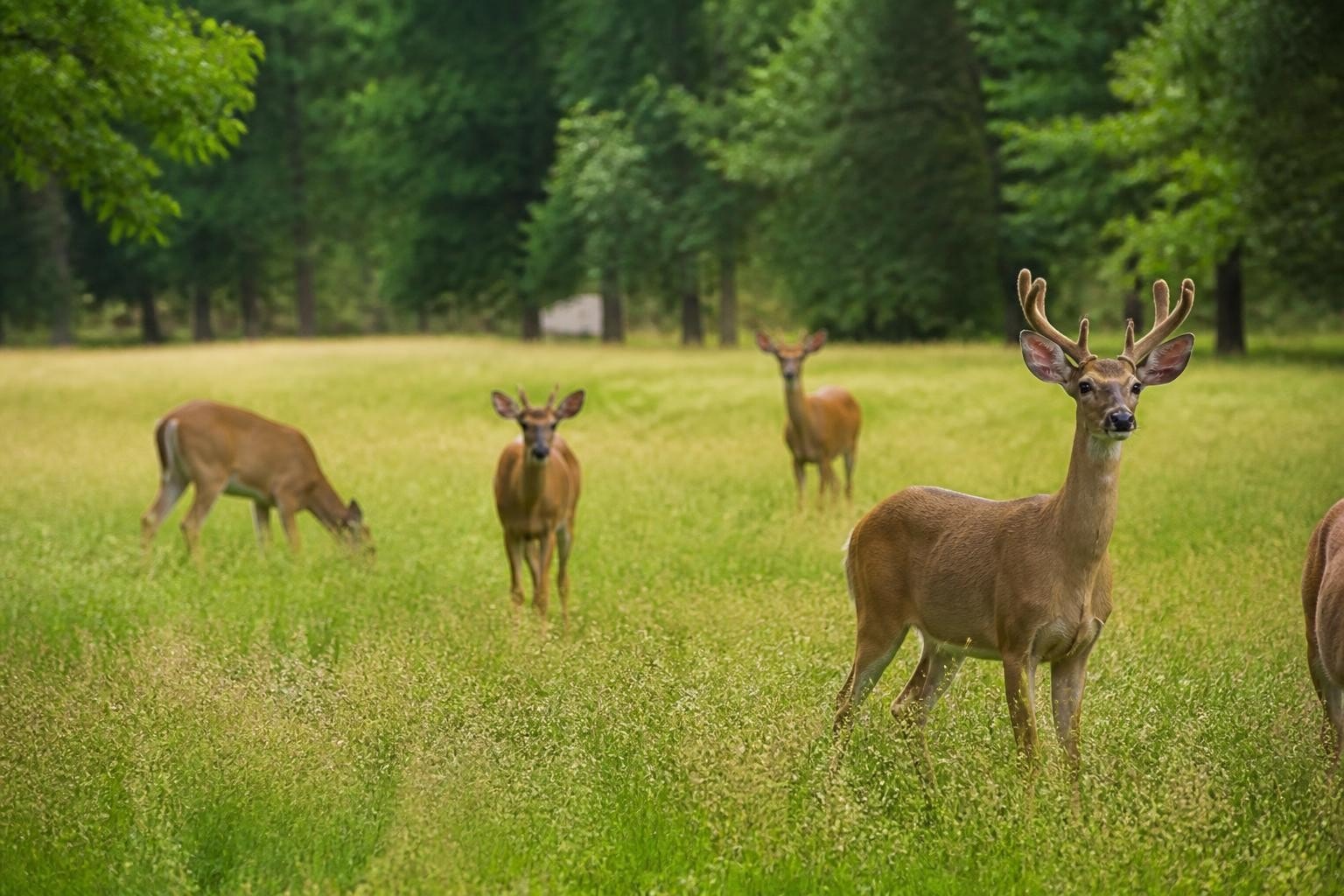
Deer Herd Health: A Hunter’s Complete Guide
Managing deer populations requires more than simply monitoring numbers. Understanding the complex factors that influence deer herd health enables hunters, landowners, and wildlife managers to support thriving populations while ensuring sustainable harvests for generations. From infectious diseases to nutritional stress, numerous challenges can impact white-tailed deer populations across North America. This comprehensive guide explores critical aspects of maintaining robust deer herds, equipping you with the knowledge to recognize potential threats and implement effective management strategies.
Understanding Core Health Challenges in Deer Populations
Deer face an array of health challenges that can dramatically affect population dynamics. Chronic Wasting Disease (CWD), Epizootic Hemorrhagic Disease (EHD), and parasitic infections represent some of the most significant threats to deer populations nationwide.
Chronic Wasting Disease and Its Impact
CWD stands as one of the most concerning threats to cervid populations. This fatal neurological disease affects deer, elk, and moose, spreading through direct animal-to-animal contact and contaminated environments. The National Park Service tracks CWD impacts in protected areas, revealing how this prion disease challenges management efforts.
Key characteristics of CWD include:
- Progressive neurological degeneration
- No known cure or vaccine
- Environmental persistence of infectious prions
- Slow population-level impacts that compound over time
- Variable geographic distribution across North America
The disease can remain undetected for years within a herd before symptoms manifest. Infected animals display progressive weight loss, behavioral changes, and coordination problems before succumbing to the disease.
Hemorrhagic Disease Outbreaks
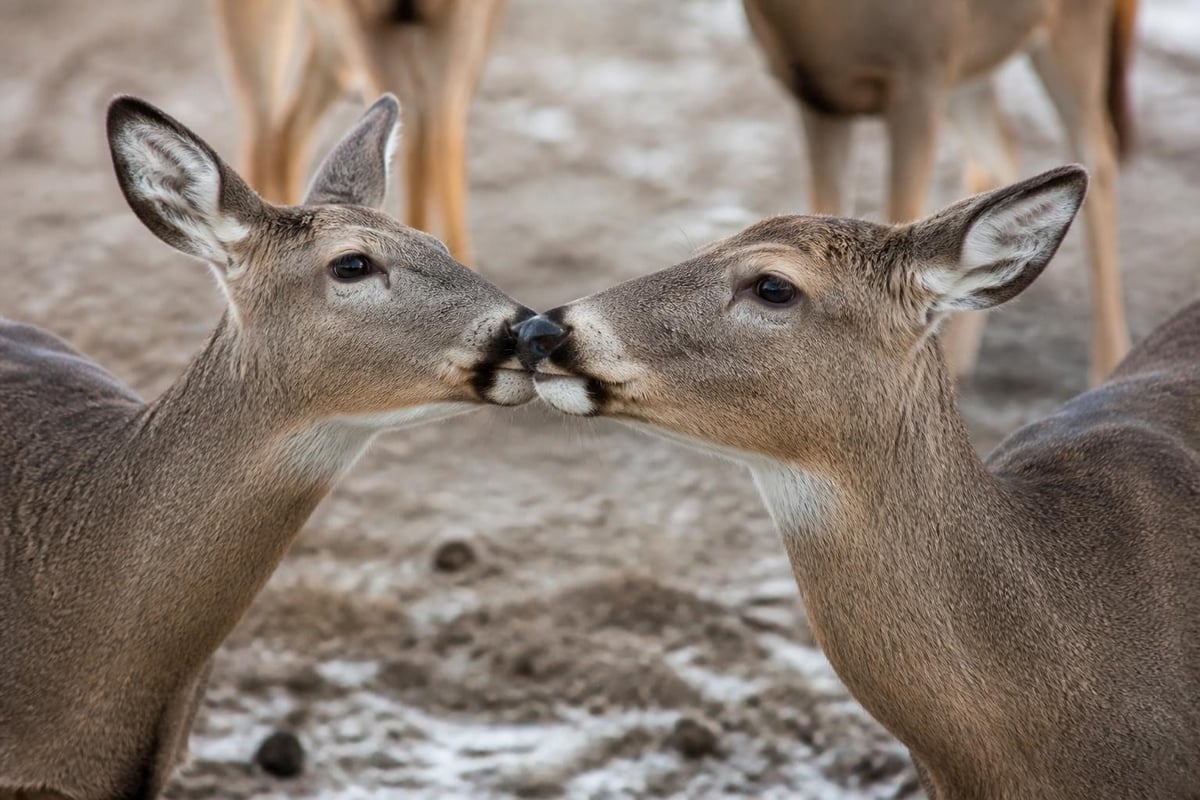
EHD and bluetongue virus cause acute hemorrhagic diseases transmitted by biting midges. Unlike CWD's slow progression, these diseases can cause rapid population declines during late summer and early fall. The Pennsylvania Game Commission provides detailed information on EHD, highlighting how environmental conditions influence outbreak severity.
| Disease Factor | EHD | Bluetongue | CWD |
|---|---|---|---|
| Transmission | Insect vector | Insect vector | Direct/environmental |
| Onset Speed | Rapid (days) | Rapid (days) | Slow (months/years) |
| Mortality Rate | High during outbreaks | Moderate to high | 100% once symptomatic |
| Seasonal Pattern | Late summer/fall | Late summer/fall | Year-round |
Affected deer often congregate near water sources, exhibiting fever, weakness, and respiratory distress. Mortality events can be dramatic, with dozens of deer dying in localized areas within days.
Nutrition and Habitat Quality Influences
Deer herd health depends fundamentally on adequate nutrition and quality habitat. Poor nutrition compromises immune function, reproductive success, and antler development while increasing susceptibility to disease and predation.
Seasonal Nutritional Requirements
White-tailed deer require different nutritional profiles throughout the year. Spring and summer demand high-protein diets supporting antler growth, lactation, and fawn development. Fall nutrition focuses on fat accumulation for winter survival, while winter requires sufficient browse to maintain body condition during lean months.
Critical nutritional periods include:
- Spring green-up (April-May): Protein for recovery and antler initiation
- Summer growth (June-August): Maximum protein for antler development and lactation
- Fall preparation (September-November): Carbohydrates and fats for winter reserves
- Winter survival (December-March): Maintaining energy balance with limited food
Food availability directly correlates with reproductive rates, fawn survival, and overall herd resilience. Areas with diverse plant communities supporting year-round forage typically maintain healthier deer populations than monoculture environments.
Carrying Capacity and Population Density
Exceeding habitat carrying capacity creates cascading health problems. Overcrowded populations experience increased disease transmission, browse depletion, reduced body weights, lower reproductive rates, and heightened stress levels.
Monitoring browse impact on woody vegetation provides insight into population pressure. When deer repeatedly browse preferred species to shoulder height or above, habitat degradation signals potential overpopulation. This browsing pressure reduces future food availability, creating a downward spiral affecting deer herd health across multiple generations.
Disease Surveillance and Monitoring Strategies
Effective disease management requires systematic surveillance programs. The Iowa Department of Natural Resources categorizes deer health issues by impact level, providing a framework for prioritizing monitoring efforts.
Sample Collection and Testing Protocols
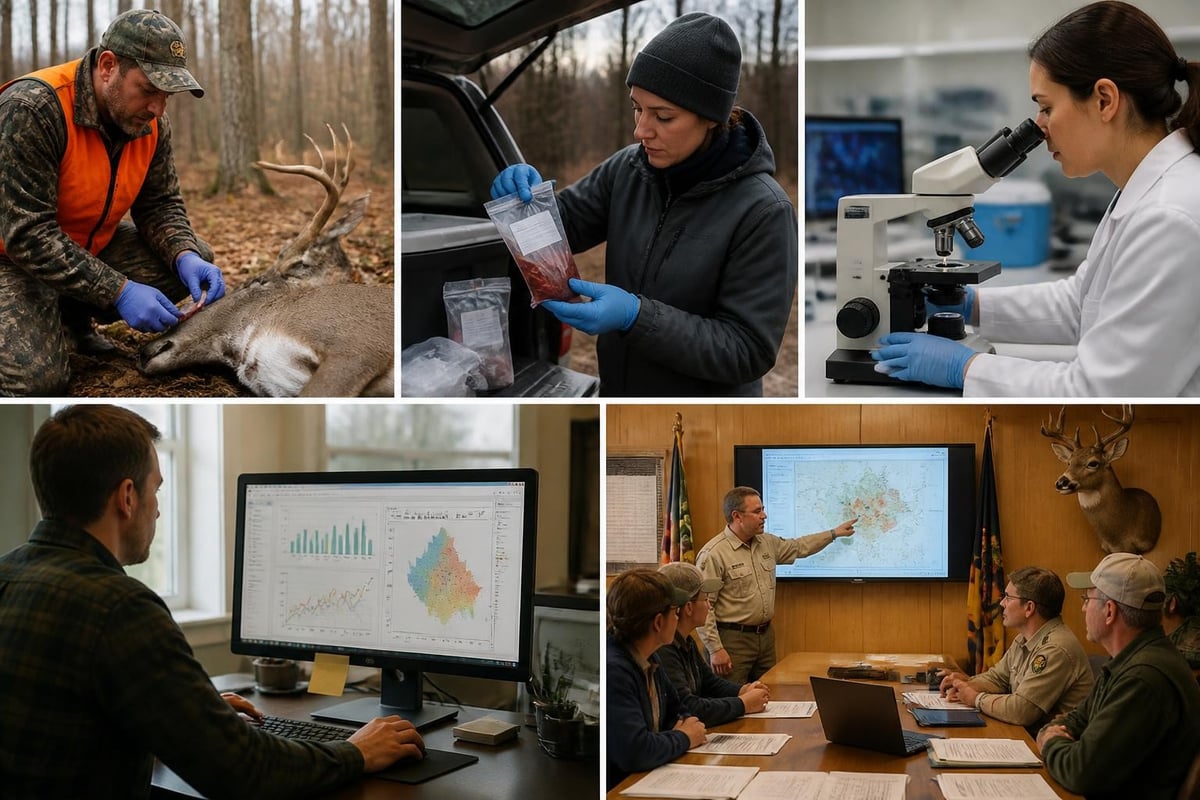
Wildlife agencies rely heavily on hunter participation in disease surveillance programs. Voluntary submission of tissue samples during hunting seasons provides cost-effective population monitoring. Lymph node samples for CWD testing, blood samples for disease antibodies, and physical condition assessments create comprehensive health profiles.
Effective surveillance includes:
- Mandatory reporting in CWD-positive counties
- Random sampling across management units
- Targeted sampling in areas with mortality events
- Age and sex distribution documentation
- Body condition scoring systems
This data informs management decisions, helping agencies adjust harvest regulations, implement feeding restrictions, and allocate research resources where most needed.
Recognizing Field Signs of Disease
Hunters serve as frontline observers for deer health issues. Recognizing abnormal signs during field encounters enables early detection of emerging problems. Behavioral changes often precede physical symptoms, making observation skills critical.
Deer exhibiting excessive salivation, difficulty swallowing, emaciation, rough hair coats, or unusual tameness warrant reporting to wildlife authorities. Similarly, discovering multiple dead deer in concentrated areas suggests hemorrhagic disease outbreaks requiring agency investigation.
Prevention and Management Practices
Proactive management reduces disease risk and maintains robust populations. While complete disease elimination remains unrealistic, targeted interventions minimize impacts on deer herd health.
Biosecurity Measures for Private Lands
Landowners managing deer populations can implement biosecurity practices reducing disease introduction and spread. The Johne’s Information Center emphasizes prevention strategies applicable to various cervid diseases.
- Restrict deer movements through fencing where appropriate
- Eliminate artificial feeding and mineral supplementation
- Maintain water source diversity to prevent crowding
- Remove carcasses promptly to reduce environmental contamination
- Minimize equipment sharing between properties
These practices prove especially important in regions with documented disease presence. While labor-intensive, they protect long-term population health and hunting quality.
Habitat Improvement Initiatives
Quality habitat supports healthier deer populations better equipped to resist disease challenges. Diverse plant communities, adequate cover, and dispersed food sources reduce stress and congregation that facilitates disease transmission.
| Habitat Component | Health Benefit | Implementation Strategy |
|---|---|---|
| Native browse diversity | Improved nutrition | Timber stand improvement, prescribed fire |
| Water source distribution | Reduced crowding | Pond development, wetland restoration |
| Bedding cover | Reduced stress | Hinge-cutting, warm-season grass plots |
| Food plot diversity | Year-round nutrition | Rotational plantings, perennial establishment |
Hunters seeking exceptional experiences while supporting conservation efforts should consider opportunities like The Upland Escape Giveaway, which combines premium hunting with professionally managed wildlife habitat at Heartland Lodge.
Strategic habitat management increases carrying capacity, enabling properties to support more deer at better body conditions. This approach delivers superior hunting experiences while promoting sustainable populations.
Population Management Through Harvest
Regulated hunting remains the primary tool for managing deer populations at healthy densities. Science-based harvest regulations balance population goals with deer herd health objectives, hunter opportunity, and ecosystem impacts.
Sex Ratio and Age Structure Considerations
Harvest strategies significantly influence population health. Traditional buck-only harvest creates skewed sex ratios and age structures that may compromise reproductive efficiency and genetic diversity. Balanced harvest targeting both sexes maintains healthier population dynamics.
Optimal population structures include:
- Balanced adult sex ratios (1.5-2 does per buck)
- Age diversity in buck populations
- Adequate mature doe harvests preventing overpopulation
- Protected yearling bucks enabling natural selection
Quality Deer Management principles recognize that healthy populations require harvest of both sexes matched to habitat capacity and management goals.
Antlerless Harvest and Population Control
Managing doe populations directly affects deer herd health through density regulation. Many regions issue antlerless permits based on population surveys, habitat assessments, and management objectives. Understanding local population dynamics helps hunters make informed harvest decisions supporting management goals.
Excessive doe protection leads to overpopulation, habitat degradation, and reduced health metrics across the herd. Conversely, overharvest of does can cause population crashes requiring years of recovery. State wildlife agencies carefully calibrate antlerless harvest recommendations balancing these competing factors.
Climate and Environmental Factors
Weather patterns and climate trends increasingly influence deer population health. Extreme temperatures, drought conditions, and shifting seasonal patterns create new challenges for deer management.
Weather-Related Stress
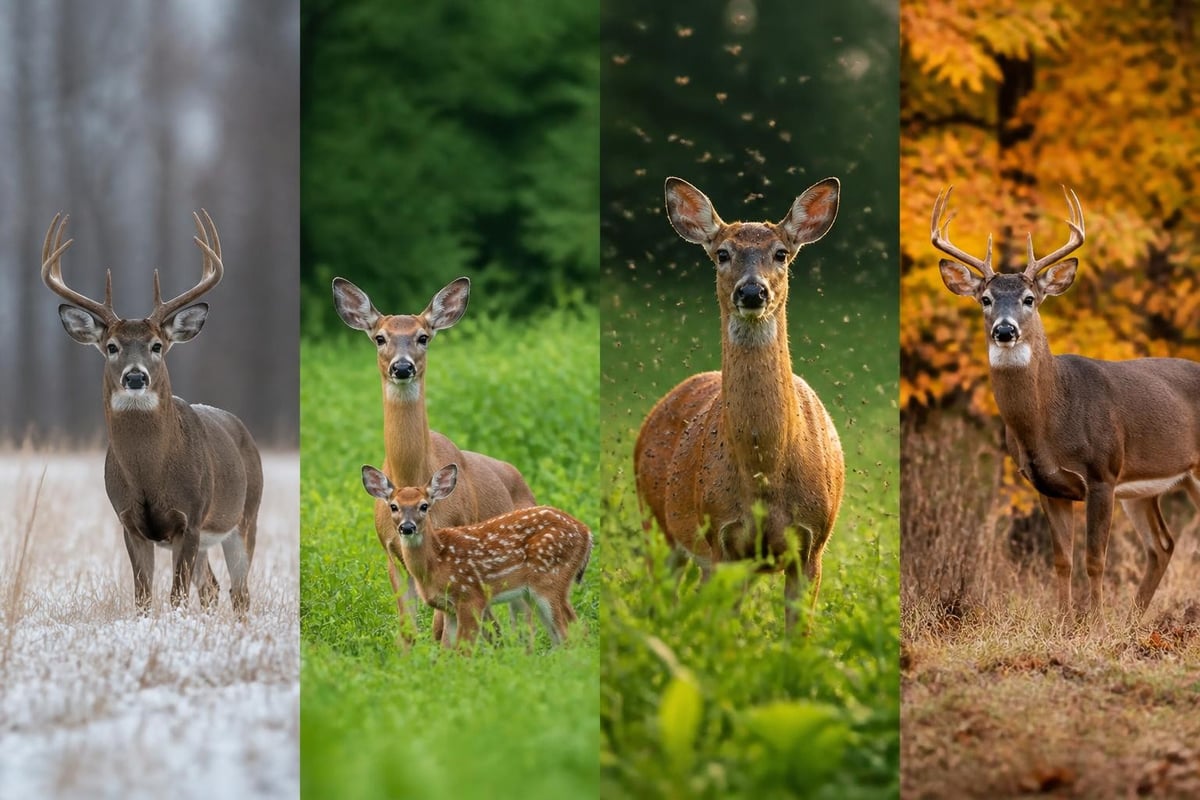
Harsh winters with deep snow and prolonged cold stress deer populations, particularly in northern ranges. Fawns and older animals face the greatest mortality risk during severe winters. Browse becomes inaccessible under deep snow, forcing deer into concentrated yards where competition and disease risk increase.
Summer droughts concentrate deer around limited water sources, creating ideal conditions for disease transmission. The National Park Service explains EHD transmission dynamics, noting how drought-stressed environments favor midge populations that spread hemorrhagic diseases.
Managing Climate-Related Challenges
Adaptive management responds to changing environmental conditions. During drought years, maintaining diverse water sources helps disperse deer populations, reducing disease transmission risk. ScienceInsights discusses EHD prevention strategies focusing on habitat manipulation and insect control.
Climate adaptation strategies include:
- Creating multiple small water sources rather than single large ones
- Maintaining diverse forest age classes providing varied food and cover
- Adjusting harvest targets based on winter severity and fawn recruitment
- Monitoring body condition trends indicating nutritional stress
- Implementing predator management where appropriate
These approaches build population resilience against increasingly variable environmental conditions.
Disease-Specific Management Approaches
Different diseases require tailored management responses. Understanding disease ecology informs effective intervention strategies while recognizing the limitations of management actions.
Controlling Johne's Disease in Cervids
Johne's disease presents unique challenges in free-ranging deer populations. This bacterial infection causes chronic wasting and diarrhea, spreading through fecal contamination of food and water sources. The Johne’s Information Center provides control strategies emphasizing early detection and herd management.
Captive cervid facilities face greater Johne's risks due to higher densities and confined spaces. Testing programs, culling infected animals, and improved sanitation reduce prevalence. Wild populations benefit from eliminating artificial feeding that concentrates animals and facilitates transmission.
Addressing Parasitic Infections
Internal and external parasites affect deer condition and survival, particularly in young animals. Heavy parasite loads reduce growth rates, compromise immune function, and increase vulnerability to predation and other diseases.
Mange mites, ticks, and gastrointestinal parasites naturally cycle through deer populations with minimal intervention required in balanced ecosystems. Proper population density maintenance through harvest prevents parasite problems from reaching severe levels.
Integration with Hunting Ethics and Conservation
Understanding deer herd health enhances ethical hunting practices and conservation outcomes. Responsible hunters recognize their role in population management and disease surveillance, contributing to long-term sustainability.
Selective Harvest Considerations
Knowledge of deer health informs selective harvest decisions. Removing obviously sick animals prevents suffering while potentially reducing disease spread. However, hunters should report diseased animals to wildlife agencies before harvest, as tissue samples provide valuable surveillance data.
Age-appropriate harvests support population health by maintaining balanced age structures. While trophy hunting targets mature bucks, comprehensive management requires harvesting does and younger bucks matching habitat capacity and population goals.
Supporting Research and Management
Hunter participation in research programs advances deer health knowledge. Providing biological samples, reporting observations, and supporting wildlife agency budgets through license sales funds critical research and management programs.
Wildlife management depends on reliable data informing decisions. Every hunter checking in harvests, submitting samples, and reporting unusual observations contributes to the scientific foundation supporting healthy deer populations. Quality firearms and ammunition from retailers like RCS Outdoors enable ethical, effective harvests supporting these management goals.
Regional Variations in Health Challenges
Deer health issues vary geographically based on climate, habitat types, and disease distribution. Understanding regional patterns helps hunters and managers prioritize concerns and implement appropriate strategies.
Northern vs. Southern Range Considerations
Northern deer populations face winter severity as the primary limiting factor, while southern populations contend with heat stress, drought, and higher parasite loads. These fundamental differences require regionally tailored management approaches.
Northern strategies emphasize winter habitat quality, predator management, and avoiding overpopulation that exacerbates winter mortality. Southern approaches focus on disease surveillance, drought preparedness, and managing populations within available browse capacity during dry periods.
Disease Distribution Patterns
CWD continues expanding its range but remains absent from many regions. EHD and bluetongue occur predominantly in eastern and southern states where appropriate midge species thrive. Regional disease risks inform management priorities and surveillance efforts.
Hunters traveling across regions should understand local disease situations and comply with carcass movement restrictions preventing disease spread to unaffected areas. These regulations protect deer herd health beyond individual properties or states.
Future Challenges and Emerging Threats
Deer management faces evolving challenges requiring adaptive strategies. Climate change, emerging diseases, and shifting land use patterns create uncertainty demanding flexible management approaches.
Climate Change Implications
Warming temperatures shift disease distributions, alter plant communities, and change seasonal patterns affecting deer reproduction and survival. Parasites and disease vectors expand into previously unsuitable regions, while traditional winter ranges face uncertain snow conditions.
Managers must anticipate these changes, adjusting harvest strategies, habitat management, and disease surveillance to maintain healthy populations under novel conditions. Long-term monitoring reveals trends enabling proactive rather than reactive management.
Emerging Disease Concerns
New diseases and novel strains of existing pathogens continually emerge. Maintaining robust surveillance systems enables early detection and rapid response, minimizing impacts on deer herd health before problems become widespread.
Collaboration between hunters, landowners, researchers, and wildlife agencies creates comprehensive monitoring networks spanning diverse landscapes. This cooperative approach provides the best defense against emerging threats.
Maintaining deer herd health requires understanding disease ecology, habitat requirements, and population dynamics while implementing science-based management strategies. Whether you're a dedicated hunter, landowner, or wildlife enthusiast, your observations and actions contribute to sustaining healthy deer populations for future generations. When you're ready to pursue your next hunting adventure with quality equipment, RCS Outdoors offers the firearms, ammunition, and accessories you need to make every hunt successful and ethical.


