

Magnesium: Essential Mineral for Outdoor Performance
For hunters, competitive shooters, and outdoor enthusiasts, physical performance depends on more than just skill and equipment. Proper nutrition plays a critical role in maintaining steady hands, sustained focus, and muscle endurance during extended periods in the field. Among essential minerals, magnesium stands out as a cornerstone nutrient that influences everything from energy metabolism to muscle function, making it particularly important for those who demand peak performance from their bodies during demanding outdoor activities.
The Fundamental Role of Magnesium in Athletic Performance
Magnesium participates in over 300 enzymatic reactions throughout the human body, making it one of the most versatile and essential minerals for overall health. This mineral serves as a cofactor in processes ranging from protein synthesis to nerve transmission, directly impacting the physical capabilities required for outdoor pursuits.
Energy Production and Endurance
The connection between magnesium and energy production centers on its critical role in adenosine triphosphate (ATP) metabolism. ATP represents the primary energy currency of cells, and magnesium binds to ATP molecules to create the active form that cells can actually use. Without adequate magnesium levels, the body cannot efficiently convert nutrients into usable energy.

For hunters who spend hours tracking game or competitive shooters maintaining concentration through lengthy competitions, this energy production function becomes paramount. Understanding what magnesium does in the body reveals why even marginal deficiencies can lead to noticeable decreases in stamina and endurance.
Muscle Function and Recovery
Magnesium directly regulates muscle contraction and relaxation by controlling calcium movement in and out of muscle cells. Calcium triggers muscle contraction, while magnesium acts as a natural calcium blocker, allowing muscles to relax properly between contractions. This balance prevents the cramping and muscle tension that can compromise shooting accuracy or cause discomfort during long days outdoors.
Research demonstrates that athletes with higher magnesium intake experience faster recovery times and reduced muscle soreness following intense physical activity. The mineral also supports protein synthesis, the process by which muscles repair and strengthen after exertion.
Dietary Sources and Daily Requirements
Meeting magnesium needs through diet should be the primary strategy for most individuals. The mineral occurs naturally in a wide variety of foods, making deficiency preventable with proper nutritional planning.
Top Food Sources
| Food Source | Magnesium Content (per serving) | Additional Benefits |
|---|---|---|
| Pumpkin seeds (1 oz) | 156 mg | High in zinc and healthy fats |
| Spinach (1 cup cooked) | 157 mg | Rich in iron and vitamins |
| Black beans (1 cup) | 120 mg | Excellent protein source |
| Almonds (1 oz) | 80 mg | Heart-healthy fats |
| Dark chocolate (1 oz) | 64 mg | Antioxidants |
| Avocado (1 medium) | 58 mg | Healthy fats and fiber |
Adult males require approximately 400-420 mg of magnesium daily, while adult females need 310-320 mg. These requirements increase during pregnancy and for individuals engaging in regular intense physical activity. Hunters preparing for extended trips or shooters in training periods may benefit from the higher end of recommended intake ranges.
Factors Affecting Absorption
Not all consumed magnesium gets absorbed equally. Several factors influence how effectively the body uptakes this mineral from food or supplements:
- Vitamin D status enhances magnesium absorption
- High fiber intake can slightly reduce absorption
- Alcohol consumption increases magnesium excretion
- Certain medications (diuretics, proton pump inhibitors) interfere with magnesium levels
- Age affects absorption efficiency, with older adults absorbing less
Understanding these factors helps optimize magnesium intake strategies, particularly for those with higher physical demands.
Magnesium Deficiency: Recognition and Impact
Subclinical magnesium deficiency affects an estimated 50% of Americans, often going unrecognized because obvious symptoms appear only with severe depletion. For outdoor enthusiasts, even mild deficiency can impact performance and enjoyment.
Common Deficiency Symptoms
Early signs of insufficient magnesium include muscle cramps, fatigue, and weakness. These symptoms directly affect shooting performance and hunting endurance. More advanced deficiency may manifest as:
- Persistent muscle twitches or tremors
- Mental fog and difficulty concentrating
- Irregular heartbeat or palpitations
- Numbness or tingling in extremities
- Increased anxiety or irritability
- Poor sleep quality
For shooters requiring steady hands and hunters needing sustained focus, these symptoms represent significant performance barriers. The gradual onset of deficiency means many individuals adapt to suboptimal function without realizing nutritional intervention could restore full capability.
Risk Factors for Deficiency
Certain populations face elevated risk of magnesium deficiency:
- Individuals with gastrointestinal disorders affecting nutrient absorption
- People with type 2 diabetes
- Those consuming high levels of processed foods
- Older adults (reduced absorption efficiency)
- Heavy exercisers and athletes
- Individuals under chronic stress
The physically demanding nature of hunting and shooting sports, combined with the stress of competition or the excitement of pursuit, may increase magnesium requirements beyond typical daily recommendations.

Supplementation Strategies and Considerations
When dietary intake proves insufficient, supplementation offers a practical solution. However, not all magnesium supplements deliver equal benefits, and understanding the different types of magnesium helps optimize supplementation strategy.
Types of Magnesium Supplements
| Supplement Type | Bioavailability | Primary Benefits | Best For |
|---|---|---|---|
| Magnesium citrate | High | General supplementation, digestive support | Most users |
| Magnesium glycinate | Very high | Muscle recovery, sleep support | Athletes, active individuals |
| Magnesium malate | High | Energy production | Fatigue, endurance |
| Magnesium threonate | High (crosses blood-brain barrier) | Cognitive function | Mental clarity, focus |
| Magnesium oxide | Low | Laxative effect | Not recommended for supplementation |
For hunters and shooters, magnesium glycinate often provides the best combination of absorption, muscle support, and minimal digestive side effects. The glycine molecule bound to magnesium in this form also supports recovery and promotes relaxation without sedation.
Dosage and Timing
Standard supplementation typically ranges from 200-400 mg daily, though individual needs vary based on diet, activity level, and existing deficiency severity. Dividing doses throughout the day improves absorption and reduces the likelihood of digestive discomfort.
Taking magnesium with meals enhances absorption and minimizes stomach upset. For those using supplementation to support sleep quality, evening doses prove most effective. Athletes might benefit from post-workout timing to support muscle recovery processes.
Performance Benefits for Shooters and Hunters
The evidence-based health benefits of magnesium extend specifically to the physical and mental demands of shooting sports and hunting activities.
Steady Hands and Reduced Tremor
Magnesium's role in neuromuscular function directly influences hand steadiness. The mineral regulates nerve impulses and muscle contractions, reducing involuntary tremors that can compromise shooting accuracy. Competitive shooters often report improved trigger control and sight picture stability when maintaining optimal magnesium status.
Stress Response and Mental Clarity
Hunting situations frequently involve elevated heart rate and adrenaline surges, whether from the excitement of encountering game or the physical exertion of challenging terrain. Magnesium modulates the stress response by regulating cortisol production and supporting the parasympathetic nervous system, which promotes calmness and focus.
The mineral also supports cognitive function through its role in neurotransmitter synthesis. Clear thinking and quick decision-making in the field depend on optimal brain function, which requires adequate magnesium levels.
Cardiovascular Support During Exertion
Magnesium contributes to healthy blood pressure regulation and heart rhythm stability. During physically demanding hunts involving hiking, climbing, or packing out game, cardiovascular efficiency determines endurance and safety. The mineral supports proper heart muscle function and helps regulate blood vessel tone, ensuring adequate oxygen delivery to working muscles.
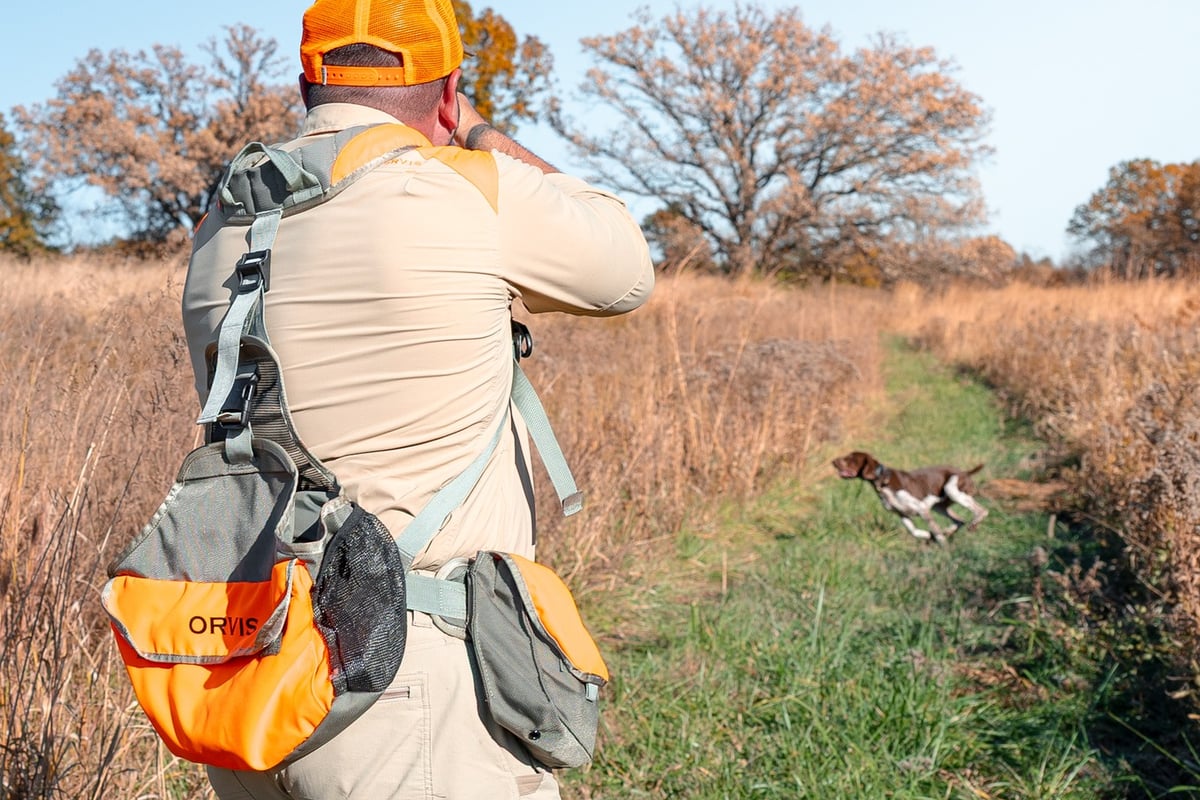
For those preparing for challenging outdoor experiences, ensuring optimal magnesium intake supports the cardiovascular adaptations necessary for peak performance. RCS Outdoors partners with Heartland Lodge to offer exceptional hunting opportunities, and participants in The Upland Escape Giveaway will benefit from being in top physical condition for their all-inclusive upland hunt experience.
Practical Implementation for Outdoor Enthusiasts
Translating magnesium knowledge into actionable strategies requires consideration of real-world hunting and shooting scenarios.
Pre-Season Preparation
Building optimal magnesium stores before hunting season begins provides a performance foundation. Start supplementation or dietary modifications 4-6 weeks before anticipated high-activity periods. This timeline allows the body to replenish stores that may have depleted during off-season activities.
Track intake using a food diary or nutrition app to ensure consistent daily consumption. Many hunters discover their typical diet falls short of magnesium requirements, particularly when relying on convenience foods during busy periods.
Field Nutrition Strategies
Maintaining magnesium intake during multi-day hunting trips requires planning. Pack portable magnesium-rich foods such as:
- Nuts and seeds (pumpkin seeds, almonds, cashews)
- Dark chocolate bars (minimum 70% cacao)
- Dried fruit mixed with nuts
- Whole grain crackers or bars
- Magnesium supplement capsules
Dehydration compounds magnesium depletion, so pair mineral intake with adequate water consumption. Electrolyte supplements containing magnesium support both hydration and mineral balance during physically demanding days.
Post-Activity Recovery
Recovery nutrition should prioritize magnesium alongside protein for optimal muscle repair. A post-hunt meal featuring spinach salad with pumpkin seeds, grilled fish, and quinoa provides substantial magnesium along with complete protein and complex carbohydrates.
Evening supplementation supports sleep quality, which represents the most critical recovery period. Quality rest allows the body to fully utilize magnesium for muscle repair, nervous system recovery, and energy store replenishment.
Safety Considerations and Interactions
While magnesium supplementation proves safe for most individuals, certain considerations warrant attention.
Upper Limits and Side Effects
The tolerable upper intake level for supplemental magnesium stands at 350 mg daily for adults, separate from dietary sources. Exceeding this amount may cause digestive issues including diarrhea, nausea, and cramping. Individuals with kidney disease should consult healthcare providers before supplementation, as impaired kidney function affects magnesium excretion.
Medication Interactions
Magnesium can interact with several medication classes:
- Antibiotics (tetracyclines, fluoroquinolones): Magnesium reduces absorption
- Bisphosphonates: Take magnesium at least 2 hours apart
- Diuretics: May increase or decrease magnesium levels depending on type
- Proton pump inhibitors: Long-term use can deplete magnesium
For shooters or hunters taking prescription medications, consulting a healthcare provider ensures safe supplementation practices. Proper timing and dosing prevent interference with medication effectiveness while supporting nutritional needs.
Integration with Overall Wellness
Magnesium works synergistically with other nutrients and lifestyle factors to support optimal performance. Vitamin D enhances magnesium absorption and utilization, while B vitamins work alongside magnesium in energy production pathways. Adding magnesium to your diet creates beneficial ripple effects throughout multiple body systems.
Regular physical training, adequate sleep, stress management, and balanced nutrition all contribute to performance capacity. Magnesium represents one component of a comprehensive approach to physical preparedness for outdoor activities.
Hydration status directly affects magnesium levels and function. Water facilitates nutrient transport and supports the enzymatic reactions in which magnesium participates. Outdoor enthusiasts should maintain consistent hydration practices year-round, not just during active hunting or shooting seasons.
Advanced Applications and Emerging Research
Scientific understanding of magnesium continues evolving, with research exploring applications beyond traditional nutritional roles. Studies investigating magnesium’s behavior through advanced molecular dynamics contribute to broader understanding of this mineral's properties and potential applications.
Material science research examining methods to strengthen magnesium through alloying and processing techniques may eventually influence manufacturing of hunting and shooting equipment. While currently focused on industrial applications, these developments demonstrate the versatile nature of magnesium as both a biological necessity and practical material.
For practitioners seeking authoritative medical guidance, resources from institutions like the Cleveland Clinic provide evidence-based recommendations grounded in clinical research and patient care experience.
Monitoring and Adjusting Intake
Optimizing magnesium status requires periodic assessment and adjustment based on individual response and changing demands.
Testing Options
Standard blood tests measure serum magnesium, though this represents only 1% of total body magnesium stores. More sensitive testing includes:
- Red blood cell magnesium (better indicator of tissue stores)
- Magnesium loading test (measures retention)
- Ionized magnesium (reflects active form)
Most individuals can gauge adequacy through symptom monitoring and performance tracking. Improved sleep quality, reduced muscle cramping, enhanced endurance, and better stress resilience indicate effective supplementation.
Seasonal Adjustments
Activity levels fluctuate throughout the year for many hunters and shooters. Increase magnesium intake during:
- Pre-season training periods
- Competition seasons
- Extended hunting trips
- High-stress periods
- Recovery from injury
Reduce supplementation during off-season rest periods when dietary sources may prove sufficient. This cyclical approach prevents both deficiency and excessive intake while aligning with natural activity patterns.
Long-Term Maintenance
Sustainable magnesium optimization relies on dietary habits rather than indefinite supplementation. Gradually incorporate magnesium-rich foods into regular meal patterns. Use supplementation strategically during high-demand periods rather than as permanent dietary replacement.
Track performance metrics including shooting accuracy, endurance capacity, recovery time, and subjective energy levels. These indicators provide practical feedback about nutritional adequacy beyond laboratory values. For comprehensive gear and equipment needs, explore the full range of offerings at RCS Outdoors.
Optimizing magnesium intake supports the physical and mental demands of hunting and shooting sports through enhanced muscle function, improved energy production, and better stress response. Whether through dietary sources or strategic supplementation, maintaining adequate magnesium levels contributes to peak performance in the field. When you're ready to put your optimized performance to work with quality firearms and equipment, RCS Outdoors provides everything you need for your next outdoor adventure, from premium rifles and handguns to specialty ammunition and accessories.


