

Selenium: Essential Mineral for Hunters and Outdoor Enthusiasts
For hunters, shooters, and outdoor enthusiasts who demand peak physical and mental performance in challenging conditions, understanding essential nutrients becomes paramount. Selenium, a trace mineral often overlooked in discussions about athletic nutrition and outdoor preparedness, plays a critical role in maintaining the stamina, cognitive sharpness, and overall health required for successful hunting expeditions and extended time in the field. This powerful antioxidant supports everything from immune function to muscle recovery, making it an essential consideration for anyone serious about their outdoor pursuits.
Understanding Selenium's Role in Human Health
Selenium functions as a vital component of numerous enzymes and proteins throughout the body. According to Medical News Today, this trace element participates in critical biological processes including DNA synthesis, thyroid hormone metabolism, and protection against oxidative damage and infection.
The mineral's primary functions include:
- Supporting antioxidant defense systems through selenoproteins
- Regulating thyroid hormone production and metabolism
- Enhancing immune system response
- Contributing to reproductive health
- Protecting cells from free radical damage
The body cannot produce selenium independently, requiring consistent dietary intake to maintain optimal levels. Research published in the NIH Office of Dietary Supplements indicates that selenium deficiency can lead to serious health complications, though such deficiencies remain relatively uncommon in the United States due to selenium-rich soil in many agricultural regions.
Selenium and Physical Performance
For hunters spending hours tracking game through varied terrain, physical endurance and muscle function become non-negotiable. Selenium's antioxidant properties help reduce exercise-induced oxidative stress, potentially improving recovery time between demanding outdoor activities. The mineral supports mitochondrial function, which directly impacts cellular energy production and muscular performance during extended periods of physical exertion.
Studies have demonstrated that adequate selenium levels correlate with improved muscle strength and reduced inflammation following intense physical activity. This becomes particularly relevant during multi-day hunting trips where consistent performance matters and recovery opportunities may be limited.

Dietary Sources and Intake Recommendations
Natural Food Sources
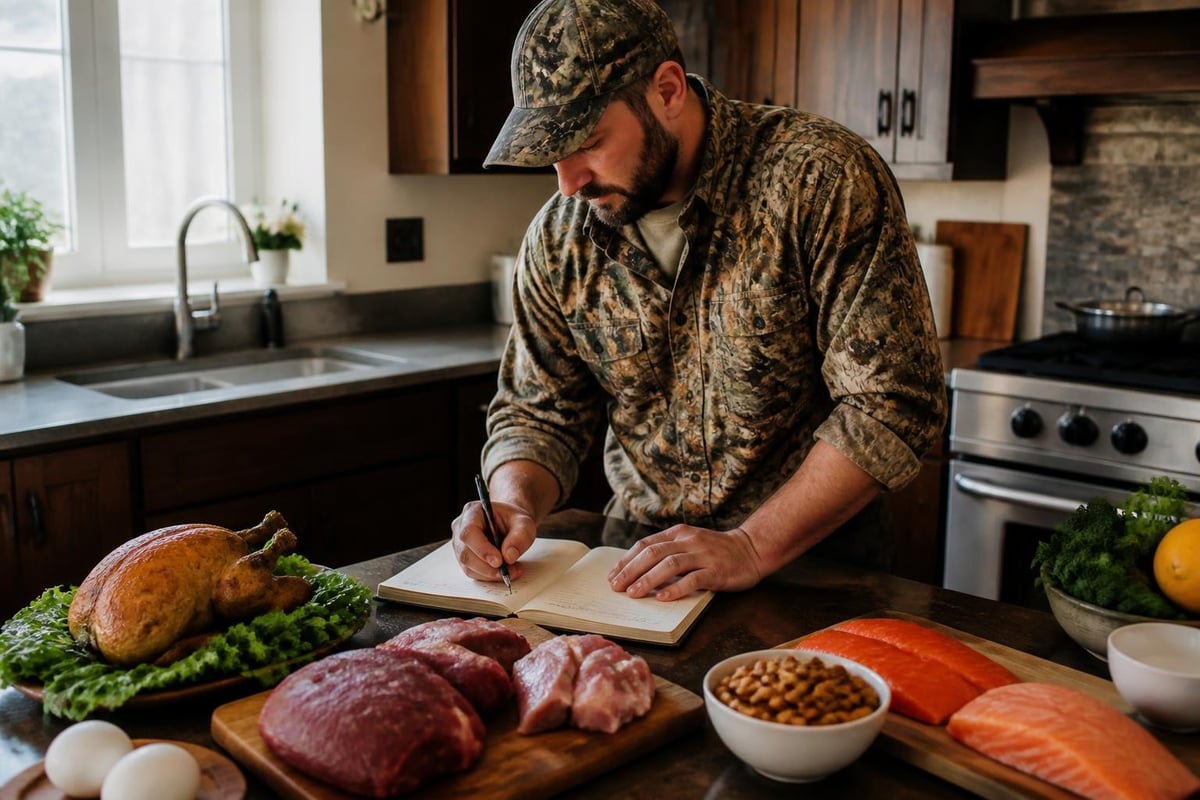
Obtaining selenium through whole food sources provides the most balanced approach to meeting nutritional needs. The selenium content in foods varies significantly based on soil selenium levels where crops are grown or where animals graze.
| Food Source | Selenium Content (per serving) | Serving Size |
|---|---|---|
| Brazil nuts | 544 mcg | 6-8 nuts |
| Yellowfin tuna | 92 mcg | 3 ounces |
| Halibut | 47 mcg | 3 ounces |
| Grass-fed beef | 33 mcg | 3 ounces |
| Turkey breast | 31 mcg | 3 ounces |
| Chicken breast | 22 mcg | 3 ounces |
| Cottage cheese | 20 mcg | 1 cup |
| Brown rice | 19 mcg | 1 cup cooked |
Wild game meat often contains substantial selenium levels, particularly when animals feed on selenium-rich vegetation. Venison, elk, and other wild proteins harvested during successful hunts contribute meaningfully to selenium intake, creating a nutritional benefit beyond the satisfaction of harvesting your own food.
Recommended Daily Intake
MedlinePlus provides clear guidance on recommended selenium intake across different age groups and life stages. Adult men and women require 55 micrograms daily, while pregnant women need 60 micrograms and lactating women require 70 micrograms.
The upper tolerable limit stands at 400 micrograms daily for adults. Exceeding this amount consistently can lead to selenium toxicity, characterized by symptoms including hair loss, nail brittleness, gastrointestinal distress, and neurological complications.
Health Benefits Relevant to Outdoor Enthusiasts
Immune System Support
Time spent in cold weather, early morning hunts, and exposure to varying environmental conditions can challenge immune function. Selenium plays a documented role in supporting immune response, helping the body defend against infections and illness that could derail planned outdoor activities.
The mineral enhances the production and function of white blood cells and antibodies, strengthening the body's natural defense mechanisms. This becomes particularly valuable during hunting seasons when exposure to cold, wet conditions increases susceptibility to common illnesses.
Cognitive Function and Focus
Successful hunting requires sustained mental focus, situational awareness, and quick decision-making. Selenium contributes to cognitive health through its antioxidant properties, protecting brain cells from oxidative damage that can impair mental clarity and reaction time.
Research suggests adequate selenium levels may help maintain cognitive function as we age, supporting the mental sharpness necessary for safe firearm handling and ethical shot placement. The concentration required during long periods of stillness in a tree stand or blind demands optimal brain function that proper nutrition supports.

Thyroid Health and Metabolism
The thyroid gland contains more selenium per gram of tissue than any other organ in the body. According to information from Lenntech, selenium-dependent enzymes regulate thyroid hormone production, which directly affects metabolism, body temperature regulation, and energy levels.
For hunters facing cold weather conditions, optimal thyroid function becomes essential for maintaining core body temperature and energy throughout extended outdoor exposure. Proper selenium status ensures the thyroid can produce adequate hormones to support metabolic demands during physically challenging pursuits.
Selenium Deficiency and Risk Factors
Identifying Deficiency
While selenium deficiency remains uncommon in North America, certain populations face elevated risk. Geographic regions with selenium-depleted soil, individuals following restrictive diets, and those with certain medical conditions affecting nutrient absorption may develop suboptimal selenium levels.
Common deficiency symptoms include:
- Muscle weakness and fatigue
- Mental fog and difficulty concentrating
- Weakened immune response
- Hair loss or thinning
- Reproductive difficulties
- Hypothyroidism symptoms
Hunters experiencing unexplained fatigue, reduced endurance, or difficulty maintaining focus in the field should consider comprehensive nutritional assessment, including selenium status evaluation.
Geographic and Dietary Considerations
Soil selenium content varies dramatically across the United States and globally. Regions with naturally low soil selenium produce crops and support livestock with correspondingly lower selenium content. Individuals residing in these areas or consuming primarily locally-sourced foods from selenium-poor regions may require conscious dietary planning to ensure adequate intake.
Those following plant-based diets need particular attention to selenium intake, as many primary sources come from animal products and seafood. Brazil nuts provide an exceptional plant-based source, though their extremely high selenium content requires moderation to avoid excessive intake.
Supplementation Considerations
When Supplements May Be Appropriate
Most individuals meeting recommended daily intake through dietary sources do not require selenium supplementation. However, specific circumstances may warrant supplemental selenium under medical supervision.
WebMD outlines several scenarios where supplementation might be considered, including diagnosed deficiency, certain medical conditions affecting selenium absorption, and geographic limitations on selenium-rich food access. Athletes and individuals with elevated physical demands sometimes consider supplementation, though whole food sources should remain the primary approach.
Forms and Bioavailability
Selenium supplements come in several forms, with varying bioavailability and effectiveness. Selenomethionine and selenocysteine represent organic forms with high absorption rates, while sodium selenite and sodium selenate constitute inorganic forms commonly used in fortified foods and supplements.
| Supplement Form | Absorption Rate | Common Uses |
|---|---|---|
| Selenomethionine | High (90%+) | Premium supplements |
| Selenocysteine | High (90%+) | Food-based supplements |
| Sodium selenite | Moderate (50-60%) | Multivitamins |
| Sodium selenate | Moderate (50-60%) | Fortified foods |
For those preparing for significant outdoor adventures like The Upland Escape Giveaway, which offers an all-inclusive hunting experience at Heartland Lodge, optimizing nutrition through whole food sources provides the most reliable foundation for peak performance. This approach ensures comprehensive nutrient intake beyond selenium alone, supporting overall health and stamina for demanding outdoor pursuits.

Selenium Toxicity and Upper Limits
Recognizing Excessive Intake
While selenium deficiency poses health risks, excessive intake creates equally serious concerns. Selenium toxicity, termed selenosis, occurs when intake consistently exceeds safe upper limits. The condition can develop through over-supplementation or, rarely, from consuming extremely high amounts of selenium-rich foods.
Toxicity symptoms include:
- Garlic-scented breath
- Metallic taste in mouth
- Brittle or discolored nails
- Hair loss
- Skin lesions and rashes
- Nausea and vomiting
- Fatigue and irritability
- Nerve damage in severe cases
Brazil nuts, while nutritionally valuable, contain such high selenium concentrations that consuming more than a few daily can lead to excessive intake over time. A single Brazil nut may contain 68-91 micrograms of selenium, meaning just six nuts could exceed the daily upper limit.
Safe Supplementation Practices
Anyone considering selenium supplementation should consult healthcare professionals for personalized guidance. Blood tests can determine current selenium status, informing whether supplementation is necessary or potentially harmful. Self-prescribing supplements without medical oversight risks toxicity, particularly when combining multiple supplement products that may each contain selenium.
Hunters and outdoor enthusiasts benefit most from focusing on varied, nutrient-dense whole foods rather than relying on isolated supplements. This approach provides selenium alongside complementary nutrients that work synergistically to support overall health and performance.
Practical Applications for Hunters
Pre-Season Nutritional Planning
The months preceding hunting season offer ideal timing for evaluating and optimizing nutritional status. Ensuring adequate selenium intake supports immune function, metabolic health, and physical conditioning as you prepare equipment, practice shooting skills, and build endurance for challenging terrain.
Consider incorporating selenium-rich proteins into regular meal planning, particularly wild game from previous seasons, quality poultry, and sustainable seafood options. These protein sources support muscle development and recovery during training while providing essential minerals for optimal performance.
Field Nutrition Strategies
Maintaining nutritional quality during extended hunting trips requires planning. Shelf-stable selenium sources like nuts, whole grain crackers, and canned fish provide convenient options for backcountry nutrition. These foods offer sustained energy alongside essential minerals that support performance during long days in the field.
Proper nutrition enhances shooting accuracy, endurance, and safety awareness throughout hunting activities. The investment in quality nutrition pays dividends in successful hunts and memorable outdoor experiences. Browse quality firearms and accessories at RCS Outdoors to complement your physical preparation with properly maintained equipment.
Recovery and Off-Season Health
Post-season recovery allows the body to repair and rebuild after demanding outdoor activities. Adequate selenium intake during this period supports immune function as seasons change and helps maintain muscle mass and metabolic health during reduced activity levels. This foundation preparation ensures readiness when the next hunting season arrives.
Environmental and Chemical Properties
Understanding selenium's chemical nature provides context for its biological functions. The element exists in multiple oxidation states and forms, influencing how organisms utilize it. Chemistry LibreTexts offers detailed exploration of selenium's properties, including its position in the periodic table as a metalloid with characteristics between metals and nonmetals.
Environmental selenium levels affect wildlife health and, consequently, the nutritional value of wild game. Animals grazing in selenium-adequate regions incorporate the mineral into tissues, creating nutritionally superior protein sources for hunters who harvest these animals. This represents one of many benefits of wild game consumption compared to conventionally raised alternatives.
Integration with Overall Wellness Strategy
Balanced Nutrient Approach
Selenium functions most effectively within a comprehensive nutritional framework rather than in isolation. The mineral interacts with vitamins E and C, enhancing antioxidant protection beyond what any single nutrient provides alone. Zinc, iodine, and other minerals also interact with selenium metabolism, emphasizing the importance of varied, whole-food nutrition.
Hunters maintaining balanced diets rich in vegetables, quality proteins, healthy fats, and whole grains naturally obtain selenium alongside complementary nutrients. This approach supports not only immediate performance but long-term health enabling decades of outdoor pursuits.
Lifestyle Factors
Nutrition represents just one component of overall wellness supporting outdoor performance. Quality sleep, consistent physical training, stress management, and proper hydration work synergistically with adequate selenium intake to optimize physical and mental capabilities. Addressing these factors holistically produces superior results compared to focusing narrowly on individual nutrients.
Regular health screenings, including periodic blood work evaluating mineral status, provide valuable feedback guiding nutritional decisions. This proactive approach identifies potential deficiencies before they impact performance or health, allowing timely intervention through dietary adjustments or, when necessary, targeted supplementation under medical guidance.
Selenium represents a critical yet often overlooked component of optimal nutrition for hunters and outdoor enthusiasts demanding peak performance in challenging conditions. By prioritizing selenium-rich whole foods, maintaining awareness of intake levels, and integrating this knowledge within comprehensive wellness strategies, you can support the physical and mental capabilities essential for successful hunting experiences. When you're ready to equip yourself with quality firearms and ammunition for your next outdoor adventure, RCS Outdoors offers the selection and expertise to match your commitment to excellence in the field.


