
Zinc: Essential Mineral for Shooters and Outdoor Enthusiasts
Zinc represents one of the most vital yet frequently overlooked minerals for individuals who spend significant time outdoors. Whether you're pursuing game in challenging terrain, spending long days at the range, or maintaining your firearms collection, your body relies on adequate zinc levels to support immune function, tissue repair, and overall physical performance. This essential trace element plays critical roles in over 300 enzymatic reactions throughout the human body, making it particularly important for hunters, shooters, and outdoor enthusiasts who demand peak performance from their bodies in demanding environments.
Understanding Zinc's Role in Human Health
Zinc serves as a fundamental building block for numerous biological processes that directly impact outdoor performance and recovery. The mineral participates in protein synthesis, wound healing, DNA creation, and cell division. For individuals who engage in physically demanding activities like hunting or competitive shooting, these functions become especially critical.
The immune system depends heavily on zinc to function properly. According to Harvard Health, zinc deficiency can significantly impair immune response, leaving individuals more susceptible to infections and illness. This vulnerability poses particular risks for outdoor enthusiasts who may encounter harsh weather conditions, remote locations, and extended periods away from medical facilities.
Zinc and Physical Performance
Athletes and outdoor enthusiasts share common nutritional needs, with zinc playing a central role in maintaining optimal performance levels. The mineral supports testosterone production, muscle protein synthesis, and energy metabolism. These functions directly translate to better endurance during long hunts, improved focus during precision shooting, and faster recovery after strenuous outdoor activities.
Research indicates that individuals engaged in regular physical activity may require higher zinc intake than sedentary populations. Zinc loss occurs through sweat, and those spending extended periods in the field during warm weather months face increased depletion risks.
Dietary Sources and Intake Recommendations
Obtaining sufficient zinc through dietary sources provides the most effective approach for most individuals. The mineral exists in various foods, with some sources offering superior bioavailability compared to others.
Top Zinc-Rich Foods
| Food Source | Zinc Content (per serving) | Bioavailability |
|---|---|---|
| Oysters (3 oz) | 74 mg | Excellent |
| Beef chuck roast (3 oz) | 7 mg | Excellent |
| Pork chop (3 oz) | 2.9 mg | Good |
| Chicken (3 oz) | 2.4 mg | Good |
| Baked beans (1/2 cup) | 2.9 mg | Moderate |
| Pumpkin seeds (1 oz) | 2.2 mg | Moderate |
Animal proteins consistently deliver higher zinc bioavailability compared to plant sources. This characteristic makes wild game meat an excellent zinc source for hunters. Venison, elk, and other wild meats contain comparable or superior zinc levels to commercially raised beef, while offering additional nutritional benefits including lower fat content and higher omega-3 fatty acid ratios.
The recommended dietary allowance varies by age and gender. Adult men require approximately 11 milligrams daily, while adult women need about 8 milligrams. Pregnant and lactating women have increased requirements of 11-12 milligrams per day.
Absorption Factors
Several dietary components influence zinc absorption efficiency. Phytates, compounds found in whole grains, legumes, and nuts, bind to zinc and reduce its bioavailability. While these foods offer valuable nutrients, consuming them alongside animal proteins can help offset potential absorption interference.
Healthline’s comprehensive guide to zinc explains that the body absorbs zinc more efficiently when consumed with protein-rich foods. This synergy makes meal planning straightforward for individuals who regularly consume meat, fish, and poultry.
Zinc Deficiency: Recognition and Prevention
Identifying zinc deficiency early allows for prompt intervention before serious health consequences develop. The condition affects approximately 17 percent of the global population, though rates vary significantly by region and dietary patterns.
Common Deficiency Symptoms
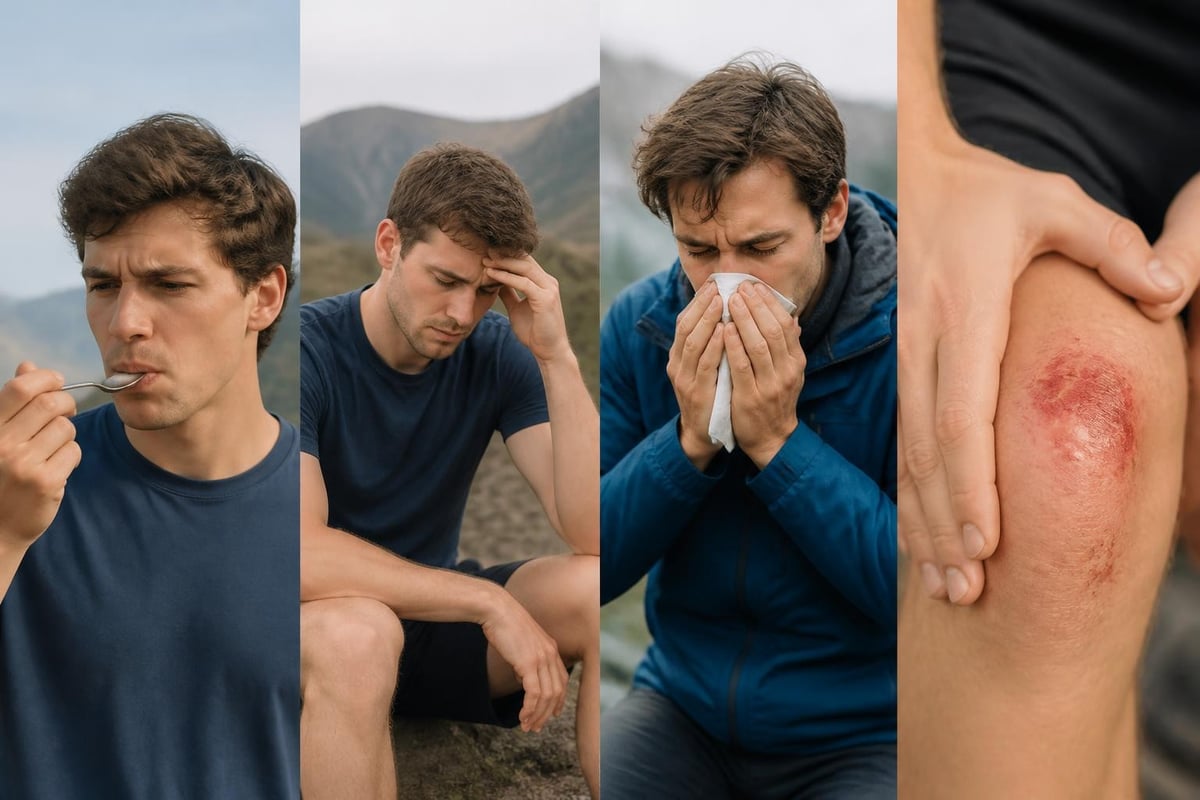
- Weakened immune response and frequent infections
- Slow wound healing and tissue repair
- Loss of appetite and taste sensation changes
- Hair loss and skin lesions
- Difficulty concentrating and mental fog
- Delayed growth in children and adolescents
- Eye problems and night vision impairment
Outdoor enthusiasts face particular vulnerability to marginal zinc deficiency. Extended hunting trips with limited food variety, reliance on preserved or processed foods in the field, and increased zinc loss through perspiration during warm-weather activities all contribute to depletion risks.
Risk Factors for Deficiency
Certain populations demonstrate increased susceptibility to zinc deficiency. Vegetarians and vegans face elevated risks due to lower dietary zinc intake and reduced bioavailability from plant sources. Older adults may experience absorption difficulties, while individuals with gastrointestinal disorders often struggle to maintain adequate zinc levels.
Medical News Today provides detailed information about zinc's health benefits and the serious consequences of prolonged deficiency, including impaired immune function and increased infection susceptibility.
Supplementation: When and How
While dietary sources provide the optimal zinc delivery method, supplementation serves important roles for specific populations and circumstances. Understanding appropriate supplement use helps individuals make informed decisions about their nutritional strategies.
Supplement Types and Bioavailability
| Supplement Form | Absorption Rate | Common Uses |
|---|---|---|
| Zinc picolinate | High | General supplementation |
| Zinc citrate | High | Daily maintenance |
| Zinc gluconate | Moderate | Cold remedies |
| Zinc acetate | Moderate | Lozenges |
| Zinc sulfate | Lower | Cost-effective option |
Research on zinc supplements from Healthline indicates that different formulations offer varying absorption rates and effectiveness profiles. Zinc picolinate and zinc citrate generally provide superior bioavailability compared to zinc oxide or sulfate forms.
Recommended Dosages
The upper tolerable intake level for adults stands at 40 milligrams daily from all sources. Exceeding this threshold can trigger adverse effects including nausea, vomiting, loss of appetite, stomach cramps, diarrhea, and headaches. Chronic excessive intake may interfere with copper absorption and immune function, paradoxically creating the very problems zinc supplementation aims to prevent.
For individuals considering supplementation, starting with 15-30 milligrams daily provides a safe approach. Those preparing for extended hunting expeditions or intensive outdoor activities might benefit from short-term supplementation in the weeks leading up to their trips, ensuring optimal zinc status before facing challenging conditions.
Zinc Beyond Human Health: Industrial and Practical Applications
The versatility of zinc extends far beyond nutritional applications. Understanding its broader uses provides context for its ubiquity in modern life and helps explain why this element deserves attention from multiple perspectives.
Corrosion Protection for Firearms
Zinc's most significant industrial application involves galvanization, a process that protects steel from corrosion. Material Insights details zinc’s industrial applications, particularly its essential role in preventing rust and degradation in steel products. This protective quality makes zinc crucial for firearms manufacturing and maintenance.
Gun owners regularly encounter zinc in various forms throughout their equipment. Many firearm components incorporate zinc alloys or zinc coatings to resist moisture damage and environmental degradation. The protective zinc layer sacrifices itself preferentially to corrosion, preserving the underlying steel structure.
When selecting firearms and accessories through retailers like RCS Outdoors, understanding finish quality and corrosion resistance helps ensure long-term equipment reliability. Zinc-based protective coatings contribute significantly to the durability of firearms exposed to field conditions.
Ammunition Components
Zinc appears in ammunition manufacturing, primarily in primer formulations and some bullet jacket alloys. Brass cartridge cases contain approximately 30 percent zinc alloyed with copper, providing the optimal combination of strength, malleability, and corrosion resistance. This composition allows cases to expand under firing pressure, seal the chamber effectively, and then return to dimensions suitable for reloading in many calibers.
Zinc and Wound Care in the Field
Outdoor enthusiasts face inevitable minor injuries during their pursuits. Cuts, scrapes, and blisters occur regularly in field environments, and proper healing becomes essential for continuing activities safely and comfortably. Zinc's role in wound healing makes adequate intake particularly important for active individuals.
The mineral participates directly in collagen synthesis, inflammatory response regulation, and immune cell function at wound sites. Cleveland Clinic’s overview of zinc emphasizes its critical importance for tissue repair and recovery processes.
Practical Field Applications
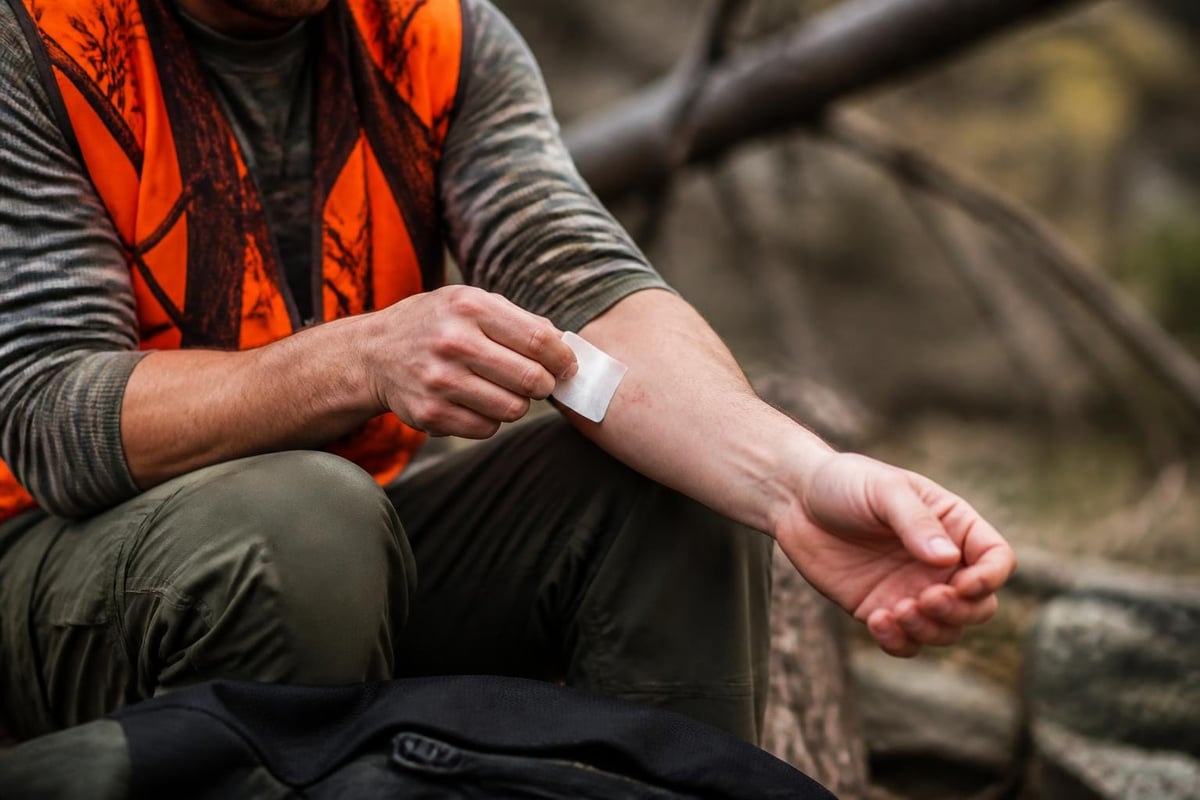
Beyond nutritional support, topical zinc compounds offer practical benefits for minor wound care. Zinc oxide paste provides protective barriers against moisture and friction, making it valuable for preventing and treating hot spots during long hikes or hunts. Many first-aid kits designed for outdoor use include zinc-based ointments specifically for their protective and healing properties.
For individuals participating in upland hunting experiences, where extended walking through varied terrain is common, maintaining proper zinc levels supports both injury prevention through enhanced tissue integrity and faster recovery if minor injuries occur. Those interested in premium upland hunting opportunities might explore The Upland Escape Giveaway, which offers a traditional hunting experience at Heartland Lodge, where physical endurance and recovery capacity directly impact enjoyment and success.
Seasonal Considerations for Zinc Intake
Seasonal variations in diet, activity levels, and environmental conditions influence zinc requirements throughout the year. Recognizing these fluctuations helps outdoor enthusiasts optimize their nutritional strategies for different hunting seasons and outdoor pursuits.
Winter Hunting Season
Cold-weather hunting presents unique nutritional challenges. The body requires additional energy to maintain core temperature, potentially increasing nutrient demands including zinc. Winter diets often feature increased consumption of hearty meats and stews, naturally providing enhanced zinc intake when the body may need it most.
However, reduced variety in winter diets can sometimes lead to nutritional gaps. Hunters spending extended periods in cold environments should pay particular attention to maintaining balanced nutrition despite the comfort appeal of simple, repetitive meal patterns.
Spring and Summer Activities
Warm-weather outdoor activities increase zinc loss through perspiration. Turkey hunters pursuing gobblers through spring mornings and shooters practicing at outdoor ranges during summer months lose measurable zinc quantities through sweat. This depletion combines with potentially reduced meat consumption during warmer months when lighter meals appeal more strongly.
Planning seasonal nutrition strategies helps maintain consistent zinc status year-round. Incorporating zinc-rich snacks like pumpkin seeds or beef jerky during warm-weather outings provides convenient supplementation without requiring elaborate meal preparation.
Special Populations and Considerations
Different groups within the outdoor community face unique zinc-related considerations based on their specific activities, ages, and health status.
Competitive Shooters
Precision shooting demands exceptional focus, steady hands, and mental clarity. While direct research specifically linking zinc to shooting performance remains limited, the mineral's established roles in cognitive function and neurotransmitter regulation suggest potential benefits. Competitive shooters might consider zinc status as one component of comprehensive nutritional optimization strategies.
Older Hunters
Age-related changes in zinc absorption and metabolism mean older hunters may require increased dietary intake or supplementation to maintain optimal levels. Combined with potentially reduced caloric intake and changes in food preferences, this demographic faces elevated deficiency risks. Proactive monitoring and supplementation when appropriate helps maintain the physical capabilities necessary for continuing outdoor pursuits through later decades.
Youth Development
Young hunters and shooters in developmental stages require adequate zinc for proper growth, immune function, and cognitive development. Parents introducing children to shooting sports and hunting traditions should ensure their diets contain sufficient zinc from varied sources. The habits established during youth often persist throughout life, making early nutrition education valuable for long-term health.
Interactions and Precautions
Understanding how zinc interacts with other nutrients, medications, and supplements helps individuals avoid potential complications while maximizing benefits.
Nutrient Interactions
Zinc competes with copper for absorption in the digestive system. Long-term high-dose zinc supplementation can induce copper deficiency, leading to anemia and neurological problems. Maintaining proper balance requires either consuming adequate copper through diet or choosing supplements that include both minerals in appropriate ratios.
Similarly, zinc and iron compete for absorption when consumed simultaneously in supplement form. Taking these minerals at different times of day optimizes uptake of both nutrients.
Medication Considerations
Several medication classes interact with zinc absorption or function. Antibiotics, particularly tetracyclines and quinolones, bind to zinc in the gastrointestinal tract, reducing effectiveness of both the medication and zinc absorption. Spacing these medications several hours apart from zinc supplements prevents this interaction.
Diuretics increase zinc excretion through urine, potentially necessitating increased intake for individuals using these medications long-term. Anyone taking prescription medications should consult healthcare providers before beginning zinc supplementation to identify potential interactions specific to their situation.
Testing and Monitoring Zinc Status
Accurately assessing zinc status presents technical challenges, as standard blood tests may not reliably reflect total body zinc stores. Most zinc in the body resides within cells rather than circulating in plasma, and plasma levels remain relatively stable even as tissue stores become depleted.
Despite these limitations, healthcare providers can evaluate zinc status through combination approaches including dietary assessment, symptom evaluation, and plasma zinc testing. Individuals concerned about potential deficiency should discuss testing options with qualified healthcare professionals rather than self-diagnosing based on symptoms alone.
For outdoor enthusiasts experiencing unexplained fatigue, frequent infections, or slow wound healing, zinc deficiency represents one potential contributing factor worth investigating alongside other possible causes.
Practical Implementation Strategies
Translating zinc knowledge into practical daily habits ensures consistent adequate intake without requiring constant attention to nutritional details.
Meal Planning Approaches
Building meals around zinc-rich protein sources provides the foundation for adequate intake. Planning hunt camp menus to include varied meat sources, nuts, seeds, and whole grains creates diverse zinc delivery throughout multi-day trips. Portable zinc-rich snacks like trail mix with pumpkin seeds, beef jerky, or cheese provide convenient field nutrition.
Supplement Timing
For individuals choosing supplementation, consistency matters more than precise timing. Taking zinc with food reduces stomach upset risks but may slightly decrease absorption. Finding a sustainable routine that balances tolerability with effectiveness produces better long-term results than theoretically optimal timing that proves difficult to maintain.
Splitting higher doses throughout the day rather than taking a single large dose may improve absorption efficiency and reduce gastrointestinal side effects. A 30-milligram daily supplement might be better utilized when taken as 15 milligrams twice daily rather than 30 milligrams once.
Maintaining optimal zinc levels supports immune function, wound healing, and physical performance-all essential for outdoor enthusiasts who demand peak capability from their bodies in challenging environments. Whether you're preparing for an extended hunting expedition, maintaining your skills at the range, or simply ensuring you're ready for whatever adventure calls, proper nutrition forms the foundation for success. Browse the extensive selection of firearms, ammunition, and accessories at RCS Outdoors to equip yourself with the tools you need, and remember that proper nutrition equips your body for the demands of outdoor pursuits.


