
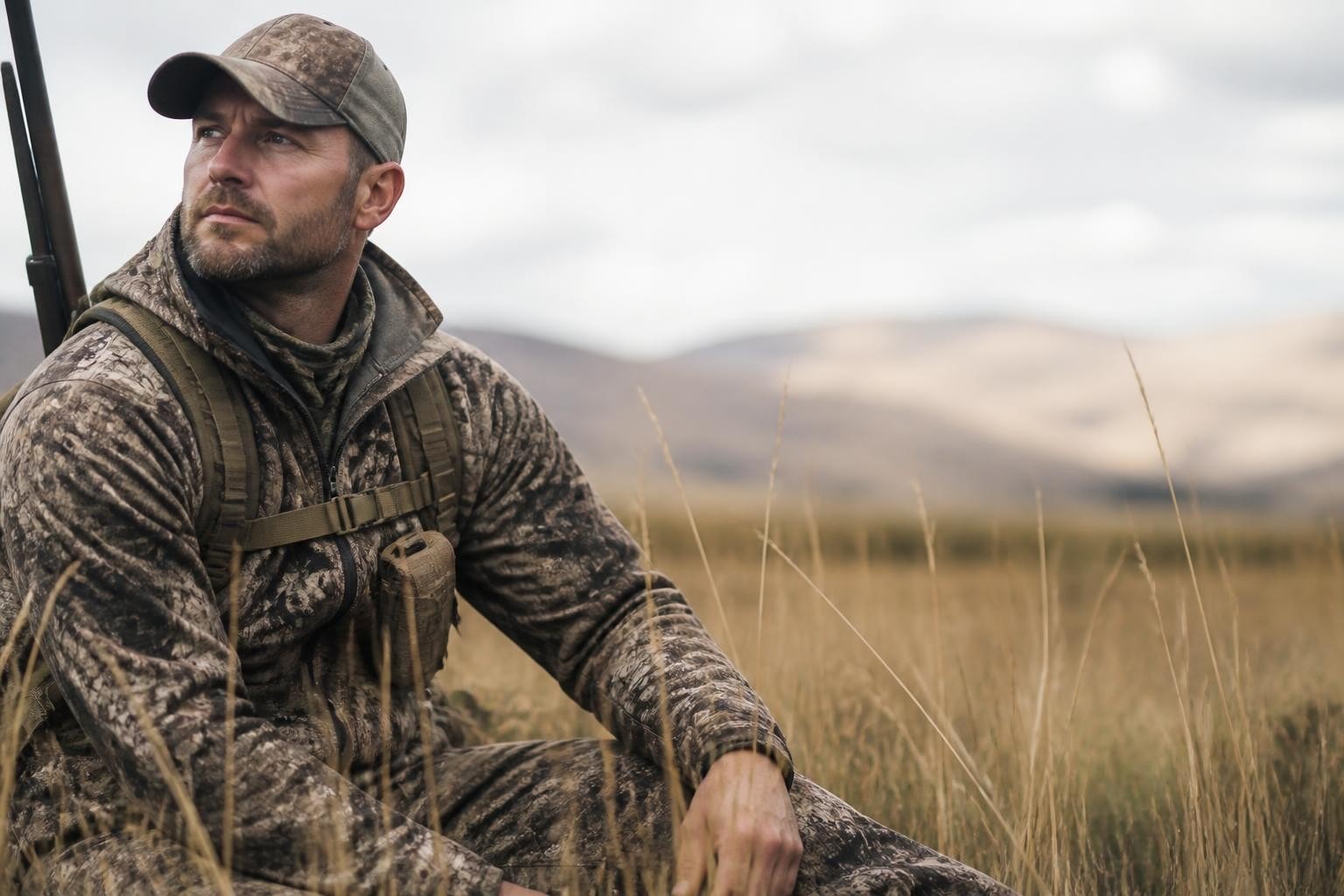
Trace Minerals for Hunters: Essential Nutrition Guide
Hunters and outdoor enthusiasts demand peak physical performance in challenging conditions, yet many overlook a critical component of optimal health: trace minerals. These micronutrients, required in small amounts but essential for countless bodily functions, directly impact stamina, recovery, cognitive sharpness, and immune resilience. Understanding which trace minerals matter most and how to maintain adequate levels can make the difference between a successful hunt and early fatigue in the field. This comprehensive guide explores the science behind these vital nutrients and their practical application for anyone pursuing outdoor activities.
Understanding Trace Minerals and Their Role in Human Health
Trace minerals represent a category of essential nutrients that the body requires in amounts less than 100 milligrams daily. Despite their minimal quantity requirements, these micronutrients perform critical functions that affect every system in the human body. The primary trace minerals include iron, zinc, copper, selenium, iodine, manganese, fluoride, chromium, and molybdenum.
The Distinction Between Macro and Trace Minerals
While macrominerals like calcium, magnesium, and potassium are needed in larger quantities, trace minerals work at the cellular level to enable enzymatic reactions, hormone production, and antioxidant defense mechanisms. The body cannot synthesize these elements, making dietary intake the only source for maintaining adequate levels.
Key characteristics of trace minerals:
- Required in amounts less than 100mg per day
- Essential for enzymatic functions and metabolic processes
- Cannot be produced by the body
- Both deficiency and excess can cause health problems
- Work synergistically with vitamins and other nutrients
Critical Trace Minerals for Outdoor Performance
Physical activities like hunting, hiking, and shooting sports place unique demands on the body. Certain trace minerals become particularly important for maintaining performance during extended outdoor pursuits.
Iron: Oxygen Transport and Energy Production
Iron serves as the cornerstone of hemoglobin production, enabling red blood cells to transport oxygen throughout the body. For hunters trekking through varied terrain or spending hours in tree stands, adequate iron levels prevent fatigue and maintain mental clarity.
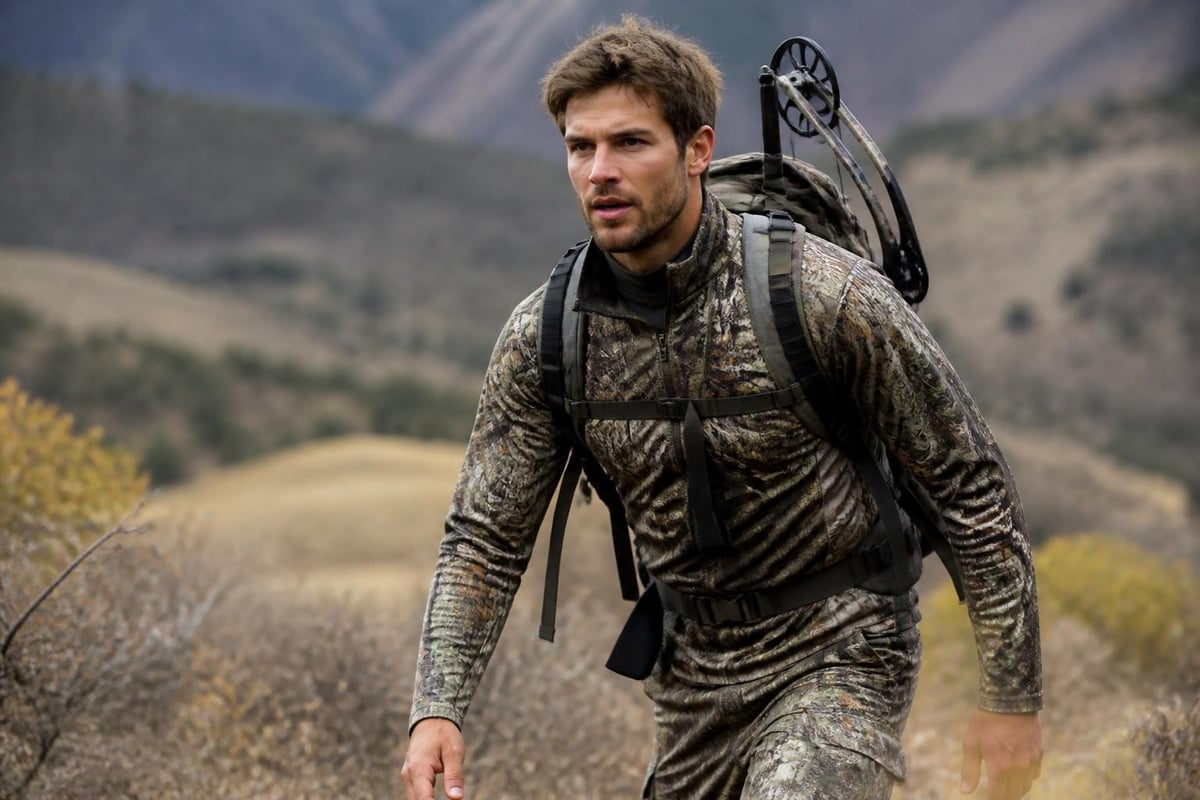
Adult men require approximately 8mg of iron daily, while women need 18mg due to menstrual losses. Dietary sources rich in iron include red meat, organ meats, poultry, and fish, making wild game an excellent natural source for hunters who process their own harvests.
Zinc: Immune Function and Tissue Repair
Zinc supports over 300 enzymatic reactions in the body, with particular importance for immune system function, wound healing, and protein synthesis. Hunters exposed to variable weather conditions and potential minor injuries benefit significantly from adequate zinc intake.
| Trace Mineral | Daily Requirement | Primary Functions | Top Food Sources |
|---|---|---|---|
| Iron | 8-18mg | Oxygen transport, energy production | Red meat, organ meats, poultry |
| Zinc | 11-15mg | Immune function, wound healing | Oysters, beef, pumpkin seeds |
| Selenium | 55mcg | Antioxidant protection, thyroid function | Brazil nuts, fish, eggs |
| Copper | 900mcg | Connective tissue formation, iron metabolism | Shellfish, nuts, seeds |
The recommended daily intake stands at 11mg for men and 8mg for women. Zinc deficiency can manifest as decreased immune response, slower wound healing, and reduced sense of taste or smell, all critical senses for outdoor activities.
Selenium: Antioxidant Defense and Thyroid Health
This powerful antioxidant mineral protects cells from oxidative damage caused by physical stress and environmental exposure. Selenium also plays a vital role in thyroid hormone metabolism, which regulates body temperature and metabolic rate during cold-weather hunting seasons.
Brazil nuts contain exceptionally high selenium concentrations, with just two nuts providing the daily requirement of 55 micrograms. Fish, particularly tuna and halibut, also offer excellent selenium content.
Recognizing Trace Mineral Deficiencies
Identifying deficiency symptoms early allows for dietary corrections before performance significantly declines. Many outdoor enthusiasts attribute fatigue or decreased stamina to aging or conditioning, when trace mineral imbalances may be the underlying cause.
Common Deficiency Indicators
- Iron deficiency: Persistent fatigue, weakness, pale skin, shortness of breath during exertion
- Zinc deficiency: Frequent infections, slow wound healing, hair loss, decreased appetite
- Selenium deficiency: Muscle weakness, fatigue, mental fog, weakened immune function
- Copper deficiency: Anemia, bone abnormalities, nervous system problems
Physical demands increase trace mineral requirements. Hunters spending multiple days in the field, especially during peak hunting seasons, should pay particular attention to maintaining adequate intake through varied nutrition sources.

Dietary Sources and Nutritional Strategies
Obtaining trace minerals through whole food sources provides the most bioavailable forms with natural cofactors that enhance absorption. Understanding which foods contain essential trace minerals helps outdoor enthusiasts plan nutrition strategies for both daily life and extended hunting trips.
Animal-Based Sources
Wild game and commercially raised meats provide concentrated trace mineral content, particularly iron, zinc, and selenium. Venison, elk, and other game meats often contain higher mineral concentrations than conventional livestock due to varied natural diets.
Top animal-based trace mineral sources:
- Organ meats (liver, kidney, heart)
- Shellfish and oysters
- Red meat and game animals
- Poultry and eggs
- Fatty fish (salmon, mackerel, sardines)
Plant-Based and Supplemental Options
While animal products generally provide superior bioavailability for trace minerals like iron and zinc, plant sources contribute important amounts along with complementary nutrients. Seeds, nuts, legumes, and whole grains offer trace minerals alongside fiber, healthy fats, and phytonutrients.
Hunters preparing for extended trips, such as those participating in The Upland Escape Giveaway at Heartland Lodge, should plan meals that incorporate diverse trace mineral sources to maintain energy and performance throughout multi-day hunting experiences.
Trace Minerals and Physical Performance Optimization
The connection between trace mineral status and athletic performance has been extensively documented. For hunters, this translates directly to endurance, accuracy, reaction time, and recovery between outings.
Copper and Energy Metabolism
Copper enables iron absorption and utilization, making it indirectly critical for oxygen transport. Additionally, copper functions as a cofactor for enzymes involved in energy production within mitochondria. The recommended 900 micrograms daily comes easily from nuts, seeds, and organ meats.
Manganese for Joint Health and Metabolism
This often-overlooked trace mineral supports cartilage formation and bone health, essential for hunters navigating rough terrain. Manganese also participates in carbohydrate and amino acid metabolism, affecting sustained energy availability during long hunts.
| Performance Factor | Supporting Trace Minerals | Mechanism of Action |
|---|---|---|
| Endurance | Iron, Copper | Oxygen transport and utilization |
| Muscle Function | Magnesium, Selenium | Contraction efficiency, oxidative protection |
| Recovery Speed | Zinc, Copper | Tissue repair, inflammation control |
| Cognitive Sharpness | Iron, Iodine | Brain oxygenation, neurotransmitter production |
Chromium and Blood Sugar Regulation
Chromium enhances insulin sensitivity and helps maintain stable blood glucose levels. For hunters spending hours without regular meals, chromium supports steady energy availability and prevents the mental fog associated with blood sugar fluctuations.
Balancing Intake: The Risks of Excess
While deficiency poses clear risks, excessive trace mineral intake can be equally problematic. The narrow therapeutic window between adequacy and toxicity requires careful attention, particularly when using supplements.
Toxicity Concerns and Upper Limits
Iron overload can damage organs, particularly the liver and heart. Men and postmenopausal women face higher risks since they lack the natural iron loss mechanism of menstruation. Selenium toxicity causes hair loss, nail brittleness, and neurological symptoms when intake exceeds 400 micrograms daily.
Safe upper limits for key trace minerals:
- Iron: 45mg/day
- Zinc: 40mg/day
- Selenium: 400mcg/day
- Copper: 10mg/day
- Manganese: 11mg/day
Most individuals obtaining trace minerals from food sources alone rarely approach toxic levels. Supplements, particularly those containing multiple minerals, require careful attention to total daily intake from all sources.
Practical Application for Hunters and Outdoor Enthusiasts
Translating trace mineral knowledge into practical nutrition strategies enhances both daily health and field performance. Successful hunters understand that preparation extends beyond equipment and marksmanship to include optimal physical conditioning.
Pre-Season Nutrition Planning
Building robust trace mineral stores before hunting season begins provides a foundation for sustained performance. This involves gradually increasing intake of mineral-rich foods three to four months before peak hunting activities.
Begin by auditing current dietary patterns to identify potential gaps. Most Americans consume adequate amounts of some trace minerals while falling short on others. Comprehensive nutritional assessments can reveal specific deficiencies requiring targeted intervention.
Field Nutrition Strategies
Maintaining trace mineral intake during multi-day hunting trips requires planning and preparation. Shelf-stable, nutrient-dense foods travel well and provide concentrated mineral content without refrigeration requirements.
Recommended trail foods for trace mineral support:
- Mixed nuts and seeds (selenium, zinc, copper)
- Beef jerky or dried game meat (iron, zinc)
- Dark chocolate (magnesium, iron, copper)
- Dried fruits with nuts (iron, potassium)
- Whole grain crackers with nut butter (manganese, selenium)
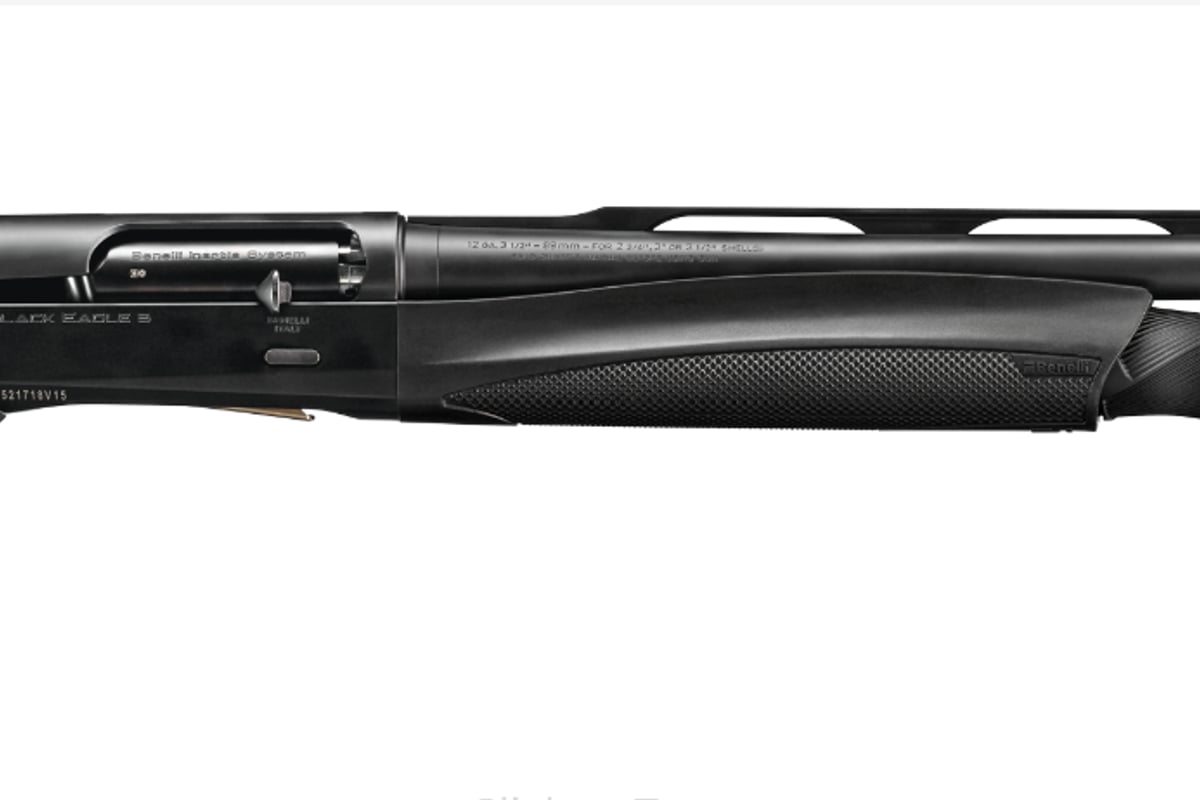
Hunters at RCS Outdoors recognize that successful outings depend on preparation across multiple domains, from selecting appropriate firearms and ammunition to ensuring proper nutrition for peak performance.
Trace Minerals and Recovery
Post-hunt recovery determines how quickly the body adapts to physical stress and prepares for the next outing. Trace minerals play essential roles in muscle repair, immune system restoration, and inflammation management.
Zinc for Immune Recovery
Extended time outdoors, variable temperatures, and physical exertion challenge immune function. Zinc supports both innate and adaptive immunity, helping prevent the post-hunt illnesses that can follow intense physical activity in challenging conditions.
Selenium and Oxidative Stress Management
Physical exertion generates reactive oxygen species that damage cellular structures. Selenium-dependent enzymes neutralize these compounds, protecting muscle tissue and accelerating recovery. Adequate selenium intake reduces post-exercise soreness and inflammation.
Seasonal Considerations for Trace Mineral Needs
Different hunting seasons present varied physical demands and environmental challenges that affect trace mineral requirements. Understanding these variations allows for targeted nutritional strategies.
Cold Weather Hunting and Iodine
Iodine supports thyroid function, which regulates metabolic rate and body temperature. Cold-weather hunters benefit from ensuring adequate iodine intake through iodized salt, seafood, or dairy products. The thyroid increases hormone production in response to cold exposure, raising iodine requirements.
Hot Weather Hunting and Mineral Loss
Excessive sweating during early season hunts leads to trace mineral losses, particularly zinc and chromium. Hydration strategies should account for electrolyte and mineral replacement, not just fluid volume.
Testing and Monitoring Trace Mineral Status
While comprehensive micronutrient testing isn't necessary for most individuals, certain circumstances warrant professional assessment. Persistent fatigue, frequent illness, or unexplained performance declines may indicate underlying deficiencies.
When to Consider Professional Testing
Athletes and serious outdoor enthusiasts pushing physical limits benefit from periodic nutritional assessments. Blood tests can measure serum levels of iron, zinc, selenium, and copper, though these don't always reflect total body stores.
Indicators suggesting the need for testing:
- Chronic fatigue despite adequate sleep
- Recurring infections or slow wound healing
- Unexplained muscle weakness or cramping
- Difficulty maintaining body temperature
- Mental fog or concentration problems
Working with healthcare providers familiar with athletic nutrition ensures appropriate interpretation and intervention when deficiencies are identified.
Integrating Trace Minerals Into Overall Wellness
Trace minerals function as part of a comprehensive nutritional framework that includes macronutrients, vitamins, hydration, and energy balance. No single nutrient operates in isolation, making varied, whole-food diets the foundation of optimal health.
The Synergy of Micronutrients
Vitamin C enhances iron absorption from plant sources, while vitamin D facilitates calcium and magnesium utilization. These interactions demonstrate why supplementing individual minerals without considering the broader nutritional context can prove ineffective or counterproductive.
Building meals around minimally processed whole foods naturally provides trace minerals in appropriate ratios with complementary nutrients. This approach reduces the need for supplementation while supporting overall health beyond specific mineral requirements.
Long-Term Health Beyond the Hunt
The benefits of adequate trace mineral intake extend far beyond immediate performance. Bone health, cardiovascular function, and cognitive preservation throughout the lifespan depend on maintaining optimal mineral status year after year.
Establishing nutrition habits that consistently deliver adequate trace minerals creates a foundation for lifelong health, enabling continued participation in outdoor activities well into later decades.
Maintaining optimal trace mineral status through informed dietary choices directly supports the stamina, recovery, and overall health that hunting and outdoor activities demand. By incorporating diverse, nutrient-dense whole foods and understanding individual mineral functions, outdoor enthusiasts can enhance both immediate performance and long-term wellness. Whether you're preparing for your next hunting trip or exploring new outdoor pursuits, RCS Outd oors provides the equipment and resources to support your adventures while you take care of the nutritional foundation that makes them possible.


