

Deer Hunters Guide: Essential Tips for Success in 2026
The pursuit of whitetail deer represents one of America's most cherished outdoor traditions, drawing millions to the field each fall. Successful deer hunters understand that modern hunting requires more than just showing up on opening day-it demands careful planning, proper equipment, knowledge of regulations, and ethical field practices. Whether you're a seasoned veteran or preparing for your first season, understanding the fundamentals of deer hunting can dramatically improve your success rate and enhance your overall experience in the field.
Understanding Deer Behavior and Patterns
Deer hunters who consistently fill their tags share one common trait: they understand how whitetail deer think, move, and respond to environmental pressures. White-tailed deer are creatures of habit, following predictable patterns based on food sources, bedding areas, and breeding cycles.
Seasonal Movement Patterns
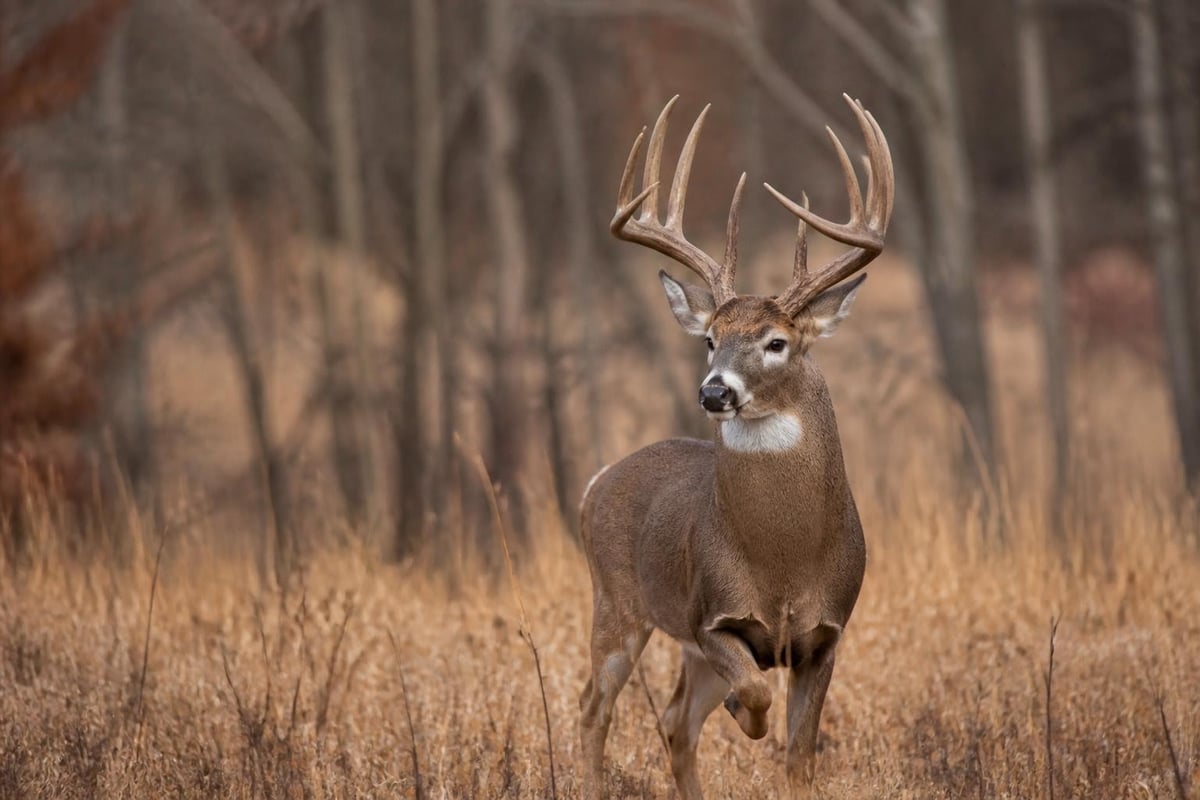
During early season, deer concentrate around food sources like agricultural fields, oak flats producing acorns, and browse-rich areas. As autumn progresses and the rut approaches, bucks abandon their cautious feeding patterns to pursue does, creating opportunities for deer hunters who position themselves strategically.
The pre-rut phase typically occurs in late October through early November, when bucks begin establishing dominance and creating scrapes along travel corridors. Understanding these behavioral shifts allows hunters to adjust their strategies accordingly.
Key behavioral indicators include:
- Rub lines marking territorial boundaries
- Scrape activity near bedding-to-feeding transitions
- Increased daytime movement during peak rut
- Concentrated feeding before weather fronts
- Shift to thermal cover during extreme conditions
Reading Sign and Scouting Effectively
Effective scouting separates successful deer hunters from those who rely purely on luck. Fresh rubs on saplings indicate recent buck activity, with larger rubs suggesting mature animals. Scrapes located under overhanging branches serve as communication hubs where deer deposit scent markers.
Trail camera data provides invaluable intelligence about deer movement, helping hunters identify mature bucks and their patterns. Position cameras along pinch points, field edges, and travel corridors connecting bedding to feeding areas.
Essential Gear and Equipment Selection
Modern deer hunters benefit from decades of technological advancement in firearms, optics, and field equipment. Selecting appropriate gear for your hunting style and environment dramatically impacts both comfort and success.
Firearms and Ammunition Considerations
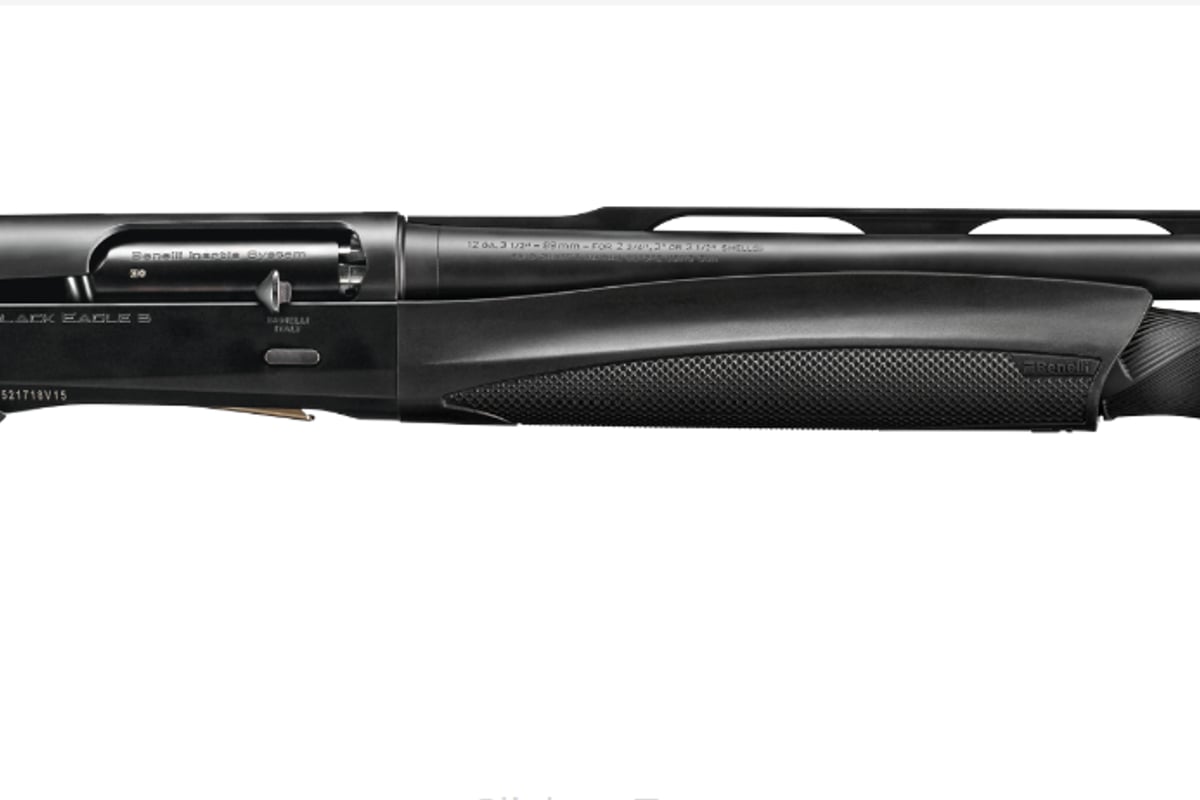
The choice between rifles, shotguns, and muzzleloaders often depends on state regulations and hunting terrain. Many deer hunters in shotgun-only zones achieve excellent results with modern slug guns, while others hunting expansive terrain prefer rifles chambered in calibers like .308 Winchester or 6.5 Creedmoor. Understanding regulations regarding shotgun use for deer hunting helps hunters select appropriate firearms for their region.
| Firearm Type | Effective Range | Terrain Best Suited | Common Calibers/Gauges |
|---|---|---|---|
| Bolt-Action Rifle | 300+ yards | Open country, fields | .308, .30-06, 6.5 CM |
| Shotgun (slug) | 150 yards | Thick cover, regulated zones | 12-gauge, 20-gauge |
| Muzzleloader | 200 yards | Primitive seasons | .50 caliber |
| AR-Platform | 300 yards | Variable terrain | .223, .308, 6.5 Grendel |
Choosing quality ammunition matters as much as the firearm itself. Premium bullets designed for deer-sized game offer reliable expansion and weight retention, ensuring ethical harvests.
Clothing and Layering Systems
Temperature regulation challenges even experienced deer hunters. Effective layering systems use moisture-wicking base layers, insulating mid-layers, and weather-resistant outer shells. Michigan’s deer hunting gear checklist provides comprehensive guidance for hunters preparing for variable conditions.
Essential clothing components include:
- Merino wool or synthetic base layers
- Fleece or down insulation layers
- Windproof and waterproof outer shell
- Quality insulated boots rated for expected temperatures
- Quiet outer garments for stalking situations
Hunter orange requirements vary by state, with most jurisdictions requiring a minimum of 400-500 square inches of blaze orange on the upper body. Missouri's regulations specify particular hunter-orange requirements and hunting method restrictions that hunters must observe.
Hunting Strategies and Techniques
Adaptability separates competent deer hunters from exceptional ones. Different property types, hunting pressure levels, and seasonal phases demand distinct tactical approaches.
Stand Placement and Location Strategy
Treestand and ground blind placement requires understanding wind direction, approach routes, and deer travel patterns. Position stands along transition zones where deer move between bedding and feeding areas, typically 15-20 feet high for optimal scent dispersion.
Edge habitat where timber meets open ground creates natural funnels that concentrate deer movement. Saddles, ridges, and creek crossings serve as natural travel corridors that savvy deer hunters exploit.
Wind direction dictates everything. Even perfect stand locations become worthless when wind carries human scent toward approaching deer. Always maintain multiple stand locations to accommodate shifting wind directions.
Still-Hunting and Stalking Methods
Active hunters who prefer still-hunting must move deliberately through the woods, taking several steps then pausing to scan ahead. This technique works exceptionally well during midday hours when deer bed in predictable locations.
Successful stalking requires:
- Soft-soled boots for quiet movement
- Wind directly in your face
- Glassing ahead before each advance
- Moving during windy conditions that mask sound
- Utilizing terrain features for concealment
The Upland Escape Giveaway from RCS Outdoors showcases the type of premium hunting experiences that elevate outdoor traditions, though focused on upland birds rather than deer hunting specifically.
Legal Requirements and Ethical Responsibilities
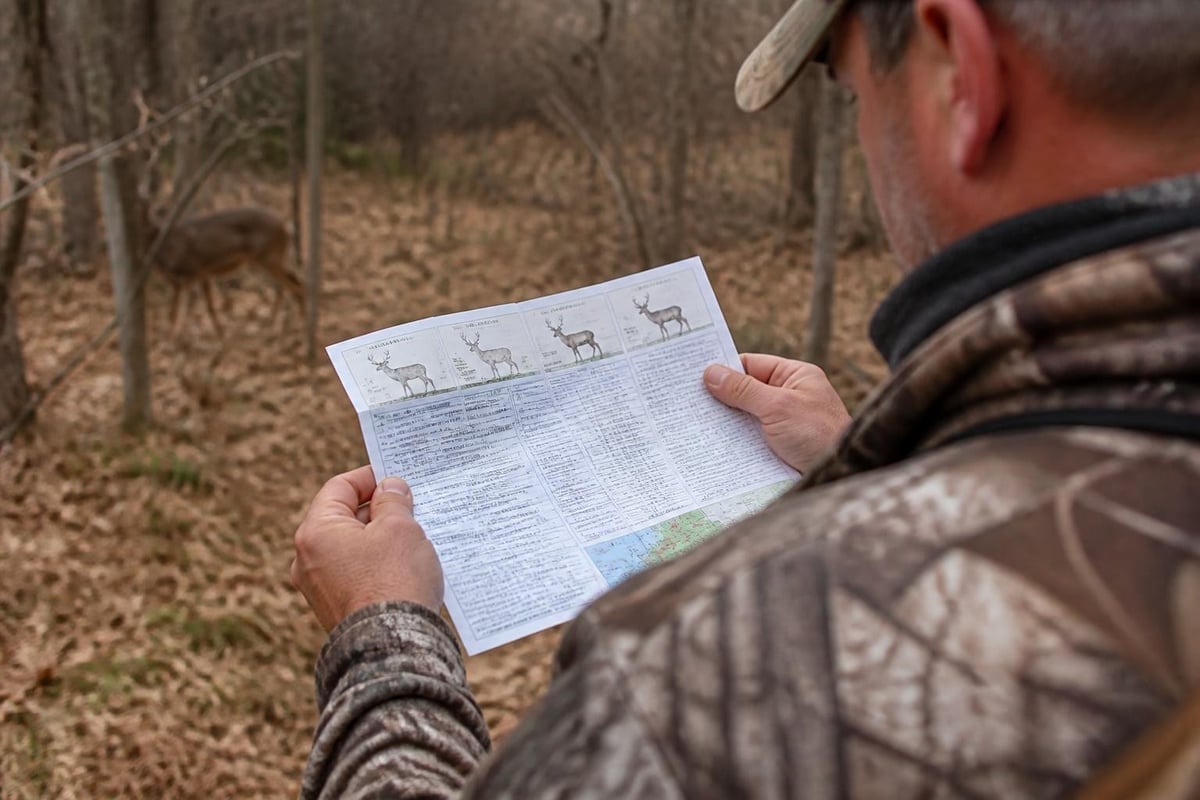
Responsible deer hunters prioritize legal compliance and ethical harvest practices. Regulations vary significantly between states, making thorough research essential before each season.
Licensing and Tag Systems
Most states operate on a combination license system requiring a base hunting license plus deer-specific tags or stamps. Some jurisdictions use lottery systems for premium zones, while others offer over-the-counter tags with specific season dates.
Michigan’s 2025 deer hunting regulations outline complex licensing tiers and antler point restrictions that hunters must understand. Similarly, federal lands often impose additional requirements beyond state regulations, as detailed in the 2025 National Conservation Training Center deer hunt regulations.
Comprehensive understanding of hunting laws, seasons, and bag limits ensures hunters remain compliant while pursuing their passion.
Shot Placement and Tracking
Ethical deer hunters commit to clean, humane kills through proper shot placement. The ideal shot targets the vital zone behind the shoulder, striking both lungs and potentially the heart.
Shot angles and their effectiveness:
| Shot Angle | Effectiveness | Risk Level | Recommended Action |
|---|---|---|---|
| Broadside | Excellent | Low | Take shot confidently |
| Quartering Away | Very Good | Low-Medium | Aim for far-side shoulder |
| Quartering Toward | Fair | Medium-High | Wait for better angle |
| Straight On | Poor | High | Do not shoot |
| Straight Away | Poor | Very High | Do not shoot |
After the shot, deer hunters should mark the exact location where the animal stood and wait at least 30 minutes before tracking, unless the deer drops immediately. Blood trail characteristics reveal hit location-bright red, frothy blood indicates lung shots, while dark blood suggests liver hits requiring extended waiting periods.
Field Dressing and Game Care
Proper game care begins immediately after harvest. Deer hunters must act quickly to preserve meat quality, especially in warm weather conditions.
Field Dressing Fundamentals
Field dressing removes internal organs, allowing the carcass to cool rapidly and preventing bacterial growth. Detailed skinning techniques help hunters efficiently process their harvest while minimizing meat loss.
Essential field dressing steps:
- Position deer on its back with head uphill
- Make initial incision from breastbone to pelvis
- Cut around reproductive organs carefully
- Remove windpipe and esophagus
- Roll carcass to drain cavity completely
- Wipe cavity clean with paper towels
Quality field dressing knives with drop-point blades ranging from 3.5 to 4.5 inches handle most tasks efficiently. Many deer hunters carry bone saws for splitting the pelvis when necessary.
Meat Processing and Storage
Temperature management determines final meat quality. Cool deer carcasses to below 40°F within several hours of harvest. Hanging in shaded, well-ventilated areas accelerates cooling while allowing natural aging processes to tenderize meat.
Quartering large deer in the field reduces pack weight and speeds cooling. Deboning major muscle groups on-site works well for backpack hunts or situations requiring long drags.
Advanced Tactics for Pressured Deer
Public land deer hunters face significant challenges from hunting pressure. Mature bucks adapt quickly to human presence, becoming largely nocturnal during rifle season.
Hunting Pressured Properties
Target sanctuaries where other hunters rarely penetrate-thick swamps, steep terrain, and dense bedding cover. Access these areas from unconventional angles, using creeks or ridgelines to minimize ground scent.
Midday hunting during peak pressure periods catches deer moving between scattered hunters. Bucks pushed from traditional bedding often relocate to secondary cover during daylight hours.
Pressure-response tactics include:
- Hunting immediately after weather fronts
- Focusing on evening food sources
- Targeting transition periods at dawn/dusk
- Utilizing saddles and funnels
- Hunting Monday-Thursday when pressure decreases
RCS Outdoors provides hunters with quality firearms and ammunition suitable for various hunting scenarios and pressure situations.
Rut Hunting Strategies
The rut transforms deer behavior completely, offering deer hunters their best opportunity at mature bucks. Bucks abandon caution, traveling extensively in search of receptive does.
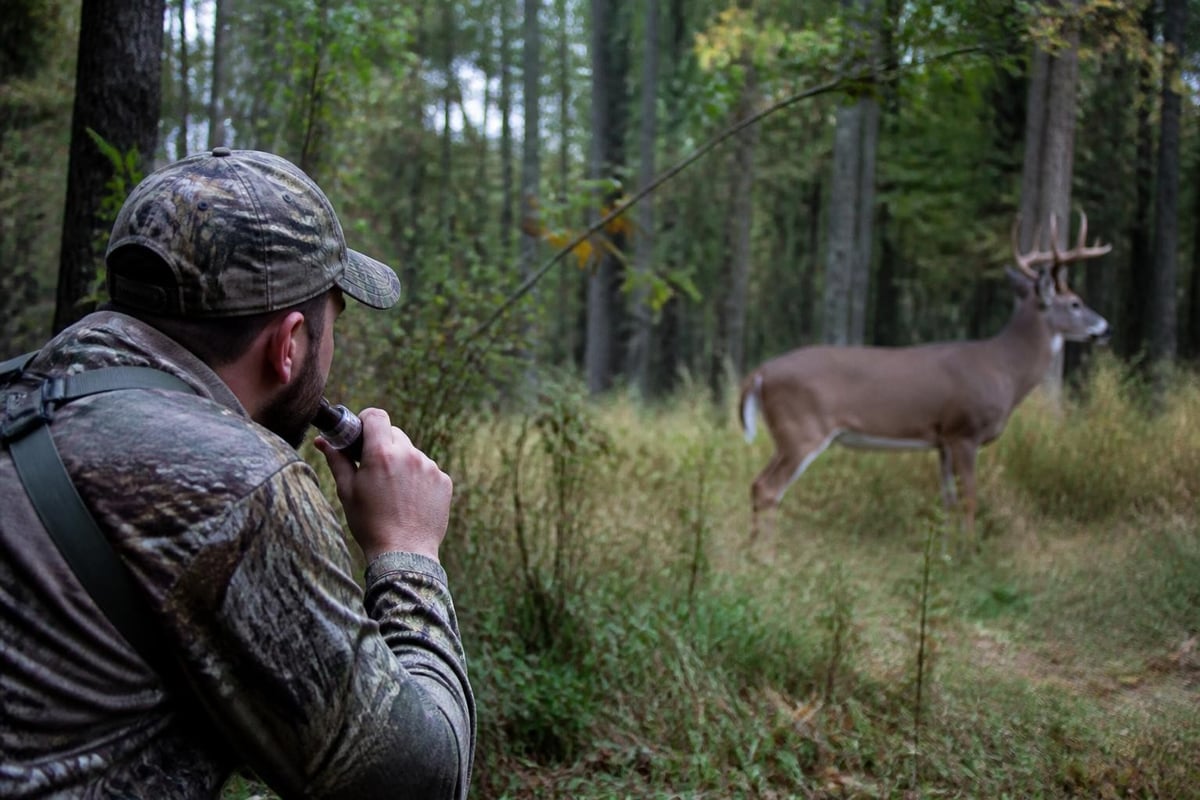
Calling techniques using grunt tubes and doe bleats bring curious bucks within range. Rattling antlers simulate sparring matches, attracting dominant bucks investigating potential rivals. These tactics work best during pre-rut and peak breeding phases.
Scent control becomes less critical during peak rut, as bucks prioritize breeding over survival instincts. However, doe groups remain cautious, often alerting nearby bucks to danger.
Weather Patterns and Their Impact
Weather influences deer movement more than any other factor. Successful deer hunters monitor forecasts constantly, adjusting plans to capitalize on favorable conditions.
Cold Front Advantages
Approaching cold fronts trigger intensive feeding as deer stockpile calories before temperature drops. The 24-48 hours preceding fronts often produce exceptional activity levels, with deer feeding throughout daylight hours.
Post-frontal periods see reduced movement initially, followed by gradual activity increases as deer adapt to new conditions. Clear, cold days with light winds create ideal hunting conditions combining deer movement with comfortable sit times.
Moon Phase Considerations
Debate continues regarding moon phase impacts on deer activity. Some deer hunters swear by moon tables predicting peak movement periods, while others dismiss lunar influence entirely.
Research suggests that moon brightness affects timing more than overall activity levels. Bright full moons may shift feeding to nighttime hours, while dark moon phases concentrate activity around dawn and dusk.
Property Management for Better Hunting
Deer hunters with property access can dramatically improve hunting through strategic habitat management and food plot establishment.
Food Plot Design
Small kill plots positioned near bedding areas pull deer into shooting range during legal light. Larger feeding plots provide nutrition during critical periods while distributing hunting pressure across multiple locations.
Effective food plot species:
- Brassicas (turnips, radishes) for late season
- Clover for year-round attraction
- Cereal grains (wheat, oats) for early season
- Soybeans for summer protein
- Chicory for drought tolerance
Plot placement matters more than size. Quarter-acre plots in strategic locations outperform multi-acre fields in poor positions. Position plots downwind of primary stand locations with easy access routes.
Herd Management Principles
Balanced deer populations produce healthier animals and better hunting opportunities. Aggressive doe harvest prevents overpopulation, improving fawn survival rates and overall herd health.
Quality Deer Management principles emphasize age structure, balanced sex ratios, and adequate nutrition. Protecting young bucks allows them to reach maturity, while harvesting does maintains populations within habitat carrying capacity.
| Management Goal | Strategy | Expected Outcome |
|---|---|---|
| Improve Buck Age | Pass yearlings | More mature bucks in 3-4 years |
| Balance Sex Ratio | Harvest does | Increased competition during rut |
| Reduce Population | Aggressive doe harvest | Improved body weights, antler size |
| Enhance Nutrition | Food plots, TSI | Better overall herd health |
Technology and Modern Hunting Tools
Contemporary deer hunters leverage technology for enhanced success while maintaining traditional values and ethical standards.
Trail Camera Strategies
Modern cellular trail cameras transmit images instantly, providing real-time intelligence about deer movement. Pattern recognition software analyzes thousands of images, identifying individual bucks and their habits.
Strategic camera placement along travel corridors, near scrapes, and at field edges creates comprehensive property surveillance. Many successful deer hunters run 20-30 cameras across their hunting grounds, building detailed movement databases.
Mapping and Navigation Applications
Smartphone applications with satellite imagery allow precise stand placement planning from home. Property boundary overlays prevent accidental trespassing, while topographic features reveal terrain funnels and natural travel routes.
Wind direction predictions help hunters select appropriate stands before leaving home. Real-time wind data prevents wasted sits in poor conditions while maximizing time in optimal locations.
Success in deer hunting comes from combining knowledge, preparation, and ethical field practices with quality equipment and strategic planning. From understanding whitetail behavior and selecting appropriate firearms to mastering advanced tactics for pressured deer, every element contributes to memorable hunting experiences and full freezers. Whether you're upgrading your gear, seeking premium ammunition, or planning your next hunt, RCS Outdoors offers the firearms, accessories, and expertise to support your pursuit of whitetail deer throughout the 2026 season and beyond.


