

Mineral Sites: Essential Guide for Hunters and Outdoorsmen
Hunters and outdoor enthusiasts often focus on habitat, food sources, and weather patterns when planning their expeditions, but one critical element frequently goes overlooked: mineral sites. These naturally occurring deposits of essential minerals play a vital role in wildlife behavior, particularly for game species like deer, elk, and other ungulates. Understanding mineral sites-their formation, location, and impact on animal movement-can dramatically improve your success in the field and deepen your appreciation for the natural systems that sustain healthy wildlife populations. Whether you're scouting new hunting territory or managing your own land, recognizing the significance of these geological features provides a competitive advantage.
Understanding Natural Mineral Sites and Their Formation
Mineral sites develop through complex geological processes spanning thousands of years. These areas contain concentrated deposits of essential elements including sodium, calcium, magnesium, phosphorus, and various trace minerals that animals require for optimal health. The Bureau of Land Management provides comprehensive information on locatable minerals, explaining how these deposits form through erosion, groundwater movement, and volcanic activity.
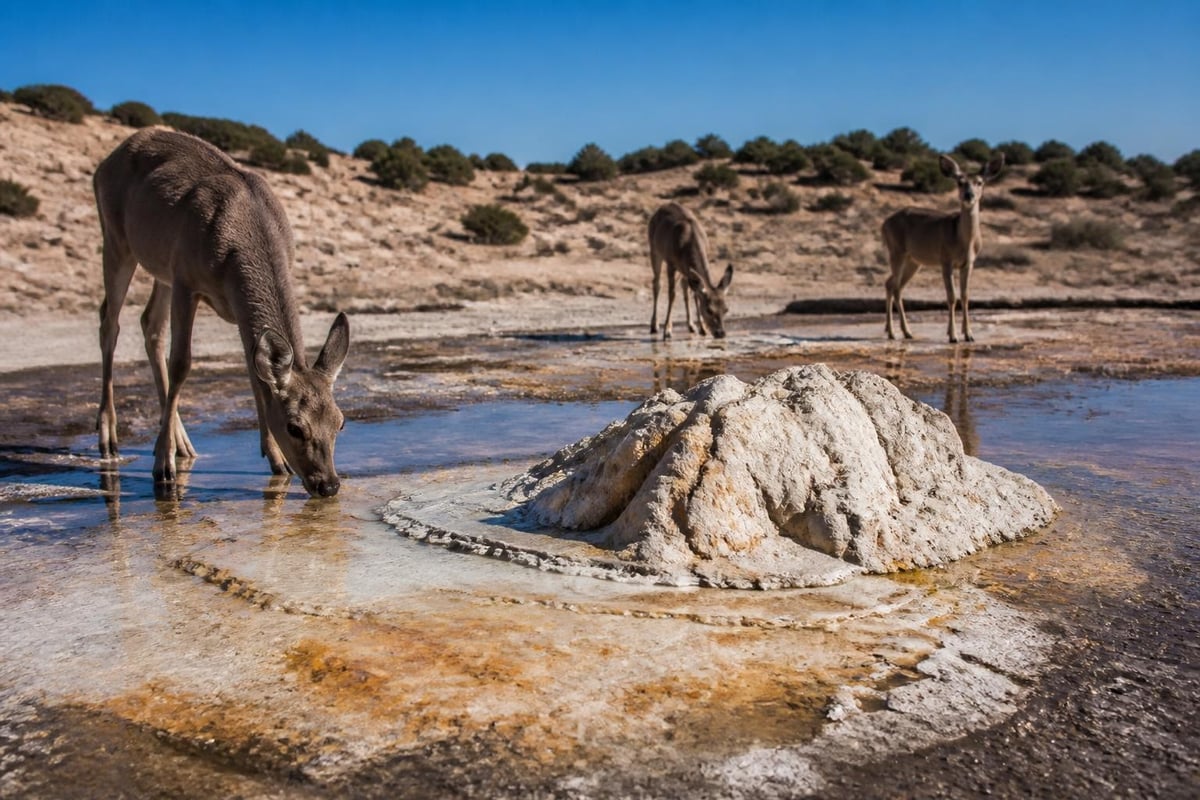
Natural mineral deposits emerge where underground water sources bring dissolved minerals to the surface. As water evaporates or flows away, concentrated mineral residue remains exposed. Animals instinctively seek these locations to supplement dietary deficiencies, particularly during antler growth, pregnancy, and lactation periods.
Geological Indicators of Mineral-Rich Areas
Experienced hunters learn to identify landscape features suggesting mineral site presence. Key indicators include:
- Exposed rock faces with visible mineral staining or discoloration
- Spring seeps where groundwater emerges from hillsides
- Creek banks showing white, yellow, or reddish mineral deposits
- Limestone outcroppings naturally high in calcium content
- Clay deposits animals excavate and consume for minerals
The soil composition surrounding these areas often differs noticeably from adjacent terrain. Sandy or gravelly textures with mineral crystals visible to the naked eye signal valuable sites. Animals create visible trails converging on productive locations, and the ground shows significant disturbance from pawing and digging behavior.
Wildlife Behavior at Mineral Sites
Game animals exhibit predictable patterns when accessing mineral deposits. Deer visit mineral sites most frequently during spring and early summer when antler growth demands substantial calcium and phosphorus intake. Pregnant does similarly require increased mineral consumption to support fetal development and prepare for lactation.
Mineral sites serve as social gathering points where multiple animals feed simultaneously. This concentration creates prime opportunities for wildlife observation and pattern recognition. Dominant bucks often visit during low-light conditions, arriving just before dawn or after dusk to minimize vulnerability.
Seasonal Visitation Patterns
Understanding temporal patterns helps hunters maximize their strategic advantage:
- Spring (March-May): Peak usage as antler growth begins and does prepare for fawning
- Summer (June-August): Continued heavy use during maximum antler development
- Fall (September-November): Decreased visitation as natural forage becomes abundant
- Winter (December-February): Variable use depending on snow cover and food availability
Trail camera surveys at mineral sites reveal that individual animals often visit on predictable schedules. Mature bucks may return to the same location every 3-5 days during peak periods. This consistency makes mineral sites valuable for inventory assessment and target animal identification.
| Season | Visitation Frequency | Primary Users | Best Scouting Time |
|---|---|---|---|
| Spring | Daily to every 2 days | Does, yearlings, immature bucks | Dawn and dusk |
| Summer | Every 2-4 days | All age classes | Nighttime primarily |
| Fall | Weekly or less | Opportunistic | Mid-day |
| Winter | Variable | Does, younger deer | Throughout day |
Locating Productive Mineral Sites in Hunting Territory
Identifying mineral sites requires systematic scouting combined with topographical knowledge. The Bureau of Land Management outlines the process for locating claims, which provides insight into reading geological features that indicate mineral presence.
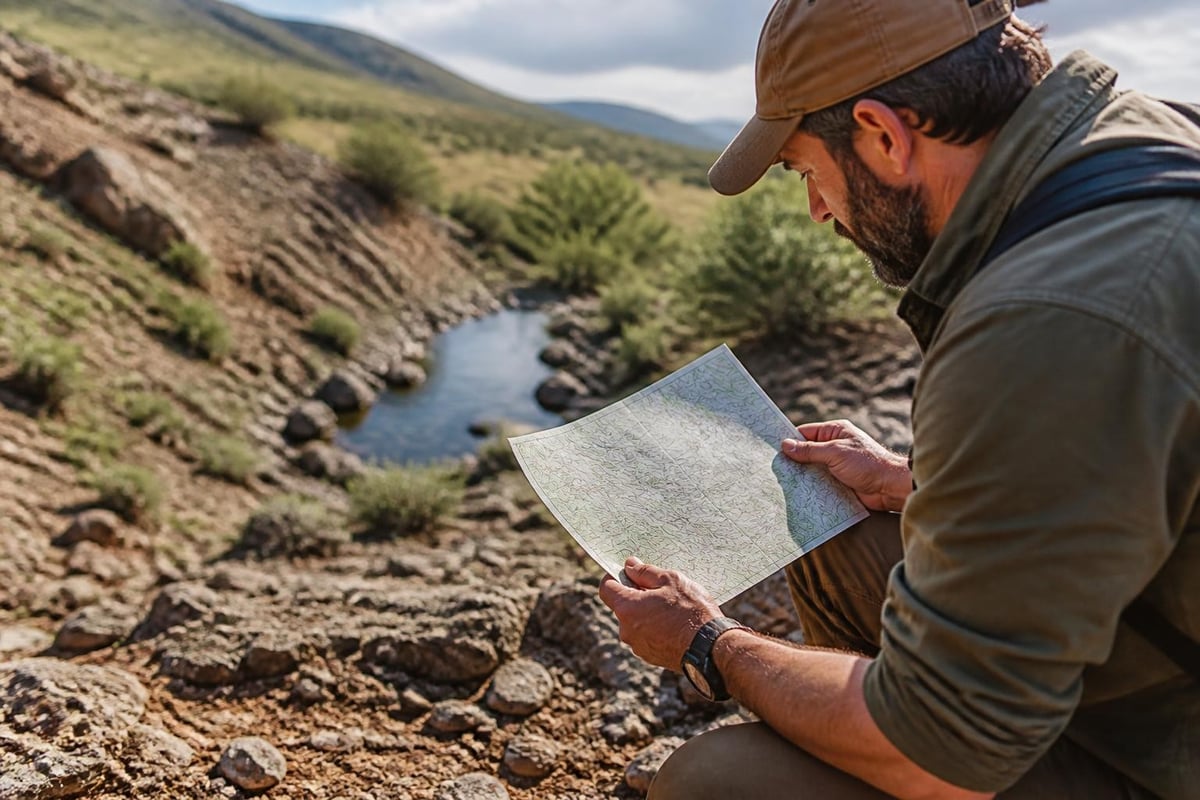
Start by studying topographic maps to identify likely areas. Look for elevation changes where groundwater might surface, creek headwaters, and regions with known geological mineral activity. Historical mining areas often indicate broader mineralization that extends beyond commercial deposits.
Field Reconnaissance Techniques
Physical scouting confirms map-based hypotheses. Walk creeks and drainages during low water periods to examine exposed banks for mineral staining. Springs and seeps deserve particular attention-taste the water if safe to do so, as mineral-rich water often has a distinct flavor animals detect easily.
Animal sign provides direct evidence of mineral site activity:
- Heavy trail networks converging on specific points
- Excavated areas where animals dig for subsurface minerals
- Antler rubs on nearby trees marking territorial boundaries
- Concentrated scat deposits indicating frequent visitation
- Disturbed vegetation from repeated traffic
Many hunters discover mineral sites accidentally while pursuing other activities. Paying attention to where game animals concentrate during off-season scouting trips often reveals previously unknown locations.
Impact on Hunting Strategy and Land Management
Mineral sites fundamentally influence hunting strategy when properly incorporated into overall planning. However, ethical considerations matter significantly. Hunting directly over mineral sites during active use periods raises fair chase questions in many jurisdictions and among hunting communities.
Most responsible hunters use mineral sites for pre-season scouting and pattern establishment rather than direct ambush locations. Trail cameras positioned to monitor mineral site access routes provide intelligence about which animals use the area, their size and age class, and their movement timing.
The knowledge gained helps hunters position stands and blinds along travel corridors animals use when moving between bedding areas and mineral sites. This approach maintains ethical standards while leveraging behavioral insights.
Creating and Enhancing Mineral Sites
Property owners often establish supplemental mineral sites to improve wildlife habitat quality. While artificial mineral supplements differ from naturally occurring geological deposits, the principle remains consistent. Strategic placement attracts animals to specific areas while providing nutritional benefits supporting herd health.
Successful mineral site development requires understanding existing movement patterns and natural mineral deficiencies in the region. Soil testing reveals which elements are lacking in native vegetation, guiding supplementation choices. Position enhanced sites near water sources and along existing travel routes for maximum effectiveness.
When planning your next hunting excursion, consider exploring opportunities that combine traditional hunting experiences with comprehensive wildlife management knowledge. RCS Outdoors partners with Heartland Lodge for The Upland Escape Giveaway, offering a premium hunting package that showcases expert land management principles in one of America's finest wingshooting destinations.

Geological Mapping and Modern Technology
Advanced technology revolutionizes how hunters identify and monitor mineral sites. GPS devices create permanent waypoints for discovered locations, allowing systematic documentation across large properties. Mapping applications let hunters overlay mineral site locations with topographic features, water sources, and observed game movement patterns.
Research on machine learning in remote sensing for mineral exploration demonstrates how technology aids mineral site identification. While developed for commercial applications, similar principles apply to wildlife habitat assessment. Satellite imagery interpretation combined with ground-truthing expeditions increases efficiency when scouting extensive territories.
Trail camera technology specifically designed for wildlife monitoring documents mineral site activity with minimal human intrusion. Modern cameras featuring cellular connectivity transmit real-time images, allowing hunters to track usage patterns without physically visiting sites and disturbing animals.
Data-Driven Hunting Decisions
Systematic data collection transforms mineral site knowledge into actionable intelligence:
- Photo inventory: Categorize animals by age, sex, and antler characteristics
- Temporal analysis: Identify peak visitation times and seasonal trends
- Movement mapping: Connect mineral sites to bedding and feeding areas
- Population assessment: Estimate deer density and herd composition
This information guides decisions about which areas to hunt, when to hunt them, and which animals to pursue. Mature bucks exhibiting predictable mineral site visitation during shooting hours become primary targets, while areas showing only nocturnal activity suggest alternative stand locations along travel routes.
Regional Variations and Habitat Differences
Mineral site importance varies significantly across North America's diverse ecosystems. Western regions with exposed bedrock and limited soil development often feature numerous natural mineral deposits. The Colorado mining and minerals program highlights the state's extensive mineral resources, which correlate with abundant wildlife mineral site usage.
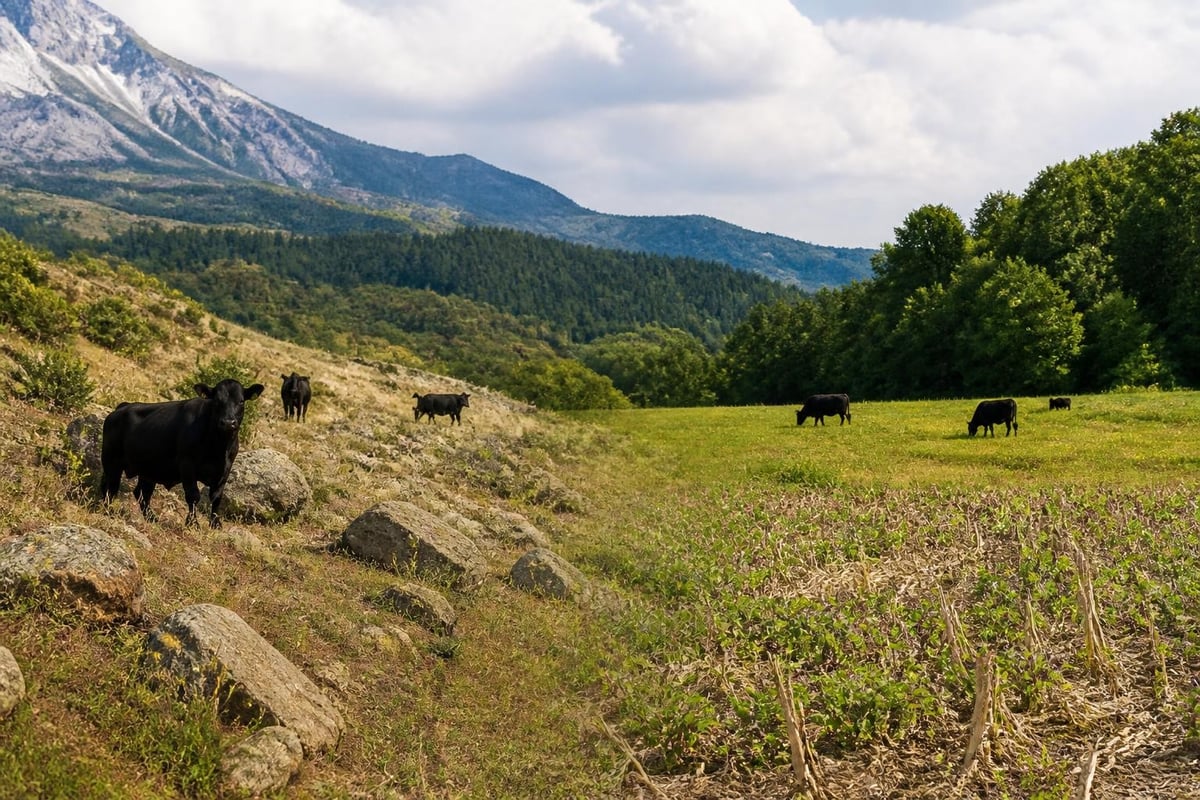
Conversely, heavily forested eastern regions with thick soil layers may have fewer accessible natural mineral sites, making existing locations exceptionally valuable to wildlife. Agricultural areas provide dietary minerals through crops and fertilized fields, potentially reducing natural mineral site dependence.
Understanding your specific region's geological characteristics helps set realistic expectations. Research local geology, consult with state wildlife agencies about mineral deficiencies in native vegetation, and talk with experienced local hunters about known mineral site locations.
State and Federal Land Considerations
Hunters using public lands must navigate specific regulations regarding mineral sites. The National Park Service documents historical mining activities in protected areas, illustrating how past mineral extraction created landscape features animals now utilize. Many old mine sites inadvertently function as mineral sites due to exposed mineral-bearing rock.
Federal and state regulations typically prohibit creating artificial mineral sites on public lands. However, naturally occurring deposits remain legal hunting areas subject to standard fair chase principles. Always verify current regulations before hunting near any mineral site on public property.
Private land offers more flexibility for mineral site enhancement and management. Utah’s minerals program regulates non-coal mining operations, ensuring proper reclamation standards. Understanding these regulations helps landowners develop mineral resources while maintaining habitat quality.
Safety and Environmental Stewardship
Responsible mineral site use requires environmental consciousness. Avoid contaminating sites with human scent, trash, or equipment during scouting visits. Minimize vegetation disturbance around sensitive areas to preserve their natural character and function.
Some mineral deposits contain elements potentially harmful in excessive quantities. While wild animals instinctively regulate consumption, hunters should avoid disturbing mineral-bearing soils that might enter water sources. Erosion control measures protect both mineral site integrity and downstream water quality.
Historical mining areas pose unique hazards including unstable ground, abandoned shafts, and toxic residue from extraction processes. Exercise extreme caution when exploring old mining locations even if they currently attract wildlife. Secure proper permissions and assess structural integrity before approaching old mine sites.
Ethical Hunting Practices
The hunting community continues debating appropriate mineral site use. Many organizations recommend avoiding stands positioned directly over active mineral sites, instead focusing on access routes and nearby feeding areas. This approach respects the principle of fair chase while acknowledging that mineral sites provide valuable scouting intelligence.
Consider your personal ethics and local hunting culture when developing strategies. What seems acceptable in one region or social group may be frowned upon elsewhere. Transparency about your methods and willingness to engage in thoughtful discussion strengthens hunting's social license.
Mineral Sites and Property Valuation
Hunting property buyers increasingly recognize mineral site presence as a value factor. Properties featuring multiple natural mineral deposits command premium prices in regions where such sites are scarce. Real estate listings for hunting land often specifically mention known mineral sites alongside other amenities like water features and established food plots.
Serious land investors conduct thorough geological assessments before purchasing hunting properties. Professional consultations identify potential mineral sites based on topography, hydrology, and rock formations. This due diligence prevents overpaying for properties lacking essential habitat elements while identifying overlooked opportunities.
When evaluating potential purchases, request aerial imagery spanning multiple years to identify areas with persistent wildlife concentration. These patterns often indicate mineral site locations even when ground-level evidence isn't immediately obvious.
Integration with Comprehensive Habitat Management
Mineral sites represent one component of holistic wildlife management rather than a standalone solution. The most productive hunting properties balance multiple habitat elements: quality cover, diverse food sources, reliable water, and mineral availability. Each element supports the others in creating conditions that attract and hold mature animals.
Strategic habitat planning positions mineral sites within broader movement patterns. Ideally, animals should encounter mineral deposits while traveling between bedding areas and preferred food sources. This integration encourages daytime movement through huntable areas rather than isolated nocturnal mineral site visits.
Food plot placement near mineral sites extends visitation opportunities. Animals arriving at mineral deposits often browse nearby vegetation before or after mineral consumption. Well-designed agricultural plots positioned 50-100 yards from mineral sites capture this associated feeding behavior.
Property managers should inventory all natural mineral sites and document their characteristics, usage patterns, and seasonal importance. This baseline information guides long-term management decisions and helps measure habitat improvement success over time.
Mineral sites represent a critical yet often overlooked element connecting geology, wildlife behavior, and hunting success. By understanding how these natural features form, where to find them, and how game animals utilize them, hunters gain significant advantages in both scouting and strategy development. Whether you're pursuing whitetails in eastern hardwoods, elk in western mountains, or upland birds across diverse terrain, recognizing mineral site influence on animal movement patterns enhances your outdoor experience. When you're ready to put this knowledge into practice with quality equipment and ammunition, explore the extensive selection at RCS Outdoors to ensure you're fully prepared for your next adventure afield.


