

Pheasant Lodge: Your Guide to Premier Hunting Retreats
A pheasant lodge represents more than just a place to sleep between hunts. These specialized facilities combine comfortable accommodations, professional guide services, well-managed habitat, and abundant bird populations to create memorable upland hunting experiences. Whether you're planning your first guided hunt or searching for a new favorite destination, understanding what distinguishes exceptional pheasant lodge operations from standard hunting facilities helps ensure your investment delivers the experience you're seeking.
What Defines a Quality Pheasant Lodge
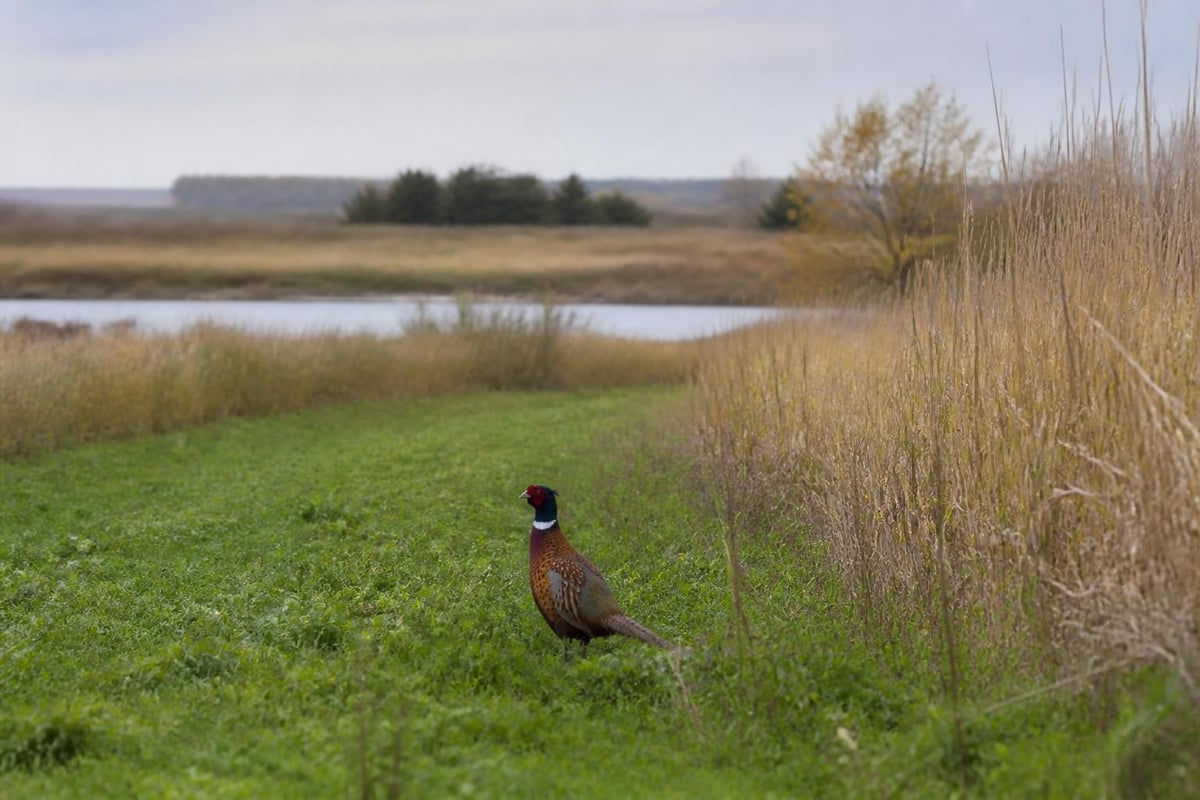
The foundation of any reputable pheasant lodge starts with habitat management and bird populations. Premium operations invest significantly in land management practices that support wild and pen-raised birds throughout the season.
Key habitat features include:
- Native grass plantings that provide cover and nesting areas
- Food plots strategically placed to hold birds
- Wetland areas that offer diverse hunting terrain
- Shelter belts and woody cover for escape routes
- Managed agricultural fields with standing crops
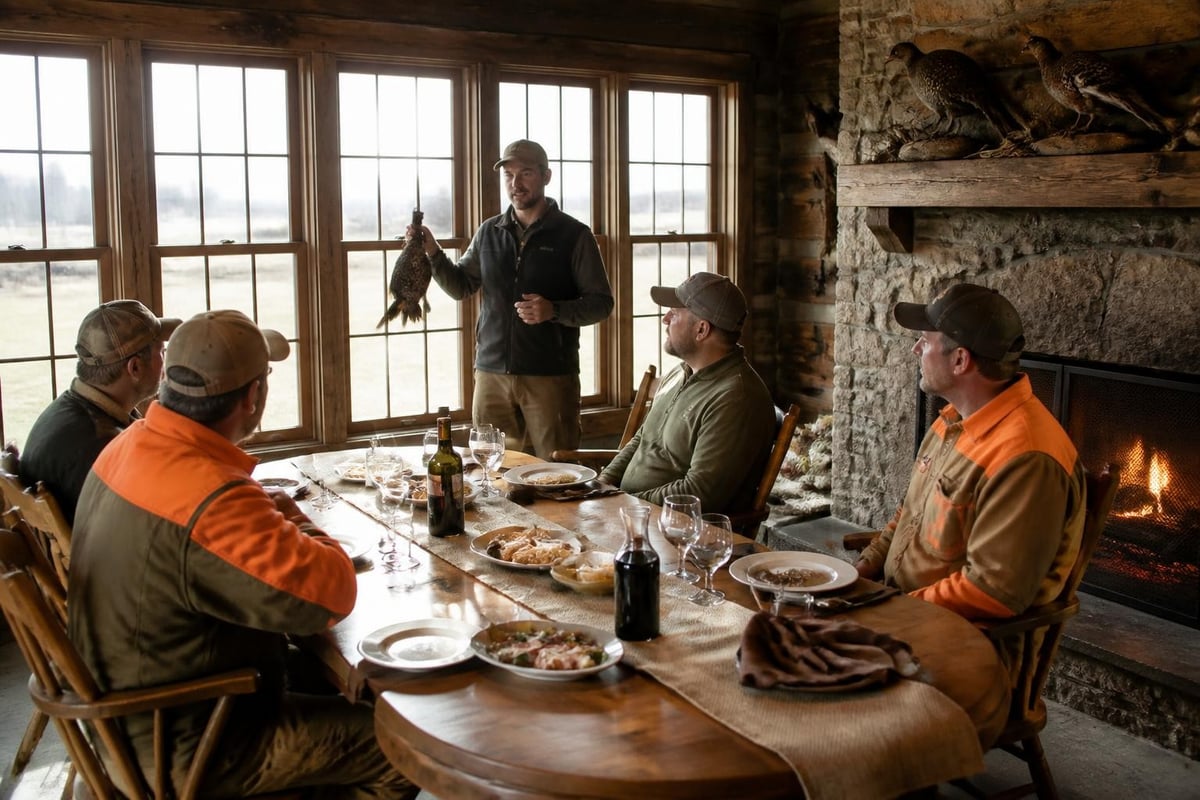
Beyond the hunting grounds, the physical lodge facilities separate exceptional destinations from basic operations. Today's hunters expect comfortable accommodations after long days in the field. Modern pheasant lodge facilities typically include private or semi-private rooms, climate control, hot showers, and common areas where groups can share stories and plan the next day's hunt.
Essential Amenities and Services
Professional guide services represent perhaps the most critical element of the pheasant lodge experience. Experienced guides understand bird behavior, terrain features, and dog handling techniques that maximize success rates while ensuring hunter safety.
Guide responsibilities extend beyond simply walking fields. They manage pacing to accommodate hunters of varying fitness levels, position guests for optimal shooting opportunities, handle dogs when clients don't bring their own, and provide instruction for less experienced hunters. The best pheasant hunting lodges maintain professional guide staffs who return season after season, building expertise specific to that property.
| Lodge Service | Standard Package | Premium Package | Luxury Package |
|---|---|---|---|
| Guided Hunts | Half-day | Full-day | Unlimited |
| Meals Included | Breakfast only | All meals | Gourmet catering |
| Bird Cleaning | Self-service | Provided | Full processing |
| Lodging Type | Shared rooms | Private rooms | Suite accommodations |
| Dog Kennels | Outdoor only | Heated/cooled | In-room options |
Meal service varies considerably across pheasant lodge operations. Some facilities provide simple continental breakfasts and lunches, while others offer full gourmet dining experiences with professional chefs preparing game-inspired cuisine. The level of culinary service often correlates with overall lodge quality and pricing structure.
Selecting the Right Pheasant Lodge Location
Geographic location significantly impacts the hunting experience, with different regions offering distinct advantages. South Dakota remains the undisputed capital of pheasant hunting in North America, with operations like Eagle Pass Lodge offering access to thousands of acres of prime habitat. The state's abundant public land, Conservation Reserve Program (CRP) acres, and mild regulations create ideal conditions for wild bird populations.
Kansas provides another excellent option, particularly for hunters seeking less crowded experiences. The Sunflower State's pheasant lodge offerings often include more exclusive, private hunting situations on working ranches and farms. Facilities such as Spearpoint Ranch emphasize personalized service and intimate group sizes.
Regional considerations include:
- Midwest states: Highest wild bird densities, established lodge infrastructure
- Great Plains: Vast acreage, combination hunts for multiple species
- Southeastern locations: Year-round seasons, released bird programs
- Western regions: High-altitude hunts, scenic mountain backdrops
Travel logistics play an important role in lodge selection. Facilities located within reasonable driving distance of major airports reduce trip complexity and costs. Some premium pheasant lodge operations offer shuttle services from nearby regional airports, while others may require rental vehicles for access to remote locations.
RCS Outdoors has partnered with Heartland Lodge to offer exclusive hunting packages that combine premium lodging with professional guide services. The Upland Escape Giveaway showcases the caliber of experience available at Pike County, Illinois's celebrated wingshooting destination, where tradition meets modern amenities.
Understanding Pricing and Package Options
Pheasant lodge pricing structures vary based on several factors, including location, amenities, bird numbers, and season timing. Budget-conscious hunters can find quality experiences starting around eight hundred dollars per day, while luxury operations command daily rates exceeding two thousand dollars per hunter.
Most facilities offer tiered packages that bundle accommodations, meals, guide services, and guaranteed bird numbers. All-inclusive packages simplify trip planning by covering virtually every expense except ammunition, licenses, and tips. Semi-inclusive options reduce costs by excluding certain meals or limiting bird numbers.
Understanding what's included versus what carries additional charges prevents surprise expenses. Common add-ons include bird cleaning and packaging, trophy mounts, ammunition sales, dog boarding, and extra hunting days. Some pheasant lodge operations charge per-bird fees above package minimums, while others offer unlimited hunting for a fixed daily rate.
Preparing for Your Pheasant Lodge Hunt
Successful pheasant lodge trips require thoughtful preparation beyond simply booking dates. Physical conditioning significantly impacts enjoyment and safety, as upland hunting involves considerable walking over varied terrain. Hunters should begin cardiovascular training at least six weeks before scheduled trips, focusing on endurance for sustained activity.
Firearm selection and practice separate successful hunters from those who struggle in the field. Most pheasant lodge hunts favor 12-gauge or 20-gauge shotguns with modified or improved cylinder chokes. Pattern testing your preferred ammunition before the trip ensures confidence when opportunities arise. Many experienced hunters recommend bringing at least one hundred rounds for a two-day hunt, though some pheasant lodge properties offer on-site ammunition sales.
Gear and Equipment Checklist
Essential items include:
- Upland hunting vest with shell loops and game bag
- Blaze orange hat and vest for visibility
- Weather-appropriate layered clothing
- Waterproof boots with ankle support
- Eye and ear protection
- Hunting license and required stamps
- Gun case and trigger lock for transport
Clothing choices should accommodate changing weather conditions common during pheasant season. Early fall hunts may feature warm afternoons requiring breathable fabrics, while late-season trips demand insulated layers and waterproof outerwear. Most pheasant lodge operators recommend neutral or earth-tone clothing beneath required blaze orange safety garments.
Dog owners planning to bring their own hunting companions should confirm kennel availability and any breed restrictions or health requirements. Quality pheasant lodge facilities provide heated and cooled kennels with outdoor runs, fresh water access, and secure fencing. Some operations offer premium dog services including grooming, training, and veterinary contacts for emergencies.
What to Expect During Your Stay
The typical pheasant lodge schedule balances hunting time with rest and social opportunities. Most operations begin with early breakfasts around six or seven o'clock, followed by morning hunts that conclude before lunch. Afternoon sessions typically resume around two o'clock and continue until sunset or when daily bag limits are reached.
Professional guides conduct safety briefings before each hunt, covering proper spacing, safe shooting zones, and hand signals for dog work. Groups usually consist of three to five hunters per guide, though comprehensive pheasant hunting resources note that some luxury operations offer one-on-one guide ratios for premium pricing.
| Daily Schedule | Time | Activity |
|---|---|---|
| Morning | 6:00 AM | Breakfast service |
| Morning | 7:30 AM | First field departure |
| Midday | 12:00 PM | Lunch and rest |
| Afternoon | 2:00 PM | Second field departure |
| Evening | 6:00 PM | Bird cleaning and cocktails |
| Evening | 7:30 PM | Dinner service |
Field techniques employed by professional guides maximize bird encounters while ensuring safety. Guides position hunters at appropriate intervals, typically twenty to thirty yards apart, before working dogs through cover. Most pheasant lodge operations use pointing breeds, flushing breeds, or versatile hunting dogs depending on terrain and hunting style preferences.
Shot opportunities occur quickly when pheasants flush, requiring hunters to remain alert and maintain proper gun handling throughout the hunt. Experienced guides help less seasoned hunters by calling out bird locations and providing shooting lanes. Many facilities welcome hunters of all skill levels, offering instruction that improves technique and confidence.
Evaluating Pheasant Lodge Quality Standards
Researching potential pheasant lodge destinations requires examining multiple factors beyond marketing materials. Online reviews from previous guests provide valuable insights into actual experiences, though hunters should look for patterns across multiple sources rather than relying on individual comments. Pay particular attention to feedback regarding bird populations, guide professionalism, food quality, and facility cleanliness.
Quality indicators to investigate:
- Years in operation and ownership stability
- Acreage available for hunting
- Average hunter-to-guide ratios
- Bird release programs and timing
- Habitat management practices
- Lodging maintenance and updates
Professional organizations and certifications offer additional validation of pheasant lodge standards. Membership in state outfitters associations or participation in habitat conservation programs demonstrates commitment to ethical practices and regulatory compliance. Some states require specific licensing or insurance coverage for commercial hunting operations, providing baseline consumer protections.
Visiting facility websites reveals information about property ownership, staff qualifications, and booking policies. Legitimate operations maintain updated contact information, transparent pricing structures, and clear cancellation policies. Facilities like Double P Ranch showcase their properties through professional photography and detailed descriptions of included services.
Questions to Ask Before Booking
Direct communication with pheasant lodge operators clarifies expectations and identifies potential issues before financial commitments. Reputable facilities welcome detailed questions about their operations, hunting success rates, and guest accommodations.
Critical inquiries should cover bird populations and stocking schedules, as this directly impacts hunting quality. Ask whether the operation relies primarily on wild birds, pen-raised birds, or a combination. Understanding release timing prevents arriving during periods of low bird availability. Some pheasant lodge operations release birds throughout the season, while others stock heavily before opening day and rely on natural distribution.
Guide experience and hunter-to-guide ratios determine the level of personal attention you'll receive. Inquire about average guide tenure, whether the same guides work the entire season, and how many hunters each guide typically manages. Elite operations maintain low ratios and employ guides with extensive upland hunting backgrounds.
Specialized Pheasant Lodge Experiences
Beyond traditional pheasant hunting, many lodges offer specialized experiences catering to specific interests. Corporate groups benefit from facilities designed to accommodate team-building events, business meetings, and entertainment. These pheasant lodge operations typically feature conference rooms, audiovisual equipment, and group dining spaces alongside hunting amenities.
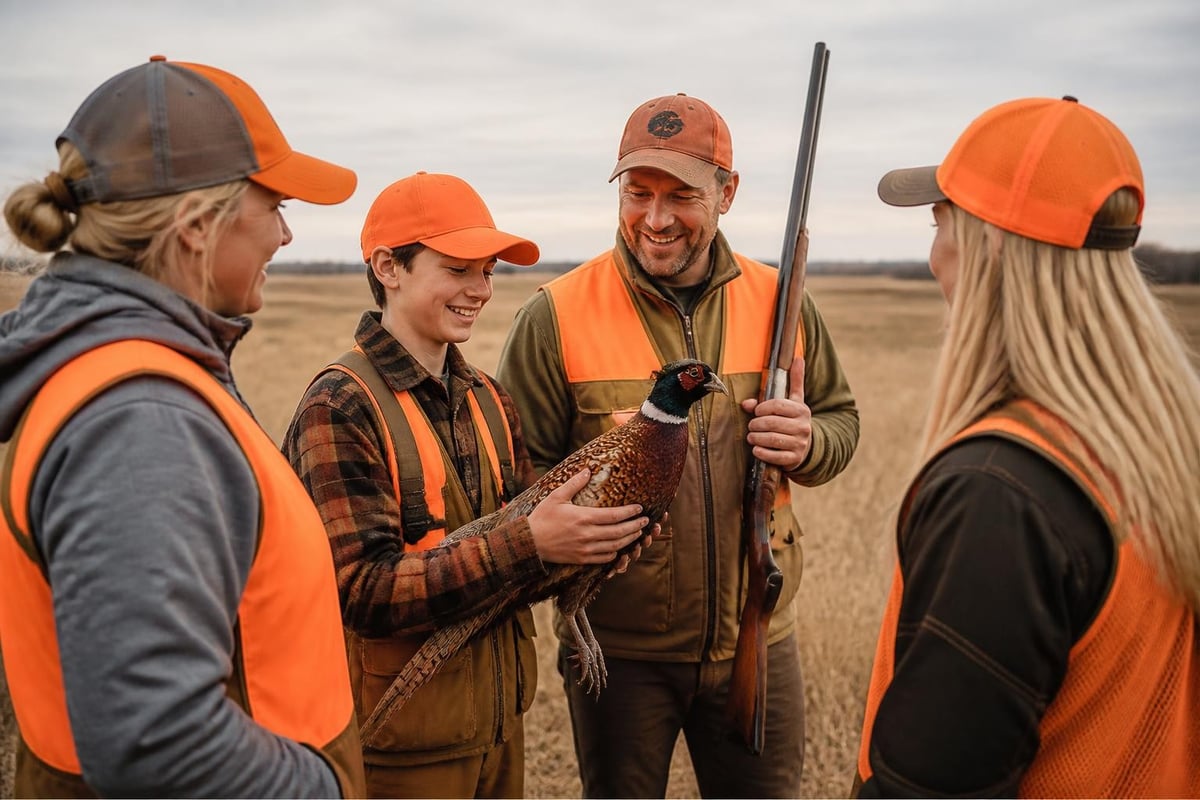
Youth and family programs introduce younger generations to upland hunting traditions in controlled, educational environments. Some facilities offer reduced-recoil firearms, specialized instruction, and mentored hunts pairing novice hunters with experienced guides. These programs often include classroom components covering gun safety, hunting ethics, and conservation principles.
Specialty offerings include:
- Women's hunts with female guides and instructors
- Disabled hunter accommodations and adaptive equipment
- Photography and non-hunting companion options
- Combination hunts for waterfowl or big game
- Dog training clinics and handling seminars
Destination pheasant lodge properties incorporate tourism elements into hunting packages. Locations like Lilsa Lodge in Florida blend upland hunting with regional attractions, allowing hunting groups to combine field time with cultural experiences, golf, fishing, or spa services for non-hunting companions.
Seasonal Considerations and Booking Strategy
Pheasant hunting seasons vary by state, with most running from October through January. Peak season typically occurs in November when bird populations reach maximum levels and weather conditions remain moderate. Booking during this premium period requires advance planning, as popular pheasant lodge properties fill months ahead.
Early season hunts offer warmer weather and lush cover but may feature less predictable bird behavior. Late season presents challenges including reduced cover, colder temperatures, and potentially lower bird numbers, though experienced hunters often prefer this timing for challenging conditions that test skill and endurance.
Value-conscious hunters find opportunities during shoulder seasons when many pheasant lodge operations offer discounted rates to fill availability. Midweek bookings typically cost less than weekend packages, and some facilities provide group discounts for parties of six or more hunters. Operations like Prairie Legends Outfitters structure pricing to encourage extended stays through progressive discounts.
Cancellation Policies and Weather Contingencies
Understanding cancellation terms protects your investment when unforeseen circumstances arise. Most pheasant lodge operations require deposits ranging from twenty-five to fifty percent of total package costs, with varying refund policies based on cancellation timing. Some facilities offer full refunds for cancellations made sixty or more days in advance, while others maintain strict no-refund policies.
Weather-related cancellations present particular challenges, as most operations cannot control conditions yet must manage business operations. Few pheasant lodge properties offer refunds for poor weather, though some provide rebooking options or credit toward future stays. Trip insurance represents a worthwhile investment for expensive hunts, covering losses from weather events, medical emergencies, and travel disruptions.
Regional Pheasant Lodge Highlights
South Dakota's pheasant lodge industry sets benchmarks for the hunting industry. The state's abundant habitat, large properties, and competitive marketplace create exceptional value. Facilities like ScatterGun Lodge demonstrate the state's commitment to providing diverse hunting experiences across varied terrain types, from native prairie to agricultural landscapes.
Top South Dakota features:
- Over 2,200 acres at premier properties
- Multiple habitat types within single properties
- Extended season length allowing flexible scheduling
- Non-resident license availability without quotas
The Midwest and Great Plains regions beyond South Dakota offer alternative destinations with distinct characteristics. Kansas properties emphasize exclusivity and privacy, often limiting hunter numbers to preserve wild bird populations. Nebraska facilities incorporate waterfowl hunting opportunities alongside upland birds, creating diverse wingshooting experiences.
Southeastern states provide year-round hunting seasons through released bird programs, making them attractive for late-winter trips or off-season practice. While lacking the wild bird densities of northern states, facilities like those detailed at R&R Pheasant Hunting offer climate advantages and accessibility for hunters from southern regions.
Western mountain states deliver stunning scenery alongside upland hunting, though bird populations typically run lower than Great Plains averages. These pheasant lodge operations appeal to hunters seeking combination trips that include big game or fly fishing alongside bird hunting.
Equipment and Ammunition Considerations
Selecting appropriate firearms for pheasant lodge hunts involves balancing effectiveness with personal comfort. Twelve-gauge shotguns remain the standard choice, offering knockdown power and ammunition availability, though twenty-gauge options provide adequate performance with reduced recoil. Those looking to upgrade their gear before a hunt can explore options through RCS Outdoors for a comprehensive selection of shotguns and accessories.
Barrel length preferences vary among hunters, with twenty-six to twenty-eight-inch barrels offering optimal balance between maneuverability and sight plane. Over-under and semi-automatic actions both serve effectively, with semi-autos providing faster follow-up shots while over-unders deliver classic aesthetics and reliability.
Choke selection influences pattern density and effective range. Modified chokes work well for general pheasant hunting, providing adequate pattern spread for close flushes while maintaining sufficient density for longer shots. Some hunters prefer improved cylinder chokes early in the season when cover remains thick and shots occur at closer ranges, switching to modified or even full chokes as cover diminishes later in the season.
Ammunition choices should match anticipated shooting distances and personal shooting abilities. Number five or six shot sizes provide effective combinations of pattern density and individual pellet energy. Premium loads featuring copper-plated shot and buffering compounds deliver tighter patterns and better penetration, though standard field loads work adequately for most situations.
The Role of Dogs in Pheasant Lodge Hunts
Quality bird dogs transform pheasant hunting from walking through fields to experiencing coordinated teamwork between hunters, guides, and canine athletes. Most pheasant lodge operations maintain kennels of trained hunting dogs available for guest use, eliminating the need to travel with personal dogs. These professional gun dogs receive daily training and conditioning, performing reliably across various terrain and weather conditions.
Understanding basic dog work enhances appreciation for the hunting experience. Pointing breeds like English Pointers, German Shorthaired Pointers, and Brittanys locate birds through scent, then freeze on point to indicate bird location. Flushing breeds such as Labrador Retrievers and Springer Spaniels work closer to hunters, pushing birds into flight within shooting range. Versatile breeds combine pointing and retrieving abilities.
Hunters bringing personal dogs should verify in advance that facilities accommodate them and understand any restrictions or requirements. Most pheasant lodge properties require current vaccination records, particularly for rabies and kennel cough. Some operations charge daily boarding fees or limit the number of personal dogs per hunting party.
Making the Most of Your Investment
Maximizing value from pheasant lodge experiences extends beyond hunting success. These trips offer opportunities to build relationships, learn new skills, and create lasting memories with friends and family. Approaching hunts with realistic expectations and openness to guidance from professional staff ensures positive experiences regardless of final bird counts.
Photography and videography capture moments that surpass the hunting itself. Many pheasant lodge guests bring cameras or smartphones to document dogs on point, beautiful sunrises, and candid moments with hunting companions. Some facilities like The Signature Lodge offer professional photography services, creating high-quality images suitable for framing or sharing.
Networking opportunities arise naturally during pheasant lodge stays, particularly during evening meals and social times. Hunters from diverse backgrounds and locations share experiences, equipment recommendations, and insights about other hunting destinations. These connections often lead to future hunting partnerships and friendships extending beyond initial trips.
Tipping represents an important aspect of pheasant lodge etiquette. Industry standards suggest fifteen to twenty percent of package costs distributed among guides, kitchen staff, and housekeeping personnel. Some hunters prefer tipping guides directly based on individual performance, while others provide lump sums to lodge management for distribution among all staff members.
Selecting the right pheasant lodge requires evaluating habitat quality, amenities, location, and services to match your priorities and budget. Whether you're seeking wild bird challenges on vast South Dakota prairies or comfortable introduced bird hunts closer to home, understanding what separates exceptional operations from basic facilities ensures memorable experiences. RCS Outoors supports your upland hunting pursuits with premium firearms, ammunition, and exclusive partnerships that bring together quality equipment and exceptional hunting opportunities.


