
Pheasant Hunting Illinois: Complete 2026 Guide
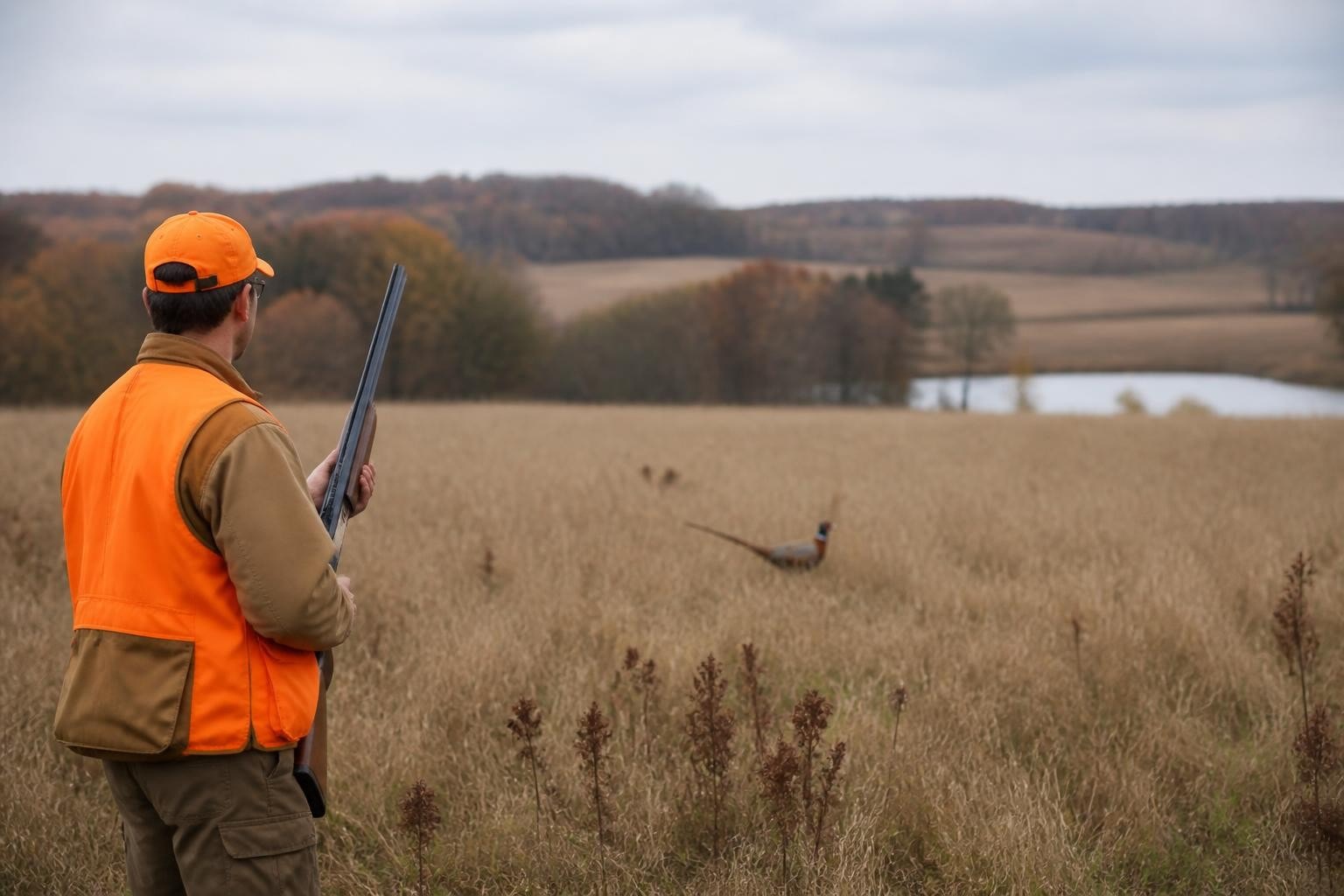
Illinois offers exceptional opportunities for ring-necked pheasant hunters, combining robust public land access with professionally managed controlled hunting programs. The Prairie State's diverse agricultural landscape provides ideal habitat for these colorful upland birds, attracting hunters from across the Midwest. Whether you're pursuing wild birds on public lands or participating in controlled hunts, understanding Illinois regulations, selecting proper equipment, and mastering field techniques will significantly improve your success during the 2026 season.
Understanding Illinois Pheasant Hunting Regulations
The Illinois Department of Natural Resources manages pheasant hunting through two distinct programs: controlled permit hunting and non-fee public hunting. Each system operates under specific rules designed to ensure sustainable harvests while providing quality hunting experiences.
Controlled Pheasant Hunting Program
The Controlled Pheasant Hunting Program operates at designated sites across Illinois, offering hunters guaranteed opportunities to pursue stocked pheasants. This program requires advance permit reservations through the official lottery system, which typically opens in summer for the fall season.
Key program features include:
- Daily bag limits of two roosters per hunter
- Hunting hours from 8:00 AM to 3:00 PM
- Designated hunting areas with managed bird populations
- Professional guide services at select locations
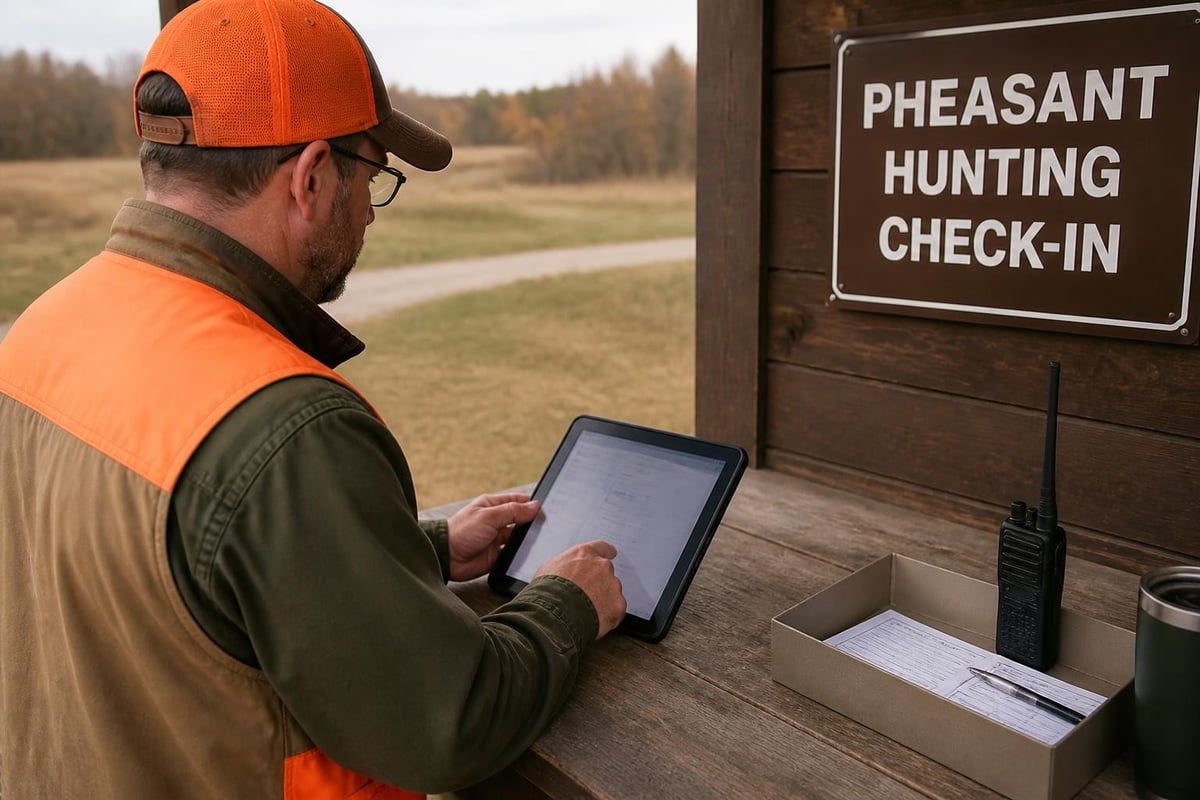
- Strict check-in and check-out procedures
Hunters must comply with controlled pheasant hunting regulations that specify permit requirements, shooting hours, and harvest reporting. Violations can result in permit revocation and future application restrictions.
Youth Hunting Opportunities
Illinois prioritizes introducing young hunters to upland game through dedicated youth pheasant hunts. These special events provide mentored hunting experiences under controlled conditions. The youth pheasant hunting permit requirements outline eligibility criteria and application procedures for hunters under 16 years old.
| Program Type | Age Requirement | Permit Cost | Season Dates | Daily Limit |
|---|---|---|---|---|
| Youth Controlled Hunt | Under 16 | Reduced fee | September-October | 2 roosters |
| Adult Controlled Hunt | 16 and over | Standard fee | October-January | 2 roosters |
| Non-Fee Public Hunt | Any age | Free | November-January | 2 roosters |
Prime Pheasant Hunting Locations in Illinois
Pheasant hunting Illinois success depends heavily on location selection. The state offers diverse hunting grounds from intensively managed controlled sites to expansive public conservation areas.
Controlled Hunting Sites
Illinois operates multiple controlled pheasant hunting sites, each offering unique terrain and hunting conditions. These professionally managed areas stock pheasants throughout the season, ensuring consistent hunting opportunities.
Top controlled hunting locations:
- Des Plaines State Fish and Wildlife Area
- Iroquois County Conservation Area
- Kankakee River State Park
- Weinberg-King State Park
- Union County Conservation Area
Each site operates under fee hunting regulations that govern hunting seasons, area closures, and site-specific rules. Hunters should review individual site information before applying for permits.
Public Non-Fee Hunting Areas
For hunters preferring wild bird populations, Illinois maintains numerous Department-owned or managed sites offering non-fee pheasant hunting. These areas require more extensive scouting and hunting effort but provide authentic wild bird experiences.
The non-fee hunting regulations specify general site rules and individual location requirements. Popular public hunting areas include grassland preserves, wildlife management areas, and conservation districts throughout central and northern Illinois.
Productive habitat types include:
- CRP grasslands adjacent to agricultural fields
- Riparian corridors with thick cover
- Restored prairie complexes
- Wetland margins with transitional vegetation
- Wildlife food plots with standing crops
Essential Gear for Pheasant Hunting Illinois
Successful pheasant hunting requires specialized equipment matched to Illinois field conditions. The right firearms, ammunition, and accessories significantly impact both safety and harvest success.
Shotgun Selection and Setup
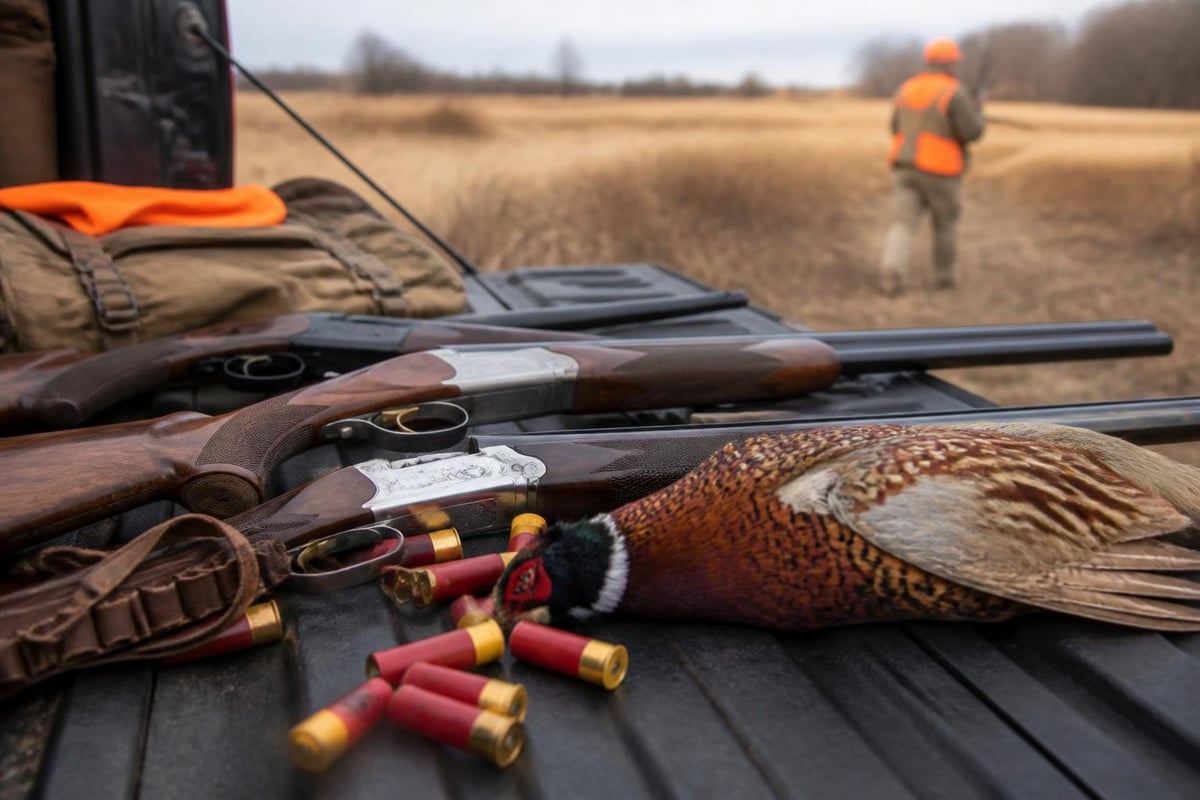
Most pheasant hunters prefer 12-gauge or 20-gauge shotguns with modified or improved cylinder chokes. These configurations provide effective patterns for birds flushing at typical ranges of 20-35 yards.
Optimal shotgun characteristics:
- Semi-automatic or over/under action for quick follow-up shots
- 26-28 inch barrels for maneuverability in thick cover
- Ventilated rib for target acquisition
- Corrosion-resistant finish for wet field conditions
- Capacity compliance with Illinois three-shell limit
Modern shotguns designed for upland hunting offer specialized features like fiber-optic sights, extended choke tubes, and reduced recoil systems. These improvements enhance field performance during extended hunting sessions.
Ammunition Considerations
Illinois pheasant hunters typically use shot sizes between #4 and #6, with #5 shot providing the best balance of pattern density and individual pellet energy. Steel shot may be required in certain wetland areas, so hunters should verify local requirements.
| Shot Size | Best Range | Pattern Density | Penetration | Recommended Use |
|---|---|---|---|---|
| #4 | 35-40 yards | Lower | Excellent | Late season, wild birds |
| #5 | 25-35 yards | Moderate | Good | All-around choice |
| #6 | 20-30 yards | Higher | Adequate | Early season, controlled hunts |
Hunting Apparel and Accessories
Illinois weather during pheasant season ranges from warm early autumn days to frigid late-season conditions. Layered clothing systems allow hunters to adapt to changing temperatures throughout the day.
Essential accessories include blaze orange vests meeting Illinois visibility requirements, upland hunting boots with ankle support, shooting gloves for late season, and quality eye and ear protection. A well-designed game vest with shell loops and a spacious game bag streamlines field operations.
Hunting Techniques and Strategies
Pheasant hunting Illinois demands different approaches depending on whether you're hunting controlled sites with stocked birds or pursuing wild populations on public lands.
Controlled Hunt Tactics
Controlled hunts typically involve organized drives with multiple hunters and dogs working designated fields. Understanding proper line etiquette, maintaining safe shooting zones, and coordinating with fellow hunters maximizes both safety and success.
Effective controlled hunt strategies:
- Position yourself at field edges where pheasants funnel
- Maintain proper spacing (25-30 yards) from adjacent hunters
- Focus on running birds before they flush
- Watch for birds circling back behind the line
- Communicate constantly with hunting partners
Dogs play a crucial role in controlled hunts, locating birds in thick cover and retrieving downed pheasants. Even hunters without personal dogs benefit from the group's canine resources.
Wild Bird Hunting Approaches
Wild pheasant hunting Illinois public lands requires more aggressive tactics and extensive ground coverage. Roosters in these areas are warier, flush at greater distances, and utilize heavy cover more effectively than stocked birds.
Successful wild bird hunters employ thorough scouting to identify current pheasant concentrations. Early morning and late afternoon periods offer peak activity as birds move between roosting and feeding areas. Walking field edges, fence rows, and brushy draws while working into the wind helps hunters intercept moving birds.
Solo hunting techniques:
- Walk in zigzag patterns to cover more ground
- Pause frequently to force nervous birds to flush
- Focus on transition zones between cover types
- Hunt slowly through likely holding cover
- Circle back through productive areas
Hunting with partners allows for more sophisticated tactics including pinching birds between blockers and walkers, working opposite sides of heavy cover, and establishing strategic blocking positions.
Training and Working With Hunting Dogs
Quality bird dogs transform pheasant hunting experiences, dramatically increasing harvest success while adding enjoyment to every hunt. Illinois's diverse pheasant hunting terrain suits various dog breeds and hunting styles.
Recommended Breeds for Illinois Conditions
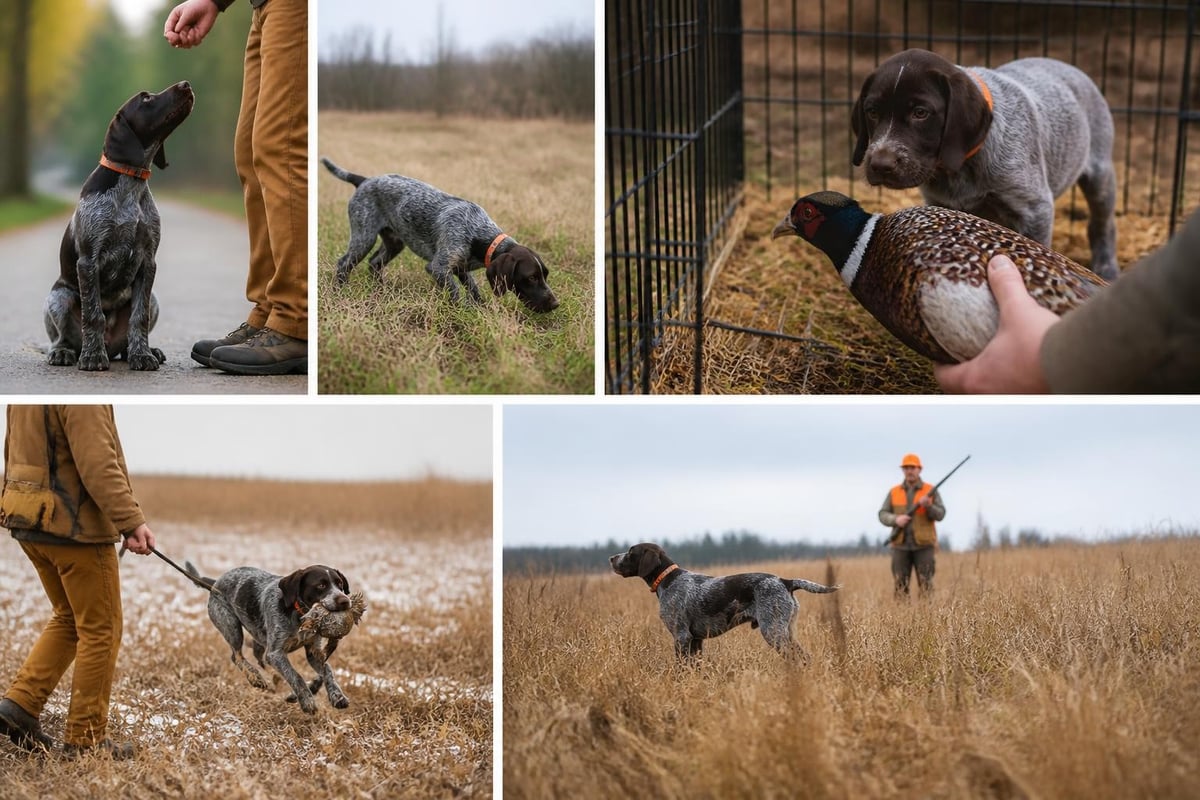
Flushing breeds like English Springer Spaniels and Labrador Retrievers excel in thick grassland cover typical of controlled hunting sites. These dogs work close to hunters, thoroughly cover assigned areas, and enthusiastically retrieve downed birds.
Pointing breeds including German Shorthaired Pointers, English Setters, and Brittanys perform exceptionally well on public lands where covering extensive acreage is essential. These dogs range wider, locate distant birds, and hold points until hunters arrive.
Versatile breeds offer multiple advantages:
- Adaptability to various terrain and cover types
- Both pointing and retrieving capabilities
- Willingness to hunt all day in challenging conditions
- Natural bird-finding instincts enhanced through training
- Strong desire to please and work closely with handlers
Dog Safety and Care in the Field
Illinois pheasant cover presents hazards including thorns, sharp crop stubble, and hidden obstacles that can injure working dogs. Regular paw inspections, protective boots for extreme conditions, and adequate water prevent most field-related health issues.
Heat exhaustion poses serious risks during early season hunts when temperatures remain elevated. Hunters should monitor dogs for excessive panting, disorientation, or reluctance to continue hunting. Immediate cooling and veterinary attention may be necessary for severe cases.
Planning Your Illinois Pheasant Hunt
Successful pheasant hunting Illinois trips require advance planning, especially for controlled hunts with limited permit availability. Understanding the application timeline and reservation process prevents missed opportunities.
Permit Application Process
The Illinois controlled pheasant hunting application portal opens each summer for the upcoming season. The lottery system randomly assigns permits based on application preferences and point totals from previous seasons.
Application timeline:
- July: Application period opens
- August: Lottery drawing conducted
- September: Successful applicants notified
- October: Hunting season begins
- January: Season concludes
Hunters unsuccessful in the lottery may access waiting lists if other permit holders cancel reservations. Checking availability regularly increases chances of securing last-minute opportunities.
Budgeting for Your Hunt
Pheasant hunting Illinois costs vary significantly between controlled hunts and public land hunting. Controlled permit fees range from $15-$50 per day depending on resident status and site selection. Additional expenses include ammunition, licenses, and travel costs.
Wild bird hunting on public lands requires only a valid Illinois hunting license and habitat stamp. However, these hunts demand more time investment, scouting effort, and physical exertion. Many hunters combine both approaches, using controlled hunts for guaranteed action while pursuing wild birds for additional challenge.
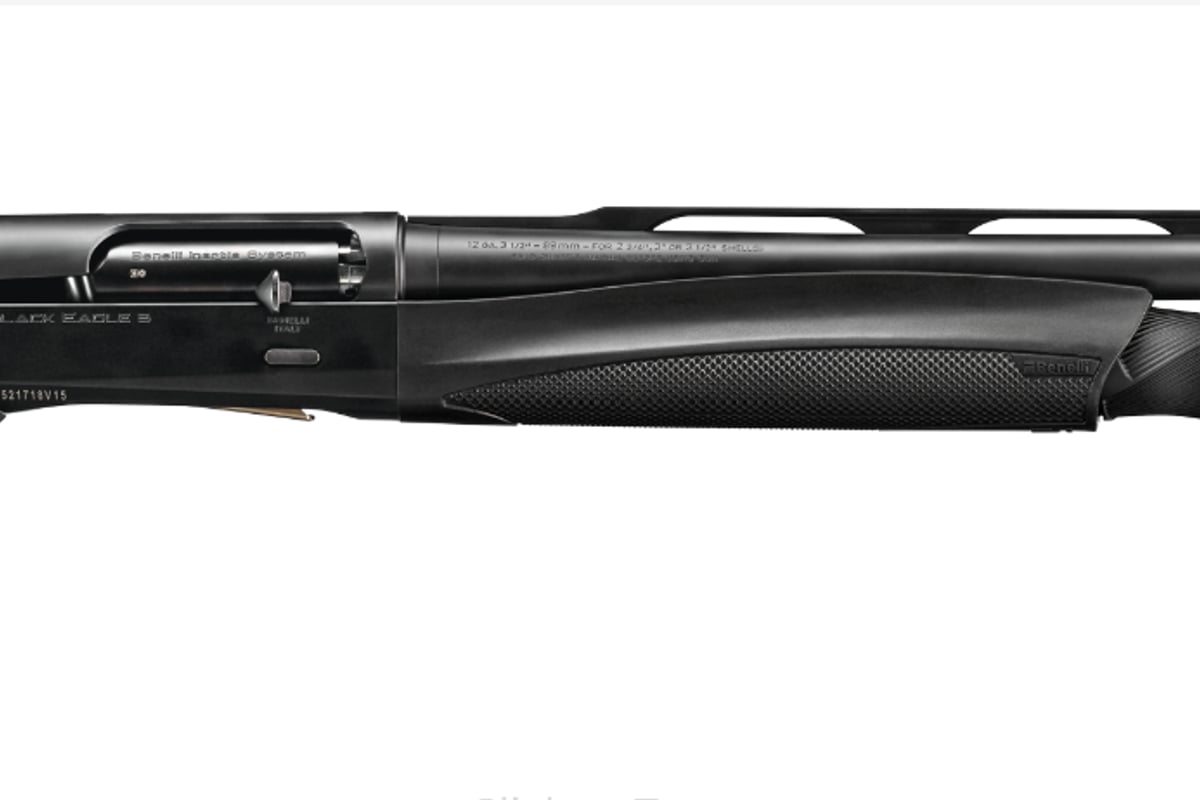
For hunters seeking premium experiences, outfitted hunts at private lodges provide professional guides, trained dogs, and luxurious accommodations. RCS Outdoors, Heartland Lodge, and Benelli have partnered to launch The Upland Escape Giveaway, offering one winner an all-inclusive, 3-night/2-day traditional upland hunt package at Heartland Lodge in Pike County, Illinois, along with a Benelli Super Black Eagle 3 shotgun.
Weather Considerations and Seasonal Timing
Illinois pheasant season spans multiple months, each presenting distinct weather patterns and bird behavior. Understanding these variations helps hunters select optimal hunting dates and adjust tactics accordingly.
Early Season Advantages
Early season pheasant hunting Illinois coincides with agricultural harvest activities that concentrate birds in remaining cover patches. Warm temperatures and lush vegetation create comfortable hunting conditions but require early morning or late afternoon hunts to avoid midday heat.
Birds during this period retain strong flight capabilities and flush at greater distances. Lighter shot loads and more open chokes match these conditions effectively. Cover remains thick, making dog work especially valuable for locating birds in dense vegetation.
Late Season Challenges
Late season hunting presents opposite conditions with sparse cover, cold temperatures, and birds concentrated in limited winter habitat. Pheasants become more cautious, often running extensively before flushing or holding extremely tight in heavy cover.
Adapting to late season conditions:
- Focus hunting efforts on south-facing slopes and thermal cover
- Target thick cattail marshes and shelterbelts
- Hunt slower with more frequent pauses
- Use heavier shot loads for longer ranges
- Layer clothing for temperature extremes
Snow cover dramatically changes hunting dynamics, making bird tracks visible and concentrating pheasants in predictable locations. Fresh snowfall provides excellent opportunities to identify active feeding and roosting areas.
Ethical Hunting Practices and Conservation
Responsible pheasant hunting Illinois includes following ethical standards beyond basic legal requirements. These practices ensure sustainable populations, positive landowner relations, and the sport's future.
Harvest Ethics
Ethical hunters limit their take to birds they can effectively use, pass on marginal shots that risk crippling losses, and thoroughly search for downed birds. Proper shot selection-waiting for clear shots within effective range-minimizes wounded birds that escape recovery.
Principles of ethical harvest:
- Only shoot roosters (hens are protected year-round)
- Verify bird identification before shooting
- Limit shots to effective range (under 40 yards for most hunters)
- Mark down locations immediately
- Use dogs or systematic searches for all downed birds
Supporting Habitat Conservation
Illinois pheasant populations depend on quality grassland habitat increasingly scarce in modern agricultural landscapes. Hunters support conservation through license purchases, habitat stamp fees, and donations to organizations restoring native grasslands.
Volunteering for habitat improvement projects, participating in controlled burn programs, and advocating for conservation funding directly benefits pheasant populations. Many public hunting areas welcome volunteer assistance with food plot establishment, invasive species removal, and facility maintenance.
Physical Conditioning and Hunting Fitness
Pheasant hunting demands substantial physical exertion, particularly when pursuing wild birds across extensive public lands. Adequate conditioning prevents injuries, extends hunting stamina, and increases overall enjoyment.
Preparing for the Season
Effective conditioning programs begin weeks before opening day, gradually building cardiovascular endurance and leg strength. Walking, hiking with weighted packs, and stair climbing simulate hunting terrain challenges.
Fitness priorities for pheasant hunters:
- Cardiovascular endurance for all-day hunting
- Lower body strength for walking uneven terrain
- Core stability for carrying equipment
- Flexibility to prevent strains and pulls
- Balance for navigating obstacles safely
Hunters over 40 should consider medical consultations before strenuous hunting activities, especially when hunting at high intensity in extreme weather conditions.
Preventing Common Injuries
Ankle sprains, knee strains, and lower back pain rank among the most common pheasant hunting injuries. Proper footwear with ankle support, maintaining proper posture while walking, and using trekking poles on challenging terrain reduce injury risks.
Shoulder injuries from shooting can be minimized through proper gun fit, recoil reduction systems, and limiting shot volumes during practice sessions. Professional firearm fitting ensures optimal stock dimensions for individual body types and shooting styles.
Maximizing Success Through Scouting
Pre-season scouting separates consistently successful pheasant hunters from those relying on luck. Understanding current bird locations, identifying prime habitat, and noting access points streamline opening day efforts.
Effective Scouting Methods
Visual observation from roadways during early morning and evening hours reveals pheasant activity patterns. Birds feeding in agricultural fields, crossing roads, or roosting in grassy areas indicate productive hunting locations.
Obtaining landowner permission for advance property walks allows hunters to identify specific cover types, plan approach routes, and note potential safety hazards. This preparation proves invaluable when time-constrained on actual hunting days.
Scouting checklist:
- Locate quality cover types
- Identify food sources
- Note water availability
- Check access points and parking
- Verify property boundaries
- Contact landowners if hunting private ground
- Test GPS devices and mapping applications
Modern technology including satellite imagery, topographic mapping applications, and GPS devices enhance scouting efficiency. These tools help hunters identify promising areas from home before investing travel time in field reconnaissance.
Processing and Preparing Your Harvest
Proper field care ensures pheasants reach the table in prime condition. Illinois hunters should clean birds promptly, cool carcasses quickly, and use appropriate preservation methods for their intended preparation timeline.
Field Dressing Techniques
Most hunters prefer breasting pheasants in the field, removing breast meat while leaving wings, legs, and entrails behind. This method reduces weight, speeds processing, and works well when planning simple preparations focused on breast meat.
Whole bird preservation maintains all edible portions including legs, thighs, and tenderloins. This approach requires more field time but maximizes harvest utilization. Hanging birds in cool, dry conditions for 24-48 hours before processing improves meat tenderness and flavor.
Optimal processing steps:
- Cool birds quickly after harvest
- Remove crops and entrails promptly
- Rinse body cavities if processing whole
- Age appropriately based on preparation plans
- Vacuum seal portions for freezer storage
- Label packages with harvest dates
Recipe Suggestions
Pheasant's lean, mild meat adapts well to various cooking methods. Braising legs and thighs produces tender, flavorful results while pan-searing or grilling breast meat works best when cooked to medium doneness.
Classic preparations include pheasant pot pie, slow-cooked stews, bacon-wrapped breasts, and traditional roasted whole birds. Marinades and brines help maintain moisture in lean meat, preventing dry, tough results from overcooking.
Pheasant hunting Illinois offers diverse opportunities across controlled sites and public lands, combining accessible permits with quality hunting experiences. Success requires understanding current regulations, selecting appropriate equipment, and mastering field tactics suited to Illinois conditions. Whether you're pursuing your first rooster or adding to decades of hunting memories, RCS Outdoors provides the firearms, ammunition, and accessories needed for successful pheasant hunting throughout the 2026 season and beyond.


