

Quail Hunting Lodge: Essential Guide for 2026
A quail hunting lodge represents far more than just a place to sleep between hunts. These specialized destinations combine expertly managed habitats, professional guides, well-trained bird dogs, and hospitality that honors America's upland hunting traditions. Whether you're an experienced wingshooter or new to upland bird pursuits, selecting the right quail hunting lodge can transform a good hunting trip into an unforgettable experience that you'll return to year after year.
What Defines an Exceptional Quail Hunting Lodge
The best quail hunting lodges balance multiple elements that go beyond simply having birds in the field. These establishments invest heavily in habitat management, maintain extensive acreage, employ experienced guides, and breed or train pointing dogs to the highest standards.
Habitat quality stands as the foundation of any premier operation. Top-tier lodges actively manage thousands of acres, planting native grasses, maintaining food plots, and creating the edge habitat that quail prefer. This commitment to land stewardship ensures healthy bird populations and sustainable hunting practices that preserve the sport for future generations.
Location and Regional Characteristics
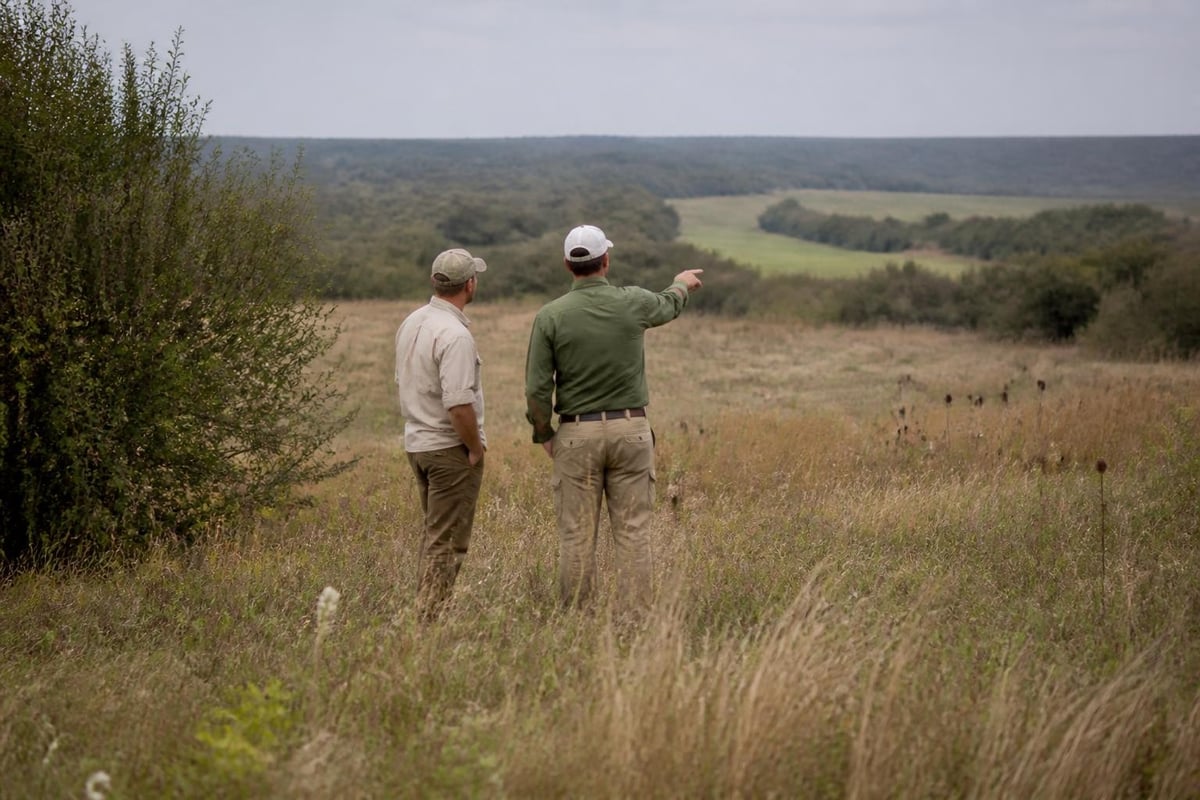
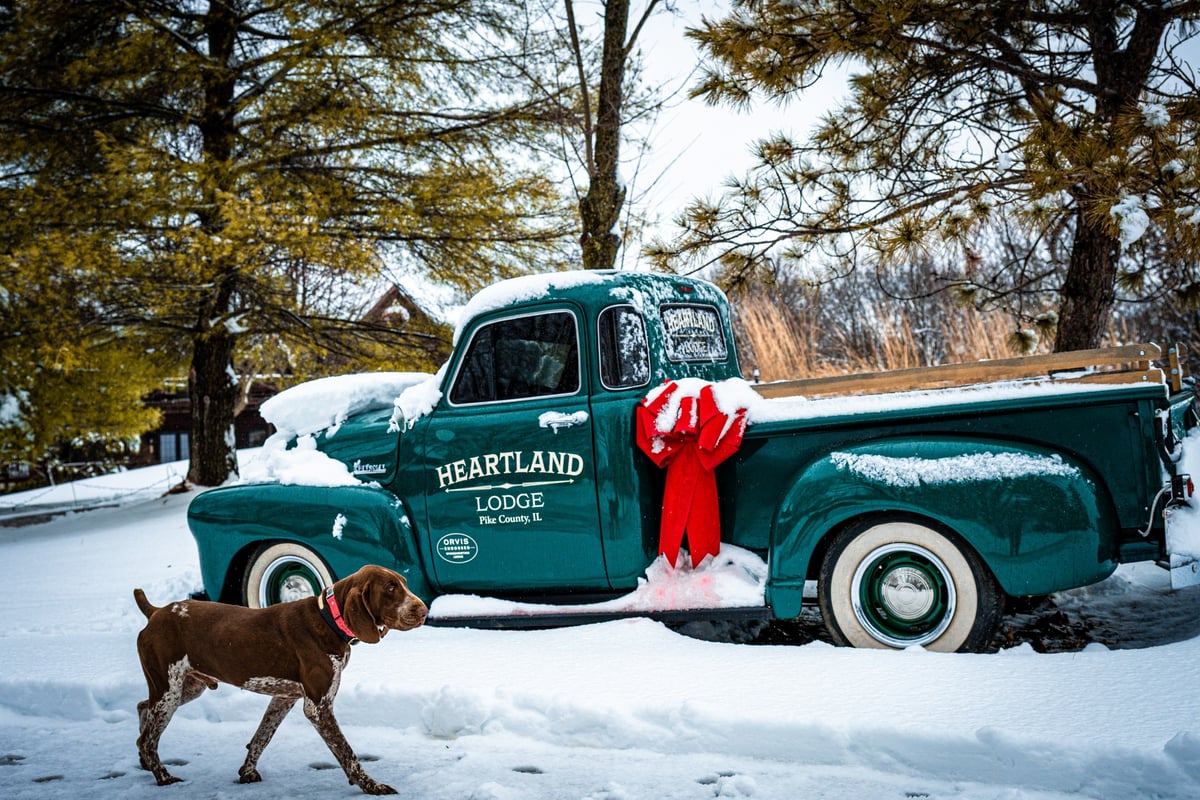
Geography significantly influences the quail hunting lodge experience. Traditional strongholds exist throughout the Southeast, with Georgia, Alabama, and South Carolina hosting some of the most celebrated plantation-style properties. The Midwest offers different opportunities, particularly in states like Illinois where operations like Heartland Lodge provide traditional upland hunting experiences that combine wild bird coveys with released populations.
Each region brings distinct advantages:
- Deep South lodges typically operate on former plantations with centuries-old hunting traditions
- Midwest destinations often feature diverse terrain mixing agricultural land with conservation areas
- Western operations provide high-desert and grassland hunting in states like Texas and Oklahoma
- Mid-Atlantic properties blend historical significance with modern management practices
Climate considerations affect timing as well. Most quail hunting lodges operate from October through March, with peak seasons varying by latitude. Southern destinations enjoy longer seasons, while northern operations concentrate activity during colder months when bird scenting conditions improve.
Accommodations and Amenities That Matter
Lodging quality varies dramatically across quail hunting lodge properties. Some operations offer rustic bunkhouses that emphasize camaraderie and tradition, while others provide luxury accommodations rivaling five-star resorts. Understanding your priorities helps narrow the selection.
Premium lodges typically feature:
- Private rooms with en-suite bathrooms
- Common areas with fireplaces and comfortable seating
- Gun rooms with cleaning stations and secure storage
- Professional laundry services for hunting clothes
- Gourmet dining showcasing regional cuisine
- Well-stocked bars featuring local spirits
The most distinguished properties employ executive chefs who prepare multi-course meals using locally sourced ingredients. These culinary experiences become part of the overall hunting tradition, with hunters gathering to share stories over expertly prepared Southern classics or contemporary fusion dishes.
| Accommodation Level | Typical Features | Price Range (per night) |
|---|---|---|
| Basic | Shared rooms, family-style meals, clean facilities | $300-500 |
| Mid-Range | Private rooms, quality dining, dog kennels | $500-800 |
| Premium | Luxury suites, fine dining, spa services | $800-1,500 |
| Ultra-Luxury | Estate accommodations, private chefs, concierge | $1,500+ |
Guided Hunting Services and Dog Work
Professional guides distinguish exceptional quail hunting lodge experiences from average ones. The best guides possess intimate knowledge of their property, understand bird behavior, read dogs expertly, and prioritize safety while maximizing shooting opportunities. Many have guided for decades, developing skills that only come from thousands of days in the field.
The Role of Bird Dogs
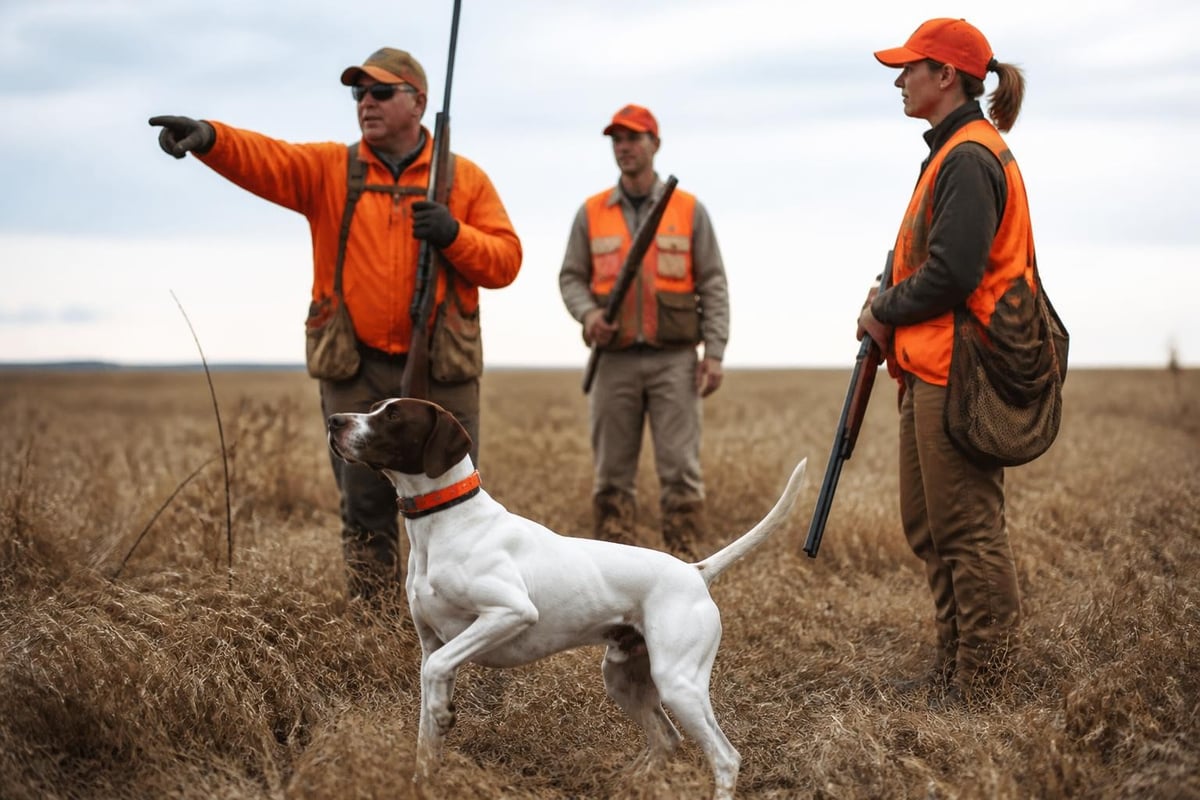
Nothing defines traditional quail hunting more than watching well-trained pointers and setters work. Elite lodges maintain extensive kennels, often housing 30 to 100 dogs representing champion bloodlines. These animals undergo rigorous training from puppy hood, developing into finished gun dogs that find birds, hold staunch points, and honor their bracemates.
Most operations run dogs in pairs or "braces," rotating fresh teams throughout the day to maintain peak performance. This ensures hunters always work with eager, sharp-nosed dogs operating at full capacity. The strategies used to maximize success include careful selection of hunting areas based on weather, time of day, and recent bird activity.
Dog handlers represent another crucial element. These professionals manage the canine athletes, positioning hunters for optimal shots, and orchestrating the ballet of points, flushes, and retrieves that make quail hunting so thrilling. Their expertise in reading subtle dog behaviors often means the difference between finding five coveys or fifteen during a hunt.
Pricing Structures and Package Options
Understanding how quail hunting lodge properties structure their offerings helps hunters budget appropriately and select packages matching their expectations. Most establishments offer daily rates or multi-day packages, with pricing reflecting bird numbers, exclusivity, and included amenities.
Daily hunt rates typically include:
- Professional guide services
- Trained dog teams with handlers
- Transportation to hunting areas
- Bird cleaning and packaging
- Lunch in the field or at the lodge
Accommodations and dinners often constitute separate charges, though all-inclusive packages bundle everything for simplified planning. Some lodges operate on a guaranteed bird minimum, while others charge per bird harvested above a base number. This transparency helps hunters understand exact costs before booking.
Premium operations sometimes offer exclusive use options where groups book the entire property. This provides ultimate flexibility in scheduling, hunting pressure, and privacy, though it comes with premium pricing. Such arrangements work well for corporate outings or extended family gatherings.
RCS Outdoors has partnered with Heartland Lodge to offer hunters exceptional value through The Upland Escape Giveaway. This collaboration brings together quality firearms and premium hunting experiences, demonstrating how the right equipment enhances lodge hunting adventures.
Selecting the Right Lodge for Your Needs
Choosing among the many excellent quail hunting lodge destinations requires honest assessment of your priorities, experience level, and budget. First-time upland hunters should seek operations emphasizing instruction and patience, while seasoned wingshooters might prioritize challenging wild bird scenarios and minimal intervention.
Research begins with understanding each property's approach. Some lodges focus exclusively on released birds in managed scenarios, ensuring high shooting volumes and predictable action. Others specialize in wild quail hunting, which demands more walking, produces fewer flushes, but offers the authentic experience that traditional hunters prize. Many operations blend both approaches, maintaining wild populations supplemented with strategic releases.
Questions to Ask Before Booking
Habitat and Bird Management:
- How many acres do you actively hunt?
- What percentage of birds are wild versus released?
- How do you manage habitat between seasons?
- What are typical daily covey counts?
Guides and Dogs:
- How many years have your lead guides been with the operation?
- What breeds do you primarily use?
- How many dogs do you maintain?
- Can we request specific guide-dog combinations?
Logistics and Details:
- What's included in the base price?
- Are gratuities expected, and at what percentage?
- Do you provide ammunition, or should we bring our own?
- What happens if weather prevents hunting?
Reading reviews and testimonials provides valuable insights, though remember that personal preferences vary significantly. Some hunters value abundant shooting opportunities above all else, while others prioritize wild bird challenges or social atmosphere. The comprehensive directory at Ultimate Quail Hunting offers starting points for research across multiple states.
Regional Standouts and What They Offer
The United States hosts numerous exceptional quail hunting lodge properties, each bringing unique characteristics that appeal to different hunter preferences. Georgia's Red Hills region remains the epicenter of traditional bobwhite hunting, with operations like Longleaf Hill Plantation maintaining centuries-old traditions through modern conservation practices.
The Carolinas offer distinct experiences as well. North Carolina properties such as The Webb Farm focus intensively on habitat restoration, creating environments where wild quail thrive naturally. These conservation-minded operations attract hunters who value sustainable practices and contributing to species recovery efforts.
Texas provides completely different terrain and hunting styles. The vast landscapes of the Lone Star State allow for horseback or mule-drawn wagon hunts across sprawling ranches. Plaska Lodge offers all-inclusive packages in the Texas Panhandle, where desert grasslands support healthy scaled quail populations alongside bobwhites.
| Region | Primary Species | Terrain Type | Season Length | Signature Feature |
|---|---|---|---|---|
| Deep South | Bobwhite | Pine forests, agricultural | November-March | Plantation tradition |
| Midwest | Bobwhite | Grasslands, CRP | October-January | Wild bird populations |
| Texas | Bobwhite, Scaled | Rangeland, desert | October-February | Large properties |
| Southwest | Gambel's, Scaled | High desert | October-February | Challenging terrain |
Preparing for Your Lodge Hunt
Success at a quail hunting lodge begins well before arrival. Physical conditioning matters more than many hunters realize. While lodges typically provide transportation between covey rises, you'll still walk several miles daily across uneven terrain. Cardiovascular fitness and leg strength enhance enjoyment and shooting performance.
Gear and Equipment Essentials
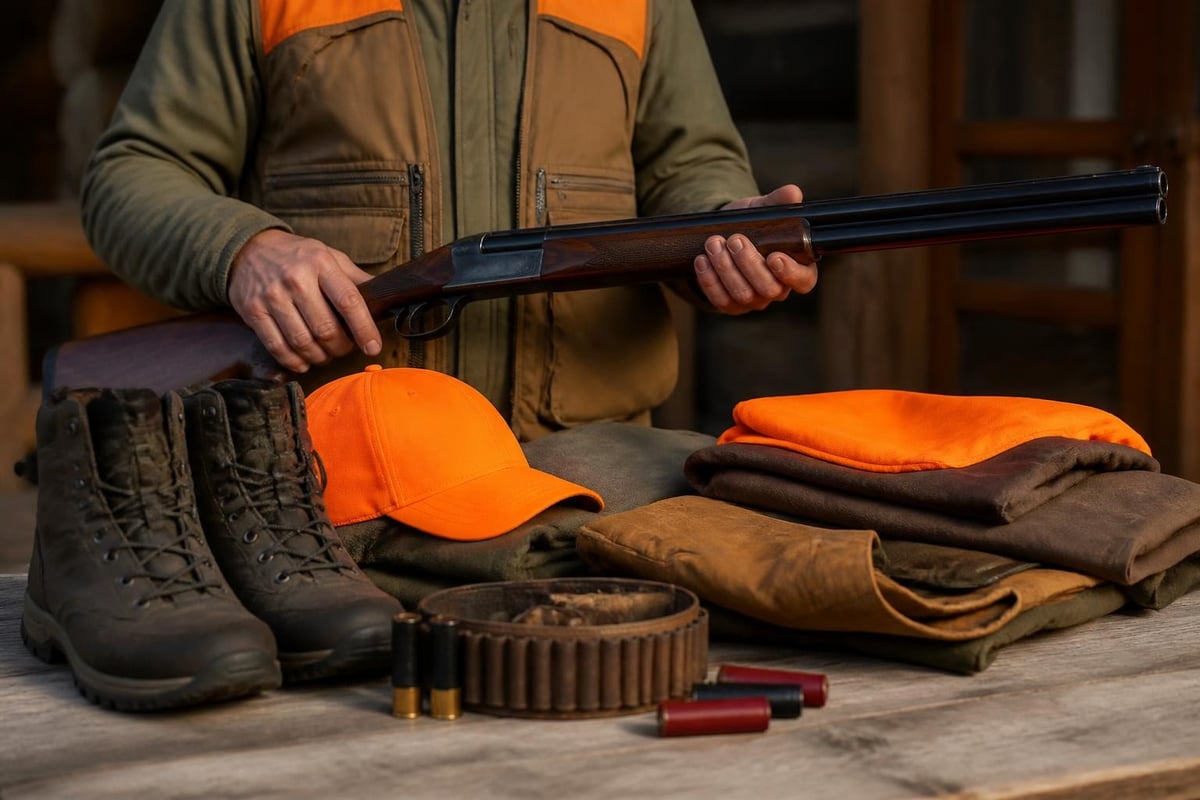
Your shotgun selection significantly impacts the experience. Most experienced hunters prefer 20-gauge or 12-gauge over-unders or side-by-sides choked improved cylinder and modified. These configurations provide appropriate patterns for typical 15 to 30-yard shooting distances. Break-action guns reload quickly during fast-paced covey rises and align with traditional aesthetics many lodges emphasize.
Critical items to pack:
- Upland hunting boots with ankle support and snake protection
- Blaze orange vest and hat for visibility
- Shooting glasses with appropriate tint for conditions
- Hearing protection (electronic preferred for communication)
- Layered clothing for temperature fluctuation
- Leather gloves for brush protection
- Hydration system or water bottles
Many quail hunting lodge operations provide shells, but serious hunters often prefer specific loads. Number 7.5 or 8 shot in 2.75-inch shells handles bobwhite quail perfectly. Bring 100 to 150 rounds daily, more if you shoot extensively or want backup options.
Understanding Plantation-Style Traditions
Traditional plantation quail hunting follows protocols developed over generations. These customs aren't arbitrary formalities but rather practices that enhance safety, efficiency, and enjoyment. Understanding and respecting these traditions demonstrates appreciation for the heritage you're experiencing.
The hunt typically begins with assignments at breakfast. Guides outline the day's plan, weather considerations, and which sections of the property will be hunted. Groups usually consist of two to four hunters per guide, though some lodges offer one-on-one experiences.
Hunters ride in specially designed hunting wagons or trucks to designated starting points. When dogs strike point, the guide positions hunters in a line perpendicular to the dog's nose, spacing everyone for safe shooting lanes. The guide then walks in to flush birds, and hunters take shots as opportunities present themselves within their zones.
Safety protocols at professional operations are non-negotiable. Hunters never shoot low or toward fellow hunters, dog handlers, or guides. Swinging through the line is absolutely forbidden. These rules, combined with professional guide oversight, make lodge hunting extremely safe despite the excitement and quick decision-making required.
Extending Your Experience Beyond Hunting
Many premier quail hunting lodge properties offer activities that enhance multi-day stays. Some maintain sporting clays courses where hunters can practice between morning and afternoon hunts. Others provide fishing opportunities in well-stocked ponds or nearby rivers. These diversions appeal to non-hunting companions or hunters wanting variety.
The finest lodges curate complete Southern hospitality experiences. This might include tours of historic plantation grounds, visits to local attractions, or demonstrations of dog training techniques. Evening gatherings around fireplaces with bourbon tastings or cigar selections create the social bonding that transforms hunting partners into lifelong friends.
For those planning extended stays, consider properties offering multiple game species. Some quail hunting lodge operations also provide deer hunting, duck hunting, or wild turkey opportunities during appropriate seasons. This diversity maximizes your investment in travel and time away from home.
Conservation and the Future of Quail Hunting
Responsible quail hunting lodge operations invest significantly in conservation efforts that extend far beyond their property boundaries. Many partner with organizations like Quail Forever and the National Bobwhite Conservation Initiative, contributing funding and expertise to landscape-level habitat restoration projects.
The most forward-thinking properties view themselves as stewards rather than merely consumers. They implement prescribed burning, manage for diverse native plant communities, control invasive species, and create the early successional habitat that quail populations require. These practices benefit numerous other species, from songbirds to pollinators to small mammals.
Hunters choosing to support conservation-minded lodges contribute to these larger efforts. Your dollars fund habitat work, biological research, and education programs that help restore quail populations across their historic range. This represents hunting at its best – a sustainable, ethical practice that actively improves ecosystems rather than degrading them.
Making the Most of Your Investment
A quail hunting lodge experience represents a significant investment of time and resources. Maximizing value requires more than just shooting well. Arrive with realistic expectations, understanding that even the best operations experience slow days due to weather, bird behavior, or random chance.
Tips for optimal experiences:
- Book well in advance, especially for prime late-season dates
- Communicate dietary restrictions or special needs early
- Bring cameras to document memorable moments
- Tip guides and staff appropriately (typically 20-25% of daily rate)
- Follow up with thank-you notes or reviews
- Build relationships for return visits
Many hunters develop decades-long relationships with specific lodges, returning annually with the same group. These traditions create continuity and deeper connections to place, people, and the sport itself. Staff members remember your preferences, guides understand your shooting style, and the entire experience becomes more personalized with each visit.
The social elements often equal the hunting itself in value. Shared experiences in the field, stories around the dinner table, and friendships forged through common passion for upland hunting create memories that transcend bird counts or shooting percentages. These intangible benefits justify the premium pricing that quality operations command.
Selecting the right quail hunting lodge transforms a simple hunting trip into an immersive experience celebrating American wingshooting heritage, conservation ethics, and Southern hospitality. Whether you're drawn to traditional plantation-style hunts in Georgia, wild bird challenges in the Midwest, or expansive Texas ranches, the perfect destination awaits. When you're ready to gear up for your next upland adventure, RCS Outdoors offers the firearms, ammunition, and equipment that serious wingshooters trust, along with exclusive partnerships that connect you with premier hunting destinations.


