

Upland Bird Hunting: A Complete Guide for 2026
Upland bird hunting represents one of America's most cherished outdoor traditions, combining physical challenge, strategic thinking, and the timeless partnership between hunter and dog. Unlike waterfowl hunting, which focuses on aquatic environments, upland bird hunting takes place across diverse terrain including grasslands, agricultural fields, brushy hillsides, and forested edges. This pursuit demands specialized equipment, refined shooting skills, and knowledge of various game bird species and their habitats. Whether you're pursuing pheasants in the Midwest, quail in the South, or grouse in the North, understanding the fundamentals of upland bird hunting will enhance your success and appreciation for this rewarding outdoor activity.
Understanding Upland Game Birds
The term "upland game birds" encompasses numerous species that inhabit terrestrial environments rather than wetlands. Each species presents unique challenges and requires specific hunting strategies.
Primary Upland Bird Species
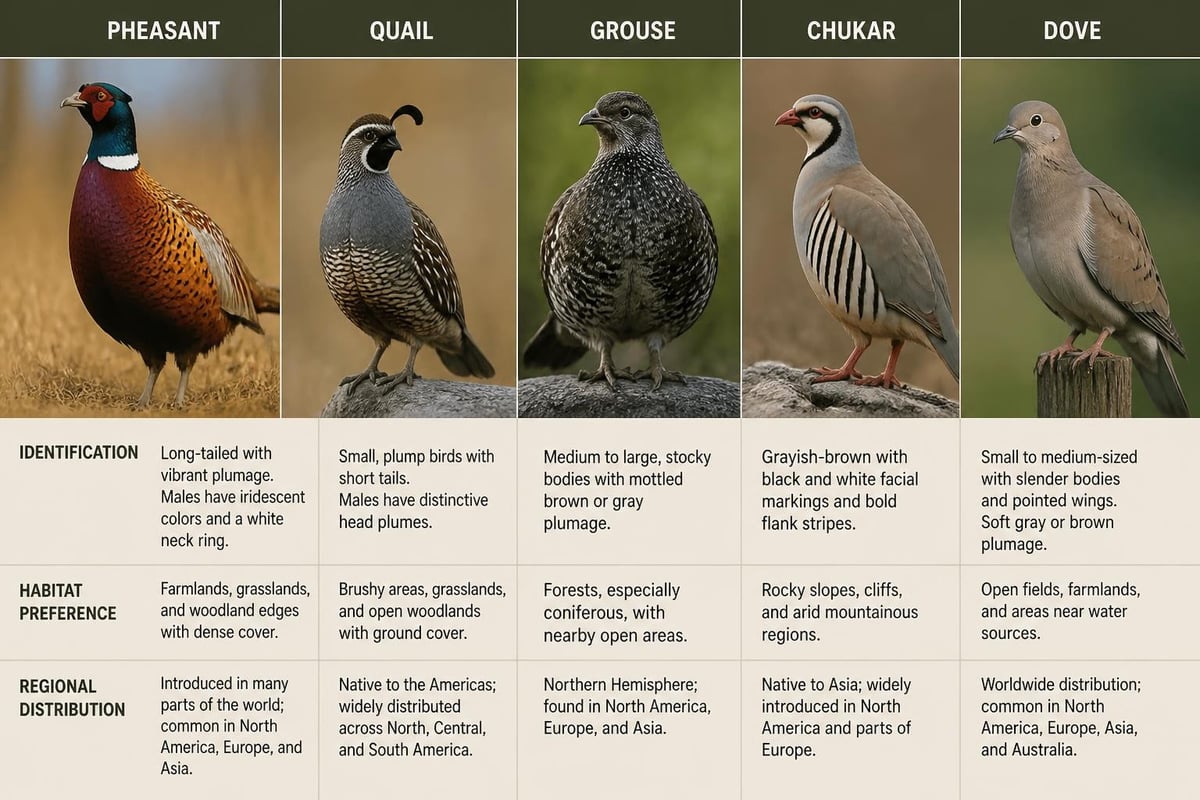
Pheasants remain the most popular target for upland hunters, particularly the ring-necked pheasant found throughout the northern United States. These birds prefer agricultural areas with heavy cover, including corn stubble, grass waterways, and brushy fencerows. Pheasants are known for their explosive flush and tendency to run ahead of hunters before taking flight.
Quail species include bobwhite quail in the eastern and southern states, as well as Gambel's, scaled, and mountain quail in western regions. These smaller birds typically hold tight in coveys, creating dramatic multiple-bird flushes that test even experienced shooters.
Grouse varieties such as ruffed grouse, sharptail grouse, and sage grouse occupy different ecological niches. Ruffed grouse hunting requires navigating dense forest cover, while prairie species favor open grasslands.
Additional upland species include:
- Chukar partridge (western mountain regions)
- Hungarian partridge (northern plains)
- Wild turkey (hunted separately with different regulations)
- Mourning dove (early season favorite)
- Woodcock (eastern forests during migration)
Habitat and Behavior Patterns
Successful upland bird hunting requires understanding how birds use different habitat types throughout the day. Morning feeding typically occurs in agricultural fields or food plots, while midday loafing happens in heavier cover providing shade and protection. Evening feeding mirrors morning patterns before birds move to roosting areas.
Weather significantly influences bird behavior. Wind direction affects scenting conditions for dogs and bird movement patterns. Temperature determines how tightly birds hold or how quickly they flush. Precipitation can concentrate birds in specific cover types or shut down hunting activity entirely.
| Time of Day | Primary Activity | Best Cover Types | Hunting Strategy |
|---|---|---|---|
| Early Morning | Feeding | Field edges, food plots | Focus on transition zones |
| Mid-Morning | Moving to cover | Travel corridors | Block and walk tactics |
| Midday | Loafing | Heavy brush, shade | Work thickest cover slowly |
| Afternoon | Feeding | Open fields, grain stubble | Edge walking, field perimeters |
Essential Gear and Equipment
Proper equipment significantly impacts both hunting success and enjoyment. Unlike big game hunting, upland bird hunting emphasizes lightweight, mobile gear that allows extended walking.
Shotguns and Ammunition
Gauge selection typically centers on 12-gauge and 20-gauge shotguns, with 16-gauge and 28-gauge representing traditional choices for specific applications. The 12-gauge offers versatility across all upland species and hunting conditions. The 20-gauge provides reduced recoil with adequate power for most situations.
Action types include:
- Over/under shotguns – Traditional choice offering quick second shots and excellent balance
- Semi-automatic shotguns – Reduced recoil, higher capacity, weather resistance
- Side-by-side shotguns – Classic styling, natural pointing characteristics
- Pump-action shotguns – Reliable, economical, versatile
Barrel length between 26 and 28 inches balances maneuverability in cover with effective swing dynamics. Choke selection depends on the species and cover density, with improved cylinder and modified representing the most versatile options for upland bird hunting.
Shot size varies by species:
- #7.5 or #8 for quail, dove, woodcock
- #6 or #7.5 for pheasants in heavy cover
- #5 or #6 for late-season pheasants, chukar
- #4 or #5 for sage grouse, sharptail
Clothing and Footwear
Upland bird hunting demands clothing that withstands heavy brush while providing mobility and comfort during extended walking. Briar-resistant pants featuring reinforced front panels protect legs from thorns and thick vegetation. Blaze orange requirements vary by state, so verify local regulations before hunting.
Layering systems accommodate changing weather and activity levels:
- Moisture-wicking base layer
- Insulating mid-layer (removable)
- Wind/water-resistant outer layer
- Upland-specific vest or jacket
Footwear selection represents one of the most critical gear decisions. Eight-inch hunting boots provide ankle support across uneven terrain. Waterproof construction keeps feet dry when crossing streams or hunting wet conditions. Aggressive tread patterns deliver traction on varied surfaces.
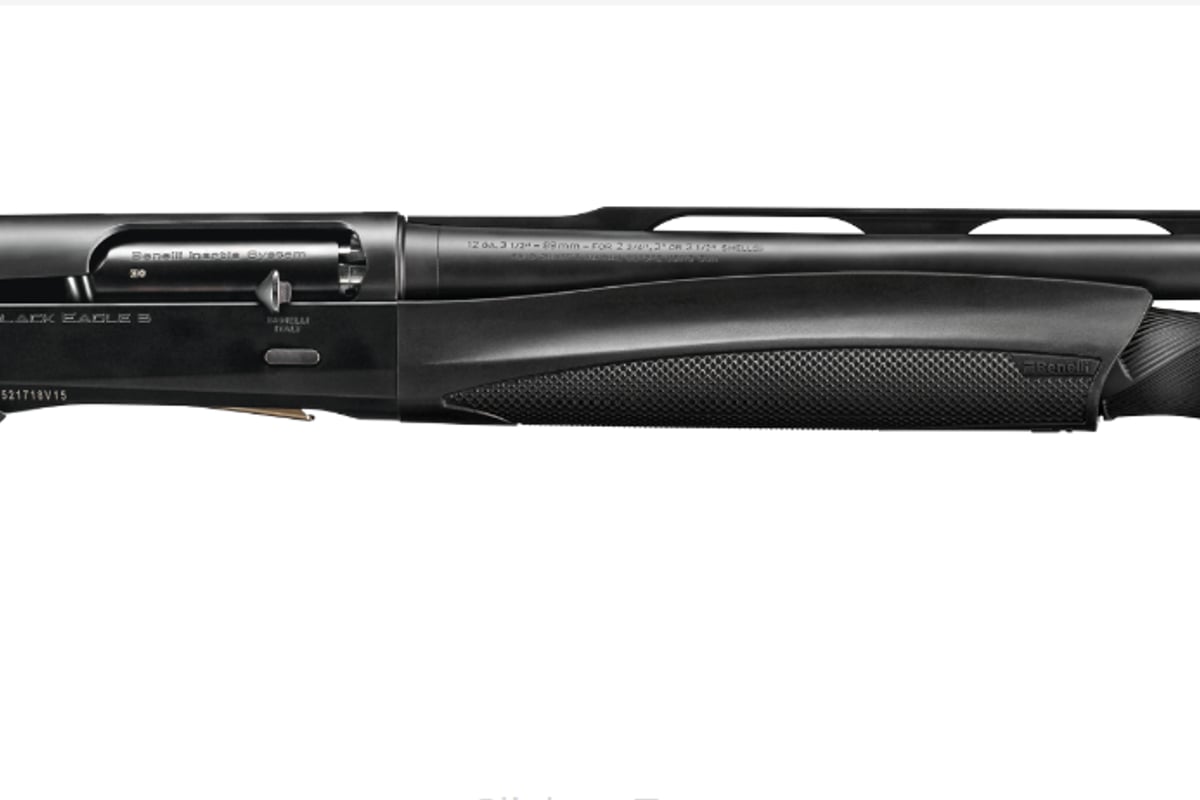
For those serious about pursuing ring-necked pheasants and experiencing premier upland bird hunting opportunities, RCS Outdoors partners with Heartland Lodge to offer exceptional hunting experiences. The Upland Escape Giveaway represents a chance to hunt at one of America's finest wingshooting destinations while testing premium equipment designed specifically for upland pursuits.
Accessories and Supporting Gear
Essential accessories enhance safety and effectiveness in the field:
- Shell carrier or vest – Quick access to additional ammunition
- Game bag – Breathable storage for harvested birds
- Safety glasses – Eye protection from branches and ejected hulls
- Hearing protection – Electronic muffs allowing normal conversation
- GPS device – Navigation in unfamiliar territory
- Water bottles – Hydration for both hunter and dog
- First aid kit – Emergency supplies for remote locations
Hunting Dogs and Their Training
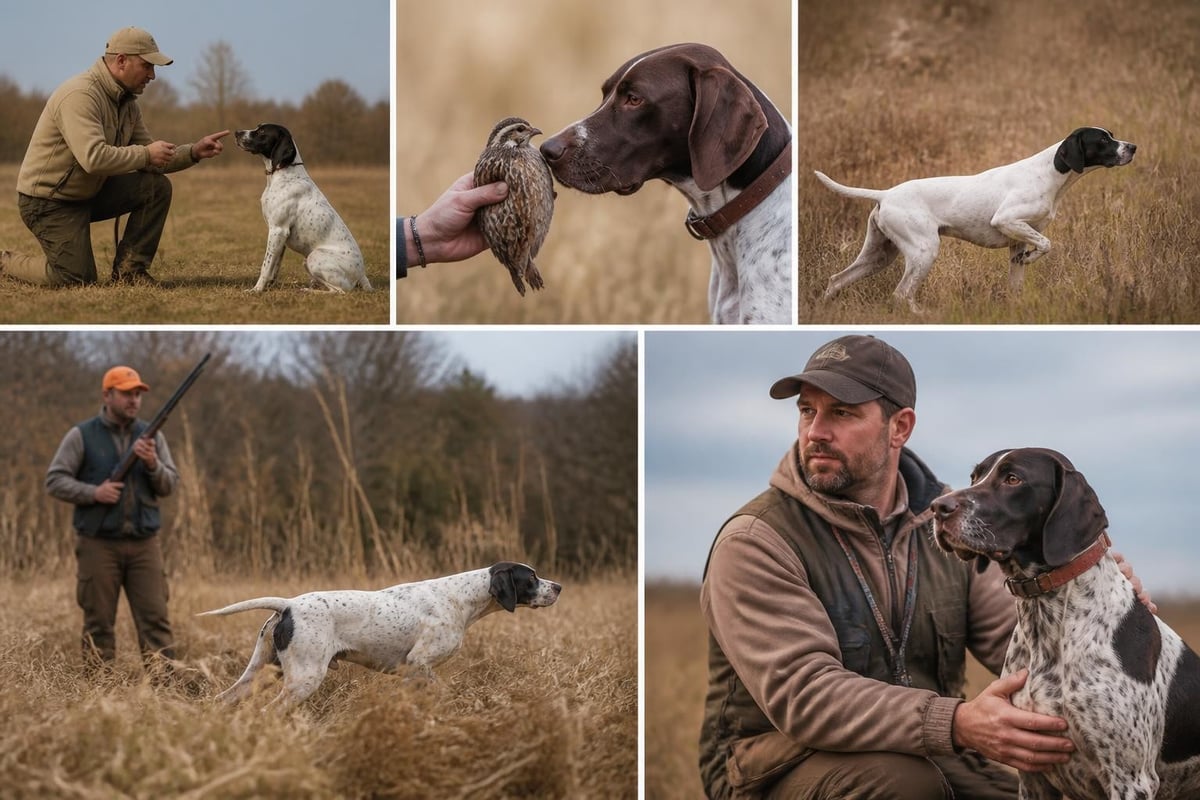
While hunting without dogs is possible, upland bird hunting reaches its fullest expression with a well-trained canine partner. Dogs locate birds using scent, point or flush game, mark falls, and retrieve downed birds.
Pointing vs. Flushing Breeds
Pointing breeds include English pointers, German shorthaired pointers, Brittanys, English setters, and Gordon setters. These dogs locate birds through scent, then freeze on point, allowing hunters to position themselves for the flush. Pointing breeds excel in open country where birds hold tight.
Flushing breeds such as English springer spaniels, Labrador retrievers, and Boykin spaniels work close to hunters, pushing birds into flight within shooting range. These versatile dogs perform exceptionally in heavy cover where pointing breeds struggle to hold birds.
| Breed Type | Working Style | Best Applications | Training Complexity |
|---|---|---|---|
| Pointing | Independent, range variable | Open country, classic upland | Moderate to high |
| Flushing | Close working, systematic | Heavy cover, mixed terrain | Moderate |
| Versatile | Both point and flush capable | All conditions | High |
Essential Dog Training Principles
Effective upland dogs require training in basic obedience, bird work, and gun conditioning. Obedience fundamentals include sit, stay, come, heel, and kennel commands. Without solid obedience, advanced bird work becomes impossible.
Bird introduction should occur gradually using training birds. Young dogs learn natural hunting behaviors while older dogs refine their style. Gun conditioning prevents gun-shyness through careful, positive exposure to gunfire at appropriate distances.
Continuing education throughout a dog's career maintains skills and prevents bad habits. Even experienced dogs benefit from regular training sessions reinforcing proper behaviors.
Field Tactics and Hunting Strategies
Successful upland bird hunting combines physical fitness, shooting skill, and tactical knowledge. Different species and terrain types demand adapted approaches.
Solo Hunting Techniques
Individual hunters should work into the wind whenever possible, allowing dogs to scent birds effectively. Walking in zigzag patterns covers ground thoroughly while preventing birds from running out sides. Pausing occasionally triggers nervous birds to flush.
Heavy cover requires slow, methodical movement. Rushing through thick brush pushes birds out of range before flush opportunities develop. Strategic pauses every 20-30 yards allow approaching birds to settle.
Group Hunting Methods
Multiple hunters should establish clear shooting zones preventing dangerous crossfire situations. The traditional line approach positions hunters side by side, walking parallel paths with defined left and right shooting responsibilities.
Blocking tactics place hunters at likely escape routes while drivers push birds toward them. This strategy works exceptionally well for pheasants, which prefer running to flying. Communication through radio or hand signals coordinates movements.
Safety protocols for group hunting include:
- Establish clear shooting zones before entering cover
- Maintain visual or verbal contact throughout drives
- Unload guns when crossing obstacles or fence lines
- Identify targets completely before mounting gun
- Never swing through the line of other hunters
Reading Cover and Terrain
Experienced hunters learn to read subtle landscape features indicating bird presence. Edge habitat where different cover types meet concentrates birds. Transition zones between feeding and loafing areas see heavy use.
Topography channels bird movement. Draws, saddles, and ridgelines serve as natural travel corridors. Understanding these patterns dramatically increases encounter rates.
Weather fronts trigger bird movement. High-pressure systems following storms create prime hunting conditions as birds feed actively. Approaching storms send birds into heavy cover.
Shot Techniques and Marksmanship
Upland bird hunting presents dynamic shooting scenarios requiring refined technique. Unlike stationary target shooting, wing shooting demands coordinated movement, visual focus, and trigger timing.
Fundamentals of Wing Shooting
Gun mounting should flow smoothly from carry position to cheek weld without conscious thought. Consistent mount placement ensures shot pattern places where the shooter looks. Hours of dry-fire practice build muscle memory supporting field performance.
Visual focus remains on the bird rather than the gun barrel. The subconscious mind calculates leads and distances when eyes lock onto the target. Looking at the bead or barrel creates misses.
Swing dynamics vary by shot angle:
- Straightaway birds – Minimal lead, focus on smooth follow-through
- Crossing shots – Maintained lead, continuous swing through trigger pull
- Incoming birds – Blot out bird with barrel, shoot as gun passes target
- Quartering shots – Combination of vertical and horizontal lead
Common Shooting Mistakes
Stopping the swing causes more misses than any other error. Shooters must maintain gun movement through and after trigger pull. Shooting at rather than through birds creates deceleration and shots behind targets.
Head lifting disconnects eye-barrel relationship. Maintaining firm cheek contact throughout the shot sequence ensures consistent point of impact.
Poor footwork restricts swing and creates inconsistent shooting platform. Proper stance allows rotation through full range of motion without balance loss.
Conservation and Ethics
Responsible upland bird hunting supports wildlife conservation while honoring ethical principles. License and stamp purchases fund habitat restoration, wildlife research, and public land management.
Bag Limits and Regulations
Every state establishes specific seasons, bag limits, and legal methods for upland game birds. Regulations vary significantly across jurisdictions, requiring hunters to verify current rules before pursuing birds.
Daily bag limits prevent overharvest while possession limits restrict freezer stockpiling. These science-based restrictions ensure sustainable populations for future generations.
Habitat Stewardship
Upland birds depend on specific habitat conditions for survival. Agricultural practices, urban development, and climate patterns all impact available habitat. Supporting conservation organizations contributes to habitat preservation and restoration projects.
Many hunters participate in:
- Food plot establishment on private land
- Brush management maintaining edge habitat
- Native grass plantings providing nesting cover
- Conservation easements protecting critical habitat
Ethical Hunting Practices
Beyond legal requirements, ethical hunters embrace standards ensuring humane harvest and respect for wildlife. Shooting within effective range prevents crippling losses. Most shotgun patterns become ineffective beyond 40 yards despite perceived capabilities.
Retrieving all downed birds honors harvested game. Thorough searches with dogs recover birds that might otherwise be lost. Hunters should be prepared to refuse shots when retrieval seems unlikely.
Respecting property and landowners maintains access for future hunts. Securing permission, closing gates, avoiding crop damage, and expressing gratitude preserve hunting opportunities.
Physical Preparation and Fitness
Upland bird hunting demands significant physical conditioning. A typical hunt covers 5-10 miles across challenging terrain while carrying equipment and harvested birds.
Cardiovascular Conditioning
Aerobic fitness enables sustained walking at hunting pace without excessive fatigue. Training should simulate field conditions through hiking on uneven terrain with weight-bearing equipment.
Building cardiovascular base requires consistent effort:
- Begin with 30-minute walks at comfortable pace
- Gradually increase duration and pace
- Add weight through backpack or vest
- Include hill work simulating field conditions
- Train with hunting boots breaking in footwear
Strength and Flexibility
Core strength supports proper shooting form while preventing back injury from extended walking. Rotational exercises develop muscles used in swing mechanics.
Leg strength handles steep terrain and thick cover. Lunges, squats, and step-ups build functional strength for upland hunting movements.
Flexibility prevents injury and improves shooting range of motion. Regular stretching routines maintain mobility as hunting seasons progress.
Planning Successful Hunts
Productive upland bird hunting trips require advance planning addressing access, timing, and logistics.
Public Land Opportunities
State wildlife management areas provide accessible upland hunting across the country. Public lands offer extensive acreage without access fees, though hunting pressure can be significant.
Walk-in areas and hunter management zones balance opportunity with quality through various access systems. Some programs limit hunter numbers while others simply designate private lands open to public hunting.
Researching public land regulations, access points, and recent hunter reports improves success rates on unfamiliar properties.
Private Land Access
Private property often provides superior hunting with reduced pressure. Securing permission requires professional approach, respect, and often willingness to help with farm or ranch work.
Lease hunting exchanges payment for exclusive or semi-exclusive access. Daily fees, seasonal leases, or annual memberships provide structured access to quality habitat.
Optimal Timing
Opening weekend generates maximum excitement but also peak hunter numbers. Mid-week hunts encounter fewer hunters with birds exhibiting more natural behavior patterns.
Weather timing creates advantages. Hunting the day after significant storms finds birds actively feeding to replenish energy. Early morning catches birds in predictable feeding patterns before thermal currents scatter them.
Late season offers experienced birds testing skills, reduced hunting pressure, and often better dog working conditions with cooler temperatures.
Upland bird hunting combines tradition, athleticism, and outdoor skill into a deeply rewarding pursuit that connects hunters with wild landscapes and gamebird populations. Success requires quality equipment, trained dogs, refined shooting skills, and comprehensive knowledge of bird behavior and habitat. Whether you're pursuing your first pheasant or adding another season to decades of upland experience, having the right shotgun and ammunition makes all the difference. RCS Outdoors provides hunters with premium firearms, shells, and gear specifically selected for upland applications, backed by expert staff who understand the demands of walking miles through heavy cover in pursuit of wild birds.


