Pheasant Hunting Lodge Guide: Your 2026 Hunting Retreat
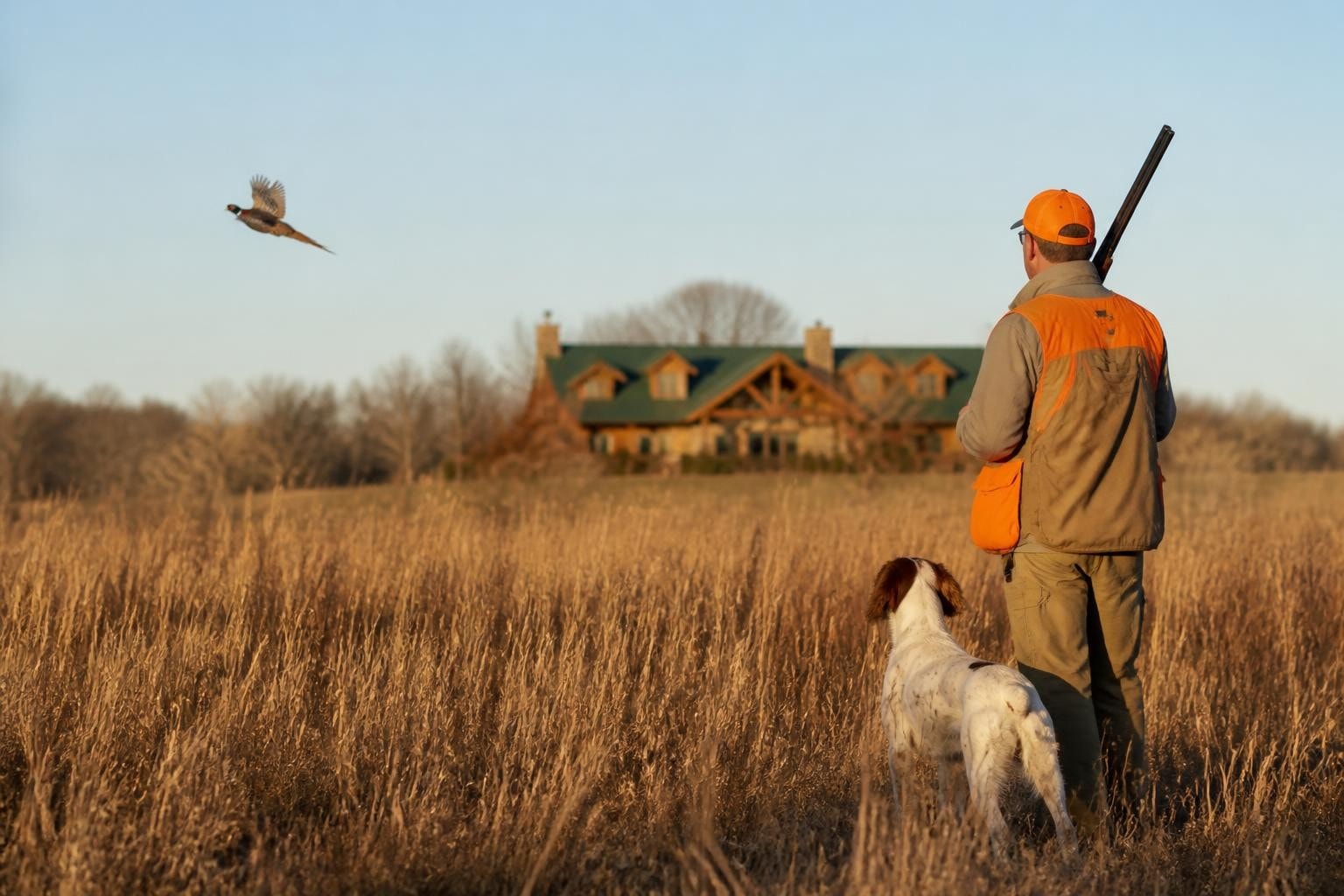
The pursuit of wild gamebirds has evolved significantly over the past century, with specialized accommodations transforming the hunting experience from rustic camping to comfortable, service-focused retreats. A pheasant hunting lodge offers hunters a comprehensive package that combines quality wingshooting opportunities with comfortable lodging, professional guides, and well-trained bird dogs. These establishments cater to everyone from seasoned upland hunters to newcomers seeking an introduction to the sport, providing structured hunting programs in prime habitat managed specifically for optimal bird populations. Whether you're planning a solo adventure, a corporate retreat, or a family hunting tradition, understanding what distinguishes exceptional lodges from basic operations can make the difference between a memorable experience and a disappointing investment.
Understanding the Pheasant Hunting Lodge Experience
A dedicated facility for upland bird hunting provides far more than just a place to sleep between morning and afternoon hunts. These specialized operations manage hundreds or thousands of acres specifically for game bird habitat, ensuring healthy populations and challenging shooting opportunities throughout the season.
What Defines a Quality Operation
The best establishments combine multiple essential elements that work together to create an exceptional experience. Professional guide services stand at the core, with experienced handlers who understand bird behavior, terrain navigation, and hunter safety protocols. High-quality lodges invest in trained pointing dogs that are essential for locating and flushing birds effectively, and these dogs represent years of breeding and training.
Habitat management separates premier operations from basic hunting grounds. This includes:
- Food plot establishment with millet, sorghum, and corn
- Native grass cover maintenance for roosting and escape
- Water source development throughout hunting areas
- Strategic cover corridors connecting habitat blocks
- Controlled predator management programs
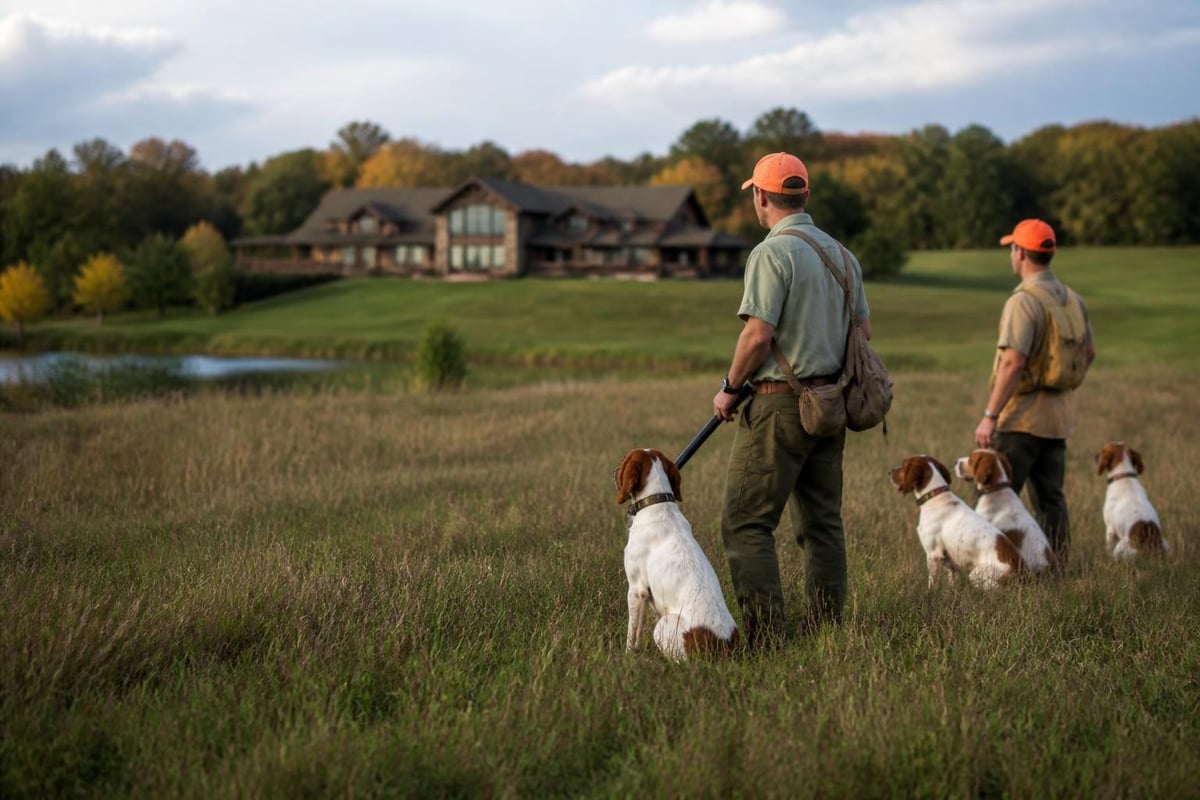
The infrastructure itself matters significantly. Guest accommodations should provide genuine comfort after physically demanding days in the field, with amenities like hot showers, quality bedding, and common areas for socializing. Many operations now include gun cleaning stations, freezer facilities for processed birds, and equipment storage.
Seasonal Considerations and Planning
Timing your hunt appropriately maximizes both bird numbers and weather conditions. Most lodges operate from October through March, with variations based on state regulations and climate zones. Illinois regulations for controlled permit hunting provide specific frameworks that many operations follow for season structures and bag limits.
| Season Period | Conditions | Bird Behavior | Booking Status |
|---|---|---|---|
| October-November | Moderate temperatures, early vegetation | Birds still in summer patterns | High demand, book early |
| December-January | Coldest periods, snow possible | Birds concentrated near food | Peak season pricing |
| February-March | Warming trends begin | Birds dispersing, challenging | Better availability |
Early season hunting typically offers easier walking conditions and more predictable bird locations near food sources. However, vegetation remains thick, which can complicate shooting lanes. Late season presents different challenges, with birds becoming more wary and winter weather potentially limiting hunting days, though experienced hunters often prefer these conditions for the more challenging sport they provide.
Selecting the Right Pheasant Hunting Lodge
With hundreds of operations across the United States, choosing the right facility requires careful evaluation of multiple factors that align with your expectations and experience level.
Geographic Considerations
The traditional pheasant belt stretches across the northern Great Plains, with South Dakota, Kansas, Nebraska, and Iowa hosting the highest concentration of lodges. Each region offers distinct characteristics that influence the hunting experience. South Dakota operations like Oak Tree Hunting & Lodge showcase how the state's premier pheasant country provides ideal habitat and weather conditions.
Proximity to your home base affects trip logistics significantly. Shorter drives mean more time hunting and less travel fatigue, while distant destinations might offer superior bird populations or unique experiences worth the additional transit time. Consider whether you'll drive or fly, as this impacts gear transportation and trip costs substantially.
Climate patterns vary considerably across regions. Northern operations face harsher winter conditions but often maintain higher wild bird populations, while southern lodges extend seasons longer with milder weather. Some hunters specifically seek the experience of hunting in snow-covered landscapes, while others prefer moderate temperatures throughout their stay.
Evaluating Amenities and Services
Modern pheasant hunting lodge facilities range from basic bunkhouse-style accommodations to luxury retreats with resort-level amenities. Your selection should match both your budget and comfort expectations for multi-day stays in rural locations.
High-end operations typically include:
- Private or semi-private rooms with en-suite bathrooms
- Chef-prepared meals featuring wild game and regional cuisine
- Full bar service and comfortable lounges
- Professional cleaning services and daily housekeeping
- On-site sporting clays or shooting instruction
- Wireless internet and entertainment options
Budget-conscious hunters might prioritize bird numbers and guide quality over accommodations, accepting shared rooms and family-style meals in exchange for longer hunting days and lower daily rates. Snake Den Lodge demonstrates how family-run operations often provide excellent hunting with more modest facilities at competitive pricing.
Preparing for Your Lodge Hunt
Success at a pheasant hunting lodge requires appropriate preparation in several categories, from physical conditioning to gear selection and understanding hunt formats.
Physical Conditioning and Health
Upland bird hunting demands significant physical exertion that surprises many first-time participants. A typical hunting day covers five to ten miles on foot over uneven terrain, through thick vegetation, and sometimes in challenging weather conditions. Hunters should prepare with cardiovascular exercise starting at least six weeks before their trip.
Walking, hiking with a weighted vest, and stair climbing build the specific muscle groups and endurance required for all-day hunts. Focus on ankle and knee strength, as uneven ground and thick cover create constant balance challenges. Proper conditioning not only improves your hunting performance but reduces injury risk and allows you to fully enjoy extended days afield.
Essential Gear and Equipment
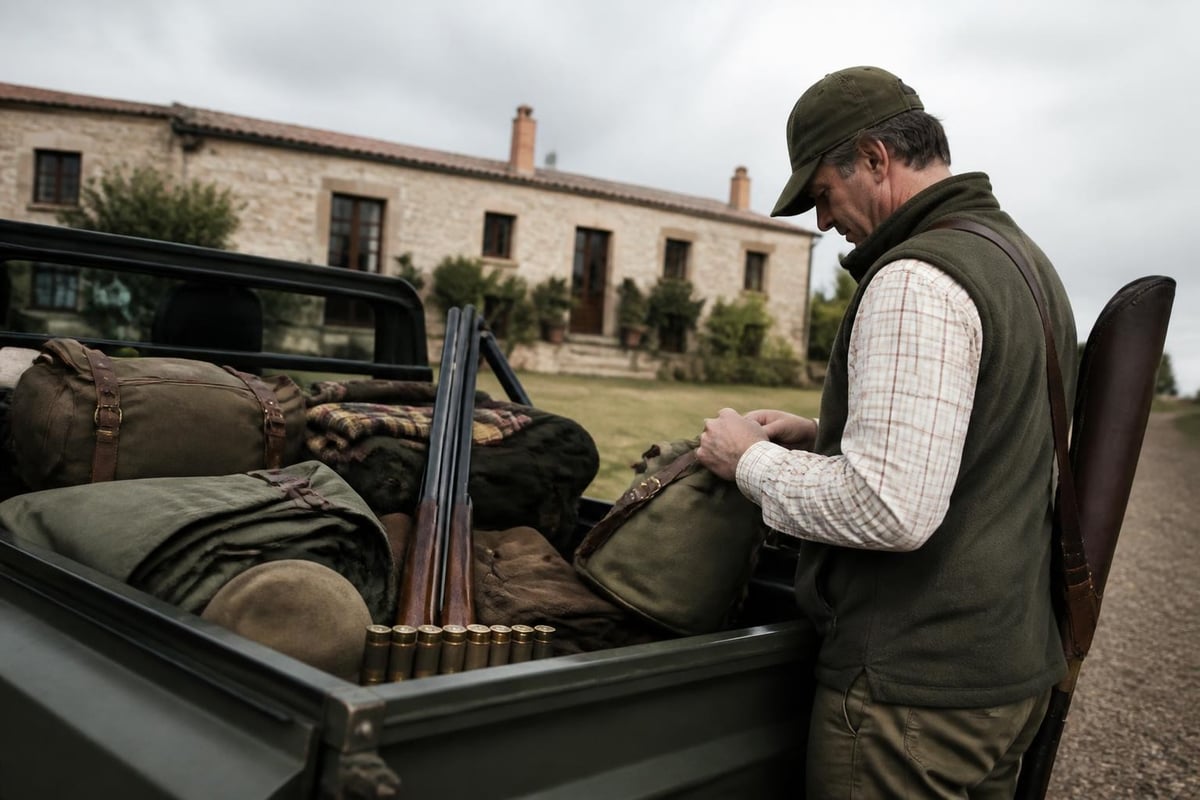
Your firearms selection significantly impacts both shooting success and carrying comfort during long days. Most hunters choose between three shotgun configurations for pheasant work. Twenty-gauge shotguns provide lighter carry weight with sufficient power for birds within 35 yards, while twelve-gauge options deliver more shot and greater range for longer shots common in open country.
The right ammunition combines adequate power with appropriate shot size:
| Shot Size | Optimal Range | Best Conditions | Payload |
|---|---|---|---|
| #6 | 25-35 yards | Thick cover, close flushes | 1-1/8 oz |
| #5 | 30-40 yards | Mixed terrain, variable distance | 1-1/4 oz |
| #4 | 35-45 yards | Open fields, long shots | 1-3/8 oz |
Clothing requires more attention than many hunters initially realize. Layering systems that accommodate morning temperatures in the 30s and afternoon highs in the 50s provide flexibility throughout the day. Blaze orange requirements vary by state, with Massachusetts hunting regulations providing examples of minimum visibility standards many operations recommend regardless of legal requirements.
Quality upland boots with ankle support and waterproofing prove essential. Break them in thoroughly before your trip, as new boots guarantee blisters during all-day hunts. Consider bringing two pairs to alternate daily, allowing each to dry completely overnight.
Understanding Hunt Formats
Different lodges structure their hunts according to various philosophies and management approaches. Release hunts involve birds raised on-site and strategically placed in hunting areas hours or days before hunts. These operations guarantee bird encounters and allow precise control over hunting pressure and success rates.
Wild bird operations manage natural populations through habitat improvement and limit hunter numbers to maintain sustainable harvests. These hunts typically prove more challenging but appeal to purists seeking authentic wild game experiences. Some pheasant hunting lodge facilities combine both approaches, offering released bird guarantees with opportunities to encounter wild populations in specific zones.
Group size affects the entire experience substantially. Private hunts for 2-4 hunters provide maximum flexibility and personalized attention from guides. Larger groups up to 8-10 hunters create social experiences but require more coordination and may reduce individual shooting opportunities. Many operations offer both options with corresponding rate structures.
Top Destinations and What They Offer
Regional variations in pheasant hunting lodge operations reflect different philosophies, habitat types, and target clientele, creating options for every preference and budget level.
Premier South Dakota Properties
South Dakota dominates the pheasant hunting lodge industry with more commercial operations than any other state. The combination of ideal habitat, strong wild bird populations, and established tourism infrastructure makes it the destination of choice for serious upland hunters. Eagle Pass Lodge exemplifies the luxury segment, offering premium accommodations alongside exceptional hunting grounds.
The state's central location makes it accessible from both coasts within a day's drive or short flight to Sioux Falls or Rapid City. Many operations offer airport pickup services, eliminating rental car needs for fly-in hunters. Package pricing typically includes lodging, meals, guided hunts, bird cleaning, and dog services, simplifying budget planning.
Antler Ridge Lodge represents another approach, combining upland bird hunting with big game opportunities for hunters seeking diverse experiences during a single trip. This multi-species model works particularly well for groups with varied interests or families introducing younger hunters to multiple pursuits.
Midwest and Plains Alternatives
Kansas, Nebraska, and Iowa host numerous quality operations that often provide similar hunting at lower costs than premium South Dakota lodges. These states maintain strong pheasant populations, and many facilities offer exclusive hunting rights to large acreages that see minimal pressure throughout the season.
Wagon Wheel Ranch lodging facilities demonstrate how operations balance comfort with authentic ranch experiences. These working agricultural properties integrate hunting into broader land management strategies, often providing genuine insights into modern farming alongside sporting opportunities.
Iowa operations frequently combine pheasant hunting with exceptional waterfowl opportunities, given the state's location along major flyways. This dual focus allows hunters to pursue different species during single trips, maximizing time afield and potentially providing diverse game for the freezer.
Boutique and Specialty Operations
Beyond the major pheasant belt, specialized lodges operate in unexpected locations, often focusing on preserve-style hunting with year-round availability. These operations suit hunters seeking off-season opportunities or those wanting to introduce newcomers to upland hunting without traveling to remote locations.
OO Farm Lodge showcases how quality operations maintain high standards regardless of their location or business model. Professional guide work, well-trained dogs, and attention to guest experience matter more than geographic advantages for many hunters prioritizing service quality and overall enjoyment.
Making the Most of Your Experience
Maximizing value and enjoyment from your pheasant hunting lodge investment extends beyond simply showing up with a shotgun and hunting license.
Pre-Trip Communication
Contact the lodge several weeks before arrival to confirm specific details about your reservation and clarify any questions about what's included in your package. Ask about current bird numbers, recent hunter success rates, and any weather concerns that might affect your scheduled dates. Quality operations welcome these conversations and provide honest assessments rather than marketing hype.
Verify ammunition policies, as some lodges require purchasing shells on-site while others allow you to bring your own. Confirm dog policies if you plan to bring personal hunting dogs, understanding that additional fees often apply and spaces may be limited. Discuss any dietary restrictions or special accommodation needs well in advance, allowing kitchen staff time to prepare appropriately.
During Your Stay
Building positive relationships with guides enhances your experience significantly. These professionals possess intimate knowledge of the property, bird behavior patterns, and optimal hunting strategies for current conditions. Listen to their advice, follow their instructions regarding safety and positioning, and recognize that their primary goal involves providing you with quality shooting opportunities.
Pace yourself appropriately throughout multi-day hunts. Many hunters push too hard on opening days, resulting in exhaustion that diminishes enjoyment and performance later in the trip. Take breaks when offered, hydrate consistently even in cool weather, and don't hesitate to communicate if you need slower pacing or additional rest.
Ethical Hunting Practices
Shot selection separates responsible hunters from those simply looking to fill limits without regard for clean kills and bird recovery. Wait for clear opportunities within your effective range, typically 25-40 yards for most shooters and equipment combinations. Pass questionable shots where vegetation obscures the bird or distance stretches your capabilities.
Mark downed birds immediately by noting landmarks or using GPS coordinates, as thick cover can conceal fallen pheasants remarkably well. Work methodically with guides and dogs to recover every bird before moving to new locations. Many lodges impose fees for unretrieved birds, both as a conservation measure and to encourage careful shooting and thorough recovery efforts.
Working with Outfitters and Booking
The business relationship with your chosen pheasant hunting lodge begins long before you arrive and continues after your departure, with smart approaches to booking and communication ensuring smooth experiences.
Timing Your Reservation
Prime dates at popular lodges book six to twelve months in advance, particularly for weekends during peak season from November through January. Corporate groups and returning clients often reserve the same weeks annually, limiting availability for new customers seeking premier time slots. Early booking provides both better date selection and sometimes early-bird discounts that reduce overall costs.
Shoulder season dates in October and late February offer advantages beyond just better availability. Rates typically run 15-30% lower than peak season, and lodges often provide more flexible packages or upgraded services to fill calendars during slower periods. Bird numbers remain strong, though weather conditions may be less predictable.
Package Options and Pricing
Most operations offer structured packages that bundle accommodations, meals, guided hunts, and services into per-person daily rates. Understanding exactly what's included versus additional charges prevents surprise expenses and allows accurate trip budgeting. Standard packages typically cover:
- Lodging for specified number of nights
- Three meals daily plus snacks
- Guided hunts for half-day or full-day increments
- Bird cleaning and packaging
- Use of lodge dogs and handler services
Additional costs might include ammunition, alcoholic beverages, gratuities for guides and staff, hunting licenses and habitat stamps, bird shipping, and any recreational activities like sporting clays. RCS Outdoors has partnered with operations like Heartland Lodge to offer special promotions, with programs like The Upland Escape Giveaway showcasing premium hunt packages that celebrate traditional American upland hunting.
Payment Policies and Cancellations
Booking typically requires deposits of 25-50% of total package costs, with balances due 30-60 days before arrival. Payment terms vary by operation, with some accepting credit cards while others prefer checks or wire transfers to avoid processing fees. Review cancellation policies carefully, as these range from full refunds with sufficient notice to no refunds for cancellations within certain windows.
Weather cancellation policies deserve special attention. Most lodges continue operations in rain, snow, and cold conditions that some hunters consider unpleasant, making weather-related cancellations subject to standard cancellation policies rather than exceptions. Trip insurance provides protection against unexpected circumstances, from personal emergencies to travel disruptions that prevent you from reaching the lodge.
Extending Your Hunting Season
A pheasant hunting lodge visit often sparks interest in expanded upland hunting pursuits beyond single annual trips, with various approaches to building more consistent wingshooting opportunities.
Multi-Species Opportunities
Many facilities offer combination hunts targeting multiple upland species during single trips. Quail, chukar, and Hungarian partridge provide different challenges and extend daily shooting opportunities beyond pheasant-specific periods. These smaller, faster birds demand quick reflexes and excellent gun handling, offering skill development that translates to improved pheasant shooting.
Waterfowl combinations work particularly well in late season, when duck and goose migrations overlap with pheasant availability. Morning waterfowl hunts followed by afternoon upland work provide diverse experiences and potentially fill freezers with varied game. Some lodges maintain both wetland and upland habitats specifically to accommodate these combination packages.
Building Annual Traditions
Establishing relationships with specific lodges creates continuity that enhances experiences over time. Guides remember your shooting preferences and abilities, recommending areas matched to your skills. Return clients often receive priority booking for preferred dates and sometimes benefit from loyalty discounts or complimentary upgrades during slower periods.
Annual trips with consistent groups of friends or family members build traditions that extend beyond hunting itself. Shared experiences, inside jokes from past trips, and friendly competitions create bonds that make these gatherings highlights of the year. Many lodges recognize and encourage these traditions, sometimes offering group rates or special recognition for long-term returning clients.
Supporting Conservation Through Hunting
Revenue from lodge operations directly supports habitat conservation and upland bird populations in ways that benefit both wild and released birds. Lodges invest heavily in food plots, cover establishment, and predator control that improves conditions for all upland species across large landscapes. These management efforts often produce positive spillover effects for neighboring properties and contribute to regional bird populations.
Hunting license and habitat stamp purchases fund state wildlife programs that conduct research, monitor populations, and implement conservation initiatives. The economic impact of upland hunting supports rural communities, providing employment and business revenue that maintains the viability of agricultural landscapes essential for pheasant survival. By participating in lodge hunts and supporting the broader hunting economy, you contribute directly to conservation funding and habitat preservation.
Selecting the right pheasant hunting lodge transforms a simple hunting trip into a comprehensive outdoor experience that combines sport, tradition, and camaraderie. Whether you're pursuing wild birds across the Dakota prairie or enjoying managed hunts closer to home, quality lodges provide the infrastructure, expertise, and bird populations that create memorable days afield. When you're ready to equip yourself with the firearms and ammunition needed for your next upland adventure, RCS Outdoors offers everything from shotguns to specialty shells, helping you prepare for exceptional wingshooting experiences.


