

Upland Hunting: Complete Guide for Success Afield
Upland hunting represents one of America's most cherished outdoor traditions, combining athleticism, marksmanship, and partnership with hunting dogs to pursue wild game birds across diverse landscapes. Unlike waterfowl hunting conducted in wetlands and marshes, this pursuit takes hunters into fields, forests, prairies, and hillsides where species like pheasants, quail, grouse, and chukar thrive. The sport demands physical endurance, quick reflexes, and deep knowledge of bird behavior while fostering a connection with both the land and the working dogs that make these hunts memorable. Whether you're considering your first upland adventure or seeking to refine your approach, understanding the fundamentals will enhance your success and appreciation for this dynamic hunting discipline.
Understanding Upland Game Species
Successful hunters must first recognize the diverse species they'll encounter and understand their unique habitats and behaviors. Each bird presents distinct challenges that require adapted tactics and strategies.
Primary Target Species
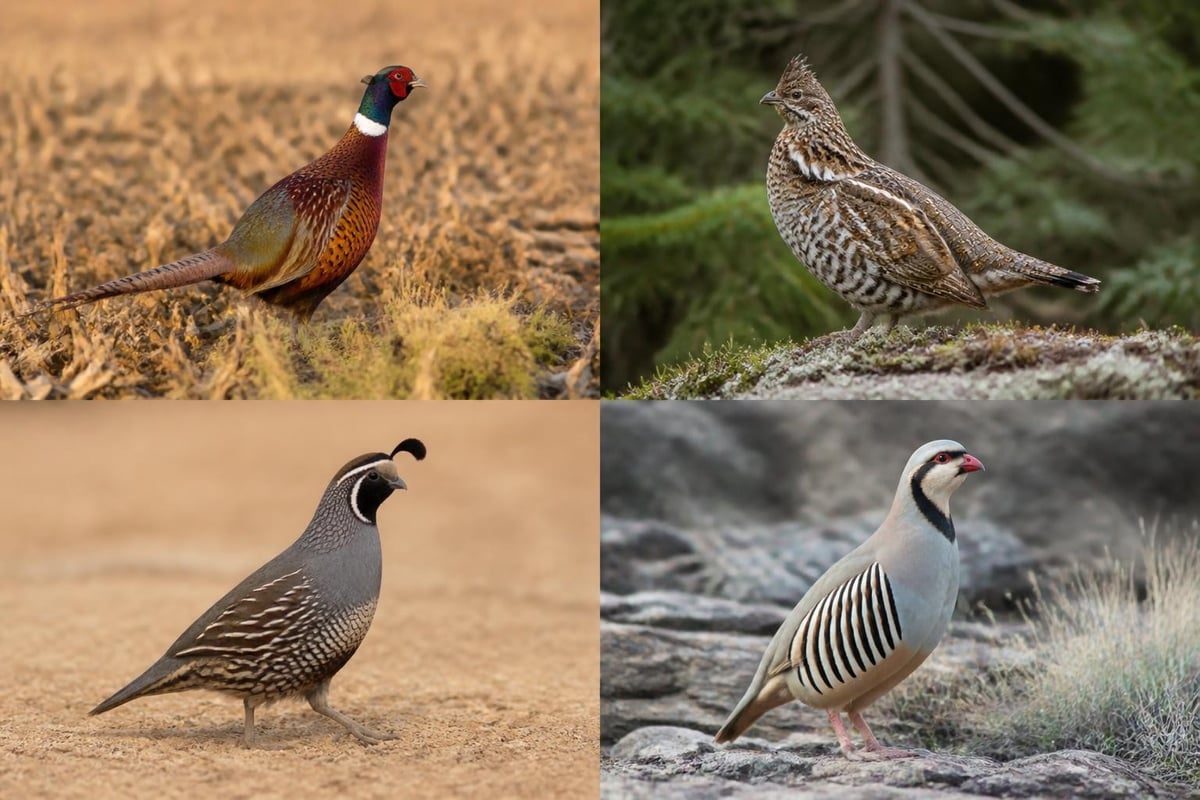
Ring-necked pheasants dominate as the most popular upland game bird across the Midwest, thriving in agricultural areas with mixed cover of crop stubble, grass, and woody edges. These birds prefer running over flying, often leading hunters and dogs on extended chases before flushing explosively at close range.
Bobwhite quail inhabit the southern states and offer classic covey hunting experiences where groups of 8-15 birds burst simultaneously from thick cover. Their preference for edge habitat between fields and brushy areas makes them predictable yet challenging targets.
Ruffed grouse represent the king of northern forests, living in mixed hardwood and conifer stands where they feed on buds, berries, and insects. These birds flush suddenly from dense cover, threading through trees at remarkable speeds that test even experienced shooters.
The comprehensive species guide from Field & Stream provides detailed identification characteristics and habitat preferences for regional upland birds.
Regional Variations and Hunting Pressure
Different regions support varying populations based on climate, habitat, and management practices. Western states offer chukar and Hungarian partridge in arid, mountainous terrain, while prairie states maintain strong populations of sharptail grouse and prairie chickens on native grasslands.
| Species | Primary Region | Habitat Type | Season Timing |
|---|---|---|---|
| Ring-necked Pheasant | Midwest/Great Plains | Agricultural lands | October-January |
| Bobwhite Quail | Southeast/South Central | Pine forests/farmland | November-February |
| Ruffed Grouse | Northeast/Upper Midwest | Mixed forests | September-January |
| Chukar | Western mountains | Rocky hillsides | September-February |
Essential Gear and Equipment Selection
Proper equipment significantly impacts comfort, safety, and success during extended days pursuing upland birds across challenging terrain.
Shotgun Selection and Configuration
The shotgun serves as the primary tool, and selecting the appropriate gauge, action type, and choke configuration proves critical for consistent performance. Most upland hunters favor 12-gauge or 20-gauge shotguns that balance power with manageable recoil during high-volume shooting days.
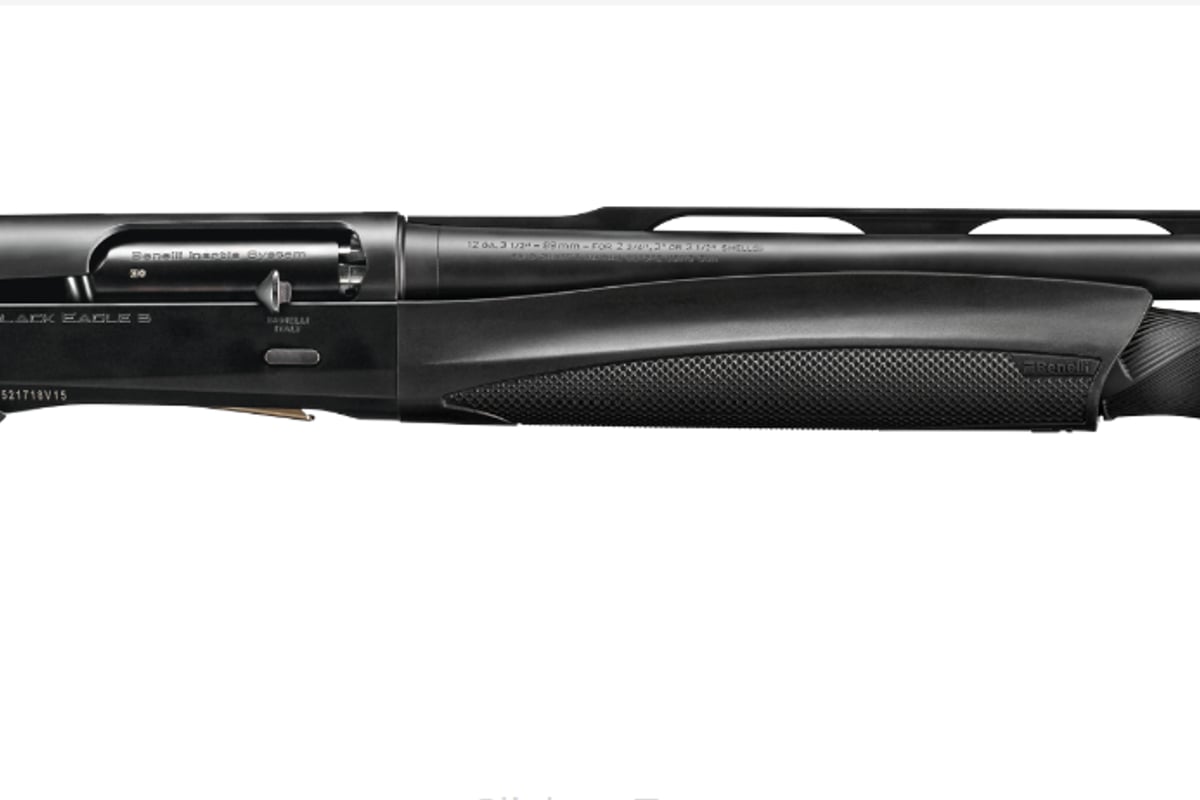
Double-barrel shotguns, whether side-by-side or over-under configurations, offer traditional appeal with quick follow-up shots and easy unloading while crossing obstacles. Semi-automatic shotguns reduce felt recoil through gas or inertia operation, making them popular for all-day comfort. Pump-action shotguns provide reliability at lower price points while maintaining adequate performance for most situations.
Barrel length typically ranges from 26 to 28 inches, with improved cylinder or modified chokes accommodating the close to moderate ranges where most upland birds fall. Orvis explains the fundamental equipment considerations hunters should evaluate when building their upland setup.
Clothing and Protective Gear
Upland hunting demands specialized clothing that protects against thorns, burrs, and briars while managing body temperature during strenuous walking.
- Upland pants with reinforced fronts withstand abrasive vegetation
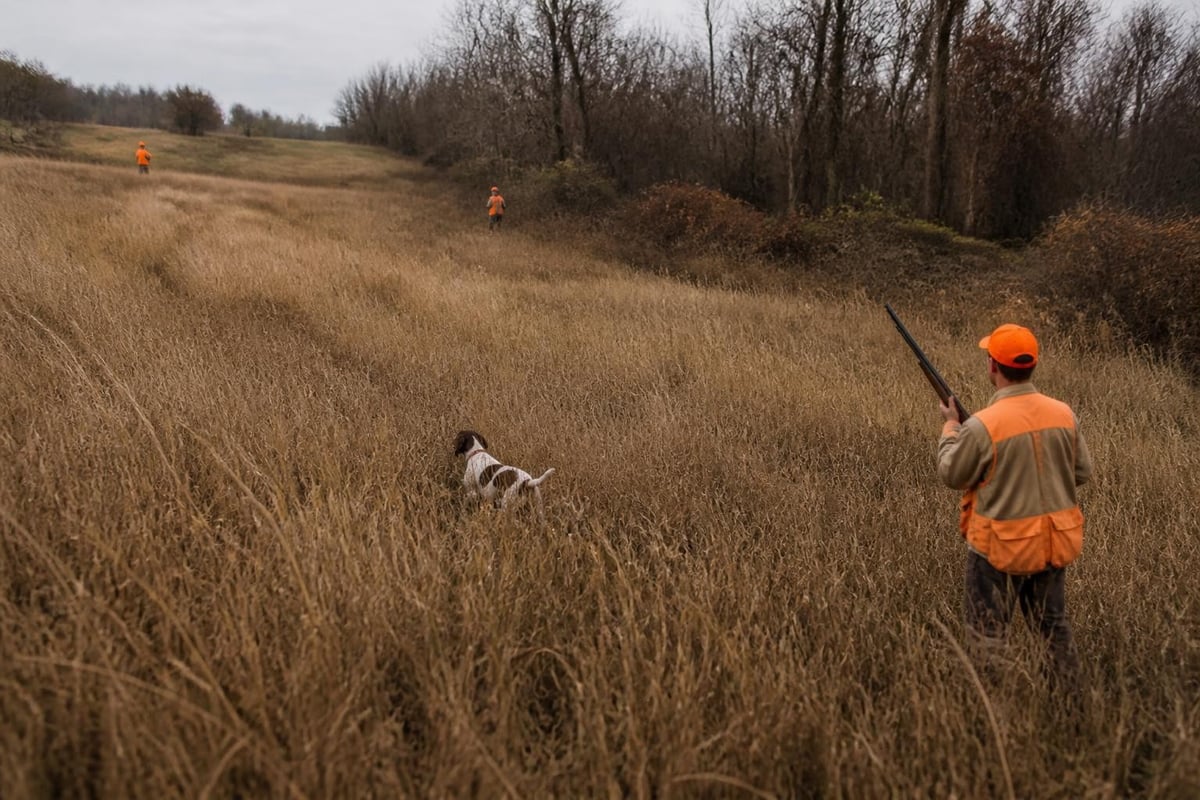
- Blaze orange vests or caps ensure visibility to other hunters
- Leather boots with ankle support prevent injuries on uneven ground
- Shooting glasses protect eyes from branches and debris
- Gloves shield hands while maintaining trigger sensitivity
Layering systems that accommodate temperature fluctuations throughout the day allow hunters to adjust comfort levels without returning to vehicles. Starting cool and adding layers as needed prevents overheating during active pursuit periods.
Hunting Dog Training and Partnership
The relationship between hunter and dog defines upland hunting more than any other element, transforming the experience from simple bird shooting into a collaborative pursuit that showcases canine abilities developed over centuries of selective breeding.
Pointing and Flushing Breeds
Pointing breeds including English pointers, German shorthaired pointers, and English setters locate birds through scent detection, then freeze on point to indicate game location. This statuesque behavior allows hunters to prepare for the flush and shot while positioning for optimal angles.
Flushing breeds such as English springer spaniels and Labrador retrievers work closer to hunters, actively pushing birds into flight within gun range. These energetic workers excel in thick cover where pointing dogs struggle to maintain contact with handlers.
Basic Training Fundamentals
Developing a competent upland dog requires consistent training starting from puppyhood. Obedience commands form the foundation, with "whoa," "here," and "kennel" proving essential for field control. Steadiness to flush and shot prevents premature chasing that spoils opportunities and creates safety concerns.
Introduction to live birds should occur gradually, building prey drive without overwhelming young dogs. Professional trainers often recommend starting with planted pigeons in controlled settings before progressing to wild bird contacts that present unpredictable challenges.
The national preserve directory at Get Upland helps hunters locate facilities offering dog training opportunities and controlled bird exposure for developing young prospects.
Field Tactics and Hunting Strategies
Successful upland hunting extends beyond equipment and dogs, requiring strategic approaches adapted to species, terrain, and weather conditions.
Reading Terrain and Cover
Understanding where birds spend time throughout daily cycles dramatically improves encounter rates. Early morning finds birds in feeding areas near food sources like crop fields, weed patches, or mast-producing trees. As temperatures rise, birds move toward thermal cover that provides shade and protection from predators.
Edge habitat where different vegetation types meet consistently holds birds, offering both feeding opportunities and escape cover within short distances. Fencerows, ditches, and field margins deserve thorough coverage during systematic searches.
Wind direction influences approach strategies, as most game birds prefer facing into the wind while sitting. Walking downwind allows dogs to scent birds from greater distances while preventing birds from detecting approaching hunters through their own olfactory capabilities.
Safety Protocols and Group Coordination
Upland hunting often involves multiple hunters working together, requiring clear communication and established safety zones. Maintaining awareness of hunting partners' locations prevents dangerous crossing shots or swinging through the line of other hunters.
- Establish shooting lanes before entering cover
- Call "bird up" when flushing game to alert other hunters
- Never shoot at low-flying birds approaching other hunters
- Unload firearms when crossing fences or obstacles
- Maintain muzzle awareness in all field situations
Shot Execution and Marksmanship
Converting flushing opportunities into retrieved birds demands practiced shooting skills adapted to the explosive nature of upland flushes.
Mounting and Swing Techniques
Unlike stationary clay target shooting, upland scenarios require quick gun mounting as birds flush unexpectedly. Consistent gun fit proves essential, allowing natural alignment between eye and barrel without conscious aiming. Most successful upland shooters mount to the bird rather than mounting first then searching for targets.
The swing-through method works well for crossing shots, where the shooter starts behind the bird, accelerates through the target, and fires when the barrel passes the bird's beak. Sustained lead techniques require more calculation but provide consistent results once distances and angles become familiar.
Ammunition Selection
Shot size selection balances pattern density with individual pellet energy for clean kills. #6 shot serves as a versatile choice for pheasants and larger upland birds, while #7.5 or #8 shot proves ideal for quail and smaller targets where dense patterns matter more than individual pellet power.
| Shot Size | Best Applications | Effective Range |
|---|---|---|
| #4 | Late-season pheasants | 35-40 yards |
| #5 | General pheasant hunting | 30-40 yards |
| #6 | Mixed bag hunting | 25-35 yards |
| #7.5 | Quail, woodcock | 20-30 yards |
| #8 | Preserve shooting | 15-25 yards |
Modern non-toxic shot options including steel, bismuth, and tungsten-based loads expand choices for hunters pursuing birds on lands requiring lead-free ammunition.
Hunting Preserve Experiences
Commercial hunting preserves offer accessible opportunities for hunters without extensive private land access or those seeking guaranteed bird encounters during limited vacation windows.
Benefits of Preserve Hunting
Preserve operations stock farm-raised birds across managed habitat, ensuring consistent action throughout extended seasons. These controlled environments allow new hunters to develop skills without the uncertainty of finding wild populations while providing experienced hunters with opportunities to train young dogs or test new equipment.
RCS Outdoors has partnered with premier destinations to create exceptional opportunities for hunters seeking traditional upland experiences. The Upland Escape Giveaway offers one winner an all-inclusive 3-night/2-day hunt at Heartland Lodge in Pike County, Illinois, plus a Benelli Super Black Eagle 3 shotgun, combining world-class accommodations with prime wingshooting.
Many preserves offer half-day, full-day, or multi-day packages that include birds, dog services for hunters without their own canines, and guide services from experienced professionals who know the property intimately.
Wild Bird Hunting on Public Lands
Public land opportunities exist across most states, though success rates typically run lower than preserve hunting due to bird populations dispersed across larger areas and hunting pressure concentrating birds in difficult-to-access locations.
State wildlife management areas and national grasslands provide free or low-cost access, while walk-in programs on private lands enrolled in conservation programs expand available acreage. Scouting investments before season openers identify productive areas and reduce wasted effort during prime hunting periods.
The extensive resource library at Ultimate Upland shares location information, technique articles, and gear reviews helpful for planning public land adventures.
Physical Conditioning and Preparation
Upland hunting demands significant physical exertion as hunters cover multiple miles daily across uneven terrain while carrying firearms and gear.
Cardiovascular Fitness
Building aerobic capacity before season allows hunters to maintain pace throughout long days without fatigue compromising shooting performance or safety awareness. Walking, running, or cycling during summer months develops the endurance necessary for consecutive hunting days without excessive soreness.
Interval training that alternates between moderate and intense effort levels mimics the stop-and-go nature of upland hunting where periods of steady walking interrupt with sudden sprints toward flushing birds or repositioning between cover patches.
Strength and Stability
Lower body strength and ankle stability prevent injuries on rough ground covered with hidden obstacles. Exercises targeting quadriceps, hamstrings, and calf muscles improve climbing ability on hilly terrain while building resistance against fatigue that leads to stumbles and falls.
Core strengthening enhances balance during off-angle shots when stance proves less than ideal, allowing maintained body control while swinging on targets. Single-leg exercises develop the proprioception necessary for confident movement through dense cover.
Ethics and Conservation Principles
Responsible upland hunting extends beyond legal compliance to embrace ethical standards that ensure sustainable populations and positive public perception.
Selective Harvest and Limits
Adhering to bag limits represents the legal minimum, while many hunters voluntarily harvest below maximum allowances to conserve local populations. Choosing mature roosters over young-of-the-year birds when hunting pheasants allows greater reproductive potential in subsequent seasons.
Cripple prevention through appropriate shot selection reduces wounding losses that waste game without providing table fare. Passing on marginal shots outside effective range or at extreme angles demonstrates respect for quarry and commitment to clean kills.
Habitat Support and Advocacy
The Wikipedia overview of upland hunting documents the historical connection between hunters and habitat conservation efforts that benefit entire ecosystems beyond game species alone.
Supporting organizations that purchase and restore critical habitat through membership fees and direct contributions ensures future generations inherit viable hunting opportunities. Volunteering for habitat improvement projects on public lands through local conservation chapters multiplies individual impacts through collective action.
Advocacy for agricultural policies that incentivize wildlife-friendly farming practices benefits upland birds dependent on working landscapes. Programs encouraging diverse crop rotations, conservation buffers, and native grass restoration create the mosaics of food and cover essential for sustainable populations.
Advanced Techniques for Experienced Hunters
Seasoned upland hunters continually refine their approaches, incorporating advanced strategies that increase success rates while enhancing enjoyment of time afield.
Multiple Dog Handling
Running multiple dogs simultaneously expands search coverage while providing backup if one dog becomes injured or fatigued. Successful multiple-dog handling requires establishing clear hierarchy and maintaining control through consistent commands that dogs distinguish even amid excitement.
Brace training teaches dogs to honor each other's points rather than rushing in to steal contact, preventing chaos that pushes birds out of range before hunters arrive. This cooperative work showcases the pinnacle of pointing dog development and creates dramatic visual moments as dogs freeze in tandem.
Shot Analysis and Adjustment
Reviewing missed opportunities identifies patterns requiring correction. Consistently shooting behind crossing birds indicates insufficient lead or stopping the gun at firing. Missing high suggests lifting the head from the stock to watch the shot rather than maintaining focus on the target.
Video analysis recorded by hunting partners reveals technique flaws invisible during the heat of action. Slow-motion review shows gun mounting inconsistencies, body positioning errors, or timing issues addressable through targeted practice.
Planning Successful Hunting Trips
Maximizing limited hunting opportunities requires thoughtful preparation addressing logistics, equipment, and contingency planning.
Research and Scouting
Identifying productive hunting areas before arrival prevents wasted time exploring unproductive habitat. State wildlife agencies provide harvest statistics, population trends, and habitat information through online resources and biologist consultations. Local sporting goods retailers often share current conditions and recent success areas with visiting hunters.
E-scouting through satellite imagery reveals habitat features worth investigating, though ground verification remains essential for confirming actual conditions and access points. Property boundaries, parking areas, and potential routes show clearly on digital platforms before boots touch the ground.
Lodging and Logistics Coordination
Securing accommodations near hunting areas minimizes travel time and maximizes field hours during short trips. Dog-friendly hotels provide necessary amenities for canine partners while offering human comforts after demanding days pursuing birds.
- Book lodging confirming pet policies and kennel availability
- Map multiple hunting locations as backup options
- Coordinate licenses and permits before departure
- Prepare vehicle emergency kits for remote areas
- Plan meal solutions requiring minimal preparation time
Upland hunting combines challenging physical pursuit, strategic thinking, and partnership with skilled dogs into experiences that create lasting memories and deep connections to wild places. Success requires understanding game species, selecting appropriate equipment, developing capable dogs, and practicing ethical hunting standards that ensure sustainable populations for future generations. Whether you're ready to start your upland journey or seeking quality firearms and ammunition to enhance your current setup, RCS Outdoors offers the products, expertise, and partnerships necessary to make your next hunt exceptional.


