
Deer Hunting: Essential Tips for a Successful Season
Deer hunting represents one of America's most cherished outdoor traditions, combining patience, skill, and respect for wildlife in pursuit of sustainable game management. Whether you're a novice hunter preparing for your first season or an experienced outdoorsman looking to refine your techniques, understanding the fundamentals of successful deer hunting can dramatically improve your outcomes. From selecting the right firearm and ammunition to mastering scent control and reading deer behavior, every element plays a crucial role in your hunting experience. This comprehensive guide explores the essential strategies, gear considerations, and tactical approaches that will help you become a more effective and ethical hunter during the 2026 season.
Understanding Deer Behavior and Seasonal Patterns
Successful deer hunting begins with understanding how whitetail deer behave throughout different seasons and times of day. Deer are crepuscular animals, meaning they're most active during dawn and dusk hours when they move between bedding and feeding areas. During early season in September and October, deer typically follow predictable patterns as they focus on food sources like acorns, agricultural crops, and browse.
Pre-Season Scouting Strategies
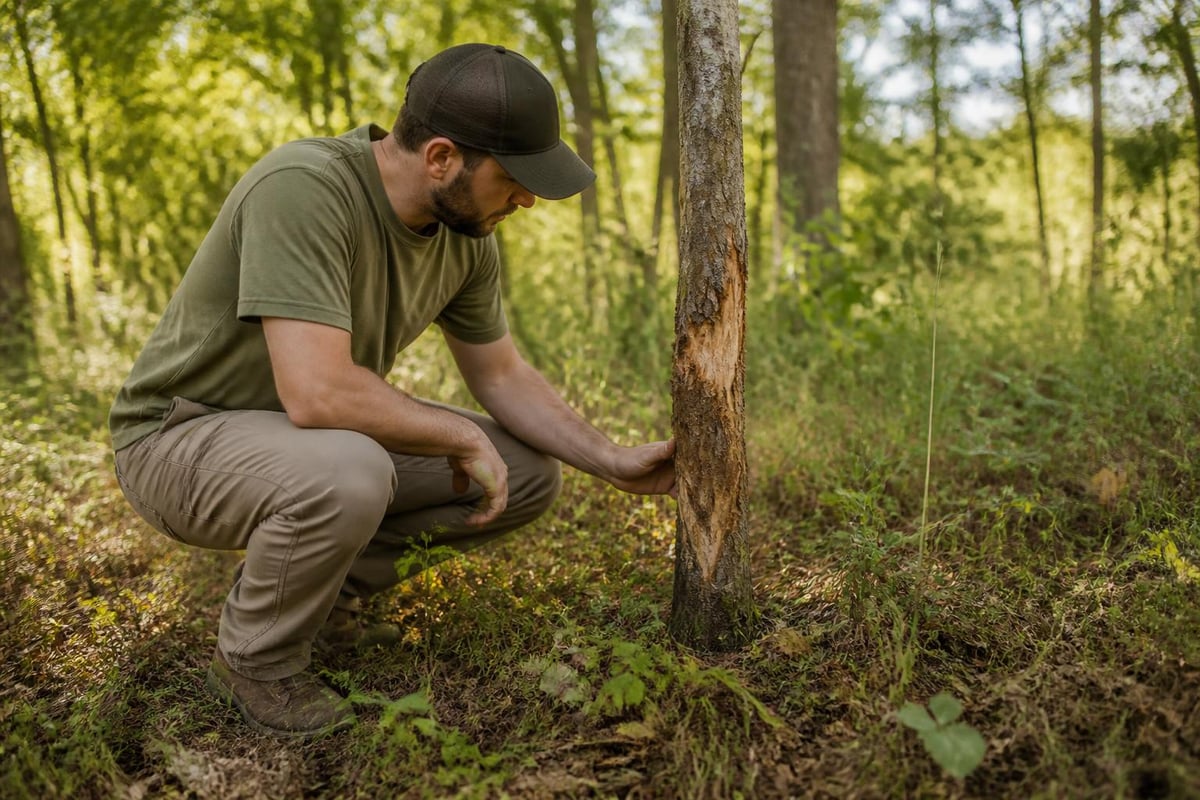
The foundation of any successful hunt lies in thorough pre-season preparation. Scouting your hunting area weeks or even months before opening day allows you to identify deer trails, bedding areas, food sources, and travel corridors. Look for rubs on trees, scrapes on the ground, and well-worn trails that indicate regular deer movement.
Trail cameras have revolutionized modern scouting by providing 24/7 intelligence on deer patterns. Position cameras along trails, near food plots, and at pinch points where terrain naturally funnels deer movement. The data you collect will reveal which bucks are in your area, their approximate size, and their movement schedules.
Key scouting indicators include:
- Fresh tracks and droppings
- Rubs on saplings and mature trees
- Active scrapes during pre-rut and rut periods
- Bedding areas in thick cover
- Primary and secondary trails
- Water sources in dry conditions
Selecting the Right Firearms and Ammunition
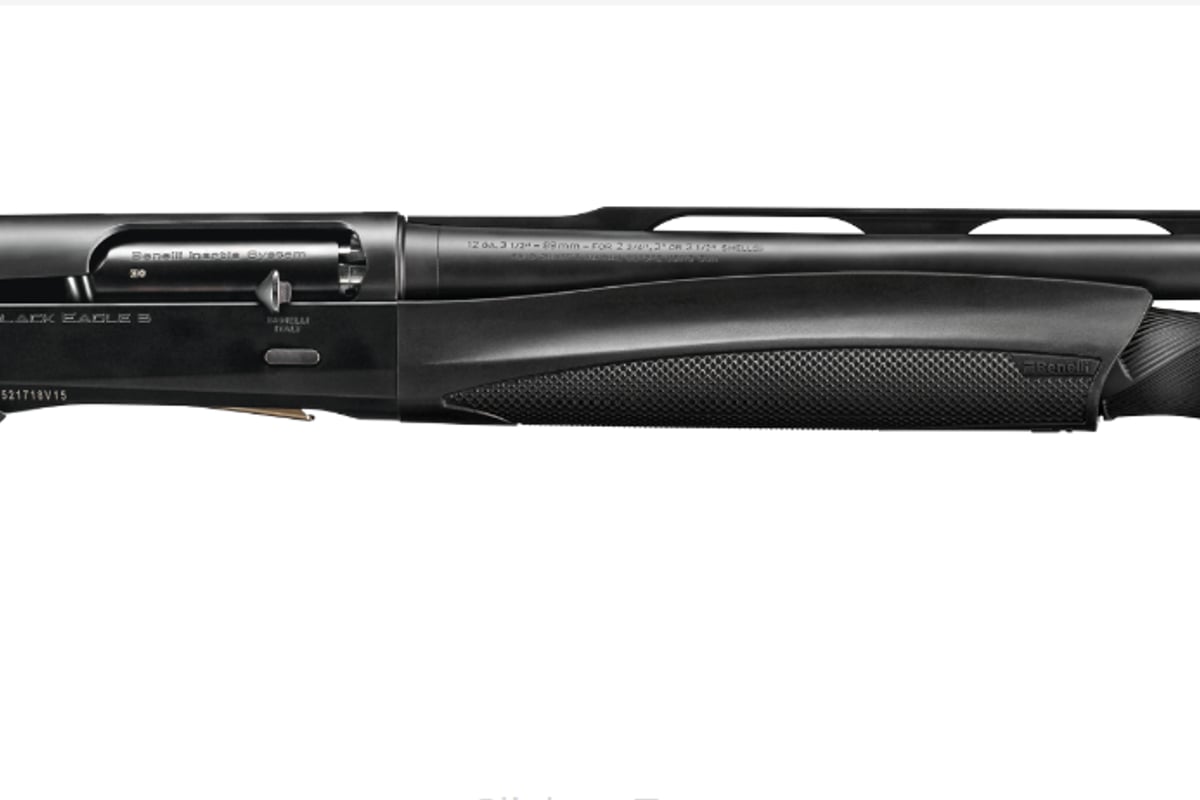
Choosing appropriate equipment represents a critical decision that affects both your hunting success and ethical responsibility. The three primary firearm categories for deer hunting include rifles, shotguns, and muzzleloaders, each with distinct advantages depending on your hunting environment and local regulations.
Rifle Selection and Caliber Considerations
Rifles offer the longest effective range and greatest versatility for deer hunting across varied terrain. Popular calibers include .243 Winchester for lighter recoil, .270 Winchester and .308 Winchester for all-around performance, and .30-06 Springfield for maximum versatility. Modern bolt-action rifles provide exceptional accuracy, while semi-automatic platforms offer faster follow-up shots.
When selecting ammunition, prioritize quality over quantity. Premium hunting rounds feature controlled expansion bullets designed to deliver maximum energy transfer while maintaining adequate penetration. Match your bullet weight to your hunting conditions, with lighter bullets (100-130 grains) suitable for open country shots and heavier bullets (150-180 grains) better for dense cover where penetration is critical.
| Caliber | Bullet Weight | Effective Range | Best Use |
|---|---|---|---|
| .243 Win | 95-100 gr | 250 yards | Open country, lighter recoil |
| .270 Win | 130-150 gr | 300 yards | All-purpose hunting |
| .308 Win | 150-165 gr | 300 yards | Versatile, moderate recoil |
| .30-06 | 150-180 gr | 350 yards | Maximum versatility |
At RCS Outdoors, you'll find a comprehensive selection of rifles, ammunition, and hunting accessories to match your specific needs and preferences.
Strategic Stand Placement and Hunting Locations
Your hunting location determines whether you'll see deer, making stand placement one of the most important tactical decisions you'll make. Successful stand sites balance proximity to deer activity with appropriate wind direction, shooting lanes, and concealment.
Tree Stand vs. Ground Blind Advantages
Tree stands provide elevation that improves your scent profile and expands your field of view. Hang stands 15-20 feet high along primary travel corridors between bedding and feeding areas. Always use a safety harness and inspect all equipment before each use. The Remington guide on deer hunting techniques offers valuable insights into stand placement strategies that work across different terrain types.
Ground blinds excel in situations where tree stands aren't practical, such as field edges, open prairies, or areas lacking suitable trees. Modern pop-up blinds offer excellent concealment and weather protection while allowing hunters to move more comfortably than in tree stands. Brush in your blind several weeks before hunting to allow deer to accept it as part of their environment.
Stand placement priorities:
- Downwind of expected deer approach
- Multiple shooting lanes at 20-40 yard ranges
- Natural concealment from surrounding vegetation
- Quiet entry and exit routes
- Proximity to fresh sign and active trails
Mastering Scent Control and Wind Management
Deer possess extraordinary olfactory capabilities, with estimates suggesting they can detect scents 1,000 times better than humans. Comprehensive scent control represents the difference between close encounters and deer that disappear before you ever see them. The most critical rule in deer hunting is to hunt with the wind in your favor, positioning yourself downwind of anticipated deer movement.
Complete Scent Elimination Protocol
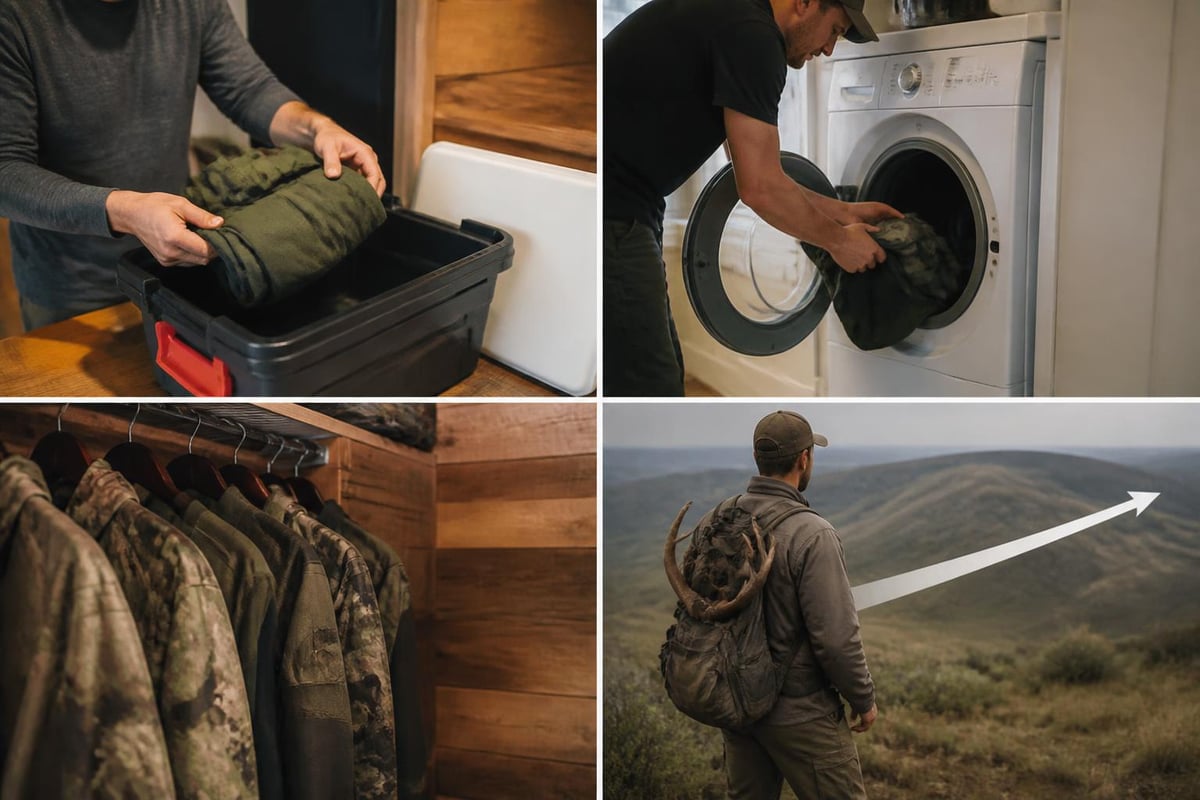
Begin scent control at home by washing all hunting clothes in scent-free detergent and storing them in airtight containers with natural cover scents like pine needles or earth. Shower with scent-eliminating soap before each hunt, paying special attention to hair, which retains odors particularly well. Avoid petroleum-based products, colognes, and scented deodorants.
In the field, use scent-eliminating sprays on your outer layers, boots, and equipment. Store your hunting clothes separately from everyday garments, and never wear them during your drive to the hunting location. Consider the thermal currents that affect scent travel, as rising temperatures cause scent to lift while falling temperatures bring it downward.
Understanding and Hunting the Rut
The rut represents the peak breeding period when deer behavior changes dramatically, offering hunters exceptional opportunities. Bucks abandon their typical cautious patterns, traveling extensively in search of receptive does. According to Spypoint’s comprehensive rut hunting tips, understanding these behavioral changes is essential for capitalizing on this narrow window.
Rut Phase Strategies
The pre-rut phase in late October sees bucks beginning to spar, make rubs, and establish dominance hierarchies. Focus on scrape lines along field edges and between bedding and feeding areas. The peak rut typically occurs in mid-November across most of the United States, when bucks are actively seeking does. During this period, all-day sits become productive as buck movement continues throughout daylight hours.
The post-rut phase follows peak breeding, when exhausted bucks seek high-calorie food sources to recover body condition. Target remaining food sources like standing corn, bean fields, and late-season browse. Bucks that survived the rut often become nocturnal, making early morning and late evening hunts most productive.
Rut hunting tactics:
- Use grunt calls and rattling to simulate buck competition
- Hunt travel corridors between doe bedding areas
- Set up near remaining food sources during post-rut
- Increase all-day hunting sessions during peak rut
- Focus on thick cover where bucks push does
Shot Placement and Ethical Hunting Practices
Ethical deer hunting demands that hunters make clean, humane kills through precise shot placement. Understanding deer anatomy and practicing extensively before the season ensures you can execute when opportunity presents itself. The vital zone includes the heart and lungs, offering the largest margin for error while ensuring rapid, humane kills.
Vital Zone Targeting
The broadside shot offers the best opportunity, presenting the full vital area. Aim for the lower third of the body, directly behind the front shoulder. This placement ensures penetration through both lungs and potentially the heart. Quartering-away shots also work well, requiring you to aim slightly forward to angle your shot through the vitals.
Avoid high-risk shots including head shots, neck shots on large bucks, and extreme quartering-toward angles that must penetrate heavy shoulder bones. Neck shots may seem appealing but offer minimal margin for error. Wait for ethical shot opportunities rather than forcing marginal chances that risk wounding deer.
| Shot Angle | Aiming Point | Effective | Risk Level |
|---|---|---|---|
| Broadside | Behind front shoulder, lower third | Highly | Low |
| Quartering Away | Front edge of far shoulder | Highly | Low |
| Quartering Toward | Wait for better angle | Not recommended | High |
| Straight On | Wait for better angle | Not recommended | Very High |
Regulatory Compliance and Safety Considerations
Responsible deer hunting requires strict adherence to state and federal regulations that ensure sustainable wildlife management and hunter safety. Regulations vary significantly by state, covering everything from season dates and bag limits to legal hunting methods and safety requirements. The Missouri Department of Conservation deer hunting regulations exemplify comprehensive rule sets that hunters must understand and follow.
Hunter Orange and Safety Requirements
Most states mandate fluorescent hunter orange clothing during firearm seasons to prevent hunting accidents. Typical requirements include 400-500 square inches of solid hunter orange worn on the head, chest, and back. Check your specific state regulations, as requirements differ and violations can result in significant penalties.
Essential safety practices include:
- Always positively identify your target and what lies beyond
- Treat every firearm as if it's loaded
- Keep your finger off the trigger until ready to shoot
- Never point a firearm at anything you don't intend to shoot
- Use a safety harness in elevated stands
- Inform someone of your hunting location and expected return time
Before hunting in any state, review current regulations through official wildlife agency websites. The Virginia Department of Wildlife Resources deer hunting regulations and U.S. Fish and Wildlife Service guidance provide examples of the detailed information available through official channels.
Advanced Tactics for Pressured Deer
Public land deer often face heavy hunting pressure, making them exceedingly wary and nocturnal. Success in these environments requires hunters to think differently and employ advanced tactics that less dedicated hunters won't attempt. The OnX Hunt seasonal deer hunting strategies emphasize adapting to changing deer behavior as pressure increases.
Deep Woods and Remote Area Strategies
Penetrating deeper into hunting areas than other hunters creates opportunities with less-pressured deer. Use topographic maps and satellite imagery to identify remote bedding areas, saddles, and terrain features that naturally funnel deer movement. Focus on areas at least one mile from vehicle access, as most hunters won't venture that far.
Hunt smarter by targeting mid-day hours when other hunters have left the woods. Pressured bucks often move between 10 AM and 2 PM when they perceive reduced danger. Set up in thick cover between bedding areas rather than along field edges where hunting pressure concentrates.
Consider hunting immediately following weather fronts when barometric pressure changes trigger increased deer activity. Rain, snow, and cold fronts that keep casual hunters at home often create prime hunting conditions for committed outdoorsmen willing to endure discomfort.
Weather Conditions and Deer Movement
Weather dramatically influences deer behavior and hunting success rates. Understanding how temperature, precipitation, wind, and barometric pressure affect deer movement allows you to optimize your hunting schedule and tactics. Cold fronts represent some of the best hunting conditions, as dropping temperatures and rising barometric pressure stimulate deer to feed heavily before storms.
Optimal Hunting Conditions
Cool temperatures between 30-50 degrees Fahrenheit generate peak deer movement as animals aren't heat-stressed but have increased caloric needs. Light winds of 5-15 mph are ideal, providing enough air movement to mask minor sounds while not making deer excessively nervous. Overcast days extend deer movement beyond typical dawn and dusk periods.
Avoid hunting during extreme conditions like high winds above 25 mph, which make deer nervous and reluctant to move from bedding areas. Heavy rain similarly suppresses movement, though the hours immediately following rain often produce excellent hunting as deer emerge to feed.
Weather-based hunting decisions:
- Hunt aggressively before cold fronts arrive
- Target afternoons following morning rain
- Avoid high wind days, focus on calm periods
- Hunt all day during light snow or drizzle
- Plan vacation days around favorable forecast windows
Food Sources and Seasonal Nutrition
Deer food preferences shift dramatically throughout the hunting season as natural browse changes and agricultural crops are harvested. Early season deer focus heavily on high-protein foods like soybeans, alfalfa, and clover. As crops are harvested and hard mast like acorns falls, deer transition to these high-energy foods that help them build fat reserves for winter.
Identifying Prime Food Sources
Oak trees producing acorns create magnets for deer, particularly white oak acorns that are less bitter than red oak varieties. Scout for fresh acorns on the ground and deer tracks concentrated around productive trees. Agricultural fields offer predictable food sources, with standing corn and soybeans attracting deer through late season.
Late season deer hunting requires focusing on remaining food sources as options dwindle. Cut cornfields, winter wheat plots, and areas with heavy browse from woody plants become focal points. The tips from Silencer Central include excellent advice on identifying and hunting prime food sources during different seasons.
Physical Fitness and Endurance
Deer hunting demands more physical capability than many people realize, especially when hunting remote areas, dragging harvested animals, or sitting motionless in cold conditions for hours. Improving your fitness level directly correlates with hunting success by allowing you to access better locations, remain comfortable during long sits, and safely recover harvested game.
Preparing Your Body for Season
Begin conditioning at least two months before hunting season. Focus on cardiovascular fitness through hiking with a weighted pack, simulating the conditions you'll face carrying gear to remote stands. Leg strength proves critical for climbing into stands and navigating rough terrain, making squats and lunges valuable exercises.
Core strength helps maintain proper shooting form even when fatigued or in awkward positions. Practice shooting from various positions including kneeling, sitting, and standing with elevated heart rate to simulate actual hunting scenarios. Mental endurance matters equally to physical conditioning, as successful hunters often sit motionless for hours in uncomfortable conditions waiting for opportunities.
Processing and Meat Care
Proper field dressing and meat care begins immediately after the shot. Quick, efficient field dressing prevents meat spoilage and ensures you maximize the return from your harvest. Carry sharp knives, game bags, rope, and basic processing equipment in your hunting pack so you're prepared when success arrives.
Field Dressing Fundamentals
Begin field dressing by positioning the deer on its back with the head slightly uphill if possible. Make your initial incision carefully to avoid puncturing internal organs, working from the pelvis toward the sternum. Remove all internal organs promptly, being especially careful around the bladder and intestines to prevent contamination.
Cool the carcass quickly by opening the body cavity and allowing air circulation. In warm weather, pack the cavity with ice or frozen water bottles. Hang the deer in a cool, shaded area with temperatures ideally between 35-40 degrees Fahrenheit. Age venison for 3-7 days before processing to improve tenderness and flavor.
- Field dress within 30 minutes of the kill
- Cool the carcass as rapidly as possible
- Keep the meat clean and dry
- Age properly before processing or freezing
- Remove all fat and connective tissue during butchering
- Vacuum-seal portions to prevent freezer burn
Hunting Opportunities and Guided Experiences
For hunters seeking exceptional experiences beyond their local hunting grounds, guided hunts and premium packages offer opportunities to pursue deer in renowned locations with professional outfitters. These experiences provide access to prime properties, expert guidance, and often luxury accommodations that elevate the entire hunting experience.
RCS Outdoors partners with Heartland Lodge to offer exclusive hunting opportunities that combine premium locations with top-tier amenities. Whether you're pursuing trophy whitetails or building memories with family and friends, professionally guided experiences often deliver success rates far exceeding DIY hunts on public lands. These partnerships demonstrate how specialized retailers support the broader hunting community beyond simply selling equipment.
Continuous Improvement Through Practice
The most successful deer hunters commit to year-round improvement rather than limiting their preparation to the weeks before season. Regular shooting practice maintains and develops the muscle memory and confidence needed for ethical, accurate shots. Dedicate at least one range session monthly to practicing from field positions at various distances.
Off-Season Scouting and Planning
Use spring and summer months to scout new areas, hang stands, and clear shooting lanes when deer aren't pressured. Spring turkey season provides excellent opportunities to observe deer patterns in areas you plan to hunt in fall. Summer trail camera surveys reveal which bucks survived the previous season and how they're developing.
Study deer hunting content during off-season including books, videos, and articles from experienced hunters. Analyze your previous season's successes and failures honestly to identify patterns and areas needing improvement. Keep detailed hunting logs noting weather conditions, deer sightings, and shot opportunities to reveal patterns over multiple seasons.
Year-round hunter development:
- Monthly shooting practice at varied distances
- Spring and summer scouting missions
- Physical conditioning program
- Equipment maintenance and upgrades
- Studying deer behavior and hunting tactics
- Networking with successful local hunters
Successful deer hunting combines thorough preparation, quality equipment, ethical practices, and deep understanding of whitetail behavior across different seasons and conditions. From selecting the right firearm and ammunition to mastering scent control and identifying prime hunting locations, every element contributes to your effectiveness in the field. Whether you're pursuing your first deer or your fiftieth, continuous improvement through practice, scouting, and studying proven tactics elevates your skills and increases your success rate. RCS Outdoors provides the firearms, ammunition, and hunting accessories you need to pursue your passion with confidence, backed by partnerships that create exceptional hunting opportunities for dedicated sportsmen and women.


