

Forced Reset Trigger: What You Need to Know in 2026
The firearms industry has witnessed numerous technological advancements designed to enhance shooting performance and user experience. Among these innovations, the forced reset trigger has emerged as one of the most discussed and debated devices in recent years. This mechanism fundamentally changes how a semi-automatic firearm operates, allowing for significantly faster rates of fire without converting the weapon to fully automatic operation. Understanding the technology, legal landscape, and practical implications of these devices is essential for any serious firearms enthusiast navigating the evolving regulatory environment in 2026.
Understanding Forced Reset Trigger Mechanics
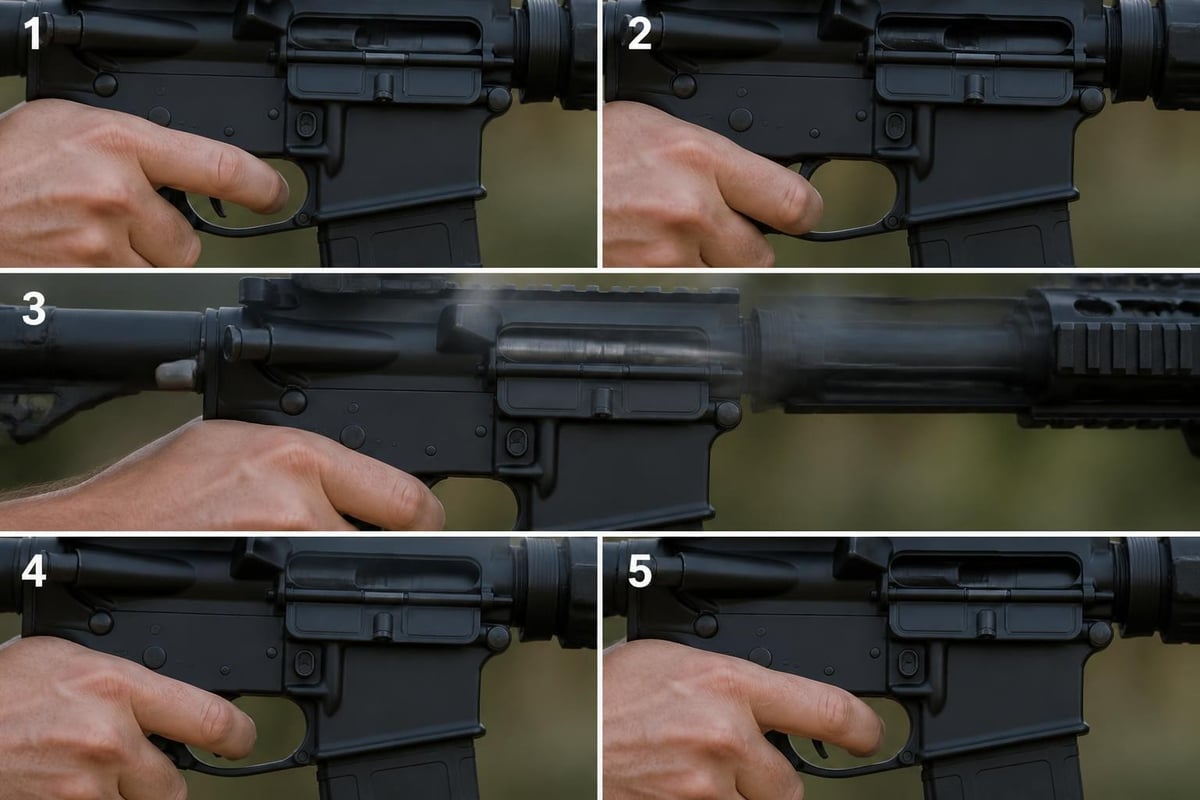
A forced reset trigger operates through a mechanical system that automatically resets the trigger to its forward position after each shot is fired. Unlike traditional semi-automatic triggers that require the shooter to manually release the trigger and allow it to reset before firing again, this device uses the bolt carrier's rearward motion to push the trigger forward. The forced reset trigger design leverages the firearm's natural recoil cycle to prepare for the next shot.
The engineering behind these devices involves several key components working in harmony. When a shooter pulls the trigger and fires a round, the bolt carrier moves backward during the recoil cycle. This rearward movement engages with the trigger mechanism, physically pushing the trigger forward to its reset position. The shooter must maintain forward pressure on the trigger, but the device handles the reset motion automatically.
Key Components and Operation
The typical forced reset trigger assembly includes modified trigger components, additional springs, and a specialized interface with the bolt carrier group. These elements work together to create a distinct firing experience:
- Modified trigger shoe with enhanced surface area for better finger contact
- Reset actuator that interfaces with the bolt carrier
- Specialized spring system managing tension and return forces
- Safety mechanisms designed to prevent unintended discharge
The operational cycle begins with the initial trigger pull, which releases the hammer and fires the first round. As the bolt carrier travels rearward, it contacts the reset actuator, forcing the trigger forward. The shooter maintains pressure, and once the trigger reaches its forward position and the bolt carrier returns to battery, the next shot fires. This creates a rapid-fire capability while technically maintaining one round per trigger function.
Legal Status and Recent Developments
The regulatory landscape surrounding forced reset triggers has undergone dramatic shifts between 2022 and 2026. Initially, the Bureau of Alcohol, Tobacco, Firearms and Explosives (ATF) took enforcement action against manufacturers, arguing that certain models qualified as machine guns under federal law. This position created significant controversy within the firearms community and sparked legal challenges that would reshape the entire debate.
In 2025, a pivotal settlement between the Department of Justice and Rare Breed Triggers ended the federal ban on these devices, marking a major policy reversal. This settlement emerged during administrative transitions and reflected changing interpretations of existing firearm regulations. Gun control advocates expressed serious concerns about public safety implications, while Second Amendment supporters celebrated what they viewed as regulatory overreach being corrected.
State-Level Regulations
Despite federal policy changes, individual states have taken varied approaches to regulating forced reset triggers. California, for instance, maintains strict prohibitions under state law, classifying these devices as multiburst trigger activators that fall under existing banned categories. This state-level enforcement creates a complex patchwork of regulations that firearms owners must navigate carefully.
Several states have followed California's lead, while others have maintained alignment with the current federal position. The situation became more complicated when 16 states filed lawsuits against the federal government challenging the settlement agreement. These legal actions highlighted the ongoing tension between state and federal authority in firearms regulation.
| State Approach | Examples | Current Status (2026) |
|---|---|---|
| Prohibited | California, New York, New Jersey | Active enforcement |
| Restricted | Illinois, Maryland, Connecticut | Pending legislation |
| Permitted | Texas, Florida, Arizona | Aligned with federal law |
| Under Review | Pennsylvania, Michigan, Virginia | Awaiting court decisions |
Practical Applications and Performance
Beyond legal considerations, shooters interested in forced reset triggers often focus on practical performance characteristics. These devices appeal to various user groups for different reasons, from competitive shooters seeking speed advantages to recreational enthusiasts exploring new shooting experiences. The devices deliver notably faster firing rates compared to standard semi-automatic triggers, though they require practice to master effectively.
Competitive shooters have reported mixed results when incorporating forced reset triggers into their platforms. While the increased rate of fire offers theoretical advantages in certain timed events, the learning curve and unique shooting technique required can initially hinder performance. Successful implementation demands dedicated training to develop muscle memory and control.
Training Considerations
Adopting a forced reset trigger requires significant adjustment in shooting technique. Traditional trigger control emphasizes a smooth press and controlled release. With these devices, shooters must maintain consistent forward pressure while managing recoil and staying on target. This represents a fundamental shift in trigger manipulation that takes time to internalize.
Key training focus areas include:
- Grip consistency to maintain proper trigger contact throughout firing sequence
- Recoil management to keep the firearm stable during rapid fire
- Target acquisition between shots to maintain accuracy
- Trigger pressure control to prevent unintended discharges
- Stance optimization to support the increased firing rate
Many shooters find that what initially seems like a simple modification actually demands substantial skill development. The devices work best when integrated into a comprehensive training program that addresses these unique handling characteristics.

Market Options and Selection Criteria
The forced reset trigger market has evolved considerably since these devices first appeared. Early models faced reliability challenges and manufacturing inconsistencies that limited widespread adoption. Contemporary offerings from established manufacturers demonstrate improved quality control and engineering refinement. Buyers in 2026 face numerous options across different price points and feature sets.
When evaluating forced reset triggers, several critical factors merit consideration beyond basic functionality. Build quality directly impacts reliability and longevity, particularly given the increased mechanical stress these components experience. Material selection, heat treatment processes, and manufacturing precision all influence long-term performance.
Comparing Available Models
A comprehensive buyer’s guide to forced reset triggers provides detailed comparisons of current market offerings. Pricing ranges from budget-oriented options around $300 to premium models exceeding $500. This price variation reflects differences in materials, manufacturing processes, warranty coverage, and included accessories.
| Feature | Budget Models | Mid-Range | Premium Options |
|---|---|---|---|
| Price Range | $300-$350 | $350-$425 | $425-$550 |
| Materials | Standard steel | Hardened steel | Tool steel, coatings |
| Warranty | 90 days | 1 year | Lifetime |
| Installation | User install | Gunsmith recommended | Professional installation included |
Installation complexity varies significantly between manufacturers. Some designs feature drop-in simplicity requiring only basic tools and moderate mechanical aptitude. Others demand professional installation to ensure proper function and safety. The firearms enthusiasts at RCS Outdoors often emphasize the importance of proper installation regardless of the device selected, as improper fitting can create dangerous malfunctions.
Technical Specifications and Compatibility
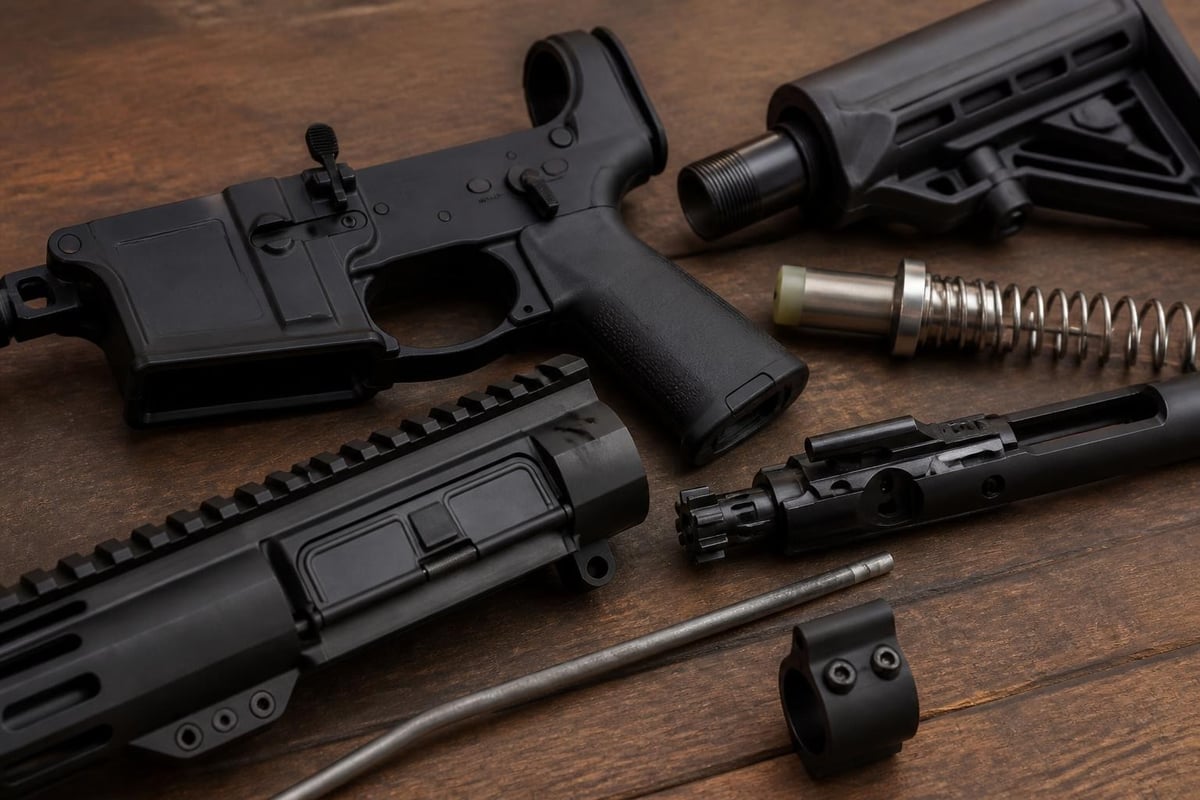
Platform compatibility represents another crucial consideration when selecting a forced reset trigger. Most devices on the market target AR-15 and AR-10 platforms, which dominate the semi-automatic rifle market. However, not all forced reset triggers work with every AR variant. Barrel length, gas system configuration, buffer weight, and bolt carrier design all influence compatibility and function.
Certain manufacturers produce models specifically optimized for pistol-caliber carbines, while others focus exclusively on standard rifle calibers. The interaction between the trigger mechanism and the bolt carrier group proves critical to reliable operation. Heavier bolt carriers may require stronger reset springs, while lightweight carriers designed for competition may function best with different spring tensions.
Installation and Tuning
Proper installation extends beyond simply fitting components into the lower receiver. Achieving optimal performance typically requires tuning the system to match the specific firearm configuration. This process involves adjusting spring tensions, verifying reset timing, and ensuring consistent function across various ammunition types.
Professional gunsmiths recommend testing with multiple ammunition loads to verify reliable function. Some forced reset triggers prove sensitive to ammunition characteristics, particularly bullet weight and powder charge. Establishing a baseline with quality factory ammunition before experimenting with different loads helps identify potential issues.
For shooters building custom AR platforms, considering a forced reset trigger during the initial build phase allows for better component integration. Selecting compatible parts from the outset simplifies the tuning process and reduces the likelihood of function problems.
Safety and Responsible Use
Safety considerations take on heightened importance when discussing forced reset triggers. The increased rate of fire these devices enable demands corresponding increases in shooter awareness, training, and discipline. Unintended discharges become more likely if proper trigger control deteriorates or the shooter loses focus during rapid fire.
Range safety officers have expressed concerns about shooters transitioning to forced reset triggers without adequate preparation. The device's operation can surprise unprepared shooters, potentially creating dangerous situations. Responsible adoption includes dedicating time to controlled practice in safe environments before attempting rapid fire.
Best Practices for Safe Operation
Implementing a structured approach to forced reset trigger use minimizes risks and promotes positive experiences:
- Always treat the firearm as if it could fire multiple rounds with minimal trigger movement
- Start training sessions with slow, controlled shots to establish proper technique
- Gradually increase speed only after demonstrating consistent accuracy and control
- Use appropriate backstops and ranges designed for rapid fire
- Maintain awareness of ammunition consumption and barrel heating
- Never demonstrate the device to untrained individuals without proper safety briefing
The firearms community continues debating whether forced reset triggers enhance or complicate safe shooting practices. Proponents argue that proper training mitigates risks while opponents suggest the devices introduce unnecessary complications. Individual shooters must assess their skill level honestly and commit to appropriate training before adopting these mechanisms.
Impact on Shooting Sports and Competition
Competitive shooting organizations have taken varied stances on forced reset trigger use in sanctioned events. Some associations explicitly prohibit these devices, citing concerns about fairness and the spirit of competition. Others permit their use within specific divisions or under particular rule sets. Competitors considering forced reset triggers must thoroughly research relevant organization regulations before investing.
The practical competitive advantage these devices offer remains subject to debate. While the theoretical rate of fire increase seems beneficial, real-world competition performance depends on accuracy maintenance during rapid fire. Shooters who cannot keep rounds on target despite faster firing rates gain no competitive edge. In fact, some competitors report better results with traditional triggers that allow more precise shot placement.
Three-gun competitors have shown particular interest in forced reset triggers for certain stages emphasizing speed. The devices potentially offer time savings during close-range, multiple-target engagements. However, stages requiring precision at distance often favor traditional trigger setups. Versatile competitors sometimes maintain multiple upper receivers or complete firearms configured differently for varying stage requirements.
Maintenance and Longevity
Forced reset triggers experience greater mechanical stress than standard trigger groups due to their operation method. This increased wear demands more frequent maintenance and inspection to ensure continued reliable function. Component inspection should occur regularly, with particular attention to springs, contact surfaces, and the reset mechanism itself.
Manufacturers typically provide specific maintenance schedules and procedures for their devices. Following these guidelines helps maximize component lifespan and maintain safe operation. Common maintenance tasks include:
- Disassembly and cleaning every 1,000-2,000 rounds
- Spring replacement based on manufacturer specifications
- Inspection of wear surfaces for unusual patterns
- Lubrication of moving components with appropriate products
- Function testing after reassembly and periodically during use
Some shooters report component failures after high round counts, particularly with budget-oriented models using lower-grade materials. Premium options generally demonstrate better longevity, though they command significantly higher prices. The cost-benefit analysis depends on anticipated usage levels and performance expectations.
Future Outlook and Industry Trends
The forced reset trigger market continues evolving as manufacturers refine designs and address earlier generation shortcomings. Engineering improvements focus on enhanced reliability, simplified installation, and broader platform compatibility. Some companies explore applications beyond AR platforms, developing models for other popular semi-automatic firearms.
Regulatory uncertainty remains a significant factor influencing market development and consumer adoption. While the 2025 federal settlement created short-term clarity, ongoing state-level challenges and potential future policy shifts create hesitation among both manufacturers and consumers. The political implications of these devices extend beyond firearms policy into broader debates about federal versus state authority.
Industry observers anticipate continued legal challenges as Democratic attorneys general pursue various regulatory strategies. This ongoing legal uncertainty complicates business planning for manufacturers and creates challenging decisions for consumers weighing significant investments in potentially regulated devices.
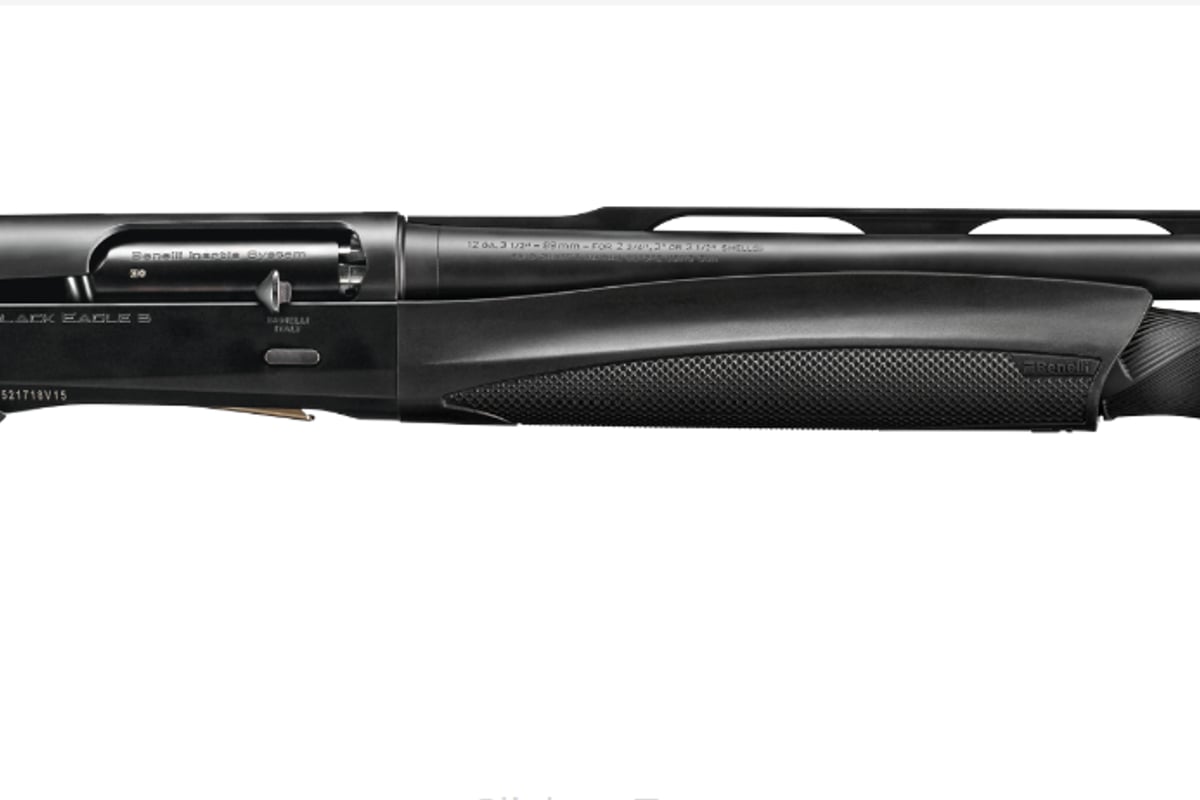
For shooting enthusiasts who appreciate the tradition of upland hunting and are looking for exceptional outdoor experiences, The Upland Escape Giveaway offers an opportunity to win an all-inclusive hunt package at Heartland Lodge along with a premium Benelli shotgun, combining classic American hunting heritage with top-tier equipment.
Innovation continues as designers explore alternative approaches to achieving similar performance outcomes through different mechanical means. Some concepts focus on trigger feel and reset characteristics without employing forced reset mechanisms, attempting to deliver enhanced speed while avoiding regulatory scrutiny. These alternative approaches may shape the next generation of performance trigger systems.
Practical Ownership Considerations
Potential forced reset trigger owners should approach purchase decisions methodically, considering both immediate and long-term implications. The initial financial investment represents just one cost component. Training ammunition expenditure, potential professional installation fees, and ongoing maintenance must factor into total ownership calculations.
Geographic location significantly impacts ownership viability. Residents of states with prohibitive regulations face legal risks that outweigh any performance benefits these devices might offer. Even in permissive jurisdictions, staying informed about regulatory developments remains essential as political winds shift and enforcement priorities change.
Documentation and record-keeping practices take on added importance given the regulatory attention these devices attract. Maintaining purchase receipts, manufacturer documentation, and any relevant correspondence creates valuable evidence of lawful acquisition and ownership. Some owners also document installation dates and maintenance activities to demonstrate responsible use.
The forced reset trigger represents a significant technological development in firearms mechanics, offering enhanced firing rates while generating substantial legal and practical considerations. Understanding the device's operation, current regulatory landscape, and proper implementation requirements allows informed decision-making about whether these mechanisms align with individual shooting goals and risk tolerance. Whether you're building a custom AR platform or exploring performance upgrades for existing firearms, RCS Outdoors provides the quality components and expert guidance to support your shooting endeavors responsibly and effectively.


