

Gun Cleaning Maintenance Checklist: Complete Guide
Proper firearm maintenance isn't just about preserving your investment-it's a critical safety practice that ensures your firearms function reliably when you need them most. Whether you're a seasoned shooter or new to firearm ownership, following a systematic gun cleaning maintenance checklist helps you maintain consistent care standards across all your firearms. This comprehensive guide walks you through every essential step, from pre-cleaning safety protocols to final storage procedures, ensuring your rifles, handguns, and shotguns remain in peak operating condition for years to come.
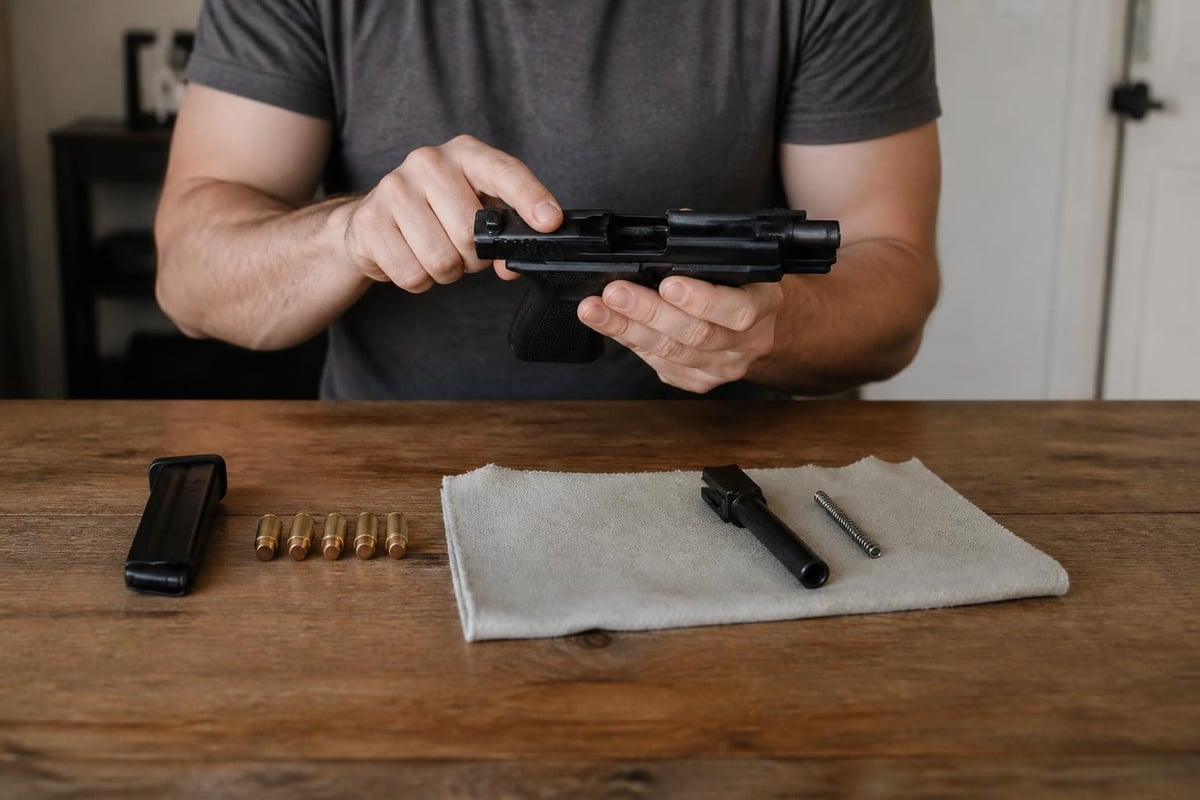
Essential Safety Protocols Before Starting
Safety must always be your first priority when handling any firearm, even during routine maintenance. Before you begin any cleaning session, establish a dedicated workspace with proper ventilation and lighting. Remove all ammunition from the cleaning area completely-no exceptions.
Pre-Cleaning Safety Steps:
- Unload the firearm and verify the chamber is empty by visual and physical inspection
- Remove the magazine or detach the feeding mechanism
- Point the muzzle in a safe direction throughout the entire cleaning process
- Keep your finger off the trigger during disassembly and reassembly
- Use proper eye protection to guard against solvent splashes
- Ensure adequate ventilation when working with chemical cleaners
Double-checking that your firearm is unloaded isn't paranoia-it's professional discipline. Many experienced shooters check the chamber three separate times before beginning maintenance work. This habit prevents accidents and reinforces safe handling practices that transfer to all firearm interactions.
Gathering Your Cleaning Supplies
A complete gun cleaning maintenance checklist begins with assembling the right tools and supplies. Quality cleaning equipment makes the job easier and protects your firearm's finish and internal components. According to best practices for firearm maintenance, using firearm-specific products prevents damage that household cleaners might cause.
| Supply Category | Essential Items | Purpose |
|---|---|---|
| Cleaning Rods | Brass or coated steel rods | Prevents barrel damage |
| Brushes | Bronze bore brushes (caliber-specific) | Removes fouling and residue |
| Patches | Cotton cleaning patches | Applies solvent and oil |
| Solvents | Bore cleaner and carbon remover | Dissolves powder residue |
| Lubricants | Gun oil and grease | Reduces friction and prevents rust |
| Tools | Screwdrivers, punches, cleaning jags | Facilitates disassembly |
Keep separate cleaning supplies for different calibers to prevent cross-contamination. A well-organized cleaning kit saves time and ensures you never skip steps because you can't find the right brush or patch size.
Field Stripping and Disassembly Procedures
Proper disassembly is crucial for thorough cleaning while avoiding damage to precision components. Your gun cleaning maintenance checklist should include manufacturer-specific disassembly instructions for each firearm you own. Different firearms require different approaches-what works for a semi-automatic pistol won't apply to a bolt-action rifle.
Handgun Disassembly
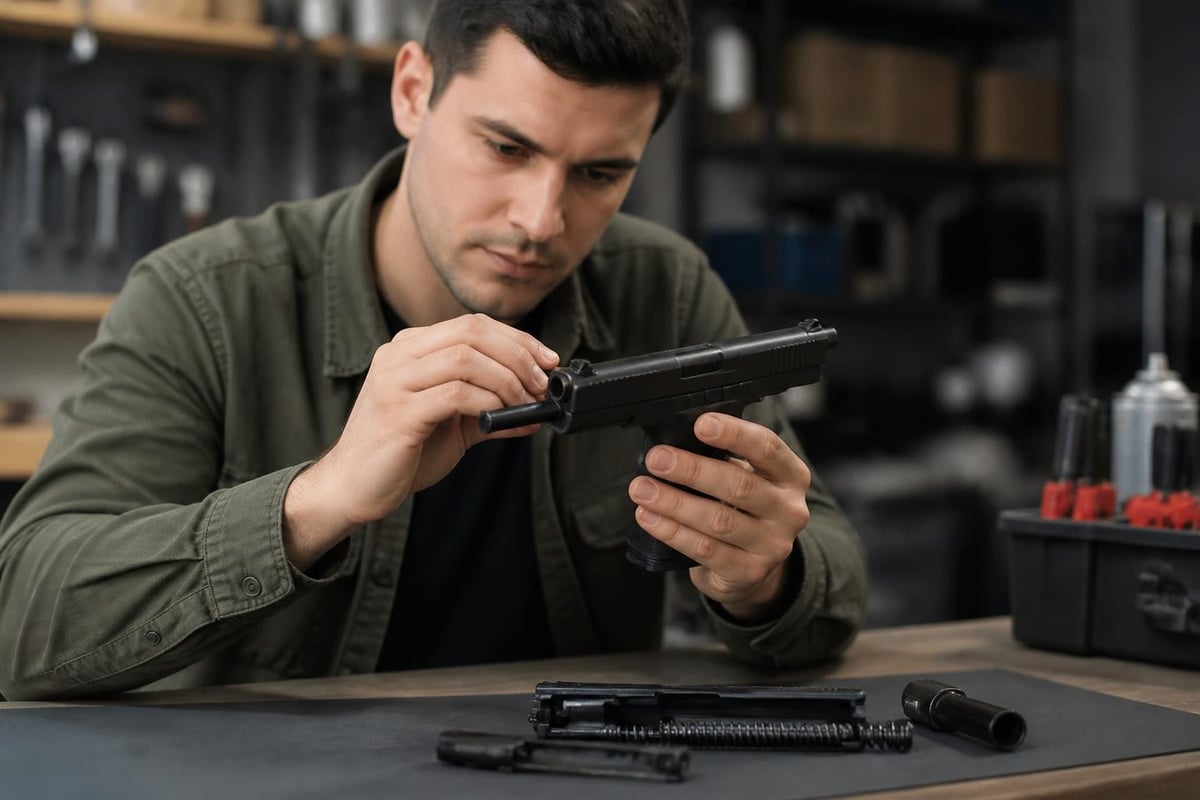
Most modern semi-automatic pistols follow similar field-stripping procedures. Remove the magazine, verify the chamber is empty, and follow the manufacturer's takedown sequence. Typically this involves locking the slide back, rotating a takedown lever, and carefully releasing the slide forward while removing it from the frame.
For revolvers, the process is simpler but requires attention to the cylinder release mechanism and crane assembly. Clean the cylinder chambers individually and inspect the forcing cone for carbon buildup.
Rifle and Shotgun Breakdown
Bolt-action rifles generally require removing the bolt assembly for thorough cleaning. Semi-automatic rifles like AR-pattern firearms separate into upper and lower receivers with removal of two takedown pins. Shotguns vary widely-pump-actions often require removing the barrel and magazine tube, while break-actions separate at the hinge.
Never force components during disassembly. If something doesn't move easily, consult your owner's manual or seek guidance from experienced shooters. The team at RCS Outdoors can provide specific recommendations for firearms in their inventory.
Bore Cleaning Step-by-Step Process
The barrel bore is where combustion occurs, making it the highest-priority area in your gun cleaning maintenance checklist. Powder residue, copper fouling, and lead deposits accumulate with each shot, affecting accuracy and potentially causing dangerous pressure buildups.
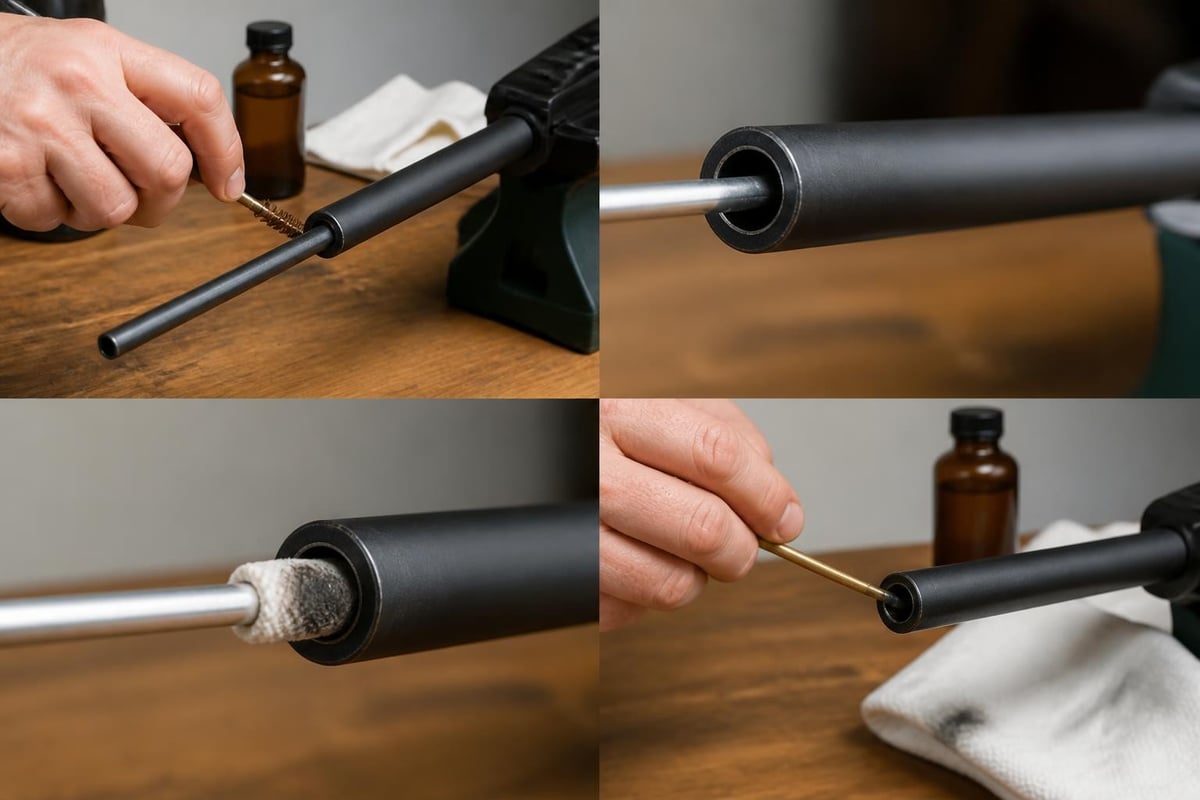
Systematic Bore Cleaning Procedure:
- Attach a bore brush sized for your caliber to the cleaning rod
- Apply bore solvent liberally to the brush
- Push the brush completely through the bore from chamber to muzzle
- Pull the brush back through (never reverse direction mid-bore)
- Repeat this process 10-15 times for heavily fouled barrels
- Let the solvent work for 5-10 minutes
- Attach a cleaning jag and patch to the rod
- Run solvent-soaked patches through until they come out relatively clean
- Follow with dry patches until no residue appears
- Run one lightly oiled patch through for storage protection
As explained in this comprehensive gun cleaning guide, working from chamber to muzzle prevents pushing debris back into the action. This direction also protects the crown-the critical edge at the muzzle where the bullet exits-from damage that could harm accuracy.
Action and Internal Component Maintenance
While the bore gets the most attention, your gun cleaning maintenance checklist must include thorough cleaning of the action, trigger assembly, and other internal mechanisms. These components directly affect reliability and safety.
Semi-Automatic Actions
For semi-automatic firearms, focus on the bolt face, extractor, and ejector. Carbon deposits here cause failures to extract or eject spent casings. Use a nylon brush with solvent to scrub these surfaces, then wipe clean with patches or cotton swabs.
The breech face and chamber require special attention. A chamber brush removes residue that can cause chambering problems or dangerous pressure increases. Clean the feed ramp thoroughly-this angled surface guides cartridges from magazine to chamber and must remain smooth.
Revolver and Bolt-Action Maintenance
Revolvers need careful cleaning of the cylinder chambers, cylinder face, and the gap between cylinder and barrel. This small gap accumulates powder residue and lead particles that can bind the cylinder. For bolt-action rifles, remove the bolt and clean the locking lugs, extractor claw, and firing pin assembly.
Many shooters overlook magazine cleaning in their routine maintenance. Magazines accumulate dust, lint, and powder residue that cause feeding malfunctions. Disassemble detachable magazines periodically and wipe down the follower, spring, and interior walls.
Lubrication Points and Application
After cleaning removes all residue and old lubricant, proper reapplication is essential. Your gun cleaning maintenance checklist should specify exactly where to apply oil versus grease, as different areas require different lubricant properties.
| Component | Lubricant Type | Application Method |
|---|---|---|
| Barrel bore | Light gun oil | Single patch |
| Slide rails | Gun oil or grease | Thin, even coat |
| Bolt lugs | Heavy grease | Small amount on contact points |
| Trigger assembly | Light oil | One drop on pivot points |
| Exterior metal | Gun oil or protectant | Thin wipe-down |
Less is more when it comes to firearm lubrication. Excess oil attracts dirt and dust, creating an abrasive paste that accelerates wear. Apply lubricant sparingly to metal-on-metal contact points where friction occurs during operation. According to Texas Parks and Wildlife firearm maintenance guidelines, over-lubrication is a common mistake that causes more problems than it solves.
For firearms stored long-term, apply a heavier coat of preservative oil to protect against rust. Active-use firearms need only enough lubrication to reduce friction without accumulating contaminants.
Inspection and Function Testing
Cleaning isn't complete until you've inspected every component and verified proper function. This critical phase of your gun cleaning maintenance checklist catches wear, damage, or improper reassembly before they cause problems.
Post-Cleaning Inspection Points:
- Examine the bore for pitting, bulges, or obstructions using a bore light
- Check the crown for nicks or damage that affect accuracy
- Inspect springs for signs of weakening or breakage
- Verify all screws and fasteners are tight
- Look for cracks in the frame, slide, or receiver
- Test the trigger for proper reset and safe operation
- Check magazine catch and safety mechanisms
Function testing proves your firearm operates correctly after reassembly. With the firearm unloaded and pointed in a safe direction, cycle the action several times. The movement should feel smooth without binding or unusual resistance. Test the safety to ensure it engages and disengages positively.
For semi-automatics, rack the slide vigorously to verify the extractor and ejector work properly. Insert an empty magazine and practice dropping it free-magazine retention issues often appear after cleaning if the magazine catch wasn't properly cleaned or if lubricant interfered with its function.
Frequency Guidelines for Different Firearms
How often should you follow your complete gun cleaning maintenance checklist? The answer depends on usage patterns, ammunition type, storage conditions, and firearm design. The beginner’s guide to gun cleaning recommends establishing cleaning schedules based on rounds fired rather than calendar intervals.
After Every Use
- Firearms exposed to moisture, dirt, or corrosive conditions
- Firearms fired with corrosive ammunition
- Competition firearms where maximum accuracy matters
- Any firearm approaching long-term storage
Every 200-300 Rounds
- Modern centerfire rifles and handguns
- Shotguns used with standard loads
- Rimfire firearms (every 500 rounds acceptable)
Monthly for Storage
Even unfired firearms need attention. Temperature and humidity changes cause condensation inside gun safes and cases. Monthly inspection and light re-oiling prevent rust formation on stored firearms.
Competition shooters and hunters preparing for season should follow their gun cleaning maintenance checklist more rigorously. Before important matches or hunts, a thorough cleaning ensures reliability when it matters most. After hunting in wet or dusty conditions, immediate cleaning prevents corrosion and removes abrasive particles.
Taking time to properly maintain your firearms enhances both their performance and your shooting experience. Whether you're preparing for an upcoming hunt or simply practicing responsible firearm ownership, regular cleaning sessions keep your equipment ready. Speaking of hunting opportunities, shooters who maintain their firearms to the highest standards might be interested in The Upland Escape Giveaway, which offers a premium hunting experience at Heartland Lodge along with a Benelli Super Black Eagle 3-a firearm that deserves the same meticulous care outlined in this checklist.

Record Keeping and Documentation
Professional shooters maintain detailed cleaning logs as part of their gun cleaning maintenance checklist. This documentation tracks maintenance history, identifies patterns in fouling or wear, and helps diagnose developing problems before they cause failures.
Essential Log Information:
- Date of cleaning session
- Rounds fired since last cleaning
- Specific cleaning products used
- Components replaced or repaired
- Unusual observations or problems
- Time spent on maintenance
Digital apps and simple notebooks both work well for maintenance records. The key is consistency-recording information after every cleaning session builds a comprehensive history that increases your firearm's value and helps troubleshoot issues.
Documentation becomes especially important for firearms passed down through families or sold to other shooters. A well-maintained log demonstrates responsible ownership and proper care, factors that significantly affect resale value and buyer confidence.
Common Mistakes to Avoid
Even experienced shooters sometimes develop bad habits that compromise their gun cleaning maintenance checklist effectiveness. Recognizing these common errors helps you maintain higher standards and avoid damage to your firearms.
Using incorrect cleaning rod materials tops the list of damaging mistakes. Steel rods without protective coatings scratch barrel rifling, while aluminum rods can deposit metal in the bore. Always use brass or coated rods designed specifically for firearm cleaning, as recommended in this firearms maintenance guide.
Reversing brush direction inside the bore creates unnecessary wear. Always push bore brushes completely through before pulling them back-never reverse mid-barrel. This seemingly minor detail prevents bristles from bending backward against the rifling.
Additional Mistakes to Avoid:
- Mixing copper and bronze brushes (causes galvanic corrosion)
- Using automotive or household oils (wrong viscosity and additives)
- Neglecting to clean the magazine and feeding mechanism
- Over-tightening screws during reassembly (strips threads)
- Storing firearms in foam-lined cases (traps moisture)
- Skipping function testing after cleaning
Rushing through your gun cleaning maintenance checklist invites problems. Allocate sufficient time to complete the process thoroughly without shortcuts. Most firearms require 30-45 minutes for proper cleaning, inspection, and lubrication.
Specialized Cleaning Considerations
Different firearm types and uses require modifications to your standard gun cleaning maintenance checklist. Competition shooters, hunters, and collectors face unique maintenance challenges that demand specialized approaches.
Competition Firearms
Match-grade rifles and pistols need more frequent cleaning to maintain peak accuracy. Competitive shooters often clean after every 50-100 rounds, tracking both group size and point-of-impact shifts that indicate fouling buildup. Some accuracy-focused shooters even develop "fouling shot" routines, firing specific numbers of rounds to establish consistent bore conditions before competition.
Hunting Firearms
Hunters must balance thorough cleaning with maintaining a bore's "seasoned" condition. Many experienced hunters avoid aggressive cleaning during season, instead performing light cleaning that removes corrosive residue without stripping the thin patina that some barrels develop for optimal accuracy. This tactical guide to gun maintenance discusses how environmental exposure affects cleaning priorities.
Historical and Collectible Firearms
Antique firearms require gentle cleaning methods that preserve original finishes and patina. Collectors often consult specialists before cleaning valuable pieces, as improper cleaning can destroy historical value. Modern solvents may be too aggressive for older steels and finishes.
Environmental Factors and Storage
Your gun cleaning maintenance checklist should address how storage conditions affect cleaning frequency and methods. Climate, humidity levels, and storage locations all impact maintenance requirements significantly.
High humidity environments accelerate rust formation, requiring more frequent inspection and application of rust preventatives. Coastal areas and basements present particular challenges. Silicone-treated gun socks or vapor corrosion inhibitor (VCI) products provide additional protection in humid conditions.
Temperature fluctuations cause condensation even inside sealed gun safes. When moving firearms from cold to warm environments, allow them to reach room temperature before opening cases. Otherwise, moisture condenses on cold metal surfaces, starting corrosion despite careful cleaning.
Storage Environment Considerations:
- Maintain stable temperature between 60-70°F when possible
- Use dehumidifiers or desiccant packs in gun safes
- Store firearms vertically or on padded racks (never in foam for long periods)
- Inspect stored firearms monthly, even without use
- Keep firearms separated to prevent finish damage from contact
- Avoid leather holsters for long-term storage (traps moisture)
The 5.11 Tactical maintenance guide emphasizes that proper storage extends the intervals between deep cleaning sessions while preventing deterioration between uses.
Solvent and Chemical Safety
Chemical safety deserves a dedicated section in any comprehensive gun cleaning maintenance checklist. Modern gun solvents contain powerful chemicals that require proper handling, ventilation, and disposal.
Always work in well-ventilated areas when using chemical solvents. Many gun cleaning products contain volatile organic compounds (VOCs) that can cause respiratory irritation, headaches, or more serious health effects with prolonged exposure. Opening windows or using fans prevents harmful concentration buildup.
Wear nitrile gloves when handling solvents and lubricants. Skin absorption of petroleum products and chemical cleaners causes health problems with repeated exposure. Nitrile provides better chemical resistance than latex for this application.
Proper Disposal Methods
Never pour gun cleaning solvents down household drains. These chemicals contaminate water systems and violate environmental regulations in many jurisdictions. Check with local hazardous waste facilities for proper disposal options. Some communities offer periodic collection events for household chemicals.
Used cleaning patches and rags soaked in solvent can spontaneously combust under certain conditions. Store them in sealed metal containers with water until proper disposal. This simple precaution prevents shop fires.
Building Your Personal Maintenance Schedule
Creating a personalized gun cleaning maintenance checklist based on your specific firearms, usage patterns, and environment ensures nothing gets overlooked while avoiding unnecessary work. Start by categorizing your firearms by type and use frequency.
| Firearm Category | Cleaning Frequency | Special Considerations |
|---|---|---|
| Daily carry handgun | After range sessions | Monthly function check even without firing |
| Competition rifle | Every 100 rounds | Track accuracy changes to optimize cleaning |
| Hunting shotgun | Before and after season | Extra attention after wet field use |
| Range training guns | Every 300-500 rounds | Focus on reliability over precision |
| Collection pieces | Quarterly inspection | Minimal handling, preservative coating |
Setting calendar reminders helps maintain consistency. Digital calendars, smartphone apps, or simple wall charts all work-choose whatever system you'll actually follow. Some shooters dedicate specific days each month to firearm maintenance, making it a regular routine rather than an afterthought.
As detailed in this comprehensive weapon maintenance guide, developing systematic habits prevents the all-too-common pattern of meticulous care for new firearms that gradually declines over time.
Advanced Maintenance Techniques
Beyond basic cleaning covered in every gun cleaning maintenance checklist, advanced maintenance extends firearm life and optimizes performance. These techniques require additional knowledge and sometimes specialized tools, but they're valuable skills for serious shooters.
Copper Fouling Removal
Standard bore cleaning removes powder residue, but copper fouling from bullet jackets requires stronger solvents and more time. Copper-specific cleaners need extended dwell time-sometimes 24 hours or more-to dissolve built-up copper deposits. Competitive shooters often alternate between carbon cleaners and copper removers to maintain pristine bores.
Crown Lapping
The barrel crown-the last surface the bullet touches-critically affects accuracy. Minor imperfections can be addressed through crown lapping, a careful process of polishing with progressively finer abrasive compounds. This advanced technique should only be attempted after proper instruction or left to professional gunsmiths.
Trigger Job and Action Smoothing
While not strictly cleaning, many shooters incorporate trigger maintenance into their regular schedule. Polishing contact surfaces and replacing worn springs improves trigger feel and consistency. This work requires careful attention to safety and function-poor trigger work creates dangerous conditions.
Understanding when maintenance exceeds your skill level protects your investment. Professional gunsmiths handle tasks like headspace checking, barrel replacement, and major spring changes that require specialized knowledge and tools. The money spent on professional service prevents costly mistakes.
Troubleshooting Common Issues
A thorough gun cleaning maintenance checklist helps identify developing problems before they cause failures. Recognizing early warning signs allows corrective action when repairs are simple and inexpensive.
Problem Indicators and Solutions:
- Accuracy degradation: Usually indicates barrel fouling, loose screws, or crown damage requiring professional attention
- Failure to feed: Check magazine springs, feed ramp condition, and ensure proper lubrication without excess
- Failure to eject: Examine extractor claw for chips or wear, clean ejector thoroughly, verify proper spring tension
- Light primer strikes: Replace firing pin spring, check for debris in firing pin channel, verify proper headspace
- Sticky action: Remove all old grease and excess oil, clean thoroughly, reapply minimal fresh lubricant
Many reliability issues resolve through thorough cleaning and proper lubrication. If problems persist after following your complete gun cleaning maintenance checklist, consult a qualified gunsmith. Continuing to fire a malfunctioning firearm risks injury and often causes additional damage that increases repair costs.
This Ballistol guide on gun cleaning emphasizes that consistent maintenance prevents most common firearm problems before they develop into serious malfunctions.
Following a comprehensive gun cleaning maintenance checklist protects your firearms investment while ensuring they perform reliably when you need them most. Whether you're maintaining a daily carry pistol, competition rifle, or treasured hunting shotgun, systematic cleaning and inspection catch problems early and extend service life. At RCS Outdoors, we understand that proper maintenance is just as important as selecting quality firearms in the first place-explore our extensive selection of rifles, handguns, and shotguns, all backed by expert guidance to help you make informed decisions about both purchase and care.


