

Herd Maintenance: Essential Strategies for 2026
Managing livestock effectively requires a systematic approach to animal care that extends far beyond basic feeding and sheltering. Proper herd maintenance encompasses health monitoring, disease prevention, nutritional optimization, and meticulous record-keeping-all working together to ensure productive, healthy animals. Whether you're managing cattle for beef production, dairy operations, or breeding programs, understanding the fundamentals of comprehensive herd care can make the difference between profitable operations and costly setbacks. This guide explores the essential components of effective herd maintenance and how strategic planning improves both animal welfare and operational efficiency.
Understanding the Foundation of Effective Herd Maintenance
Successful herd maintenance begins with establishing core protocols that address every aspect of animal health and productivity. This systematic approach ensures consistency in care while allowing managers to identify problems before they escalate into larger issues.
Daily Health Monitoring Protocols
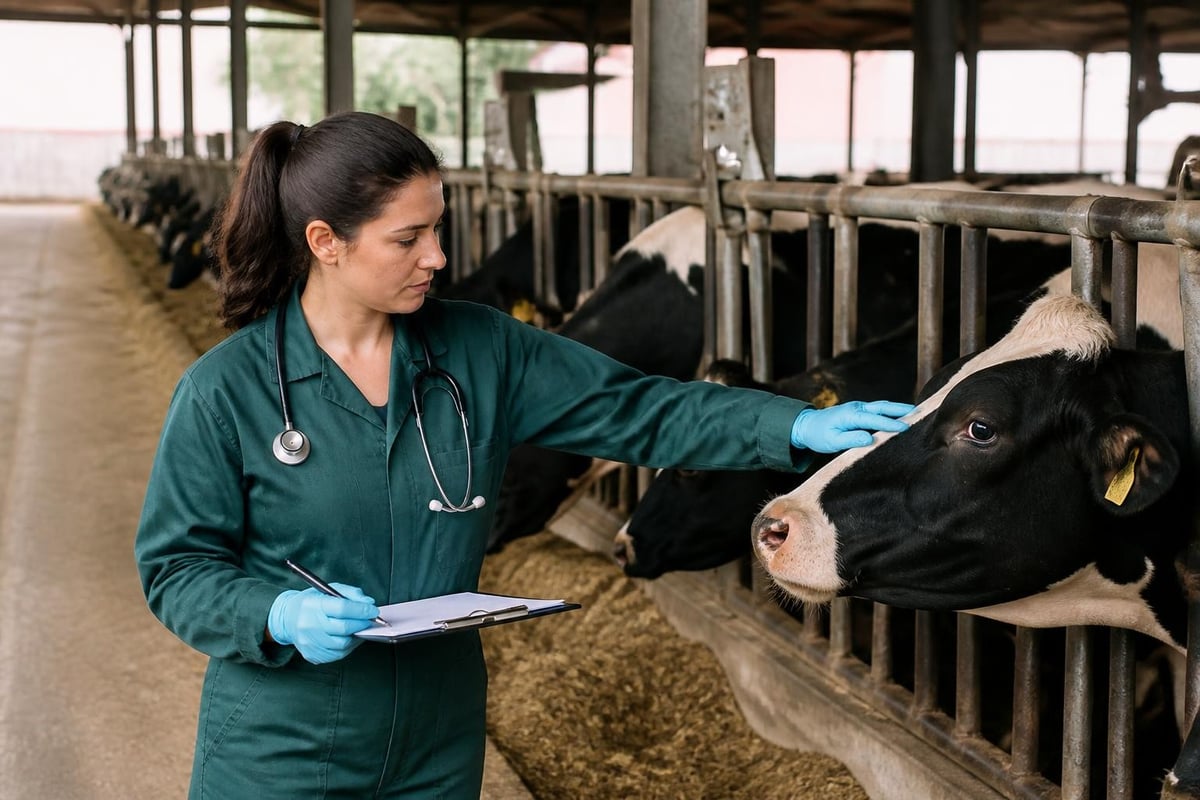
The cornerstone of any herd maintenance program involves consistent daily observations. Managers must develop a keen eye for detecting subtle changes in animal behavior, feed intake, and physical appearance. According to comprehensive cattle management guidelines, establishing daily routines for health checks creates baseline data that makes abnormalities easier to spot.
Key indicators to monitor daily include:
- Feed consumption patterns and water intake levels
- Body condition scores and posture changes
- Respiratory rates and nasal discharge
- Manure consistency and urination frequency
- Social behavior and interaction with herd members
- Mobility and gait abnormalities
Early detection through vigilant observation allows for prompt intervention, often preventing minor issues from developing into serious health challenges that affect the entire herd.
Biosecurity Measures and Disease Prevention
Protecting your herd from disease introduction requires implementing robust biosecurity protocols. Cornell University’s best management practices emphasize that preventing disease entry is far more cost-effective than treating outbreaks after they occur.
Effective biosecurity in herd maintenance includes controlling access to facilities, quarantining new animals, and maintaining clean equipment. Every vehicle, visitor, and new animal represents a potential disease vector that could compromise herd health.
| Biosecurity Component | Implementation Strategy | Frequency |
|---|---|---|
| Perimeter fencing | Maintain intact barriers | Weekly inspection |
| Visitor protocols | Log entries, provide boot covers | Every visit |
| Equipment sanitation | Clean between use, disinfect regularly | After each use |
| New animal quarantine | Isolate for 30 days minimum | Every introduction |
| Wildlife exclusion | Secure feed storage, eliminate standing water | Ongoing |
The economic impact of disease outbreaks can devastate operations. Implementing systematic biosecurity as part of your herd maintenance strategy protects your investment while ensuring animal welfare.
Nutrition Management and Feed Optimization
Proper nutrition forms the backbone of effective herd maintenance, directly influencing growth rates, reproduction, and disease resistance. Nutritional programs must be tailored to the specific needs of different animal classes within your herd.
Developing Stage-Specific Feeding Programs
Different life stages require distinct nutritional profiles. Growing calves need protein-rich diets to support muscle development, while lactating cows require increased energy and calcium to support milk production. Proper herd maintenance means adjusting rations based on physiological demands.
Nutritional considerations by life stage:
- Nursing calves: High-quality milk or replacer with gradual grain introduction
- Weaned calves: Protein-rich starter feeds with digestible fiber sources
- Growing heifers: Balanced rations supporting 1.5-2 pounds daily gain
- Breeding stock: Maintenance diets with pre-breeding condition optimization
- Lactating cows: High-energy rations with adequate calcium and phosphorus
- Dry cows: Reduced energy with mineral supplementation
According to North Dakota State University research, proper nutrition enhances immune function and reduces susceptibility to infectious diseases, making it a critical component of preventative herd maintenance.
Monitoring Feed Quality and Intake
Tracking feed consumption provides valuable insights into herd health status. Sudden changes in intake often signal underlying health issues before other symptoms appear. Implementing consistent measurement protocols allows managers to detect problems early.
Feed quality assessment should include regular testing for mycotoxins, moisture content, and nutrient composition. Spoiled or contaminated feed can introduce pathogens or reduce nutritional value, undermining even the most carefully designed herd maintenance programs.
Vaccination Protocols and Preventative Health Care
Strategic vaccination represents one of the most cost-effective components of comprehensive herd maintenance. Well-designed immunization programs protect against common pathogens while reducing antibiotic dependence and treatment costs.
Developing Customized Vaccination Schedules
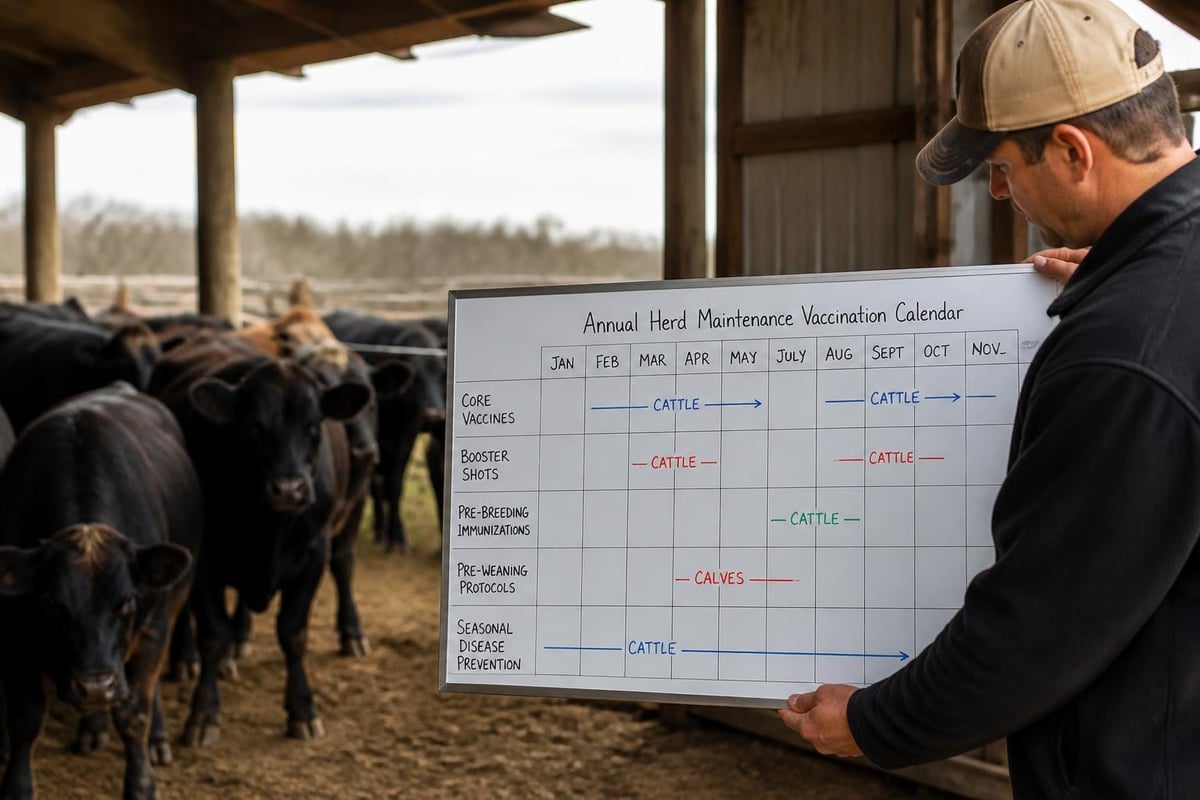
No single vaccination protocol fits every operation. Effective herd maintenance requires tailoring immunization programs to local disease pressures, herd history, and operational goals. Working with veterinarians familiar with regional disease patterns ensures appropriate vaccine selection.
Core vaccination components typically include:
- Respiratory disease complex (IBR, BVD, PI3, BRSV)
- Clostridial diseases (blackleg, malignant edema)
- Reproductive pathogens (vibriosis, leptospirosis)
- Viral diarrhea protection
- Region-specific requirements
Best practices for disease prevention in livestock emphasize timing vaccinations to maximize immunity before stress periods such as weaning, shipping, or breeding seasons.
Parasite Control Strategies
Internal and external parasites significantly impact productivity, making strategic deworming essential to effective herd maintenance. However, overuse of anthelmintics has led to widespread resistance, requiring more thoughtful approaches to parasite management.
Modern parasite control emphasizes targeted treatment based on fecal egg counts rather than blanket herd-wide deworming. This strategy reduces selection pressure for resistant parasites while maintaining effectiveness. Rotation between drug classes and monitoring efficacy through follow-up testing ensures continued parasite suppression.
External parasite control addresses flies, lice, and ticks that cause irritation, disease transmission, and reduced weight gains. Integrated pest management combining chemical controls, habitat modification, and biological controls provides sustainable long-term solutions.
Record-Keeping Systems and Data Management
Comprehensive records transform herd maintenance from reactive problem-solving into proactive management. Detailed documentation enables trend analysis, performance evaluation, and informed decision-making that improves operational efficiency.
Essential Records for Effective Herd Maintenance
Maintaining accurate records creates accountability while providing data for genetic selection, health program evaluation, and financial analysis. Illinois Extension’s herd management resources highlight that successful operations consistently track multiple data points across individual animals and the entire herd.
| Record Category | Information Tracked | Management Value |
|---|---|---|
| Identification | Tag numbers, birth dates, parentage | Genetic selection, traceability |
| Health | Treatments, vaccinations, diagnoses | Disease pattern analysis |
| Reproduction | Breeding dates, calving records, pregnancy checks | Fertility evaluation |
| Performance | Weights, feed conversion, carcass data | Genetic improvement |
| Financial | Input costs, sale prices, death losses | Profitability analysis |
Digital record-keeping systems offer advantages over paper records, including easier data analysis, automatic calculations, and cloud-based backup protection. However, the system matters less than consistency in recording accurate information.
Using Data to Drive Management Decisions
Records only provide value when analyzed and applied to management decisions. Regular review of herd maintenance data reveals patterns that guide improvements in nutrition, breeding, and health protocols.
For example, tracking calving intervals identifies reproductive inefficiencies, while monitoring treatment records highlights animals with chronic health issues that may warrant culling. Feed efficiency data guides genetic selection toward animals that convert feed to gain more effectively, improving long-term profitability.
Breeding and Genetic Improvement Programs
Selective breeding represents a long-term herd maintenance strategy that incrementally improves productivity, disease resistance, and profitability. Well-designed genetic programs compound benefits over generations.
Setting Breeding Objectives
Effective herd maintenance through genetic selection begins with clearly defined objectives. Operations focused on commercial beef production prioritize different traits than seedstock producers or dairy operations. Kansas State University’s herd management insights emphasize aligning breeding goals with market demands and operational resources.
Common breeding objectives include:
- Improved growth rates and feed efficiency
- Enhanced maternal ability and calving ease
- Disease resistance and hardiness traits
- Carcass quality and yield grade
- Reproductive efficiency and longevity
Balancing multiple traits requires understanding their economic value and genetic correlations. Some traits improve together while others show antagonistic relationships, requiring careful selection emphasis.
Reproductive Management Protocols
Consistent reproductive performance ensures steady calf crops and predictable cash flow. Effective herd maintenance includes monitoring reproductive efficiency through metrics like conception rates, calving intervals, and weaning percentages.
Implementing controlled breeding seasons concentrates calving into defined periods, allowing managers to focus intensive monitoring during critical times. This strategy also creates more uniform calf crops that simplify marketing and vaccination scheduling.
Bulls represent half the genetic input in each calf crop, making bull selection and fertility testing crucial components of reproductive herd maintenance. Annual breeding soundness examinations identify subfertile bulls before breeding season, preventing widespread breeding failures.
Environmental Management and Facility Maintenance
The physical environment profoundly impacts animal health and performance. Proper herd maintenance extends beyond the animals themselves to include the facilities, pastures, and equipment supporting daily operations.
Pasture and Grazing Management
Rotational grazing systems optimize forage utilization while supporting soil health and parasite control. Best practices outlined by experts demonstrate that strategic pasture rotation reduces parasite loads by breaking life cycles while allowing forage recovery between grazing periods.
Pasture quality directly affects nutritional status, making soil testing, fertilization, and weed control important aspects of comprehensive herd maintenance. Dividing large pastures into smaller paddocks enables more precise grazing management and better forage utilization.
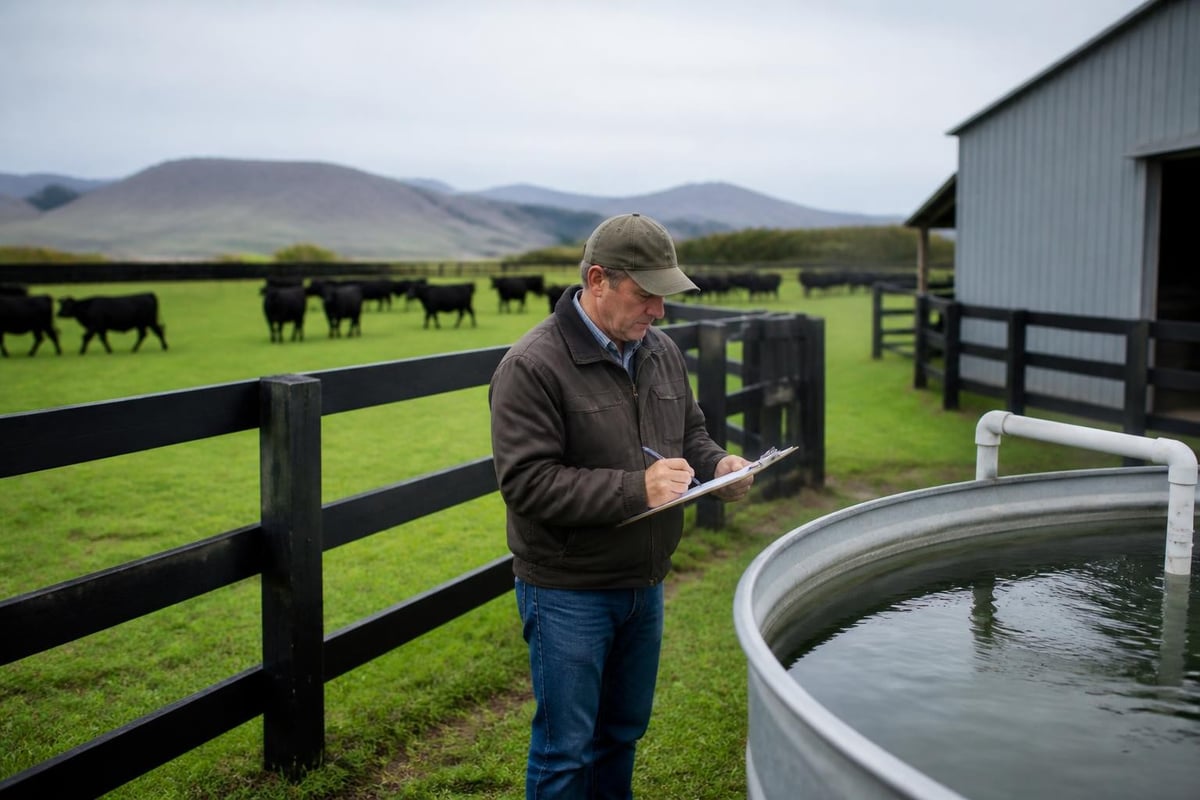
Water quality and availability deserve particular attention. Cattle consume 8-15 gallons daily under normal conditions, with requirements increasing during lactation or heat stress. Clean, accessible water supports health and productivity.
Facility Design and Maintenance
Well-designed facilities reduce labor requirements while improving animal welfare. Working facilities should allow safe, efficient animal handling with minimal stress. The Merck Veterinary Manual notes that proper handling reduces stress-related immunosuppression that increases disease susceptibility.
Regular maintenance prevents facility deterioration that compromises safety and functionality. Broken fencing, damaged gates, and deteriorating water systems create hazards while reducing operational efficiency. Scheduled maintenance as part of routine herd maintenance prevents expensive emergency repairs and safety incidents.
Health Monitoring Technology and Innovation
Modern technology offers powerful tools for enhancing traditional herd maintenance practices. From wearable sensors to automated feeding systems, innovation enables more precise management with reduced labor inputs.
Precision Livestock Farming Tools
Sensor technology provides continuous monitoring that detects health issues earlier than visual observation alone. Activity monitors track movement patterns, identifying lameness, estrus cycles, and illness before clinical signs become obvious. Temperature sensors alert managers to fever, enabling prompt treatment.
Automated weighing systems provide objective growth data without the labor and stress of traditional weighing. Regular weight monitoring helps evaluate nutrition programs and identify slow-gaining animals requiring intervention.
While technology offers valuable capabilities, it supplements rather than replaces skilled observation and management. Penn State Extension guidance emphasizes that technology works best when integrated into comprehensive herd maintenance programs built on fundamental animal husbandry principles.
Remote Monitoring Systems
Cameras and remote sensors enable monitoring animals without physical presence, particularly valuable during calving season or when managing animals on extensive rangeland. Real-time alerts allow timely intervention when assistance is needed.
GPS tracking helps locate animals across large pastures while monitoring grazing patterns and pasture utilization. This information guides grazing management decisions and helps identify fence breaches quickly.
Stress Reduction and Animal Welfare
Minimizing stress represents an often-overlooked component of effective herd maintenance. Stressed animals show reduced immune function, lower reproductive performance, and decreased feed efficiency.
Low-Stress Handling Techniques
Understanding cattle behavior enables handlers to work with natural instincts rather than against them. Cattle possess flight zones that handlers can use to encourage movement without excessive force or noise. Training personnel in low-stress handling techniques improves both animal welfare and handler safety.
Facility design influences stress levels during routine procedures. Solid-sided alleys reduce visual distractions, curved races use natural following behavior, and non-slip flooring prevents falls. These design elements make handling safer and less stressful for animals and handlers alike.
Managing Environmental Stressors
Temperature extremes challenge animal health and productivity. Heat stress reduces feed intake and conception rates while increasing disease susceptibility. Providing shade, adequate water, and adjusting feeding times to cooler periods helps animals cope with heat.
Cold stress increases maintenance energy requirements, necessitating higher feed inputs. Windbreaks, bedding, and body condition management before winter help animals maintain condition during cold periods. Just as hunters prepare for changing conditions during outdoor pursuits, livestock managers must anticipate environmental challenges. Speaking of outdoor experiences, The Upland Escape Giveaway from RCS Outdoors, Heartland Lodge, and Benelli celebrates American hunting traditions with an all-inclusive upland hunt package that embodies the same careful preparation and attention to detail required in effective herd maintenance.

Weaning represents one of the most stressful events in a calf's life. Gradual weaning protocols that separate calves from dams over several days reduce stress compared to abrupt separation. Fence-line weaning allows visual and auditory contact while preventing nursing, easing the transition.
Economic Analysis and Financial Planning
Understanding the economic aspects of herd maintenance enables informed decisions that balance animal welfare with profitability. Tracking costs and returns reveals which practices generate positive returns on investment.
Cost-Benefit Analysis of Health Programs
Every herd maintenance intervention carries costs in labor, materials, and time. Evaluating these costs against prevented losses and improved productivity helps prioritize limited resources. Vaccination programs typically show excellent returns, while some interventions may cost more than the value they generate.
Feed represents the largest variable cost in most operations. Analyzing feed efficiency and testing alternative rations can reveal opportunities for cost savings without compromising performance. Similarly, evaluating pasture improvements against feed purchasing costs guides land management investments.
Marketing Strategies and Value Optimization
Herd maintenance programs should align with marketing objectives. Operations selling commodities may emphasize different traits than those targeting branded programs or direct-to-consumer markets. Understanding target markets guides breeding decisions and management inputs.
Value-added marketing through retained ownership, age and source verification, or natural programs may justify additional herd maintenance investments. However, these programs require careful analysis to ensure premiums exceed additional costs.
Effective herd maintenance integrates health monitoring, nutrition optimization, disease prevention, and strategic breeding into comprehensive programs that enhance both animal welfare and operational profitability. By implementing systematic protocols, maintaining detailed records, and continuously evaluating results, livestock managers create sustainable operations positioned for long-term success. When you're ready to enhance your outdoor experiences beyond livestock management, explore the exceptional selection of firearms and accessories at RCS Outdoors, where quality equipment meets expert service for hunters and shooting enthusiasts across America.


