

Hunting Success: Proven Strategies for Every Season
Achieving consistent hunting success requires more than just showing up in the field with a rifle and hope. It demands careful preparation, the right equipment, strategic thinking, and a deep understanding of wildlife behavior. Whether you're pursuing whitetail deer in hardwood forests, upland birds across prairie grasslands, or big game in mountainous terrain, the principles that separate successful hunters from those who return empty-handed remain remarkably consistent. This comprehensive guide explores the essential elements that contribute to hunting success and provides actionable strategies to improve your results in the field.
Understanding the Foundations of Hunting Success
Hunting success begins long before you step into the woods. The foundation rests on three critical pillars: preparation, knowledge, and skill development. Each element builds upon the others to create a framework that significantly improves your chances of a successful hunt.
Preparation involves physical conditioning, mental readiness, and logistical planning. Hunters who invest time in cardiovascular fitness can cover more ground, reach remote locations, and maintain focus during long days afield. Mental preparation includes studying topographic maps, understanding property boundaries, and visualizing various hunting scenarios before they unfold.
The Role of Equipment in Performance
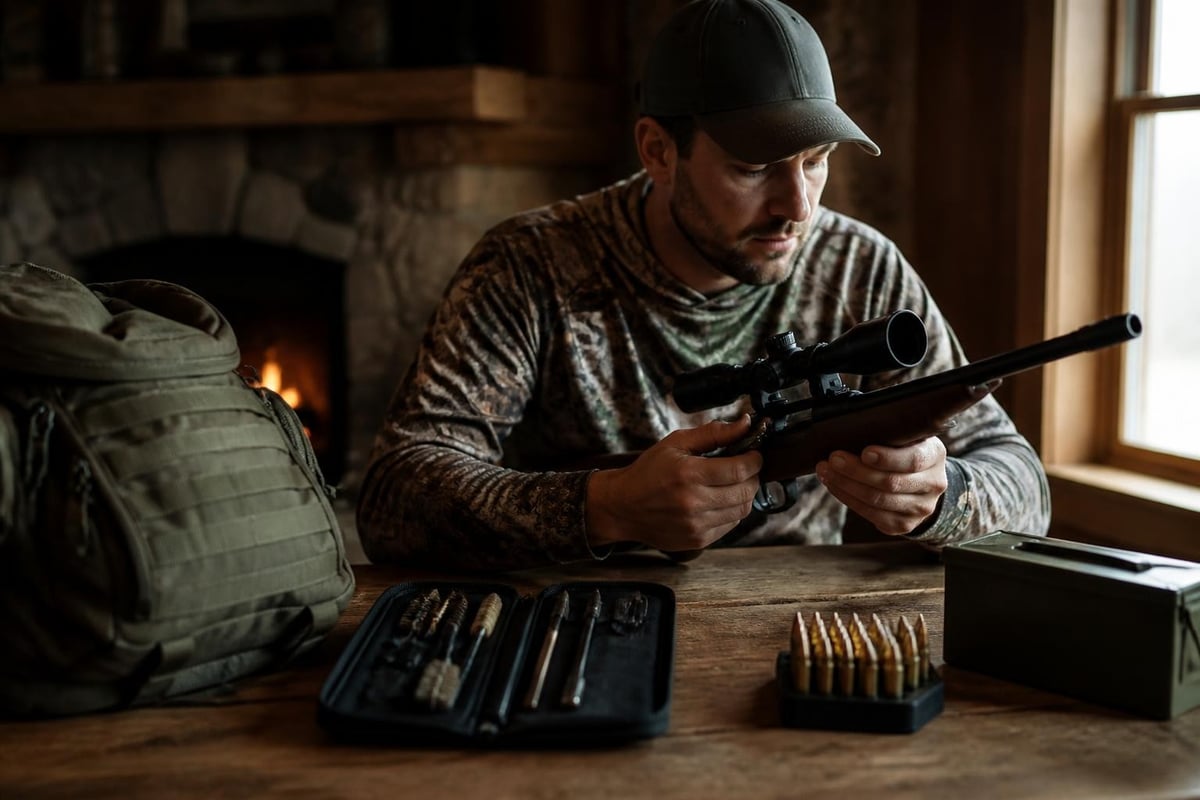
Your equipment directly impacts your hunting success. The right firearm chambered in an appropriate caliber for your target species makes ethical shots possible at various ranges. Understanding ballistics, bullet performance, and trajectory ensures you can make confident decisions in the field.
Essential gear considerations include:
- Firearms properly sighted and tested at multiple distances
- Ammunition selection based on game size and hunting conditions
- Optics quality that matches your hunting environment and budget
- Clothing systems that provide concealment and weather protection
- Field accessories including rangefinders, calls, and scent control products
Research shows that hunting success varies significantly based on multiple factors, from hunter experience to environmental conditions. Just as pack hunters in nature optimize their group size for maximum effectiveness, human hunters must optimize their equipment and approach for the specific quarry they pursue.
Scouting and Location Strategy
Strategic location selection separates average hunters from consistently successful ones. Scouting requires systematic observation of animal behavior, habitat preferences, and movement patterns. The most productive hunters spend as much time scouting as they do hunting, accumulating knowledge that pays dividends throughout the season.
Pre-Season Intelligence Gathering
Effective scouting combines technological tools with traditional woodsmanship. Trail cameras provide 24-hour surveillance of key areas, revealing patterns that would otherwise remain invisible. However, technology complements rather than replaces time spent walking the land, identifying bedding areas, food sources, and travel corridors.
Create a comprehensive map that documents:
- Primary food sources and their seasonal availability
- Water sources and their reliability throughout the season
- Bedding areas and thermal cover locations
- Travel corridors connecting different habitat zones
- Human activity patterns that might influence animal movement
- Wind direction patterns at various times of day
The relationship between habitat features and animal presence directly influences hunting success. Animals follow predictable patterns driven by survival needs, but these patterns shift as environmental conditions change. Successful hunters adapt their strategies based on current conditions rather than relying solely on historical data.
Stealth and Detection Avoidance
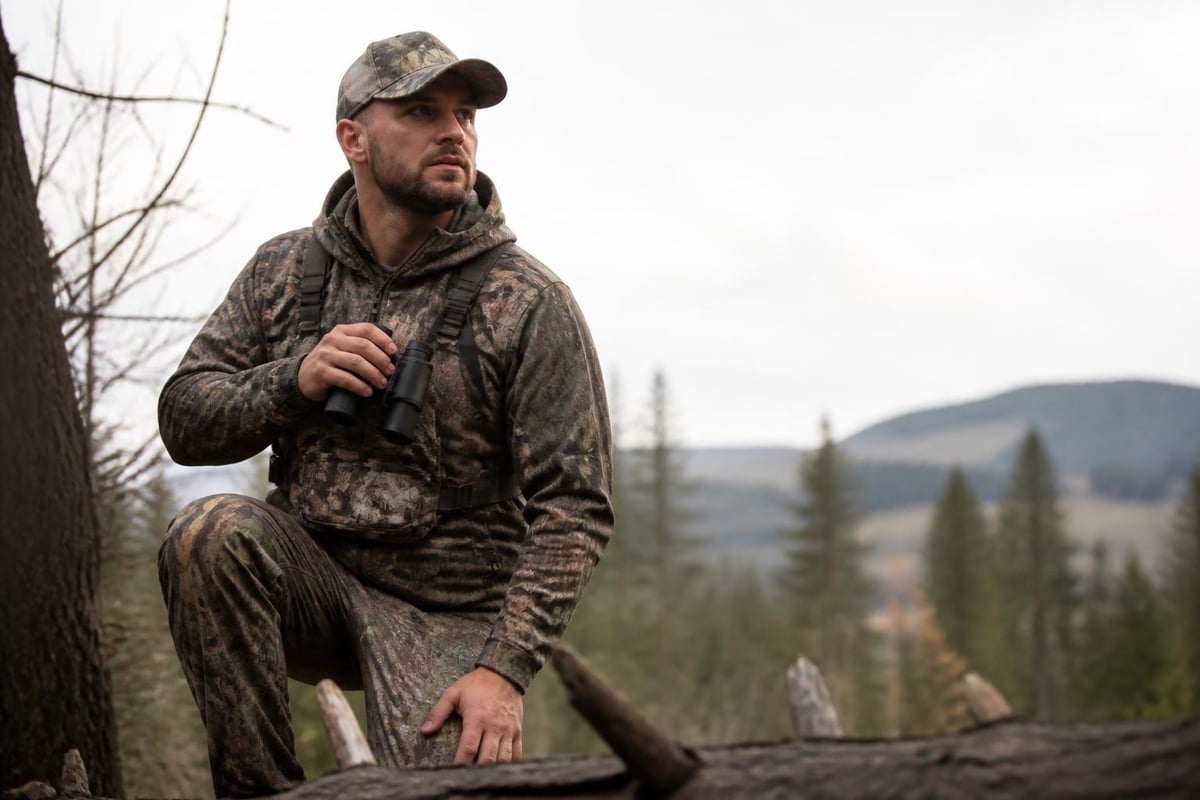
Remaining undetected ranks among the most critical skills for hunting success. Wildlife possesses sensory capabilities that far exceed human abilities, making concealment and scent management essential components of any successful strategy. Understanding how animals detect threats allows hunters to minimize their signature across multiple sensory channels.
Proven strategies to stay undetected in the woods include controlling your scent signature, managing noise discipline, and understanding how animals use their senses to identify danger. Wind direction determines whether your scent reaches your quarry, making constant awareness of air currents non-negotiable.
Scent Control Protocols
Implementing rigorous scent control protocols significantly improves your hunting success rate. Begin by storing hunting clothes separately from everyday garments, preferably in sealed containers with natural cover scents or earth-based odor eliminators. Wash clothing in scent-free detergents and avoid contamination during transport to hunting locations.
| Scent Control Method | Effectiveness | Implementation Difficulty |
|---|---|---|
| Scent-free clothing system | High | Moderate |
| Wind direction awareness | Very High | Low |
| Activated carbon suits | Moderate | High |
| Scent elimination sprays | Moderate | Low |
| Entry/exit route planning | High | Moderate |
Your approach and exit routes deserve as much planning as your stand location. Animals remember where they encountered human scent and avoid those areas for extended periods. Successful hunters plan multiple access routes based on wind direction, minimizing contamination of prime hunting areas.

Shot Placement and Marksmanship
Ethical hunting demands proficiency with your chosen firearm. Hunting success isn't measured solely by encounters but by clean, humane harvests that honor both the animal and the hunting tradition. Marksmanship skills develop through consistent practice under conditions that mirror actual hunting scenarios.
Building Shooting Competence
Range practice forms the foundation of shooting skill, but effective hunters extend their training beyond static bench shooting. Practice from field positions including kneeling, sitting, and prone. Incorporate variable distances, awkward angles, and time pressure to simulate real hunting conditions.
Marksmanship development priorities:
- Establish proper zero at your most common shooting distance
- Confirm point of impact at multiple ranges
- Practice shooting from field positions
- Develop trigger control and follow-through discipline
- Learn to judge distance accurately without technological aids
- Understand your effective range limitations
Understanding vital anatomy for your target species ensures shot placement that produces quick, humane results. Study anatomical diagrams, understand how shot angle affects bullet path through vital organs, and commit to passing shots that don't offer high-probability outcomes.
Timing and Patience
Hunting success often comes down to being in the right place at the right time with the patience to wait for opportunity. Understanding peak activity periods, seasonal patterns, and daily movement rhythms allows you to maximize productive time afield while minimizing unproductive effort.
Recognizing Prime Time Windows
Animal activity follows predictable daily and seasonal patterns driven by biological imperatives. Feeding, bedding, and breeding behaviors create windows of heightened activity when encounters become more likely. The first and last hours of legal shooting light consistently produce the highest success rates across most species and hunting methods.
Seasonal factors also dramatically influence hunting success. The pre-rut, rut, and post-rut periods in deer hunting each require different strategies and produce varying success rates. Understanding these cycles allows you to adjust tactics and invest your limited hunting time during the most productive periods.
Weather conditions create opportunity or challenge depending on how you adapt. Light precipitation often increases daytime animal movement, while severe weather drives game into heavy cover. Barometric pressure changes, temperature shifts, and wind patterns all influence animal behavior in ways that prepared hunters can exploit.
Strategic Decision Making in the Field
Real-time decision making separates good hunters from great ones. The ability to read sign, interpret animal behavior, and adjust strategy based on unfolding conditions determines whether opportunities convert into success. This tactical flexibility comes from experience combined with deliberate learning from each encounter.
Reading Environmental Cues
Fresh tracks, droppings, rubs, scrapes, and other sign tell stories about recent animal activity. Learning to age sign accurately helps you distinguish between active areas and abandoned ones. Fresh sign demands immediate attention, while old sign provides background information about historical patterns.
Sound identification skills allow you to detect animals before visual contact occurs. Distinguishing between different species by their movement patterns through vegetation, identifying alarm calls that indicate predator presence, and recognizing feeding sounds all provide tactical intelligence that improves hunting success.
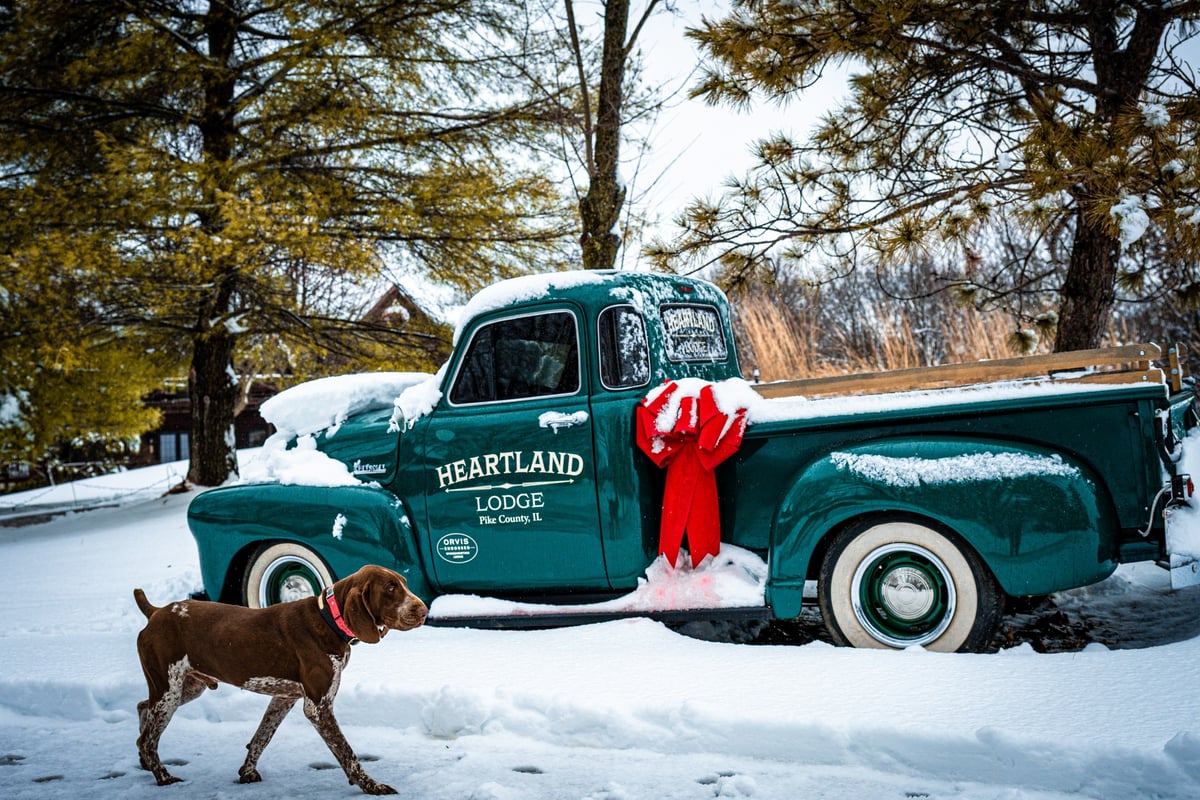
When hunting particularly challenging terrain or species, some hunters participate in guided experiences to accelerate their learning curve. RCS Outdoors partners with premier destinations like Heartland Lodge to offer comprehensive hunting packages that combine expert guidance with exceptional habitat. These experiences, such as The Upland Escape Giveaway, provide opportunities to hunt premium locations while learning from experienced guides who understand the nuances of hunting success in specific environments.
Post-Shot Follow-Up
Hunting success extends beyond the shot to include ethical recovery of harvested game. Understanding how animals react to different shot placements, knowing when to pursue immediately versus waiting, and developing tracking skills ensures you recover every animal you shoot.
Recovery Strategies by Shot Placement
Different shot placements require different recovery approaches. Heart-lung shots typically result in short recovery distances but require 30-60 minutes of waiting before tracking to avoid pushing wounded animals. Liver shots demand longer waiting periods of 4-6 hours to allow the animal to expire before pursuit begins.
Tracking wounded game combines physical evidence with behavioral understanding:
- Mark the exact location where the animal stood at the shot
- Identify the last point where you saw the animal
- Wait the appropriate time based on shot placement indicators
- Begin tracking systematically, marking each piece of evidence
- Look for blood trail characteristics that indicate wound location
- Use patience and persistence rather than rushing the recovery
Studies of predator hunting behavior, such as research on wolf pack dynamics, demonstrate how optimal group size and strategic cooperation improve success rates. While human hunters typically work alone or in small groups, the principle of strategic planning and systematic execution applies equally to successful game recovery.
Continuous Improvement and Learning
Hunting success rates improve dramatically when hunters commit to deliberate practice and systematic learning. Each season, each hunt, and each encounter provides data points that inform future decisions. Keeping detailed records of weather conditions, animal sightings, successful and unsuccessful strategies creates a knowledge base that compounds over time.
Learning from Every Experience
Successful hunters maintain hunting journals documenting dates, locations, weather conditions, animal observations, and outcomes. These records reveal patterns that might otherwise remain hidden, such as specific wind directions that produce encounters in particular locations or weather conditions that trigger increased activity.
Modern technology offers tools that enhance traditional learning methods. GPS units record specific locations of encounters, trail cameras document patterns over extended periods, and ballistic apps calculate trajectory data for various conditions. However, technology serves learning rather than replacing fundamental skills.
Continuous improvement strategies include:
- Reviewing each season to identify successful and unsuccessful patterns
- Studying wildlife biology and behavior through reputable sources
- Practicing shooting skills year-round, not just before season
- Learning from more experienced hunters through mentorship
- Experimenting with new techniques while maintaining proven methods
- Staying current on equipment innovations and tactical developments
Physical and Mental Conditioning
Hunting success demands both physical capability and mental resilience. The ability to hike long distances, climb challenging terrain, and maintain focus during extended periods of vigilance separates those who access prime hunting areas from those limited to easily reached locations.
Building Hunt-Ready Fitness
Cardiovascular endurance allows you to reach remote locations where hunting pressure remains light and animal populations stay undisturbed. Incorporate hiking with weighted packs, stair climbing, and interval training to build the specific fitness hunting demands. Core strength and balance prevent injuries on uneven terrain and enable accurate shooting from awkward positions.
Mental conditioning proves equally important. Maintaining focus during long sits, making critical decisions under pressure, and dealing with challenging weather conditions all test psychological resilience. Visualization exercises, meditation practices, and exposure to uncomfortable conditions build the mental toughness hunting success requires.
| Fitness Component | Training Method | Hunting Application |
|---|---|---|
| Cardiovascular endurance | Weighted hikes, running | Accessing remote areas |
| Core strength | Planks, rotational exercises | Stable shooting platform |
| Balance | Single-leg exercises | Uneven terrain navigation |
| Mental resilience | Meditation, cold exposure | Extended sits, adverse conditions |
| Functional strength | Compound movements | Hauling equipment and game |
Ethical Considerations and Conservation
True hunting success encompasses more than personal achievement. It includes contributing to wildlife conservation, following fair chase principles, and representing the hunting community with integrity. Ethical hunters understand their role in wildlife management and the responsibility that comes with taking an animal's life.
Conservation Through Participation
Hunting license fees, excise taxes on firearms and ammunition, and conservation organization memberships fund wildlife management programs that benefit all species. Every ethical harvest contributes to population management objectives established by professional wildlife biologists. This connection between hunting and conservation ensures healthy ecosystems for future generations.
Fair chase principles maintain hunting's ethical foundation. These include refusing shots beyond your effective range, avoiding hunting methods that provide unfair advantage, and pursuing game in ways that give animals reasonable opportunity to evade detection. Hunting success built on ethical foundations carries deeper satisfaction than achievements gained through questionable methods.
Equipment from reputable retailers like RCS Outdoors ensures you have reliable tools that perform when it matters most. Quality firearms, properly selected ammunition, and dependable accessories contribute directly to ethical, successful hunts by enabling accurate shot placement and reliable function in challenging conditions.
Weather Pattern Recognition
Understanding how weather influences animal behavior dramatically improves hunting success. Temperature fluctuations, precipitation events, barometric pressure changes, and wind patterns all trigger behavioral responses that create opportunity for prepared hunters.
Barometric Pressure and Activity Levels
Falling barometric pressure often precedes weather systems and frequently triggers increased feeding activity as animals sense approaching storms. This phenomenon creates prime hunting conditions during the 12-24 hours before significant weather events. Conversely, stable high pressure following weather systems often reduces daytime movement as animals bed down in heavy cover.
Temperature extremes also modify behavior patterns. Unusually warm weather during fall hunting seasons shifts activity toward cooler dawn and dusk periods, while cold snaps increase midday movement as animals seek thermal cover and high-calorie food sources. Adapting your hunting schedule to these patterns increases encounter probability substantially.
Hunting success emerges from the systematic application of proven principles combined with adaptable field tactics and continuous learning. By investing in proper preparation, selecting quality equipment, developing essential skills, and maintaining ethical standards, you position yourself for consistent results across varying conditions and seasons. Whether you're pursuing your first harvest or working to fill specific tags, RCS Outdoors provides the firearms, ammunition, and accessories you need to make every opportunity count in the field.


