

Mineral Site Maintenance: Essential Guide for Hunters
Mineral site maintenance represents a critical component of wildlife management that directly impacts hunting success and game population health. For hunters who invest time and resources into creating productive hunting environments, understanding the nuances of proper site upkeep can mean the difference between a thriving deer population and a wasted opportunity. This comprehensive guide explores the essential practices, timing considerations, and strategic approaches that transform ordinary mineral sites into magnets for healthy game animals throughout the year.
Understanding Mineral Site Fundamentals
Mineral sites serve as nutritional supplementation zones where deer and other game animals can obtain essential minerals often lacking in their natural forage. These sites become focal points of activity, particularly during antler development periods in spring and summer when bucks require substantial calcium and phosphorus intake.
Site Selection and Initial Setup
The foundation of successful mineral site maintenance begins with proper location selection. Choose areas with natural drainage to prevent mineral washout during heavy rainfall, yet avoid sites that become waterlogged or muddy. Ideal locations include slight elevations with tree canopy coverage that provides partial shade while allowing enough sunlight for minimal vegetation growth.
Consider these key factors when establishing your site:
- Proximity to bedding areas (100-200 yards optimal)
- Natural travel corridors between feeding and bedding zones
- Wind direction patterns for minimal human scent intrusion
- Legal compliance with state hunting regulations
- Accessibility for regular maintenance visits
Soil composition plays a crucial role in mineral absorption and site longevity. Understanding soil conditions and optimal mineral delivery methods helps determine the frequency and type of maintenance your site will require throughout the season.

Seasonal Maintenance Protocols
Mineral site maintenance demands differ significantly across seasons, requiring hunters to adapt their strategies based on wildlife behavioral patterns and nutritional needs.
Spring Maintenance Requirements
Spring represents the most critical period for mineral site maintenance as deer emerge from winter stress and bucks begin antler growth. This phase requires intensive attention to ensure sites are fully functional when nutritional demands peak.
Begin by clearing winter debris, fallen branches, and accumulated leaf litter that may cover existing mineral deposits. Till or rake the soil to a depth of 4-6 inches, creating a fresh surface for new mineral application. This process also helps evaluate how much mineral remains from previous applications.
| Task | Timing | Frequency |
|---|---|---|
| Site clearing | Early March | Annual |
| Soil tillage | Late March | Annual |
| Mineral replenishment | April | Monthly through July |
| Trail camera check | Throughout spring | Bi-weekly |
Summer Upkeep Strategies
Summer mineral site maintenance focuses on replenishment and monitoring as deer activity intensifies. High temperatures and increased rainfall can deplete mineral concentrations quickly, necessitating more frequent site visits.
Monitor mineral consumption rates through trail camera data and visual inspection. Heavy use sites may require replenishment every 2-3 weeks, while moderate traffic areas can extend to monthly intervals. Document consumption patterns to predict future needs and budget accordingly.
Vegetation control becomes paramount during summer months. Aggressive plant growth can overtake mineral sites rapidly, reducing accessibility and mineral contact. Hand-pull weeds or use approved herbicides according to local regulations, maintaining a 6-8 foot diameter of exposed soil around the primary mineral deposit.
Advanced Maintenance Techniques
Experienced hunters employ sophisticated approaches to maximize mineral site productivity while minimizing maintenance demands.
Equipment and Tool Maintenance
The effectiveness of your mineral site maintenance correlates directly with the condition of your tools and equipment. Regular cleaning and proper storage of implements extend their lifespan and improve site preparation efficiency. Maintaining your rockhounding and site preparation tools ensures you have reliable equipment when needed for site work.
Essential equipment includes:
- Heavy-duty rake or cultivator for soil preparation
- Post-hole digger for creating mineral deposit wells
- Trail cameras with fresh batteries and memory cards
- GPS device for site location documentation
- Soil testing kit for pH and composition analysis
Clean tools after each use to prevent soil buildup and corrosion. Store metal implements in dry conditions with light oil coating on working surfaces. Inspect trail camera housings for moisture damage and replace gaskets as needed to maintain weather resistance.
Mineral Application Methods
Different application techniques produce varying results in terms of consumption rates and site longevity. Understanding these methods allows hunters to select approaches aligned with their maintenance capabilities and hunting strategies.
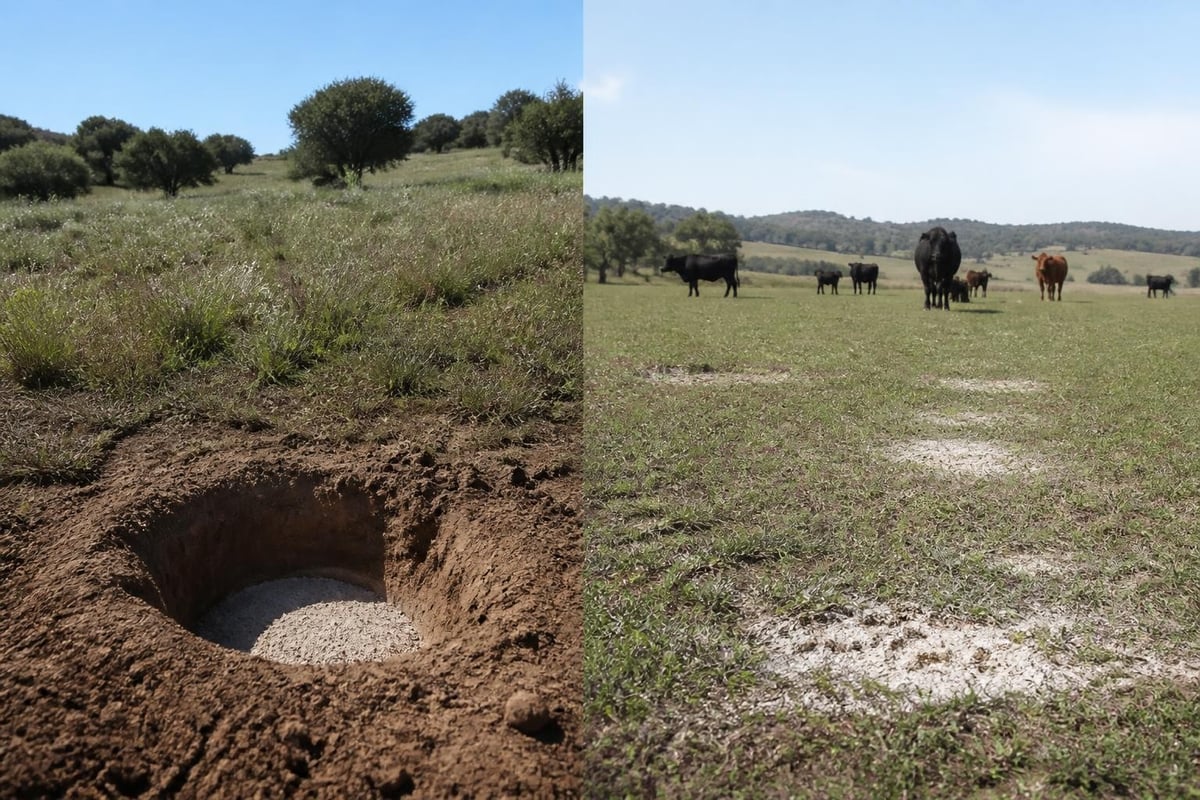
The hole method involves digging a 12-inch deep depression, filling it halfway with mineral product, then covering with several inches of soil. This technique creates a long-lasting site that withstands weather erosion better than surface applications. Maintenance involves excavating the hole every 4-6 weeks to replenish depleted minerals.
Surface broadcasting distributes minerals across a wider area, encouraging more deer to utilize the site simultaneously. While this method requires more frequent replenishment, it allows observation of multiple animals and provides better trail camera opportunities for population assessment.
Monitoring and Assessment Practices
Effective mineral site maintenance relies on consistent monitoring to evaluate site performance and adjust strategies accordingly.
Trail Camera Data Analysis
Trail cameras provide invaluable intelligence about mineral site usage patterns, deer population health, and optimal maintenance timing. Position cameras 10-15 feet from the primary mineral deposit at a slight downward angle to capture full-body images of visiting deer.
Review camera data weekly during peak usage months (April through August) and monthly during slower periods. Document the following metrics:
- Total deer visits per 24-hour period
- Buck-to-doe ratio observations
- Antler development progression in bucks
- Peak activity time frames
- Mineral consumption rates between visits
This data informs maintenance schedules and helps predict when sites need replenishment before minerals become fully depleted. Consistent usage patterns indicate successful site placement, while declining activity may signal the need for site relocation or enhancement.
Site Performance Indicators
Beyond camera data, physical site inspection reveals critical maintenance needs and performance indicators. Measure the diameter and depth of deer-created depressions at the site center, as increased dimensions indicate heavy usage and nutritional value recognition by local deer populations.
| Indicator | Positive Sign | Action Required |
|---|---|---|
| Soil depression | 2-3 feet wide, 6+ inches deep | Maintain current schedule |
| Surrounding vegetation | Minimal growth, deer browsing evident | Continue vegetation control |
| Mineral visibility | Partially exposed, mixed with soil | Standard replenishment |
| Hoof print density | Multiple fresh prints each visit | Increase monitoring frequency |
Integration with Hunting Property Management
Mineral site maintenance should complement broader property management strategies rather than exist as an isolated activity. Coordinate site maintenance with food plot schedules, timber stand improvement projects, and habitat enhancement initiatives.
For hunters seeking comprehensive outdoor experiences beyond maintenance activities, opportunities like The Upland Escape Giveaway demonstrate how quality equipment and premier hunting destinations combine to create memorable adventures. These experiences reinforce the value of meticulous preparation and property stewardship that extends from mineral sites to all aspects of hunting land management.
Long-Term Site Sustainability
Sustainable mineral site maintenance considers multi-year productivity rather than single-season results. Rotate mineral site locations every 2-3 years to prevent soil depletion and allow previous sites to recover naturally. This rotation strategy also keeps deer movement patterns less predictable, reducing pressure on specific areas.
Document site locations, establishment dates, and maintenance history in a property management log. This record-keeping enables pattern recognition and helps identify which locations consistently outperform others based on terrain features, soil types, and proximity to natural resources.
Best practices for maintaining mineral processing equipment in industrial contexts offer insights applicable to hunting site maintenance, particularly regarding inspection schedules and proactive maintenance approaches that prevent problems before they develop.
Common Maintenance Challenges and Solutions
Even experienced land managers encounter obstacles during mineral site maintenance. Recognizing common challenges and implementing proven solutions maintains site productivity through difficult conditions.
Weather-Related Issues
Excessive rainfall poses the greatest challenge to mineral site maintenance, washing away surface applications and diluting buried deposits. Combat this problem by creating subtle berms around site perimeters that slow water flow without creating standing pools. These earthen barriers should be 3-4 inches high and blend naturally with surrounding terrain.
During drought conditions, mineral sites become concrete-hard, making excavation for replenishment extremely difficult. Schedule maintenance immediately following rainfall when possible, or bring water to soften soil before tool application. Some hunters install small sections of perforated pipe vertically at site centers, allowing mineral addition without extensive digging.
Wildlife Competition
While deer represent the target species for most mineral sites, other animals including raccoons, opossums, and birds also utilize these resources. This competition doesn't necessarily harm site effectiveness but may increase consumption rates beyond expectations.
Monitor trail camera footage to identify non-target species activity. If competition becomes excessive, consider the following adjustments:
- Increase mineral deposit depth to discourage small animal access
- Select mineral formulations specifically designed for deer palatability
- Create multiple smaller sites rather than one large concentration
- Position sites farther from water sources that attract diverse wildlife
Regulatory Compliance
State hunting regulations regarding mineral sites vary significantly, with some jurisdictions prohibiting their use entirely during hunting seasons while others allow year-round maintenance. Understanding cleaning and maintenance principles for various materials helps ensure compliance with environmental regulations while maintaining site effectiveness.
Research your state's specific regulations annually, as rule changes occur frequently. Document all maintenance activities with dated photographs and written records that demonstrate compliance if questions arise during hunting season.
Record Keeping and Documentation
Professional-level mineral site maintenance requires detailed documentation that tracks performance metrics, expense allocation, and strategic decision-making over multiple seasons.
Essential Records to Maintain
Create a comprehensive site file for each mineral location that includes establishment date, GPS coordinates, soil test results, and photographic documentation of initial conditions. Update this file after each maintenance visit with mineral quantities applied, observed deer activity, and any modifications made to site structure or surroundings.
Financial tracking reveals the true cost-per-deer interaction at each site, enabling budget optimization and site prioritization decisions. Record mineral product purchases, equipment expenses, fuel costs for site visits, and time invested in maintenance activities.
Digital tools and smartphone applications simplify record-keeping through automated date stamps, photo integration, and cloud backup protection. However, maintain physical backup copies of critical information in case of technology failures during remote property visits.
Annual Performance Reviews
Conduct comprehensive site reviews each winter during hunting season downtime. Compare current year performance against previous seasons using trail camera data, harvest success rates near specific sites, and observed deer health indicators like body condition and antler quality.
This analysis identifies trends that inform next season's maintenance strategy. Sites showing declining performance despite consistent maintenance may require relocation, while high-performing sites justify increased investment and more frequent upkeep.
Cost Management and Resource Optimization
Mineral site maintenance represents a significant investment for serious hunters, making cost management essential for long-term sustainability.
Budget-Friendly Approaches
Quality mineral site maintenance doesn't require premium-priced commercial products exclusively. Many hunters successfully combine agricultural-grade minerals with attractants at a fraction of retail hunting product costs. Bulk purchases from farm supply stores offer the same nutritional benefits as specialized hunting minerals when properly formulated.
Consider these cost-saving strategies:
- Cooperative purchasing with neighboring landowners for volume discounts
- Generic mineral products that meet nutritional specifications
- Strategic timing of applications to maximize deer consumption
- Site consolidation to reduce the total number requiring maintenance
- Multi-year planning to capture seasonal sales and bulk pricing
Return on Investment Calculation
Calculate mineral site ROI by comparing total annual maintenance costs against hunting success metrics specific to your goals. Trophy hunters might measure ROI in terms of mature buck sightings and harvest opportunities, while population managers focus on overall herd health improvements and doe-to-buck ratios.
Successful mineral site maintenance contributes to property value appreciation for landowners considering future sales. Well-documented wildlife management programs including established mineral sites represent attractive features for hunting property buyers.
Integration with Modern Technology
Contemporary mineral site maintenance benefits from technological advances that improve efficiency and effectiveness.
Remote Monitoring Systems
Cellular trail cameras eliminate the need for physical site visits solely for camera data collection. These systems transmit images directly to smartphones, allowing real-time monitoring of site activity and mineral depletion rates. This technology proves especially valuable for hunters managing properties located significant distances from their residences.
Solar-powered cameras extend deployment periods indefinitely, reducing battery replacement visits that introduce human scent to the area. Position solar panels to receive adequate sunlight while maintaining camera concealment from passing deer.
Data integration and management techniques applicable to mineral site record linkage demonstrate how modern analytical approaches can optimize site placement and maintenance scheduling through pattern recognition and predictive modeling.
Mapping and Analysis Software
Geographic Information System (GIS) applications help visualize mineral site distribution across hunting properties, identifying coverage gaps and optimizing new site placement. These tools overlay topographical features, bedding areas, food sources, and existing sites to reveal strategic opportunities for expansion.
Mobile GIS applications enable field documentation during maintenance visits, creating time-stamped records with precise location data and photographic evidence of site conditions. This information feeds into long-term property management databases that track multiple variables influencing hunting success.
Proper mineral site maintenance transforms ordinary hunting properties into productive wildlife habitats that support healthy deer populations and increase hunting success rates. By implementing systematic maintenance protocols, monitoring site performance consistently, and adapting strategies based on documented results, hunters create sustainable resources that benefit both game animals and their own outdoor pursuits for years to come. Whether you're preparing for your next hunt or enhancing your property's wildlife potential, RCS Outdoors provides the firearms, ammunition, and accessories you need to make every hunting season successful.


