

Spring and Summer Activity Guide for Outdoor Enthusiasts
As warmer weather approaches, outdoor enthusiasts prepare for months of adventure and recreation. Planning your spring and summer activity calendar requires careful consideration of weather patterns, safety protocols, and proper equipment selection. Whether you're heading to the range, exploring wilderness areas, or combining multiple outdoor pursuits, understanding seasonal dynamics ensures rewarding experiences from March through September.
Preparing for Seasonal Transitions
The shift from winter to warmer months demands thoughtful preparation. Temperature fluctuations between spring mornings and afternoons require layered clothing systems that adapt throughout the day. Early spring conditions often bring unpredictable weather patterns, making flexibility essential for any outdoor pursuit.
Equipment Maintenance and Inspection
Before embarking on any spring and summer activity, inspect all gear for winter storage damage. Firearms require thorough cleaning and lubrication, particularly if stored during colder months. Check optics for moisture damage, ensure moving parts function smoothly, and verify ammunition storage conditions.
- Clean and lubricate all firearms according to manufacturer specifications
- Inspect cases and storage containers for moisture or pest damage
- Verify batteries in electronic equipment and optics
- Test range bags and transportation equipment for wear
Storage conditions affect equipment reliability significantly. Items stored in basements or garages may experience humidity-related issues requiring attention before field use.
Safety Considerations for Warm Weather Activities
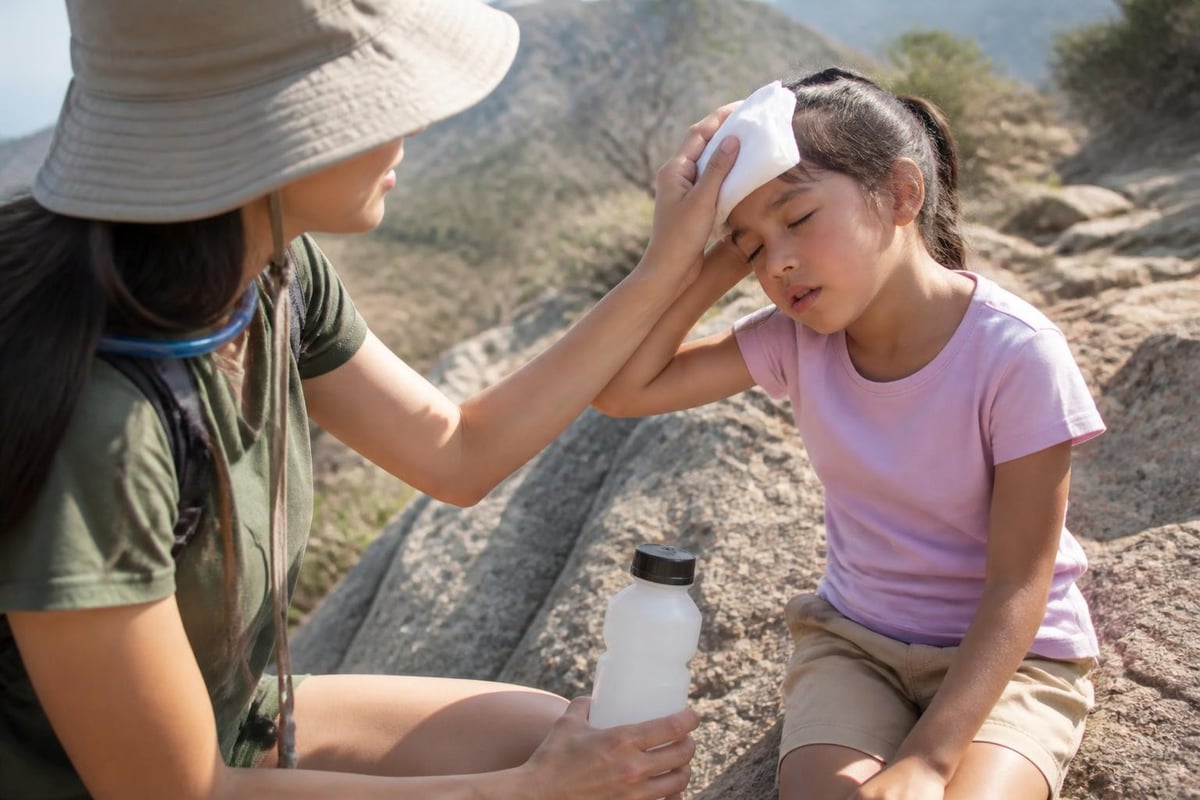
Temperature increases introduce specific safety concerns absent during cooler months. Heat-related illness prevention becomes paramount as temperatures rise, particularly during extended outdoor sessions. The American Red Cross provides comprehensive summer safety guidance covering various outdoor scenarios.
Hydration and Heat Management
Proper hydration begins before arriving at your destination. Consuming adequate water throughout the day maintains performance and prevents heat exhaustion. Electrolyte replacement becomes necessary during activities exceeding two hours in warm conditions.
Key hydration strategies include:
- Begin hydrating 24 hours before planned activities
- Consume 16-20 ounces two hours before outdoor sessions
- Drink 8-10 ounces every 20 minutes during activity
- Monitor urine color as a hydration indicator
- Replace electrolytes during extended sessions
Recognize early warning signs of heat-related illness: excessive thirst, headache, dizziness, or reduced coordination. Health Advocate offers detailed exercise safety guidelines addressing heat management and workout timing.
Sun Protection Protocols
Ultraviolet radiation exposure increases significantly during spring and summer months. Proper sun protection prevents both immediate discomfort and long-term skin damage. Apply broad-spectrum sunscreen with SPF 30 or higher thirty minutes before outdoor exposure, reapplying every two hours.
Consider timing when planning range sessions or outdoor activities. Morning hours before 10 AM and afternoon sessions after 4 PM reduce peak UV exposure while maintaining comfortable temperatures.
Range Activities and Shooting Sports
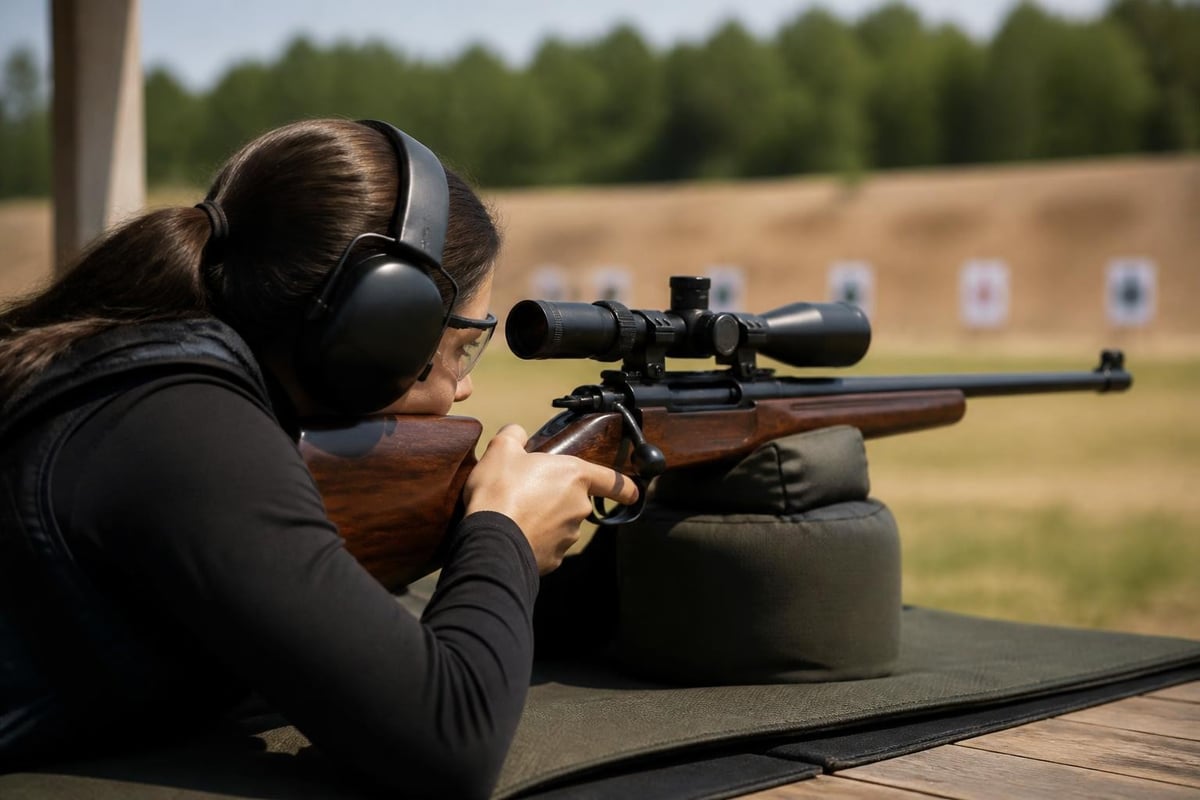
Spring and summer provide ideal conditions for developing marksmanship skills and testing equipment. Extended daylight hours allow longer practice sessions, while stable weather conditions improve shooting consistency. RCS Outdoors offers comprehensive equipment selections supporting various shooting disciplines throughout warmer months.
Seasonal Range Preparation
Temperature affects ammunition performance, optics functionality, and shooter comfort. Understanding these variables improves accuracy and safety during warm-weather practice sessions.
| Temperature Factor | Spring Considerations | Summer Adjustments |
|---|---|---|
| Ammunition storage | Avoid direct sunlight | Keep in cooler environments |
| Optic performance | Monitor for condensation | Check for heat-related zero shift |
| Cleaning frequency | Increase after wet conditions | Address powder residue buildup |
| Personal comfort | Layer clothing systems | Prioritize ventilation and hydration |
Ammunition stored in vehicles experiences significant temperature fluctuations. Transport ammunition in insulated containers and avoid leaving it in hot vehicles between sessions.
Competition and Training Schedules
Many shooting competitions occur during spring and summer months, taking advantage of favorable weather conditions. Training programs should begin eight to twelve weeks before scheduled events, allowing adequate skill development and equipment familiarization.
Structured practice sessions yield better results than unplanned range time. Establish specific goals for each session, whether focused on accuracy improvement, speed development, or equipment testing. Document performance metrics to track progress and identify areas requiring additional attention.
Wildlife and Hunting Preparation
While major hunting seasons typically occur during fall months, spring and summer activity planning establishes foundations for successful autumn pursuits. Scouting locations, maintaining equipment, and developing physical fitness all benefit from warm-weather preparation periods.
Scouting and Location Assessment
Spring offers excellent opportunities for identifying promising hunting locations before seasonal vegetation obscures terrain features. Wildlife patterns differ from fall behaviors, but understanding territory boundaries and travel corridors provides valuable intelligence for later seasons.
Effective scouting activities include:
- Mapping water sources and feeding areas
- Identifying potential stand or blind locations
- Documenting access routes and boundary markers
- Photographing terrain features for later reference
- Recording wildlife observations and patterns
Use GPS technology to mark locations precisely, creating detailed maps accessible during hunting seasons. Digital photographs with location data help recall specific areas months later when vegetation changes appearance.
Physical Conditioning Programs
Hunting demands physical stamina often underestimated until field conditions reveal fitness limitations. Spring and summer months provide ideal timeframes for developing cardiovascular endurance and strength necessary for demanding terrain navigation.
Graduated training programs prevent injury while building capability. Begin with moderate activities and progressively increase duration and intensity. Nova Southeastern University emphasizes outdoor activity preparation including fitness development and injury prevention.
Upland Game and Wingshooting Preparation
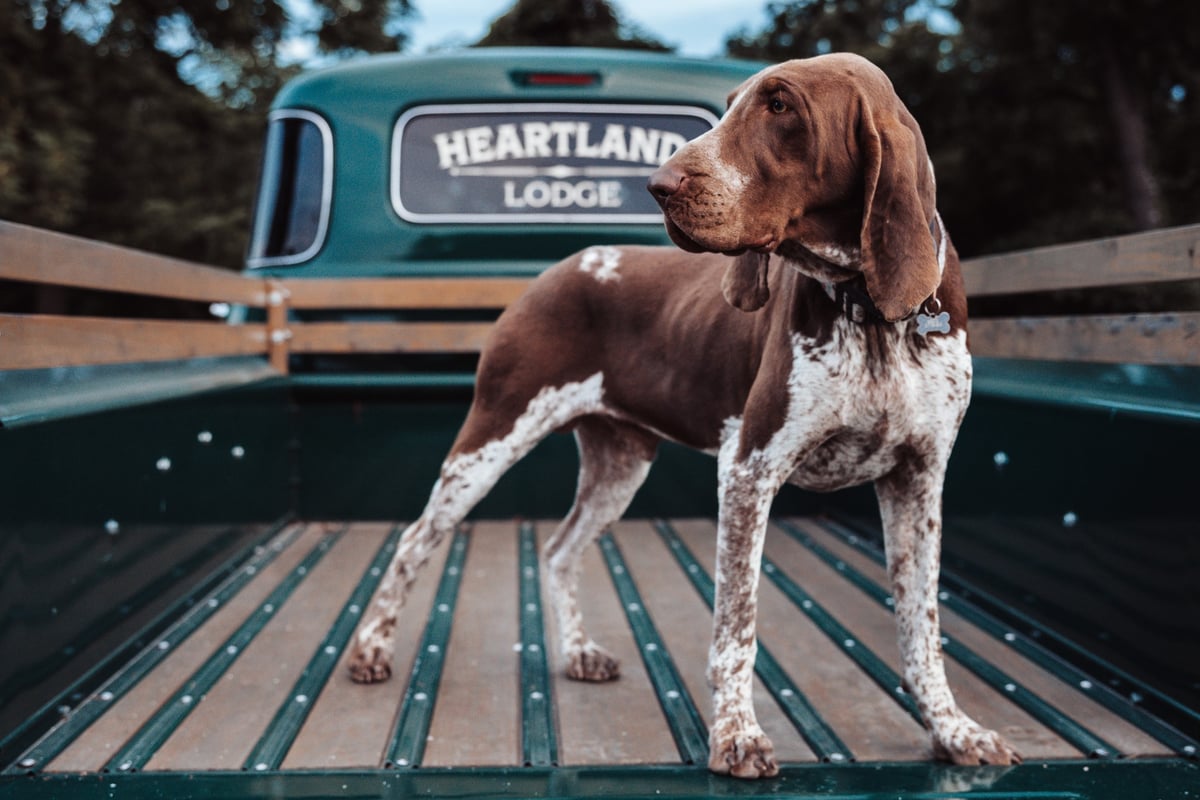
Upland hunting enthusiasts benefit significantly from off-season preparation activities. Equipment maintenance, dog training, and skill development all occur optimally during warmer months when access and conditions support consistent practice.
For those seeking premium wingshooting experiences, The Upland Escape Giveaway offers an exceptional opportunity. This partnership between RCS Outdoors, Heartland Lodge, and Benelli features an all-inclusive upland hunt package at one of America's premier wingshooting destinations in Pike County, Illinois, complete with a Benelli Super Black Eagle 3.
Shotgun Maintenance and Pattern Testing
Spring provides ideal conditions for comprehensive shotgun maintenance and performance verification. Clean firearms thoroughly, inspecting for wear or damage accumulated during previous seasons. Test various ammunition loads to establish optimal patterns for different hunting scenarios.
Pattern testing requires systematic approach and documentation. Shoot multiple rounds at varying distances, recording pattern density and consistency. Different choke configurations affect performance significantly, warranting separate testing sessions for each combination.
- Clean shotgun completely before testing
- Select representative target distance ranges
- Test minimum five rounds per configuration
- Document choke, ammunition, and distance variables
- Photograph patterns for comparative analysis
- Record environmental conditions affecting results
Dog Training and Conditioning
Hunting dogs require consistent training and physical conditioning maintained throughout spring and summer months. Brief daily sessions prove more effective than occasional extended training periods. Focus on obedience fundamentals, retrieve practice, and gradual conditioning increases.
Water-based training activities provide excellent conditioning while managing heat stress. Swimming develops cardiovascular fitness without joint impact, particularly beneficial for older dogs or those recovering from injuries.
Camping and Extended Outdoor Excursions
Multi-day outdoor adventures require comprehensive planning addressing shelter, food, water, and emergency preparedness. Spring and summer activity schedules often include camping trips combining multiple recreational pursuits in remote locations.
Essential Gear Selection
Weight and versatility drive equipment selection for extended trips. Prioritize multi-purpose items reducing pack weight while maintaining functionality. Modern materials provide significant advantages over traditional gear in weight-to-performance ratios.
Critical camping equipment categories:
- Shelter systems rated for expected temperature ranges
- Water filtration and purification capabilities
- Food storage addressing wildlife concerns
- Navigation tools including maps, compass, and GPS
- Emergency communication devices
- First aid supplies appropriate for group size and duration
Test all equipment before departure, particularly new items or recently maintained gear. Set up shelters completely, operate stoves, and verify electronics functionality during preparation phases.
Food and Water Management
Caloric requirements increase during physically demanding outdoor activities. Plan menus providing adequate nutrition while minimizing weight and preparation complexity. Dehydrated foods offer excellent calorie-to-weight ratios with extended shelf life.
Water sources require treatment regardless of appearance. Filtration systems, chemical treatments, or boiling eliminate pathogens causing illness. Carry sufficient capacity for areas lacking reliable water sources, calculating minimum one gallon per person daily for drinking and cooking.
Navigation and Wilderness Skills
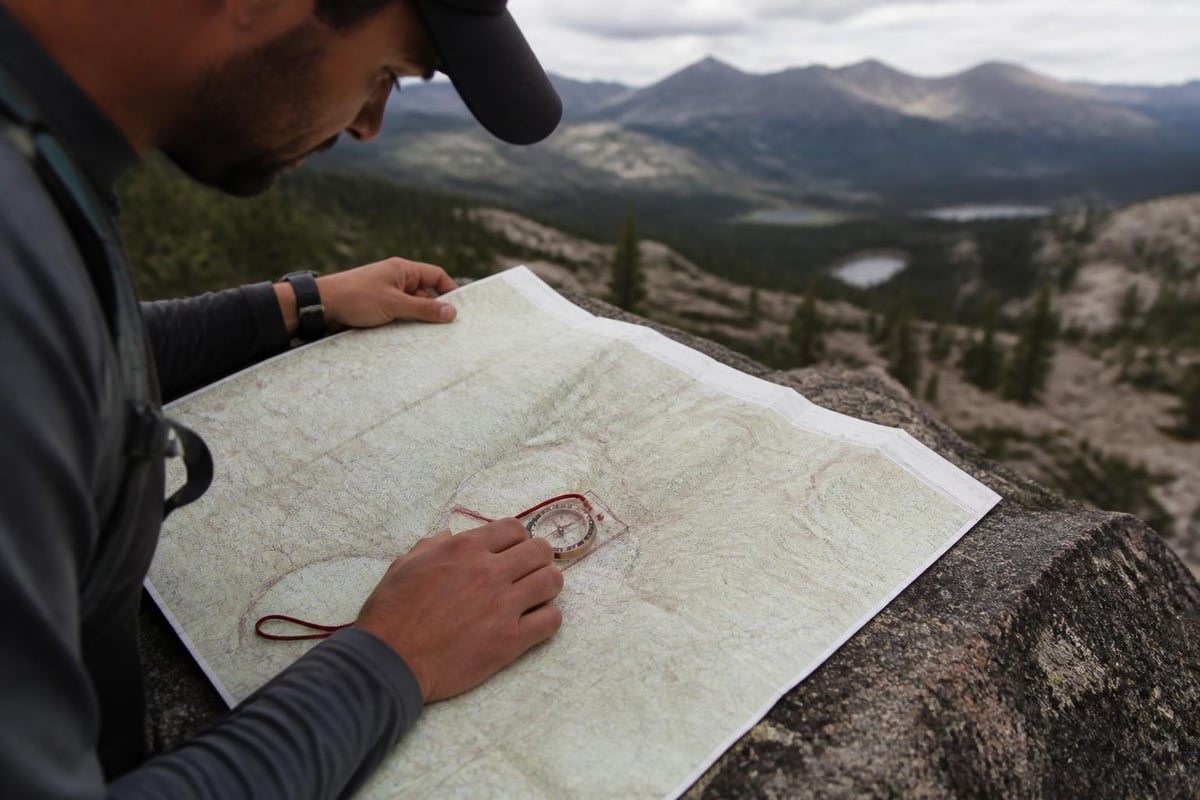
Technology provides powerful navigation tools, but traditional map and compass skills remain essential for safety and reliability. Electronic devices fail due to battery depletion, water damage, or technical malfunctions. Competent outdoorsmen maintain proficiency with backup navigation methods.
Map Reading Fundamentals
Topographic maps reveal terrain features, elevation changes, and natural obstacles invisible on standard maps. Understanding contour lines, scale, and declination enables accurate position determination and route planning.
Practice map reading in familiar areas before depending on skills in remote locations. Identify landmarks, calculate distances, and verify compass bearings against known features. Confidence develops through repetitive practice in varied terrain types.
GPS Technology Integration
Modern GPS devices offer remarkable capabilities when used correctly. Waypoint marking, track recording, and route planning enhance navigation efficiency and safety. However, technology supplements rather than replaces fundamental skills.
Carry spare batteries or charging capabilities for electronic devices. Download offline maps before departure, ensuring navigation capability without cellular connectivity. Familiarize yourself with device operation before field use, practicing essential functions until they become intuitive.
Firearm Transportation and Legal Considerations
Interstate travel with firearms requires understanding varying state regulations. Research laws governing transportation, storage, and possession for all jurisdictions along travel routes and at destinations. Requirements differ significantly between states regarding permits, registration, and transportation methods.
Secure Transportation Methods
Proper firearm transportation protects both equipment and legal standing. Use hard-sided, lockable cases meeting TSA requirements for air travel or secure storage for vehicle transport. Ammunition must be stored separately in appropriate containers, never in firearm chambers or magazines during transport.
Vehicle storage should keep firearms concealed and secured, preventing theft during stops or overnight parking. Never leave firearms in unattended vehicles when avoidable, particularly in urban areas or high-traffic locations.
Documentation and Permits
Maintain copies of all relevant permits, registration documents, and proof of ownership during travel. Some jurisdictions require specific documentation for firearm possession, even for travelers passing through. Digital copies stored on mobile devices provide backup if physical documents are lost or damaged.
Research destination regulations well in advance, allowing time to obtain necessary permits or adjust travel plans if restrictions prevent legal firearm possession. State fish and wildlife agencies typically provide current regulation summaries online, though regulations change frequently requiring verification before each trip.
Youth Involvement and Skill Development
Spring and summer months offer excellent opportunities for introducing young people to outdoor pursuits. Longer daylight hours, comfortable weather conditions, and school breaks create ideal circumstances for developing foundational skills and fostering appreciation for outdoor recreation.
Age-Appropriate Activities
Match activities to individual capabilities rather than arbitrary age guidelines. Some youth demonstrate readiness for certain skills earlier than others, while different individuals excel in varied disciplines. Assess physical ability, attention span, and genuine interest when planning youth activities.
Begin with basic skills providing immediate success and positive reinforcement. Short, focused sessions maintain engagement better than extended periods causing fatigue or frustration. Gradually increase complexity and duration as competence and enthusiasm grow.
Progressive skill development sequence:
- Safety fundamentals and responsible behavior
- Basic equipment familiarization and handling
- Simplified versions of target activities
- Introduction to field applications
- Independent practice with supervision
- Gradual responsibility increases
Safety Education Priorities
Safety consciousness must precede all skill development. Establish clear rules, explain reasoning behind safety protocols, and enforce consistent expectations. Young participants learn through observation, making adult example critically important.
Positive reinforcement of safe behavior proves more effective than focusing exclusively on mistakes. Acknowledge good decisions, proper technique, and responsible conduct. This approach builds confidence while establishing safe practices as normal rather than burdensome.
Maintenance and Season-End Preparation
As summer concludes, proper equipment maintenance ensures readiness for fall activities while protecting investments during storage periods. Systematic cleaning, inspection, and storage prevent deterioration and expensive repairs.
Firearms Care and Storage
Thorough cleaning removes powder residue, dirt, and moisture accumulated during use. Apply appropriate lubricants preventing corrosion during storage periods. Store firearms in climate-controlled environments when possible, avoiding locations experiencing extreme temperature fluctuations or high humidity.
Document maintenance activities including cleaning dates, parts replacements, and any issues requiring professional attention. This record-keeping aids troubleshooting and helps establish service intervals for various components.
| Maintenance Task | Frequency | Critical Checkpoints |
|---|---|---|
| Basic cleaning | After each use | Bore, action, exterior surfaces |
| Detailed inspection | Monthly during active use | Springs, pins, wear surfaces |
| Professional service | Annually or 2000+ rounds | Internal components, headspacing |
| Storage preparation | Before extended storage | Complete cleaning, light oil coat |
Soft Goods and Accessories
Wash or clean all fabric items before storage, removing sweat, dirt, and organic materials attracting pests or promoting mildew. Inspect stitching, zippers, and attachment points for damage requiring repair. Address issues immediately rather than discovering failures at critical moments.
Store cleaned items in breathable containers preventing moisture accumulation while protecting against dust and pests. Avoid plastic bags trapping humidity and promoting mildew growth. Cedar blocks or moisture absorbers help maintain optimal storage conditions.
Spring and summer activity planning sets the foundation for year-round outdoor enjoyment and skill development. Proper preparation, safety consciousness, and equipment maintenance ensure rewarding experiences while building capabilities serving you across all seasons. Whether you're developing marksmanship skills, preparing for hunting seasons, or exploring wilderness areas, RCS Outdoors provides the equipment, expertise, and resources supporting your outdoor pursuits throughout the year.


