
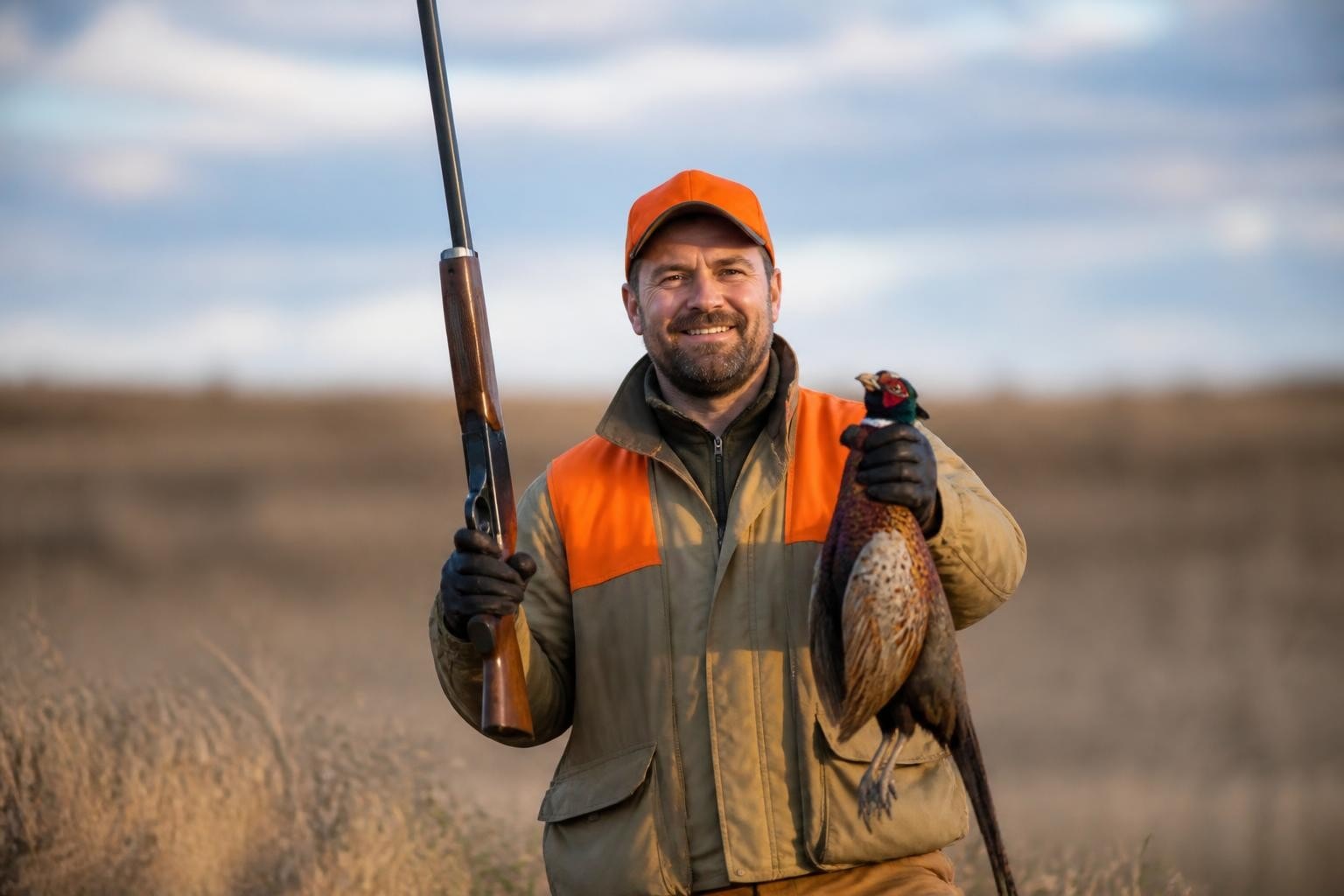
Illinois Controlled Pheasant Hunt Guide 2026
Illinois offers one of the most accessible and well-managed upland bird hunting opportunities in the Midwest through its controlled pheasant hunting program. This structured system provides hunters with quality hunting experiences on managed public lands, combining wildlife conservation with recreational opportunities. Whether you're a seasoned upland hunter or new to the sport, understanding the program's requirements, regulations, and best practices ensures a successful and rewarding hunting season.
Understanding the Illinois Controlled Pheasant Hunting Program
The Illinois Department of Natural Resources operates a comprehensive controlled pheasant hunting program designed to maximize hunting opportunities while maintaining sustainable bird populations. This managed approach differs significantly from traditional public land hunting by controlling hunter numbers, stocking birds, and scheduling specific hunt days.
The program operates at select sites across Illinois, with each location offering unique terrain and hunting conditions. State wildlife biologists stock farm-raised pheasants at these designated areas before scheduled hunt days, ensuring consistent bird populations throughout the season. This management strategy creates predictable hunting experiences that appeal to both veteran hunters and those just starting their upland pursuits.
How the Permit System Works
Securing a spot in an illinois controlled pheasant hunt requires navigating the permit application process. The Illinois Department of Natural Resources uses a lottery system to distribute hunting opportunities fairly among applicants. Applications typically open in summer, with hunters submitting requests for specific sites and dates through the online reservation system.
The application process includes these key steps:
- Create or log into your Illinois DNR account online
- Submit applications during the designated lottery period
- Specify preferred hunting sites and dates
- Pay the required permit fee upon selection
- Receive confirmation and hunt day assignment
Permit fees vary depending on residency status and hunter age. Illinois residents pay lower fees than non-residents, while youth and senior hunters often qualify for reduced rates. The permit application system operates on a first-come, first-served basis after lottery selections, allowing hunters to claim any remaining openings.
Regulations and Requirements for Controlled Hunts
Following proper regulations ensures safe, legal, and ethical hunting experiences. The Illinois controlled pheasant hunt operates under specific guidelines that differ from general upland game hunting rules. Hunters must familiarize themselves with these requirements before their scheduled hunt day.
Essential Hunting Regulations
Valid Illinois hunting licenses and habitat stamps are mandatory for all participants. Hunters must check in at designated times before hunting begins, typically between 7:30 AM and 8:30 AM. Late arrivals forfeit their reserved spots, and no refunds are issued for missed hunts.
Daily bag limits are strictly enforced. Most sites allow hunters to harvest two roosters per day, though specific regulations may vary by location. Hunters must check their birds at the conclusion of each hunt, with site staff recording harvest numbers for wildlife management data.
| Regulation Category | Requirement | Notes |
|---|---|---|
| License | Valid IL hunting license + stamps | Must be current for hunt date |
| Check-in Time | 7:30 AM – 8:30 AM | Site-specific variations apply |
| Daily Bag Limit | 2 roosters | Only male pheasants legal |
| Shooting Hours | Ends at 3:00 PM | Earlier than general season |
| Dog Requirements | None (but recommended) | Well-trained dogs increase success |
Safety and Ethical Considerations
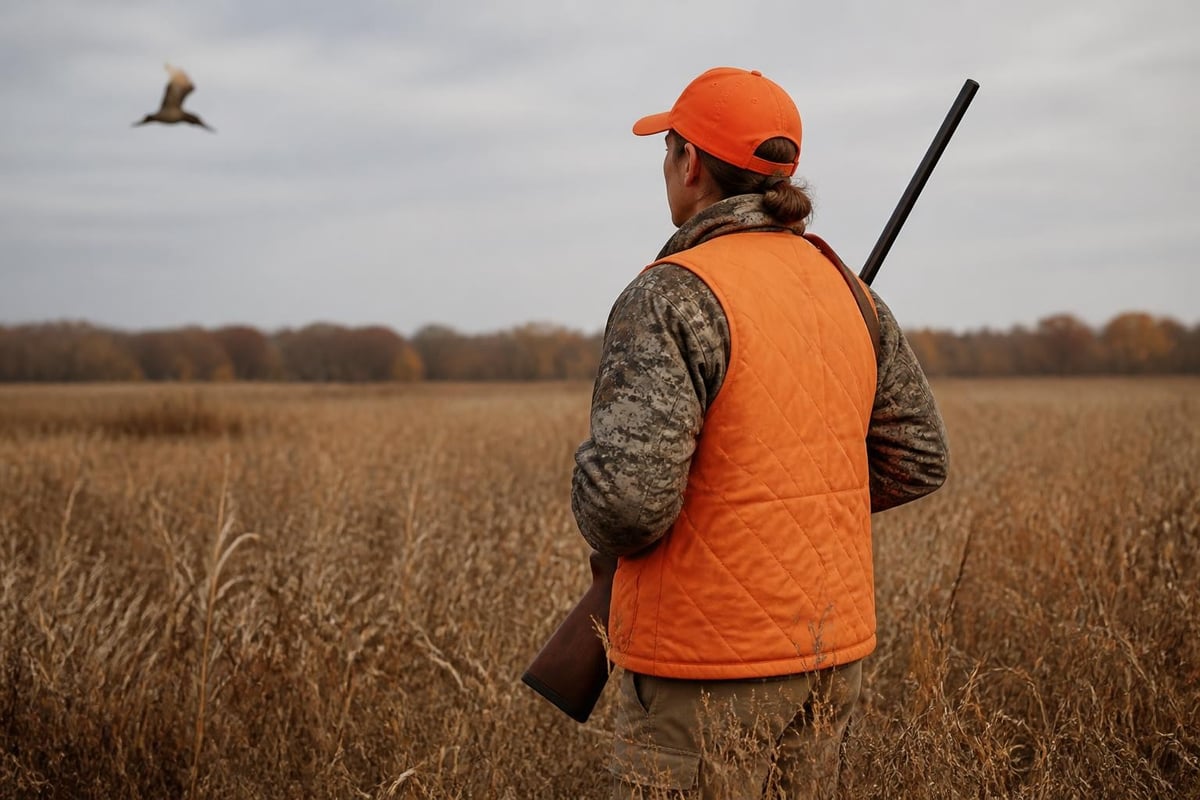
Hunter orange requirements apply at all controlled pheasant hunting sites. Participants must wear at least 400 square inches of blaze orange material on their head, chest, and back. This visibility requirement protects hunters in areas where multiple parties pursue birds simultaneously.
Safety protocols include:
- Maintaining safe shooting zones and backstops
- Identifying targets positively before shooting
- Unloading firearms when moving between areas
- Respecting other hunters' space and assigned zones
- Following staff instructions regarding boundaries
The controlled environment allows hunters to focus on safety without the unpredictability of unregulated public land hunting. Site managers often assign specific hunting zones to each party, reducing overlap and potential conflicts.
Top Illinois Controlled Pheasant Hunting Sites
Illinois operates controlled pheasant hunts at multiple locations throughout the state, each offering distinct advantages. Site selection depends on factors including proximity, habitat quality, hunter density, and historical success rates.
Northern Illinois Locations
Des Plaines Conservation Area in Cook County provides suburban hunters convenient access to quality pheasant hunting. Despite its proximity to Chicago, the site offers diverse habitats including grasslands, wetland edges, and crop field borders. High hunter demand makes lottery selection competitive at this location.
Iroquois County Conservation Area features extensive grassland complexes that hold birds well throughout hunt days. The rolling terrain and native prairie vegetation create classic pheasant cover that rewards hunters using pointing dogs. This site consistently produces above-average harvest rates compared to other program locations.
Central Illinois Hunting Areas
Rice Lake Conservation Area in Fulton County combines wetland habitats with upland cover, attracting both waterfowl and upland hunters. The site's management practices maintain optimal bird-holding cover through strategic mowing and planting schedules. Hunters frequently encounter wild pheasants alongside stocked birds at this productive location.
Sanganois Conservation Area offers over 3,000 acres of mixed habitats in Cass and Mason Counties. The extensive acreage reduces hunter crowding even on popular hunt days. Diverse terrain includes cropland buffers, CRP grass, and riparian corridors that challenge hunters with varying hunting conditions.
| Site Name | County | Acres | Habitat Type | Difficulty Level |
|---|---|---|---|---|
| Des Plaines | Cook | 800+ | Mixed grass/wetland | Moderate |
| Iroquois County | Iroquois | 2,400+ | Prairie/grassland | Easy to Moderate |
| Rice Lake | Fulton | 2,900+ | Wetland/upland mix | Moderate |
| Sanganois | Cass/Mason | 3,000+ | Diverse habitats | Moderate to Difficult |
Southern Illinois Options
Union County Conservation Area provides southern Illinois hunters access to controlled pheasant opportunities in a region known primarily for other game species. The site's bottomland hardwood edges and old field habitats create unique hunting conditions different from prairie-dominated northern locations.
Essential Gear for Illinois Pheasant Hunting
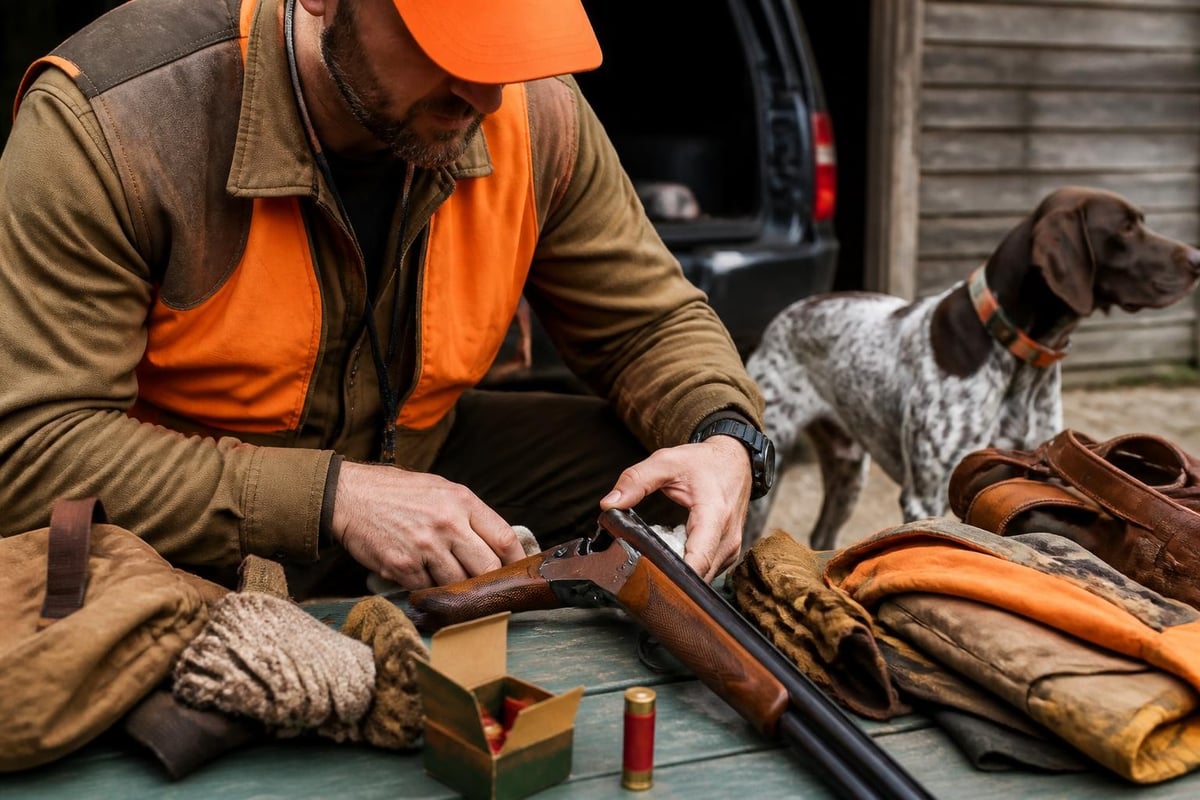
Proper equipment significantly impacts hunting success and enjoyment during an illinois controlled pheasant hunt. While gear requirements remain minimal, strategic selections enhance performance and comfort throughout long hunt days.
Shotgun and Ammunition Selection
Twelve and twenty gauge shotguns dominate pheasant fields, though sixteen gauge guns work equally well. Modified or improved cylinder chokes handle most shooting situations encountered during controlled hunts. The relatively close flushing ranges in managed cover rarely require tight constrictions.
Recommended shotgun specifications:
- Gauge: 12, 16, or 20
- Action: Pump, semi-auto, or over/under
- Barrel length: 26-28 inches
- Chokes: Modified or improved cylinder
- Chamber: 2.75" or 3" (3" unnecessary for pheasants)
Ammunition selection balances pattern density with adequate pellet energy. Number 5 or 6 shot sizes prove most effective for pheasants, delivering clean harvests without excessive meat damage. Standard velocity loads in 1 1/8 or 1 1/4 ounce payloads handle all typical shooting scenarios.
Quality firearms retailers like RCS Outdoors carry extensive shotgun selections suitable for upland hunting, from entry-level pumps to premium over/unders designed specifically for bird hunting applications. Matching your firearm to your hunting style and physical capabilities ensures comfort during full-day hunts.
Clothing and Protective Equipment
Illinois weather varies dramatically during pheasant season, requiring layered clothing systems. Early season hunts may feature warm temperatures exceeding 70 degrees, while late season conditions bring freezing temperatures and potential precipitation. Moisture-wicking base layers, insulating mid-layers, and weather-resistant outer shells provide adaptable protection.
Blaze orange clothing satisfies legal requirements while offering visibility and safety benefits. Quality hunting vests include large game bags for carrying harvested birds, shell loops for quick reloads, and water bottle pockets for hydration. Upland pants should resist briars and heavy cover while maintaining breathability during active hunting.
Additional essential gear includes:
- Waterproof boots with ankle support
- Shooting glasses for eye protection
- Leather gloves for handling birds and cover
- Game shears for cleaning birds
- Water and energy snacks
- First aid kit and emergency supplies
Hunting Strategies for Controlled Pheasant Sites
Success during controlled pheasant hunts requires different tactics than pursuing wild birds. Understanding stocked bird behavior, site layouts, and hunting pressure patterns helps hunters maximize their opportunities.
Working the Cover Effectively
Stocked pheasants often hold tighter than wild birds, particularly early in hunt days before experiencing hunting pressure. Methodical coverage of likely holding areas produces more flushes than rushing through terrain. Focus efforts on thick grass patches, brushy edges, and waterway corridors where birds seek security.
Hunting with partners allows coordinated drives and blocking strategies. Position one hunter at likely escape routes while another works through heavy cover, pushing birds toward the blocker. This teamwork approach proves especially effective in linear cover like drainage ditches and fencerows.
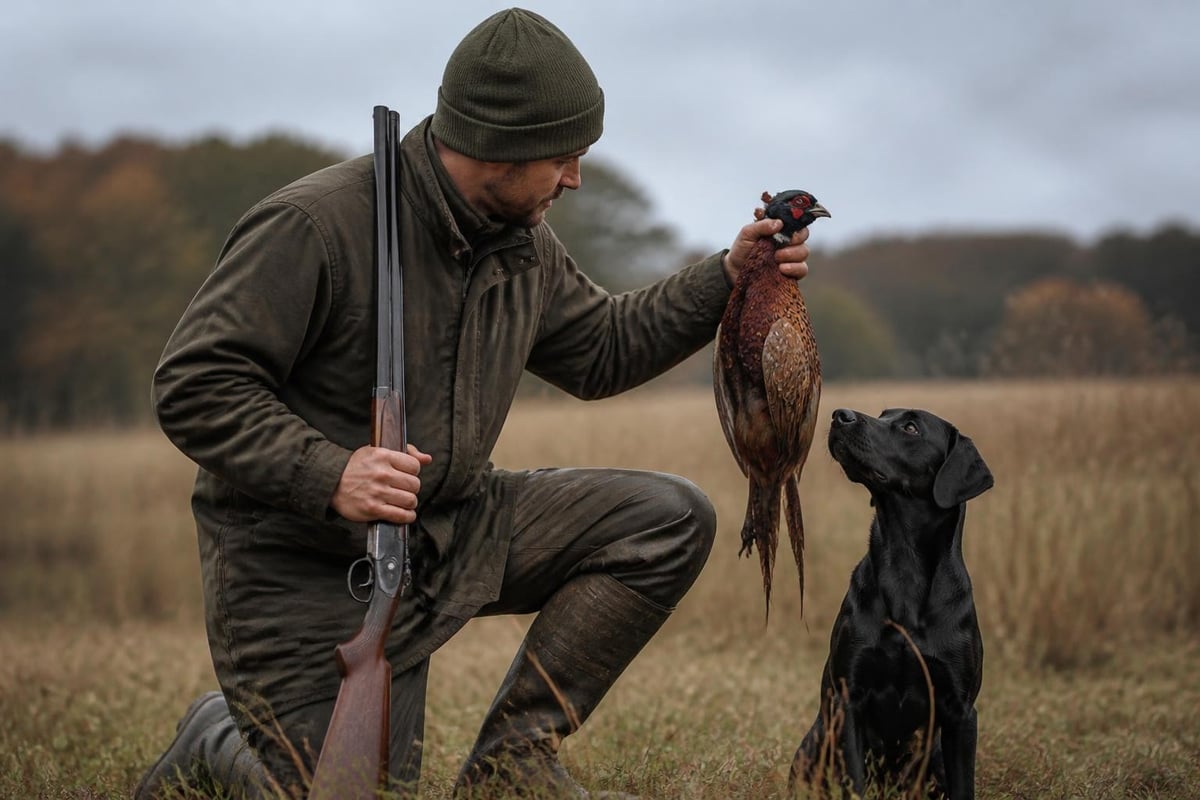
Dogs transform pheasant hunting from challenging to highly productive. Well-trained pointing breeds locate and hold birds until hunters arrive, while flushing breeds push birds into flight within shooting range. Retrievers ensure crippled birds don't escape, improving harvest efficiency and ethical hunting practices.
Timing Your Hunt Day
Most controlled pheasant hunting sites experience peak action during the first two hours after check-in. Fresh birds distribute throughout available cover, and hunting pressure remains minimal. Arriving early and hunting immediately maximizes encounters with unpressured birds.
Mid-day hunting slows as birds receive pressure and seek deeper cover. However, this period allows hunters to explore less-obvious areas that other parties might overlook. Birds pushed by earlier hunters often relocate to undisturbed pockets, creating opportunities for patient hunters.
The final hour before shooting hours end occasionally produces a second surge of activity. Birds that survived morning pressure become more active as they seek feeding areas, particularly near food plots and crop field edges.
Maximizing Success Rates
Statistical analysis of controlled pheasant hunts reveals patterns that separate successful hunters from those who struggle. Understanding these factors allows hunters to improve their performance across multiple hunt days.
Party Size Considerations
Solo hunters enjoy mobility advantages, covering ground efficiently and adapting quickly to changing conditions. However, single hunters lack the blocking and driving capabilities that make partner hunting effective in managed areas. The ideal party size ranges from two to four hunters, balancing coverage area with coordination complexity.
Larger groups create more shooting opportunities through coordinated drives but may struggle with communication and safety management. Site regulations often limit party sizes to maintain safe hunting conditions and fair distribution of resources.
Pre-Season Preparation
Physical conditioning impacts hunting effectiveness significantly. Controlled pheasant hunts involve considerable walking, often exceeding five miles through challenging terrain. Cardiovascular fitness allows hunters to maintain pace throughout full hunt days without fatigue affecting shooting performance.
Shotgun practice before the season builds muscle memory and confidence. Pattern your shotgun at various ranges to understand its performance characteristics. Practice mounting and swinging smoothly, simulating field shooting scenarios rather than static target shooting.
Hunters participating in premium experiences like The Upland Escape Giveaway, which RCS Outdoors partners with Heartland Lodge to offer, benefit from guided instruction that accelerates skill development. Professional guides provide insights into bird behavior, shooting techniques, and hunting strategies that translate directly to controlled hunt success.
Working With Hunting Dogs
Dogs elevate pheasant hunting from adequate to exceptional, particularly in controlled hunting environments where efficiency matters. The investment in training and maintaining a hunting dog pays dividends through improved harvest rates and enhanced hunting experiences.
Breed Selection and Training
Pointing breeds including English Pointers, German Shorthairs, and Brittanys excel at locating and holding birds. These dogs range widely, covering extensive ground while maintaining contact with hunters. Proper training develops natural pointing instincts while ensuring obedience and control.
Flushing breeds like Springer Spaniels and Labrador Retrievers work closer to hunters, pushing birds into flight within shooting range. These enthusiastic workers require training emphasis on range control and steady-to-flush behavior. Their retrieving abilities prove invaluable for recovering downed birds in heavy cover.
Training priorities for controlled hunt dogs:
- Reliable recall response to commands
- Controlled ranging within shotgun range
- Steady behavior when birds flush
- Soft mouth retrieving without damage
- Tolerance of other hunters and dogs
Hunt Day Dog Management
Controlled hunt sites often host multiple parties with dogs, requiring proper canine etiquette. Keep dogs under control during check-in and while traveling between hunting areas. Avoid allowing your dog to interfere with other hunters' dogs or disturb their hunting zones.
Monitor your dog's condition throughout hunt days, particularly during warm weather. Provide water regularly and watch for signs of fatigue or overheating. Paw injuries from sharp crop stubble or rough terrain can sideline dogs quickly without protective boots or careful monitoring.
Understanding Bird Behavior Patterns
Stocked pheasants exhibit different behaviors than wild populations, though many survival instincts remain intact. Recognizing these behavioral patterns helps hunters anticipate bird movements and position themselves advantageously.
Flight and Escape Strategies
Controlled hunt pheasants often attempt running as their primary escape method, particularly in areas with continuous cover. Birds frequently run ahead of hunters and dogs, circling back or sneaking through gaps rather than flushing. This behavior requires hunters to push through cover thoroughly rather than walking quickly past potential holding spots.
When forced to flush, stocked roosters typically fly shorter distances than wild birds before landing and resuming escape on foot. This tendency creates second-chance opportunities if hunters mark down locations carefully and pursue promptly.
Habitat Preferences
Pheasants gravitate toward specific cover types that provide security and thermal regulation. Tall grass patches exceeding knee height offer prime holding cover, particularly when interspersed with bare ground for movement. Edge habitats where different cover types meet concentrate birds seeking varied resources.
Food sources influence bird distribution significantly. Agricultural fields adjacent to hunting areas attract pheasants seeking waste grain, making field edges productive hunting zones. Water sources become focal points during dry conditions, with birds congregating near drainage ditches and pond margins.
Planning Your Illinois Pheasant Hunting Season
Strategic season planning maximizes controlled hunt opportunities while balancing costs, time commitments, and success probability. The Illinois DNR announcement system provides timely updates on program changes, application periods, and special opportunities.
Application Timing Strategy
Submit lottery applications early during open periods to ensure processing before quotas fill. While lottery selections occur randomly, prompt applications guarantee consideration for all requested dates and sites. Late applications may find limited availability, particularly at popular locations.
Apply for multiple sites and dates to increase selection odds. Flexibility regarding hunt locations and scheduling improves chances of securing at least one controlled hunt opportunity. Review historical success rates and hunter feedback when prioritizing site selections.
Budget Considerations
Calculate total costs including permits, licenses, ammunition, travel expenses, and potential equipment purchases. Controlled pheasant hunt permits remain affordable compared to private preserve hunting, though associated costs accumulate quickly with multiple hunt days and distant site locations.
| Expense Category | Estimated Cost Range | Notes |
|---|---|---|
| Hunting License | $30 – $75 | Resident vs. non-resident pricing |
| Habitat Stamp | $15 – $20 | Required annual stamp |
| Hunt Permit | $15 – $40 | Per hunt day fee |
| Ammunition | $20 – $40 | Two boxes quality loads |
| Fuel/Travel | $20 – $100+ | Distance dependent |
| Equipment Maintenance | Variable | Cleaning supplies, repairs |
Season-Long Success Planning
Experienced hunters schedule multiple controlled hunts throughout the season, learning from each outing and adapting strategies. Early season hunts provide practice opportunities when weather conditions remain pleasant. Mid-season timing often coincides with peak bird availability as stocking programs reach full capacity.
Late season controlled hunts challenge hunters with weather extremes but often feature less competition for permits. Birds stocked late in programs may be less pressured, offering advantages that offset difficult hunting conditions.
Advanced Techniques for Veteran Hunters
Hunters with extensive controlled pheasant hunt experience develop refined approaches that consistently produce above-average results. These advanced techniques build upon foundational skills while incorporating nuanced understanding of program operations and bird behavior.
Reading Hunting Pressure
Observe other hunting parties during check-in to assess likely pressure distribution across the site. Large, well-equipped groups typically target prime areas first, creating opportunities in secondary habitats that receive less immediate attention. Plan your route to avoid heavily pressured zones during peak hunting hours.
Vehicle counts at parking areas indicate which sections receive heaviest use. Consider hiking farther from access points to reach areas that casual hunters skip. The additional effort often results in encountering less-pressured birds and more productive hunting.
Weather-Based Adjustments
Wind direction dramatically affects bird distribution and behavior. Pheasants seek shelter on windy days, concentrating in protected draws, thick brush, and leeward sides of terrain features. Adjust hunting patterns to focus on sheltered areas when winds exceed 15 mph.
Temperature influences bird activity levels significantly. Cool mornings produce active birds that range widely while feeding. Warm afternoons drive pheasants into shade and inactivity, making them reluctant to flush. Schedule intensive hunting efforts during optimal temperature windows.
Precipitation changes cover conditions and scenting for dogs. Light rain often improves scenting conditions while reducing hunter numbers, creating ideal hunting scenarios. Heavy rain saturates cover and depresses bird activity, making hunts less productive until conditions improve.
The Illinois controlled pheasant hunt program provides exceptional opportunities for hunters seeking quality upland experiences on managed public lands. Success requires understanding permit systems, following regulations, selecting appropriate gear, and employing effective hunting strategies. Whether you're preparing for your first controlled hunt or planning another season of upland pursuits, having the right equipment makes all the difference. RCS Outdoors offers everything you need for successful pheasant hunting, from quality shotguns and ammunition to hunting accessories, helping you make the most of every hunt day this season.