
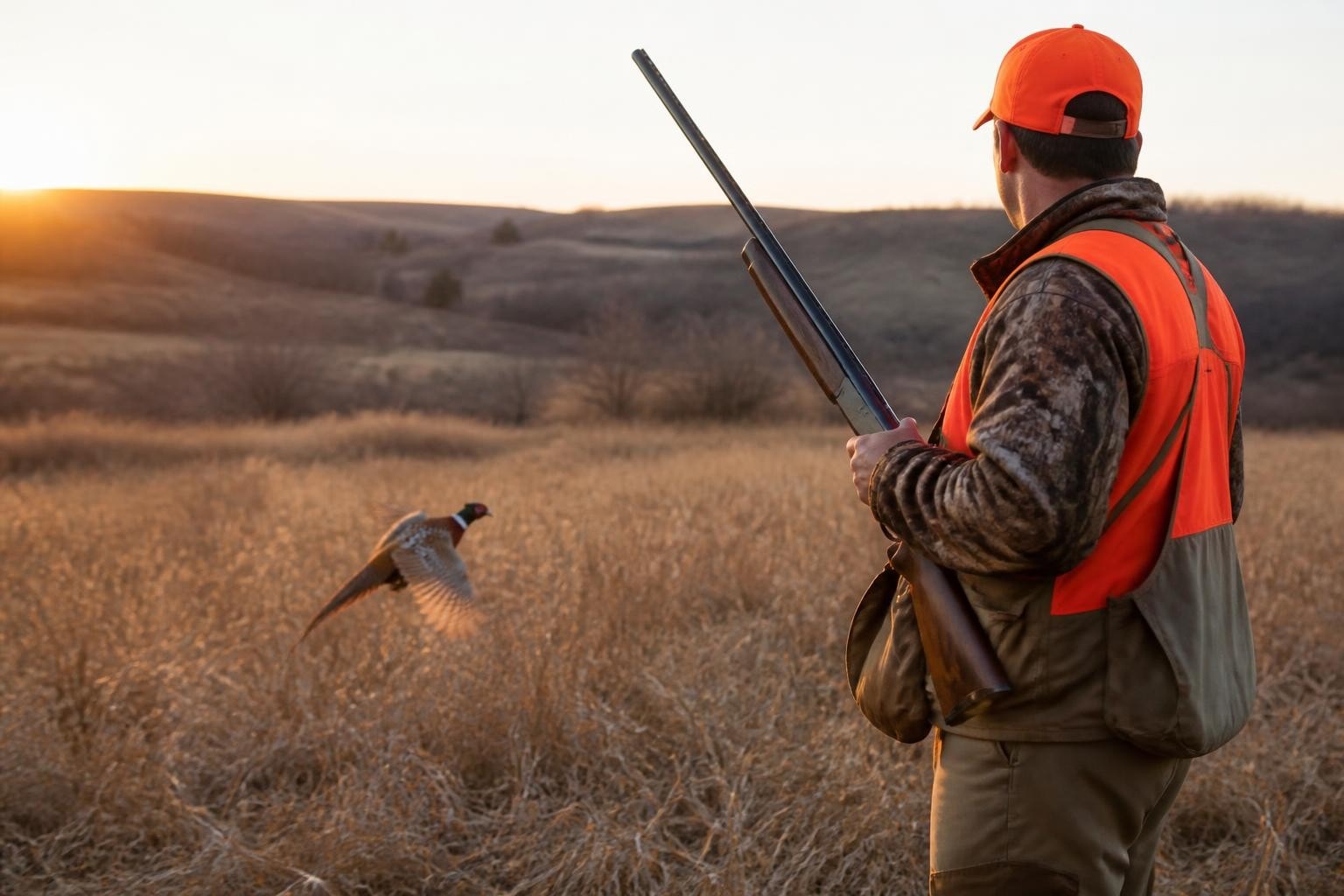
Illinois Pheasant Hunting Season: Complete 2026 Guide
The illinois pheasant hunting season represents one of the most anticipated periods for upland bird enthusiasts across the Midwest. With carefully managed controlled hunting areas, structured permit systems, and robust wildlife conservation efforts, Illinois provides exceptional opportunities for both novice and experienced hunters to pursue this iconic game bird. Understanding the regulations, preparation requirements, and strategic approaches to pheasant hunting can significantly enhance your success rate and overall hunting experience during the 2026 season.
Understanding Illinois Pheasant Hunting Regulations
Illinois pheasant hunting operates under a controlled hunting program that differs substantially from other game seasons in the state. The Illinois Department of Natural Resources (IDNR) manages specific sites where pheasant hunting is permitted, ensuring sustainable populations and quality hunting experiences.
Permit Requirements and Application Process
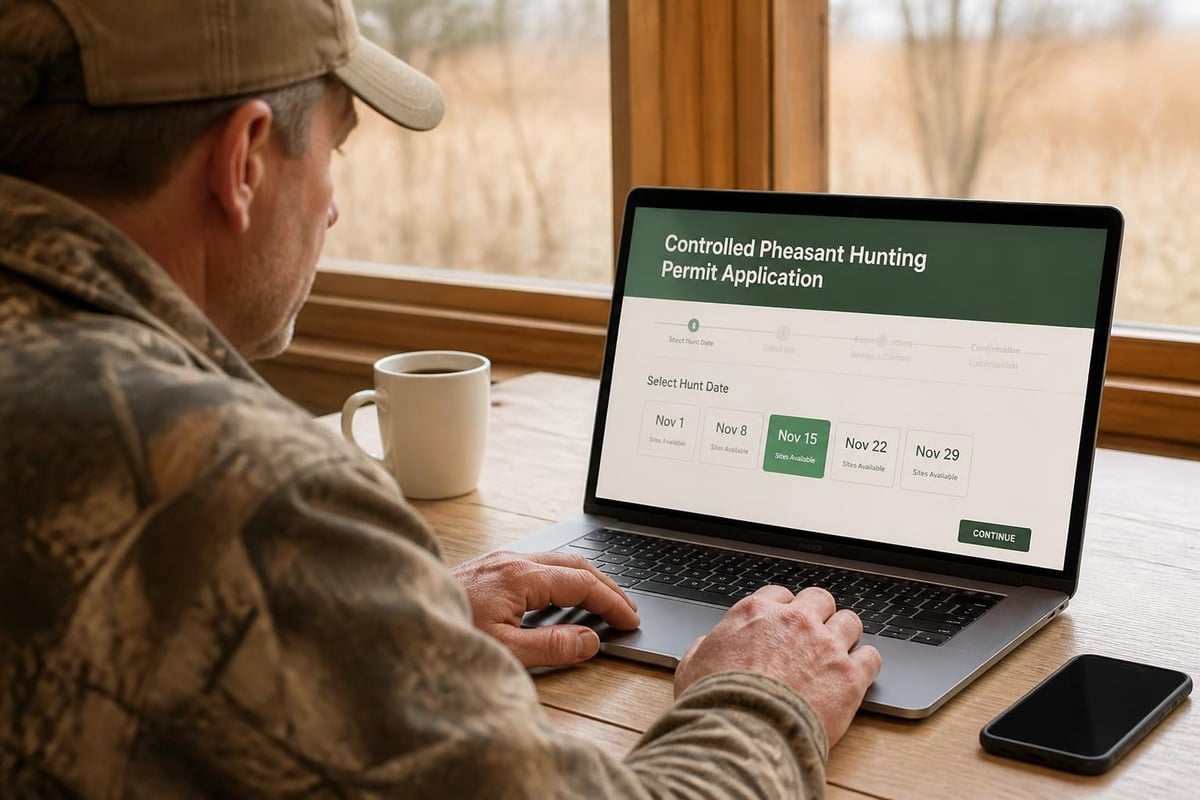
Securing a permit represents the first critical step for participating in the illinois pheasant hunting season. The controlled pheasant hunting program requires hunters to obtain site-specific permits through an application system. Applications typically open several weeks before the season begins, and hunters must apply for individual hunt dates at designated sites.
Key permit details include:
- Valid Illinois hunting license required
- State Habitat Stamp mandatory for all hunters
- Federal Migratory Bird Stamp not required for pheasants
- Separate permit needed for each hunting session
- Non-resident hunters eligible to apply
Hunters can learn more about the specific controlled pheasant hunting regulations through the IDNR website, which provides comprehensive guidance on legal requirements.
Season Dates and Hunting Hours
The illinois pheasant hunting season typically runs from early November through late January, though specific dates vary by site and management objectives. For the 2026 season, controlled hunts operate on scheduled dates determined by the IDNR based on habitat conditions and bird populations.
Hunting hours follow standardized protocols:
- Morning hunts: Begin at 8:30 AM
- Afternoon hunts: Start times vary by site
- Session duration: Typically 3-4 hours per session
- Check-in requirements: Mandatory 30 minutes before hunt start
The permit application details outline specific hunt dates and availability for each managed site across Illinois.
Top Illinois Pheasant Hunting Locations
Illinois maintains several controlled pheasant hunting sites throughout the state, each offering unique terrain characteristics and hunting opportunities. These sites receive regular stocking of farm-raised pheasants to supplement wild populations and provide consistent hunting action.
Northern Illinois Sites
The northern region features some of the most popular controlled hunting areas, benefiting from diverse agricultural landscapes and quality habitat management. Sites in this region typically experience high demand due to proximity to Chicago and surrounding metropolitan areas.
| Site Name | County | Season Capacity | Terrain Type |
|---|---|---|---|
| Des Plaines | Cook | High | Mixed grassland |
| Marseilles | LaSalle | Medium | River bottom |
| Woodford | Woodford | Medium | Prairie restoration |
Central Illinois Opportunities
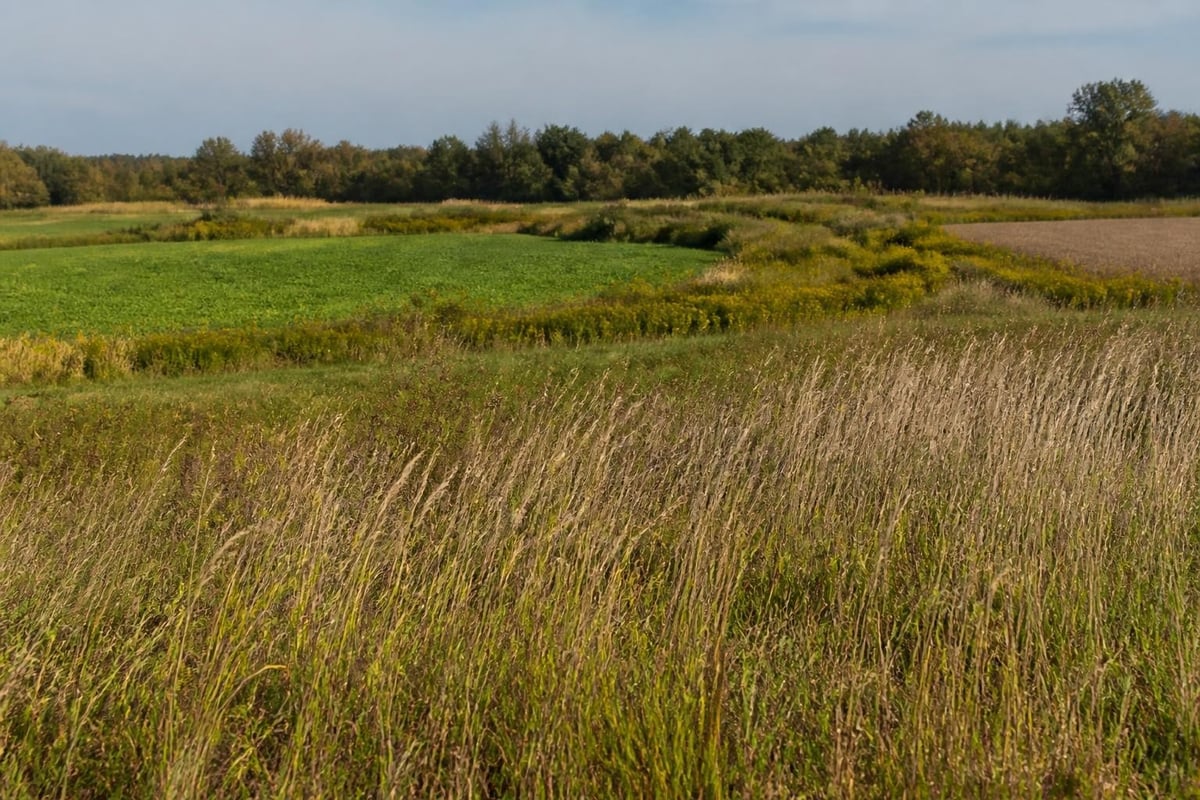
Central Illinois provides exceptional pheasant hunting terrain with extensive agricultural fields interspersed with Conservation Reserve Program (CRP) lands. This region often produces higher success rates due to optimal habitat conditions.
Notable central sites include:
- Banner Marsh in Peoria County
- Sangchris Lake in Christian County
- Clinton Lake in DeWitt County
- Weldon Springs in DeWitt County
These locations feature varied topography ranging from bottomland timber edges to upland prairie reconstructions, creating ideal cover for roosting and feeding pheasants.
Southern Illinois Hunting Areas
While southern Illinois receives less recognition for pheasant hunting compared to waterfowl pursuits, several controlled sites offer quality opportunities. The region's milder climate can extend hunting conditions later into winter months.
Pike County hosts Heartland Lodge, one of the most celebrated wingshooting destinations in the country, which offers premium guided pheasant hunts on thousands of acres of meticulously managed habitat. RCS Outdoors has partnered with Heartland Lodge and Benelli to create The Upland Escape Giveaway, offering hunters a chance to win an all-inclusive hunt package and a Benelli Super Black Eagle 3 shotgun.
Essential Gear for Illinois Pheasant Hunting
Success during the illinois pheasant hunting season depends significantly on proper equipment selection. The right gear enhances safety, comfort, and effectiveness throughout extended hunting sessions.
Shotgun Selection and Ammunition
Choosing an appropriate shotgun represents the most critical gear decision for pheasant hunters. Most successful hunters prefer 12-gauge or 20-gauge shotguns with modified or improved cylinder chokes for optimal pattern density at typical pheasant engagement distances.
Recommended specifications:
- Gauge: 12 or 20-gauge for versatility
- Action type: Semi-automatic, pump, or over/under
- Barrel length: 26-28 inches for maneuverability
- Choke: Modified or improved cylinder
- Chamber: 3-inch capability preferred
Ammunition selection should prioritize shot sizes between #5 and #7.5, with many hunters favoring #6 shot as an ideal compromise between pattern density and individual pellet energy. Steel shot is not required for pheasant hunting in Illinois, allowing hunters to use traditional lead ammunition.
Clothing and Safety Equipment
Illinois weather during pheasant season ranges from mild autumn conditions to harsh winter environments. Layered clothing systems provide flexibility to adapt throughout the day.
| Gear Category | Essential Items | Purpose |
|---|---|---|
| Base Layer | Moisture-wicking shirt/pants | Temperature regulation |
| Mid Layer | Fleece or insulated vest | Warmth retention |
| Outer Layer | Upland hunting jacket/pants | Briar protection |
| Footwear | Waterproof boots | Wet terrain navigation |
| Safety | Blaze orange hat/vest | Hunter visibility |
Illinois law mandates that all upland game hunters wear blaze orange during certain overlapping seasons, particularly during firearm deer season periods. The 2025-2026 Illinois Digest provides complete details on safety requirements.
Hunting Dogs and Training
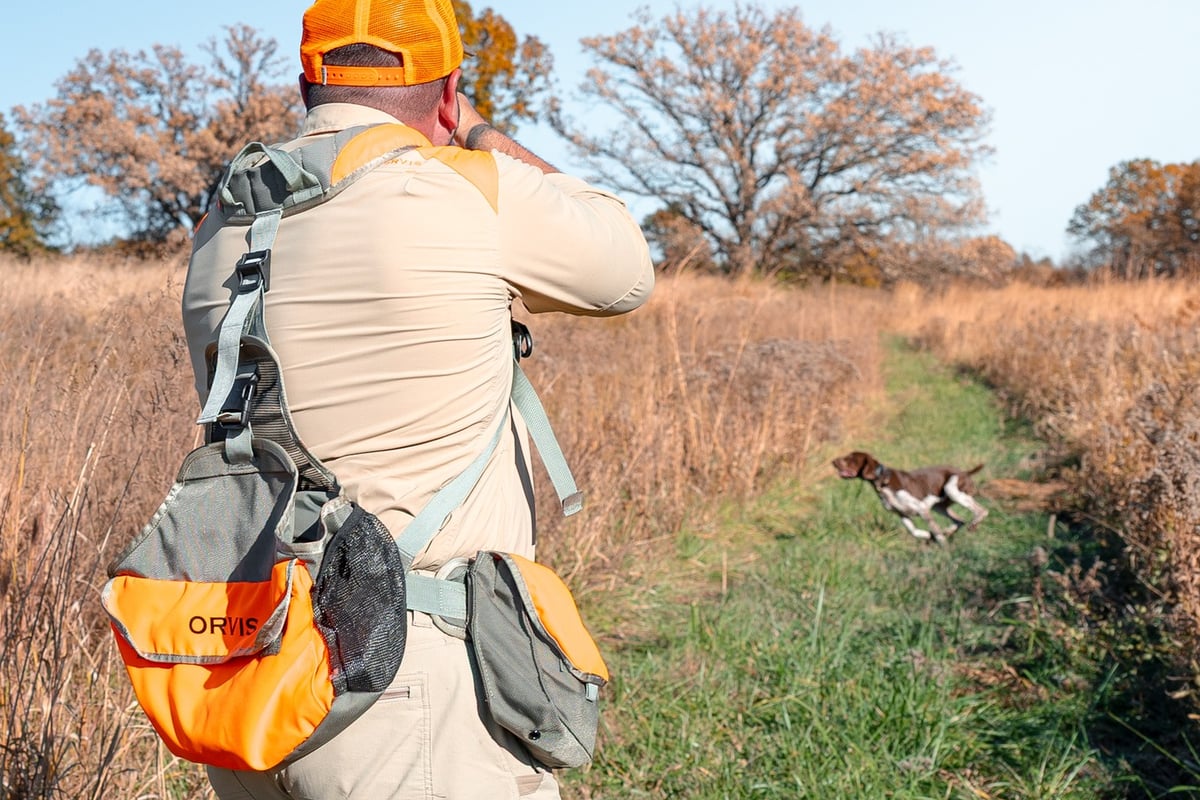
While not mandatory, well-trained hunting dogs dramatically increase success rates during the illinois pheasant hunting season. Pointing breeds and flushing retrievers excel in different hunting scenarios common to Illinois controlled sites.
Popular breeds for Illinois pheasant hunting:
- German Shorthaired Pointer
- English Springer Spaniel
- Labrador Retriever
- Brittany
- Wirehaired Pointing Griffon
Dog handling etiquette at controlled sites requires keeping dogs under reasonable control and respecting other hunters' space. Some sites have specific requirements regarding dog use during crowded hunting periods.
Hunting Strategies and Techniques
Maximizing success during the illinois pheasant hunting season requires understanding pheasant behavior, habitat preferences, and effective hunting approaches. Illinois pheasants, whether wild or released, exhibit predictable patterns that informed hunters can exploit.
Early Season Approaches
Early season hunts in November typically feature abundant cover with standing vegetation providing substantial concealment for birds. Pheasants during this period often hold tight in heavy grass, requiring thorough coverage of likely holding areas.
Effective early season tactics include:
- Working edges between crop stubble and grassland
- Focusing on low-lying wet areas with dense cover
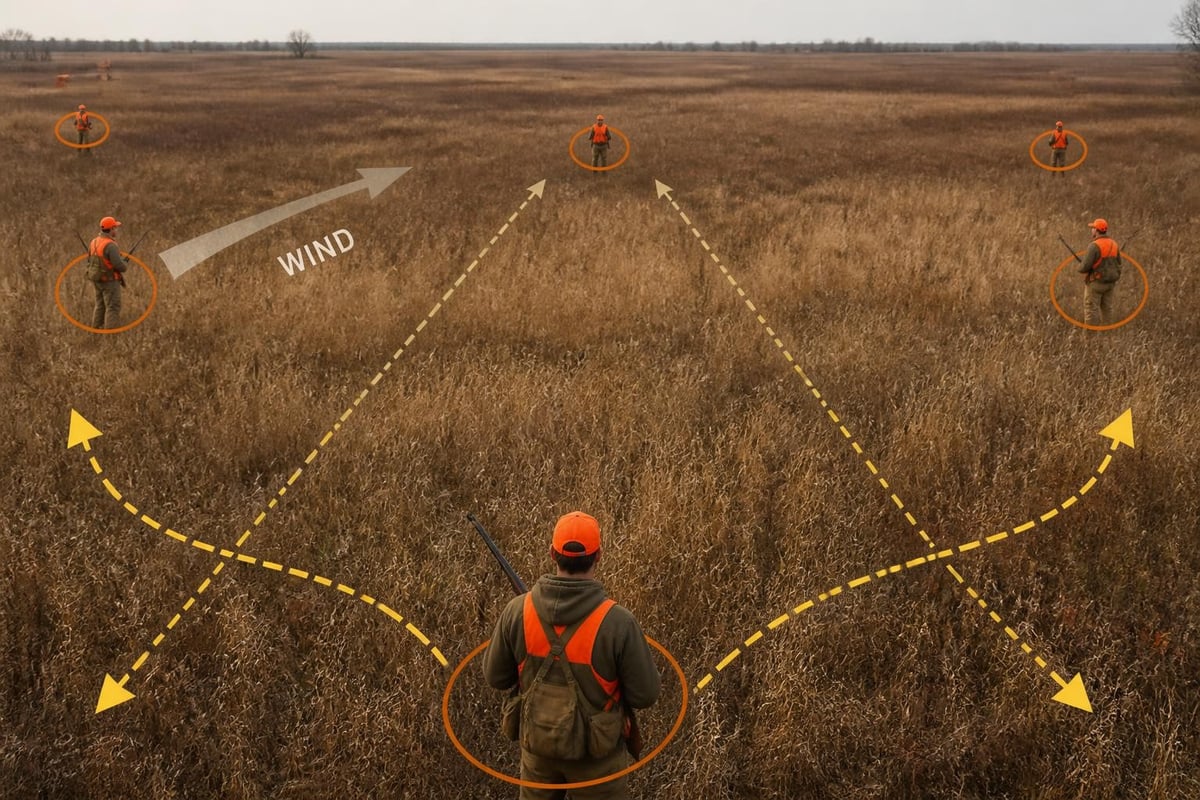
- Using blockers at field ends to prevent escapes
- Moving methodically through likely holding cover
- Pausing periodically to encourage nervous birds to flush
Dogs prove especially valuable during early season when birds hold tighter and scenting conditions remain favorable.
Late Season Tactics
As the illinois pheasant hunting season progresses into December and January, vegetation deteriorates and weather conditions intensify. Pheasants concentrate in remaining heavy cover, particularly cattail marshes, standing corn, and thick grass adjacent to food sources.
Late season success depends on:
- Identifying sanctuary areas where birds congregate
- Hunting during weather breaks when birds move to feed
- Focusing on thermal cover during extreme cold
- Working smaller cover patches thoroughly
- Using team approaches to cover escape routes
Wind direction becomes increasingly important as vegetation thins, requiring hunters to approach likely cover with wind advantage to prevent birds from running ahead undetected.
Shot Placement and Ethics
Ethical shot selection ensures clean harvests and demonstrates respect for the quarry. Pheasants present challenging shooting opportunities due to their explosive flush and rapid acceleration.
Responsible shooting guidelines:
- Take only shots within effective range (typically 40 yards maximum)
- Avoid low-angled shots toward other hunters or dogs
- Focus on birds presenting clear backgrounds
- Use lead appropriate to bird speed and angle
- Immediately mark downed birds for recovery
Illinois hunters continue demonstrating strong conservation ethics, as evidenced by responsible participation across multiple game species. Recent harvest data shows Illinois hunters maintaining sustainable practices, similar to the record turkey harvests recorded during spring 2026.
Preparing for Your Illinois Pheasant Hunt
Adequate preparation separates successful outings from frustrating experiences during the illinois pheasant hunting season. Physical conditioning, gear maintenance, and logistical planning all contribute to hunt quality.
Physical Conditioning
Pheasant hunting demands considerable physical exertion, particularly in rough terrain and thick cover. A typical hunt involves walking several miles through challenging vegetation while maintaining shooting readiness.
Recommended preparation activities:
- Cardiovascular training through hiking or jogging
- Leg strengthening exercises for uneven terrain
- Core stability work for shooting balance
- Endurance building for extended walking sessions
- Practice shooting from various positions
Starting a conditioning program six to eight weeks before the season ensures adequate fitness levels for demanding hunt days.
Pre-Season Scouting
While controlled hunt sites prohibit pre-season access, studying aerial imagery and topographic maps reveals valuable information about terrain features and likely bird locations. Understanding field layouts, drainage patterns, and cover distribution allows strategic planning before arrival.
Gear Checkout and Maintenance
Comprehensive gear inspection prevents field failures during critical moments. Shotgun functionality, ammunition supply adequacy, and clothing condition all require verification.
Pre-season checklist items:
- Clean and function-test shotgun
- Pattern shotgun with hunting loads
- Verify hunting license and permit validity
- Check ammunition supply adequacy
- Inspect clothing for damage
- Test communication devices
- Review first aid kit contents
- Confirm hunting partner coordination
Conservation and Habitat Management
The illinois pheasant hunting season exists within a broader wildlife management framework focused on habitat conservation and species sustainability. Understanding these efforts provides context for hunting regulations and program structures.
Habitat Programs Supporting Pheasants
Illinois participates in multiple habitat initiatives that benefit pheasant populations. Federal programs like the Conservation Reserve Program (CRP) provide financial incentives for landowners to convert marginal agricultural land into wildlife habitat.
Key habitat programs include:
- CRP grassland establishment
- State Acres for Wildlife Enhancement (SAFE)
- Wildlife habitat restoration projects
- Food plot development
- Native prairie reconstruction
These programs create the diverse habitat matrix essential for supporting huntable pheasant populations, even as wild bird numbers remain below historical levels.
The Role of Stocking Programs
Illinois controlled pheasant hunts rely heavily on stocked farm-raised birds to provide hunting opportunities. While these birds differ behaviorally from wild populations, they serve important roles in hunter recruitment and wildlife program funding.
Stocking schedules typically place birds several days before scheduled hunts, allowing acclimation to natural cover. This approach produces more challenging hunting compared to same-day releases while maintaining reasonable harvest success rates.
Hunter Contributions to Conservation
License and permit fees directly fund wildlife management programs, including habitat development, research, and law enforcement. The illinois pheasant hunting season generates substantial revenue supporting broader conservation efforts benefiting numerous species.
Illinois hunters have demonstrated consistent support for conservation funding, contributing to successful management of diverse game populations. Similar to harvest data from other seasons like deer hunting, pheasant program participation provides critical funding streams.
Safety Considerations and Best Practices
Safety remains paramount during the illinois pheasant hunting season, particularly when hunting in groups at controlled sites where multiple parties may operate in proximity.
Firearm Safety Fundamentals
Basic firearm safety principles apply universally but require special attention during the dynamic situations characteristic of pheasant hunting.
Essential safety rules:
- Treat every firearm as loaded
- Never point muzzle at anything you don't intend to shoot
- Keep finger off trigger until ready to fire
- Be certain of target and what lies beyond
- Use safety mechanisms appropriately
The rapid action during pheasant flushes can tempt rushed shots. Disciplined hunters maintain muzzle control and target awareness regardless of excitement levels.
Group Hunting Protocols
Controlled site hunts often involve multiple hunters working together or hunting near other parties. Established protocols minimize risks while maximizing collective success.
| Safety Protocol | Implementation | Purpose |
|---|---|---|
| Shooting zones | Establish clear fields of fire | Prevent crossfire incidents |
| Communication | Constant verbal updates | Maintain position awareness |
| Line integrity | Maintain consistent spacing | Ensure safe shooting angles |
| Dog control | Keep dogs within working range | Prevent interference |
Weather-Related Hazards
Illinois weather during pheasant season can present hypothermia risks, particularly during late-season hunts in wet or windy conditions. Recognizing early warning signs and taking preventive action protects hunter safety.
Weather safety measures include:
- Monitoring forecast conditions before hunts
- Carrying extra layers and emergency supplies
- Recognizing hypothermia symptoms
- Knowing when to cut hunts short
- Having communication capability for emergencies
Making the Most of Your Season
The illinois pheasant hunting season offers limited opportunities due to controlled access and permit availability. Strategic planning maximizes available hunting time and success potential.
Permit Application Strategy
Competition for desirable hunt dates and locations requires strategic permit applications. Popular sites near urban areas fill quickly, while more remote locations often have better availability.
Application tips:
- Apply early when applications open
- Consider multiple site options
- Target weekday hunts for better availability
- Build flexibility into your schedule
- Monitor permit availability updates
Hunting with Family and Friends
Pheasant hunting provides exceptional opportunities for introducing new hunters to upland game pursuits. The controlled environment, reasonable success rates, and social nature of group hunts create ideal learning situations.
Family hunts should emphasize safety, patience, and enjoyment over harvest numbers. Younger or inexperienced hunters benefit from hunting alongside experienced mentors who can guide shot selection and dog handling.
Post-Hunt Field Care
Proper field care preserves meat quality and demonstrates respect for harvested game. Pheasants should be field-dressed promptly, particularly during warm early-season conditions.
Field care steps:
- Remove entrails soon after harvest
- Cool birds quickly in shaded, ventilated locations
- Hang birds by feet to promote cooling
- Transport in coolers during warm weather
- Process or freeze within 24-48 hours
The illinois pheasant hunting season combines careful regulation, quality habitat management, and exciting hunting opportunities into a program that serves hunters across skill levels. Success requires understanding permit processes, selecting appropriate gear, and employing effective hunting strategies while maintaining unwavering commitment to safety and conservation ethics. Whether you're preparing for your first controlled hunt or planning another season pursuing these magnificent birds, having the right equipment makes all the difference-RCS Outdoors offers a complete selection of shotguns, ammunition, and hunting gear to equip you for successful days in Illinois pheasant fields.


