
Pheasant City Lodge: Your Ultimate Upland Hunting Guide
The pursuit of ring-necked pheasants represents one of America's most cherished hunting traditions, and choosing the right pheasant city lodge can transform a simple outing into an unforgettable experience. These specialized hunting facilities combine comfortable accommodations with expertly managed hunting grounds, professional guides, and the convenience of comprehensive packages that eliminate the guesswork from planning your next upland adventure. Whether you're a seasoned hunter looking to escape to prime pheasant country or introducing newcomers to the sport, understanding what distinguishes exceptional lodges from average operations will ensure your investment delivers memorable moments and successful hunts.
Understanding the Pheasant Lodge Experience
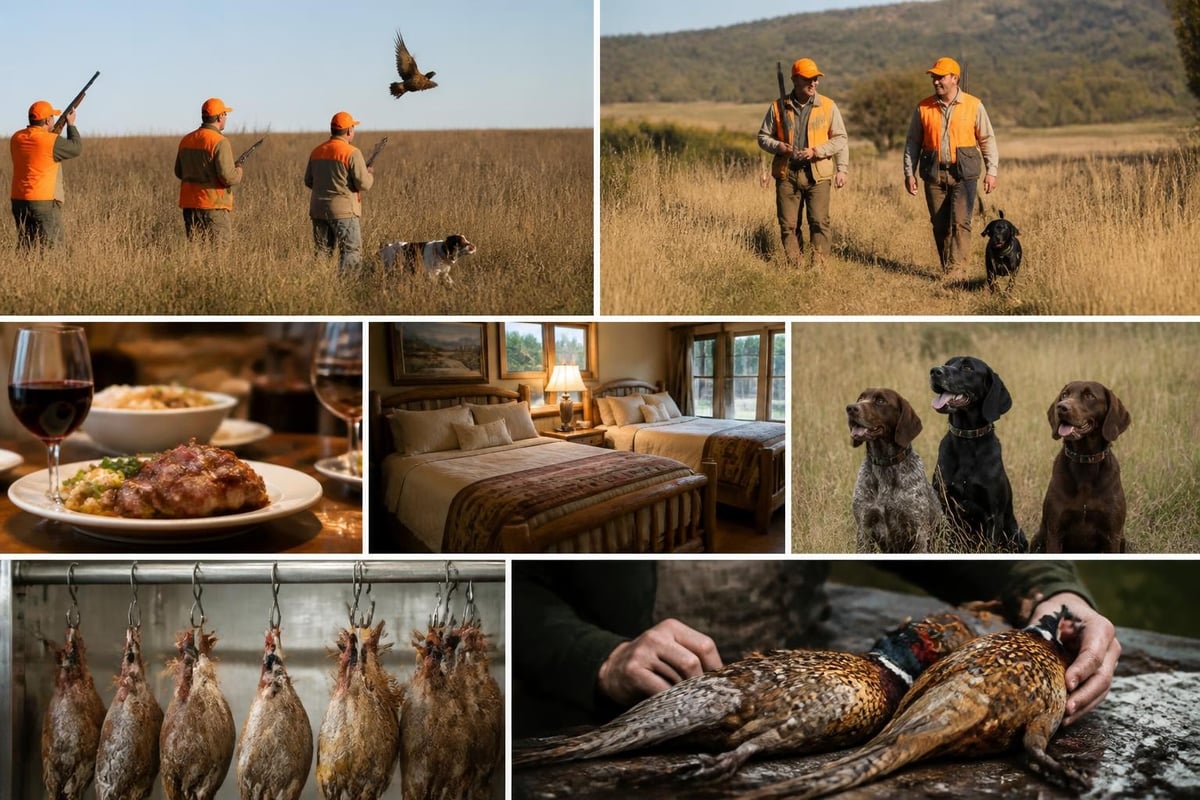
A pheasant city lodge differs significantly from traditional hunting camps or do-it-yourself public land ventures. These operations typically feature private hunting grounds spanning thousands of acres, with habitat specifically managed to support robust pheasant populations. The infrastructure includes climate-controlled lodging, dining facilities, and often additional amenities like sporting clays courses, dog kennels, and equipment rental services.
The core components of a quality pheasant city lodge include:
- Private hunting grounds with diverse habitat types
- Professional guide services and dog handling
- Full-service lodging with meals included
- Game cleaning and processing facilities
- Equipment rental and pro shop services
- Transportation to and from hunting fields
Most lodges operate on a package basis, bundling accommodations, meals, guide services, and bird guarantees into comprehensive pricing structures. This approach eliminates the uncertainty associated with public land hunting while providing access to prime habitat that produces consistent shooting opportunities throughout the season.
Selecting Your Ideal Location
Geography plays a crucial role in pheasant city lodge selection. The upper Midwest, particularly South Dakota, remains the epicenter of American pheasant hunting, with the state consistently producing the highest harvest numbers nationally. According to South Dakota Game, Fish, and Parks, the state's habitat diversity and extensive Conservation Reserve Program (CRP) acres create ideal conditions for wild pheasant populations.
| Region | Prime Season | Habitat Type | Population Density |
|---|---|---|---|
| South Dakota | October-January | CRP, cropland, native grass | Very High |
| Kansas | November-January | Agricultural, prairie remnants | High |
| Nebraska | November-January | Mixed agriculture, river valleys | Moderate-High |
| Iowa | October-January | Agricultural, CRP buffers | Moderate |
Beyond South Dakota, quality pheasant city lodge operations exist throughout the pheasant belt, each offering distinct advantages. Kansas lodges often provide warmer late-season hunting, while Nebraska operations may feature combination hunts targeting both pheasants and quail. The best choice depends on your schedule, budget, and whether you prioritize wild bird populations or supplemented hunting grounds.
Evaluating Lodge Quality and Services
Not all pheasant city lodge operations deliver equal value or experiences. Distinguished facilities invest heavily in habitat management, maintaining diverse plant communities that provide food, cover, and nesting habitat throughout the year. This commitment to land stewardship produces healthier, stronger-flying birds that challenge even experienced shooters.
Habitat and Bird Management
Professional lodge operators understand that sustainable hunting requires balancing harvest with conservation. Top-tier operations employ wildlife biologists or work with consultants to implement rotational grazing, prescribed burning, and strategic planting programs. These practices maintain the vegetative diversity pheasants need while preventing habitat degradation from overuse.
Key habitat features to look for:
- Native warm-season grasses providing winter cover
- Food plots with milo, corn, and sunflowers
- Adequate edge habitat and transition zones
- Water sources distributed throughout the property
- Properly managed nesting cover set aside during spring
Some lodges operate exclusively with wild birds, while others supplement with pen-raised stock to guarantee shooting opportunities. Neither approach is inherently superior, though wild bird operations typically command premium pricing and appeal to purist hunters seeking the most challenging experience. Many successful lodges blend both approaches, reserving certain areas for wild bird hunting while using supplemented fields to ensure client satisfaction.
Guide Services and Dog Programs
The quality of guide services distinguishes exceptional pheasant city lodge experiences from mediocre ones. Professional guides bring intimate knowledge of property layouts, bird behavior patterns, and safety protocols that maximize success while ensuring enjoyable hunts for all skill levels.
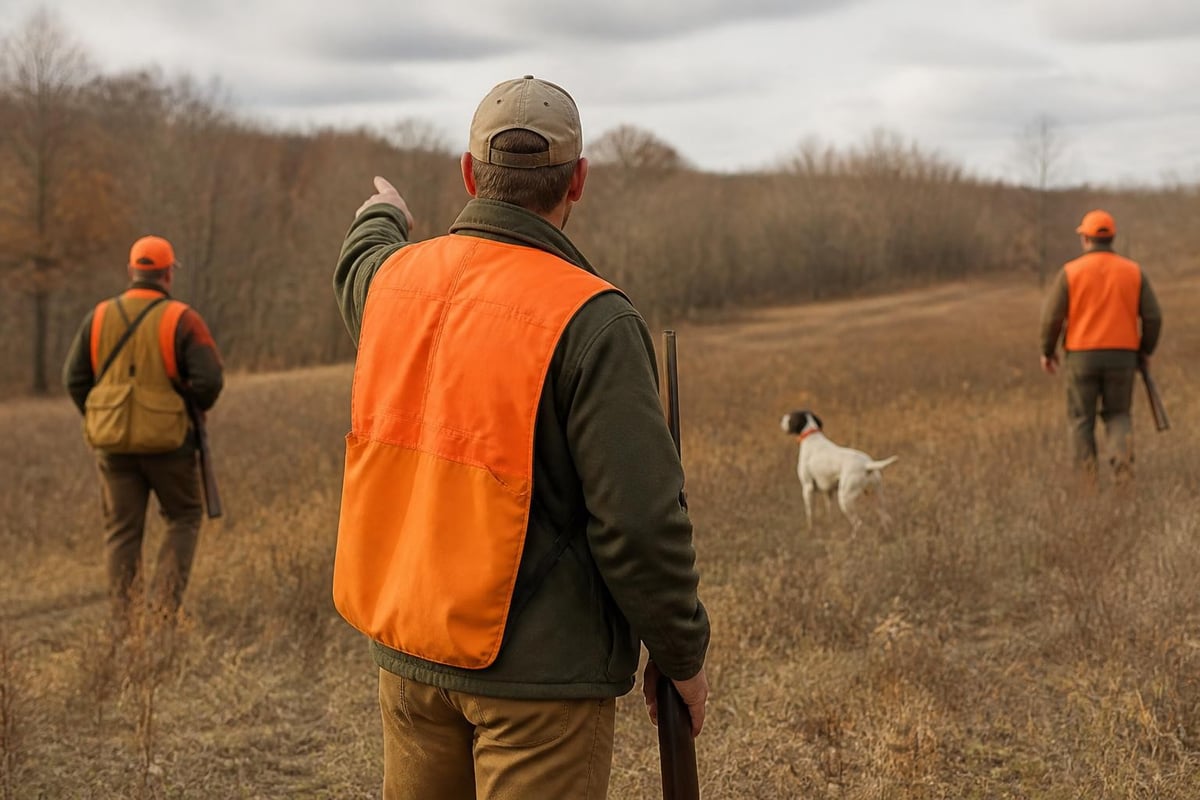
Experienced guides read terrain and vegetation to position hunters where birds are likely to flush within comfortable shooting range. They manage group dynamics, ensuring everyone gets fair opportunities regardless of shooting ability. Perhaps most importantly, they prioritize safety through constant awareness of hunter positions and establishing clear firing lanes before each drive.
Working with Hunting Dogs
Most pheasant city lodge operations maintain kennels of flushing breeds or pointing dogs, with Labrador Retrievers, English Springer Spaniels, and German Shorthaired Pointers being particularly popular choices. These professionally trained dogs dramatically increase success rates by locating birds in heavy cover and retrieving downed game efficiently.
| Dog Type | Primary Function | Best For | Typical Breeds |
|---|---|---|---|
| Flushing | Close-range work, thick cover | Action-oriented hunts | Labrador, Springer Spaniel |
| Pointing | Locating and holding birds | Traditional hunting style | German Shorthair, Brittany |
| Versatile | Combination skills | Varied hunting scenarios | Vizsla, Wirehaired Pointing Griffon |
Some lodges welcome client dogs, though policies vary regarding health certifications, temperament testing, and whether personal dogs can work alongside lodge dogs. If you plan to bring your own hunting companion, confirm these details during booking to avoid disappointment.
Accommodations and Amenities
Lodge facilities range from rustic farmhouse conversions to upscale country estates featuring luxury amenities. Your preference depends on whether you prioritize basic comfort and value or desire premium accommodations with resort-style features.
Standard pheasant city lodge accommodations typically include:
- Private or semi-private sleeping rooms
- Common areas with fireplaces and entertainment
- Full-service dining with home-style meals
- Game cleaning and cold storage facilities
- Secure gun storage and equipment drying areas
Premium operations may offer private cabins, gourmet dining with wine pairings, massage services, and even helicopter tours of the property. These elevated experiences command correspondingly higher rates but appeal to corporate groups and hunters treating the trip as a destination vacation rather than purely a hunting expedition.
Planning Your Hunt Timing
Season timing significantly impacts both bird behavior and hunting conditions at any pheasant city lodge. Early season hunts in October offer comfortable temperatures and younger, less-educated birds that hold tighter for dogs. However, vegetation remains thick, potentially limiting visibility and making retrieval more challenging.
Mid-season November hunts represent the sweet spot for many hunters. Crops are harvested, providing easier walking conditions and better visibility. Birds have concentrated in remaining cover, though they've grown more wary and may run ahead of dogs rather than holding tight. December and January late-season hunts feature the most challenging conditions, with weather extremes testing both hunters and dogs, but mature roosters that flush wild provide the ultimate test of shooting skill.
According to HuntFishSD.com, South Dakota's season structure accommodates residents and nonresidents differently, with special youth seasons and designated opener weekends creating varying hunting pressure throughout the fall and winter. Coordinating your pheasant city lodge reservation to avoid peak pressure periods can enhance the overall experience, particularly on properties adjacent to public hunting lands.
Multi-Day Package Considerations
Most lodges offer two to four-day packages as their standard offerings, though extended stays and single-day options may be available. The optimal duration depends on your shooting stamina, vacation time, and budget constraints.
Typical package structures:
- Two-day hunts (arriving evening day one, hunting days two and three, departing morning day four) – ideal for long weekends
- Three-day hunts (full mid-week packages) – balances shooting time with recovery periods
- Four-day hunts (extended experiences) – allows for rest days and combination hunting opportunities
Consider that pheasant hunting demands significant physical effort, particularly when covering extensive ground through varied terrain. Many hunters find their shooting accuracy declines by day three due to fatigue, making three-day packages the practical maximum for maintaining peak performance.
Firearm and Ammunition Selection
Your choice of shotgun and ammunition significantly impacts success rates when hunting from a pheasant city lodge. The majority of shots occur within 30 yards, though late-season birds may flush at extended ranges, particularly on properties receiving significant hunting pressure.
Optimal Shotgun Configurations
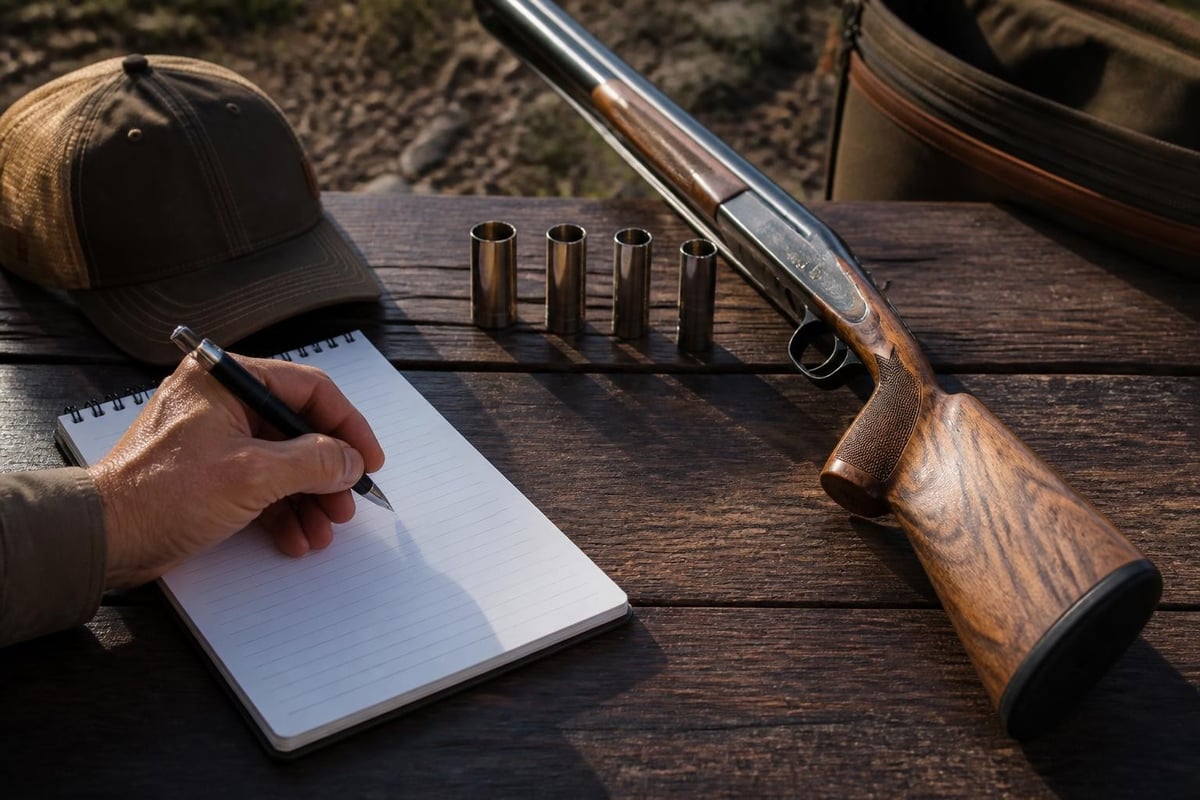
Most experienced pheasant hunters favor 12 or 20-gauge shotguns with improved cylinder or modified chokes. These open constrictions pattern effectively at typical pheasant distances while providing sufficient margin for error when birds flush unexpectedly close or shooters mount the gun while off-balance.
Recommended specifications:
- Gauge: 12 or 20 (12 offers versatility, 20 reduces fatigue)
- Barrel length: 26-28 inches for balance and swing characteristics
- Chokes: Improved cylinder to modified for field hunting
- Action type: Semi-automatic, over/under, or side-by-side based on preference
- Weight: 6.5-7.5 pounds to balance pointability with recoil management
Semi-automatic shotguns remain the most popular choice at pheasant city lodge operations due to their reduced recoil and quick follow-up shot capability. Over/under and side-by-side shotguns appeal to traditionalists and those who appreciate the classic aesthetics of break-action guns, though they limit shooters to two shots before reloading.
Ammunition Performance Factors
Premium pheasant loads feature copper-plated or nickel-plated shot that maintains pattern density and penetration through feathers and bone. Size 5 or 6 shot provides the ideal balance between pellet count and individual pellet energy for consistent clean kills.
| Shot Size | Pellets per Ounce (approx) | Effective Range | Best Application |
|---|---|---|---|
| #4 | 135 | 40+ yards | Late season, longer shots |
| #5 | 170 | 35-40 yards | All-around choice |
| #6 | 225 | 30-35 yards | Early season, close cover |
| #7.5 | 350 | Under 30 yards | Preserve hunting only |
Velocity matters less than shot quality and payload weight for pheasant hunting. Standard velocity loads in 1-1/8 to 1-1/4 ounce payloads provide ample performance without excessive recoil that leads to flinching and poor gun mount.
Understanding Package Costs and Value
Pheasant city lodge packages range from $300 to $1,500 per person per day depending on location, exclusivity, bird guarantees, and amenity levels. While these rates may initially seem expensive compared to public land hunting, they include substantial value when accounting for all-inclusive services and guaranteed opportunities.
Typical package inclusions:
- Two to three half-day guided hunts
- All meals from arrival dinner through departure breakfast
- Lodging for the package duration
- Professional guide and dog services
- Game cleaning and packaging
- Clay target shooting (property dependent)
Premium packages may guarantee specific bird limits, such as six to ten pheasants per hunter per day, with the lodge providing additional birds beyond what hunters harvest personally. This guarantee eliminates the feast-or-famine uncertainty of wild bird hunting while ensuring everyone returns home with game for the table.
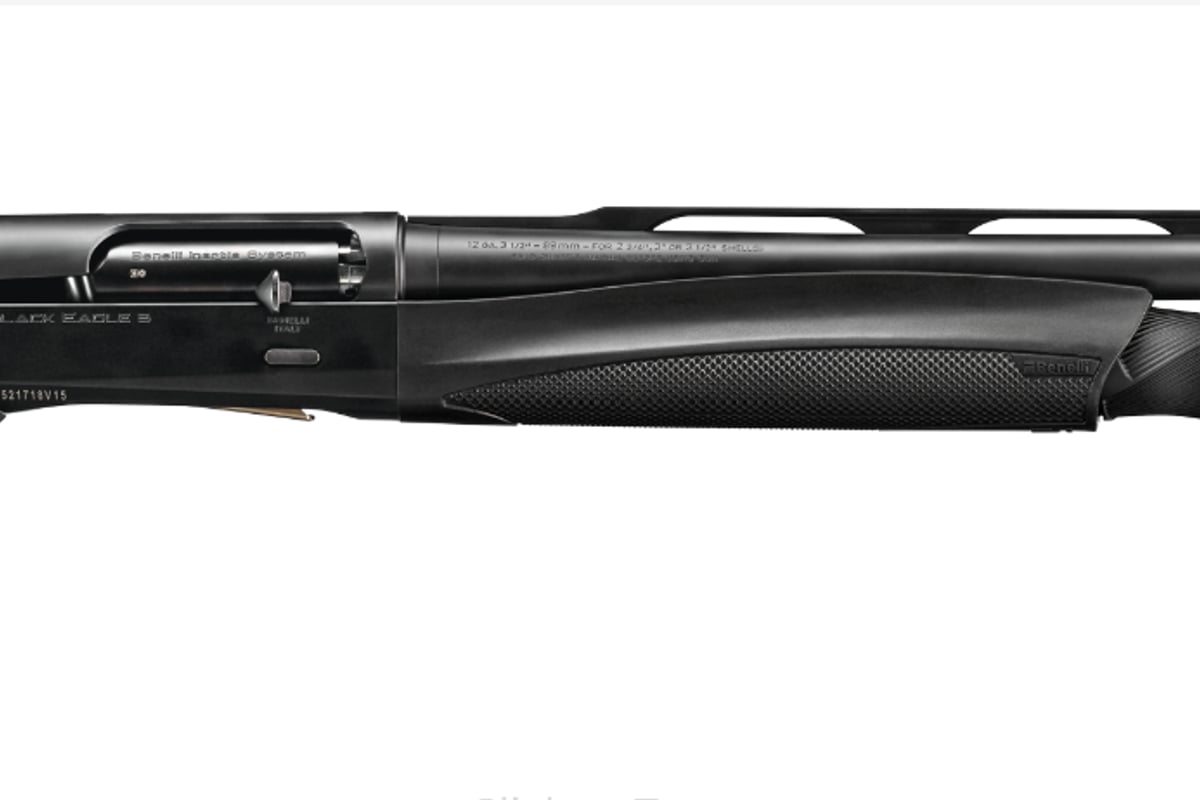
RCS Outdoors partners with premier hunting destinations to offer exclusive opportunities like The Upland Escape Giveaway, which includes an all-inclusive hunt package at Heartland Lodge along with premium firearms. Such partnerships demonstrate how firearms retailers increasingly recognize the connection between equipment sales and creating memorable hunting experiences that build long-term customer relationships.
Preparing for Your Lodge Experience
Success at any pheasant city lodge requires more than showing up with a shotgun. Physical conditioning significantly impacts enjoyment and performance, as full-day hunts may cover five to eight miles over uneven terrain carrying a seven-pound shotgun and wearing heavy boots.
Pre-Trip Conditioning
Begin a walking program six to eight weeks before your scheduled hunt, gradually increasing distance and incorporating hills or stairs. Practice mounting your shotgun repeatedly to build muscle memory and identify any fit issues requiring adjustment before the trip.
Essential preparation steps:
- Increase cardiovascular endurance through regular walking or jogging
- Practice shooting sporting clays or trap to verify gun fit and refresh skills
- Break in new boots to prevent blisters during extended field time
- Organize appropriate clothing layers for variable weather conditions
- Confirm ammunition preferences and purchase adequate supplies
Quality outfitters like Dakota Game Lodge provide detailed packing lists and preparation guidance to ensure clients arrive ready for successful hunts. Review these materials carefully and contact the lodge with any questions well before your departure date.
What to Bring Beyond Your Shotgun
While each pheasant city lodge provides specific packing lists, certain items prove universally valuable regardless of destination. Layered clothing systems allow adjustment as temperatures fluctuate throughout the day, particularly during early morning and late afternoon hunts when conditions change rapidly.
Essential personal equipment:
- Blaze orange vest and hat (often required by state law)
- Upland hunting boots with ankle support and waterproofing
- Shooting glasses and hearing protection
- Quality shell bag or vest with game pouch
- Water bottle and energy snacks
- Backup shotgun chokes and cleaning supplies
Many lodges maintain pro shops stocking ammunition, replacement gear, and accessories, though selection may be limited and prices typically exceed retail. Bringing your preferred ammunition eliminates potential compatibility issues and ensures consistent performance throughout your stay.
Safety Protocols and Etiquette
Pheasant hunting involves multiple shooters, dogs, and guides operating in close proximity while carrying loaded firearms. Strict adherence to safety protocols prevents accidents and ensures everyone enjoys the experience without incident.
Professional guides establish firing lanes before each field drive, designating specific coverage areas where each hunter may safely shoot without risking other participants. Respecting these boundaries remains absolutely critical, as does maintaining constant awareness of other hunters' positions as the group moves through cover.
Field Conduct Standards
Successful group hunts require cooperation and consideration beyond basic safety compliance. Allowing other hunters their fair share of shooting opportunities, particularly when birds flush closer to their position, builds camaraderie and ensures everyone gets reasonable chances throughout the day.
Core etiquette principles:
- Respect designated shooting lanes and zones
- Allow hunters nearest flushing birds the first shot opportunity
- Maintain safe muzzle control during all walking and standing periods
- Follow guide instructions without argument or deviation
- Keep personal dogs under control around other hunters and lodge dogs
Properties like Wild Wings Hunting Service emphasize their family-friendly atmosphere, making appropriate conduct particularly important when hunting alongside groups that may include youth or inexperienced shooters learning proper field behavior.
Maximizing Your Success Rate
Even with professional guides and trained dogs working quality habitat, individual hunters influence their success through gun handling skills, shooting technique, and tactical awareness. Pheasants flush explosively, often at unexpected moments, requiring quick target acquisition and smooth gun mount mechanics.
Shot Execution Fundamentals
The most common mistake pheasant hunters make involves stopping their swing at the moment of trigger press. Roosters fly faster than they appear, particularly when quartering away or crossing at angles. Maintaining forward swing momentum through the shot ensures adequate lead and consistent center-pattern hits.
Keys to consistent shooting:
- Keep the gun moving through and after the shot
- Focus visually on the bird's head, not the entire body
- Mount the gun to your face, not your face to the gun
- Call the shot before looking for results
- Take only shots within your effective range
Practice sessions at sporting clays courses that feature crossing and quartering presentations develop the skills directly applicable to pheasant hunting scenarios. Many lodges maintain on-site clay courses where you can warm up before field hunts or practice during afternoon breaks.
Conservation and Habitat Stewardship
Reputable pheasant city lodge operations recognize their responsibility as land stewards, implementing management practices that benefit not only pheasants but entire ecosystems. This commitment to conservation ensures hunting opportunities persist for future generations while supporting diverse wildlife communities.
Quality operators participate in programs like the Conservation Reserve Program (CRP), which converts marginal cropland into perennial grassland habitat. These enrolled acres provide the thick, undisturbed cover pheasants require for nesting success, with the added benefit of reducing soil erosion and filtering agricultural runoff.
Operations such as Circle H Ranch detail their habitat management philosophy, demonstrating how sustainable hunting enterprises can simultaneously operate profitable businesses while enhancing landscape-level wildlife populations. This balance between commercial success and ecological responsibility represents the future of private land hunting access.
Supporting Wild Pheasant Populations
Even lodges that supplement with released birds contribute to wild population persistence through habitat provision and predator management. The thousands of acres maintained as quality pheasant cover benefit resident wild birds, while controlled hunting pressure prevents overharvest that might otherwise occur on limited public lands.
Conservation contributions from private lodges:
- Permanent habitat protection from agricultural conversion
- Professional habitat management expertise application
- Nesting cover maintained without disturbance during critical periods
- Water source development benefiting all wildlife
- Buffer zones protecting wetlands and riparian areas
Hunters seeking exclusively wild bird experiences should investigate operations like R&R Pheasant Hunting, which emphasizes their focus on naturally reproducing populations across extensive family-owned acreage. These operations typically limit hunter numbers and may implement more restrictive harvest policies to ensure sustainable wild bird populations.
Group Hunting Dynamics
Pheasant city lodge hunts typically accommodate groups of four to eight hunters working together through organized drives. This collaborative approach requires coordination and communication, with each participant fulfilling specific roles as the group advances through cover.
Blockers position themselves at field ends or along habitat edges where birds are likely to exit, while walkers advance through cover pushing birds toward the blockers. Rotating these positions throughout the day ensures everyone experiences both the excitement of walking up birds and the challenging shooting opportunities blockers encounter.
Corporate and Family Groups
Many lodges specialize in hosting corporate groups seeking team-building experiences or entertaining clients in unique settings. These operations often feature upgraded amenities, private dining spaces, and flexible scheduling to accommodate business requirements alongside hunting activities.
Family-focused operations like On The Point Hunting & Lodge emphasize their welcoming atmosphere for introducing youth to upland hunting traditions. These properties may offer shortened hunt sessions, provide youth-sized firearms and vests, and maintain policies encouraging mentorship and education over competitive harvest tallies.
Extending Your Trip Value
Strategic trip planning can enhance value and enjoyment beyond the core hunting activities. Many pheasant city lodge locations situate near additional recreational opportunities, allowing combination trips that appeal to mixed groups or hunters traveling with non-hunting family members.
Potential trip additions:
- Waterfowl hunting during concurrent seasons
- Sporting clays competitions or instruction
- Wildlife photography excursions
- Local winery or distillery tours
- Historical site visits in rural communities
Properties like Korkow Ranch often feature multiple hunting opportunities on single properties, allowing hunters to pursue both pheasants and waterfowl during the same trip when seasons overlap. This diversity maximizes limited vacation time while experiencing varied hunting styles and habitats.
Booking Strategy and Timing
Premium pheasant city lodge dates book months in advance, particularly for peak season weekends and holiday periods. Early reservation ensures access to your preferred dates while often qualifying for early-bird pricing discounts that can substantially reduce per-hunter costs.
Most operations require deposits at booking, with full payment due 30 to 90 days before arrival. Carefully review cancellation policies, as weather-related cancellations may incur penalties or require rebooking rather than refunds. Travel insurance covering trip cancellations can protect your investment against unexpected circumstances preventing participation.
Questions to Ask Before Booking
Thorough research before committing to a specific pheasant city lodge prevents disappointment and ensures the operation matches your expectations and requirements. Don't hesitate to ask detailed questions about hunting pressure, bird populations, typical weather conditions, and any aspects unclear from website descriptions.
Essential pre-booking inquiries:
- What is your bird harvest average per hunter per day?
- Do you limit hunter numbers per day or per field?
- What percentage of your birds are wild versus released?
- Can you accommodate special dietary restrictions?
- What happens if weather prevents hunting on scheduled days?
- Are gratuities for guides included or expected additionally?
Reputable operators welcome these questions and provide straightforward, detailed responses. Evasive answers or reluctance to discuss specifics should raise concerns about whether the operation can deliver on its promotional promises.
Selecting the right pheasant city lodge transforms ordinary hunting trips into extraordinary experiences that create lasting memories and annual traditions. The combination of quality habitat, professional services, and comprehensive amenities justifies the investment for hunters seeking consistent success without the uncertainties of public land access. Whether you're pursuing wild roosters across windswept prairies or enjoying a traditional driven hunt with family and friends, RCS Outdoors provides the firearms, ammunition, and gear you need to make the most of your upland hunting adventures, along with connections to premier hunting destinations that deliver unforgettable experiences afield.


