

Pheasant Illinois: Hunting Guide and Conservation Insights
Pheasant hunting in Illinois represents a cherished outdoor tradition that has evolved significantly over the past decades. While wild pheasant populations have declined from their mid-20th-century peaks, the state has responded with innovative managed hunting programs that provide quality hunting experiences while supporting conservation efforts. Understanding the current landscape of pheasant Illinois hunting requires knowledge of both the state's controlled hunting programs and the broader ecological factors shaping upland game bird populations. Whether you're a seasoned wingshooter or considering your first pheasant hunt, Illinois offers accessible opportunities combined with ongoing efforts to restore habitat and support sustainable bird populations.
The Current State of Pheasant Populations in Illinois
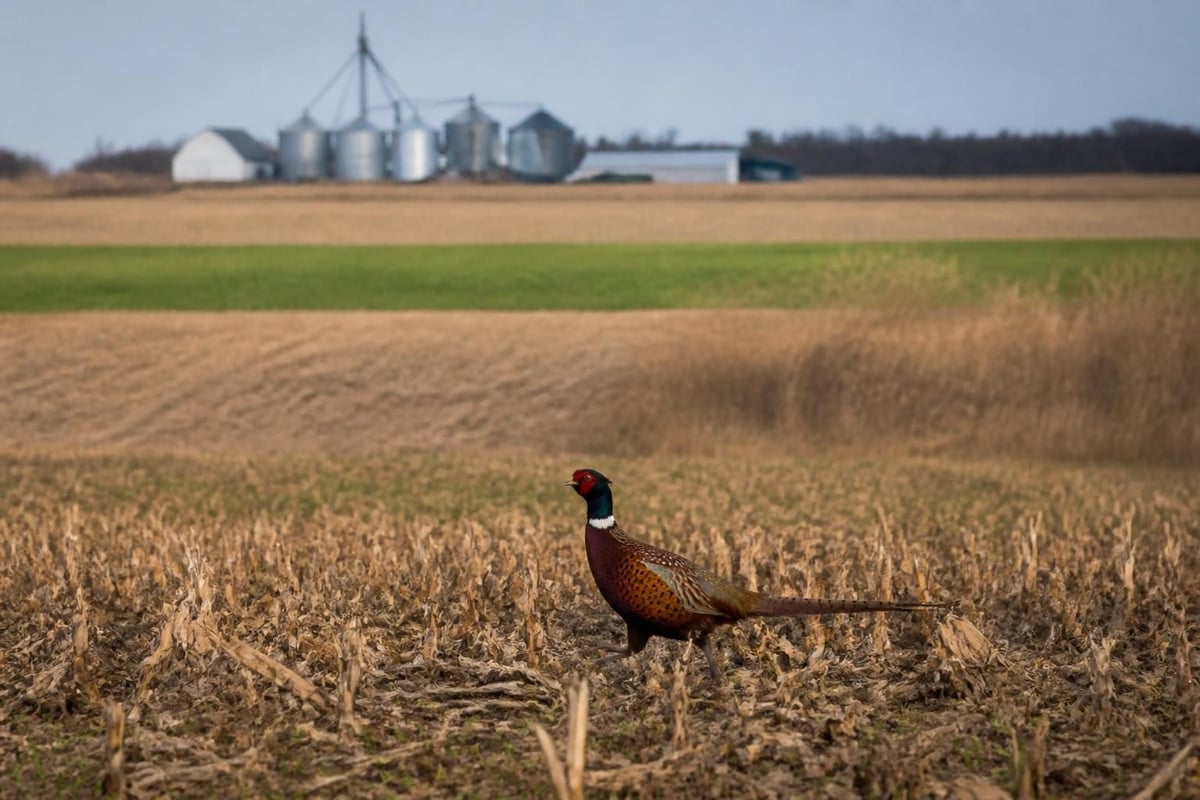
Wild pheasant populations in Illinois have experienced substantial changes since the species was first introduced in the late 1800s. Peak populations occurred during the 1940s and 1950s, when agricultural practices inadvertently created ideal habitat conditions. However, modern farming techniques and land use changes have dramatically reduced suitable pheasant habitat across the state.
The 2021 Pheasant Status Report provides detailed statistical analysis of population trends and hunter harvest data. This comprehensive document reveals that while wild populations remain limited, strategic stocking programs have helped maintain hunting opportunities in specific areas. The report highlights counties in north-central and northwestern Illinois as maintaining the most viable populations, though numbers remain well below historical levels.
Habitat Loss and Agricultural Changes
The primary driver behind declining pheasant populations stems from agricultural intensification. Traditional farming practices once left fencerows, hedgerows, and unused field margins that provided ideal nesting cover and winter shelter. Modern precision agriculture maximizes planted acreage, eliminating these vital habitat components.
Several specific changes have impacted pheasant Illinois habitat:
- Fall tillage practices that remove residual crop cover and disturb winter food sources
- Earlier spring planting schedules that coincide with peak nesting periods
- Reduction in crop diversity, particularly decreased small grain production
- Elimination of Conservation Reserve Program (CRP) acres in some regions
- Larger field sizes with minimal edge habitat
Research documented in Wildlife Illinois observations demonstrates that even small habitat improvements can support local pheasant populations. Farm programs encouraging wildlife-friendly practices show promise for creating pockets of sustainable habitat across the agricultural landscape.
Illinois Controlled Pheasant Hunting Program
Illinois has developed one of the most organized controlled pheasant hunting programs in the Midwest, offering quality hunting experiences despite limited wild populations. The Illinois DNR Controlled Pheasant Hunting program manages stocking and hunter access across multiple state-owned properties, creating predictable hunting opportunities throughout the season.
Program Structure and Participation
The controlled hunting program operates through a combination of lottery permits and first-come reservations. This system ensures fair access while preventing overcrowding at popular hunting sites. The program typically runs from October through January, with specific dates varying by location and year.
Participation requirements include:
- Valid Illinois hunting license
- State habitat stamp
- Pheasant hunting permit reservation
- Hunter safety certification (if born after January 1, 1980)
- Compliance with bag limits and hunting regulations
The program stocks pen-raised pheasants at designated sites, releasing birds before scheduled hunt dates. This approach provides consistent action for hunters while maintaining reasonable expectations about success rates. Most hunters view controlled hunts as excellent training opportunities for young dogs and introducing newcomers to upland hunting.
Available Hunting Sites and Reservations
Hunting areas and season dates span numerous locations across Illinois, with concentrations in the central and northern regions. Popular sites include Des Plaines Conservation Area, Kankakee River State Park, Iroquois County Conservation Area, and Sam Parr State Fish and Wildlife Area.
| Hunting Area | Region | Typical Season | Peak Months |
|---|---|---|---|
| Des Plaines CA | Northern | October-January | November-December |
| Sam Parr SFWA | East-Central | October-January | October-November |
| Iroquois County CA | Eastern | October-January | November-December |
| Clinton Lake | Central | October-January | December-January |
The reservation system opens in summer, with lottery periods for high-demand dates. The Illinois DNR website provides real-time availability, allowing hunters to book remaining dates on a first-come basis. Planning ahead increases your chances of securing preferred dates and locations.
Regulations and Best Practices for Pheasant Illinois Hunting
Understanding and following controlled pheasant hunting regulations ensures legal compliance and promotes ethical hunting practices. These regulations govern everything from shooting hours to bag limits and retrieval requirements.
Essential Regulations to Know
Controlled pheasant hunts in Illinois operate under specific rules that differ from general upland hunting regulations. Hunters must check in at designated times, typically between 8:00 AM and 10:00 AM, depending on the site. Late arrivals may forfeit their hunting opportunity for that day.
Bag limits and possession rules:
- Daily bag limit varies by site, typically 2-4 roosters
- No hen harvest allowed during controlled hunts
- All harvested birds must be checked before leaving the area
- Shooting hours extend from check-in time until sunset
- Only approved areas designated for each hunt date may be used
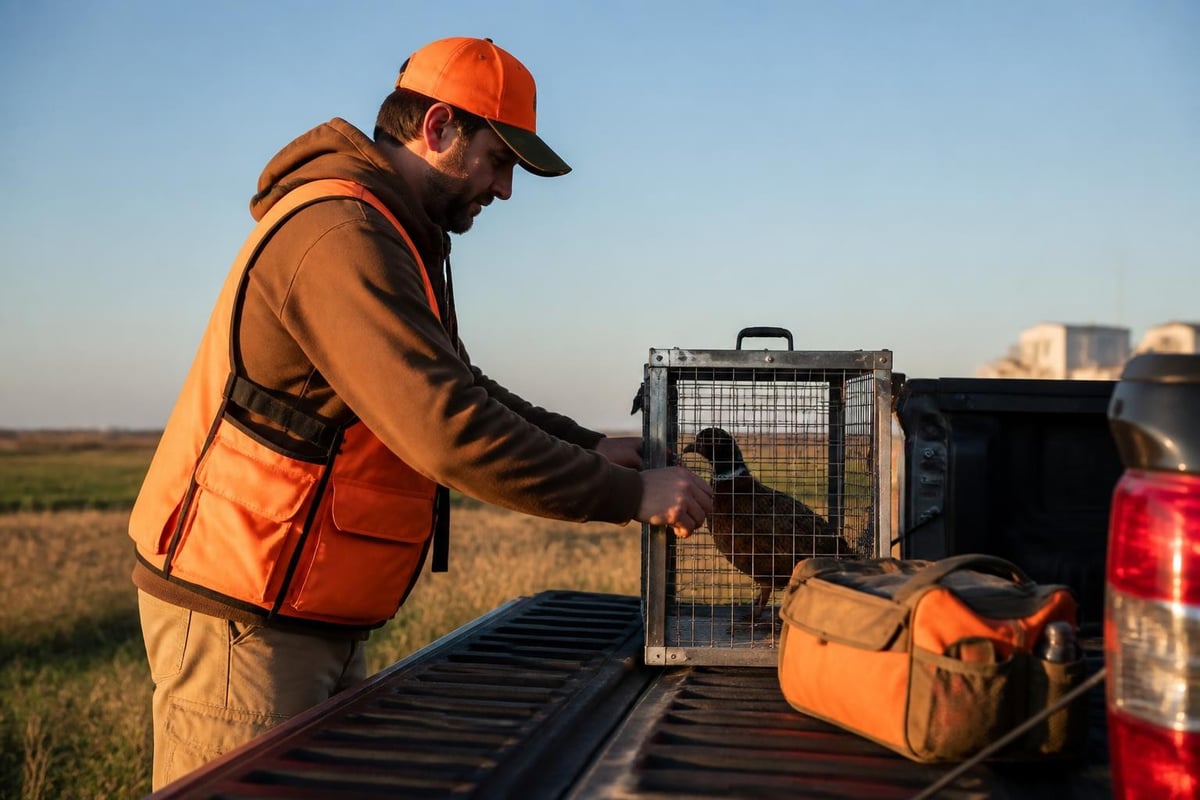
Blaze orange requirements mandate that hunters wear at least 400 square inches of solid blaze orange material on their head, chest, and back. This critical safety regulation protects hunters in areas where multiple parties may be present simultaneously.
Gear Selection for Illinois Conditions
Selecting appropriate equipment significantly impacts hunting success and enjoyment. Illinois pheasant terrain varies from open agricultural fields to dense CRP grasslands and brushy drainages. Your gear should accommodate these diverse conditions while remaining comfortable for several hours of walking.
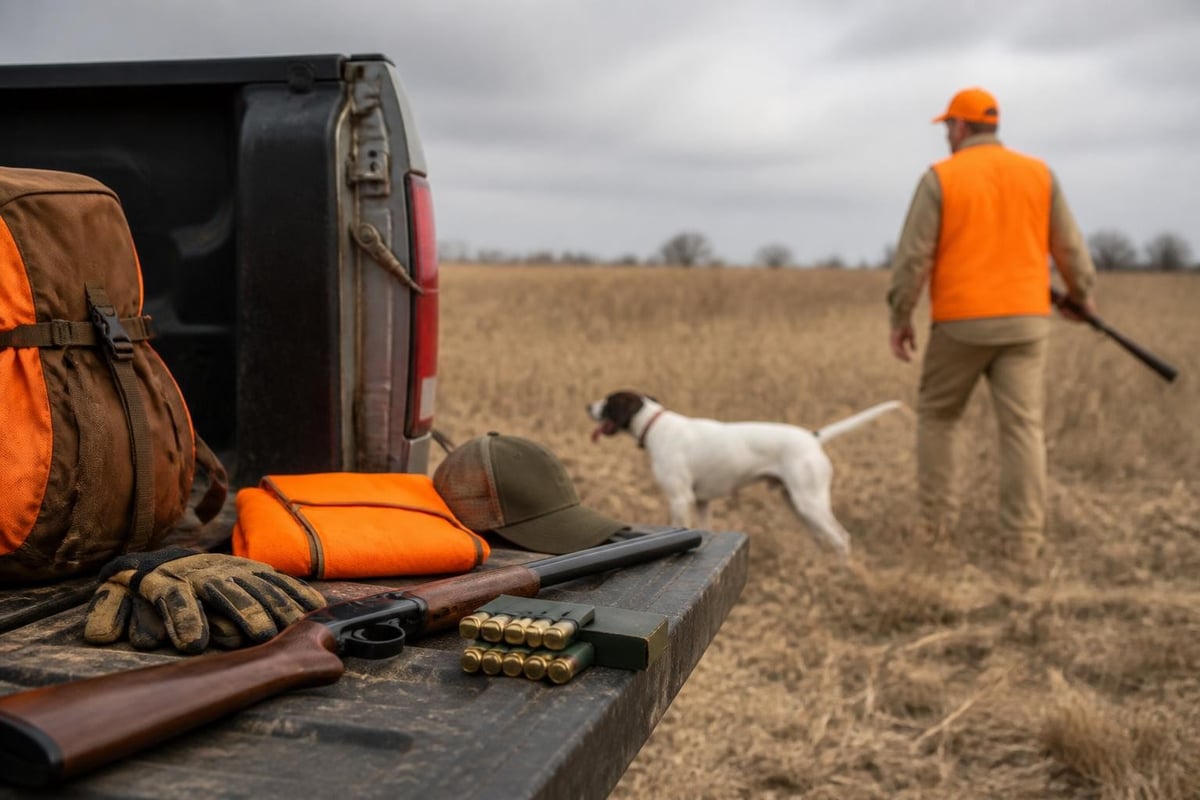
Shotgun considerations for pheasant Illinois hunting include gauge selection, choke tubes, and ammunition types. Most hunters prefer 12 or 20 gauge shotguns with improved cylinder or modified chokes for the typical 20-35 yard shots encountered. Steel shot is required in some wetland areas, though lead remains legal in upland-only zones.
| Equipment Category | Recommended Options | Key Considerations |
|---|---|---|
| Shotgun Gauge | 12 or 20 gauge | Balance weight vs. recoil |
| Choke Tubes | IC, Mod, IM | Match to cover density |
| Shot Size | 5, 6, or 7.5 | Larger for late season |
| Boots | 8-10" upland boots | Waterproof, snake protection |
| Vest/Coat | Blaze orange upland | Game bag capacity |
Quality upland boots protect against briars, provide ankle support, and keep feet dry in morning dew or wet conditions. Investing in proper footwear prevents blisters and fatigue that can cut hunts short.
Dog Work and Training Opportunities
Pheasant hunting in Illinois provides excellent opportunities for training and working with pointing breeds, flushing spaniels, and retrievers. The controlled hunt format allows handlers to focus on dog work without the pressure of needing to find scarce wild birds.
Selecting and Training Upland Dogs
Popular breeds for pheasant Illinois hunting include German Shorthaired Pointers, English Springer Spaniels, Labrador Retrievers, and Brittanys. Each breed brings unique strengths to the field, from the wide-ranging search patterns of pointing dogs to the thorough close-working style of flushing spaniels.
Young dogs benefit tremendously from controlled hunt exposure. The reliable bird contact builds confidence and allows trainers to reinforce proper behaviors in realistic hunting scenarios. Experienced handlers often use early-season controlled hunts specifically for training purposes, focusing on steadiness, retrieve work, and handling rather than maximizing harvest.
Training priorities for Illinois pheasant hunting:
- Quartering patterns appropriate for different cover types
- Steady to wing and shot preventing premature retrieval
- Handling and directional commands for precise bird location
- Soft mouth retrieval to preserve meat quality
- Stamina conditioning for all-day hunts in varying terrain
Working with professional trainers during the off-season prepares dogs for opening day success. Many Illinois dog trainers offer upland-specific programs that simulate actual hunting conditions while building fundamental skills.
Private Land Opportunities and Preserve Hunting
Beyond state-controlled hunts, Illinois supports several private hunting preserves and lodges offering premium pheasant hunting experiences. These commercial operations provide advantages including extended seasons, higher bird densities, and amenities like professional guides and dog training services.
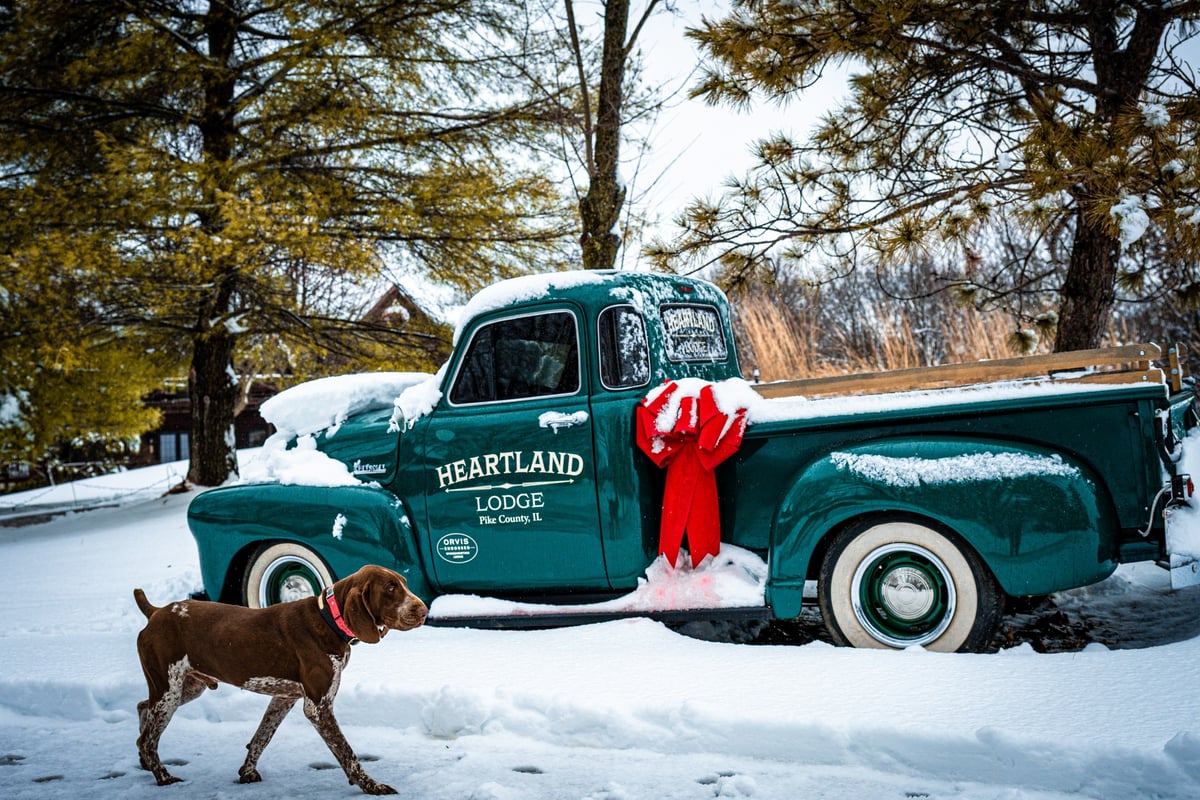
RCS Outdoors has partnered with Heartland Lodge to offer exceptional upland hunting experiences through The Upland Escape Giveaway, which includes an all-inclusive hunt package at one of Illinois's premier wingshooting destinations. This type of guided hunt provides access to expertly managed habitat and abundant bird populations in Pike County, delivering the classic pheasant hunting experience many pursue.
Advantages of Preserve Hunting
Commercial hunting preserves operate under different regulations than wild bird hunting, offering flexibility in seasons and bag limits. Most preserves run operations from September through March, extending the hunting season well beyond state-controlled dates. This extended timeframe accommodates busy schedules and provides opportunities when controlled hunts are fully booked.
Preserve benefits compared to public land hunting:
- Guaranteed bird contact with known stocking numbers
- Professional guides familiar with terrain and bird behavior
- Well-trained kennel dogs available for hunters without their own
- Comfortable facilities including lodging and meal services
- Reduced hunting pressure and exclusive or semi-private access
Preserves also offer excellent venues for corporate events, family introductions to hunting, and celebrating special occasions in an outdoor setting. The predictable nature of preserve hunts removes much of the uncertainty that can frustrate newcomers to the sport.
Conservation Efforts and Habitat Restoration
The future of pheasant Illinois hunting depends heavily on habitat conservation and restoration initiatives. Multiple organizations work to improve conditions for pheasants and other upland game birds through targeted programs addressing the most limiting factors.
Pheasants Forever and Local Chapters
Pheasants Forever chapters throughout Illinois lead grassroots habitat projects ranging from food plot establishment to native grass seedings. These volunteer-driven efforts create the nesting cover and winter shelter that modern agriculture no longer provides. Local chapters also work with landowners to implement wildlife-friendly farming practices through cost-share programs.
Chapter activities supporting pheasant populations include:
- Native warm-season grass plantings on marginal farmland
- Establishment of field borders and buffer strips
- Restoration of wetland margins with herbaceous cover
- Winter food plots providing supplemental nutrition
- Predator management programs in critical nesting areas
These projects demonstrate measurable impacts on local pheasant numbers, particularly when implemented across multiple adjacent properties to create larger habitat blocks.
State and Federal Programs
Illinois participates in several federal conservation programs benefiting upland wildlife. The Conservation Reserve Program (CRP) pays farmers to retire environmentally sensitive land from production and establish wildlife-friendly cover. CRP acres supporting pheasant habitat include native grass plantings, wetland buffers, and filter strips along waterways.
The Illinois DNR upland game program coordinates with federal partners and private landowners to maximize habitat quality on public lands. State wildlife areas receive regular management treatments including prescribed burning, mowing rotations, and invasive species control to maintain optimal conditions for nesting and brood-rearing.
Understanding Pheasant Biology and Behavior
Successful pheasant hunting requires understanding the species' habits, preferred habitat, and daily activity patterns. Ring-necked pheasants exhibit predictable behaviors that hunters can use to their advantage when planning strategies and selecting hunting locations.
Daily Movement Patterns
Pheasants follow consistent routines throughout the day, moving between roosting, feeding, and loafing areas. Early morning finds birds leaving overnight roost sites in grasslands or marshes to feed in crop fields or food plots. Mid-morning through early afternoon, they seek dense cover for loafing and preening. Late afternoon triggers another feeding period before returning to roost sites at dusk.
Weather significantly influences pheasant behavior and hunting success. Light rain or snow often concentrates birds in heavy cover, making them hold tighter for pointing dogs. Windy conditions push pheasants into protected areas like ditches, shelterbelts, and stream valleys. Cold, clear mornings may find birds sunning themselves on south-facing slopes or field edges.
Seasonal Habitat Selection
Habitat preferences shift throughout the pheasant Illinois hunting season as weather changes and crop harvest progresses. Early season birds frequent standing corn, soybean fields, and thick grasslands. As crops are harvested, pheasants concentrate in remaining cover, particularly cattail marshes, CRP fields, and switchgrass plantings.
| Season Period | Primary Cover Types | Secondary Areas | Feeding Locations |
|---|---|---|---|
| Early (Oct) | Standing corn, beans | Grass waterways | Picked fields |
| Mid (Nov-Dec) | CRP grasslands | Cattail marshes | Food plots |
| Late (Jan) | Marshes, heavy grass | Shelterbelts | Waste grain |
Late season hunting often produces the most challenging conditions as educated birds seek the densest available cover. However, this period can also concentrate birds in predictable locations, particularly during severe weather when they must conserve energy and find reliable food sources.
Hunter Recruitment and Retention
The future of pheasant Illinois hunting relies on introducing new participants and keeping existing hunters engaged. State agencies, conservation organizations, and experienced mentors all play crucial roles in maintaining healthy hunter participation rates.
Youth and Beginner Programs
Illinois offers special youth hunting opportunities and mentored hunts designed to provide positive first experiences. These programs pair inexperienced hunters with knowledgeable mentors who can teach safety, ethics, and field skills in supportive environments. The reduced pressure and increased instruction help build confidence and competence.
Many controlled pheasant hunts designate specific dates for youth hunters, providing exclusive access with lower competition. These youth-only hunts often feature modified regulations, additional safety supervision, and celebration of each young hunter's success regardless of harvest numbers.
Effective mentorship strategies include:
- Starting with skills practice before actual hunts
- Setting realistic expectations about success and challenge
- Emphasizing safety and ethics over harvest numbers
- Celebrating effort and learning alongside results
- Providing quality equipment appropriate to the hunter's size
The hunting pheasants in Illinois experience described by Wildlife Illinois highlights the accessibility of the sport and the satisfaction of working together toward common goals in outdoor settings.
Shot Placement and Field Care
Ethical hunters prioritize clean kills through proper shot selection and placement. Understanding pheasant anatomy and the capabilities of your firearm ensures humane harvests and preserves meat quality.
Effective Shooting Techniques
Pheasants present various shooting opportunities from straightaway flushes to crossing shots and climbing birds. Each scenario requires different lead calculations and shooting techniques. Straightaway shots offer the largest target area but risk damaging breast meat with pellets from behind. Crossing shots provide excellent opportunities when proper leads are applied.
Most pheasant hunting occurs at ranges between 20 and 35 yards, distances where improved cylinder and modified chokes perform optimally. Closer shots benefit from more open chokes, while longer shots require tighter patterns. Understanding your shotgun's pattern density at various distances through pattern board testing builds confidence and effectiveness.
Proper Field Care Procedures
Immediate field care preserves meat quality and prevents spoilage, particularly during warm early-season hunts. After confirming the harvest, cool the bird quickly by removing entrails as soon as practical. Hanging birds in shade with adequate air circulation maintains quality until you can process them properly.
Processing pheasants for the table involves several approaches depending on intended cooking methods:
- Whole bird preparation for roasting or smoking
- Breast and leg separation for quick pan dishes
- Deboning breasts for versatile cooking applications
- Aging techniques to enhance tenderness and flavor
- Proper freezer storage to maintain quality
Many hunters consider pheasant among the finest table fare of all game birds when handled and prepared correctly. The lean, mild meat adapts well to various cooking methods and flavor profiles.
Planning Your Pheasant Illinois Hunt
Successful hunts result from thorough planning addressing logistics, regulations, equipment, and contingency scenarios. Creating detailed plans well before your hunt date reduces stress and maximizes time spent actually hunting rather than solving preventable problems.
Pre-Season Preparation Timeline
Begin planning your pheasant Illinois season during summer months when controlled hunt reservations open. Monitor the Illinois DNR website for lottery period announcements and application deadlines. Submit applications for preferred dates and backup options to increase your chances of securing permits.
Three months before season:
- Submit controlled hunt applications during lottery periods
- Service firearms and purchase ammunition
- Condition yourself physically through walking and hiking
- Train or refresh your hunting dog's skills
- Review regulations for any changes from previous years
One month before season:
- Confirm hunt reservations and check-in requirements
- Assemble and test all gear including clothing layers
- Scout hunting areas if permitted before hunt dates
- Arrange travel and accommodation if hunting distant sites
- Purchase any remaining licenses or stamps needed
Hunt Day Strategy
Arriving at controlled hunt sites prepared and punctual ensures smooth check-in and maximizes hunting time. Most sites require check-in between specific hours, with late arrivals potentially forfeiting their reservation. Plan to arrive 15-30 minutes early, allowing time for parking, checking in, and receiving site-specific instructions.
Developing an efficient hunting strategy for your assigned area involves understanding the cover types present, wind direction, and likely bird locations. Work cover systematically rather than randomly wandering, ensuring thorough coverage of likely holding spots. Starting in lighter cover and progressing toward heavier vegetation often produces steady action as birds are pushed into preferred hiding areas.
Communication with hunting partners prevents dangerous situations and improves coverage efficiency. Establish clear protocols for handling flushing birds, maintaining safe shooting zones, and regrouping after split-ups. These agreements prevent confusion and ensure everyone enjoys a safe, successful hunt.
Pheasant hunting in Illinois offers diverse opportunities from controlled public hunts to premium preserve experiences, supported by ongoing conservation efforts aimed at improving habitat and bird populations. Success requires understanding current regulations, selecting appropriate equipment, and applying effective hunting strategies tailored to Illinois conditions. Whether you're preparing for your first controlled hunt or planning a special trip to a premier destination, having the right firearms and gear makes all the difference. RCS Outdoors provides the shotguns, ammunition, and accessories you need for memorable pheasant hunts across Illinois and beyond.


