

Paid Turkey Hunts: Your Complete Guide for 2026
Turkey hunting has evolved from a regional pastime to a nationwide pursuit attracting thousands of hunters annually. Paid turkey hunts offer both novice and experienced hunters access to prime hunting grounds, professional guides, and increased success rates. Whether you're seeking your first tom or looking to hunt in a new region, understanding what makes a quality guided turkey hunt worth the investment can transform your spring season into an unforgettable outdoor experience.
Understanding the Value of Paid Turkey Hunts
Paid turkey hunts provide hunters with several distinct advantages over public land hunting. These professionally managed experiences eliminate much of the scouting work, provide access to private properties with healthy turkey populations, and connect you with guides who possess intimate knowledge of bird behavior and local terrain.
The cost structure for these hunts varies significantly based on location, duration, and services included. Understanding what you're paying for helps ensure you select an experience aligned with your goals and budget.
Cost Breakdown and Pricing Structures
Turkey hunting packages range from budget-friendly options to premium experiences with luxury accommodations. Most outfitters structure their pricing around several key factors.
Typical price ranges include:
- Basic day hunts: $300-$600 per hunter
- Multi-day packages: $800-$2,500 for 2-3 days
- Premium all-inclusive hunts: $2,500-$5,000+ with lodging and meals
- Semi-guided options: $200-$400 for property access only
| Package Type | Average Cost | Included Services | Best For |
|---|---|---|---|
| Day Hunt | $300-$600 | Guide, property access | Local hunters, budget-conscious |
| Weekend Package | $800-$1,500 | 2 days hunting, basic lodging | First-time guided hunters |
| Premium Experience | $2,500-$5,000 | Full service, meals, lodging, taxidermy | Serious hunters, destination trips |
| DIY Lease Access | $200-$400 | Property access only | Experienced hunters |
The investment in paid turkey hunts often proves worthwhile when you consider the time saved on scouting, the quality of hunting locations, and the educational value of hunting alongside experienced guides.
Regional Opportunities and Prime Hunting Locations
Geographic location significantly impacts both the hunting experience and cost structure. Each region offers unique subspecies, terrain challenges, and seasonal timing that appeals to different hunting preferences.
Eastern Turkey Hunts
The Eastern wild turkey inhabits terrain from Maine to Florida and westward through the Great Lakes states. These birds represent the most common subspecies and offer excellent hunting opportunities across diverse landscapes.
Top Eastern turkey hunting states:
- Missouri: Known for high population density and affordable outfitter options
- Kansas: Public land access combined with quality guided hunts
- Pennsylvania: Extensive turkey range with varied terrain
- Alabama: Long seasons and multiple subspecies opportunities
- Wisconsin: Growing populations and expanding hunting opportunities
Paid turkey hunts in these regions typically cost between $400 and $1,800 for multi-day packages, with Illinois operations like those in Pike County offering traditional hunting experiences on managed properties.
Western and Southwestern Subspecies
Merriam's, Rio Grande, and Gould's turkeys attract hunters seeking to complete their Grand Slam. These subspecies inhabit different terrain and require specialized hunting approaches.
The Rio Grande subspecies dominates Texas, Oklahoma, and Kansas, while Merriam's turkeys prefer the mountainous regions of the Rocky Mountains. Guided hunts for these birds often incorporate challenging terrain and longer-range calling situations.
| Subspecies | Primary Range | Terrain Type | Typical Hunt Cost |
|---|---|---|---|
| Eastern | Northeast to Southeast | Hardwood forests, farmland | $400-$1,800 |
| Merriam's | Rocky Mountain states | Mountains, ponderosa forests | $1,200-$3,000 |
| Rio Grande | Central plains, Texas | Open country, river bottoms | $600-$2,200 |
| Osceola | Florida | Palmetto flats, swamps | $1,500-$4,000 |
Selecting the Right Outfitter
Choosing a reputable outfitter determines whether your paid turkey hunt becomes a cherished memory or a disappointing experience. Several factors separate exceptional operations from mediocre ones.
Research and Vetting Process
Begin your outfitter search at least six months before your planned hunt. Prime spring dates book early, particularly for sought-after locations and experienced guides.
Essential research steps:
- Review multiple online testimonials and hunting forum discussions
- Request references from previous clients
- Verify the outfitter's hunting licenses and insurance coverage
- Confirm the property size and exclusive access arrangements
- Understand the client-to-guide ratio
Many quality outfitters limit their bookings to ensure each hunter receives adequate attention and hunting pressure remains manageable on their properties. This selective approach often correlates with higher success rates and better overall experiences.
Questions to Ask Before Booking
Direct communication with potential outfitters reveals their professionalism and helps set realistic expectations. Quality operations welcome detailed questions and provide transparent answers.
Ask about their success rates over the past three seasons, specifying whether those numbers represent birds called in versus birds actually harvested. Inquire about backup plans for inclement weather and what happens if you don't harvest a bird during your scheduled dates.
Gear Requirements and Preparation
Paid turkey hunts still require hunters to bring appropriate equipment and develop fundamental skills. Outfitters appreciate clients who arrive prepared with quality gear and realistic expectations about their capabilities.
Essential Equipment List
Most guided turkey hunts specify gear requirements in their booking confirmations. Hunters should verify state-specific regulations regarding weapon types, ammunition, and licensing requirements.
Core gear requirements:
- Shotgun or bow meeting state specifications
- Turkey loads or broadheads designed for turkeys
- Camouflage matching the regional terrain
- Boots suitable for varied terrain and weather
- Calls including box calls, slate calls, and diaphragms
- Decoys if permitted by the outfitter
- Seat cushion or hunting chair
Premium outfitters sometimes provide loaner equipment, but most hunters prefer using familiar firearms and gear. Having your shotgun properly patterned before the hunt proves essential for ethical, clean harvests.
Whether you're shopping for ammunition, upgrading your turkey gun, or seeking quality camouflage, having the right equipment enhances your guided hunting experience significantly.
Physical Preparation and Skill Development
Turkey hunting demands moderate physical fitness and patience. Guided hunts may involve early morning hikes to roosting areas, sitting motionless for extended periods, and potentially challenging terrain navigation.
Practice your calling techniques before arriving at your paid turkey hunt. While guides handle most calling, understanding basic turkey vocalizations helps you appreciate the hunt dynamics and potentially assist when multiple birds require attention.
Timing and Seasonal Considerations
Spring turkey season timing varies across states, creating opportunities to hunt multiple regions during a single season. Strategic planning allows serious hunters to pursue different subspecies or experience varied hunting conditions.
Peak Season Windows
Southern states typically open their seasons in March, while northern regions begin in April or May. Understanding these timing differences helps hunters plan multi-state hunts or avoid conflicting with work schedules.
Regional season timing:
- Deep South (Florida, Louisiana): Mid-March through April
- Mid-South (Tennessee, Arkansas): Early April through May
- Midwest (Illinois, Iowa): Mid-April through late May
- Northeast (New York, Pennsylvania): May through early June
Booking paid turkey hunts during the peak breeding season typically yields more vocal birds and increased activity. However, some experienced hunters prefer late-season hunts when dominant toms have been harvested and subordinate birds become more responsive to calling.
Maximizing Your Guided Hunt Experience
Success on paid turkey hunts extends beyond harvesting a bird. The experience includes learning from professional guides, understanding turkey behavior, and developing skills applicable to future hunts.
Working Effectively With Your Guide
Professional turkey guides possess years of experience reading bird behavior and terrain advantages. Successful hunters listen carefully to instructions, remain patient during slow periods, and communicate openly about their comfort levels with various hunting strategies.
Discuss your goals during the initial meeting. Some hunters prioritize harvesting any legal bird, while others seek mature longbeards exclusively. Clear communication prevents misunderstandings and allows guides to tailor their approach to your preferences.
Learning Opportunities
View paid turkey hunts as educational investments beyond the immediate hunting experience. Quality guides explain their decision-making processes, teach calling techniques, and share insights about turkey biology and behavior patterns.
Take mental notes or journal about successful setups, calling sequences that triggered responses, and terrain features that attracted turkeys. These observations prove valuable when hunting public lands or less intensively managed properties in future seasons.
Health and Safety Protocols
Reputable outfitters prioritize hunter safety through comprehensive briefings, clearly defined shooting lanes, and professional guide oversight. Understanding basic turkey hunting safety principles protects both you and other hunters sharing the property.
Hunter Safety Essentials
Turkey hunting presents unique safety challenges due to camouflage requirements and the use of calls that attract other hunters. Never wear red, white, or blue while turkey hunting, as these colors appear on tom heads and can lead to misidentification.
Critical safety practices:
- Confirm your target is a legal turkey before shouldering your firearm
- Announce your presence to other hunters using voice, not turkey calls
- Position yourself against trees wider than your shoulders
- Maintain awareness of terrain behind your target
- Never stalk turkeys or attempt to sneak closer to calling birds
Quality outfitters conduct safety briefings before each hunt and maintain communication with guides throughout the day. These protocols ensure everyone's location is known and shooting zones remain clearly defined.
Special Considerations for First-Time Guided Hunters
Hunters booking their first paid turkey hunt often have questions about expectations, etiquette, and what differentiates guided experiences from self-guided adventures. Understanding these nuances helps first-timers maximize their investment.
Realistic Expectation Setting
Professional outfitters maintain high success rates, but wild turkey hunting never guarantees harvests. Weather, hunting pressure, and turkey behavior patterns create variables even experienced guides cannot control completely.
Most reputable operations quote success rates between 60-85% for spring turkey hunts. These numbers typically represent multiple-day packages where hunters have several morning hunts to encounter cooperative birds. Single-day hunts naturally carry lower success percentages.
Gratuity and Etiquette Guidelines
Industry standards suggest tipping guides 15-20% of the hunt cost for satisfactory service, with higher percentages for exceptional experiences. Even unsuccessful hunts merit gratuities when guides demonstrate professionalism and effort throughout your trip.
Arrive on time for scheduled meeting points, respect property boundaries, and follow all guide instructions regarding shooting opportunities. These basic courtesies contribute to positive experiences and often lead to invitations for future hunting seasons.
Weather Impact and Contingency Planning
Spring weather significantly influences turkey activity and hunting success. Understanding how temperature, precipitation, and wind affect bird behavior helps hunters maintain realistic expectations during challenging conditions.
Weather-Related Challenges
Cold fronts, heavy rain, and high winds suppress turkey vocalizations and movement. Quality outfitters adjust their strategies during adverse conditions, potentially hunting different areas or focusing on food sources rather than traditional roosting areas.
| Weather Condition | Turkey Behavior | Hunting Strategy Adjustment |
|---|---|---|
| Cold, calm | Increased gobbling | Traditional roosting area setups |
| Warm, humid | Reduced afternoon activity | Focus on morning hunts |
| Heavy rain | Silent, hunkered birds | Hunt field edges near cover |
| High wind | Limited gobbling | Set up in protected valleys |
Flexible hunters who adapt their expectations during poor weather often still create memorable experiences. Some outfitters offer discounted return trips if weather completely prevents hunting during your scheduled dates.
Combo Hunts and Extended Packages
Many hunters maximize their travel investment by combining turkey hunts with other spring activities or species. Several outfitters structure packages around multiple hunting opportunities during a single visit.
Multi-Species Opportunities
Some regions allow concurrent hunting seasons for turkeys and other game species. Midwest properties frequently offer spring turkey and predator hunting combinations, while southern operations might include turkey and hog hunting packages.
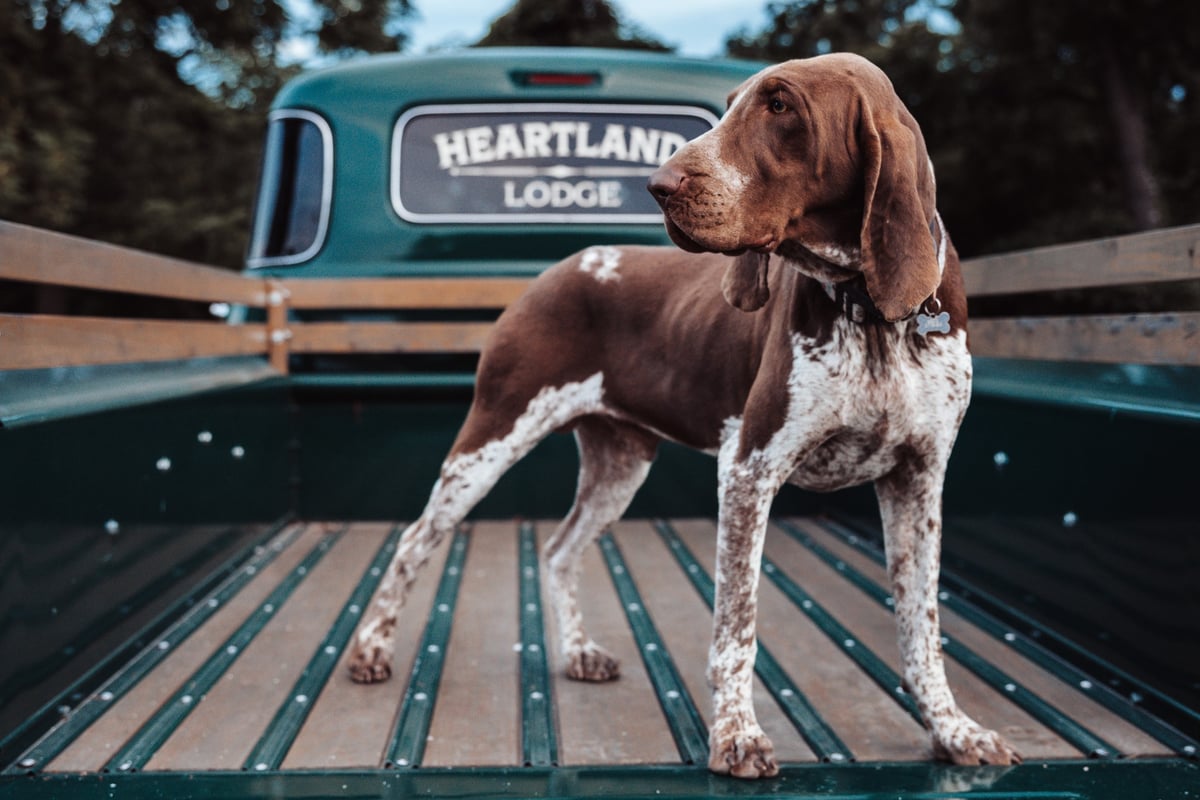
RCS Outfitters partners with operations like Heartland Lodge to provide comprehensive outdoor experiences beyond turkey hunting. These partnerships connect hunters with quality experiences across multiple hunting disciplines throughout the year.
Extended stays also allow hunters to experience the property during different times of day, potentially encountering birds that prove difficult during traditional morning hunts. Afternoon and evening hunts can be productive when toms seek out hens returning to roosting areas.
Family and Group Packages
Turkey hunting's moderate physical demands make it accessible for multi-generational groups. Several outfitters specialize in family packages where experienced hunters can introduce youth or novice hunters to the sport under professional supervision.
Group hunts for corporate retreats or friend groups often receive discounted per-person rates when booking multiple hunters simultaneously. These arrangements work well when group members possess varying experience levels and can hunt with different guides across the property.
Record Keeping and Documentation
Memorable paid turkey hunts deserve proper documentation for both personal records and potential recognition through various turkey hunting organizations. Many hunters pursue recognition programs that track harvests across multiple states and subspecies.
Harvest Documentation Requirements
State regulations vary regarding turkey harvest reporting and tagging requirements. Guided hunts include assistance with proper documentation, but hunters should understand their responsibilities regarding:
- Immediate tagging of harvested birds
- Online or phone harvest reporting within specified timeframes
- Transportation regulations across state lines
- Trophy documentation for record book consideration
The National Wild Turkey Federation maintains harvest records through their Grand Slam program, recognizing hunters who harvest all four major subspecies. Professional outfitters familiar with these programs often provide measurement assistance and documentation photography.
Technology and Modern Turkey Hunting
While traditional calling and woodsmanship remain fundamental to turkey hunting, modern technology enhances both preparation and execution. Understanding which tools add value versus creating unnecessary distractions helps hunters make informed equipment decisions.
Useful Technology Applications
GPS mapping applications help hunters understand property boundaries and terrain features before hunts begin. Weather apps provide detailed forecasts allowing better planning around optimal hunting conditions.
Quality outfitters often use technology for scouting, including trail cameras positioned near roosting areas and feeding sites. This pre-hunt intelligence allows guides to develop specific strategies based on recent bird activity rather than generalized approaches.
However, electronic calling devices are prohibited in many states during spring seasons, and ethical considerations suggest their use conflicts with fair chase principles even where legal.
Paid turkey hunts represent valuable investments for hunters seeking quality experiences, educational opportunities, and increased success rates in pursuing one of North America's most challenging game birds. By selecting reputable outfitters, preparing appropriately, and maintaining realistic expectations, you'll create memorable spring hunting experiences that enhance your skills for years to come. Whether you're planning your first guided hunt or seeking new regions to explore, RCS Outdoors offers the firearms, ammunition, and accessories you need to make the most of your turkey hunting adventures.


