
Guided Eastern Turkey Hunts: The Complete Guide
Eastern wild turkeys represent one of North America's most challenging and rewarding game birds. These majestic birds inhabit hardwood forests from Maine to Florida, offering hunters an opportunity to test their skills against a quarry known for exceptional eyesight, acute hearing, and unpredictable behavior. For both novice and experienced hunters, guided eastern turkey hunts provide access to prime habitat, expert instruction, and significantly improved success rates compared to self-guided pursuits.
Understanding Eastern Wild Turkeys
The Eastern wild turkey stands as the most widespread and heavily hunted of all turkey subspecies in North America. These birds can weigh between 15 and 25 pounds, with mature gobblers often tipping the scales at the higher end of that range. Their distinctive features include a brown-tipped breast feather pattern and black-and-white barring on their primary wing feathers.
Habitat and Range
Eastern turkeys thrive in mature hardwood forests interspersed with openings, agricultural fields, and water sources. Their range extends throughout the eastern United States, providing hunters with diverse terrain options from the Appalachian Mountains to the coastal plains. According to Buffalo Creek Guide Service, these birds adapt remarkably well to varying landscapes, making them accessible across numerous states.
Key habitat characteristics include:
- Mixed hardwood forests with oak, hickory, and beech trees
- Open fields for feeding and strutting
- Roosting trees near water sources
- Ridgelines and valleys for gobbling acoustics
Advantages of Guided Hunts
Selecting a professional outfitter transforms the turkey hunting experience from a simple outdoor activity into a comprehensive educational adventure. Guides bring decades of collective experience, intimate knowledge of local turkey populations, and access to extensively scouted private lands.
Expert Knowledge and Scouting
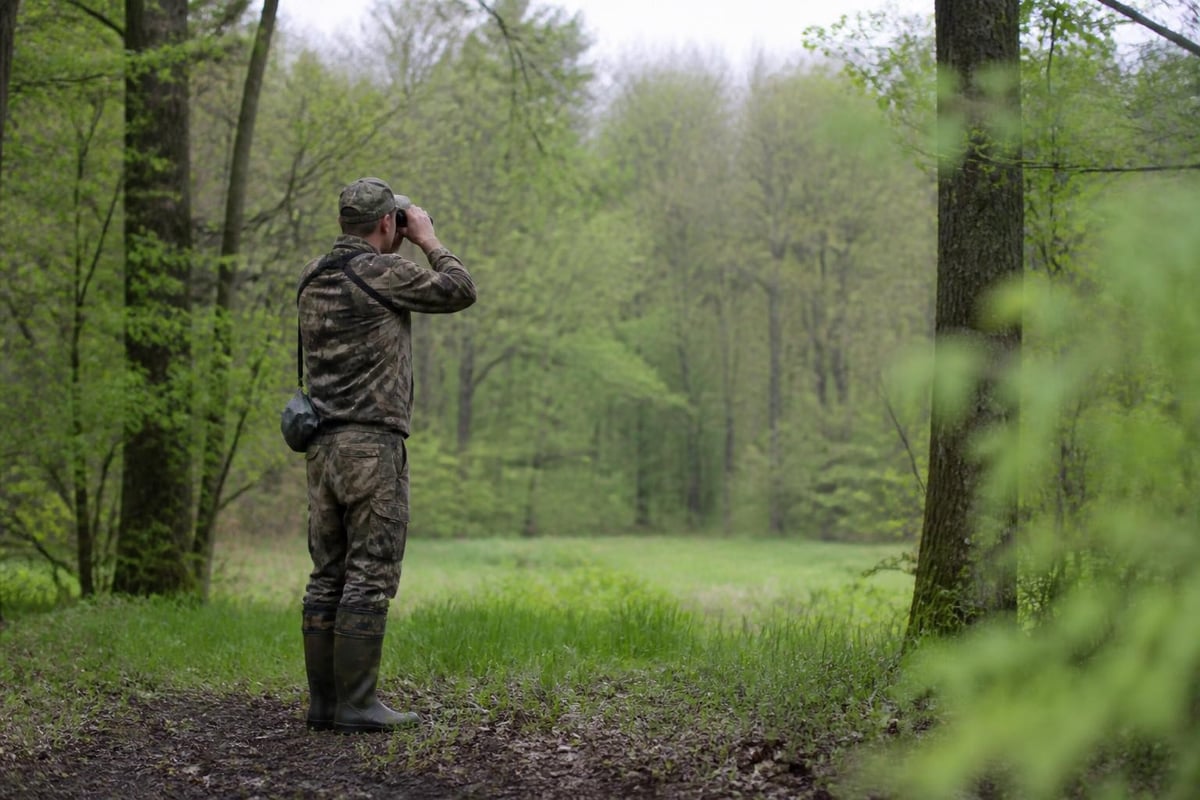
Professional guides invest countless hours before each season locating roost sites, identifying strutting zones, and mapping turkey movement patterns. This pre-season reconnaissance eliminates much of the guesswork that challenges independent hunters. Outfitters like Adam Hill Hunting Adventures emphasize their extensive experience in Pennsylvania's diverse terrain, showcasing how location-specific expertise directly impacts success rates.
Access to Premium Properties
Private land access remains one of the most significant advantages of guided eastern turkey hunts. Many outfitters control thousands of acres of carefully managed habitat where turkey populations remain largely unpressured. Woods-N-Water Inc. operates on extensive private holdings in Middle Georgia, allowing hunters to pursue birds that encounter minimal hunting pressure throughout the season.
| Benefit | Guided Hunt | Self-Guided Hunt |
|---|---|---|
| Land Access | Private, extensive acreage | Public land (crowded) |
| Pre-Scouting | Professional, comprehensive | Limited personal time |
| Success Rate | 60-80% typical | 20-30% typical |
| Learning Curve | Immediate expert instruction | Trial and error |
| Equipment | Often provided or available | Must supply all gear |
Choosing the Right Outfitter
Selecting an outfitter requires careful research and consideration of multiple factors. The decision impacts not only your success rate but also the overall quality of your hunting experience.
Reputation and Track Record
Begin your search by examining outfitter credentials, client testimonials, and industry recognition. Resources like Ultimate Turkey Hunting provide comprehensive directories of established guides across various states. Look for outfitters who maintain consistent communication, provide transparent pricing, and demonstrate genuine passion for the sport.
Hunt Package Components
Different outfitters structure their packages with varying inclusions. Some provide all-inclusive experiences covering lodging, meals, and transportation, while others offer more basic guide services. Cypress Creek Hunting Lodge details their South Carolina packages, including season dates, hunting methods, and specific rates.
Standard package elements typically include:
- Professional guide services (one-on-one or small groups)
- Access to private hunting properties
- Pre-hunt scouting and strategy sessions
- Field transportation
- Bird cleaning and preparation assistance
Additional amenities may encompass lodging, meals, hunting licenses, and loaner firearms or equipment.
Essential Gear and Equipment
Proper equipment selection significantly influences comfort and success during guided eastern turkey hunts. While many outfitters provide certain items, understanding the fundamental gear requirements ensures you arrive prepared.
Firearms and Ammunition
Shotguns remain the overwhelming choice for turkey hunting, with 12-gauge and 20-gauge chambers dominating the field. Modern turkey loads deliver devastating patterns at extended ranges, particularly when paired with specialized chokes. Full or extra-full turkey chokes concentrate shot patterns for ethical, lethal strikes on the bird's vital head and neck area.
Whether you're investing in new equipment or upgrading existing firearms, RCS Outdoors offers an extensive selection of shotguns and specialized turkey ammunition designed for optimal pattern density and penetration.
Clothing and Camouflage
Complete concealment proves essential when hunting turkeys, as these birds possess color vision superior to humans. Full camouflage coverage from head to toe helps hunters blend seamlessly with their surroundings.
Critical clothing components:
- Camouflage pattern matched to local vegetation
- Face mask or face paint
- Gloves (lightweight for trigger control)
- Quiet, non-rustling fabrics
- Layering system for variable weather
Calling Equipment
Turkey calls fall into several categories, each producing distinct sounds that communicate different messages to wild birds. Most guides recommend carrying multiple call types to adapt to varying situations and bird responses.
| Call Type | Difficulty Level | Best Applications | Sound Quality |
|---|---|---|---|
| Box Call | Beginner | Windy conditions, locating | Loud, versatile |
| Slate/Pot Call | Intermediate | Close-range work | Realistic, soft to loud |
| Mouth Diaphragm | Advanced | Hands-free operation | Very realistic |
| Locator Calls | Beginner | Finding roosted birds | Non-turkey sounds |
Hunting Strategies and Techniques
Successful turkey hunting combines patience, woodsmanship, and strategic calling. Professional guides employ time-tested tactics while adapting to each hunt's unique circumstances.
Pre-Dawn Setup
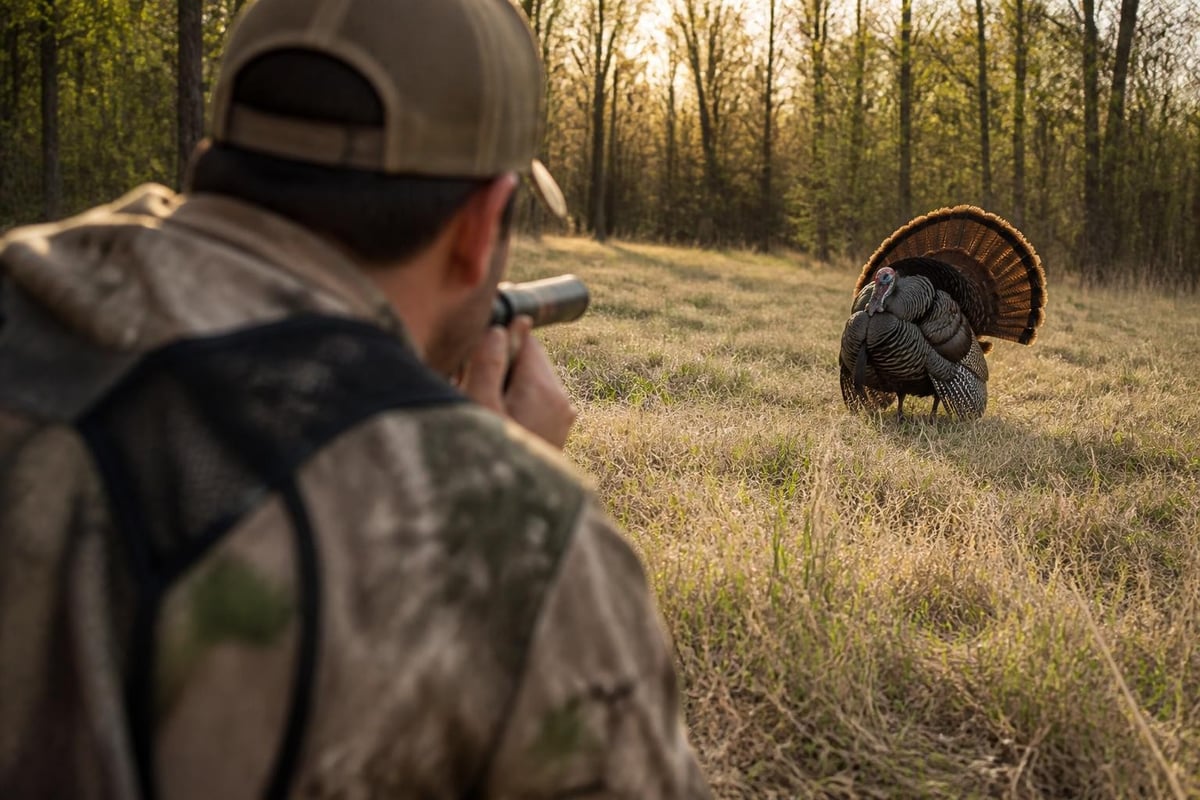
Most guided eastern turkey hunts begin well before sunrise, with hunters positioned near known roosting areas. This timing allows setup in complete darkness, minimizing disturbance to roosted birds. Once established, hunters use locator calls-owl hoots or crow calls-to elicit shock gobbles revealing precise turkey locations.
Calling Sequences
Effective calling mimics natural hen turkey vocalizations, creating the illusion of a receptive female. Guides typically start conservatively with soft tree yelps, gradually increasing volume and frequency based on gobbler responses. Over-calling represents one of the most common mistakes among inexperienced hunters, often educating wary birds rather than enticing them closer.
Progressive calling strategy:
- Soft tree yelps pre-flydown
- Moderate yelping sequence after flydown
- Cutting (aggressive yelps) if bird responds but hangs up
- Strategic silence to increase curiosity
- Soft clucks and purrs for close-range work
Decoy Deployment
Decoy use varies by outfitter preference and hunting conditions. Some guides deploy hen decoys exclusively, while others incorporate jake (young male) decoys to trigger territorial responses from dominant gobblers. Placement distance, visibility, and natural appearance all factor into decoy effectiveness. Platforms like BookYourHunt.com feature outfitters describing their specific decoy strategies and philosophies.
Regional Considerations
Eastern turkey behavior and hunting conditions vary significantly across their expansive range. Understanding regional characteristics helps hunters select appropriate destinations and set realistic expectations.
Southern States
States like Georgia, South Carolina, and Alabama offer earlier seasons, often beginning in mid-March. These southern hunts capitalize on peak breeding activity when gobblers actively seek hens. Temperature variations remain minimal, and vegetation emerges earlier, creating lush hunting environments.
Mid-Atlantic Region
Pennsylvania, Maryland, and Virginia provide classic Eastern turkey hunting experiences in rolling hardwood forests. Spring weather can be unpredictable, ranging from warm sunshine to late-season snow. Bird populations remain strong, and public land opportunities supplement guided hunt options.
Northern Tier
New York, Vermont, and Maine feature later season dates, typically opening in early May. Northern birds often gobble aggressively but may respond cautiously to calling. Dense forests and mountainous terrain present unique challenges that experienced guides navigate expertly.
Physical and Mental Preparation
Turkey hunting demands both physical fitness and mental discipline. Unlike some hunting pursuits, success often hinges on stillness, patience, and the ability to remain alert during extended periods of inactivity.
Conditioning Requirements
While guided eastern turkey hunts don't typically require extreme physical exertion, moderate fitness enhances enjoyment and effectiveness. Hunters should comfortably walk one to two miles over uneven terrain and sit motionless for extended periods. Pre-season practice sitting against trees helps identify comfortable positions and reveals potential mobility limitations.
Practice and Skill Development
Investing time in calling practice before your guided hunt maximizes the experience. While guides handle most calling duties, understanding basic techniques and sounds enriches your appreciation of the hunt's nuances. Many outfitters, including those featured on semi-guided hunt platforms, offer learning opportunities for developing hunters.
Ethical and Legal Considerations
Responsible hunting practices and strict adherence to regulations form the foundation of sustainable turkey populations and hunting traditions.
Licensing and Regulations
Every state maintains specific licensing requirements, season dates, and bag limits for turkey hunting. Out-of-state hunters must secure non-resident licenses, often available through outfitters or state wildlife agency websites. Tag requirements, shooting hours, and legal weapons vary by jurisdiction, making pre-hunt research essential.
Shot Selection and Ethics
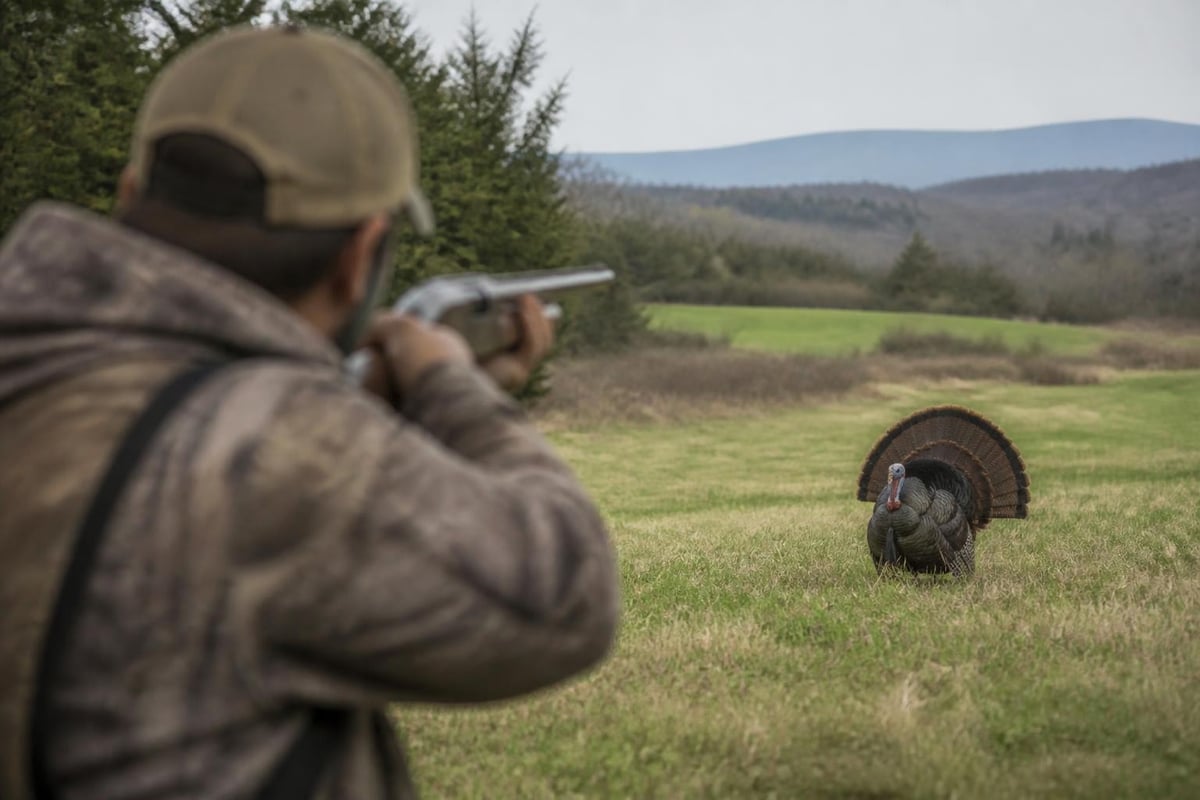
Ethical turkey hunting demands patience for clear, close-range shots targeting the head and neck vitals. Responsible hunters pass on questionable opportunities, understanding that wounded birds suffer unnecessarily and rarely provide recovery opportunities. Quality outfitters emphasize ethical standards and assist with proper shot placement decisions.
Planning Your Hunt
Successful hunt planning encompasses timing, budgeting, and logistical coordination. Early preparation ensures optimal dates and preferred outfitters.
Season Timing
Peak gobbling activity typically occurs during the first two weeks of each regional season, though mature birds may gobble consistently throughout legal hunting periods. Booking flexibility allows hunters to target weather fronts and activity peaks that guides identify through ongoing scouting.
Budget Considerations
Guided eastern turkey hunts range from $300 for basic day hunts to $2,500 or more for premium multi-day packages with luxury accommodations. Mid-range options typically cost $800 to $1,500 for two or three-day hunts including guide services, land access, and basic lodging. Additional expenses include licenses, travel, gratuities, and bird mounting if desired.
Many hunters complement their passion for turkey hunting with broader outdoor pursuits. RCS Outdoors partners with premier destinations like Heartland Lodge, offering hunters comprehensive outdoor experiences. For instance, The Upland Escape Giveaway combines upland bird hunting with premium accommodations and top-tier firearms, demonstrating how hunting enthusiasts can explore diverse game species and hunting styles.

Booking Timeline
Prime spring turkey season dates fill quickly, particularly for established outfitters with strong reputations. Booking six to twelve months in advance secures preferred dates and allows ample preparation time. Last-minute opportunities occasionally arise due to cancellations, though flexibility regarding dates and locations improves availability.
Post-Hunt Considerations
The experience extends beyond the moment of harvest, encompassing game care, taxidermy decisions, and memory preservation.
Field Care and Processing
Proper field care begins immediately after harvest. Most guides assist with initial processing, including field dressing and cooling. Turkey meat provides excellent table fare when properly handled, with breast meat particularly prized for its mild flavor and versatility.
Trophy Preservation
Many hunters choose to preserve their first turkey or particularly impressive birds through taxidermy. Full strut mounts, fan mounts, and European skull mounts offer various display options at different price points. Quality taxidermists require careful selection, as turkey mounting demands specific expertise for natural, lifelike results.
Continuing Education
Each guided hunt provides learning opportunities that enhance future success. Observing professional calling techniques, understanding setup strategies, and recognizing turkey behavior patterns all contribute to developing independent hunting skills. Resources like conservation-focused hunting guides emphasize education alongside sport.
Long-Term Success Strategies
Building on guided hunt experiences creates a foundation for lifetime turkey hunting success and appreciation.
Transitioning to Independent Hunting
Many hunters begin with guided experiences before gradually incorporating self-guided adventures. The knowledge gained from professional outfitters-reading terrain, identifying sign, and understanding turkey behavior-directly translates to public land success. Starting with guided hunts accelerates the learning curve and prevents years of trial-and-error frustration.
Building Skills Progressively
Turkey hunting mastery develops through accumulated experience across varying conditions, regions, and bird behaviors. Each hunt presents unique challenges and learning opportunities. Successful hunters maintain detailed journals documenting weather conditions, turkey responses, and effective techniques for future reference.
Guided eastern turkey hunts offer unmatched opportunities to pursue one of North America's most challenging game birds while learning from experienced professionals who understand local populations and terrain intimately. Whether you're preparing for your first spring turkey season or seeking to expand your hunting portfolio with expert guidance, proper equipment selection remains fundamental to success. RCS Outdoors provides everything you need to step into the spring woods with confidence, from specialized turkey shotguns and ammunition to complete hunting packages that pair perfectly with guided outdoor adventures.


