

Waterfowl Hunting Lodge: Choosing Your Perfect Destination
Choosing the right waterfowl hunting lodge can transform an ordinary hunting trip into an unforgettable outdoor experience. Whether you're a seasoned duck hunter or planning your first guided waterfowl expedition, understanding what separates exceptional lodges from average accommodations will help you maximize your investment and hunting success. The best waterfowl hunting lodge combines strategic location, professional guides, comfortable amenities, and access to productive hunting grounds that consistently deliver opportunities for harvesting ducks and geese.
Understanding Waterfowl Hunting Lodge Essentials
A premier waterfowl hunting lodge serves as more than just a place to sleep between hunts. These specialized facilities cater specifically to the needs of waterfowl hunters, offering tailored services that enhance every aspect of your hunting experience.
Location and Flyway Access
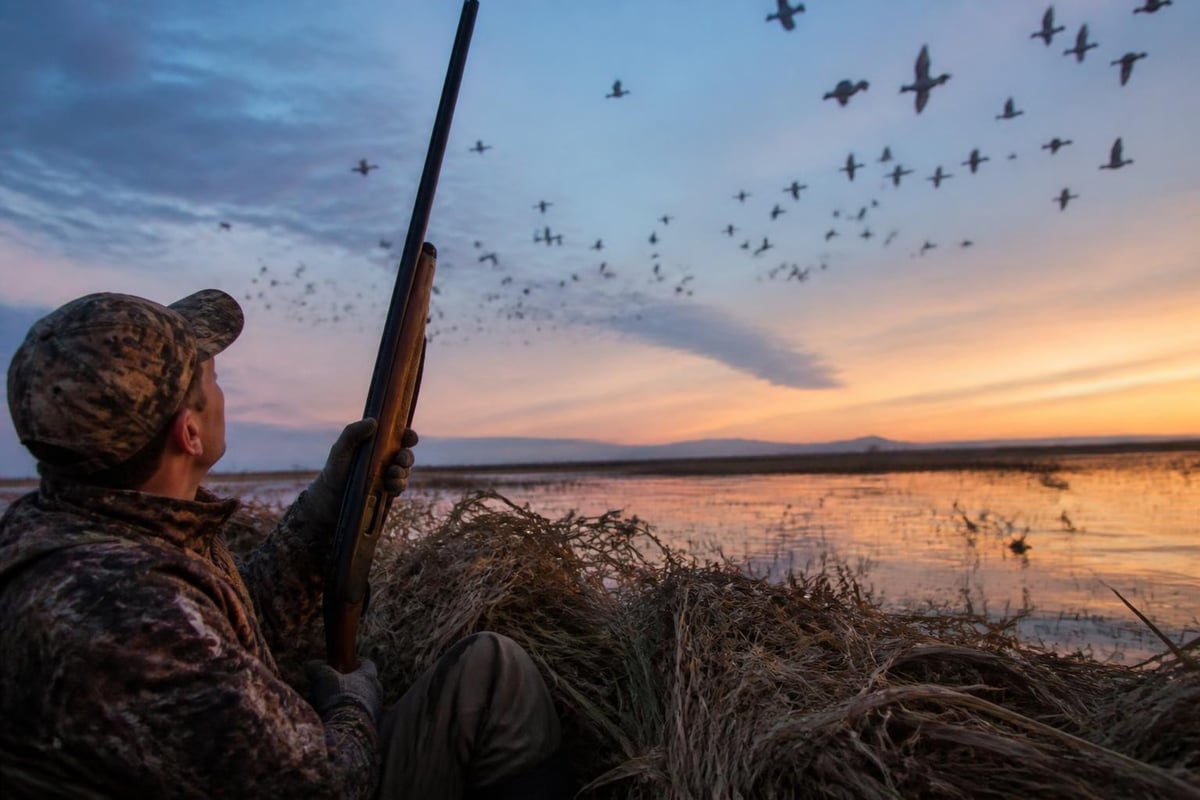
The foundation of any successful waterfowl hunting lodge begins with its geographic positioning. Lodges situated along major waterfowl migration flyways provide consistent opportunities throughout the season as different waves of birds migrate south. The Mississippi Flyway, Central Flyway, Pacific Flyway, and Atlantic Flyway each offer distinct advantages depending on target species and timing.
Arkansas, Illinois, Missouri, Louisiana, and Texas host some of North America's most productive waterfowl hunting territory. These regions combine agricultural landscapes with wetland habitats that attract massive concentrations of ducks and geese during peak migration periods.
Key location factors include:
- Proximity to wildlife management areas
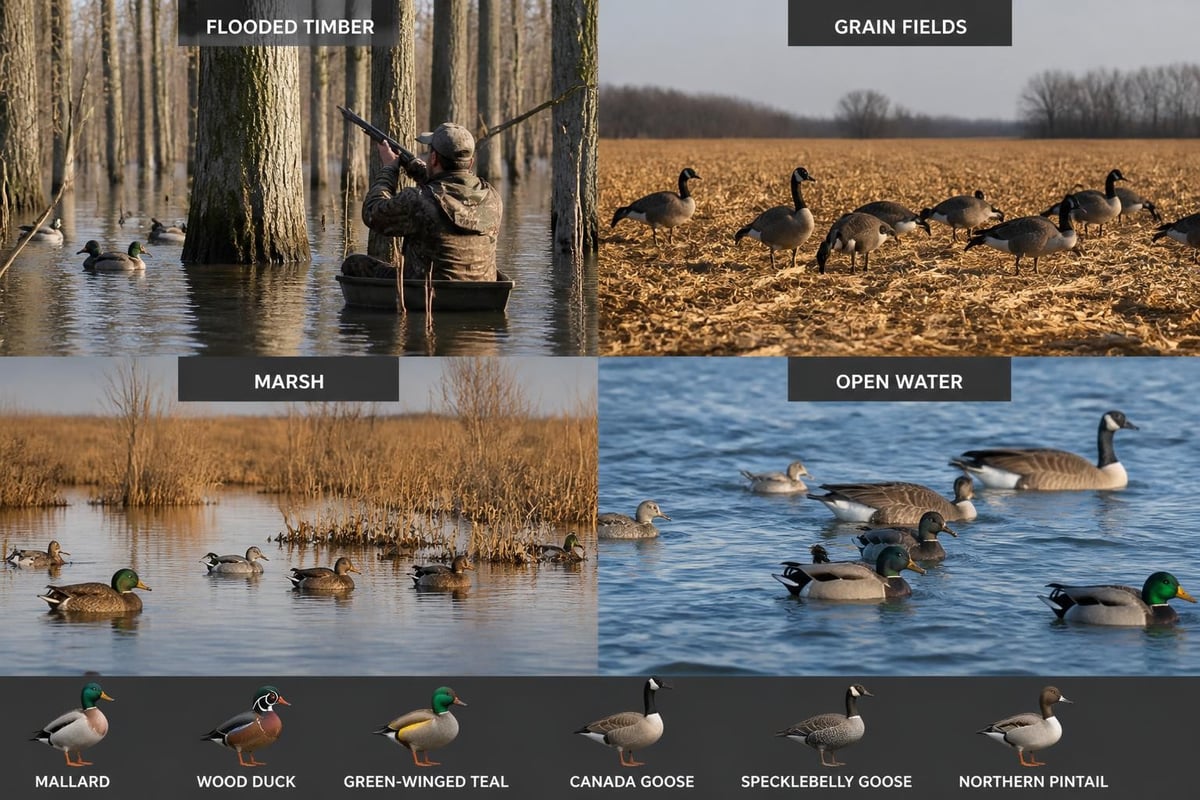
- Access to multiple hunting environments (flooded timber, grain fields, open water)
- Historical migration patterns and bird counts
- Distance from major airports for out-of-state hunters
- Local weather patterns that influence bird movement
Lodging Accommodations and Amenities
The physical facilities at a waterfowl hunting lodge directly impact your comfort and recovery between early morning hunts. Quality lodges understand that hunters who rest well perform better in the field and enjoy their experience more thoroughly.
Modern waterfowl hunting lodges typically feature private or semi-private rooms with comfortable bedding, climate control, and private bathrooms. Common areas should include spacious lounges for socializing, gun cleaning stations, and secure firearm storage. Many premium facilities now offer amenities like game rooms, outdoor fire pits, and full-service dining.
| Accommodation Type | Typical Features | Best For |
|---|---|---|
| Private Rooms | En-suite bathroom, individual climate control | Solo hunters, couples, premium experience |
| Shared Bunkhouses | Multiple beds, shared facilities, communal space | Hunting groups, budget-conscious trips |
| Luxury Suites | Premium bedding, entertainment systems, expanded space | High-end clientele, corporate groups |
The quality of meals deserves special consideration. Extended hunts require substantial nutrition, and lodges offering home-cooked meals with generous portions help maintain energy levels throughout demanding days. Breakfast before dawn hunts and hearty dinners after evening shoots create important social bonding opportunities among hunting parties.
Guided Services and Professional Support
Professional guide services distinguish exceptional waterfowl hunting lodges from basic accommodations. Experienced guides possess intimate knowledge of local bird behavior, weather patterns, and productive hunting locations that independent hunters spend years developing.
Guide Expertise and Equipment
Quality guides at a waterfowl hunting lodge bring more than local knowledge to your hunt. They maintain extensive spreads of realistic decoys, understand calling techniques for various species, and know how to read weather conditions to position hunters where birds want to be. The best guides adjust strategies throughout the day based on bird activity and changing conditions.
Professional waterfowl guides typically provide:
- Scouting services to locate concentrations of birds before your hunt
- Transportation to and from hunting locations via truck, boat, or ATV
- Decoy spreads appropriate to target species and hunting conditions
- Calling expertise to work incoming flocks
- Retriever services for downed birds
- Field care and processing guidance
The guide-to-hunter ratio significantly impacts your experience. Premium lodges maintain small group sizes, often limiting parties to two to four hunters per guide. This ensures personalized attention and maximizes shooting opportunities for everyone in the blind.
Hunting Territory and Habitat Diversity
A waterfowl hunting lodge's access to varied hunting environments expands your opportunities throughout changing conditions. Different weather patterns, hunting pressure, and migration timing affect where birds prefer to feed and rest. Lodges controlling diverse properties can adjust hunting locations based on real-time conditions.
Heartland Lodge exemplifies how premier facilities combine multiple habitat types within their hunting territory, allowing guides to position hunters strategically based on daily bird movements. This flexibility proves especially valuable during challenging weather or after significant hunting pressure on public lands.
Productive waterfowl hunting territory includes:
- Flooded timber: Preferred by mallards and wood ducks in specific conditions
- Agricultural fields: Attracts geese and ducks feeding on waste grain
- Open water impoundments: Provides resting areas and diving duck opportunities
- Marsh environments: Creates natural hunting scenarios for puddler ducks
- Pit blinds: Offers concealment in field hunting situations
Evaluating Lodge Services and Packages
Understanding pricing structures and what's included in various packages helps you compare waterfowl hunting lodge options effectively. Transparency in pricing and clear communication about inclusions prevent unexpected costs and disappointments.
Package Components and Pricing Models
Most waterfowl hunting lodges structure their offerings around multi-day packages rather than single-day hunts. Three-day, two-night packages represent the most common format, providing adequate time to experience varied hunting conditions and increase success odds.
Typical package inclusions:
- Lodging for specified nights
- Meals (breakfast, lunch, dinner, or specific combinations)
- Guided hunts (number specified, usually morning and afternoon options)
- Ground transportation during hunts
- Basic licenses (though many require hunters to purchase separately)
Common additional costs:
- State hunting licenses and federal duck stamp
- Ammunition (some lodges sell on-site at competitive prices)
- Gratuities for guides and staff
- Bird cleaning and processing
- Travel to and from the lodge
- Premium room upgrades
Pricing varies significantly based on location, timing, and service level. Budget-friendly operations like Dry Bayou Lodge offer accessible entry points for waterfowl hunting, while premium destinations command higher rates for exclusive access and luxury amenities. Expect packages ranging from $600 to $3,000 per hunter for multi-day experiences.
Seasonal Timing and Availability
Waterfowl hunting seasons vary by state and zone, with most states offering split seasons that span November through January. Understanding how migration timing affects your chosen waterfowl hunting lodge helps optimize your booking.
Early season hunts typically feature resident birds and early migrants, offering excellent action but potentially warmer weather. Peak migration periods in December often provide the most spectacular hunting as major flights of northern birds arrive. Late-season hunts can be productive when cold weather pushes remaining birds south, though conditions may be more challenging.
Booking well in advance proves essential for premium dates at popular lodges. Many facilities open reservations six to twelve months ahead, with prime weekends and holidays filling immediately. Weekday hunts often provide better availability and sometimes reduced pricing while still offering excellent hunting opportunities.
Specialized Waterfowl Hunting Lodge Features
Advanced hunters seeking specific experiences should consider specialized features that distinguish certain waterfowl hunting lodges from general outdoor accommodations. These unique offerings cater to particular hunting styles or target species.
Species-Specific Opportunities
While mallards dominate most waterfowl hunting conversations, diversified lodges provide opportunities for targeting numerous duck and goose species. Locations along the Central Flyway and Mississippi Flyway host pintails, gadwall, wigeon, teal, canvasbacks, and other species that require different hunting approaches.
Goose hunting represents a distinct specialty at certain waterfowl hunting lodges. Facilities near major goose concentrations offer dedicated goose hunts using layout blinds in agricultural fields. These hunts require different equipment, techniques, and timing compared to duck hunting, providing variety for hunters seeking diverse experiences.
| Target Species | Prime Locations | Peak Timing | Hunting Method |
|---|---|---|---|
| Mallards | Arkansas, Missouri, Illinois | December-January | Flooded timber, marshes |
| Pintails | Texas, Louisiana, Arkansas | December-early January | Flooded rice fields |
| Canada Geese | Missouri, Illinois, Arkansas | November-December | Field spreads, pit blinds |
| Snow Geese | Arkansas, Louisiana, Missouri | January-February | Large field spreads |
Conservation Programs and Habitat Management
Progressive waterfowl hunting lodges actively participate in conservation initiatives that ensure sustainable waterfowl populations for future generations. These programs demonstrate environmental stewardship while enhancing hunting quality through improved habitat.
Lodges may participate in Wetlands Reserve Programs, duck stamp fund contributions, and partnerships with organizations like Ducks Unlimited. On-site habitat management including food plot plantings, water level manipulation, and invasive species control creates optimal conditions for attracting and holding waterfowl throughout the season.
Hunters increasingly value lodges that prioritize conservation alongside commercial operations. These facilities often provide educational opportunities about wetland ecology, waterfowl biology, and the role hunting plays in funding conservation efforts. Understanding these connections enriches the hunting experience beyond simple harvest numbers.
Membership Versus Daily Rate Lodges
The waterfowl hunting lodge industry includes two distinct business models: membership-based clubs and pay-per-hunt facilities. Each approach offers advantages depending on your hunting frequency and preferences.
Membership-Based Hunting Resorts
Exclusive clubs like Banded Drake Ranch operate on membership models where hunters purchase ownership stakes or annual memberships granting access to private hunting grounds. These arrangements typically require significant upfront investment plus annual dues.
Membership advantages include:
- Guaranteed access during your preferred dates
- Reduced or eliminated per-hunt fees
- Equity in property (ownership models)
- Exclusive use without competing with daily-rate hunters
- Long-term relationships with staff and fellow members
Memberships suit serious waterfowl hunters who hunt frequently and value consistent access to quality territory. The financial commitment makes sense when annual hunting expenses would otherwise exceed membership costs.
Pay-Per-Hunt Lodge Operations
Traditional daily-rate lodges charge per hunter per hunt or package, requiring no long-term commitment. This flexibility appeals to hunters who travel to different destinations annually or hunt less frequently. Facilities like Mallard Bend welcome hunters on a reservation basis without membership requirements.
This model allows hunters to experience various lodges across different states and flyways, building diverse hunting memories and skill sets. You can adjust your budget year-to-year and avoid hunting altogether during seasons when personal or professional obligations prevent participation.
Preparing for Your Waterfowl Hunting Lodge Experience
Success at a waterfowl hunting lodge extends beyond simply arriving with your shotgun. Proper preparation ensures you maximize your hunting opportunities while respecting lodge protocols and fellow hunters.
Essential Gear and Equipment
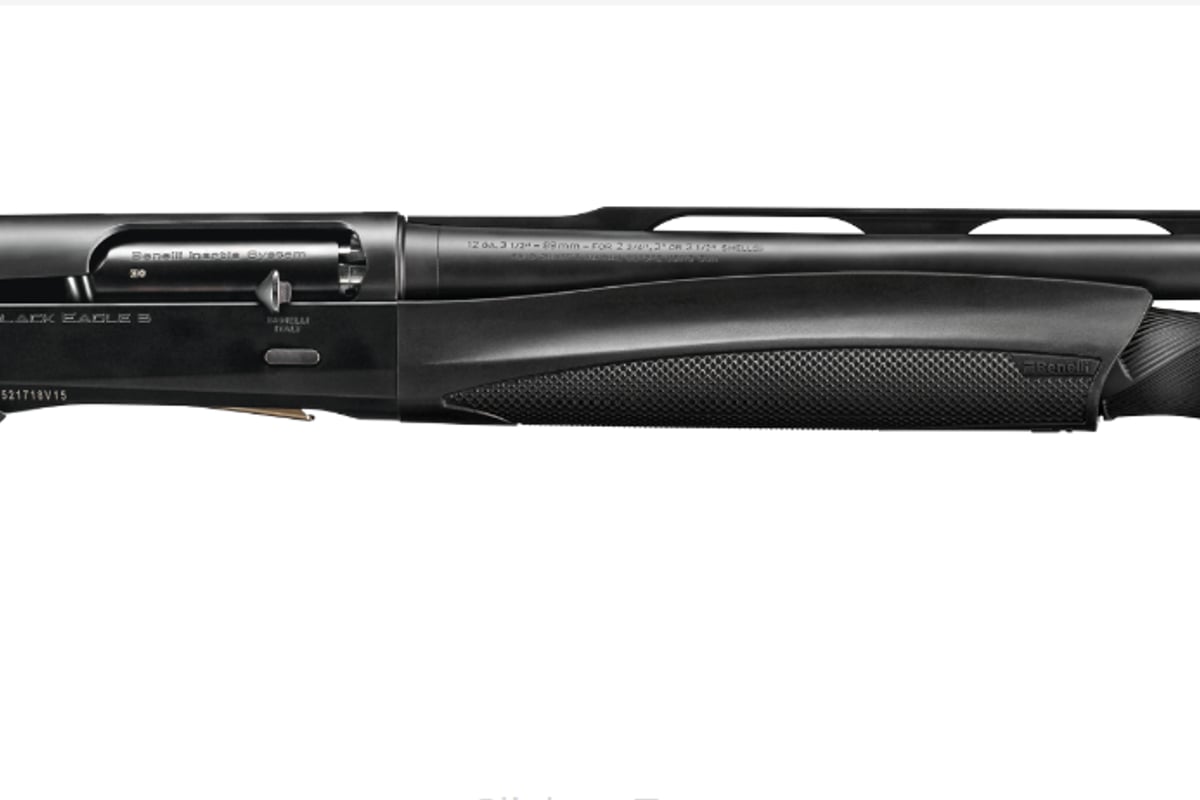
Most waterfowl hunting lodges expect hunters to provide their own firearms and basic personal equipment. Shotguns chambered for 3-inch or 3.5-inch shells in 12 or 20 gauge represent standard choices, with modified or improved cylinder chokes suitable for most situations. Steel shot ammunition in BB, 2, or 3 shot sizes handles most duck hunting scenarios effectively.
Required personal gear typically includes:
- Appropriate camouflage clothing matching hunting environments
- Insulated, waterproof boots rated for expected temperatures
- Quality rain gear and layering systems
- Shotgun with appropriate choke tubes
- Safety glasses and hearing protection
- Valid hunting licenses and federal duck stamp
Premium lodges like Stuttgart Hunting Club often provide waders, but bringing your own ensures proper fit. Gloves, face masks, and warm hats prove essential during cold-weather hunts when ducks fly most actively.
Physical and Mental Preparation
Waterfowl hunting demands early mornings, exposure to challenging weather, and extended periods of stillness in uncomfortable positions. Physical preparation improves your endurance and enjoyment. Cardiovascular conditioning helps during long walks to blinds or when retrieving downed birds in deep water or thick cover.
Mental preparation includes understanding basic waterfowl identification to distinguish legal species and sex restrictions. Many states require hunters to pass waterfowl identification tests before purchasing licenses. Reviewing species characteristics, flight patterns, and calling cadences before your trip enhances success and compliance with regulations.
RCS Outdoors partners with quality destinations to provide hunters access to premier waterfowl hunting opportunities. The Upland Escape Giveaway showcases this commitment through a collaboration with Heartland Lodge, offering hunters chances to experience world-class wingshooting facilities alongside premium firearms.
Modern Lodge Technology and Conveniences
Contemporary waterfowl hunting lodges increasingly incorporate technology that enhances hunter success and comfort. While traditional hunting skills remain paramount, modern tools provide valuable advantages.
Weather Monitoring and Reporting
Advanced lodges maintain detailed weather monitoring systems that track approaching fronts, wind patterns, and temperature changes. This information helps guides position hunters optimally as birds respond to changing conditions. Some facilities provide hunters access to private weather forecasting tailored to local microclimates.
Many operations now offer mobile apps or text updates providing morning hunt locations, bird activity reports, and schedule changes. This communication keeps hunting parties informed and allows flexible planning around optimal conditions.
Facility Modernization
Recent lodge construction, like the facilities at Blazn Guns Lodge, incorporates design elements specifically supporting waterfowl hunters. Heated gear drying rooms prevent mildew and ensure comfortable equipment for subsequent hunts. Spacious gun safes accommodate entire hunting party arsenals. Modern kitchens support dietary restrictions and preferences increasingly common among diverse hunting groups.
Internet connectivity, while sometimes controversial among traditionalists, allows hunters to manage work obligations during multi-day trips, making extended stays more feasible for busy professionals. Common areas with comfortable seating, large-screen televisions, and game tables create social spaces for evening relaxation.
Regional Lodge Characteristics and Specialties
Geographic location profoundly influences a waterfowl hunting lodge's character, hunting style, and target species. Understanding regional differences helps match your preferences with appropriate destinations.
Arkansas: The Duck Hunting Capital
Arkansas rightfully claims the title of duck hunting capital, hosting millions of wintering waterfowl annually. The flooded timber of the Mississippi Alluvial Plain creates iconic hunting scenarios where mallards work through green timber to feed on acorns. Arkansas lodges often specialize in this traditional hunting style, though they also offer field hunting and flooded rice impoundment opportunities.
The concentration of lodges throughout eastern Arkansas creates competitive pricing while maintaining quality standards. Operations range from basic bunkhouses to luxury facilities, accommodating diverse budgets without sacrificing hunting quality.
Illinois and Missouri: Goose and Duck Combinations
Midwestern lodges balance duck and goose hunting opportunities, capitalizing on massive Canada goose populations alongside traditional duck hunting. These states offer agricultural field hunting combined with marsh and reservoir opportunities.
Illinois operations benefit from abundant public land surrounding private lodges, creating staging areas that concentrate birds. Missouri's conservation areas and federal refuges similarly enhance private land hunting by providing safe resting areas that hold regional waterfowl populations.
Texas and Louisiana: Late-Season Destinations
Southern tier waterfowl hunting lodges excel during late season when northern cold pushes remaining ducks and geese to their final wintering grounds. Texas coastal marshes and Louisiana swamps offer hunting extending into February in some zones, providing opportunities after seasons close elsewhere.
These regions target pintails, which concentrate in Texas rice country, and specialty species less common in northern flyways. The extended seasons and diverse species make southern lodges attractive for hunters seeking variety or planning late-season trips.
Specialized Rental Services
Companies like Roost Lodging provide turnkey waterfowl hunting lodge rentals across multiple states, allowing hunting groups to create self-guided experiences with professional accommodations. These services bridge the gap between DIY public land hunting and fully guided lodge experiences, appealing to experienced hunters who value independence while appreciating quality facilities.
Maximizing Your Investment
A waterfowl hunting lodge represents significant financial and time investment. Strategic planning ensures maximum return through memorable hunts and harvested birds.
Group Composition and Dynamics
Carefully selecting your hunting party influences trip success substantially. Compatible hunters with similar skill levels, physical capabilities, and expectations create positive experiences. Mixing experienced waterfowl hunters with beginners can work well when everyone understands the skill disparity and maintains appropriate expectations.
Larger groups often access better per-person pricing through group discounts. However, oversized parties may limit individual shooting opportunities or require splitting into multiple blinds with varying quality. Four to six hunters typically represents the ideal balance for booking flexibility and shared experiences.
Communication with Lodge Operators
Direct communication with lodge management before booking clarifies expectations and prevents misunderstandings. Quality operators welcome questions about hunting pressure, current bird numbers, recent harvest success, and specific services included in packages.
Inquire about hunting styles employed, whether you'll hunt with other parties or exclusively with your group, and flexibility for customizing hunt times or locations. Understanding cancellation policies, weather guarantees, and rescheduling options protects your investment against unforeseen circumstances.
Post-Hunt Considerations
Many waterfowl hunting lodges offer bird cleaning services, from basic field dressing to vacuum-sealed, frozen packages ready for travel. These services add convenience, especially when flying home or facing long drives. Confirm processing costs, turnaround times, and packaging options before your hunt.
Consider documenting your experience through photos and notes. Many hunters maintain hunting journals recording locations, weather conditions, species harvested, and memorable moments. These records help evaluate lodges for return visits and provide cherished memories for years afterward.
Selecting the right waterfowl hunting lodge transforms good hunting trips into exceptional outdoor adventures that create lasting memories. The combination of strategic location, professional guides, comfortable accommodations, and productive hunting grounds distinguishes premier destinations from average facilities. Whether you're planning your first guided waterfowl hunt or seeking a new destination for annual traditions, RCS Outdoors provides the firearms, ammunition, and hunting partnerships you need to make the most of every opportunity in the field.


