

Summer Shooting Range Tips: Stay Safe and Accurate in Heat
Summer offers excellent opportunities for extended range time, but elevated temperatures present unique challenges that require thoughtful preparation. Whether you're a seasoned marksman or developing fundamental skills, understanding how to adapt your approach during hot weather can significantly improve both safety and performance. These summer shooting range tips will help you maximize your training sessions while staying comfortable and protected during the warmest months of 2026.
Understanding Heat's Impact on Shooting Performance
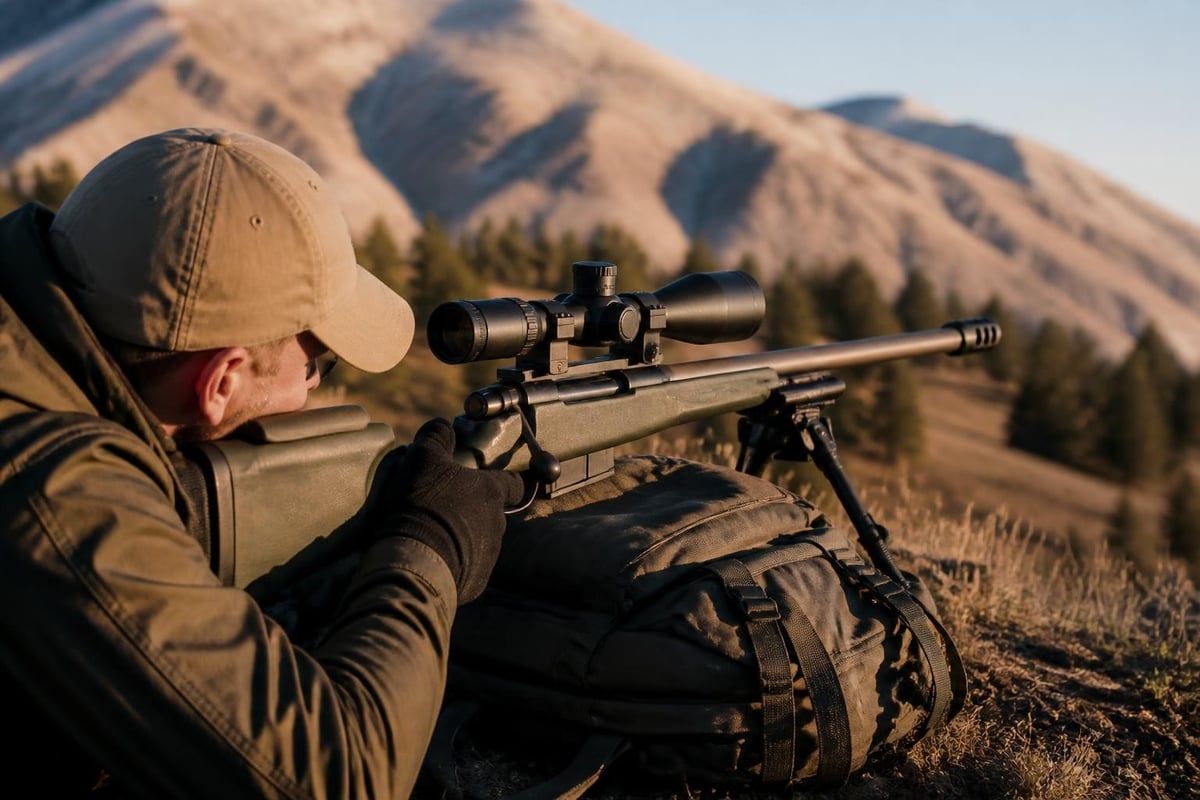
Temperature extremes affect every aspect of shooting, from ammunition behavior to equipment reliability. Heat causes ammunition to generate higher pressures, which can alter velocity and point of impact compared to cooler conditions. This phenomenon becomes particularly noticeable when shooting precision rifles at extended distances, where even minor velocity changes translate to significant point-of-impact shifts.
Your firearm itself responds to temperature changes in measurable ways. Metal components expand in heat, potentially affecting tolerances and fit. Polymer furniture and accessories may become more pliable, and lubricants can thin out or evaporate more rapidly. Understanding these heat-related challenges helps you make appropriate adjustments to maintain consistent performance.
Equipment Considerations for Hot Weather
Managing your gear properly stands as one of the most crucial summer shooting range tips. Consider these specific adjustments:
- Store ammunition in cooler environments until you're ready to shoot
- Apply heat-resistant lubricants designed for elevated temperatures
- Monitor optic mounting screws as thermal expansion can affect zero
- Use heat-resistant slings and straps that won't become uncomfortably hot
- Bring backup batteries for electronic optics, as heat drains power faster
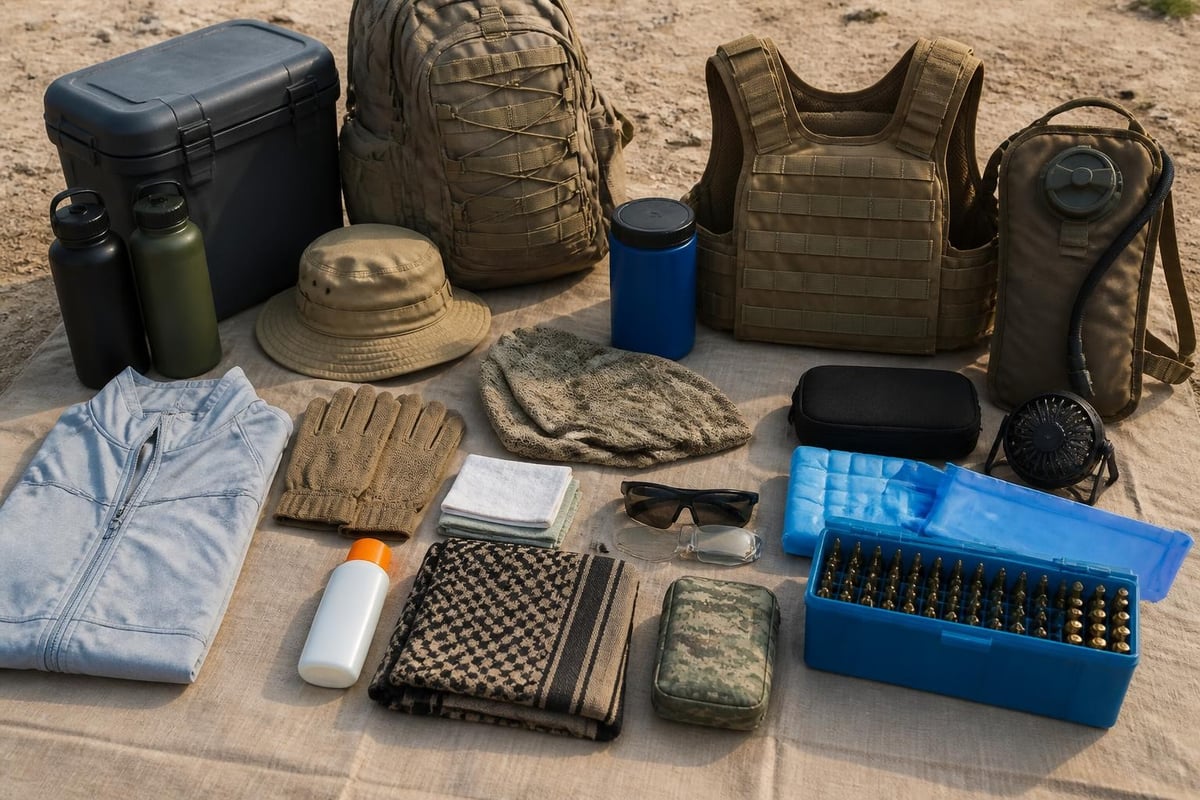
Creating a dedicated summer range kit ensures you don't overlook critical items. Include microfiber towels for wiping sweat from hands and face, as moisture significantly impacts grip and sight picture. A small cooler keeps ammunition at stable temperatures and provides cold water access throughout your session.
Hydration and Physical Preparation
Dehydration represents one of the most serious risks during summer range sessions. Shooters can lose significant fluid through perspiration without recognizing the warning signs until performance degrades or heat-related illness develops. Recognizing heat stress symptoms early can prevent dangerous situations from escalating.
Start hydrating at least 24 hours before your range session rather than waiting until you arrive. Water intake works most effectively when maintained consistently over time. During shooting, consume fluids every 15-20 minutes regardless of whether you feel thirsty, as thirst indicates you're already experiencing dehydration.
Electrolyte Management
Plain water alone won't replace what you lose during intense summer range sessions. Your body requires electrolytes for proper muscle function, nerve transmission, and cognitive performance. All of these factors directly influence shooting accuracy and safety awareness.
| Hydration Strategy | Timing | Benefits |
|---|---|---|
| Pre-hydration | 24 hours before | Establishes baseline fluid levels |
| Electrolyte drinks | During session | Replaces minerals lost through sweat |
| Recovery hydration | Post-session | Prevents delayed heat exhaustion |
| Avoid alcohol/caffeine | Before shooting | Maintains proper hydration status |
Monitor urine color as a practical hydration indicator. Pale yellow suggests proper hydration, while dark yellow or amber indicates you need more fluids. Between shooting strings, spend time in shaded areas to allow your core temperature to stabilize.
Protective Clothing and Sun Safety
Appropriate attire for shooting ranges becomes even more critical during summer months. The goal involves balancing sun protection with heat management and range safety requirements. Long-sleeved, lightweight shirts made from moisture-wicking fabrics provide excellent coverage without trapping heat against your skin.
Choose light colors that reflect rather than absorb solar radiation. However, avoid pure white clothing that may reflect excessive light into optics or create distracting glare. Khaki, light gray, and pale earth tones offer ideal compromises. Your clothing should cover arms and neck completely to prevent sunburn in areas that receive constant exposure during shooting positions.
Essential Protective Accessories
Head protection extends beyond the typical baseball cap. A wide-brimmed hat provides superior neck and ear protection while keeping sun out of your eyes. Ensure any headwear fits securely enough that it won't interfere with proper cheek weld or ear protection positioning.
Apply broad-spectrum sunscreen with SPF 30 or higher to all exposed skin at least 30 minutes before outdoor exposure. Reapply every two hours and after heavy sweating. Pay special attention to often-forgotten areas like ears, back of the neck, and tops of hands. Sunglasses designed for shooting offer both UV protection and enhanced target clarity, but ensure they're compatible with your eye protection.
Scheduling and Session Planning
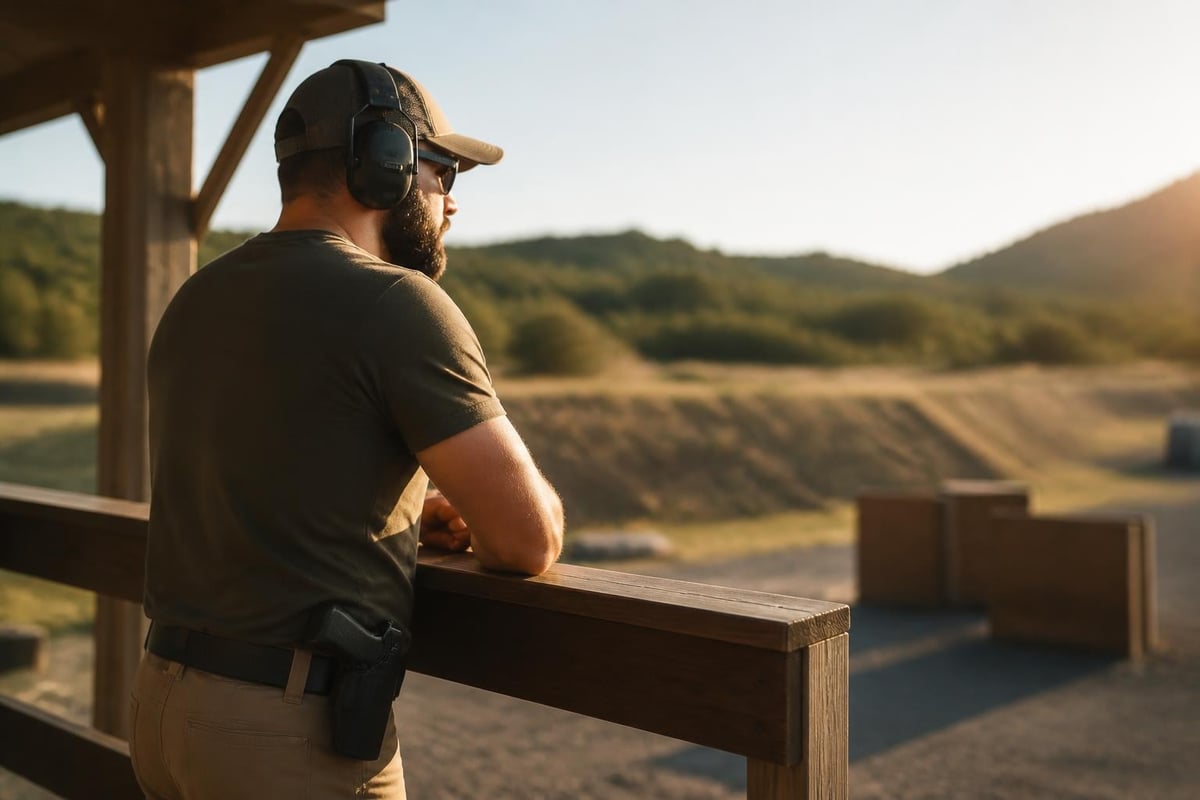
Timing your range visits strategically represents one of the most effective summer shooting range tips for maintaining comfort and performance. Early morning sessions before 10 AM typically offer the most favorable conditions, with lower temperatures and reduced UV exposure. Evening sessions after 6 PM provide similar advantages, though lighting conditions may limit certain training activities.
Structure your shooting sessions differently than you would during cooler months. Plan for shorter duration with more frequent breaks. A well-designed summer session might include 20-30 minutes of active shooting followed by 10-15 minutes of rest in shade. This approach maintains both safety and shooting quality better than pushing through extended strings in high heat.
Adapting Training Drills for Heat
Summer-specific drills can help you develop skills while acknowledging environmental limitations. Focus on quality over quantity, emphasizing fundamental techniques that build proficiency without requiring excessive round counts. Dry fire practice in shaded areas allows skill development without heat exposure or ammunition consumption.
Consider skills particularly relevant to hunting conditions you'll encounter later in the year. If you're preparing for opportunities like The Upland Escape Giveaway that features traditional upland hunting at Heartland Lodge, summer provides excellent time to refine shotgun mounting, swing technique, and target transition speed without weather constraints affecting game presentation.
Shorter, focused drills maintain engagement while preventing fatigue that degrades both safety and skill development. Set specific goals for each range session and stop when you've achieved them rather than continuing until environmental factors force you to quit.
Safety Protocols for Hot Weather Shooting
Standard range safety rules remain paramount, but summer conditions require additional awareness. Heat stress impairs judgment and reaction time before physical symptoms become obvious. Establish a buddy system where partners monitor each other for signs of heat-related illness, including confusion, irritability, or coordination problems.
Essential safety principles take on added importance when environmental stressors affect cognitive function. Never compromise on the fundamental rules: treat every firearm as loaded, keep your finger off the trigger until ready to shoot, never point at anything you're not willing to destroy, and be certain of your target and what lies beyond.
Recognizing Heat-Related Emergencies
Understanding the progression from heat exhaustion to heat stroke can save lives. Heat exhaustion symptoms include heavy sweating, weakness, cold and clammy skin, nausea, and rapid pulse. Heat stroke represents a medical emergency characterized by hot, dry skin, confusion, loss of consciousness, and body temperature above 103°F.
If anyone shows signs of heat exhaustion, immediately move them to shade, provide cool water, and apply cold compresses to neck, armpits, and groin. Call for medical assistance if symptoms worsen or don't improve within 30 minutes. For suspected heat stroke, call 911 immediately and begin aggressive cooling measures while waiting for emergency responders.
Ammunition Storage and Handling
Temperature management for ammunition goes beyond performance considerations into safety territory. Ammunition stored in direct sunlight or vehicle interiors can reach dangerous temperatures that may cause pressure excursions or, in extreme cases, unintended ignition. Keep ammunition in insulated containers or coolers, though avoid direct contact with ice that might introduce moisture.
Transport ammunition in climate-controlled vehicle compartments rather than trunks when possible. If you must store ammunition in a vehicle during summer, use reflective windshield covers and park in shaded areas. Upon arriving at the range, allow ammunition time to stabilize at ambient temperature rather than immediately chambering rounds that may be significantly hotter than your firearm.
Managing Ammunition Temperature Differences
Significant temperature variations between ammunition and firearm can affect both accuracy and safety. Ammunition that's much hotter than your barrel may generate excessive pressure, while very cold ammunition might produce velocities below normal ranges. For precision shooting, maintaining ammunition within 10-15 degrees of ambient temperature produces most consistent results.
Keep loaded magazines in shaded areas rather than sitting in direct sunlight. The combination of heat absorption by metal magazines and enclosed air spaces around cartridges can create surprisingly high temperatures. Rotate through magazines rather than repeatedly using the same one, allowing each to cool between strings.
Range Bag Essentials for Summer Sessions
Building a summer-specific range bag ensures you have everything needed for safe, productive sessions. Beyond standard shooting equipment, include items specifically addressing hot weather challenges. A comprehensive summer kit might look like this:
- Three times your normal water supply in insulated containers
- Electrolyte replacement drinks or powder packets
- Microfiber cooling towels that activate when wet
- Extra sunscreen and lip balm with SPF protection
- First aid kit with supplies for treating minor burns and heat issues
- Portable shade structure or umbrella for unsheltered ranges
- Extra eye and ear protection in case heat degrades foam or seals
Keep a dedicated summer shooting outfit that remains in your range bag, ensuring you're never tempted to shoot in inappropriate clothing because you forgot to pack proper gear. Include backup shirts that allow changes if the first becomes saturated with sweat.
Firearm Maintenance in Summer Conditions
Post-session cleaning takes on additional importance during summer months. Perspiration contains salts and acids that accelerate corrosion when transferred from hands to firearms. Clean your firearms promptly after summer range sessions, paying particular attention to areas where hands make regular contact like grips, forends, and charging handles.
Examine lubricants after hot weather use. Some may have run off vertical surfaces or evaporated from friction points. Reapply appropriate lubricants formulated for high-temperature performance. Check all mounting hardware and scope rings, as thermal cycling can cause screws to work loose over time.
Store firearms in climate-controlled environments when possible. Avoid leaving firearms in vehicles overnight, as temperature swings between day and night can create condensation inside actions and optics. If you must transport firearms during summer, allow them to acclimate gradually to indoor temperatures before placing them in safes or cases.
Training with Purpose During Summer Months
Use summer range time strategically to build skills you'll deploy during cooler hunting and competition seasons. While extended precision shooting sessions may prove uncomfortable in high heat, summer offers perfect conditions for developing fundamental skills like trigger control, breathing discipline, and position building.
First-time range visitors often find summer sessions more approachable due to longer daylight hours and flexible scheduling options. However, experienced shooters should mentor newcomers in heat management techniques alongside standard range safety protocols. Building good habits around hydration and break intervals from the beginning prevents dangerous patterns from developing.
Focus summer training on skills that don't require extensive ammunition expenditure. Dry fire practice, position work, and equipment manipulation can all advance proficiency without generating the heat that sustained shooting produces. When you do shoot, make each round count by maintaining strict focus on technique rather than simply sending lead downrange.
Leveraging Technology for Summer Shooting
Modern technology offers several tools for managing summer range challenges effectively. Weather apps provide detailed hourly forecasts including temperature, humidity, and UV index information that help you select optimal shooting windows. Some applications specifically designed for shooters incorporate environmental data into ballistic calculations, automatically adjusting for temperature effects on ammunition performance.
Wearable fitness trackers with heart rate monitoring can provide early warning of heat stress. Elevated resting heart rate, particularly when combined with other symptoms, suggests your body is struggling to manage core temperature. Smart water bottles track fluid intake and remind you to drink at appropriate intervals.
Electronic hearing protection with cooling features helps manage one of the most uncomfortable aspects of summer shooting. Ear pro creates insulation that traps heat around your head, but models incorporating ventilation channels or moisture-wicking materials significantly improve comfort during extended sessions.
Developing Heat-Resistant Shooting Skills
While summer conditions present challenges, they also offer opportunities to develop mental toughness and adaptability. Shooters who train effectively in adverse conditions perform better when comfortable conditions return. The discipline required to maintain proper technique despite discomfort translates directly to performance under the stress of competition or hunting situations.
Practice maintaining consistent cheek weld despite sweat running down your face. Develop the discipline to control breathing even when your respiratory rate increases from heat. Work on maintaining proper grip pressure when hands become slick with perspiration. These skills prove invaluable when you encounter any type of stress or discomfort while shooting.
However, recognize the distinction between productive challenge and counterproductive suffering. Training should push your boundaries, but never at the expense of safety or the development of poor habits to compensate for environmental discomfort. If conditions prevent proper technique execution, adjust your training approach rather than reinforcing bad patterns.
Community and Shared Resources
Many shooting ranges modify hours and protocols during summer months to help members stay safe while training. Some offer climate-controlled indoor ranges, while outdoor facilities might install shade structures or misting systems near shooting positions. Understanding what to expect at your facility helps you plan accordingly and take full advantage of available amenities.
Connect with other shooters to share summer shooting range tips specific to your local climate and facilities. Regional variations in humidity, altitude, and typical temperatures mean strategies that work in Arizona might need significant modification for North Carolina. Building relationships within the shooting community provides access to experience-tested approaches for your specific environment.
Consider joining organized summer shooting events that incorporate heat management into their structure. Many ranges host morning matches or evening leagues specifically designed around summer conditions, providing structured training opportunities without the individual burden of session planning and safety monitoring.
Successful summer shooting requires thoughtful preparation, disciplined execution, and realistic acknowledgment of environmental limitations. By implementing these summer shooting range tips, you'll maintain skill development throughout the warmest months while protecting your health and equipment. Whether you're preparing for fall hunting seasons or simply maintaining proficiency, RCS Outdoors offers the firearms, ammunition, and accessories you need to make every range session productive. Visit us today to find quality gear that performs reliably in all conditions and explore our current promotions that help you maximize your shooting investment.


