
Upland Hunting Tips: Expert Strategies for Success
Upland hunting represents one of America's most cherished sporting traditions, combining the thrill of pursuing game birds with the beauty of working alongside skilled hunting dogs in diverse terrain. Whether you're pursuing pheasants across prairie grasslands, tracking quail through brushy cover, or flushing woodcock from forest edges, success in the field requires careful preparation, strategic thinking, and attention to detail. These upland hunting tips will help both novice and experienced hunters improve their skills and increase their chances of a successful and safe hunting experience.
Understanding Upland Game and Their Habitats
Successful upland hunting begins with a solid understanding of your quarry and where they live. Different upland game birds have distinct habitat preferences, feeding patterns, and daily routines that directly impact hunting strategies.
Identifying Prime Upland Bird Habitat
Game birds like pheasants prefer agricultural edges where cropland meets native grass, while quail thrive in brushy areas with a mix of open ground and thick cover. Upland game birds typically require three essential habitat elements: food sources, protective cover, and water access. Woodcock favor moist woodlands with dense understory vegetation, while ruffed grouse inhabit young forest areas with thick cover.
Key habitat features to look for include:
- Field edges and fence rows with mixed vegetation
- Creek bottoms with thick brush
- Abandoned farmsteads surrounded by cover
- Conservation Reserve Program (CRP) lands
- Transition zones between different habitat types
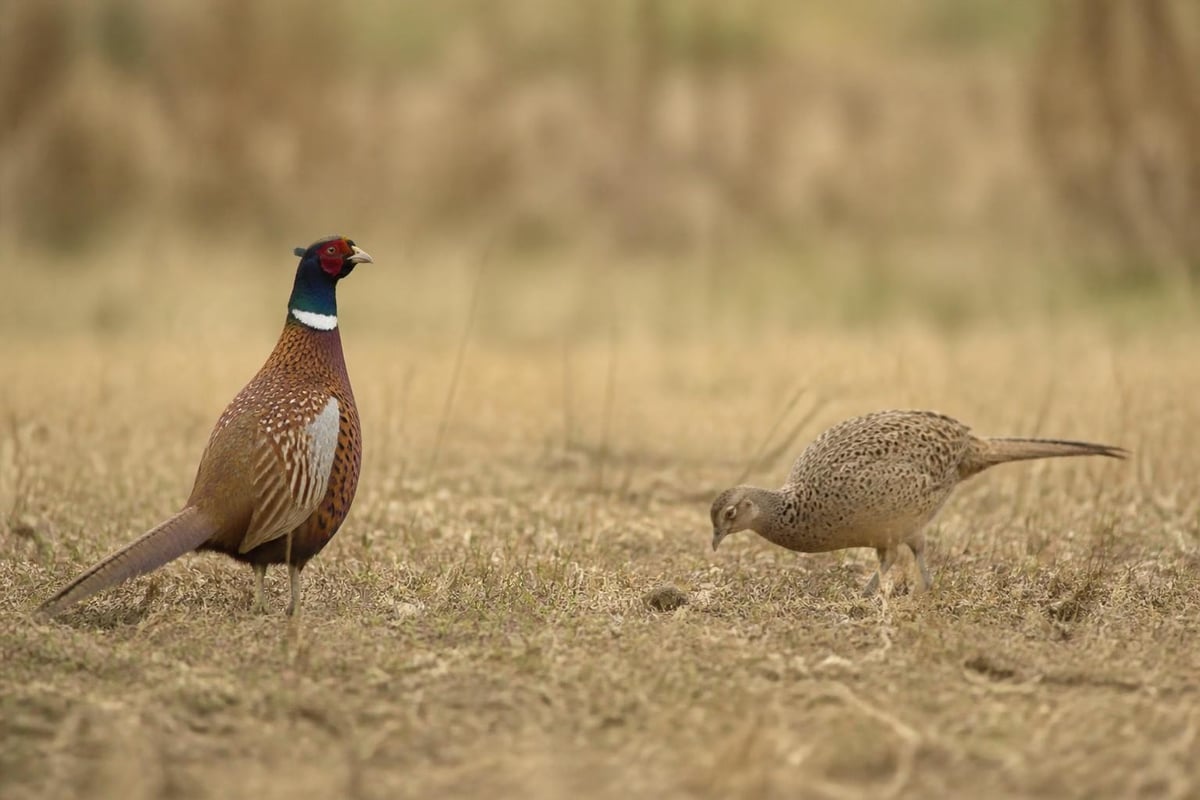
Understanding daily activity periods and seasonal considerations is essential for timing your hunts effectively. Most upland birds are most active during early morning and late afternoon feeding periods, making these prime hunting windows.
Essential Gear Selection and Preparation
Choosing the right equipment significantly impacts your comfort, mobility, and success in the field. Unlike stationary hunting, upland pursuits demand gear that balances functionality with lightweight portability.
Shotgun and Ammunition Choices
Your shotgun serves as your primary tool, and proper selection matters tremendously. Most experienced hunters prefer 12-gauge or 20-gauge shotguns with improved cylinder or modified chokes for upland work. The gun should fit properly, mount naturally to your shoulder, and swing smoothly.
| Shotgun Type | Advantages | Best For |
|---|---|---|
| Over/Under | Lightweight, fast second shot | All-around upland hunting |
| Semi-Auto | Reduced recoil, quick follow-ups | High-volume bird areas |
| Side-by-Side | Traditional, excellent balance | Classic upland pursuits |
| Pump Action | Reliable, economical | Budget-conscious hunters |
Shot size selection depends on the game you're pursuing. Size 6 or 7.5 shot works well for quail and woodcock, while pheasants require heavier loads with size 4 or 5 shot. Patterning your shotgun before the season ensures you understand your effective range and shot placement.
Clothing and Footwear Considerations
Proper attire for upland hunting balances visibility, protection, and comfort. Blaze orange is legally required in most states and enhances safety significantly. Your clothing should withstand thorns, burrs, and rough cover while remaining breathable enough for extended walking.
Quality boots with ankle support prevent injuries on uneven terrain. Waterproof construction keeps feet dry in wet conditions, while breathable materials prevent overheating during warm early-season hunts. Break in new boots before hunting season to avoid blisters during long days afield.
Working Effectively with Hunting Dogs
For many hunters, working with a skilled bird dog represents the heart of upland hunting. These canine partners locate, point, or flush birds while transforming the hunting experience from simple shooting into true sport.
Reading and Responding to Dog Behavior
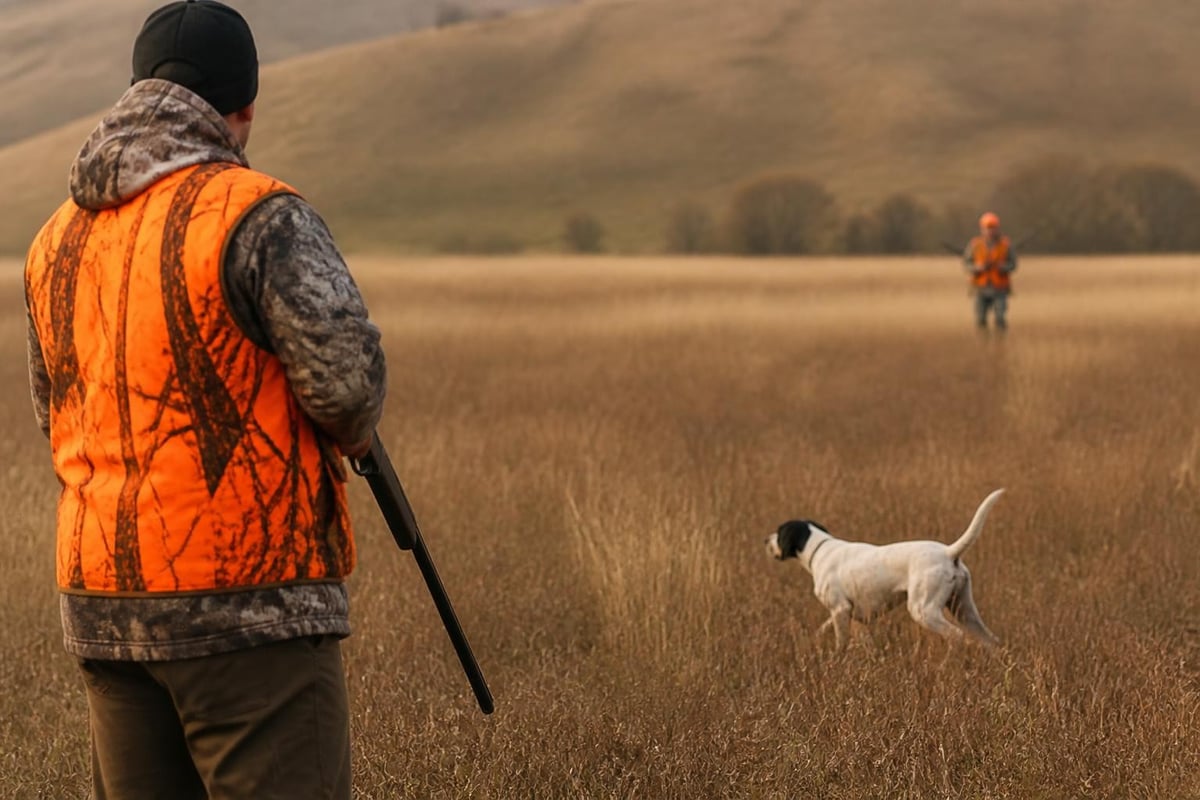
Observing your dog’s behavior provides critical intelligence about bird location and movement. When a dog's tail speeds up, body posture stiffens, or attention focuses intensely on specific cover, birds are likely nearby. Experienced hunters learn to anticipate these signals and position themselves for optimal shooting opportunities.
Important dog handling principles include:
- Allow your dog to hunt with the wind whenever possible
- Give your dog time to work scent thoroughly
- Move into shooting position before flushing commands
- Mark downed birds carefully to assist retrieval
- Keep commands clear and consistent
Younger dogs or those new to hunting benefit from patience and positive reinforcement. Rushing a developing dog can create bad habits, while allowing proper development builds confidence and hunting effectiveness over time.
Field Safety and Ethical Hunting Practices
Safety remains the paramount concern during any hunting activity. Essential safety tips and best practices protect you, your companions, your dogs, and other outdoor enthusiasts who may share the landscape.
Maintaining Safe Shooting Zones
Always identify your target and what lies beyond it before shouldering your shotgun. Upland hunting often occurs in rolling terrain where other hunters or property boundaries may be obscured. Establish a defined shooting zone and stick to it religiously.
When hunting with partners, maintain a straight line formation or assign specific shooting lanes to prevent crossing fire zones. Never shoot at low-flying birds when hunting with others, as pellets can travel considerable distances. If a bird flushes in an unsafe direction, let it go-there will always be another opportunity.
Dog Safety Considerations
Your canine partner faces unique hazards in the field. Carry a basic first-aid kit designed for dogs, including items to address cut pads, puncture wounds, and eye injuries from thorns or grass seeds. Check your dog regularly for signs of exhaustion, especially during warm weather, and provide frequent water breaks.
Many hunters outfit their dogs with blaze orange vests for visibility and protection from other hunters who may be in the area. GPS tracking collars provide peace of mind when dogs range far from sight in thick cover.
Advanced Hunting Strategies and Techniques
As you gain experience, these upland hunting tips will help you refine your approach and increase success rates significantly. Understanding bird behavior and adapting tactics to specific conditions separates occasional success from consistent results.
Strategic Approach and Cover Navigation
How you work through cover directly impacts flush rates and shooting opportunities. Move through likely holding areas at a moderate, steady pace that allows your dog to work scent thoroughly while keeping birds nervous but not panicked.
Effective cover-working strategies:
- Hunt into the wind when possible to give dogs scenting advantage
- Walk field edges before crossing open areas
- Work thick cover during midday when birds seek shade
- Return to previously hunted areas later in the day
- Focus on transition zones between habitat types
Pay attention to weather conditions and how they affect bird behavior. On windy days, birds often hold tighter in protective cover. After rainfall, birds move to drier elevated areas. Cold mornings find birds seeking sunny exposures, while hot afternoons push them into shade.
Shot Placement and Follow-Through
Successful shooting in upland hunting requires different techniques than stationary target shooting. Birds flush explosively and change direction rapidly, demanding instinctive gun mounting and smooth swings.
Practice mounting your shotgun to your shoulder smoothly without conscious thought. Focus on the bird's head rather than the entire body, and maintain your swing through the shot. Most missed opportunities result from stopping the gun's movement at the moment of trigger pull.
Specialized Gear and Equipment
Beyond the basics, choosing the best upland hunting gear for specific conditions and game can provide significant advantages. Consider these specialized items as you develop your upland hunting kit.
Game Bags and Bird Carriers
A quality game vest or strap system keeps harvested birds fresh and distributes weight comfortably during long walks. Mesh-backed vests allow blood to drain away from your body while ventilating in warm conditions. Some hunters prefer simple game straps for minimal-gear approaches.
Navigation and Communication Tools
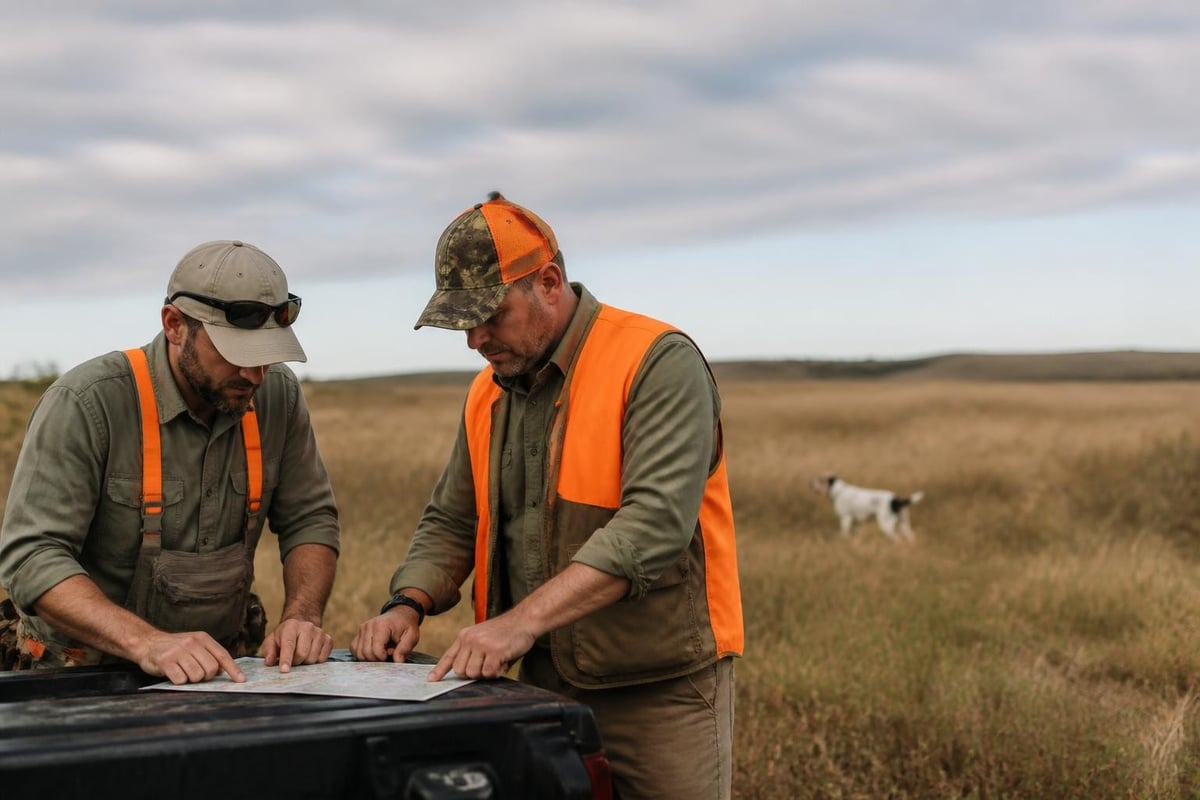
GPS units help mark parking locations, productive cover, and property boundaries in unfamiliar territory. Many modern units track your path, helping you avoid re-walking the same ground. Communication radios keep hunting parties coordinated when working large properties.
| Equipment Type | Purpose | Priority Level |
|---|---|---|
| GPS Unit | Navigation, marking hotspots | High |
| Two-Way Radios | Party coordination | Medium |
| Range Finder | Distance estimation | Low |
| Trail Camera | Scouting game patterns | Medium |
| Boot Gaiters | Protection from moisture, burrs | High |
Planning Your Hunt
RCS Outdoors, Heartland Lodge, and Benelli have joined forces to launch The Upland Escape Giveaway-a premium hunt giveaway celebrating the tradition of American upland hunting that includes an all-inclusive hunt package at one of the country's most celebrated wingshooting destinations. This type of guided experience provides excellent opportunities to refine techniques under expert guidance while experiencing world-class bird hunting.
Pre-Season Scouting and Permission
Invest time before the season identifying productive hunting areas and securing access permissions. Many landowners welcome respectful hunters who ask properly and offer to help with property maintenance or pest control. Public lands provide accessible options, though comprehensive guides to upland hunting can help identify less-pressured areas.
Drive county roads during summer months observing habitat quality and bird populations. Contact landowners well before the season, introducing yourself professionally and discussing their preferences regarding hunting access. Some properties benefit from written permission forms that clarify expectations and liability.
Adapting to Different Game Species
Each upland game bird presents unique challenges requiring adjusted tactics. These upland hunting tips address species-specific approaches that improve success across diverse hunting situations.
Pheasant Hunting Strategies
Pheasants prefer running to flying when pressured, often racing ahead of dogs and flushing at field edges. Block the far ends of cover strips before working through them with dogs. Hunt late-season birds during midday when they seek food in harvested grain fields.
Rooster pheasants are vocal, especially when flushed, making sound recognition helpful. Their large size requires confident shooting with adequate shot size. Pattern your shotgun at realistic ranges since pheasants often flush farther than smaller game birds.
Quail and Grouse Techniques
Bobwhite quail typically hold in coveys, exploding simultaneously when flushed and creating challenging shooting. Mark the direction of scattered singles after the initial flush, as these dispersed birds provide additional shooting opportunities. Quail prefer brushy areas with good ground visibility beneath the cover.
Ruffed grouse inhabit young forest areas and often flush quickly with obstacles between hunter and bird. Success requires quick gun mounting and shooting through narrow openings. Their tendency to put trees between themselves and danger demands patience and positioning.
Physical Preparation and Conditioning
Upland hunting demands significant physical exertion, often requiring miles of walking through challenging terrain while carrying gear and game. Proper conditioning enhances enjoyment and reduces injury risk.
Conditioning priorities include:
- Cardiovascular endurance for extended walking
- Leg strength for navigating hills and rough ground
- Core stability for shooting from awkward positions
- Ankle strength to prevent sprains on uneven terrain
- Shoulder conditioning for carrying shotguns
Begin a walking program several weeks before the season, gradually increasing distance and incorporating hills similar to hunting terrain. Practice mounting and shouldering your shotgun regularly to build muscle memory and endurance.
Weather Considerations and Timing
Understanding how weather influences bird behavior and hunting conditions helps you choose optimal hunting times and adjust tactics accordingly. These upland hunting tips address weather-related factors that impact success rates.
Temperature and Bird Activity
Extreme temperatures affect bird movement patterns significantly. During hot weather, birds become inactive during midday heat, seeking shade in thick cover or moving to water sources. Early morning and late evening provide the best action as birds feed actively during cooler periods.
Cold weather concentrates birds in protective cover that blocks wind and retains heat. South-facing slopes receive more sunlight and often hold more birds during cold snaps. Snow cover pushes birds into areas where food remains accessible, typically field edges and standing crops.
Wind and Precipitation Effects
Moderate wind actually benefits upland hunters by making birds hold tighter and reducing their ability to detect approaching hunters. However, strong winds make scenting difficult for dogs and can push birds into sheltered areas. Adjust your hunting locations based on wind direction and intensity.
Light rain rarely stops dedicated hunters, and wet conditions can improve scenting for dogs. However, heavy precipitation makes birds reluctant to fly and seek protective cover. Wait several hours after significant rainfall before hunting, allowing birds to resume normal activity patterns.
Mastering upland hunting requires dedication, practice, and continuous learning, but the rewards extend far beyond the harvest. By applying these upland hunting tips and refining your approach through experience, you'll develop skills that enhance every field outing while building deeper connections to the outdoors and hunting traditions. Whether you're preparing for your first upland adventure or looking to improve established techniques, having the right equipment makes all the difference. RCS Outdoors provides the firearms, ammunition, and accessories you need to pursue upland game confidently and effectively-visit today to explore our selection and prepare for your most successful season yet.


