

How to Store Ammo in Heat: Expert Storage Guide
Proper ammunition storage becomes critical during summer months when temperatures soar and storage spaces turn into ovens. Understanding how to store ammo in heat protects your investment, maintains reliability, and ensures safety. Heat exposure accelerates powder degradation, weakens primers, and compromises cartridge integrity. Whether you're storing bulk purchases or maintaining a tactical reserve, temperature management separates ammunition that performs flawlessly from rounds that fail when you need them most.
Understanding Heat's Impact on Ammunition
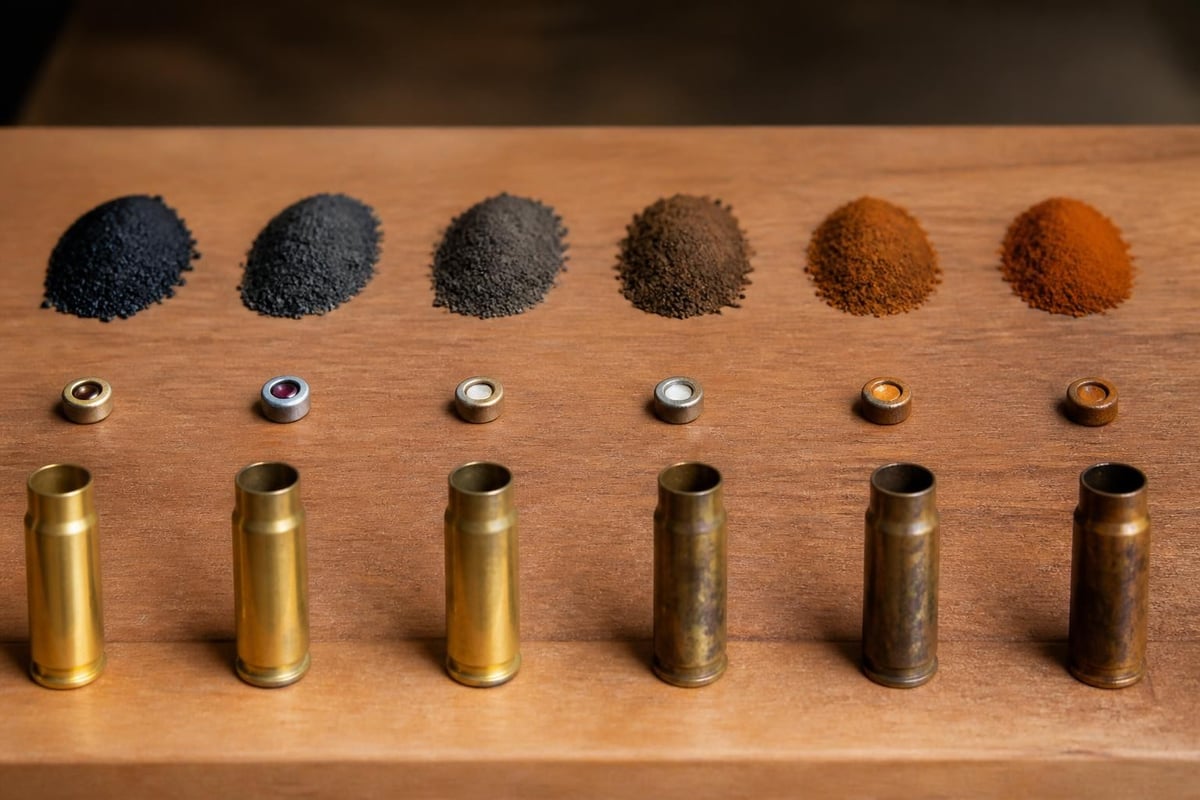
Heat affects every component of a cartridge. Primers become more sensitive to ignition, powders break down chemically, and brass cases can oxidize faster. The propellant inside each round undergoes gradual chemical changes when exposed to sustained high temperatures, altering burn rates and pressure curves.
Modern smokeless powder formulations remain stable within specific temperature ranges. Manufacturers design ammunition to function reliably between 55°F and 85°F, though most can tolerate brief exposure to higher temperatures. Extended exposure above 150°F, however, initiates irreversible chemical breakdown that reduces shelf life dramatically.
Critical Temperature Thresholds
Different storage locations experience vastly different temperature extremes. Attics regularly exceed 140°F during summer months, while vehicles parked in direct sunlight can reach 170°F inside the cabin. These conditions accelerate ammunition degradation exponentially compared to climate-controlled environments.
| Storage Location | Summer Temperature Range | Risk Level |
|---|---|---|
| Climate-controlled room | 65-75°F | Low |
| Basement | 55-80°F | Low-Moderate |
| Garage (insulated) | 75-110°F | Moderate-High |
| Attic | 100-150°F | Very High |
| Vehicle interior | 120-170°F | Extreme |
The effects of temperature on ammunition performance become noticeable after prolonged exposure to temperatures outside the recommended range. Consistency matters more than brief temperature spikes. Ammunition that cycles between hot and cold experiences condensation issues that lead to corrosion.
Selecting Optimal Storage Locations
The foundation of learning how to store ammo in heat starts with location selection. Interior spaces within the living envelope of your home maintain the most stable temperatures. Closets, pantries, and dedicated storage rooms inside climate-controlled areas provide ideal conditions year-round.
Basements offer naturally cooler environments, though humidity control becomes the primary concern in these spaces. The earth's thermal mass moderates temperature swings, keeping basements between 55°F and 70°F even during extreme summer heat. This makes them excellent ammunition storage locations when paired with proper dehumidification.
Spaces to Avoid
Garages present a common but problematic storage choice. Most garages lack insulation and climate control, experiencing temperature swings that mirror outdoor conditions. Metal garage doors absorb solar radiation, creating heat pockets that can exceed 120°F adjacent to door mechanisms and wall surfaces.
Attics rank as the worst possible location for ammunition storage. Heat rises naturally, and attic spaces become superheated during summer months. Even with proper ventilation, attic temperatures remain 30-50°F higher than outdoor ambient temperatures. The cumulative heat exposure in attics causes accelerated ammunition degradation.
Vehicle storage should be limited to ammunition in active use. Never leave bulk ammunition in vehicles for extended periods. The enclosed cabin environment creates an oven effect that subjects ammunition to extreme temperature cycling and UV exposure through windows.
For those with limited options, consider proper firearm storage conditions which also apply to ammunition-stable environments around 70°F prevent both firearm and ammunition degradation.
Choosing the Right Storage Containers
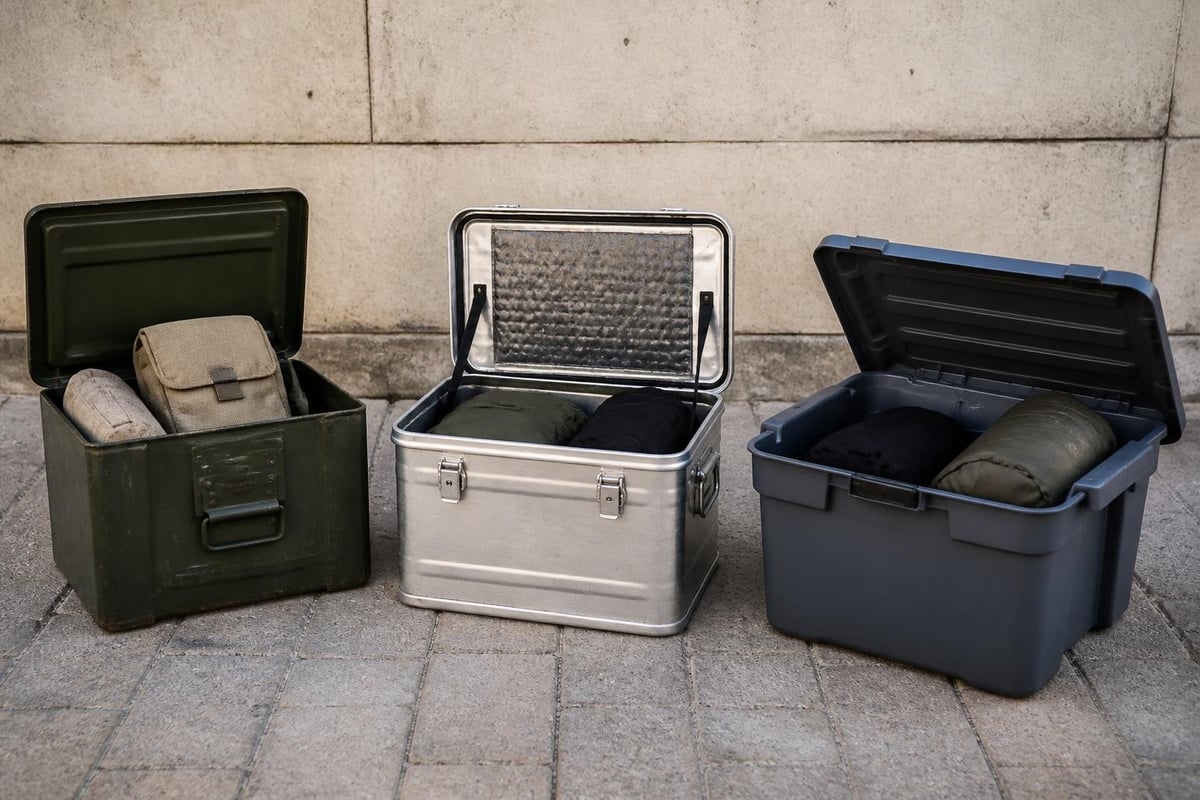
Container selection plays a crucial role in how to store ammo in heat effectively. The right container provides thermal insulation, moisture barriers, and physical protection. Military surplus ammunition cans remain the gold standard, offering metal construction with rubber gaskets that create airtight seals.
Metal Ammunition Cans
50-caliber and 30-caliber ammo cans provide excellent heat resistance and durability. The steel construction doesn't absorb heat as quickly as thin plastic containers, and the air gap inside provides modest thermal buffering. These cans stack efficiently and survive decades of use.
Remove ammunition from cardboard boxes before long-term storage in sealed containers. Cardboard absorbs moisture and can trap humidity against cartridges. Transfer rounds to the original plastic trays or use dividers that allow air circulation between individual cartridges.
Plastic Container Considerations
Modern plastic storage containers made from high-density polyethylene offer lighter weight and corrosion resistance. Quality models feature O-ring seals and pressure release valves. However, plastic provides less thermal mass than metal, meaning contents heat and cool faster with ambient temperature changes.
Desiccant packets become essential in any sealed container. Silica gel packets absorb residual moisture, maintaining low humidity levels that prevent corrosion. Replace desiccants annually or when color-changing indicators show saturation.
| Container Type | Heat Resistance | Moisture Seal | Durability | Cost |
|---|---|---|---|---|
| Military surplus metal can | Excellent | Excellent | Outstanding | Moderate |
| Commercial plastic case | Good | Very Good | Good | Low-Moderate |
| Plano-style boxes | Fair | Good | Good | Low |
| Generic plastic bins | Poor | Fair | Fair | Very Low |
Store containers off concrete floors using pallets or shelving. Concrete conducts heat and cold, and direct contact creates condensation potential when temperatures fluctuate. Elevated storage also protects against flooding and ground moisture.
Implementing Temperature Control Strategies
Active temperature management extends ammunition life significantly. When learning how to store ammo in heat, consider both passive and active cooling strategies. Passive methods rely on thermal mass and insulation, while active approaches use mechanical systems.
Passive Cooling Techniques
Thermal mass helps stabilize temperature. Storing ammunition in the center of a room away from exterior walls reduces exposure to heat conducted through building materials. Interior closets insulated by surrounding rooms experience minimal temperature variation.
Insulated storage cabinets provide an additional thermal barrier. A cabinet with 1-2 inches of foam insulation moderates temperature swings by several hours, preventing rapid heat buildup during afternoon peak temperatures. This lag time often makes the difference between acceptable and damaging heat exposure.
White or reflective containers deflect solar radiation better than dark colors. If storing ammunition in spaces with window exposure, use light-colored containers and position them away from direct sunlight paths.
Active Climate Control
Dedicated climate control offers the ultimate protection for valuable ammunition stockpiles. A small air conditioning unit maintains consistent temperatures in storage rooms or closets. The recommended storage temperatures between 55°F and 75°F preserve ammunition indefinitely when paired with humidity control.
Dehumidifiers prevent moisture-related corrosion that accelerates in warm conditions. Target humidity levels below 50% for optimal preservation. Combination temperature and humidity monitoring devices provide real-time data on storage conditions. Place monitors inside sealed containers periodically to verify internal conditions match external readings.
For premium ammunition investments, consider the same care given to other valuable items. Those planning shooting adventures like The Upland Escape Giveaway understand equipment reliability matters-proper ammunition storage ensures every round performs exactly as designed when opportunities arise.

Monitoring and Maintenance Protocols
Regular inspection catches degradation early. Establish a quarterly inspection schedule for stored ammunition, examining rounds for signs of heat damage or corrosion. Visual indicators include discolored primers, green corrosion on brass, or sticky residue around primer pockets.
Visual Inspection Checklist
- Brass condition: Look for verdigris (green corrosion), tarnishing, or pitting
- Primer appearance: Check for discoloration, crystallization, or loose primers
- Bullet seating: Ensure bullets haven't shifted or loosened in cases
- Container integrity: Verify seals remain intact and desiccants show active status
- Environmental readings: Record temperature and humidity levels
Rotate stock using first-in-first-out principles. Mark containers with purchase dates and rotate older ammunition to the front of storage areas. This ensures you shoot the oldest rounds first while they remain within optimal shelf life.
Temperature Logging
Digital temperature loggers track maximum and minimum temperatures over time. These inexpensive devices reveal patterns invisible during spot checks. A logger might show your storage area spikes to 95°F every afternoon despite acceptable temperatures during morning inspections.
Battery-powered monitors eliminate wiring requirements and can be placed anywhere. Models with smartphone connectivity send alerts when temperatures exceed preset thresholds, allowing immediate intervention before damage occurs.
The guidance on Winchester Industrial 8 Gauge Ammunition storage emphasizes ideal conditions of 70-75°F-principles that apply universally across all ammunition types and calibers.
Humidity Control in Hot Environments
Heat and humidity create a corrosive combination. Warm air holds more moisture than cool air, and temperature fluctuations cause condensation. Understanding how to store ammo in heat requires equal attention to moisture management.
The Condensation Problem
When hot ammunition enters a cool environment, surface condensation forms on brass and steel components. This moisture initiates corrosion that progresses rapidly in warm conditions. Sealed containers prevent external humidity intrusion but trap any moisture present during sealing.
Allow ammunition to equalize to room temperature before opening sealed containers moved from different temperature zones. This 24-hour waiting period prevents condensation from forming on cold cartridges exposed to warm, humid air.
Desiccant Selection and Management
- Silica gel: Most common, color-changing varieties indicate saturation
- Activated charcoal: Absorbs moisture and odors simultaneously
- Molecular sieves: Most effective but more expensive, regenerable in oven
- Calcium chloride: High capacity but can leak when saturated
Calculate desiccant needs based on container volume. A standard 50-caliber ammo can (approximately 0.4 cubic feet) requires 20-40 grams of silica gel for long-term storage. Double this amount in high-humidity climates or during summer months.
Reactivate silica gel desiccants by heating at 250°F for 2-3 hours. This drives off absorbed moisture, restoring effectiveness. Store recharged desiccants in sealed bags until deployment to prevent premature saturation.
Special Considerations for Different Ammunition Types
Different cartridges respond uniquely to heat exposure. Understanding these variations helps prioritize storage for your most temperature-sensitive ammunition.
Rimfire Ammunition
Rimfire cartridges (.22 LR, .22 WMR, .17 HMR) show particular sensitivity to heat. The priming compound distributed throughout the rim case can migrate or degrade faster than centerfire primers. Store rimfire ammunition in the coolest available locations within your storage strategy.
High-velocity rimfire loads generate more heat during firing and contain faster-burning powders more susceptible to degradation. Reserve air-conditioned storage for match-grade rimfire ammunition where precision matters most.
Surplus Military Ammunition
Mil-spec ammunition often comes sealed in airtight containers with long-term storage in mind. Once opened, however, these protections vanish. Corrosive primers in older surplus ammunition require extra vigilance. Even minor moisture exposure creates destructive corrosion cycles accelerated by warmth.
Inspect surplus ammunition more frequently than commercial loads. Look for primer degradation and case neck splitting-common issues in aged military cartridges exposed to temperature stress.
Premium Hunting and Match Ammunition
Quality hunting and competition ammunition represents significant investments. These loads feature temperature-stable powders and premium components worth protecting. The principles of maintaining cool, dry conditions for ammunition in gun safes apply equally to dedicated ammunition storage.
Store match ammunition at the most stable temperatures possible. Consistency matters tremendously in precision shooting, and temperature variations affect powder burn rates enough to alter point of impact at long distances.
Long-Term Storage Strategies
Planning ammunition storage for years or decades requires additional precautions. Long-term storage magnifies minor storage deficiencies into significant problems. When learning how to store ammo in heat for extended periods, think in terms of decades rather than seasons.
Vacuum Sealing Considerations
Vacuum-sealed bags provide an additional moisture barrier for long-term storage. Remove air that could contain humidity, creating a micro-environment around ammunition. However, vacuum sealing alone doesn't eliminate temperature concerns-sealed ammunition still experiences chemical changes from heat exposure.
Layer protection systems: vacuum-sealed ammunition inside desiccant-equipped ammo cans inside climate-controlled rooms provides redundant safety. Each layer compensates for potential failures in other protection methods.
Documentation and Inventory
Maintain detailed records of storage conditions and ammunition lots. Document:
- Purchase date and lot numbers
- Storage location and conditions
- Inspection dates and findings
- Temperature/humidity readings
- Round counts and rotation schedule
Digital spreadsheets or dedicated ammunition tracking apps simplify inventory management. Photograph documentation helps identify degradation patterns and supports warranty claims if manufacturer defects appear.
Underground Storage Options
Purpose-built underground storage (not simple burial) maintains remarkably stable temperatures. The earth below frost depth stays 50-55°F year-round in most climates. Professional underground storage vaults protect ammunition from temperature extremes while providing security benefits.
These systems require significant investment but deliver unmatched temperature stability. Ensure proper waterproofing and access prevention-underground storage trades temperature stability for increased moisture management complexity.
The comprehensive ammunition storage guide principles of keeping ammunition cool (below 85°F), dry (below 50% humidity), and dark apply whether storing 100 rounds or 10,000.
Emergency Heat Exposure Response
Despite best efforts, ammunition sometimes experiences unexpected heat exposure. Vehicle breakdowns, storage facility failures, or forgotten ammunition in hot spaces require immediate assessment and remediation.
Immediate Actions
Cool overheated ammunition gradually. Rapid cooling creates condensation and thermal stress on components. Move ammunition to shaded areas first, then to progressively cooler environments over several hours. Never refrigerate or ice overheated ammunition-this guarantees condensation and corrosion.
Inspect heat-exposed ammunition thoroughly before use. Look for:
- Discolored primers or powder residue visible through case mouths
- Deformed bullets that shifted from heat-softened neck tension
- Case bulging indicating pressure from expanded contents
- Unusual odors suggesting powder decomposition
Salvage or Dispose Decisions
Ammunition exposed to temperatures above 150°F for extended periods should be disposed of safely. The chemical changes in powder and primers create reliability concerns and potential safety hazards. Most heat-damaged ammunition shows no external signs-internal degradation remains invisible until firing.
Conservative approaches prevent catastrophic failures. When in doubt about heat-exposed ammunition, consult manufacturers. Many companies test samples from suspected damaged lots and provide guidance based on exposure severity.
Professional disposal through law enforcement or hazardous waste facilities ensures safety. Never dispose of ammunition in regular trash or attempt to disassemble questionable rounds. The primers remain active regardless of powder condition.
Creating a Year-Round Storage Plan
Effective ammunition storage requires seasonal adjustments. Summer demands active cooling strategies, while winter brings different challenges. Develop a storage plan that addresses your climate's specific patterns and your storage location's characteristics.
Seasonal Rotation
Move ammunition to cooler locations during summer months. That interior closet perfect for winter storage might become uncomfortably warm in July. Interior basement corners stay coolest during summer, while upper interior rooms maintain better temperatures in winter.
Plan ahead for temperature extremes. Install additional insulation or cooling capacity before hot weather arrives. Reactive responses to heat waves often come too late to prevent damage.
Building Improvements
Targeted improvements enhance storage environments significantly:
- Attic insulation reduces heat transfer to rooms below
- Reflective roof coatings lower attic temperatures 20-30°F
- Ventilation fans exhaust hot air from storage spaces
- Window films block solar heat gain in storage rooms
- Weather stripping seals gaps that allow hot air infiltration
Small investments in building performance pay dividends across all stored items, not just ammunition. Better temperature control reduces HVAC costs while protecting ammunition investments.
Backup Plans
Identify alternative storage locations before emergencies. Air conditioning failures during heat waves leave ammunition vulnerable. Knowing you can move critical supplies to a friend's climate-controlled space or temporary storage unit prevents panic decisions.
For serious collectors and competitive shooters, RCS Outdoors offers reliable ammunition sources. Maintaining proper storage conditions ensures every round purchased performs exactly as intended, whether for practice, competition, or critical applications.
Protecting ammunition from heat damage requires consistent attention to storage location, container selection, and environmental monitoring. The strategies outlined here-from choosing climate-controlled interior spaces to implementing layered moisture protection-preserve ammunition performance and extend shelf life indefinitely. Whether you're maintaining a small personal supply or managing extensive reserves, temperature and humidity control separate ammunition that performs flawlessly from rounds that fail when needed. RCS Outdoors provides quality ammunition worth protecting through proper storage practices, and our team can help you select the right products for your shooting needs while ensuring your investment remains protected for years to come.


