

Range Bag Essentials: Complete Checklist for 2026
Every successful range day begins long before you arrive at the shooting facility. Having the right equipment organized and ready transforms a potentially frustrating experience into productive practice time. Whether you're a competitive shooter, recreational enthusiast, or someone maintaining proficiency for personal protection, understanding what belongs in your range bag ensures you're prepared for any situation. This guide covers the critical items that separate novice shooters from experienced marksmen who never waste a minute at the range.
Safety Equipment: Non-Negotiable Range Bag Essentials
Safety equipment forms the foundation of any well-stocked range bag. These items protect you from immediate harm and prevent long-term damage that accumulates over years of shooting.
Eye Protection
Quality eye protection ranks among the most critical range bag essentials you'll carry. Modern shooting glasses should meet ANSI Z87.1+ standards and provide wrap-around coverage to protect against ejected brass, powder residue, and environmental debris. Consider packing multiple pairs with different lens tints for varying light conditions. Clear lenses work well indoors or during overcast days, while amber or vermillion lenses enhance contrast outdoors.
Many experienced shooters carry prescription shooting glasses as their primary option, with a backup pair in their range bag. This redundancy proves invaluable when a lens gets scratched or a frame breaks unexpectedly.
Hearing Protection Options
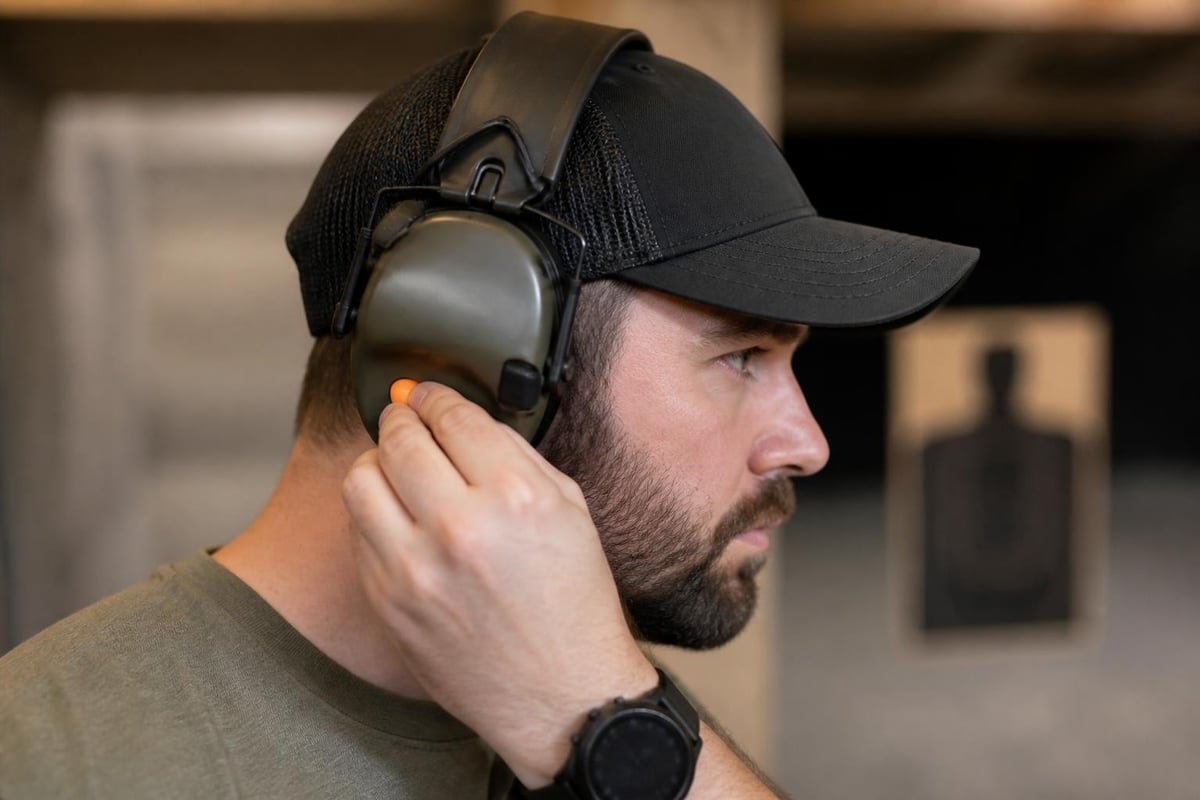
Hearing damage occurs instantly and irreversibly when exposed to gunfire without proper protection. Quality hearing protection should provide at least 22 NRR (Noise Reduction Rating) for indoor ranges and 26+ NRR for outdoor facilities.
Your range bag should contain:
- Electronic earmuffs for communication and amplified ambient sound
- Foam earplugs as backup or for double-protection scenarios
- Extra batteries for electronic hearing protection
- Cleaning wipes to maintain ear cup hygiene
Firearms Maintenance and Cleaning Supplies
Proper maintenance extends firearm lifespan and ensures reliable function. These range bag essentials address immediate cleaning needs and emergency repairs.
Basic Cleaning Kit Components
A field cleaning kit differs from your comprehensive bench setup at home. Pack items that address fouling, lubrication, and basic function checks without occupying excessive space.
| Item | Purpose | Quantity |
|---|---|---|
| Bore snake | Quick barrel cleaning | 1 per caliber |
| CLP (Clean, Lubricate, Protect) | Multi-purpose maintenance | 4 oz bottle |
| Microfiber cloths | Wiping and polishing | 3-4 pieces |
| Carbon scraper | Bolt face and chamber cleaning | 1 tool |
| Nylon brush set | Detail cleaning | 1 set |
Emergency Repair Tools
Malfunctions happen, especially when testing new firearms or ammunition. A basic tool selection helps you address common issues without ending your range session early.
Include a quality multi-tool with pliers, screwdrivers, and Allen key bits. Many firearms require specific tools for disassembly or sight adjustment, so research your particular models and pack accordingly. Punch sets help clear stuck cases, while needle-nose pliers retrieve broken parts from tight spaces.
Ammunition Management and Storage
Proper ammunition organization prevents confusion and enhances safety. These range bag essentials keep your rounds organized and readily accessible.
Ammunition Containers
Factory boxes work temporarily, but dedicated ammunition storage offers superior organization. Plastic ammo boxes with snap-lock lids protect cartridges from moisture and prevent dangerous loose rounds from rolling around your bag. Label each container clearly with caliber, grain weight, and manufacturer to avoid loading errors.
For pistol shooters practicing mag changes, consider magazine holders that keep loaded mags organized and protected. Rifle shooters benefit from cartridge holders that facilitate quick reloading during timed drills.
Ammunition Tracking
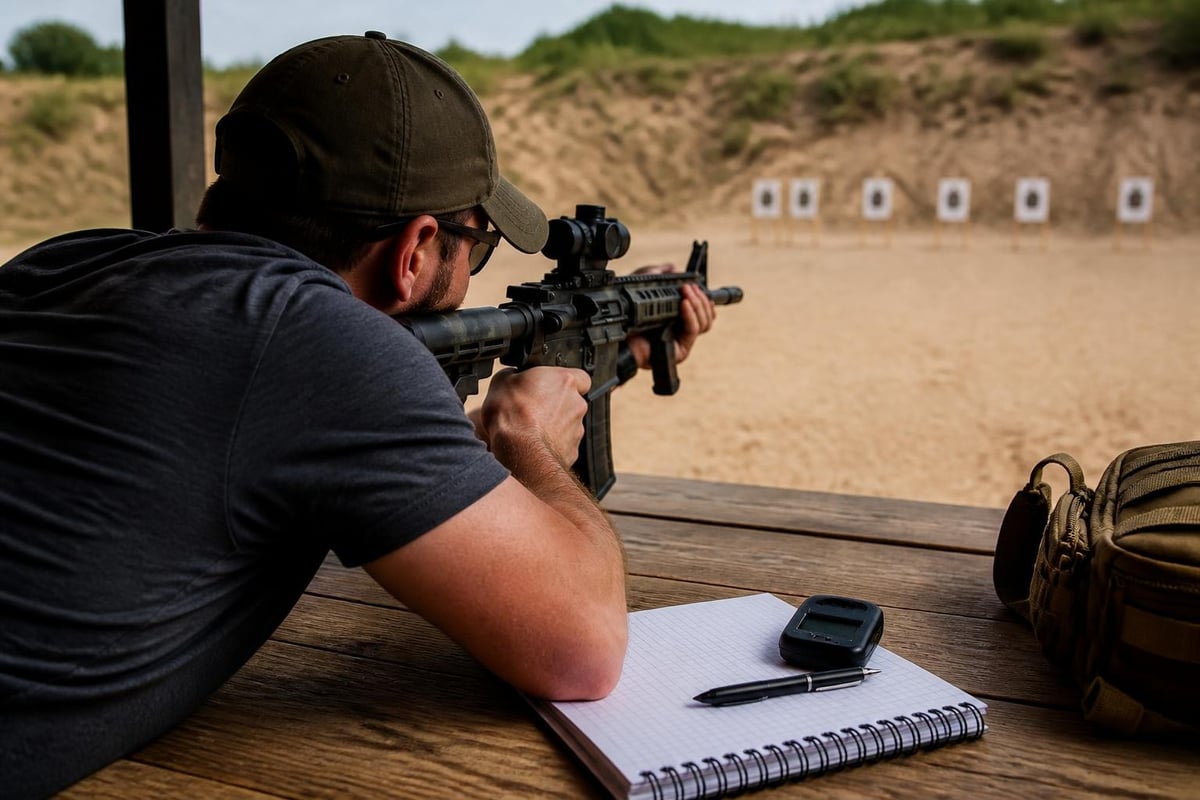
Serious shooters track round counts for maintenance schedules and performance analysis. Pack a waterproof notebook and pen to record:
- Round counts per firearm
- Ammunition type and lot numbers
- Accuracy observations
- Malfunction occurrences
- Environmental conditions
This data proves invaluable when diagnosing reliability issues or determining optimal ammunition choices for specific firearms available at RCS Outdoors.
Documentation and Administrative Items
Range bag essentials extend beyond equipment to include critical paperwork and administrative tools.
Required Documentation
Never visit a range without proper documentation. Most facilities require government-issued identification and proof of firearm ownership or transfer paperwork for recently purchased guns. Concealed carry permits should accompany you, even at ranges, as they demonstrate training and legal compliance.
Keep these documents in a waterproof pouch:
- Driver's license or state ID
- Concealed carry permit (if applicable)
- Firearms purchase receipts or 4473 copies
- Range membership cards
- Insurance information
Training Materials and References
Progressive shooters continuously improve their skills. Pack laminated target drills, ballistic reference cards, or sight adjustment charts specific to your firearms. These quick-reference materials help you maximize training efficiency without relying on smartphone batteries or signal strength.
First Aid and Emergency Preparedness
Medical emergencies at shooting ranges demand immediate response. While range staff typically maintain comprehensive medical supplies, personal first aid equipment provides critical seconds during emergencies.
Range-Specific First Aid Kit
A specialized first aid kit addresses injuries common to shooting sports. Unlike standard kits, yours should emphasize trauma care and burns.
Critical components include:
- Tourniquet (CAT or SOFT-T models)
- Trauma dressings (Israeli bandages or equivalent)
- Hemostatic gauze (QuikClot or Celox)
- Medical tape and gauze pads
- Burn gel packets
- Nitrile gloves (multiple pairs)
- Emergency whistle
Understanding proper first aid preparation significantly improves outcomes during critical incidents. Consider formal trauma response training through organizations offering Stop the Bleed or tactical medicine courses.
Personal Medical Information
If you have medical conditions, allergies, or take prescription medications, keep this information accessible. A simple card listing conditions, medications, and emergency contacts helps first responders provide appropriate care.
Targets and Scoring Tools
Quality targets and measurement tools transform casual shooting into purposeful practice sessions.
Target Selection
Different training objectives require different targets. Your range bag should contain variety to address multiple skill areas:
- Paper bullseye targets for precision work
- Silhouette targets for defensive training
- Steel reactive targets (if range permits)
- Diagnostic targets for identifying grip or trigger issues
- Scoring overlays for competitive practice
Measurement and Spotting Equipment
Understanding your performance requires accurate assessment. Pack a quality spotting scope or binoculars for evaluating downrange results without walking to targets between strings. Include a small ruler or caliper for measuring group sizes, and bring a stapler with extra staples for target placement.
Comfort and Convenience Items
Extended range sessions demand attention to personal comfort. These often-overlooked range bag essentials enhance your experience and maintain focus on skill development.
Weather Protection
Outdoor ranges expose shooters to environmental challenges. Pack appropriate gear for your climate:
| Season | Essential Items |
|---|---|
| Summer | Sunscreen, insect repellent, cooling towel, extra water |
| Winter | Hand warmers, gloves with trigger finger, thermal layers |
| Rainy | Waterproof jacket, microfiber towels, equipment bags |
| Windy | Wind flags, ballistic data for compensation, secured targets |
Hydration and Nutrition
Dehydration impairs performance and decision-making. Carry sufficient water for your planned session plus reserve capacity. Many shooters pack electrolyte supplements for hot weather training. Protein bars or trail mix maintain energy levels during extended practice without causing blood sugar crashes that affect fine motor control.
Magazine and Speed Loader Organization
Efficient magazine management separates competitive shooters from recreational plinkers. These range bag essentials keep ammunition feeding devices organized and functional.
Magazine Storage Solutions
Dedicated magazine pouches protect feed lips from damage and keep mags separated by capacity or ammunition type. Clear labeling prevents confusion when practicing transitions or reloads. Consider color-coded base plates or tape to instantly identify different magazine types.
For pistol shooters, magazine carriers that attach to your range bag provide quick access during drills. Rifle magazines benefit from elastic retention pouches that prevent rattling while protecting against impact damage.
Loading Tools
Manual magazine loading fatigues thumbs and wastes training time. Quality speed loaders dramatically increase efficiency, especially for high-volume practice sessions. Selecting appropriate loading tools depends on your specific firearms and magazine types.
Shooting Aids and Stability Equipment
Accuracy improvement requires eliminating variables. These range bag essentials provide stable shooting platforms and diagnostic feedback.
Rest and Support Systems
Sandbags, shooting bags, or portable benches create consistent shooting positions for accuracy testing. When evaluating new ammunition or firearms, eliminate human error by shooting from supported positions. Adjustable shooting sticks work well for practicing field positions relevant to hunting scenarios.
If you're preparing for events like The Upland Escape Giveaway through practicing with your hunting firearms, field-position training becomes even more valuable. These competitions often require quick shots from improvised positions, making stability aids essential training tools.

Chronograph and Ballistic Tools
Serious handloaders and precision shooters benefit from portable chronographs that measure muzzle velocity. This data validates handload performance and helps predict downrange ballistics. Modern optical chronographs eliminate setup complexity while providing accuracy comparable to traditional models.
Range Bag Selection and Organization
The container matters as much as its contents. Choosing the right range bag balances capacity, durability, and organization.
Material and Construction
Quality range bags use heavy-duty nylon or polyester with reinforced stitching. Look for water-resistant coatings and sturdy zippers that withstand repeated use. Padded shoulder straps and grab handles distribute weight comfortably during transport.
Compartmentalization Strategy
Effective organization prevents damage and speeds access. Separate compartments should isolate:
- Loaded magazines from loose ammunition
- Cleaning solvents from optical equipment
- Tools and sharp objects from soft goods
- Electronic devices from liquids
- Paperwork from potentially dirty items
External MOLLE webbing or attachment points expand capacity through modular pouches. This flexibility adapts your range bag to different shooting disciplines without purchasing multiple bags.
Personal Protective Equipment Beyond Eyes and Ears
Comprehensive protection extends to often-neglected areas that affect comfort and safety during extended range sessions.
Hand Protection
While many shooters prefer bare hands for maximum tactile feedback, certain situations benefit from hand protection. Shooting gloves prevent slide bite, reduce recoil fatigue, and protect against hot brass or sharp metal edges. Pack lightweight gloves suitable for maintaining trigger sensitivity.
Respiratory Protection
Indoor ranges sometimes accumulate lead particles and combustion byproducts despite ventilation systems. Disposable N95 masks provide basic respiratory protection during high-volume shooting sessions. Serious competitors and frequent range users should consider reusable respirators with replaceable filters.
Technology and Electronic Devices
Modern shooters leverage technology for training enhancement and performance tracking. These range bag essentials bridge traditional marksmanship with digital capabilities.
Timer and Recording Equipment
Shot timers measure splits between shots and total drill completion times. This objective data reveals performance trends invisible to subjective assessment. Many electronic timers also log par times and review statistics from previous sessions.
Action cameras document your shooting form for later analysis. Reviewing stance, grip, and recoil management from third-person perspectives identifies technique flaws difficult to self-diagnose.
Battery Management
Electronic equipment demands power management. Pack spare batteries for:
- Hearing protection
- Optics (red dots, holographic sights)
- Flashlights or weapon lights
- Shot timers
- Recording devices
Label batteries by type and check charge status before each range trip. Dead batteries waste valuable training time and create frustration.
Miscellaneous Tools and Supplies
Experienced shooters accumulate various items through trial and experience. These range bag essentials address specific needs that arise during typical range sessions.
Brass Collection and Management
Reloaders value spent casings for handloading components. A brass catcher prevents ejected cases from landing in mud or getting mixed with other calibers. Alternatively, bring a designated container for collecting cases after shooting. Comprehensive range preparation includes consideration for all materials that leave your firearms.
General Purpose Items
Small items prove disproportionately valuable:
- Zip ties for securing equipment or temporary repairs
- Duct tape for emergency fixes
- Permanent markers for labeling
- Trash bags for spent targets and brass collection
- Paper towels for cleanup
- Hand sanitizer for hygiene after handling ammunition
- Small flashlight for chamber inspection or dim conditions
- Extra prescription glasses if you wear corrective lenses
Seasonal Considerations for Range Bag Contents
Your range bag essentials should adapt to seasonal changes affecting comfort and performance.
Summer Additions
Hot weather presents unique challenges. Beyond standard hydration, consider cooling towels that activate with water. Extra sunscreen prevents burns during prolonged outdoor sessions. Bug spray becomes essential at rural ranges during peak mosquito seasons.
Winter Modifications
Cold weather demands additional preparation. Hand and toe warmers maintain dexterity in freezing conditions. Thermal base layers regulate body temperature without restricting movement. Extra ammunition may be necessary since cold-weather clothing slows reload speeds, reducing rounds fired per hour.
Creating Your Personalized Checklist
While this guide covers comprehensive range bag essentials, individual needs vary based on shooting discipline, firearm types, and training objectives.
Develop your checklist by:
- Listing all firearms you plan to shoot
- Identifying caliber-specific tools and ammunition
- Adding discipline-specific equipment (competition gear, hunting accessories)
- Including personal medical or dietary requirements
- Reviewing after each range session to identify gaps
Maintain a digital checklist on your phone for pre-range verification. Physically checking items against this list prevents forgetting critical equipment discovered after arriving at the range.
Maintenance and Inspection Routine
Range bag contents require periodic maintenance to ensure functionality when needed. Establish quarterly inspection schedules addressing:
- First aid supplies for expiration dates
- Batteries for charge levels and corrosion
- Cleaning supplies for adequate quantities
- Tools for function and sharpness
- Documentation for currency and accuracy
Replace expired items immediately rather than assuming you'll remember later. Maintaining organized, functional equipment prevents emergencies caused by overlooked maintenance.
Weight Management and Mobility
Comprehensive preparation balances thoroughness against practical portability. An overloaded range bag becomes burdensome, discouraging range visits that maintain proficiency.
Prioritization Strategy
| Priority Level | Items | Weight Budget |
|---|---|---|
| Critical | Safety equipment, ammunition, documentation | 40% |
| Important | Maintenance supplies, first aid, basic tools | 35% |
| Beneficial | Comfort items, training aids, electronics | 20% |
| Optional | Nice-to-have extras | 5% |
Ruthlessly evaluate whether each item justifies its weight and space. Duplicate items at home and in your range bag where practical, avoiding the need to transfer equipment before each trip.
Building a comprehensive collection of range bag essentials transforms shooting from casual recreation into purposeful skill development. By systematically addressing safety, maintenance, documentation, emergency preparedness, and comfort, you create an optimized training environment that maximizes every range visit. Whether you're practicing with a new firearm or maintaining proficiency with trusted equipment, proper preparation separates productive sessions from frustrating experiences. RCS Outdoors provides the firearms, ammunition, and accessories that belong in your range bag, supporting your journey from novice to expert marksman with quality products and exceptional service.


