
Deer Health Improvement: A Hunter’s Complete Guide
For hunters and land managers alike, maintaining robust deer populations requires more than just setting aside land. Understanding the science behind deer health improvement has become increasingly important as wildlife face evolving environmental challenges, disease pressures, and habitat fragmentation. Whether you're managing private hunting land or simply want to support healthier deer populations in your area, implementing evidence-based strategies can make a measurable difference in herd vitality, antler development, and overall population sustainability.
Understanding the Foundations of Deer Health Improvement
Deer health improvement begins with recognizing that white-tailed deer require specific nutritional, environmental, and social conditions to thrive. Recent research from the University of Missouri has identified infections like pneumonia as major causes of death in Midwestern white-tailed deer populations, highlighting the importance of proactive health management.
The foundation of any successful deer health improvement program rests on three critical pillars:
- Adequate nutrition year-round, not just during hunting season
- Quality habitat that provides cover, browse, and water sources
- Disease monitoring and prevention through observation and testing
Seasonal Nutritional Demands
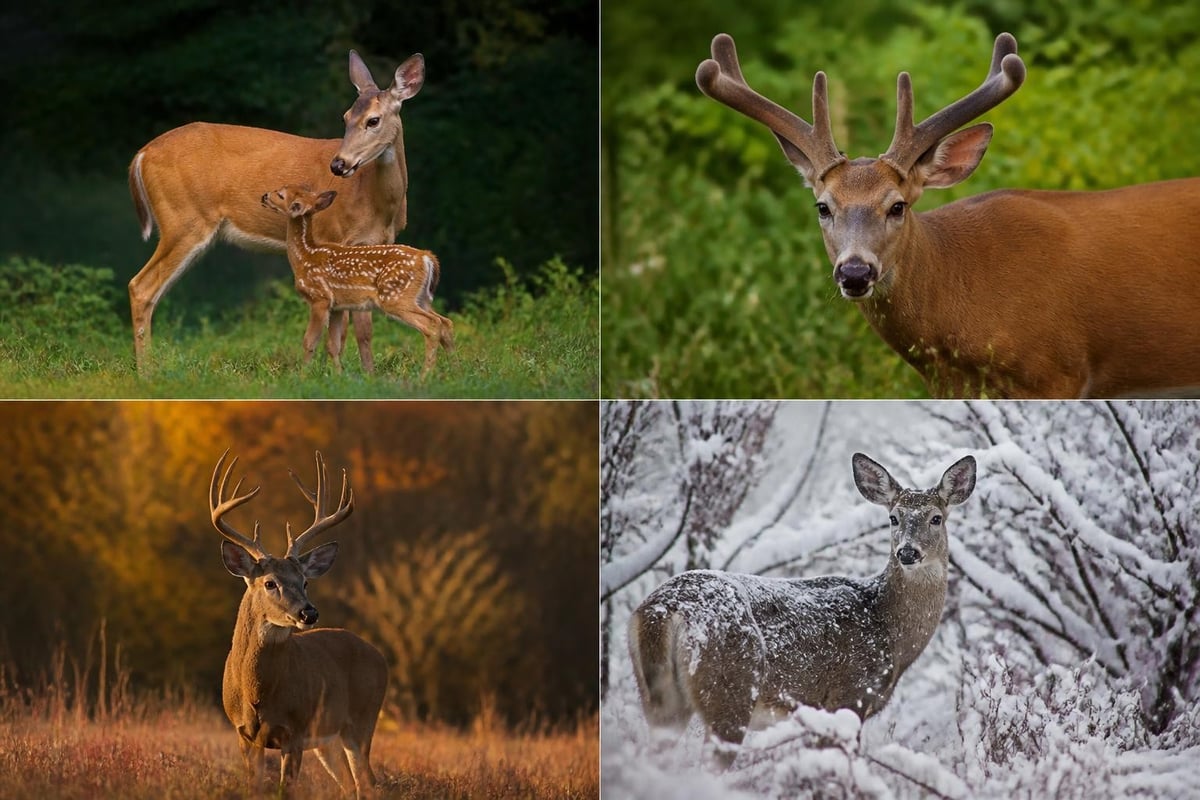
Deer nutritional needs fluctuate dramatically throughout the year. During spring, does require protein-rich forage for lactation and fawn development. Summer brings peak antler growth for bucks, demanding high levels of calcium, phosphorus, and protein. Fall preparation for the rut and winter survival requires energy-dense foods that build fat reserves.
Understanding these cycles allows land managers to supplement natural forage effectively. Native browse provides the baseline, but strategic supplementation can address nutritional gaps that limit herd health and antler quality.
Implementing Habitat Management for Deer Health Improvement
Effective habitat management serves as the cornerstone of long-term deer health improvement. According to Cornell University’s comprehensive habitat guide, strategic forest management and food availability enhancement dramatically impact deer well-being.
Forest Edge Management
Creating diverse forest edges provides optimal browse opportunities while maintaining cover. Deer prefer transitional zones between open areas and dense forest, where they can feed while remaining close to escape cover.
Practical edge management techniques include:
- Selective timber harvest to create openings that promote browse regeneration
- Hinge cutting to fell mature trees partially, creating horizontal cover and browse
- Controlled burning to set back succession and promote new growth
- Native warm-season grass plantings for bedding and fawning cover
| Habitat Type | Primary Benefit | Best Season | Maintenance Required |
|---|---|---|---|
| Forest edges | Browse diversity | Year-round | Annual trimming |
| Food plots | Concentrated nutrition | Fall/Winter | Seasonal planting |
| Bedding areas | Security cover | Year-round | Minimal |
| Water sources | Hydration | Summer | Seasonal cleaning |
These habitat improvements create the environmental conditions necessary for sustained deer health improvement across all age classes.
Nutritional Supplementation Strategies
While quality habitat provides the foundation, targeted nutritional supplementation can address specific deficiencies that limit deer health. The strategic use of mineral supplements has gained considerable attention among serious land managers focused on deer health improvement.
Mineral Supplementation Programs
Minerals play crucial roles in skeletal development, antler growth, and reproductive success. Mineral supplements for deer development should focus on calcium, phosphorus, and trace minerals often deficient in natural browse.
Key considerations for mineral supplementation include:
- Site selection: Place mineral stations near established travel corridors and bedding areas
- Year-round availability: Deer utilize minerals throughout the year, not just during antler growth
- Quality formulations: Choose research-backed products with bioavailable mineral forms
- Multiple locations: Distribute mineral sites to reduce competition and disease transmission
Bold research from wildlife nutritionists demonstrates that consistent mineral access correlates with improved fawn survival rates, enhanced antler mass, and better doe body condition entering winter months.
Protein and Energy Supplements
Beyond minerals, protein and energy supplementation supports critical biological processes. Does benefit from protein supplementation during late gestation and lactation. Bucks require elevated protein during antler development. Both sexes need energy-dense nutrition before winter.
For hunters looking to elevate their outdoor experience while supporting conservation efforts, programs like The Upland Escape Giveaway from RCS Outdoors, Heartland Lodge, and Benelli celebrate the tradition of American hunting while promoting ethical wildlife management practices.
Disease Prevention and Herd Health Monitoring
Proactive disease prevention represents a critical yet often overlooked aspect of deer health improvement. As deer populations concentrate around food sources and mineral sites, disease transmission risk increases without proper management.
Common Deer Health Challenges
Several diseases and parasites can compromise deer health improvement efforts:
- Epizootic Hemorrhagic Disease (EHD): Transmitted by biting midges, particularly during late summer
- Chronic Wasting Disease (CWD): A fatal neurological disease spreading across North America
- Internal parasites: Including lungworms and gastrointestinal parasites
- Bacterial infections: Such as pneumonia identified in Missouri research
Early detection through observation forms the first line of defense. Hunters and land managers should monitor for signs including lethargy, excessive salivation, loss of fear of humans, and emaciation.
Best Practices for Disease Prevention
Implementing biosecurity measures reduces disease transmission while supporting deer health improvement goals:
- Rotate supplemental feeding locations annually to prevent pathogen buildup
- Maintain appropriate deer density for your habitat's carrying capacity
- Remove dead deer promptly and report to wildlife authorities
- Avoid overcrowding at mineral and feed stations by providing multiple sites
| Disease Risk Factor | Prevention Strategy | Implementation Cost | Effectiveness |
|---|---|---|---|
| High deer density | Harvest management | Minimal | High |
| Concentrated feeding | Multiple stations | Moderate | High |
| Poor nutrition | Year-round supplementation | Moderate | Very high |
| Contaminated water | Clean water sources | Low | Moderate |
The UK government’s guidance on farmed deer welfare offers valuable insights into health monitoring that translate well to wild populations, emphasizing regular observation and prompt intervention when health issues arise.
Water Quality and Availability
Access to clean water significantly impacts deer health improvement outcomes, particularly during summer months when hydration needs peak. Natural water sources often become contaminated or scarce during drought periods.
Creating Reliable Water Sources
Strategic water development provides several benefits:
- Reduces travel distances to water, conserving energy
- Distributes deer movement across the property
- Improves summer fawn survival when lactating does have high water demands
- Attracts deer to areas with better forage and cover
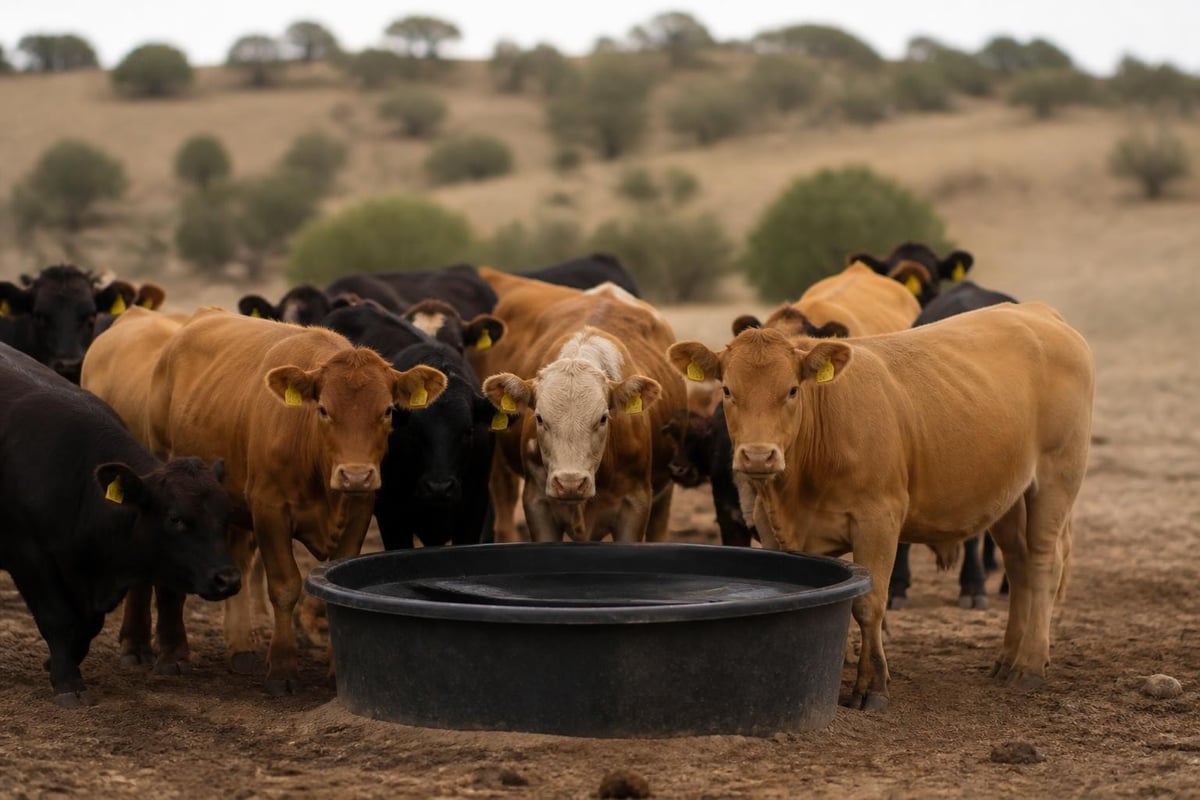
Small stock ponds, spring developments, and even strategically placed tanks can dramatically improve habitat quality. Ensure water sources remain clean through regular maintenance and consider adding beneficial bacteria products to reduce algae and mosquito breeding.
Food Plot Programs for Year-Round Nutrition
While not strictly necessary for deer survival, properly designed food plot programs significantly enhance deer health improvement by providing concentrated, high-quality nutrition during critical periods.
Warm-Season Food Plots
Summer food plots support antler development and lactation. Effective warm-season options include:
- Soybeans: High protein content supports antler growth and milk production
- Lablab: Heat-tolerant legume with excellent protein levels
- Cowpeas: Drought-resistant with high palatability
- Chicory: Deep-rooted perennial providing minerals and protein
These plantings bridge the gap between spring green-up and fall hard mast availability, a period when natural forage quality often declines.
Cool-Season Food Plots
Fall and winter food plots provide critical energy when natural browse nutritional value drops. Top performers include:
- Brassicas (turnips, radishes, kale) for late-season energy
- Cereal grains (wheat, oats, rye) for early and late season forage
- Clovers for protein throughout the growing season
- Austrian winter peas for cold-hardy protein
A diverse food plot program spanning multiple seasons creates consistent nutritional availability that drives measurable deer health improvement.
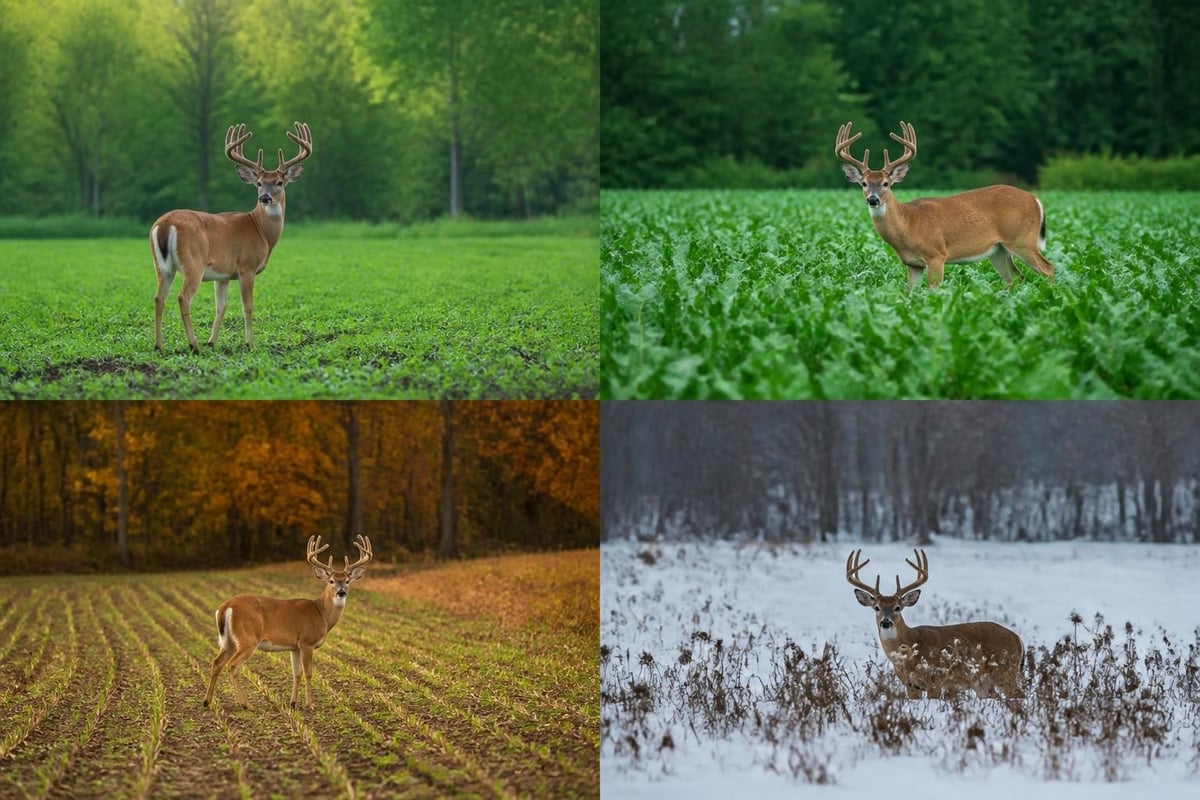
Antler Development as a Health Indicator
Antler quality serves as a visible indicator of overall herd health and the effectiveness of deer health improvement strategies. While genetics set the ceiling for antler potential, nutrition determines how close individual bucks come to their genetic capability.
Understanding Antler Growth Factors
Antler development requires substantial nutritional resources. A mature buck may deposit two pounds or more of bone on his head in just four months. This process demands:
- Calcium and phosphorus for bone matrix development
- Protein for tissue growth and mineralization
- Trace minerals including zinc, copper, and manganese
- Energy to support the metabolic demands of rapid growth
Properties implementing comprehensive deer health improvement programs typically see measurable antler improvement within 2-3 years as younger age classes mature under better nutritional conditions. According to Nutra Glo’s nutritional research, bio-available vitamins and minerals significantly impact antler development alongside overall health.
Population Management and Harvest Strategy
Effective deer health improvement requires maintaining deer populations in balance with habitat carrying capacity. Overpopulated properties inevitably experience declining health metrics regardless of supplementation efforts.
Determining Carrying Capacity
Carrying capacity varies based on habitat quality, rainfall, soil fertility, and management intensity. Signs of overpopulation include:
- Declining average body weights across age classes
- Reduced antler mass in mature bucks
- Heavy browse lines on preferred woody vegetation
- Poor fawn recruitment and survival
- Increased disease incidence
Strategic harvest focusing on doe removal maintains populations at levels where available nutrition supports optimal health. For hunters preparing for deer season, RCS Outdoors offers a comprehensive selection of rifles and ammunition suited for ethical, effective harvest management.
Age Structure Management
Beyond total population, age structure influences herd health. Properties with balanced age distributions typically exhibit better overall health metrics than those with skewed demographics.
| Age Class | Management Goal | Health Indicator | Harvest Recommendation |
|---|---|---|---|
| Fawns (0.5 yr) | High survival rate | 70-90 lbs fall weight | Minimal harvest |
| Yearlings (1.5 yr) | Good body condition | 110-140 lbs | Selective doe harvest |
| Prime age (2.5-5.5 yr) | Peak condition | Maximum antler/body size | Buck age-selective harvest |
| Mature (6.5+ yr) | Sustained presence | Maintained condition | Limited harvest |
Regional Considerations for Deer Health Improvement
Successful deer health improvement strategies account for regional variations in climate, soil fertility, native vegetation, and disease pressures. What works in the Midwest may require modification in the Southeast or Northeast.
Soil Fertility and Supplementation Needs
Regions with poor soil fertility require more intensive supplementation programs. The importance of minerals in deer development becomes even more pronounced on sandy, acidic, or mineral-depleted soils where natural forage lacks essential nutrients.
Areas with fertile soils and diverse native vegetation may achieve excellent results with minimal supplementation, focusing instead on habitat management that promotes natural forage diversity.
Climate Impact on Nutrition Programs
Northern regions with harsh winters require late-season food sources that remain available under snow cover. Southern properties may prioritize summer nutrition during drought periods when native forage quality declines.
Understanding your specific regional challenges allows you to tailor deer health improvement programs for maximum effectiveness and efficiency.
Monitoring Progress and Adjusting Strategies
Measuring the success of deer health improvement efforts requires systematic monitoring and willingness to adjust strategies based on results. Effective monitoring combines observation, harvest data, and trail camera surveys.
Key Health Metrics to Track
Regular monitoring should document:
- Average body weights by age and sex class
- Antler measurements for mature bucks
- Fawn recruitment rates observed in late summer
- Disease incidence and mortality events
- Habitat utilization patterns through camera surveys
Maintaining detailed records over multiple years reveals trends that indicate whether your deer health improvement program is achieving desired outcomes. Declining metrics suggest the need for program adjustments, while improving trends validate current strategies.
Trail Camera Data Collection
Strategic trail camera placement provides valuable insights into herd composition, health status, and habitat use without requiring direct observation. Cameras positioned at mineral sites, food plots, and travel corridors generate data on:
- Individual buck identification and year-to-year development
- Doe-to-buck ratios indicating population balance
- Fawn survival through late summer and fall
- Usage patterns of supplementation sites
This information guides harvest decisions, supplementation adjustments, and habitat improvements to optimize deer health improvement outcomes.
Balancing Natural Processes with Active Management
While active management drives deer health improvement, maintaining balance with natural processes ensures long-term sustainability. Over-manipulation can create dependency or unintended ecological consequences.
The Role of Natural Selection
Allowing natural selection to operate maintains genetic vigor within deer populations. This means:
- Avoiding overprotection that allows inferior genetics to proliferate
- Maintaining predator populations where appropriate
- Preserving natural browse availability rather than complete reliance on supplementation
- Accepting natural mortality as part of population dynamics
The most successful deer health improvement programs enhance rather than replace natural processes, working with ecological principles rather than against them.
Implementing a comprehensive deer health improvement program requires commitment, observation, and adaptive management, but the results-healthier deer, better hunting experiences, and more robust populations-justify the effort. Whether you're managing a few acres or extensive properties, the principles remain consistent: provide quality nutrition, maintain appropriate population levels, prevent disease, and monitor results. RCS Outdoors supports hunters and conservationists with quality firearms, ammunition, and partnerships that promote ethical hunting practices and wildlife management, helping you make the most of every season in the field.


