

Wildlife Management: Strategies for Responsible Hunting
Wildlife management represents a critical intersection of science, ethics, and outdoor recreation. For hunters and outdoor enthusiasts, understanding the principles behind population control, habitat preservation, and sustainable harvest practices enhances both the experience and the long-term viability of hunting traditions. Modern wildlife management relies on data-driven approaches that ensure healthy ecosystems while supporting recreational activities that connect people with nature.
The Foundation of Modern Wildlife Management
Wildlife management evolved dramatically over the past century, transitioning from unregulated exploitation to scientifically-informed conservation. This discipline encompasses the manipulation of wildlife populations and habitats to achieve specific human objectives while maintaining ecological balance. The field draws on biology, ecology, social sciences, and economics to develop strategies that benefit both wildlife and human communities.
Professional wildlife managers utilize multiple tools to assess population health and ecosystem dynamics. These include population surveys, habitat assessments, predator-prey relationship studies, and disease monitoring programs. The Wildlife Society offers a range of peer-reviewed journals that provide foundational knowledge for professionals working in this complex field.
Core Principles Driving Conservation Success
Several fundamental principles guide effective wildlife management practices across diverse ecosystems and species:
- Carrying capacity: Understanding environmental limits for population sustainability
- Adaptive management: Adjusting strategies based on monitoring results and outcomes
- Stakeholder engagement: Incorporating input from hunters, landowners, and conservation groups
- Habitat priority: Recognizing that quality habitat forms the foundation for healthy populations
- Science-based decision making: Relying on research and data rather than assumptions
The implementation of these principles varies by region, species, and management objectives. State wildlife agencies typically establish hunting seasons, bag limits, and licensing requirements based on annual population assessments and harvest data from previous years.
Population Dynamics and Sustainable Harvest
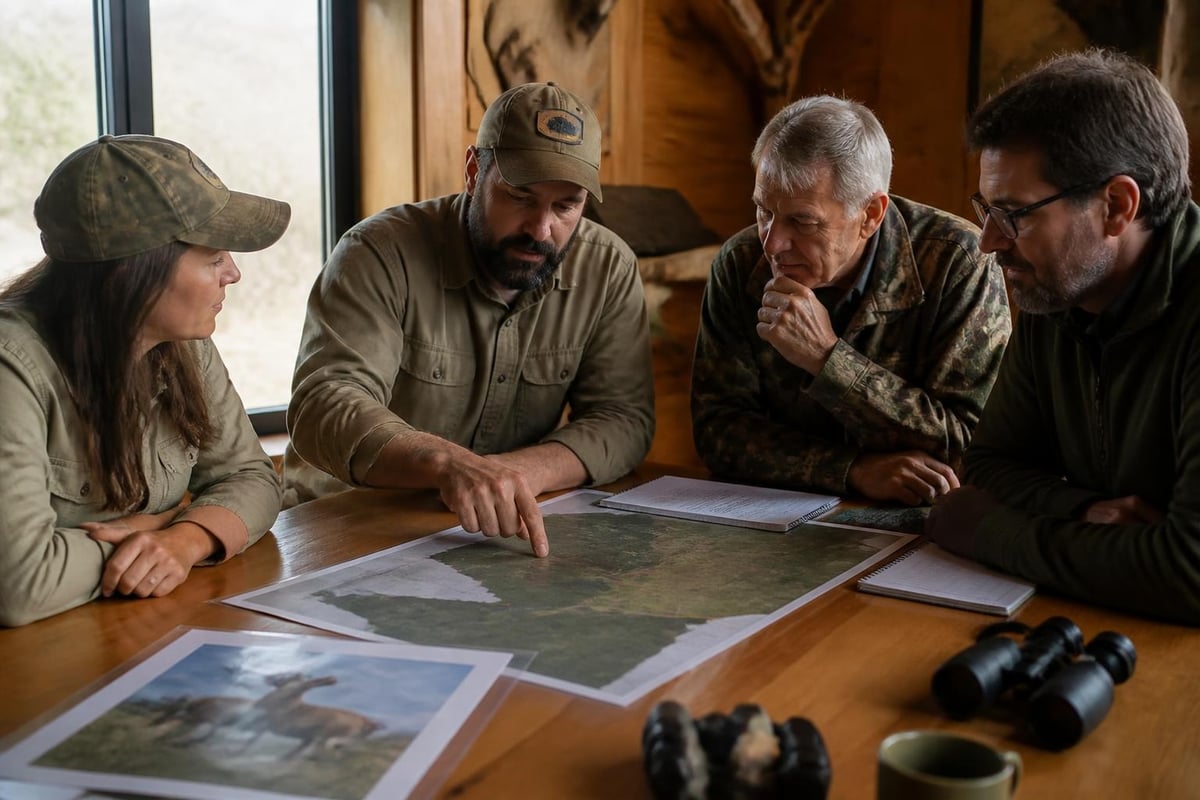
Understanding population dynamics forms the cornerstone of responsible wildlife management. Wildlife populations fluctuate naturally based on food availability, predation, disease, weather patterns, and reproductive success. Managers must account for these variables when setting harvest quotas that maintain healthy breeding populations while controlling overpopulation issues.
| Management Strategy | Primary Application | Key Benefits | Implementation Challenges |
|---|---|---|---|
| Quota Systems | Large game species | Precise population control | Requires accurate census data |
| Season Timing | Migratory birds | Aligns with breeding cycles | Climate change impacts |
| Sex-Selective Harvest | Deer, elk populations | Maintains breeding ratios | Hunter compliance monitoring |
| Habitat Manipulation | Upland game birds | Increases carrying capacity | Long-term commitment needed |
Sustainable harvest rates depend on numerous biological factors. Species with high reproductive rates, such as rabbits or quail, can sustain higher harvest percentages than slow-reproducing species like bears or moose. Wildlife managers calculate sustainable yield by analyzing age structure, sex ratios, recruitment rates, and mortality factors across populations.
The Role of Hunting in Population Management
Regulated hunting serves as a primary tool for wildlife management in many ecosystems. Without natural predators in many areas, game populations can exceed carrying capacity, leading to habitat degradation, increased disease transmission, and higher vehicle collision rates. Strategic hunting programs address these challenges while generating funding for conservation through license sales and excise taxes on equipment.
Modern hunters participate in wildlife management by providing valuable harvest data, observing population trends, and funding conservation programs. Many states require hunters to report their harvests, creating databases that inform future management decisions. This collaborative approach strengthens the connection between outdoor recreation and conservation outcomes.
The Journal of Wildlife Management publishes peer-reviewed research that helps inform these harvest strategies, ensuring they align with current scientific understanding of population ecology and species-specific biology.
Habitat Management and Ecosystem Health
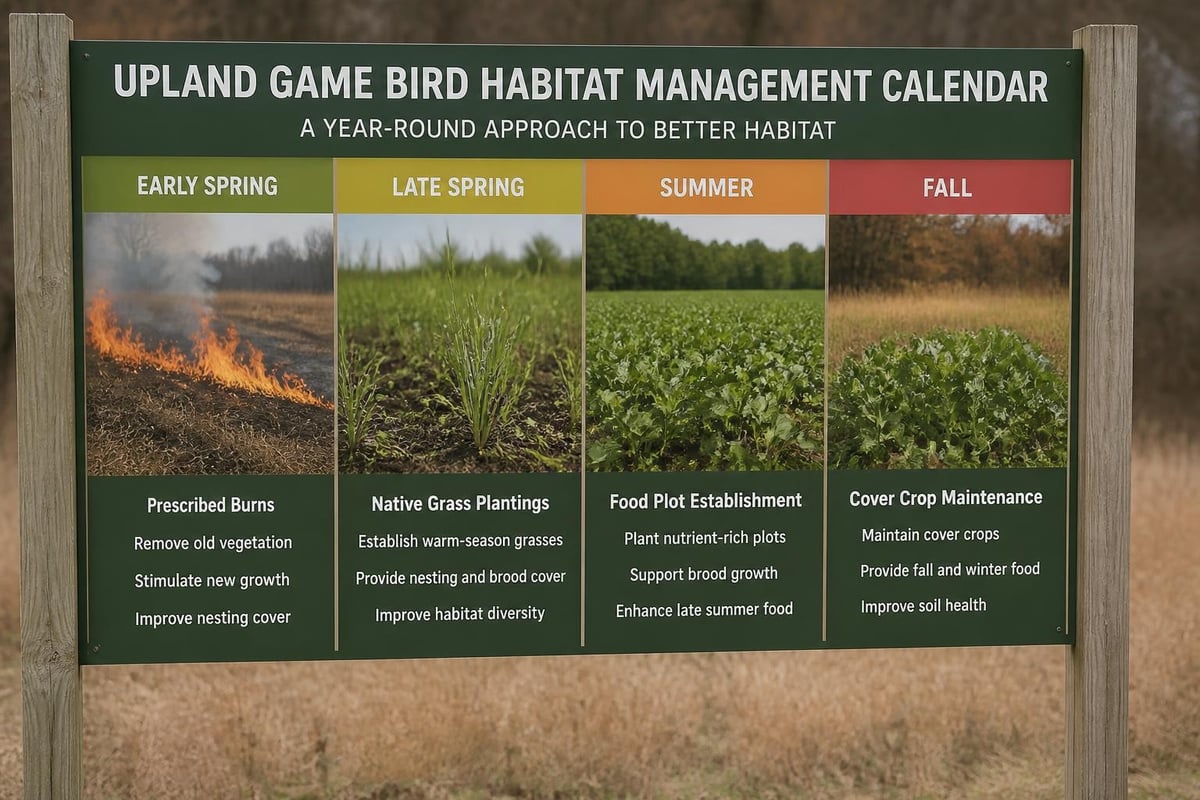
Habitat quality determines wildlife population potential more than any other factor. Wildlife management professionals dedicate significant resources to preserving, restoring, and enhancing habitats that support target species and broader ecosystem functions. These efforts range from controlled burns that rejuvenate grasslands to wetland restoration projects that benefit waterfowl and countless other species.
Different species require specific habitat components for survival and reproduction. Upland game birds need diverse vegetation structure with adequate cover for nesting, brood rearing, and escape from predators. Waterfowl depend on wetland complexes that provide feeding, resting, and breeding areas throughout their annual cycles.
Practical Habitat Enhancement Techniques
Landowners and hunting clubs can implement numerous habitat improvement strategies:
- Creating edge habitat by managing transition zones between cover types
- Establishing food plots with native forbs and grains that support wildlife year-round
- Managing invasive species that degrade habitat quality and reduce biodiversity
- Protecting critical areas such as nesting sites, water sources, and travel corridors
- Implementing rotational practices that prevent habitat stagnation and encourage diversity
These practices benefit not only game species but entire ecological communities. A habitat managed for quail, for example, supports songbirds, pollinators, small mammals, and reptiles that contribute to ecosystem resilience.
Technology and Data-Driven Management
Wildlife management has embraced technological innovation to improve monitoring accuracy and management effectiveness. GPS collars track animal movements and habitat use patterns, providing insights impossible to obtain through traditional observation methods. Trail cameras document population composition, behavioral patterns, and predator-prey interactions across vast landscapes.
Advanced analytics and machine learning now assist in processing massive datasets generated by these monitoring technologies. WildlifeDatasets, an open-source toolkit, facilitates animal re-identification and wildlife monitoring, helping researchers and managers extract meaningful patterns from complex data streams.
Remote sensing technologies, including satellite imagery and drone surveys, enable habitat assessment across large geographic scales. These tools help managers identify habitat degradation, track vegetation changes, and prioritize conservation investments. The integration of multiple data sources creates comprehensive pictures of ecosystem health and wildlife population trends.
Research Ethics and Best Practices
The National Agricultural Library offers resources on conducting wildlife research that prioritizes animal welfare. The incorporation of the 3Rs-replacement, reduction, and refinement-ensures that research activities minimize animal stress while maintaining scientific rigor.
Field research protocols must balance information needs with ethical treatment of wild animals. This includes using the least invasive monitoring methods available, minimizing capture and handling times, and ensuring proper release procedures that don't compromise animal welfare or survival prospects.
Regional Variations in Management Approaches
Wildlife management strategies vary significantly across regions due to differences in ecology, land ownership patterns, cultural traditions, and regulatory frameworks. Western states often manage wildlife on vast public lands with different challenges than Eastern states dominated by private property. Understanding these regional nuances helps hunters and conservationists appreciate the complexity of management decisions.
Western Region Characteristics:
- Large public land holdings managed by federal agencies
- Wide-ranging species requiring landscape-scale conservation
- Limited water resources influencing habitat quality
- Significant predator populations affecting prey dynamics
Eastern Region Characteristics:
- Predominantly private land ownership requiring landowner cooperation
- Fragmented habitats demanding connectivity conservation
- Higher human population densities creating wildlife conflicts
- Different predator assemblages and ecological interactions
These regional differences necessitate customized management approaches that address local ecological conditions and social contexts. What works for mule deer management in Montana may not apply to white-tailed deer populations in Pennsylvania.
Upland Game Bird Management
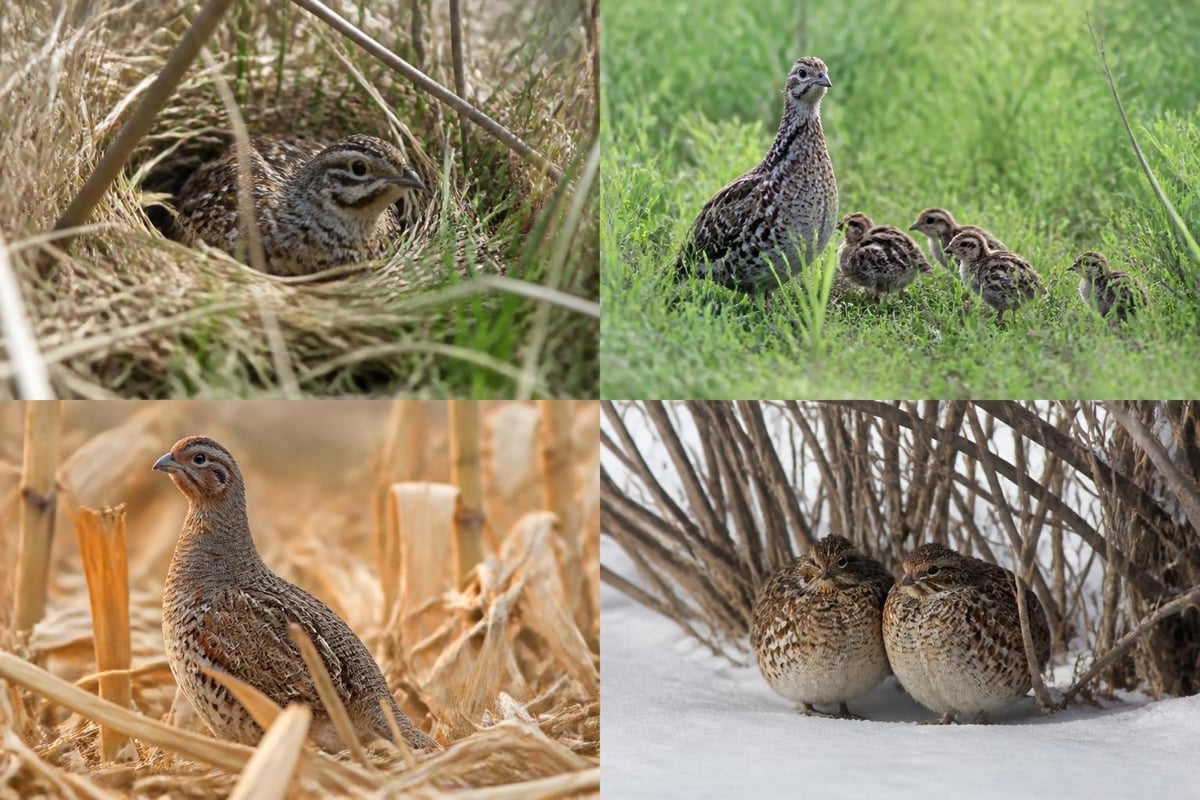
Upland bird species including pheasants, quail, grouse, and partridge require specialized management attention due to declining populations in many regions. These species face challenges from habitat loss, agricultural intensification, and changing land use patterns. Successful upland game management integrates habitat restoration with sustainable harvest practices.
Pheasant populations, for instance, depend on grassland habitats with adequate nesting cover and winter shelter. Conservation programs that incentivize farmers to maintain field borders, grass waterways, and conservation reserve areas benefit pheasant populations while supporting broader ecosystem services.
For hunters passionate about upland traditions, understanding these management challenges enhances appreciation for conservation efforts. Organizations dedicated to upland bird conservation work with private landowners, public agencies, and hunting groups to restore and maintain critical habitats. The Upland Escape Giveaway celebrates these traditions by offering hunters an opportunity to experience world-class upland hunting at Heartland Lodge while supporting ongoing conservation efforts.

Economic Impacts and Funding Mechanisms
Wildlife management programs require substantial funding to support research, habitat work, enforcement, and public education. The North American Model of Wildlife Conservation establishes that wildlife belongs to all citizens, with management funded primarily through user fees rather than general tax revenues. This system creates direct connections between outdoor recreation and conservation funding.
Hunting license sales generate millions of dollars annually for state wildlife agencies. The Federal Aid in Wildlife Restoration Act, commonly known as Pittman-Robertson, levies excise taxes on firearms, ammunition, and archery equipment, distributing these funds to states for wildlife management and hunter education programs. This self-imposed tax demonstrates the hunting community's commitment to conservation.
| Funding Source | Annual Contribution | Primary Uses |
|---|---|---|
| Hunting Licenses | $800+ million | Operations, research, enforcement |
| Pittman-Robertson | $1+ billion | Habitat restoration, public access |
| Duck Stamps | $40+ million | Wetland conservation |
| Private Conservation | Variable | Land acquisition, easements |
These funding mechanisms create incentives for states to maintain healthy wildlife populations that support recreational opportunities. Successful wildlife management generates economic returns through hunting tourism, rural community support, and ecosystem services that benefit society broadly.
Predator-Prey Relationships and Balance
Managing predator-prey dynamics represents one of wildlife management's most complex and controversial aspects. Predators play essential ecological roles by removing sick and weak individuals, preventing overpopulation, and influencing prey behavior in ways that benefit ecosystem health. However, predator populations sometimes conflict with game management objectives or livestock operations.
Wildlife managers must balance multiple objectives when addressing predator-prey relationships. In some situations, predator control may be necessary to protect vulnerable prey populations or reduce conflicts with human activities. In others, predator restoration enhances ecosystem function and creates hunting opportunities for species like bears or mountain lions.
Making Decisions Under Uncertainty
Bayesian decision theory applications in wildlife management provide frameworks for making informed decisions when complete information is unavailable. This approach acknowledges uncertainty while incorporating available data, expert opinion, and stakeholder values into management decisions.
Adaptive management frameworks allow managers to adjust strategies based on outcomes, treating management actions as experiments that generate knowledge. This iterative approach improves decision-making over time while acknowledging that perfect information is rarely available when managing complex ecological systems.
Hunter Ethics and Responsibility
Ethical hunting practices form an integral component of wildlife management. Hunters serve as ambassadors for conservation, demonstrating respect for wildlife, landowners, other hunters, and non-hunting public. Fair chase principles, proper identification, clean kills, and full utilization of harvested animals represent core ethical standards.
Modern hunters embrace their role as wildlife managers by:
- Following all regulations and respecting seasonal closures
- Accurately reporting harvests to inform management decisions
- Practicing marksmanship and selecting appropriate equipment from retailers like RCS Outdoors to ensure ethical shots
- Respecting private property and maintaining positive landowner relationships
- Mentoring new hunters and promoting conservation values
These ethical standards strengthen public support for hunting while ensuring that harvest activities contribute positively to wildlife management objectives. Hunter behavior influences public perception of hunting and affects long-term conservation policy.
Climate Change and Adaptive Strategies
Climate change introduces unprecedented challenges for wildlife management, altering habitat conditions, shifting species ranges, and disrupting ecological relationships. Managers must develop adaptive strategies that account for changing precipitation patterns, temperature regimes, and extreme weather events.
Species that evolved in specific climate conditions face uncertain futures as those conditions shift. Migratory birds may arrive at breeding grounds before food resources become available. Snowpack changes affect species adapted to specific winter conditions. Drought impacts wetland-dependent species and alters fire regimes that influence habitat structure.
Adaptive wildlife management in the context of climate change requires:
- Monitoring climate-related population trends across species and regions
- Protecting habitat corridors that allow species to shift ranges
- Maintaining genetic diversity to support evolutionary adaptation
- Managing for resilience rather than static conditions
- Collaborating across jurisdictions as species ranges shift
These challenges demand flexibility in management approaches and willingness to adjust long-held assumptions about species distributions and habitat requirements. Climate-informed management represents the future of wildlife conservation.
Community Engagement and Public Support
Successful wildlife management requires broad public support that extends beyond hunting communities. Urban residents who may never hunt still value wildlife for recreation, ecosystem services, and intrinsic worth. Engaging diverse stakeholders in management decisions builds coalitions that support conservation funding and policy.
Public education programs help citizens understand the science behind management decisions, the role of regulated hunting, and the challenges facing wildlife populations. When people appreciate the complexity of wildlife management, they're more likely to support conservation initiatives even when those programs don't directly benefit them.
Wildlife agencies increasingly use social media, public meetings, and citizen science programs to engage broader audiences. These efforts democratize conservation while building the political support necessary for long-term funding and effective policy. Transparency in decision-making processes strengthens public trust and legitimacy.
Wildlife management combines scientific rigor with practical application to sustain healthy ecosystems and recreational opportunities for future generations. Understanding these principles enhances every outdoor experience while supporting conservation efforts that benefit wildlife and human communities alike. Whether you're planning your next hunt or simply appreciating nature, RCS Outdoors provides the equipment and resources you need to participate responsibly in America's outdoor traditions while supporting wildlife conservation through ethical hunting practices.


