

Summer Trail Camera Placement: Expert Strategies Guide
Summer presents unique opportunities and challenges for hunters looking to pattern wildlife before the season opens. While many sportsmen pack away their trail cameras after spring, the warmest months offer invaluable intelligence about deer movements, bachelor group formations, and feeding patterns that directly impact fall hunting success. Understanding proper summer trail camera placement separates those who stumble into hunting season blindly from those who enter with confidence backed by months of wildlife surveillance data.
Understanding Summer Wildlife Behavior Patterns
Wildlife behavior shifts dramatically during summer months compared to fall and winter patterns. Whitetail deer, in particular, establish predictable routines centered around three primary needs: water, nutrition, and thermal refuge from heat stress.
Water Source Dependencies
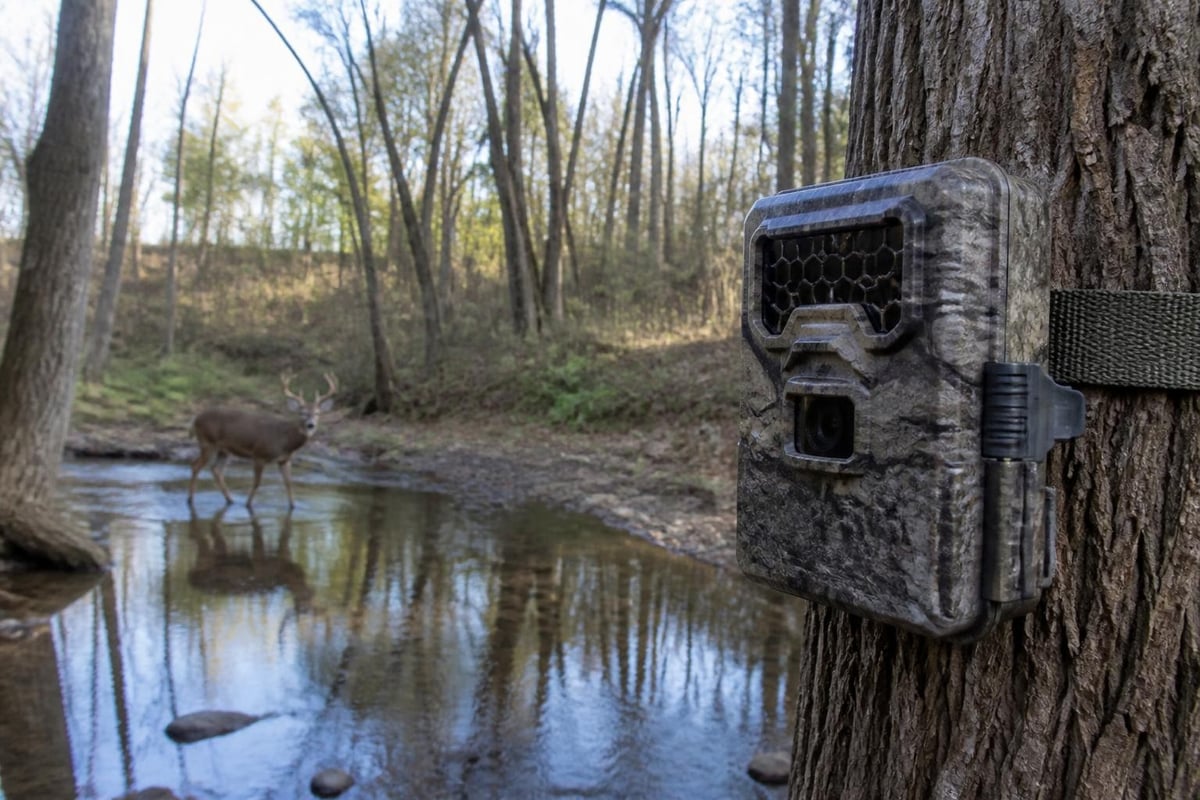
Summer heat intensifies water requirements for all wildlife species. Deer visit water sources multiple times daily during peak temperatures, making these locations prime candidates for camera deployment. Creek crossings, ponds, stock tanks, and natural springs become predictable travel hubs where you'll capture consistent imagery.
Key water source placement considerations:
- Position cameras 15-20 yards from the water's edge to capture approach routes
- Angle cameras to avoid direct reflections from water surfaces
- Target shaded water sources that attract midday activity
- Monitor multiple water sources to identify preferred locations
The predictability of water-dependent movement patterns makes summer trail camera placement near hydration sources one of the most reliable strategies. Positioning cameras in shaded areas near water sources prevents overheating while maximizing image quality during the hottest parts of the day.
Food Plot Surveillance
Agricultural fields, food plots, and natural browse areas undergo significant changes throughout summer. Early-season soybeans, clover plots, and corn fields draw consistent traffic as does feed on protein-rich vegetation. Smart summer trail camera placement along field edges reveals which entry points receive the heaviest use.
Monitor these locations systematically:
- Primary field entrances where trails funnel from bedding to feeding areas
- Inside corners of agricultural fields where multiple travel routes converge
- Isolated food sources like apple trees or persimmon groves
- Preferred bean field sections where deer repeatedly feed
Summer food plot monitoring strategies emphasize the importance of identifying which specific crops and vegetation types attract the most activity, allowing you to refine your fall stand placement before leaves drop.
Optimizing Camera Positioning for Summer Conditions
Environmental factors during summer require different camera placement techniques than other seasons. Heat, intense sunlight, and vegetation growth all impact camera performance and image quality.
Height and Angle Adjustments
Proper camera height directly affects detection range and image composition. During summer, when vegetation reaches peak growth, elevated positioning helps cameras see over tall grass and understory plants.
| Camera Height | Best Application | Typical Range |
|---|---|---|
| 3-4 feet | Open areas, fields | 30-40 feet |
| 4-5 feet | Trails, scrapes | 20-30 feet |
| 5-6 feet | Dense vegetation | 15-25 feet |
Angle the camera slightly downward to capture deer bodies rather than just legs when vegetation is thick. This downward tilt also reduces false triggers from swaying branches and improves image quality by keeping the horizon out of the frame. Effective camera aiming techniques include avoiding direct sunlight exposure that washes out images and creates detection zone blind spots.
Sun Position and Lens Protection
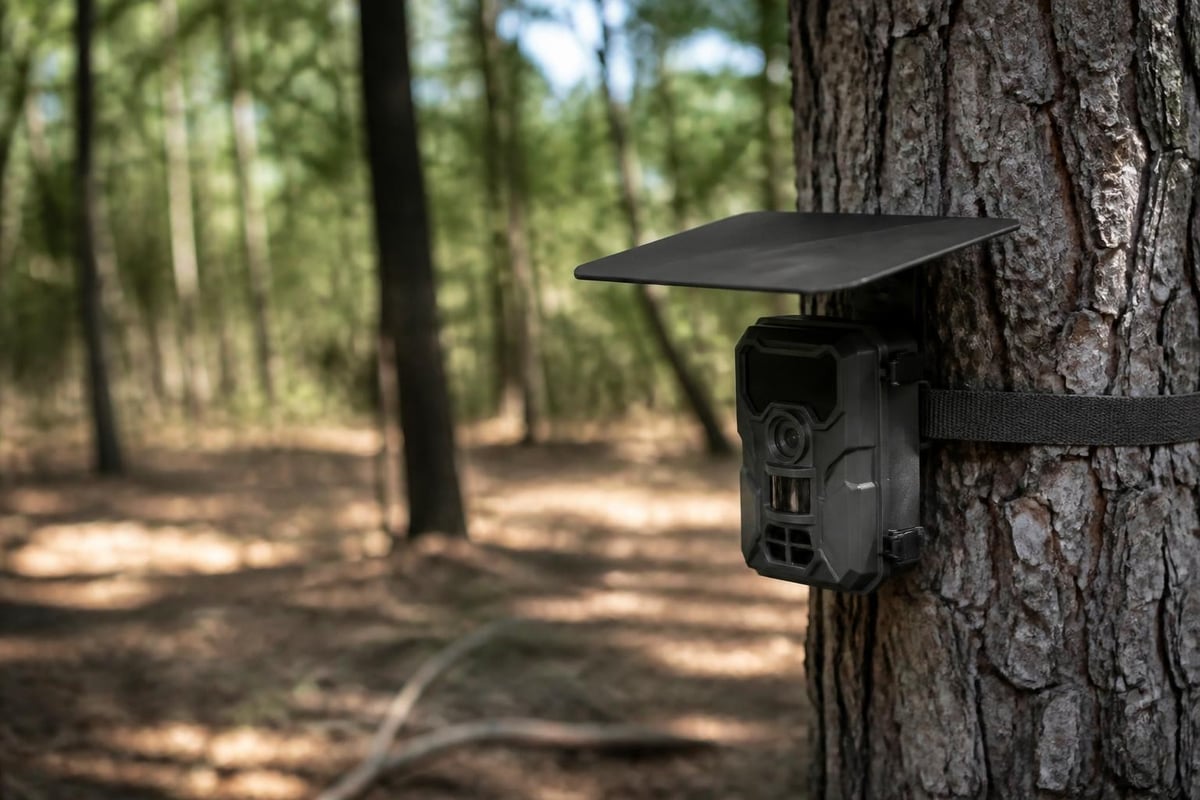
Summer's high sun angle creates challenges that don't exist during hunting season. Cameras facing east or west receive direct sunlight during morning and evening hours when wildlife activity peaks, resulting in washed-out images and reduced battery life from excessive infrared flash usage.
Position cameras facing north or south whenever possible. This orientation minimizes direct sun exposure on the lens while maintaining optimal detection zones. When directional constraints force east-west orientations, use natural shade from tree canopies or position cameras on the shaded side of tree trunks.
Strategic Location Selection for Pre-Season Intelligence
Beyond basic environmental considerations, strategic summer trail camera placement focuses on gathering specific intelligence that translates to hunting season success.
Bachelor Group Monitoring
Summer bachelor groups provide insight into which mature bucks inhabit your hunting area. These temporary associations form after antler development begins and persist until late summer when testosterone levels rise and bucks become more solitary.
Target these bachelor group hotspots:
- Alfalfa and clover fields where protein-rich forage attracts multiple bucks
- Creek bottoms offering both water and thermal cover
- Ridge tops with prevailing breezes that provide relief from insects
- Isolated sanctuaries where mature bucks feel secure during daylight
Identifying bachelor group locations now helps predict where individual bucks might establish fall territories. While these groups eventually dissolve, the general area often remains within individual buck home ranges throughout the season.
Bedding Area Perimeters
Never place cameras directly in bedding areas during summer. This intrusion risks educating deer to human presence and potentially pushes them to relocate. Instead, position cameras 50-100 yards from suspected bedding areas along entrance and exit routes.
Bedding perimeter strategy involves:
- Identifying thermal cover where deer seek shade during midday heat
- Monitoring trails between bedding and feeding areas
- Noting which routes receive morning versus evening traffic
- Documenting how wind direction influences trail selection
Seasonal trail camera placement adjustments recognize that bedding area locations shift between summer thermal cover and fall security cover, making perimeter monitoring more valuable than direct intrusion.
Funnel and Travel Corridor Identification
Summer offers the perfect opportunity to identify natural funnels and travel corridors that remain consistent into hunting season. While feeding patterns change dramatically between summer crops and fall mast production, the terrain features that funnel deer movement remain constant.
Natural Terrain Funnels
Geographic features create predictable movement patterns regardless of season. Focus summer trail camera placement on these permanent funnels:
- Creek crossings where steep banks force deer to specific ford locations
- Ridge saddles that provide the path of least resistance between drainages
- Fence line gaps where property boundaries channel movement
- Thick cover transitions where deer move between security areas
| Funnel Type | Summer Value | Fall Application |
|---|---|---|
| Creek Crossings | High – Water dependent | High – Consistent routes |
| Ridge Saddles | Moderate – Thermal movement | High – Breeding corridors |
| Field Corners | High – Feeding entry points | Moderate – Crop dependent |
| Cover Transitions | Moderate – Thermal seeking | High – Security travel |
Summer funnel monitoring reveals which geographic features receive the most traffic, allowing you to prioritize stand locations before competition for prime spots intensifies.
Man-Made Travel Influencers
Human alterations to the landscape create additional funnels worth monitoring. Logging roads, pipeline corridors, old fence lines, and property boundaries all influence deer movement in predictable ways.
Position cameras where these features intersect with natural terrain. A logging road crossing a creek creates a double funnel effect that concentrates movement into tight areas perfect for fall stand placement.
Technology and Settings for Summer Success
Camera settings and technology choices impact success rates during summer's unique conditions. Heat, humidity, and extended daylight hours require different configurations than fall hunting season.
Detection and Trigger Settings
Summer's dense vegetation and increased small animal activity demand refined trigger settings. Set detection sensitivity to medium or medium-high rather than maximum to reduce false triggers from swaying vegetation and non-target species.
Optimize these settings for summer:
- Trigger speed: 0.3-0.5 seconds for trails, 0.6-1.0 seconds for fields
- Recovery time: 5-10 seconds to reduce redundant images
- Multi-shot mode: 2-3 images per trigger for species identification
- Video length: 10-15 seconds when using video mode for behavior analysis
Time-lapse modes work exceptionally well for summer field monitoring. Program cameras to capture images every 5-10 minutes during prime feeding hours (6-10 AM and 6-10 PM) to document activity patterns without relying solely on motion triggers that might miss distant deer.
Battery Management and Maintenance
Summer heat accelerates battery drain, particularly when cameras receive direct sunlight or excessive false triggers. Lithium batteries outperform alkaline in extreme temperatures and justify their higher cost through extended field life.
Plan monthly camera checks during summer rather than the 6-8 week intervals sufficient during cooler months. These visits allow you to:
- Replace or recharge batteries before complete failure
- Clear vegetation growth from detection zones
- Adjust camera angles as crops and understory plants grow
- Review and analyze accumulated images
- Relocate unproductive cameras to higher-traffic areas
If you're preparing your complete hunting setup for the upcoming season, quality gear from RCS Outdoors ensures you have reliable equipment when opening day arrives. Their partnership with Heartland Lodge even offers hunters unique opportunities like The Upland Escape Giveaway, which includes a premium hunt package and a Benelli Super Black Eagle 3 shotgun.

Advanced Summer Scouting Techniques
Experienced hunters use summer trail camera placement to gather intelligence beyond simple deer inventory and location confirmation.
Inventory and Age Structure Assessment
Summer provides the clearest opportunity to inventory your deer herd before hunting pressure scatters populations. Bachelor groups congregate in open areas during low-light periods, presenting multiple bucks in single frames that simplify population assessment.
Document these data points from summer imagery:
- Mature buck count (3.5+ years old based on body characteristics)
- Yearling buck numbers indicating recruitment success
- Doe-to-buck ratios suggesting population balance
- Fawn survival rates predicting future hunting quality
Summer monitoring for fawn survival helps gauge recruitment success and predict hunting quality 2-3 years forward when those fawns mature into target bucks.
Antler Development Tracking
Monthly image reviews document antler growth progression throughout summer. This visual timeline helps identify individual bucks, estimate final antler potential, and determine which deer warrant priority status during hunting season.
Antler growth occurs primarily between April and August, with the most dramatic changes visible between June and July. Position cameras where bachelor groups feed to capture clear profile and frontal images that reveal tine length, mass, and overall frame characteristics.
Movement Pattern Documentation
Summer trail camera placement reveals movement timing that often persists into early hunting season. While deer eventually transition to nocturnal feeding under hunting pressure, early-season patterns frequently mirror late-summer behavior.
Critical movement data includes:
- First and last light activity windows
- Moon phase influences on feeding times
- Weather impacts on movement intensity
- Weekly pattern consistency or variation
Comprehensive trail camera guides emphasize avoiding common mistakes like over-checking cameras, which creates human scent trails that educate deer and alter natural movement patterns.
Camera Network Design and Coverage Strategy
Strategic summer trail camera placement involves network design rather than random individual camera positioning. Creating overlapping coverage areas and systematic grid patterns yields far more actionable intelligence than scattered, isolated cameras.
Property Division and Zone Coverage
Divide your hunting property into management zones based on habitat type and expected deer activity. Assign cameras to each zone proportionally to its size and importance:
- Primary feeding areas: 40% of camera deployment
- Travel corridors and funnels: 30% of deployment
- Bedding area perimeters: 20% of deployment
- Water sources and mineral sites: 10% of deployment
This distribution ensures comprehensive coverage while concentrating resources where they'll generate the most valuable data. A 300-acre property might effectively deploy 12-15 cameras using this zone-based approach, while smaller parcels can gather adequate intelligence with 6-8 strategically positioned units.
Data Collection and Analysis Systems
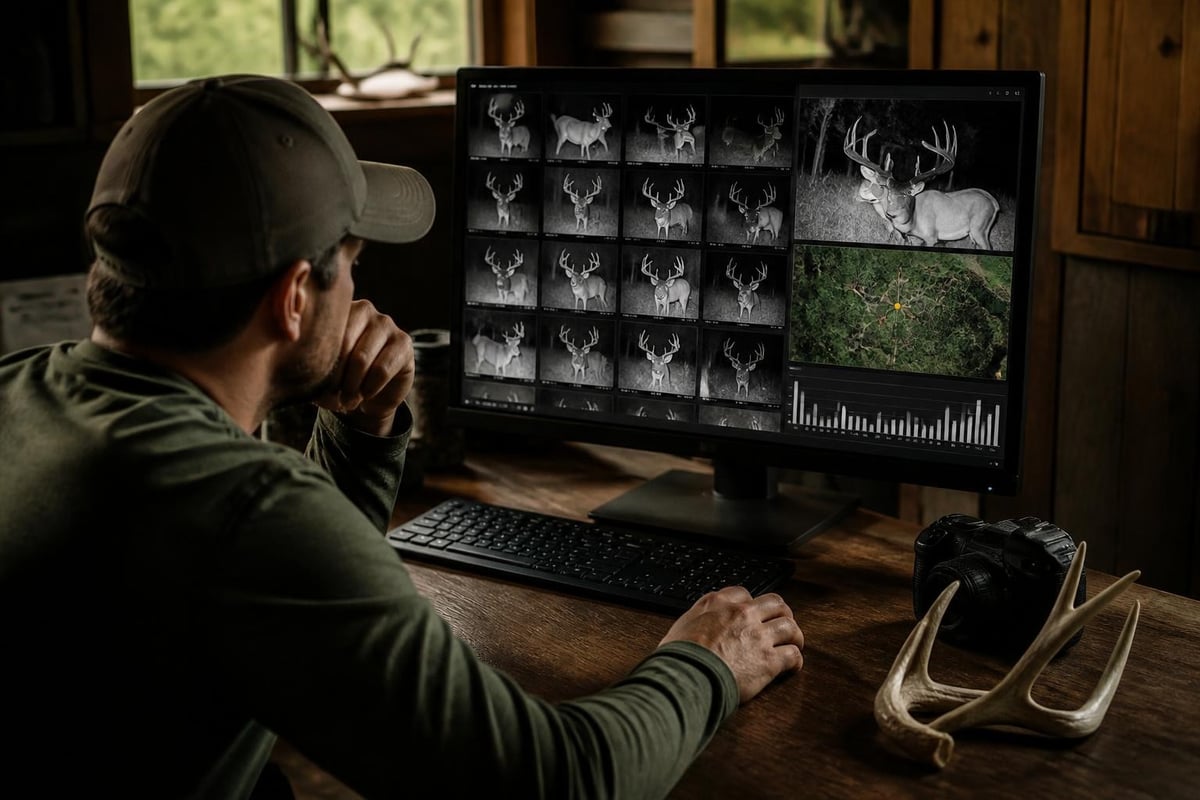
Raw images mean nothing without systematic analysis. Establish a review schedule and documentation system that transforms thousands of summer photos into actionable hunting strategies.
Create spreadsheets or use trail camera management apps to record:
| Data Category | Tracking Method | Hunting Application |
|---|---|---|
| Individual buck IDs | Photo comparison, unique characteristics | Target animal identification |
| Movement times | Timestamp analysis | Stand timing decisions |
| Trail usage rates | Images per location per week | Stand location prioritization |
| Weather correlations | Conditions vs. movement intensity | Hunt day selection |
Monthly data reviews reveal trends that single-session image scanning misses. A buck appearing at a field edge at 7:15 PM on three consecutive Thursday evenings suggests a pattern worth exploiting during early archery season.
Camera Security and Theft Prevention
Summer trail camera placement often requires leaving equipment unattended for extended periods in remote locations. Camera theft remains a persistent problem that costs hunters thousands annually.
Physical Security Measures
Security measures range from basic cable locks to sophisticated GPS tracking systems. Match security investment to camera value and theft risk in your specific area.
Layered security approach:
- Python cable locks securing cameras to trees (minimum security)
- Lockable security boxes protecting cameras from theft and tampering
- Strategic placement high on trees or in concealed locations
- Trail camera GPS trackers enabling recovery after theft
- Dummy cameras in obvious locations drawing attention from hidden units
Place cameras on private property boundaries facing inward rather than outward. This orientation monitors your hunting area while reducing visibility from neighboring properties or public access points where thieves scout for targets.
Concealment Without Compromise
Effective concealment balances camera invisibility against detection zone optimization. An invisible camera that misses deer because of poor positioning provides zero value.
Natural camouflage techniques include:
- Matching camera color to tree bark using camouflage skins or spray paint
- Positioning behind sparse brush that breaks the camera outline without blocking the lens
- Using tree curvature to recess cameras into natural bark contours
- Elevating cameras above typical sight lines (6-7 feet) where they're less noticeable
Optimal trail camera location selection considers both wildlife behavior patterns and practical security concerns, creating deployment strategies that maximize both data collection and equipment protection.
Integration with Overall Property Management
Summer trail camera placement should complement broader property management strategies including habitat improvement, food plot development, and herd management objectives.
Food Plot Development Monitoring
If you plant summer food plots specifically for attraction or nutrition supplementation, position cameras to evaluate plot usage and success. This feedback loop informs future planting decisions and helps identify which crop varieties attract the most traffic.
Document plot usage intensity by comparing camera data from different plot locations. A clover plot generating 200 deer images weekly clearly outperforms a chicory plot capturing only 50 images, suggesting resource reallocation toward more attractive plantings.
Habitat Improvement Validation
Bedding area creation, hinge cutting projects, and selective timber harvest all aim to improve deer habitat. Summer cameras validate whether these improvements actually influence deer behavior as intended.
Position cameras near recent habitat projects to confirm usage. Deer concentrated in a hinge-cut bedding area justify the effort invested, while unused projects suggest refinement needs or different approach strategies.
Herd Management Decision Support
Quality Deer Management principles rely on understanding herd composition, age structure, and buck-to-doe ratios. Summer trail camera networks provide the census data necessary for informed management decisions.
Properties implementing antler restrictions or specific harvest quotas need accurate population data. Summer camera surveys offer relatively reliable inventory information when conducted systematically across entire properties rather than just prime hunting areas.
Seasonal Transition Planning
Late summer marks the transition period when summer trail camera placement strategies should evolve toward fall hunting preparation. August represents the final data collection month before early archery seasons open in many states.
Pre-Season Camera Relocation
By mid-August, begin transitioning cameras from summer intelligence gathering toward fall hunting location confirmation. This shift involves:
- Moving cameras from open fields to transition zones where deer enter feeding areas
- Relocating from water sources to fall food sources like oak groves and persimmon trees
- Adjusting from bedding perimeters to primary scrape areas where early-season activity concentrates
- Eliminating cameras from low-priority areas to increase coverage density in prime hunting zones
This graduated transition maintains continuous surveillance while adapting to changing deer behavior as bucks begin breaking from bachelor groups and establishing fall territories.
Mock Scrape and Mineral Site Monitoring
Late summer presents ideal timing for establishing mock scrapes and mineral sites that you'll hunt over during early season. Position cameras directly over these locations to document which bucks investigate and when they visit.
Active scrapes appearing in late August often remain active through October and November, making them prime early-season stand locations. Camera documentation of scrape usage patterns removes guesswork from stand placement decisions.
Strategic summer trail camera placement transforms random hunting into data-driven success by revealing patterns invisible to casual observation. The intelligence gathered during these warm months directly influences stand locations, hunting times, and target buck identification when seasons open. Whether you're preparing for archery season or planning firearm hunts months ahead, RCS Outdoors provides the firearms, ammunition, and accessories you need to capitalize on your scouting efforts and experience successful hunts throughout the season.


