
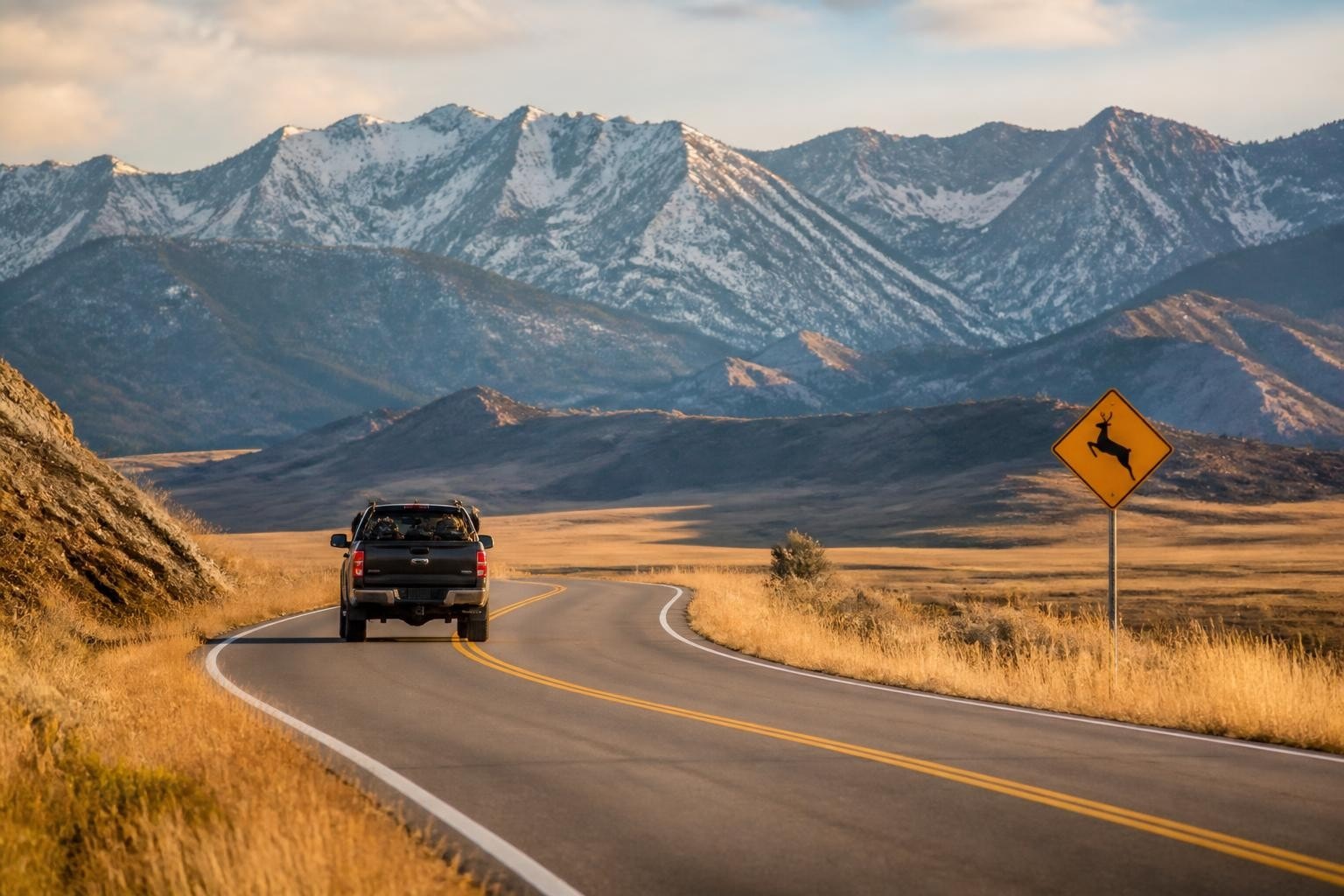
Travel Corridors: Essential Routes for Hunters & Sportsmen
Travel corridors represent the strategic pathways that connect destinations, resources, and communities across vast landscapes. For hunters and outdoor enthusiasts, understanding these designated routes becomes essential when planning expeditions to remote hunting grounds, accessing public lands, or navigating across state boundaries. These corridors facilitate efficient movement while minimizing conflicts with wildlife, private property, and environmental conservation efforts. Whether you're heading to an upland bird destination or pursuing big game in western states, knowledge of travel corridors significantly impacts trip planning and success.
Understanding Travel Corridors in Outdoor Recreation
Travel corridors function as designated pathways that channel movement between key locations while managing environmental and regulatory concerns. In the context of hunting and outdoor sports, these corridors typically encompass highways, forest service roads, designated trails, and waterways that provide legal access to hunting territories and conservation areas.
The Federal Highway Administration’s freight corridor system demonstrates how major transportation routes facilitate commerce and movement across regions. Similarly, sportsmen rely on established travel corridors to reach prime hunting locations efficiently.
Types of Corridors Relevant to Hunters
Several corridor classifications matter for outdoor enthusiasts:
- Highway corridors: Interstate and state routes providing rapid transit between regions
- Forest service roads: Managed access routes through public lands and national forests
- Wildlife corridors: Protected pathways where game animals migrate seasonally
- Waterway corridors: Rivers and lakes serving as navigable routes to remote areas
- Trail systems: Designated paths for hiking, horseback, and off-road vehicle access
Understanding which corridor type applies to your destination determines equipment needs, vehicle requirements, and travel time estimates. A trip to remote public land may require transitioning from highway corridors to forest service roads, then finally to trail systems accessible only by specialized vehicles or on foot.
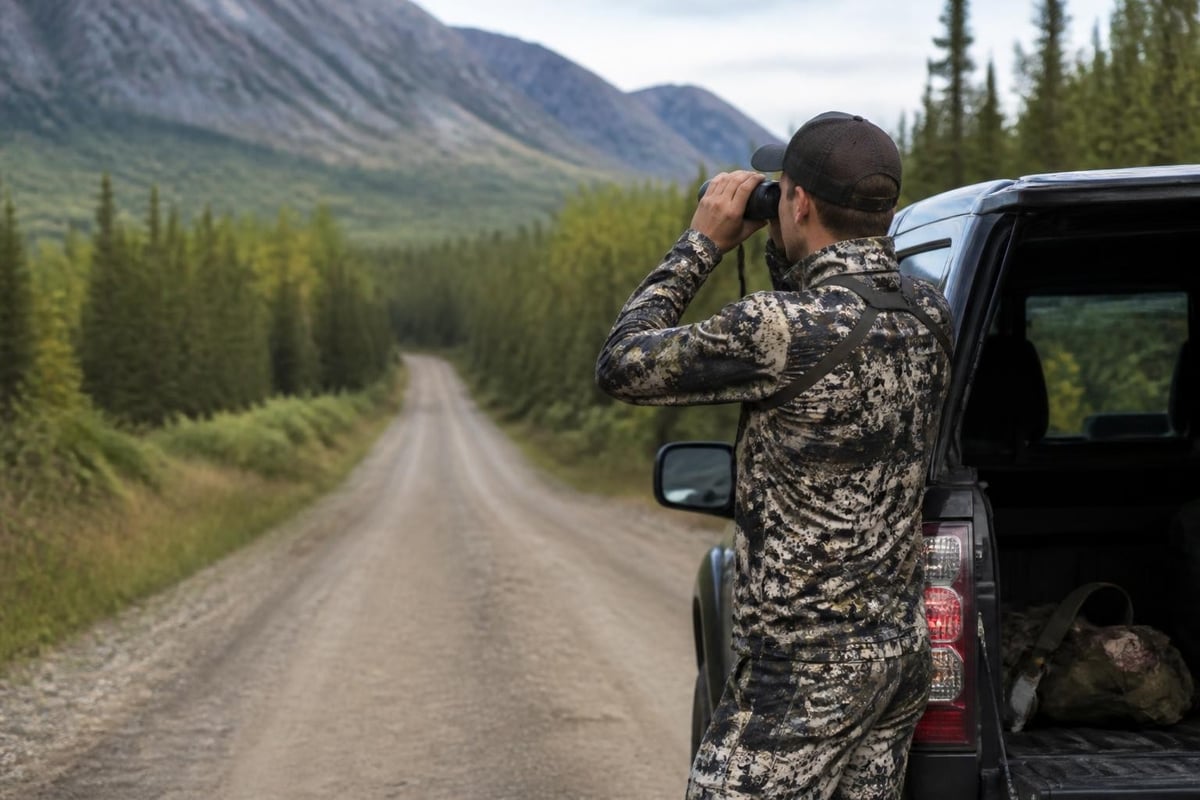
Planning Hunt Trips Using Strategic Corridors
Successful hunting expeditions require meticulous planning around available travel corridors. Route selection impacts fuel costs, travel duration, gear accessibility, and legal compliance with crossing regulations.
Begin by identifying your destination coordinates and researching primary access corridors. State fish and wildlife agencies publish maps showing public land access points, which often indicate recommended travel corridors. Cross-reference these with current road conditions, seasonal closures, and permit requirements.
Pre-Trip Corridor Research Steps
- Determine destination access points: Identify legal entry locations to your hunting area
- Map primary corridors: Plot major highways and state routes serving the region
- Research secondary access: Investigate forest service roads and local route conditions
- Check seasonal restrictions: Verify corridor availability during your planned dates
- Plan alternate routes: Establish backup corridors in case of closures or weather issues
Weather conditions dramatically affect corridor accessibility. Mountain passes close with early snow, forest roads become impassable during spring thaw, and flooding can render low-lying routes unusable. Always maintain contingency plans when traveling through remote corridors.
| Corridor Type | Typical Condition | Equipment Needed | Season Availability |
|---|---|---|---|
| Interstate Highway | Maintained year-round | Standard vehicle | All seasons |
| State Highway | Regular maintenance | Standard vehicle | Most seasons |
| Forest Service Road | Variable condition | 4WD recommended | Spring-Fall |
| Primitive Trail | Minimal maintenance | 4WD/ATV required | Summer-Early Fall |
The transport corridor structure in North America reveals how geographic features and infrastructure development shape movement patterns. Hunters benefit from understanding these broader systems when planning multi-state expeditions.
Wildlife Corridors and Hunting Strategy
Wildlife corridors represent critical pathways where game animals move between feeding areas, breeding grounds, and seasonal habitats. Recognizing these natural travel corridors enhances hunting strategy and increases encounter probability.
Deer, elk, and other big game species follow established corridors during migration periods. These routes often funnel through geographic features like ridgelines, valley bottoms, or creek crossings. Smart hunters position themselves along these natural corridors during peak movement times.
Identifying Natural Game Corridors
Physical landscape features reveal likely wildlife travel corridors:
- Saddles and low points along ridgelines
- Creek bottoms connecting feeding and bedding areas
- Fence crossings showing repeated animal traffic
- Transition zones between habitat types
- Natural funnels created by terrain or vegetation
Scouting expeditions before hunting season help identify active corridors. Look for game trails, tracks, droppings, and rubs indicating regular wildlife passage. Trail cameras positioned along suspected corridors confirm usage patterns and timing.
Conservation efforts increasingly focus on maintaining wildlife corridors to support healthy animal populations. Some states designate protected corridors where development restrictions preserve these essential pathways. Hunters should respect closure areas designed to protect migration routes during critical periods.
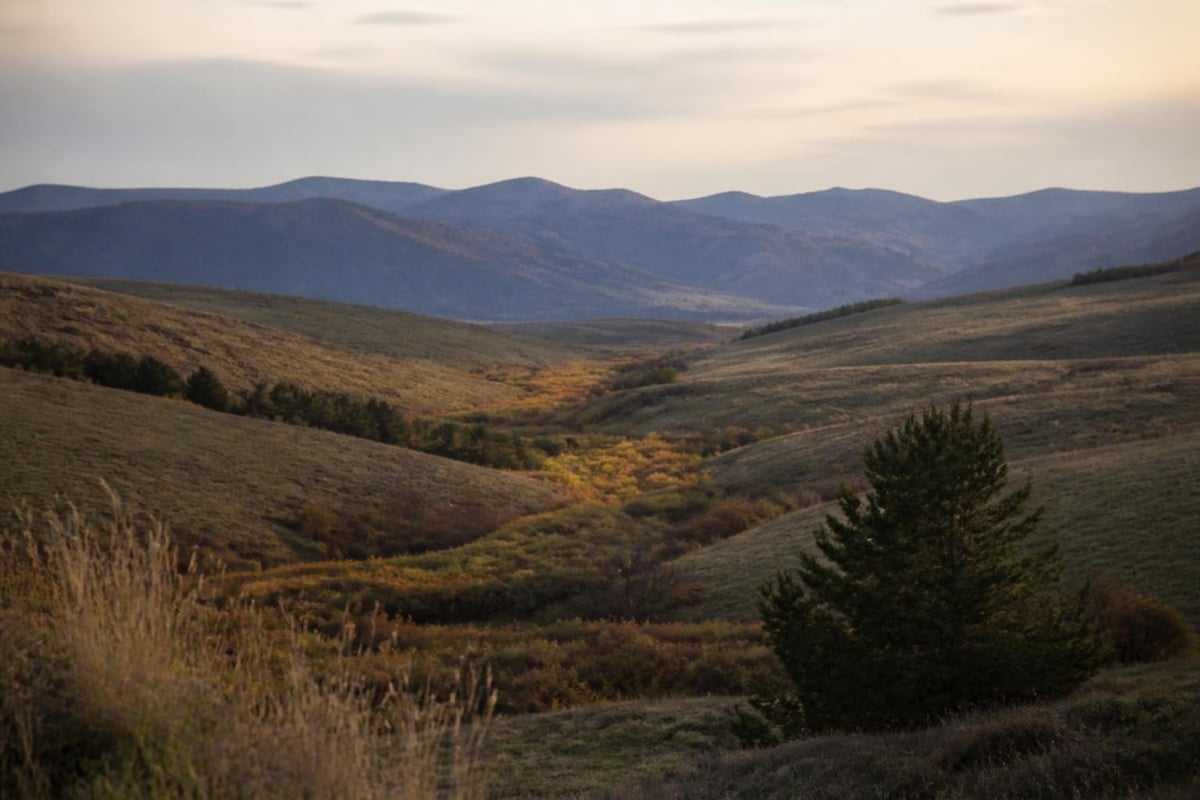
Regional Corridor Systems for Popular Hunting Destinations
Different regions feature distinct corridor characteristics based on geography, land management, and infrastructure development. Western states with vast public lands present different corridor challenges than eastern forests or midwestern agricultural regions.
Western State Corridors
Mountain states like Montana, Wyoming, and Colorado feature extensive public land access through forest service corridor networks. These systems connect national forests, Bureau of Land Management areas, and state wildlife management properties. However, many corridors traverse high-altitude terrain requiring proper vehicle preparation and mountain driving skills.
Seasonal highway closures affect corridor availability from October through May in many mountain regions. Plan trips accounting for elevation, weather windows, and alternate route options. The major freight corridors often provide the most reliable year-round access to western hunting territories.
Midwest and Prairie Corridors
States like Illinois, Iowa, and Kansas offer different corridor dynamics. Agricultural land dominates, with public hunting areas dispersed among private properties. Travel corridors primarily consist of county roads, state highways, and limited designated wildlife areas.
RCS Outdoors partners with premier destinations like Heartland Lodge in Pike County, Illinois, providing hunters access to exceptional upland bird opportunities. The Upland Escape Giveaway offers a complete hunting experience including a 3-night/2-day traditional upland hunt and a Benelli Super Black Eagle 3, showcasing how established lodges create managed access corridors to prime hunting grounds.
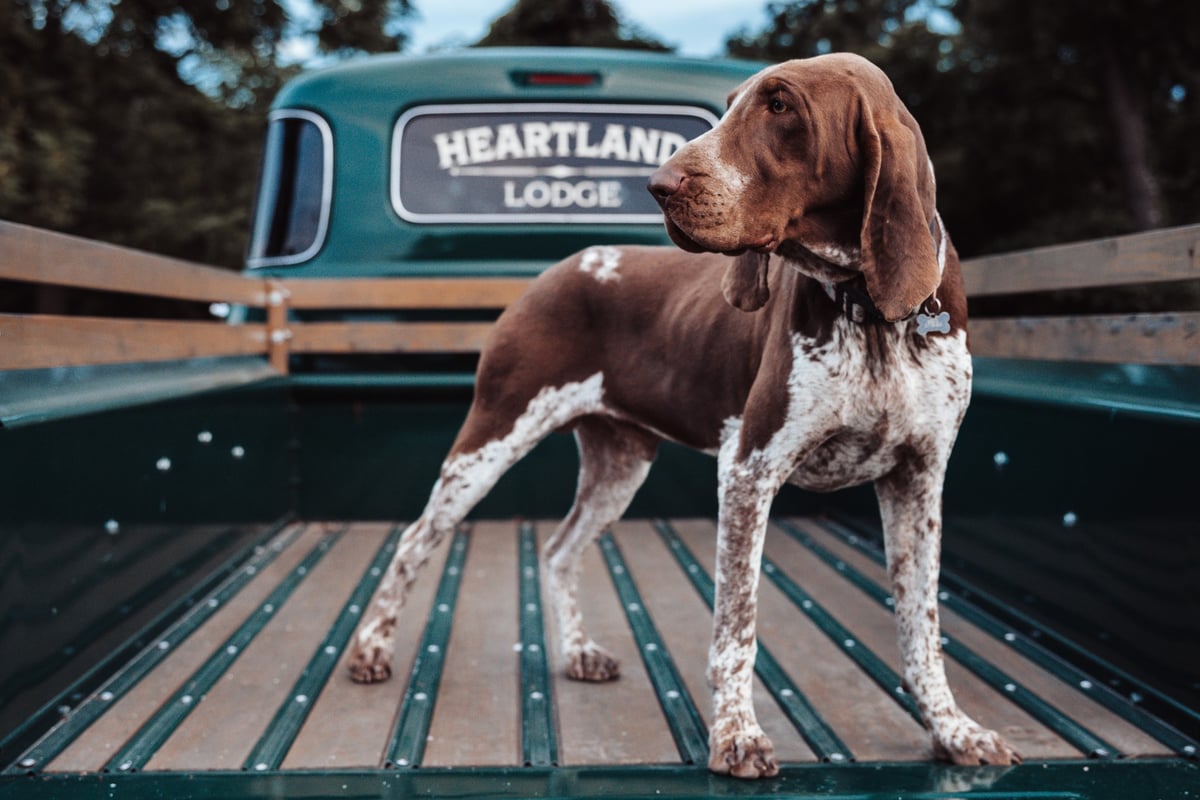
Access often requires coordination with landowners or outfitters who manage private land corridors. These relationships facilitate entry while respecting property rights and conservation practices.
Eastern Forest Corridors
Eastern states feature mixed public and private forests with corridor systems shaped by historical settlement patterns. Appalachian regions provide mountain corridors accessing national forests and state game lands. Northern states maintain extensive forest road networks connecting hunting territories.
Navigation challenges increase in dense forest regions where unmarked roads and informal trails create confusing corridor options. GPS technology and detailed topographic maps become essential tools. Always carry backup navigation methods when traveling remote eastern corridors.
Legal and Regulatory Corridor Considerations
Travel corridors intersect complex regulatory frameworks that hunters must navigate carefully. Crossing state lines, transporting firearms and ammunition, and accessing different land management jurisdictions each involve specific legal requirements.
Interstate Travel Regulations
Transporting firearms across state lines requires understanding both federal law and individual state regulations. The Firearm Owners Protection Act provides certain protections for interstate travelers, but compliance demands proper storage and route planning.
When using travel corridors spanning multiple states:
- Research firearm transport laws for each state along your corridor
- Secure firearms unloaded in locked containers separate from ammunition
- Avoid unnecessary stops in restrictive jurisdictions
- Carry documentation proving legal ownership and destination purpose
- Understand magazine capacity and feature restrictions in corridor states
RCS Outdoors provides resources helping customers understand these complex regulations when planning hunting trips across different jurisdictions.
Public Land Access Corridors
Federal and state lands feature designated access corridors with specific use regulations. National forests typically permit dispersed camping and off-road travel only on designated routes. Violating these corridor restrictions results in substantial fines and potential vehicle impoundment.
Bureau of Land Management properties often provide more flexible corridor access, but regional variations exist. Always consult current travel management plans before entering public lands through any corridor.
State wildlife management areas may restrict corridor access during certain seasons to protect nesting birds, breeding populations, or to manage hunter density. Verify current access status before departing for any hunting destination.
Technology and Modern Corridor Navigation
Digital mapping technology revolutionized corridor navigation for hunters. GPS units, smartphone applications, and satellite imagery provide unprecedented planning and wayfinding capabilities.
Modern navigation tools offer several advantages:
- Real-time position tracking: Know your exact location along any corridor
- Offline map access: Navigate without cellular coverage in remote areas
- Private land boundaries: Avoid trespassing by viewing property lines
- Road condition updates: Access current information about corridor status
- Waypoint marking: Save successful routes and access points for future trips
However, technology failures occur. Battery depletion, device damage, and satellite signal loss all create navigation challenges. Experienced hunters carry paper maps and compasses as backup navigation tools when traveling unfamiliar corridors.
Digital Corridor Planning Resources
Several online platforms assist with corridor research and route planning. The U.S. Bicycle Route System’s corridor planning demonstrates comprehensive route development principles applicable to various transportation modes.
State fish and wildlife agencies maintain online mapping systems showing public land access corridors, parking areas, and trail systems. These resources provide essential information for trip planning and typically include regulatory details, season dates, and permit requirements.
OnX Hunt, HuntStand, and similar applications overlay property boundaries, public land designations, and topographic features. These tools help identify legal access corridors and plan approaches to hunting areas while respecting private property.
Corridor Safety and Emergency Preparedness
Remote travel corridors present unique safety challenges requiring proper preparation and equipment. Distance from emergency services, limited communication options, and harsh environmental conditions all increase risk when traveling to hunting destinations.
Essential Safety Equipment for Corridor Travel
Your vehicle should carry comprehensive emergency supplies when using remote corridors:
- First aid kit with trauma supplies
- Emergency communication devices (satellite messenger or two-way radio)
- Extra food and water beyond trip requirements
- Cold weather gear and shelter materials
- Fire starting equipment
- Basic vehicle repair tools and spare parts
- Recovery equipment (tow straps, shovel, traction aids)
Vehicle maintenance becomes critical before corridor travel. Verify tire condition, fluid levels, battery charge, and lighting systems. Remote corridors offer limited assistance if mechanical failures occur.
| Emergency Scenario | Preparation Strategy | Required Equipment |
|---|---|---|
| Vehicle breakdown | Preventive maintenance | Tools, spare parts, recovery gear |
| Medical emergency | First aid training | Comprehensive medical kit, communication device |
| Getting lost | Navigation skills | Maps, compass, GPS with batteries |
| Severe weather | Monitoring forecasts | Shelter, extra clothing, food, water |
| Communication loss | Backup systems | Satellite messenger, two-way radio |
Inform others of your travel corridor route and expected return time. Provide specific details about access points, planned camping locations, and emergency contact procedures. This information proves invaluable if search and rescue becomes necessary.
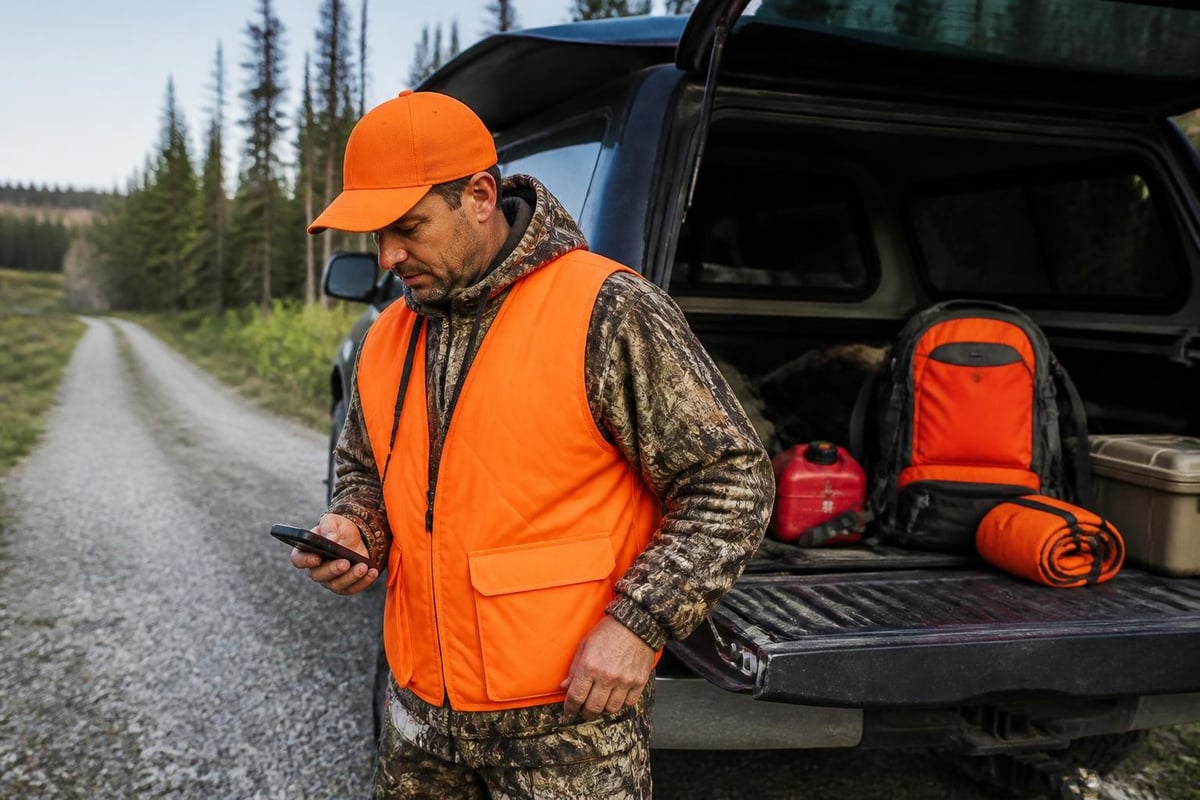
Environmental Impact and Corridor Conservation
Responsible corridor use protects natural resources and ensures continued access for future generations. Hunters play a crucial role in conservation through ethical behavior and support for habitat preservation programs.
Travel corridor impacts include soil erosion, vegetation damage, wildlife disturbance, and water quality degradation. Minimizing these effects requires conscious choices about route selection, camping practices, and waste management.
Sustainable Corridor Practices
Implement these strategies to reduce environmental impact:
- Stay on designated corridors and established routes
- Avoid creating new trails or shortcuts
- Camp in established sites when available
- Pack out all waste including organic materials
- Properly dispose of human waste away from water sources
- Minimize noise and light pollution
- Respect seasonal closures protecting wildlife
Many conservation organizations work to maintain and improve corridor access on public lands. Supporting these groups through membership and volunteer efforts helps preserve hunting opportunities. Organizations like the Rocky Mountain Elk Foundation, Pheasants Forever, and Ducks Unlimited actively manage corridor systems benefiting both wildlife and hunters.
Land management agencies sometimes close corridors temporarily for resource recovery or improvement projects. While inconvenient, these closures serve long-term conservation goals. Respect restrictions and utilize alternative corridors when necessary.
Economic Corridors and Hunting Tourism
The concept of economic corridors extends beyond traditional transportation infrastructure to encompass integrated systems supporting regional development. In hunting contexts, economic corridors connect rural communities with outdoor recreation seekers, generating substantial revenue.
Hunting tourism relies on efficient travel corridors delivering sportsmen to destination regions. Communities along these corridors benefit from fuel sales, food services, lodging, and outfitting businesses. States recognize this economic impact and invest in corridor improvements supporting outdoor recreation access.
Supporting Corridor Communities
Hunters contribute to corridor economies through:
- Purchasing fuel, food, and supplies in rural communities
- Staying in local hotels and campgrounds
- Hiring outfitters and guides
- Buying licenses and stamps supporting conservation
- Patronizing restaurants and service businesses
These economic contributions strengthen rural areas and build support for continued public land access. When planning trips, consider spreading expenditures across corridor communities rather than concentrating purchases at origin or destination points.
Some regions develop integrated corridor systems specifically supporting hunting tourism. These investments improve road quality, expand parking facilities, enhance trail systems, and provide better signage. Supporting businesses and agencies that develop these improvements ensures continued access enhancement.
Future Corridor Development and Trends
Travel corridor evolution continues as technology, regulations, and land use patterns change. Understanding emerging trends helps hunters adapt strategies and maintain access to preferred hunting territories.
Electric vehicle adoption influences corridor planning, with charging infrastructure becoming a consideration for long-distance hunting trips. While current electric vehicle range limitations challenge remote access, improving technology will eventually expand corridor options for hunters using these vehicles.
Pressure on public lands increases annually as outdoor recreation popularity grows. Agencies respond by implementing reservation systems, limiting corridor capacity, and restricting certain activities. Hunters must adapt by planning further ahead and showing flexibility regarding destination choices.
Climate change impacts corridor availability through altered weather patterns, extended fire seasons, and changing wildlife migration timing. Adaptation requires monitoring conditions more closely and maintaining greater schedule flexibility.
Technology Integration in Corridor Management
Agencies increasingly use technology managing corridor access and usage. Automated gate systems, electronic permit verification, and real-time capacity monitoring all affect how hunters utilize travel corridors. Staying informed about these systems prevents access problems and ensures compliance.
Some jurisdictions experiment with dynamic corridor management adjusting access based on current conditions. Weather events, wildlife activity, or resource concerns might trigger temporary restrictions communicated through digital platforms. Hunters should monitor these systems during trips to avoid encountering unexpected closures.
The California corridor planning framework illustrates comprehensive approaches to corridor development integrating multiple use priorities. As these sophisticated planning methods spread, hunters should engage in public comment processes to ensure recreational access remains a priority.
Corridor Selection for Different Game Species
Target species significantly influence optimal corridor selection. Waterfowl hunters require access to water bodies and wetlands, while big game hunters need routes reaching mountain or forest habitats. Understanding these species-specific corridor requirements improves trip planning effectiveness.
Upland Bird Corridors
Upland hunting for pheasants, quail, and grouse typically utilizes corridors accessing agricultural edges, grasslands, and managed wildlife areas. Midwest corridors often follow county road networks connecting small wildlife management areas scattered among farmland.
Walking access is frequently required from parking corridors to actual hunting grounds. Plan for physical fitness demands and gear transportation when selecting corridors for upland pursuits.
Waterfowl Access Corridors
Duck and goose hunting requires corridors reaching wetlands, reservoirs, and river systems. Boat launch access becomes a critical corridor component. Many prime waterfowl areas require water-based travel from launch points to hunting locations.
Tidal influences affect coastal corridor timing. Plan travel accounting for water levels, current flows, and access windows. Some corridors become impassable during low tide periods.
Big Game Mountain Corridors
Elk, mule deer, and mountain sheep hunting demands corridors capable of reaching high-altitude terrain. Four-wheel drive capability, tire chains, and mountain driving experience all become necessary when using these corridors.
Altitude affects vehicle performance. Reduced engine power at elevation impacts climbing ability on steep corridor grades. Plan for slower travel speeds and increased fuel consumption when using mountain corridors.
Understanding travel corridors transforms hunting trip planning from guesswork into strategic execution, ensuring efficient access to prime territories while respecting legal, environmental, and safety considerations. Whether you're pursuing upland birds in the Midwest, big game in western mountains, or waterfowl along coastal routes, corridor knowledge directly impacts success and enjoyment. RCS Outdoors supports your hunting adventures with quality firearms, ammunition, and accessories, plus exclusive opportunities like partnerships with premier destinations such as Heartland Lodge. Equip yourself properly and plan your next hunting corridor journey with confidence.


