

Concealed Carry Pistol: Complete Guide for 2026
Selecting the right concealed carry pistol represents one of the most important decisions a responsible gun owner will make. The firearm you choose to carry for personal protection must balance multiple critical factors including size, reliability, stopping power, and ease of concealment. With more Americans choosing to exercise their Second Amendment rights through concealed carry than ever before, understanding what makes an effective defensive handgun has become essential knowledge. According to recent statistics on concealed carry, permit numbers continue to grow nationwide, reflecting increased interest in personal protection.
Understanding Concealed Carry Requirements
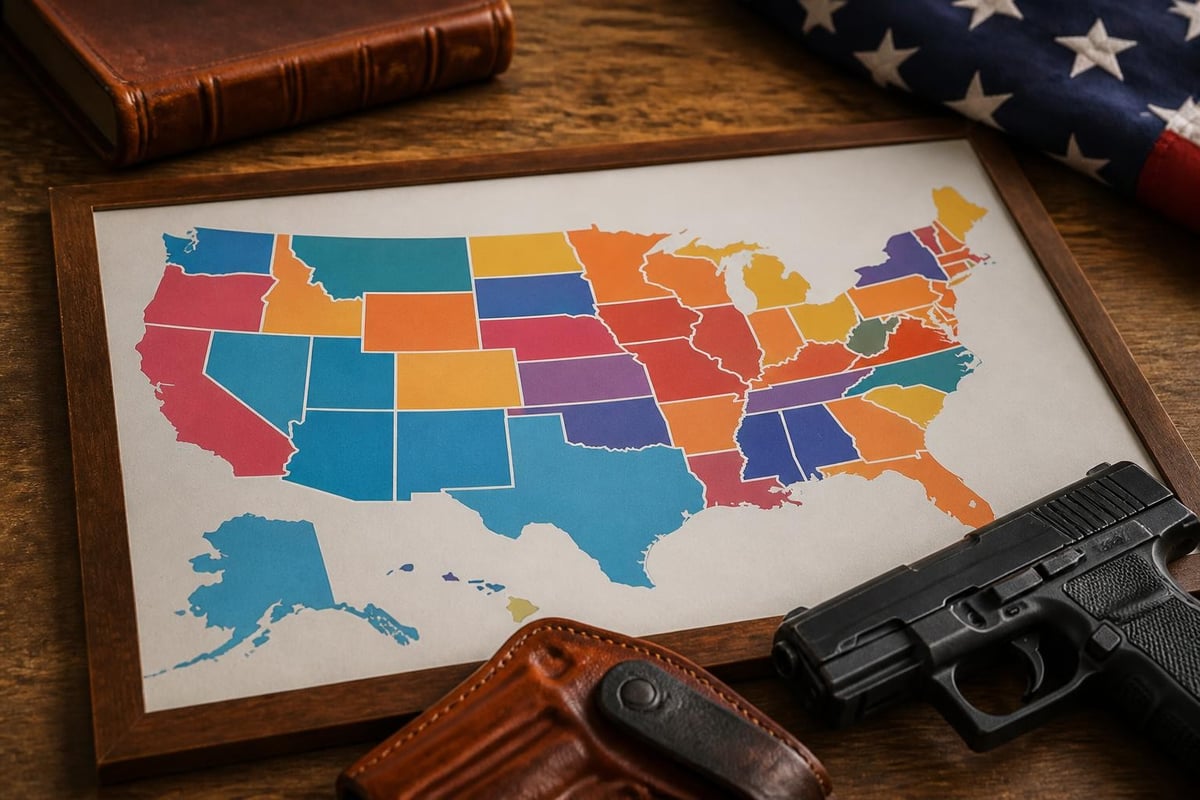
Before purchasing any concealed carry pistol, you must navigate the legal landscape in your specific jurisdiction. Laws governing concealed carry vary significantly from state to state, with some requiring permits and training while others have adopted constitutional carry provisions. Concealed carry laws differ not only in permit requirements but also in where you can legally carry, what training is mandated, and whether your permit is recognized across state lines.
Permit and Training Considerations
Most states require completion of a firearms safety course before issuing a concealed carry permit. These courses typically cover:
- Safe handling and storage practices
- State-specific laws and regulations
- Situational awareness and conflict avoidance
- Marksmanship fundamentals
- Legal implications of defensive firearm use
The training investment extends beyond initial certification. Regular practice at the range ensures you maintain proficiency with your chosen concealed carry pistol. Many firearms enthusiasts also explore sporting clays vs trap vs skeet to enhance their overall shooting skills.
Choosing the Right Concealed Carry Pistol
The ideal concealed carry pistol balances multiple competing priorities. While a full-size service pistol offers superior accuracy and capacity, it proves difficult to conceal comfortably. Conversely, ultra-compact pistols disappear under any clothing but sacrifice shootability and ammunition capacity.
Size and Weight Classifications
| Category | Barrel Length | Weight Range | Typical Capacity | Best For |
|---|---|---|---|---|
| Micro-Compact | 2.5-3.5" | 12-18 oz | 6-10 rounds | Deep concealment, pocket carry |
| Compact | 3.5-4" | 18-26 oz | 10-15 rounds | IWB carry, versatility |
| Mid-Size | 4-4.5" | 26-32 oz | 15-17 rounds | OWB carry, cooler weather |
Your body type, typical clothing, and lifestyle significantly influence which size category works best. A person who wears business attire daily faces different concealment challenges than someone in casual clothing. Testing multiple options through rentals or borrowing from friends helps identify what works for your specific situation.
Caliber Selection for Personal Defense
The caliber debate generates passionate opinions among firearms enthusiasts, but modern defensive ammunition has narrowed performance gaps considerably. The most popular concealed carry pistol calibers each offer distinct advantages:
9mm Luger remains the most popular choice for good reason. It provides adequate stopping power with manageable recoil, allowing for faster follow-up shots. Magazine capacity typically exceeds other calibers in similarly sized firearms.
.40 S&W delivers more energy than 9mm but with increased recoil. While it was the law enforcement standard for years, many departments have returned to 9mm for its capacity and controllability advantages.
.45 ACP offers excellent stopping power with heavier bullets at subsonic velocities. However, reduced capacity and larger grip dimensions make it less ideal for smaller-framed shooters.
.380 ACP enables extremely compact pistol designs perfect for deep concealment. Modern defensive loads have improved its effectiveness, though it remains less powerful than the previous options.
Essential Features and Reliability Factors
A concealed carry pistol must function flawlessly when needed most. Unlike range toys or collection pieces, your defensive handgun requires absolute reliability. Several design features contribute to dependable performance under stress.
Trigger Characteristics
Trigger design dramatically affects both safety and accuracy. Most modern concealed carry pistols feature trigger systems specifically engineered for defensive use:
- Striker-fired triggers offer consistent pull weights between 4-6 pounds with integrated safety mechanisms
- Double-action/single-action (DA/SA) systems provide a heavier first shot with lighter subsequent shots
- Single-action-only (SAO) triggers deliver crisp, light pulls but require manual safety engagement
The best trigger for concealed carry depends on your training level and personal preference. New shooters often benefit from the additional safety margin of heavier trigger pulls, while experienced carriers may prefer lighter, crisper breaks.
Sights and Visibility
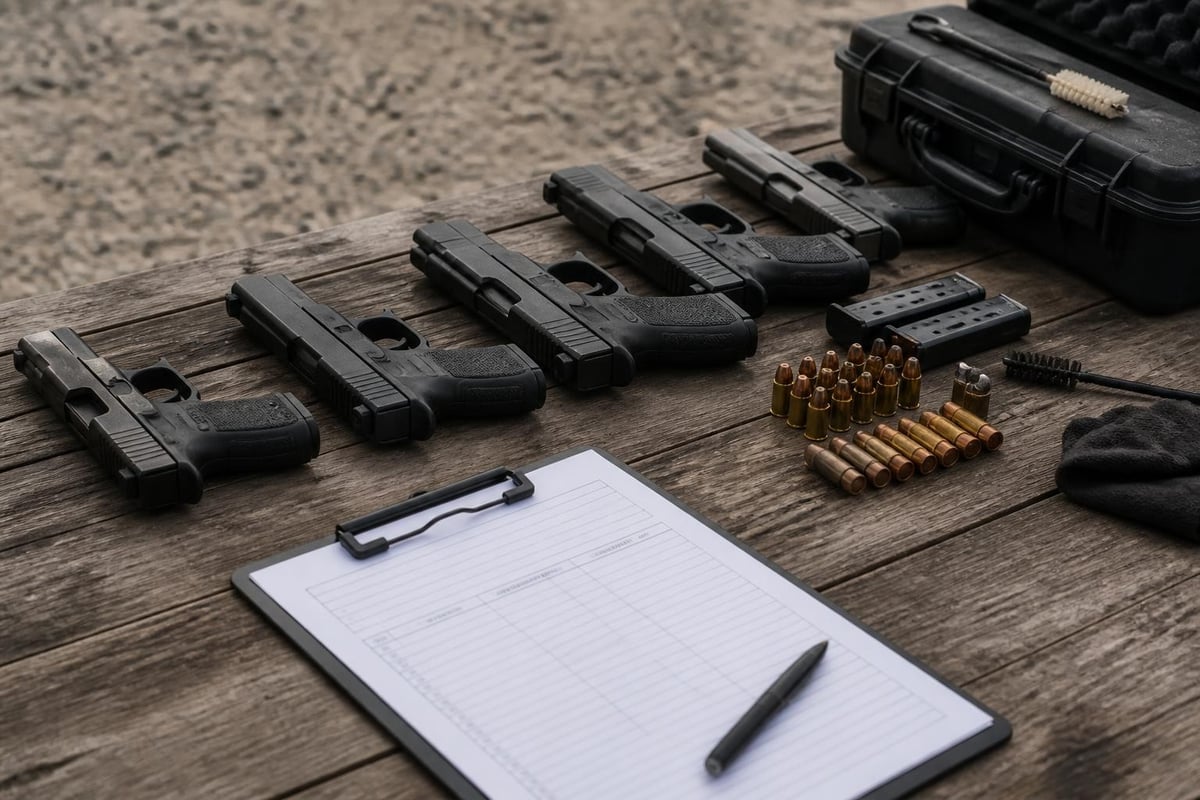
Factory sights on many concealed carry pistols prove barely adequate for precision shooting. Upgrading to high-visibility sights significantly improves target acquisition speed in various lighting conditions. Options include:
- Night sights with tritium inserts for low-light visibility
- Fiber optic front sights that gather ambient light
- Red dot optics offering rapid target acquisition with both eyes open
Research indicates that defensive gun use often occurs in suboptimal lighting, making sight visibility a critical consideration.
Holster Selection and Carry Methods
Even the perfect concealed carry pistol becomes impractical without a quality holster. The holster serves multiple critical functions: retaining the firearm securely, protecting the trigger guard, enabling consistent draw strokes, and distributing weight comfortably.
Popular Carry Positions
Inside the Waistband (IWB) positions the pistol between your body and pants, offering excellent concealment. Appendix carry (front of body) provides quick access and natural draw angles, while strong-side hip placement feels more comfortable for many carriers. Products like the Bulldog shoulder harness offer alternative carry solutions for specific situations.
Outside the Waistband (OWB) holsters sit on the belt outside your pants. They're generally more comfortable but require covering garments for concealment. OWB carry works well with jackets or loose-fitting shirts.
Pocket carry suits ultra-compact pistols carried in pants or jacket pockets. This method requires pocket holsters that break up the gun's outline and protect the trigger.
Material and Construction Quality
Holster materials significantly impact comfort, durability, and retention:
- Kydex thermoplastic offers rigid retention with minimal maintenance
- Leather provides traditional aesthetics with break-in periods for comfort
- Hybrid designs combine Kydex shells with leather or neoprene backing
Quality holsters incorporate adjustable retention, allow re-holstering with one hand, and maintain their shape when empty. Understanding your state-specific gun laws ensures your carry method remains compliant with local regulations.
Training and Skill Development
Owning a concealed carry pistol carries significant responsibility. Regular training transforms theoretical knowledge into muscle memory that functions under stress. Your training regimen should address multiple skill dimensions beyond basic marksmanship.
Fundamental Marksmanship Skills
Building a solid shooting foundation requires consistent practice of core techniques. Grip pressure, sight alignment, trigger control, and follow-through form the pillars of accurate shooting. Dedicating range time to these fundamentals with your concealed carry pistol ensures familiarity with its specific handling characteristics.
Start practice sessions at close range (3-7 yards) where most defensive encounters occur. Gradually extend distances as proficiency improves, but maintain emphasis on practical defensive distances rather than long-range precision.
Scenario-Based Training
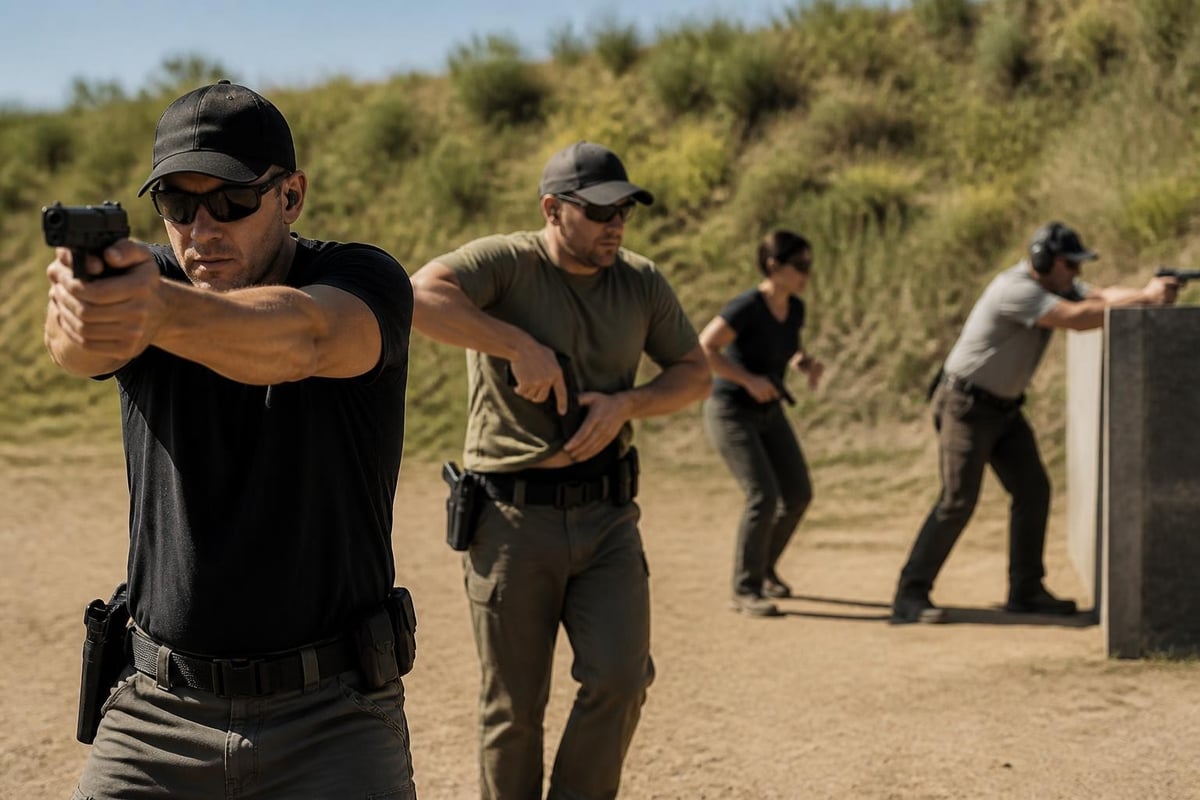
Static range practice represents just the beginning of defensive preparedness. Scenario-based training introduces variables like movement, multiple targets, shooting from cover, and stress inoculation. Many ranges now offer training bays specifically designed for dynamic defensive drills.
Practice drawing from concealment under various conditions:
- Standing stationary with clear line of sight
- Moving laterally while engaging targets
- Seated positions common in vehicles or restaurants
- One-handed manipulation for injury scenarios
- Low-light conditions using flashlight techniques
Maintenance and Reliability Standards
A concealed carry pistol experiences different demands than firearms kept primarily for range use. Exposure to body oils, sweat, lint, and environmental factors necessitates more frequent maintenance. Establishing a cleaning and inspection schedule prevents reliability issues when you need your firearm most.
Cleaning Protocol
Daily carry inspection involves visual checks for lint accumulation, loose screws, or damaged components. Wipe down exposed metal surfaces to remove corrosive body salts and moisture.
Monthly detail cleaning requires full disassembly, thorough cleaning of all components, lubrication per manufacturer specifications, and function testing. This interval increases if you practice frequently or carry in harsh conditions.
Annual professional inspection by a qualified gunsmith identifies wear patterns and potential issues before they compromise reliability. Springs, extractors, and other wear items eventually require replacement.
Ammunition Considerations
Carry ammunition differs significantly from practice rounds. Premium defensive hollow-point ammunition designed for reliable expansion and penetration in self-defense scenarios costs considerably more than range ammunition. However, your concealed carry pistol should be tested with your chosen defensive load to ensure reliable feeding and function.
Rotate carry ammunition annually since chambering and unchambering rounds can set bullets deeper into cases, potentially affecting reliability. Keep rotated ammunition for practice to avoid waste.
Legal and Ethical Responsibilities
Carrying a concealed pistol involves profound legal and ethical responsibilities. Understanding when deadly force is legally justified, documenting incidents properly, and making split-second decisions under extreme stress require serious consideration. The National Institute of Justice research examines various aspects of concealed carry policy and outcomes.
Use of Force Continuum
Defensive firearm use represents the extreme end of force options. De-escalation, retreat, and less-lethal alternatives should be considered when circumstances permit. Most states require an immediate, otherwise unavoidable threat of death or serious bodily harm before deadly force becomes legally justified.
Understanding your state's specific statutes regarding self-defense, duty to retreat, and castle doctrine provisions prevents legal jeopardy. Consulting with attorneys specializing in self-defense law provides valuable perspective on your jurisdiction's requirements.
For outdoor enthusiasts, responsible firearms handling extends beyond personal defense. Whether you're preparing for guided pheasant hunts or managing wildlife through strategic planning like mineral sites for deer hunters, safety and legal compliance remain paramount.
Practical Considerations for Daily Carry
Successfully integrating a concealed carry pistol into daily life requires adjustments to routines, wardrobe, and mindset. The firearm must remain accessible yet completely concealed, comfortable enough for all-day wear, yet secure against unauthorized access.
Wardrobe Modifications
Effective concealment often necessitates clothing choices that accommodate your concealed carry pistol without obvious printing or bulges. Slightly larger shirt sizes, darker colors and patterns, and strategic fabric choices help maintain concealment. Structured belts designed specifically for concealed carry distribute weight more effectively than standard dress belts.
Seasonal changes present concealment challenges. Summer clothing provides less coverage, requiring smaller pistols or deep concealment techniques. Winter layers simplify concealment but complicate access during critical moments.
Building Situational Awareness
Carrying a concealed pistol shifts your mindset toward proactive threat assessment. Developing situational awareness helps you identify and avoid potential threats before they escalate to confrontations. This includes monitoring your environment, recognizing pre-attack indicators, and positioning yourself advantageously in public spaces.
The goal of carrying a concealed carry pistol is avoiding its use through awareness and de-escalation. Statistics from the Office of Justice Programs suggest that the mere presence of armed citizens may deter some criminal activity.
Popular Concealed Carry Pistol Models
The firearms market offers hundreds of concealed carry pistol options across various price points and feature sets. Several models have established reputations for reliability, shootability, and concealment effectiveness.
Leading Manufacturers and Models
Glock dominates the concealed carry market with striker-fired pistols known for simplicity and reliability. The G19 compact 9mm and G43X slimline models represent popular choices balancing capacity and concealability.
Sig Sauer P365 series revolutionized micro-compact pistols by offering double-stack capacity in remarkably small frames. The P365 and variants pack 10-12 rounds in packages barely larger than traditional single-stack .380s.
Smith & Wesson M&P Shield series provides affordable, reliable concealed carry options in 9mm and .40 S&W. The Shield Plus increases capacity while maintaining the original's slim profile.
Springfield Armory Hellcat challenges the P365 with similar capacity in an equally compact package. The Hellcat's slightly different grip angle and trigger characteristics appeal to shooters seeking alternatives.
| Model | Caliber | Capacity | Barrel Length | Weight | MSRP Range |
|---|---|---|---|---|---|
| Glock 43X | 9mm | 10+1 | 3.41" | 18.7 oz | $500-550 |
| Sig P365 | 9mm | 10+1 | 3.1" | 17.8 oz | $550-600 |
| S&W Shield Plus | 9mm | 13+1 | 3.1" | 20.2 oz | $450-500 |
| Springfield Hellcat | 9mm | 11+1 | 3" | 18.3 oz | $500-570 |
Budget Considerations
Quality concealed carry pistols span wide price ranges. While premium options offer enhanced features and finishes, several budget-friendly models deliver reliable performance. However, your defensive firearm isn't the place to make extreme cost compromises. Reliability and shootability justify investing in proven platforms from established manufacturers.
Factor holsters, spare magazines, defensive ammunition, and training costs into your total budget. These accessories and skills prove as important as the firearm itself.
Advanced Considerations and Accessories
Once you've selected your primary concealed carry pistol and developed fundamental skills, several enhancements can optimize your defensive capabilities. These additions address specific challenges or preferences that emerge through regular carry experience.
Weapon-Mounted Lights
Low-light engagements present unique challenges for target identification and accurate fire. Compact weapon-mounted lights designed for concealed carry pistols add minimal bulk while providing critical illumination. Models from Streamlight, SureFire, and Olight integrate cleanly with most modern defensive handguns.
Remember that activating your light identifies your position to potential threats. Training in tactical light use teaches when and how to employ illumination effectively.
Extended Magazines
Carrying spare magazines addresses two critical needs: ammunition capacity and malfunction clearance. Most defensive encounters resolve quickly, but having additional rounds available provides peace of mind. Extended magazines increase capacity but may compromise concealment depending on your carry method.
Trigger Enhancements
Aftermarket trigger components can improve the shooting characteristics of your concealed carry pistol. However, modifications to defensive firearms carry legal implications. Some jurisdictions view trigger modifications skeptically in self-defense cases, arguing they indicate premeditation or recklessness.
If you pursue trigger work, document the modifications, ensure they maintain safe operation, and consult legal counsel regarding implications in your jurisdiction.
Building a Comprehensive Defensive Strategy
Your concealed carry pistol represents just one component of comprehensive personal security. Integrating it into a broader defensive strategy maximizes its effectiveness while minimizing the likelihood you'll ever need to deploy it.
Physical fitness enables you to create distance from threats, move to cover, and maintain control of your firearm. Cardiovascular conditioning and functional strength training complement defensive firearms skills.
Legal knowledge protects you from criminal and civil liability. Understanding self-defense law, documenting incidents properly, and knowing when to invoke your Fifth Amendment rights prevents legal jeopardy following defensive use.
Communication skills de-escalate many potential confrontations before they become physical. Projecting confidence, setting verbal boundaries, and recognizing manipulation tactics reduce your likelihood of victimization.
First aid training addresses injuries to yourself, family members, or even attackers following defensive incidents. Trauma care skills and appropriate medical supplies complement your defensive capabilities.
For those passionate about firearms and outdoor pursuits, competitions and hunting opportunities provide enjoyable ways to maintain proficiency. RCS Outdoors partners with premier destinations to offer unique experiences that combine skill development with memorable adventures.
Selecting and carrying a concealed pistol demands serious commitment to training, legal compliance, and ongoing skill development. The responsibility extends beyond the purchase decision to encompass daily carry practices, regular training, and thoughtful consideration of when deadly force becomes justified. Whether you're new to concealed carry or looking to upgrade your current setup, RCS Outdoors offers the firearms, ammunition, and accessories you need to build a reliable defensive system tailored to your specific requirements.


