

Bird Dog Summer Conditioning: A Complete Guide
Summer represents a critical training window for bird dog owners who want their canine partners performing at peak levels when hunting season arrives. While many handlers reduce training during hot months, successful upland hunters know that bird dog summer conditioning separates average performers from exceptional ones. The challenge lies in building endurance and maintaining skills while protecting your dog from heat-related dangers. Strategic conditioning during these warmer months creates a foundation of strength and stamina that pays dividends throughout the hunting season.
Understanding Heat Stress and Safety Fundamentals
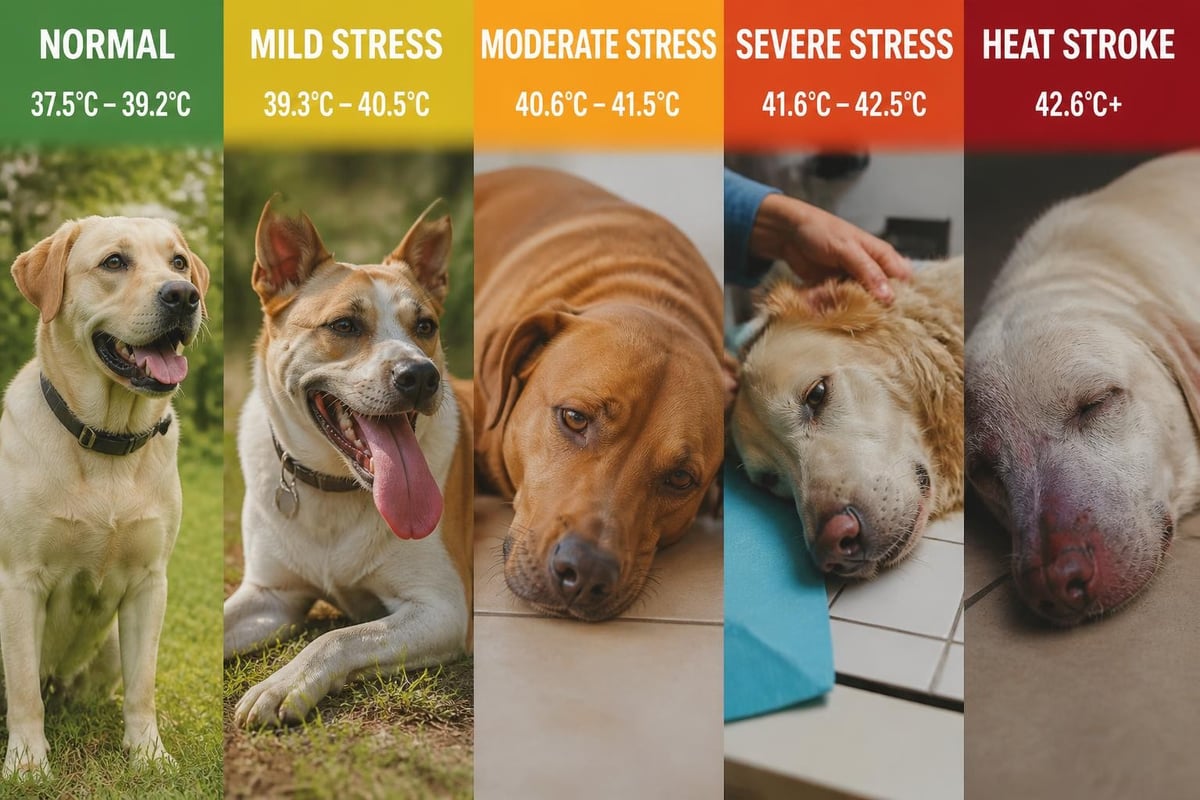
Dogs lack the efficient cooling systems humans possess, making them particularly vulnerable to heat exhaustion during summer training sessions. Unlike people who sweat across their entire body, canines primarily cool themselves through panting and limited perspiration through their paw pads.
Recognition and Prevention of Heat-Related Issues
Warning signs of heat stress include:
- Excessive drooling or thick saliva
- Rapid, heavy panting that doesn't slow during rest
- Bright red or pale gums
- Weakness or stumbling gait
- Vomiting or diarrhea
Training during the coolest parts of the day-early morning before 9 AM or evening after 7 PM-dramatically reduces heat stress risk. According to comprehensive safety strategies from Lucky Duck, these timing adjustments alone can lower ground temperatures by 20-30 degrees compared to midday sessions.
Water availability is non-negotiable. Bring at least twice as much water as you think necessary, and offer frequent breaks every 10-15 minutes during active work.
Building a Progressive Conditioning Timeline
Bird dog summer conditioning requires a structured approach that gradually increases duration and intensity over 8-12 weeks. Starting too aggressively leads to injury, burnout, or heat illness that can sideline your dog for weeks.
Weeks 1-3: Foundation Building
Begin with short 15-20 minute sessions focused on walking and light jogging. This phase rebuilds cardiovascular base fitness after any spring downtime. Include gentle terrain variations like slight inclines to engage different muscle groups without overwhelming your dog.
Basic obedience work during this phase serves dual purposes-refreshing commands while keeping sessions mentally engaging without excessive physical demands. Work on sit, stay, heel, and recall in familiar, comfortable environments.
Weeks 4-6: Intensity Escalation
Increase session duration to 30-40 minutes while introducing more challenging activities. Gun Dog Magazine recommends incorporating swimming during this phase, as water work builds exceptional cardiovascular fitness while remaining easy on joints.
| Training Activity | Duration | Frequency | Intensity Level |
|---|---|---|---|
| Road Work | 25-35 min | 4x/week | Moderate |
| Swimming | 20-30 min | 2-3x/week | High cardio, low impact |
| Field Work | 15-25 min | 3x/week | Moderate-High |
| Obedience Drills | 15-20 min | Daily | Low-Moderate |
Swimming provides one of the most effective forms of bird dog summer conditioning available. The resistance of water builds strength while eliminating the joint impact of running on hard ground.
Weeks 7-12: Peak Performance Preparation
Advanced conditioning incorporates hunting-specific scenarios including longer retrieves, upland cover work, and extended sessions up to 60 minutes. Gradually introduce these elements while maintaining vigilance for heat stress signs.
Clear Cut Kennels’ summer training programs demonstrate how real-scenario work during this final phase creates dogs that transition seamlessly into hunting season demands.
Nutrition and Hydration Strategies
Performance nutrition directly impacts your dog's ability to handle summer conditioning stress and build muscular endurance. Quality protein sources support muscle repair and development during intensive training periods.
Caloric Adjustment for Training Intensity
Active training periods require 20-40% more calories than sedentary periods, depending on session intensity and duration. Monitor your dog's body condition weekly-you should feel ribs easily without seeing them prominently through the coat.
High-performance nutrition principles:
- Feed primary meals during cooler hours (early morning or late evening)
- Avoid feeding within 90 minutes before training sessions
- Provide high-quality protein sources (25-30% protein content)
- Include omega-3 fatty acids for joint health and inflammation reduction
- Consider electrolyte supplementation during intense training phases
Filson’s nutrition guidance from Ruggs Ranch emphasizes that proper nutrition acts as the foundation supporting all conditioning efforts.
Hydration extends beyond simply providing water bowls. During active training, dogs should drink small amounts frequently rather than gulping large volumes that can cause bloating or discomfort. Portable collapsible bowls make offering water every 10-15 minutes practical during field sessions.

Mental Conditioning and Skill Maintenance
Physical fitness represents only half of effective bird dog summer conditioning. Mental sharpness, obedience reliability, and hunting skills require consistent reinforcement to prevent regression during the off-season.
Obedience Fundamentals Under Distraction
Summer provides excellent opportunities to proof commands in challenging environments. Practice recalls near water sources, work steadiness around planted birds in hot weather, and reinforce quartering patterns through light cover.
Short, focused sessions maintain skills without physical exhaustion. Fifteen minutes of intense obedience work in moderate heat taxes your dog mentally while building impulse control that proves invaluable during actual hunts.
Scent Work and Bird Exposure
Controlled bird exposure maintains your dog's nose and hunting drive. Use frozen pigeons or quail during cooler sessions, allowing your dog to locate and point or flush under controlled conditions.
According to continuous conditioning strategies from Game & Fish Magazine, regular scent work prevents the "rust" that develops when dogs go months without encountering game birds.
Equipment and Training Environment Considerations
The right equipment protects your dog while maximizing training effectiveness during hot weather. Thoughtful selection of training locations and tools makes sessions safer and more productive.
Location Selection Criteria
- Access to shade for frequent breaks
- Water sources for cooling and drinking
- Varied terrain that matches hunting conditions
- Ground cover that doesn't retain excessive heat
- Minimal exposure to pavement or concrete
Morning sessions on grass or dirt trails provide cooler surfaces than afternoon work on roads or fields. Ground temperature can exceed 140°F on asphalt during summer afternoons-hot enough to cause paw pad burns within minutes.
Protective Gear and Monitoring Tools
Consider these tools for safe summer conditioning:
- GPS tracking collars: Monitor location and activity intensity
- Cooling vests: Evaporative cooling extends safe training windows
- Paw protection boots: Shield pads during unavoidable hot surface exposure
- Portable thermometers: Track ambient temperature and humidity
High humidity amplifies heat stress risk significantly. When humidity exceeds 80%, even moderate temperatures become dangerous for intense exercise.
Integration of Cross-Training Activities
Diverse activities build comprehensive fitness while preventing mental burnout from repetitive routines. Bird dog summer conditioning benefits from incorporating multiple exercise modalities throughout the week.
Swimming for Low-Impact Cardio
Natural water bodies or safe pools provide ideal cross-training environments. Swimming builds tremendous cardiovascular capacity and muscular endurance without the joint stress of road work. Off-season conditioning strategies highlight swimming as one of the most effective preparation activities.
Gradually build swimming duration from 10 minutes to 30+ minutes over several weeks. Use retrieving bumpers to maintain purpose and engagement during swimming sessions.
Structured Road Work
Controlled road work on leash builds discipline while developing the muscular endurance required for full hunting days. Start with 15-minute sessions at a brisk walking pace, eventually incorporating short jogging intervals.
Road work also toughens paw pads, reducing the likelihood of cuts or abrasions during early hunting season when cover might be rough or stubble fields abrasive.
Breed-Specific Conditioning Adjustments
Different breeds have varying heat tolerance levels and conditioning needs. Pointers, setters, spaniels, and retrievers each require customized approaches for optimal summer preparation.
Pointers and Setters
These ranging breeds need extensive cardiovascular conditioning to support their wide-searching hunting style. Emphasize longer duration sessions at moderate intensity rather than short, high-intensity bursts.
Conditioning priorities:
- Extended road work building to 45-60 minutes
- Wide-ranging field work practicing quartering patterns
- Swimming for cardiovascular base without joint stress
- Regular exposure to bird scent maintaining hunting drive
Flushing Breeds and Retrievers
Spaniels and retrievers work closer and often in water, requiring different conditioning emphasis. These dogs benefit from explosive power training alongside endurance work.
Short sprints, water retrieves, and varied terrain work build the combination of stamina and quick bursts needed for their hunting style. Include multiple short retrieves during sessions to simulate hunting day demands.
For upland hunters preparing their dogs for the upcoming season, The Upland Escape Giveaway from RCS Outdoors, Heartland Lodge, and Benelli celebrates this tradition with a premium hunt package at one of the country's most celebrated wingshooting destinations, along with a Benelli Super Black Eagle 3. It represents the caliber of hunting experiences that well-conditioned bird dogs make possible.
Weather Adaptation and Flexibility
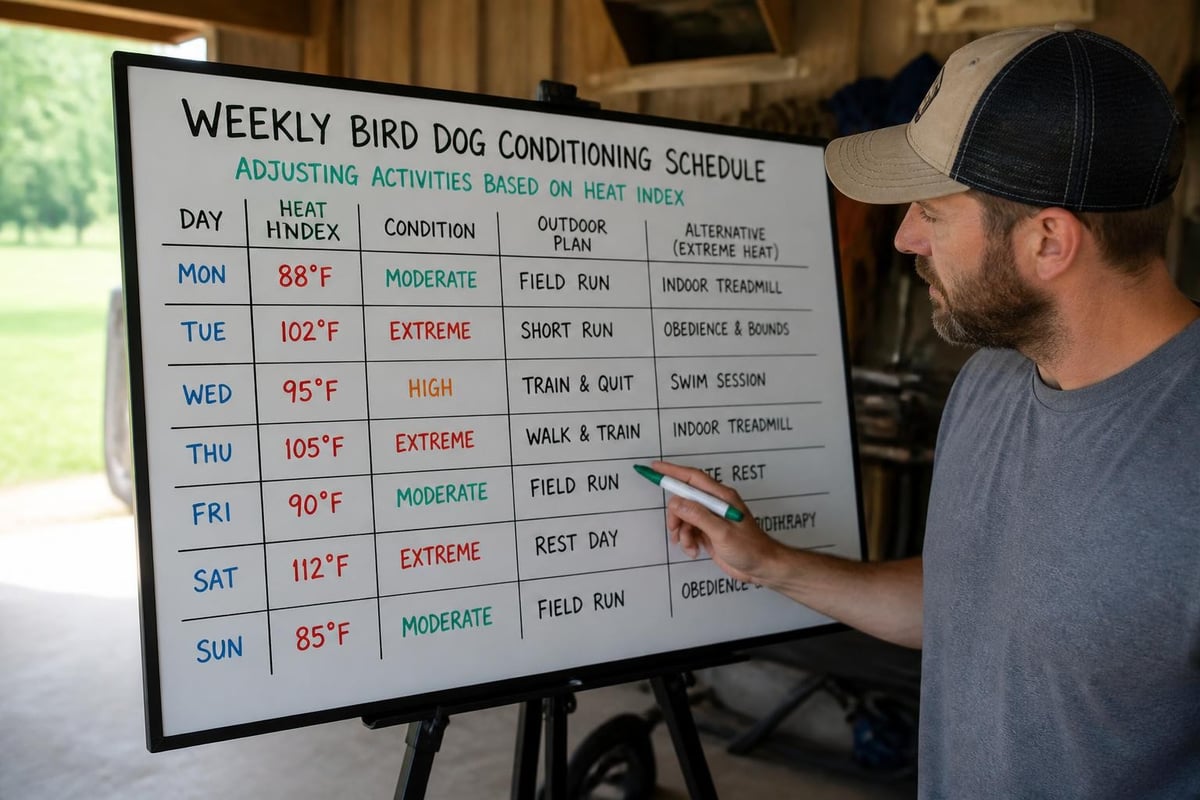
Summer weather varies dramatically, requiring adaptive training plans that respond to current conditions rather than rigid schedules. Weatherproofing your training approach ensures consistent progress regardless of environmental challenges.
Heat Index Monitoring
The combination of temperature and humidity creates the heat index-the measure that truly determines exercise safety. When heat index exceeds 100°F, limit training to essential maintenance work only, conducted during the coolest possible hours.
| Heat Index Range | Training Modifications |
|---|---|
| Below 90°F | Normal training possible with standard precautions |
| 90-100°F | Reduce intensity by 30%, increase break frequency |
| 100-110°F | Light obedience only, no cardiovascular work |
| Above 110°F | Indoor mental work only, skip physical training |
Rainy Day Alternatives
Summer thunderstorms provide opportunities for different training approaches. Light rain in moderate temperatures allows for excellent scent work, as moisture enhances scent retention and dispersal.
Heavy rain days shift focus to indoor obedience, place board work, or mental stimulation games that maintain engagement without physical demands.
Recovery and Injury Prevention
Pushing too hard during bird dog summer conditioning creates injuries that compromise hunting season performance. Strategic recovery practices prevent overtraining while maximizing adaptation to conditioning stress.
Active Recovery Sessions
Not every training day should push physical limits. Incorporate 2-3 active recovery sessions weekly consisting of gentle 15-20 minute walks, basic obedience, or free swimming that maintains movement without intense demands.
These lighter sessions promote blood flow that speeds muscle recovery while preventing complete inactivity that can lead to stiffness.
Joint Health Maintenance
Preventive measures include:
- Glucosamine and chondroitin supplementation for dogs over 3 years
- Omega-3 fatty acids reducing inflammation
- Controlled warm-up periods before intense work
- Gradual cool-down walks after training
- Regular veterinary check-ups assessing joint health
Watch for subtle signs of developing issues like slight limping, reluctance to jump, or stiffness after rest. Early intervention prevents minor problems from becoming season-ending injuries.
Pre-Season Testing and Adjustment
As hunting season approaches, assessment sessions reveal whether your bird dog summer conditioning program achieved its goals. These evaluations identify any remaining weaknesses requiring targeted work before opening day.
Endurance Testing
Conduct a mock hunting session at moderate intensity lasting 90-120 minutes. Your dog should complete this duration while maintaining enthusiasm and responsiveness to commands throughout.
Signs of inadequate conditioning include flagging energy after 45-60 minutes, excessive panting that doesn't recover during brief rests, or diminished obedience as fatigue sets in.
Skills Assessment
Run through complete hunting scenarios including bird finding, pointing or flushing, retrieves, and obedience under distraction. Performance should match or exceed previous season capabilities, with improved steadiness and stamina.
Training articles from Spiegel Bird Dogs provide benchmarks for evaluating whether your conditioning program has prepared your dog adequately for demanding hunting conditions.
Final Preparation Phase
The last 2-3 weeks before season opening should maintain fitness while ensuring complete recovery from any conditioning fatigue. Reduce training volume by 30-40% while maintaining intensity during shorter sessions.
This taper period allows muscular systems to fully recover and adapt, ensuring your dog enters hunting season at absolute peak performance rather than carrying accumulated fatigue from summer work.
Successful bird dog summer conditioning transforms good hunting dogs into exceptional field performers capable of handling the longest, most demanding days without compromising effectiveness or safety. By combining progressive physical conditioning with mental sharpness maintenance, proper nutrition, and intelligent heat management, you'll develop a canine partner ready for whatever challenges the hunting season presents. Whether you're preparing for upland pursuits or waterfowl seasons, RCS Outdoors offers the firearms, ammunition, and accessories you need to make the most of your well-conditioned dog's abilities when those carefully prepared hunting days finally arrive.


