

CCW Handgun Selection: Complete Guide for 2026
Selecting a concealed carry weapon handgun represents one of the most important decisions for personal protection and self-defense. The right ccw handgun must balance concealability, reliability, comfort, and stopping power while meeting legal requirements in your jurisdiction. Whether you're a first-time carrier or upgrading your current setup, understanding the critical factors that influence ccw handgun selection ensures you make an informed choice that serves you well for years to come.
Understanding CCW Handgun Fundamentals
A ccw handgun serves a distinctly different purpose than a range gun or home defense firearm. Concealment demands smaller dimensions, lighter weight, and reliable operation under stress. The gun you choose will likely spend thousands of hours against your body, making comfort and wearability just as critical as performance.
Frame Size Considerations
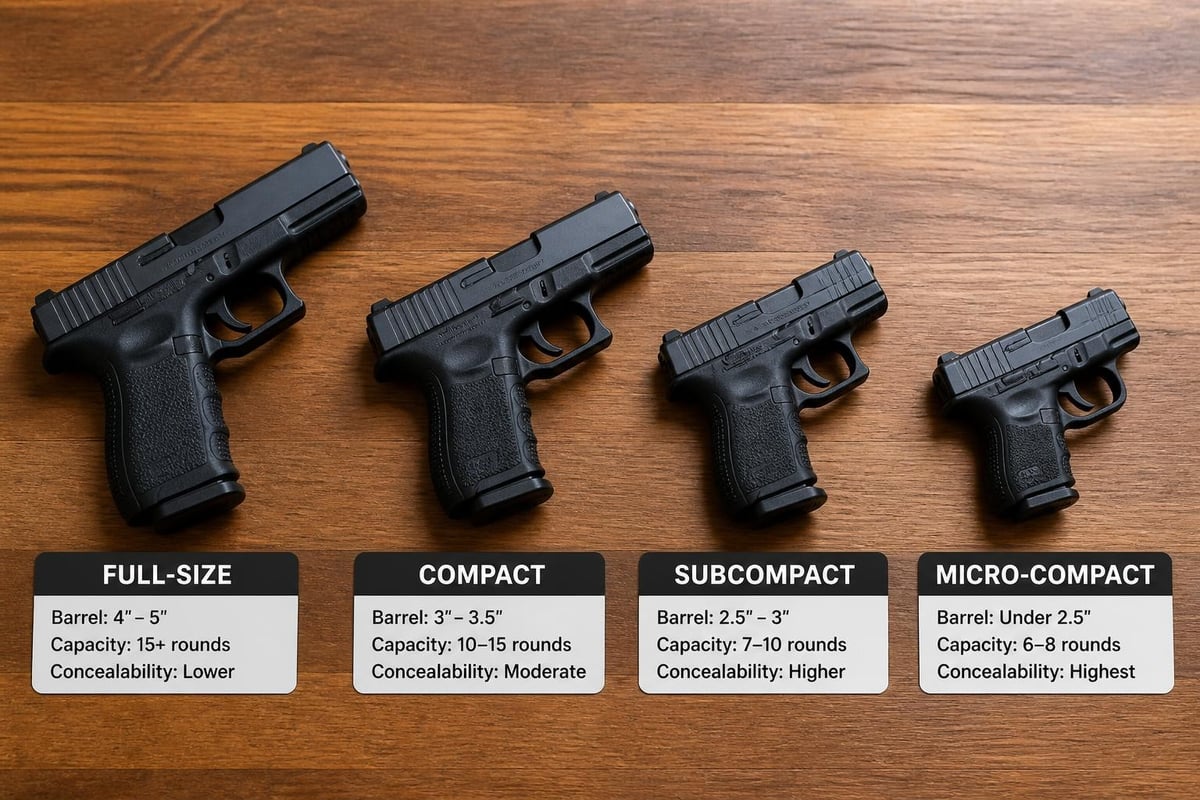
Modern manufacturers categorize handguns into several frame sizes that directly impact concealability and shootability. Full-size handguns typically feature barrel lengths of 4-5 inches and hold 15-17 rounds in standard capacity magazines. Compact frames reduce both dimensions slightly, while subcompact models prioritize maximum concealment with barrels around 3 inches and reduced capacity.
Micro-compact pistols have surged in popularity since 2020, offering remarkable concealability in packages barely larger than your palm. These firearms excel for deep concealment but demand more training to master due to reduced sight radius and snappier recoil.
The frame size you select impacts several performance factors:
- Sight radius: Longer barrels improve accuracy
- Recoil management: More weight absorbs felt recoil
- Capacity: Larger frames typically hold more ammunition
- Comfort: Smaller guns print less but can be harder to grip
- Draw speed: Compact designs clear clothing faster
Most experienced carriers eventually own multiple sizes for different situations and clothing options.
Caliber Selection for Concealed Carry
Choosing the right caliber for your ccw handgun involves balancing stopping power, recoil management, and capacity. The debate over optimal defensive calibers continues, but several chamberings have proven themselves effective.
Popular Defensive Calibers
The 9mm Luger has become the dominant choice for concealed carry in 2026. Modern defensive ammunition delivers excellent terminal performance while allowing higher capacity and manageable recoil. Law enforcement agencies nationwide have adopted 9mm, validating its effectiveness.
| Caliber | Capacity | Recoil | Availability | Best For |
|---|---|---|---|---|
| 9mm | High | Moderate | Excellent | Most carriers |
| .40 S&W | Medium | Heavy | Good | Experienced shooters |
| .45 ACP | Lower | Heavy | Good | Traditional preference |
| .380 ACP | High | Light | Good | Deep concealment |
| .38 Special | 5-6 rounds | Moderate | Excellent | Revolver carriers |
The .40 S&W delivers more kinetic energy than 9mm but with notably sharper recoil that can slow follow-up shots. The .45 ACP offers large wound channels with reduced capacity. For those who prioritize minimal dimensions, .380 ACP provides adequate performance in the smallest packages.
Understanding how to choose a ccw handgun means honestly assessing your ability to control recoil and deliver accurate follow-up shots under stress. A hit with a smaller caliber outperforms a miss with a larger one.
Ammunition Considerations
Modern defensive ammunition has revolutionized handgun effectiveness. Premium hollow-point loads in any major caliber offer reliable expansion and adequate penetration when meeting FBI testing protocols. Stock your ccw handgun with quality defensive rounds and practice with similar-weight training ammunition to maintain muscle memory.
Ergonomics and Fit
Your ccw handgun must fit your hand properly to ensure accurate, instinctive shooting. Manufacturers now offer multiple backstrap sizes, allowing customization for different hand dimensions. Visit a well-stocked retailer where you can physically handle various models before committing.
Grip Evaluation
Proper grip evaluation goes beyond comfort. Your trigger finger should reach the trigger face with the pad of your fingertip, not the joint. The web of your hand should sit high on the backstrap to control muzzle flip. Your support hand should fill remaining space without fighting for position.
Texture matters significantly for concealed carry. Aggressive stippling or checkering provides excellent retention but can irritate skin during extended carry. Moderate texturing offers the best compromise between control and comfort against bare skin.
Test these critical fit factors:
- Trigger reach with natural hand position
- Ability to manipulate controls without shifting grip
- Comfort during extended holding periods
- Natural sight alignment when bringing gun to eye level
- Access to magazine release and slide stop
Carry Methods and Holster Compatibility
The location and method you choose for carrying your ccw handgun dramatically affects both comfort and accessibility. Your firearm choice should align with your preferred carry position.
Inside the Waistband Carry
IWB carry remains the most popular method for concealing a handgun. The gun sits between your pants and body, typically at the 3-5 o'clock position for right-handed carriers. This method offers excellent concealment with appropriate clothing but requires pants one size larger than normal.
Appendix carry (AIWB) has gained tremendous popularity among defensive instructors and serious practitioners. Positioning the gun at 12-1 o'clock provides fastest access and superior weapon retention. However, this position demands strict safety protocols and works best with shorter slides.
For those exploring holster options that complement their carry setup, quality retention and comfort materials prove essential for daily carry commitment.

Outside the Waistband and Alternative Methods
OWB carry positions the handgun outside your pants, requiring cover garments like jackets or untucked shirts. This method offers maximum comfort and faster draws but challenges concealment in warmer months. Shoulder holsters distribute weight across your torso, making them popular for drivers and those who sit extensively.
Ankle carry, pocket carry, and off-body methods serve specific situations but come with significant limitations. Each carrier must experiment to find their optimal balance of concealment, comfort, and access speed.
Training and Proficiency Development
Purchasing a ccw handgun represents just the beginning of your defensive preparedness journey. Developing genuine proficiency requires consistent practice and quality instruction. Many states mandate training for permit issuance, but legal minimums rarely create competent shooters.
Essential Skills to Master
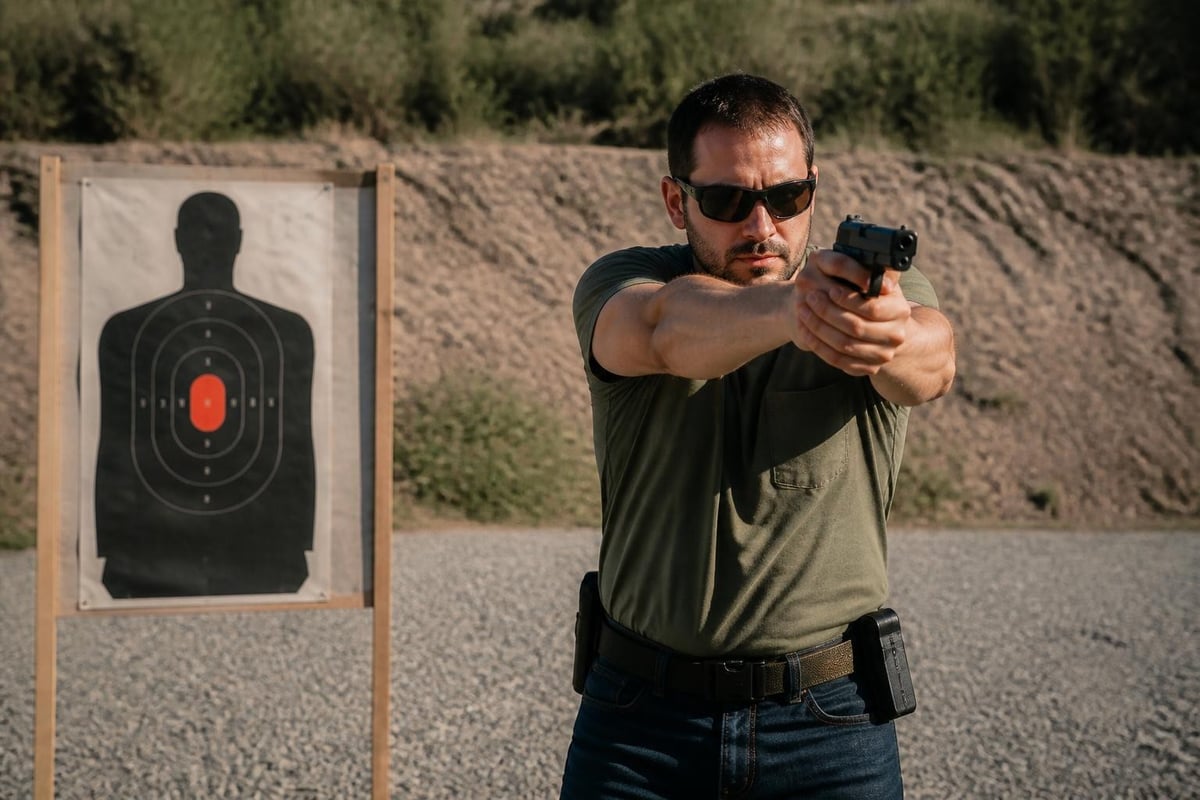
Defensive handgun skills extend far beyond target shooting. Your training should encompass drawing from concealment, firing from retention positions, malfunction clearances, and shooting while moving. Stress inoculation through force-on-force scenarios builds the mental resilience required for actual defensive encounters.
Establish a structured practice routine:
- Dry fire practice 5-10 minutes daily focusing on trigger control
- Live fire sessions bi-weekly with specific skill development goals
- Quarterly formal training with qualified instructors
- Annual force-on-force scenarios to test decision-making under pressure
Quality training costs money and time, but the investment pays dividends if you ever face a life-threatening situation. Seek instructors who emphasize realistic scenarios over static range drills.
Legal Considerations and Permit Requirements
Operating with a ccw handgun carries significant legal responsibilities that vary dramatically by jurisdiction. Understanding applicable laws protects you from criminal liability and civil litigation following a defensive use of force.
State-Specific Regulations
Concealed carry laws differ substantially across states. Some jurisdictions operate under "shall-issue" policies where authorities must grant permits to qualified applicants. Others maintain "may-issue" frameworks giving officials discretion. Constitutional carry states allow qualifying residents to carry without permits, though understanding state-specific regulations remains critical.
Research requirements in your state regarding:
- Application processes and fees: Costs range from $50-$300
- Training hour mandates: Some states require 8-16 hours of certified instruction
- Prohibited locations: Schools, government buildings, and private property restrictions
- Reciprocity agreements: Which states honor your home state permit
- Renewal timelines: Permits typically expire every 3-5 years
California residents face particularly complex regulations requiring careful attention to legal bulletins and updates. States like Ohio provide comprehensive legal resources helping carriers understand their responsibilities.
Use of Force Considerations
Carrying a concealed handgun means accepting the responsibility to understand when deadly force becomes legally justified. Most jurisdictions permit defensive use when facing imminent threat of death or serious bodily harm. However, you bear the burden of articulating why your response was reasonable given the circumstances.
Document your training, understand local laws, and consider self-defense insurance policies that provide legal representation following defensive incidents. The financial and emotional costs of even justified defensive shootings can prove devastating without proper preparation.
Reliability and Maintenance Requirements
Your ccw handgun must function flawlessly when needed. Unlike range toys that receive immediate attention during malfunctions, defensive firearms must operate in adverse conditions without maintenance for extended periods.
Reliability Testing
New handguns require thorough testing before trusting them with your life. Fire at least 200-300 rounds of your chosen defensive ammunition to verify reliable feeding, extraction, and ejection. Test your gun dirty, after exposure to moisture, and with weak-hand only manipulations.
Break-in periods affect some handguns more than others. Modern striker-fired pistols typically run reliably from the box, while 1911-pattern guns may require smoothing before achieving optimal reliability. Never carry a gun that hasn't proven itself through extensive testing.
Maintenance Protocols
Establish regular cleaning and inspection schedules. Guns carried daily accumulate lint, sweat, and debris that can impede function. Monthly detail cleaning, quarterly inspection of springs and wear points, and annual replacement of recoil springs maintains peak performance.
Keep detailed logs of round counts and maintenance performed. Springs weaken over time, extractors lose tension, and firing pins break. Preventive replacement costs minimal amounts compared to malfunction consequences during critical incidents.
Popular CCW Handgun Models in 2026
The concealed carry market offers countless options from budget-friendly to premium selections. Several models have distinguished themselves through proven reliability and widespread adoption.
Striker-Fired Leaders
Glock pistols continue dominating the ccw handgun market with models ranging from the compact G19 to the slimline G43X. Their simple operation, legendary reliability, and enormous aftermarket support make them excellent choices. Smith & Wesson M&P series guns offer ergonomic advantages with similar reliability at competitive prices.
Sig Sauer P365 variants revolutionized micro-compact capacity, squeezing 10+ rounds into remarkably small packages. The P365XL extends the platform with slightly larger dimensions for improved shootability while maintaining excellent concealability.
Traditional and Alternative Platforms
Hammer-fired handguns from manufacturers like CZ and Beretta appeal to shooters preferring manual safeties and single-action trigger options. These platforms often deliver superior triggers out of the box but add complexity to the manual of arms.
Revolvers maintain loyal followings for concealed carry despite capacity limitations. Smith & Wesson J-frame models offer ultimate simplicity and reliability without magazine-induced malfunctions. Modern lightweight frames and improved sights make them viable choices, particularly for deep concealment or backup gun roles.
Features and Accessories Worth Considering
Modern handguns offer numerous features and upgrade options. Understanding which enhancements provide genuine value versus marketing hype helps you invest wisely.
Sights and Optics
Factory sights on most handguns prove adequate but rarely optimal. Upgrading to high-visibility three-dot sights or fiber optic front sights dramatically improves target acquisition speed. Many carriers find night sights essential for low-light capability.
Miniature red dot optics have migrated from competition to defensive carry. These sights enable faster target acquisition and improved accuracy, particularly for aging eyes. However, they add bulk and complexity while requiring backup iron sights and battery management.
Light and Laser Attachments
Weapon-mounted lights allow positive target identification in darkness. Many defensive encounters occur in low-light conditions where identifying threats before shooting proves critical. Compact lights designed for concealed carry add minimal bulk while providing essential capability.
Lasers help some shooters acquire targets faster but create dependency that fails under stress for many users. If choosing laser sights, train extensively to ensure you can shoot effectively without them.
Trigger Modifications
Factory triggers vary widely in quality and characteristics. Upgrading to aftermarket triggers can improve consistency and reduce pull weight, but modifications may create legal complications following defensive shootings. Many experienced instructors recommend mastering factory triggers rather than modifying them.
Making Your Final Selection
After evaluating all factors, narrowing your choices to 2-3 finalists allows focused comparison. Rent these models at local ranges, firing at least 50 rounds through each. Pay attention to recoil management, sight tracking during rapid fire, and overall confidence with each platform.
Consider your typical wardrobe and daily activities. Office workers wearing business casual have different concealment challenges than construction workers in loose-fitting clothes. Your ccw handgun must disappear under your normal attire without constant adjustment or printing concerns.
Budget appropriately for the complete system, not just the gun. Quality holsters, belts, ammunition, and training often cost as much as the firearm itself. Skimping on these components undermines your entire defensive setup.
Trust your instincts after thorough research and hands-on evaluation. The best ccw handgun for you balances objective performance criteria with subjective fit and confidence factors. Resources like expert guidance on CCW selection and comprehensive concealed carry information provide additional perspectives as you make this critical decision.
Ongoing Education and Legal Updates
Concealed carry laws and best practices continue evolving as courts issue new rulings and legislatures pass updated statutes. Responsible carriers commit to staying informed about legal changes affecting their rights and responsibilities.
Subscribe to reputable sources providing legal updates in your jurisdiction. Organizations like state-specific gun rights groups monitor legislative activity and court decisions. Many offer legal defense insurance and continuing education opportunities keeping members current on developments.
Join local shooting communities where experienced carriers share knowledge and support skill development. These networks provide accountability for maintaining proficiency and awareness of practical carry considerations in your specific geographic area.
Selecting and carrying a ccw handgun demands careful consideration of multiple factors ranging from ergonomics and caliber to legal requirements and training commitments. The right choice balances your physical characteristics, lifestyle demands, and defensive philosophy while meeting legal standards in your jurisdiction. Whether you're just beginning your concealed carry journey or refining your current setup, RCS Outdoors offers the firearms, accessories, and expertise to support your defensive preparedness with quality products and knowledgeable guidance for all your shooting needs.


